Photo credit: Arian Fernandez/Pexels.com
If you’ve hunted with dogs—or even just taken a good dog into the woods—you already know the hard part isn’t the hunt. It’s what happens when your dog does what dogs do: ranges out, sticks its nose where it shouldn’t, or decides it can handle something that’s been surviving on teeth and attitude its whole life. A lot of these animals don’t “announce” themselves. The danger shows up fast, in thick cover, at the waterline, or in a split second you weren’t watching. This list isn’t meant to scare you off hunting with a dog. It’s meant to be honest about the stuff that turns a normal day into a worst day.
Coyotes

Coyotes are on this list because they don’t always fight fair, and they don’t always fight alone. A single coyote might act skittish, but if your dog chases, you can get that classic setup where the coyote keeps moving just ahead—pulling your dog farther out, farther from you, and closer to where other coyotes are waiting. Hunters who’ve seen it once don’t forget it, because the whole thing can happen in seconds.
The ugly part is how quickly a dog can go from “winning” to getting hit from the side or behind. Coyotes target the head and neck, and a pack can overwhelm even a tough dog fast. You may not hear much besides a burst of yelps and brush breaking, and by the time you get there, the fight can already be over.
Wolves
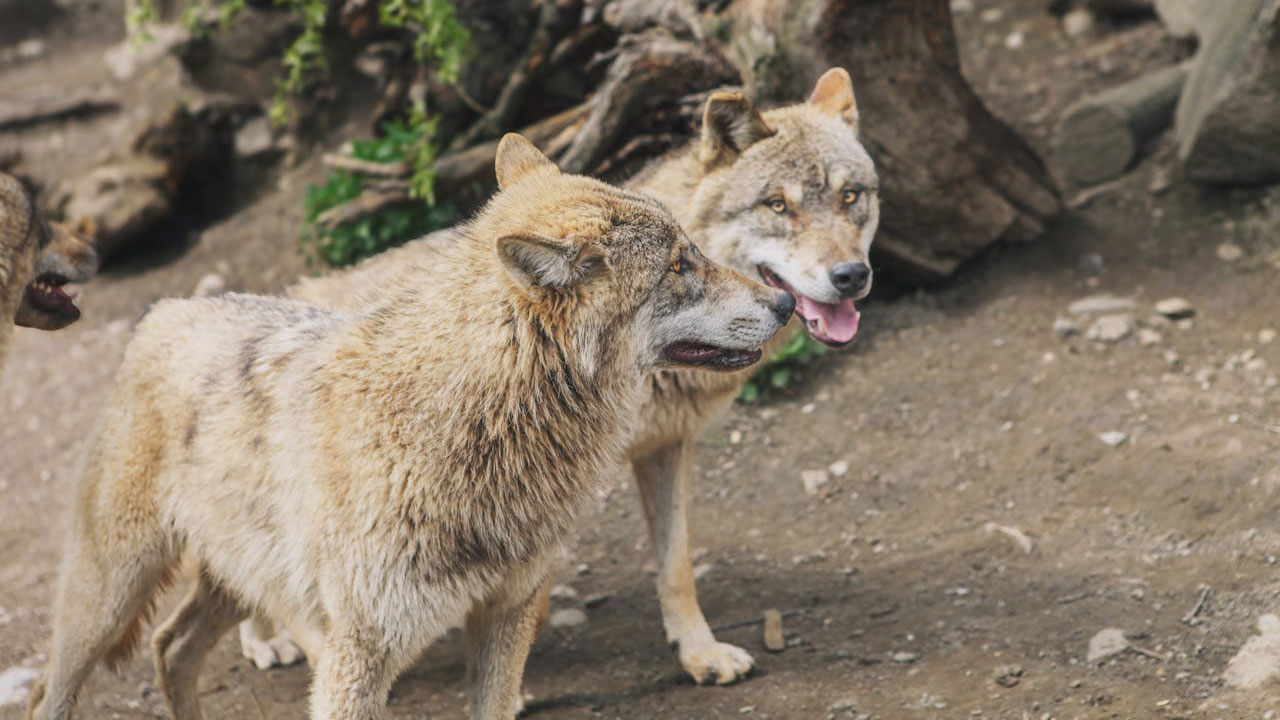
Wolves aren’t everywhere, but where they are, dogs can become a serious problem fast. Wolves view dogs as competitors, intruders, or an opportunity, depending on the situation. Hunters talk about wolves shadowing a dog, testing it, or closing distance without the dramatic “movie” cues people expect. It can be quiet, controlled, and fast.
The danger isn’t just a straight-up attack, either. A pack can work angles and pressure until your dog is isolated. Even a big dog can get overwhelmed when multiple animals commit at once. If wolves decide to go, it’s usually not a long fight, and you may not get any warning beyond your dog suddenly going silent or running back scared.
Mountain lion

Mountain lions are the definition of “you won’t see it until it’s happening.” Dogs are loud, curious, and often focused on scent trails—exactly the kind of thing that can draw a lion’s attention. A lion doesn’t need to pick a fight like a bear might. It can ambush, clamp down, and drag, all before you process what moved.
A lot of lion-dog incidents don’t look like a “fight.” They look like the dog disappears behind brush and there’s a burst of noise—then nothing. Lions go for control and finishing, and that often means the neck. Hunters who run dogs in lion country learn to pay attention to weird silence, odd behavior, and those moments where the woods suddenly feels too quiet.
Black bear

Most black bears want out, but dogs change the equation. A dog that barks, charges, or gets too close can flip a bear from “leave me alone” to “I’m ending this.” And bears don’t have to be predatory to be deadly. A quick swat or bite can crush, tear, and end the fight fast—especially if the dog is small or gets pinned.
The other problem is pursuit. Dogs will chase, and bears can lead a dog into bad places—steep terrain, thick brush, water, or deadfall where the dog can’t maneuver well. Then it turns into close-range contact. Hunters who’ve lost dogs to bears usually describe the same thing: it happened fast, it was loud for a moment, and they were too far away to stop it.
Grizzly bear

In grizzly country, dogs are a serious liability if they range out. A dog can surprise a bear, then come sprinting back to you with the bear right behind it. That’s one of the nightmare scenarios people don’t think about until they’ve seen how quickly a bear can close distance through cover. The dog doesn’t even have to “start” anything—just being there can be enough.
If a grizzly decides the dog is a threat, it’s not a long contest. Bears are built to dominate close range, and the dog is usually outmatched in strength and mass. Even if the dog survives the initial contact, injuries can be catastrophic. A lot of seasoned folks in grizzly country keep dogs close for this exact reason—because “too far out” can turn into “too late” instantly.
Wild hog

Hogs don’t have to be huge to kill a dog. A cornered hog or a hog that decides it’s done running can slash a dog open in one hit. Dogs tend to engage head-on, and hogs fight low with tusks. That’s a bad matchup, especially in thick cover where your dog can’t circle and you can’t see what’s happening.
The scary part is how little warning you get. Your dog hits scent, rushes in, and within a couple seconds you’re hearing that sharp, panicked noise that tells you something’s gone wrong. Even if you get to the dog fast, a tusk cut can be fatal from blood loss. Hunters who run dogs on hogs usually respect them for this exact reason.
Alligator

Gators don’t do “warning.” If your dog is near the waterline and a gator is there, the strike can happen before you even notice the animal. Dogs are exactly the kind of thing a gator will take—low to the ground, moving around, splashing, drinking, retrieving. That’s a perfect trigger for an ambush at the edge.
The worst part is the follow-up. If the gator gets a solid grab, it’s not a struggle you’re likely to win. The animal’s whole advantage is control and pulling into water. Hunters around swamp edges learn to treat gator water like it’s always occupied, because you often don’t see the animal until it decides to move.
Crocodile

This one’s more global than most U.S. hunters deal with, but the principle is the same as gators—only meaner. Crocs are built to take prey at the water’s edge, and dogs are classic targets. The strike is fast, the grab is powerful, and the water does the rest. There’s rarely a second chance once it starts.
People get fooled because the water looks calm, or because they think they’d “see it.” In a lot of croc water, you don’t. Hunters who travel to places with crocs learn quick: dogs don’t belong at the edge, and you don’t let them drink where you can’t see the bottom. With crocs, the warning is often “nothing happened yet.”
Rattlesnake

Snake bites are one of the most common ways dogs get killed in the woods, and it’s because dogs investigate with their face. A dog noses into brush, checks a log, or gets curious near rocks—and the bite happens at muzzle level. There’s rarely any lead-up you can react to. Your dog is fine… then suddenly it isn’t.
The danger isn’t just the bite. It’s where it lands and how much venom gets delivered. A bite to the face can swell fast and compromise breathing, and the time to treatment matters. Hunters who’ve been through this will tell you it’s one of the most helpless feelings out there, because the whole situation can start from one step in the wrong place.
Cottonmouth
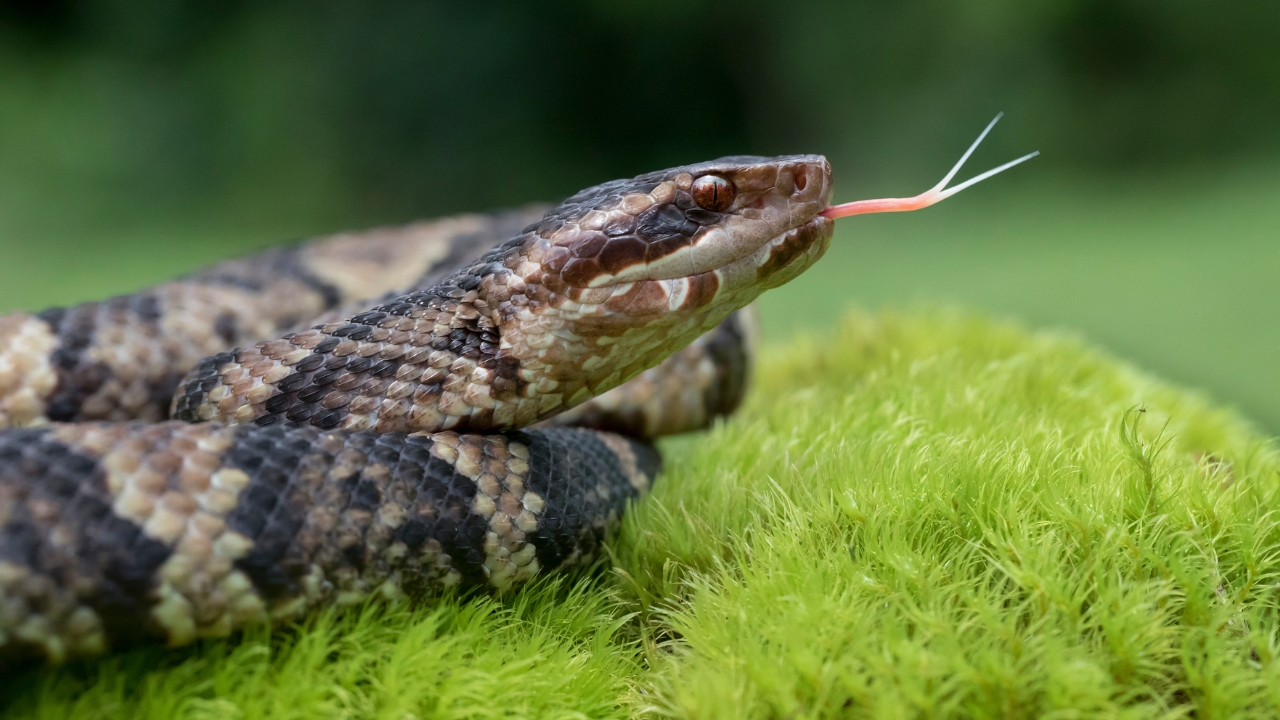
If your dog hunts swamps, creeks, and wet timber, cottonmouths belong on your mental list. They blend in, they hold tight, and dogs tend to stumble right into them. The bite often comes when a dog is splashing, sniffing, or grabbing something near the bank—exactly when you’re least likely to notice a snake tucked along the edge.
Cottonmouth bites can cause serious swelling and tissue damage, and dogs don’t understand what happened. They’ll keep moving, keep working, and stress themselves harder, which doesn’t help. The “without warning” part is real because the water hides movement and sound. By the time you realize there’s a problem, you’re already dealing with a medical emergency.
Copperhead

Copperheads don’t have the reputation of rattlers, but they still put plenty of dogs in bad shape—and sometimes worse. They’re masters of blending into leaf litter, and they tend to be in exactly the kind of places dogs love: edges of trails, brush piles, creek bottoms, and warm spots near cover. A dog takes one curious step and gets tagged.
The scary part is that you might not even see the snake afterward. You just notice your dog yelp, then start swelling, limping, or acting off. Hunters who spend time in copperhead country learn that “I never saw a snake” doesn’t mean it wasn’t there. The bites are quick, the snake disappears, and you’re left dealing with the fallout.
Porcupine

Porcupines don’t “hunt” dogs, but they can absolutely get a dog killed—especially a dog that won’t quit. Dogs rush in, get a mouthful of quills, and then keep trying to bite. Quills can end up in the mouth, throat, chest, and face, and the damage can escalate from painful to dangerous fast if a dog panics or can’t breathe well.
The “warning” is basically the dog’s own bad decision, and it can happen in seconds. Even if the dog gets away, quills can migrate and cause infection or internal damage if they aren’t handled right. Hunters who’ve dealt with a porcupine-dog situation will tell you it’s not just a “mess.” It can turn into a serious, expensive, time-sensitive problem fast.
Badger

Badgers are small, but they fight like they’re not. If a dog corners one or sticks its head into a den, the badger can latch on and do real damage to the face and neck. Dogs lead with their muzzle, and badgers don’t waste time. They bite hard, shake, and they don’t “give up” just because the dog is bigger.
What makes it dangerous is the close range. It’s not a chase where you can yell and call your dog off from a distance. It’s a sudden contact fight that starts inside a hole, brush pile, or tight cover. By the time you’re close enough to help, the dog may already be badly hurt—and badger bites are the kind that can get ugly quickly.
Wolverine

Wolverines are rare for most hunters, but where they exist, they’ve got a well-earned reputation. They’re tough, aggressive when cornered, and willing to fight animals bigger than they are. A dog that tries to bully a wolverine can end up in a nasty, fast fight, because wolverines bite to control and they don’t back down easily.
A big part of the danger is how stubborn the encounter can become. The dog keeps coming, the wolverine keeps fighting, and injuries stack up quickly—face, neck, shoulders. Hunters who’ve seen one in real life often say the same thing: it doesn’t act like a small animal. It acts like something that expects to win.
Elk

Elk don’t usually bother people, but a dog can push an elk into fight mode—especially around calves or during rut. Dogs that chase or nip can trigger a stomp-and-strike response, and an elk’s hooves can do crushing damage fast. It’s not a predator scenario, but it can be just as deadly for a dog that gets too close.
The “without warning” part is the speed of the turn. One second the elk is moving off, the next it’s pivoting and coming in with hooves. In snow, on steep ground, or in tight timber, a dog can get trapped and stomped before it realizes it’s in trouble. Hunters who’ve seen it don’t forget how fast a big animal can end a small one.
Great horned owl
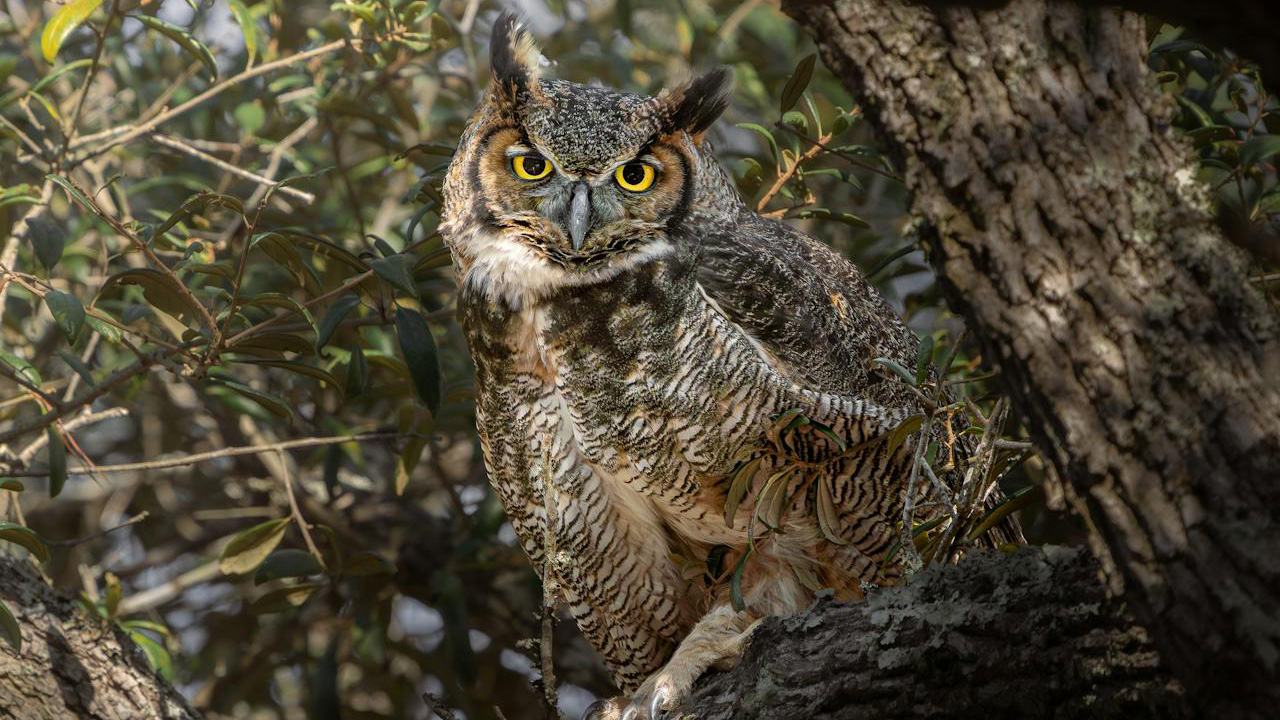
This one surprises people until they’ve seen an owl take something. Great horned owls can kill small animals quickly, and a small dog is not out of the question—especially at dawn, dusk, or at night when owls are hunting and visibility is poor. A dog moving through an opening can look like prey from above.
The scary part is how silent it is. You don’t hear wing beats. You don’t see it coming. If an owl commits, it’s a sudden hit with talons, and the injury can be severe even if the dog isn’t carried off. Most hunters will never experience this, but the ones who have talk about it like a gut punch—because the danger came from the one direction you weren’t watching.
Like The Avid Outdoorsman’s content? Subscribe to our newsletter so you never miss an article.
Here’s more from us: