Photo credit: du_weist_schon_wer/Pixabay.com
Some dogs will alert, bark a little, and then move on with their day. Others act like your safety, your property, and your family are part of their personal responsibility. Those are two very different kinds of dogs. The breeds in this group tend to bond deeply, sometimes intensely, and once that bond sets in, they are not casual about it. They are not just hanging around the place. They are paying attention, keeping track of what belongs there, and making judgments about what does not feel right.
That kind of dog can be a real asset in the right home, but it also comes with weight to it. A hard-bonding guardian is not something you half-raise and hope for the best. These dogs need leadership, structure, and owners who understand that loyalty and protectiveness are not always soft, pretty traits. When they are handled well, they are some of the most dependable dogs a person can own. When they are not, they can become too much dog in a hurry. These are 20 breeds that tend to bond hard and take guarding personally.
German Shepherd

German Shepherds are one of the clearest examples of a breed that bonds deeply and watches everything. A well-bred Shepherd often locks onto its family fast and starts acting like it has a real stake in how the household runs. These dogs want to know where their people are, what is normal, and what is out of place. That is part of what makes them so useful, but it is also why they are not casual ownership material for someone who just wants a smart dog without much responsibility attached.
Once that bond forms, a German Shepherd usually takes protection seriously. It may not always be loud or dramatic about it either. A lot of good Shepherds get quiet when they start reading something hard. They position themselves, watch closely, and prepare before most people even realize the mood has changed. That is a breed that does not just love hard. It often feels responsible in a very real way, and that shows in how it handles tension around the people it claims.
Rottweiler
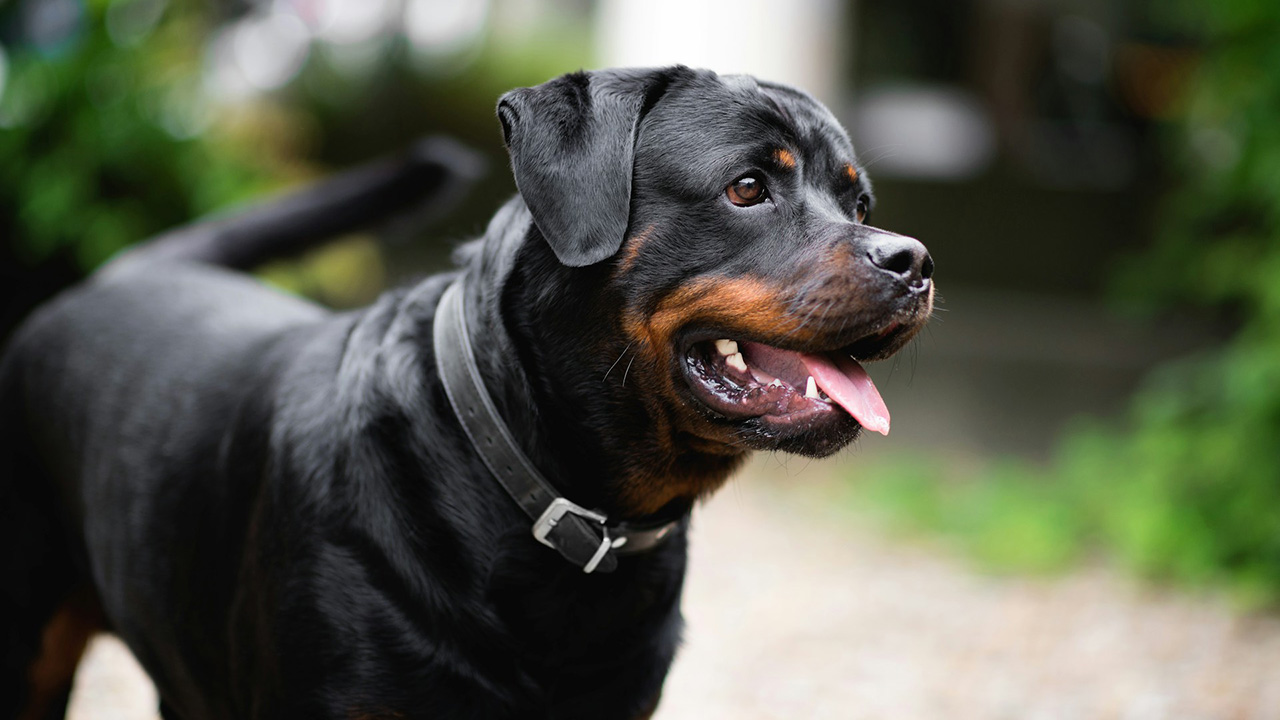
Rottweilers often form a powerful attachment to their family and then carry that bond with a kind of calm seriousness. They are not always clingy in the same way some breeds are, but that does not mean the connection runs shallow. A good Rottweiler knows exactly who its people are and tends to care very deeply about what happens around them. That steadiness is one reason so many experienced owners trust them. They do not usually waste themselves on constant noise. They save it for what matters.
When it comes to guarding, Rottweilers often act like the job is theirs by default. They do not need to be taught to care who is coming up the drive or acting wrong in the yard. They already care. What they need is leadership so they know how to handle that instinct. Without it, the dog can become too suspicious or too willing to take control. With the right structure, though, a Rottweiler becomes the kind of dog that stands by its people with a seriousness you do not have to question twice.
Doberman Pinscher

Dobermans are famous for bonding hard, and they earn that reputation. These dogs often form a very close, personal connection with their people and do not like being emotionally or physically far from them for long. A lot of them are affectionate in an almost intense way, always checking in, always wanting to be nearby, always keyed into the mood of the home. That closeness is part of what makes them such strong guardians. They are not protecting some abstract territory. They are protecting their people.
Because of that, their guarding can feel personal in a way that stands out. A Doberman is not usually indifferent when someone pushes too close or acts off around the household. The dog often reads the situation quickly and takes it seriously. That is one reason weak handling does not work well with this breed. A Doberman that feels responsible but does not have clear guidance can start making too many decisions alone. In the right hands, though, that hard bond and protective instinct make for one of the most committed guardian dogs out there.
Belgian Malinois

Belgian Malinois bond hard in a very driven, high-alert way. These are dogs that often key into one or two people especially hard and start orienting their whole world around work, movement, and command. The bond is real, but it is not always soft or easygoing. A Malinois often connects through purpose, structure, and engagement. When it is raised and handled well, that creates a dog that is intensely loyal and unbelievably responsive. When it is not, it creates a dog that is overamped, suspicious, and too quick to act.
Guarding tends to come naturally to them because they are already watching everything. A Malinois notices movement, pressure, posture, tone, and changes in routine faster than most owners do. Once it decides someone or something is wrong, it is not the kind of breed that shrugs it off. That is why people who know the breed respect it so much and also warn casual owners away. A Malinois does not just love its people. It often acts like their security is a job assignment.
Cane Corso

Cane Corsos tend to bond with their family in a deep, heavy way that carries a lot of seriousness behind it. They may not always be clingy or needy, but a good one is usually tuned in to the household and very aware of what belongs there. Once that dog settles into its role, it often acts like it is part of the home’s structure rather than just a pet living in it. That is part of the appeal, but it is also why they need owners who can handle real guardian instincts.
Corsos often take guarding personally because they are naturally territorial and naturally confident about stepping into situations they do not like. A stranger coming onto the property, lingering too long, or acting wrong can get a very different reaction than people expect from a dog that seemed calm a moment earlier. They do not usually need a lot of encouragement to protect. What they need is leadership so the instinct stays controlled. Without that, a Corso can become far too willing to handle business on its own terms.
Bullmastiff
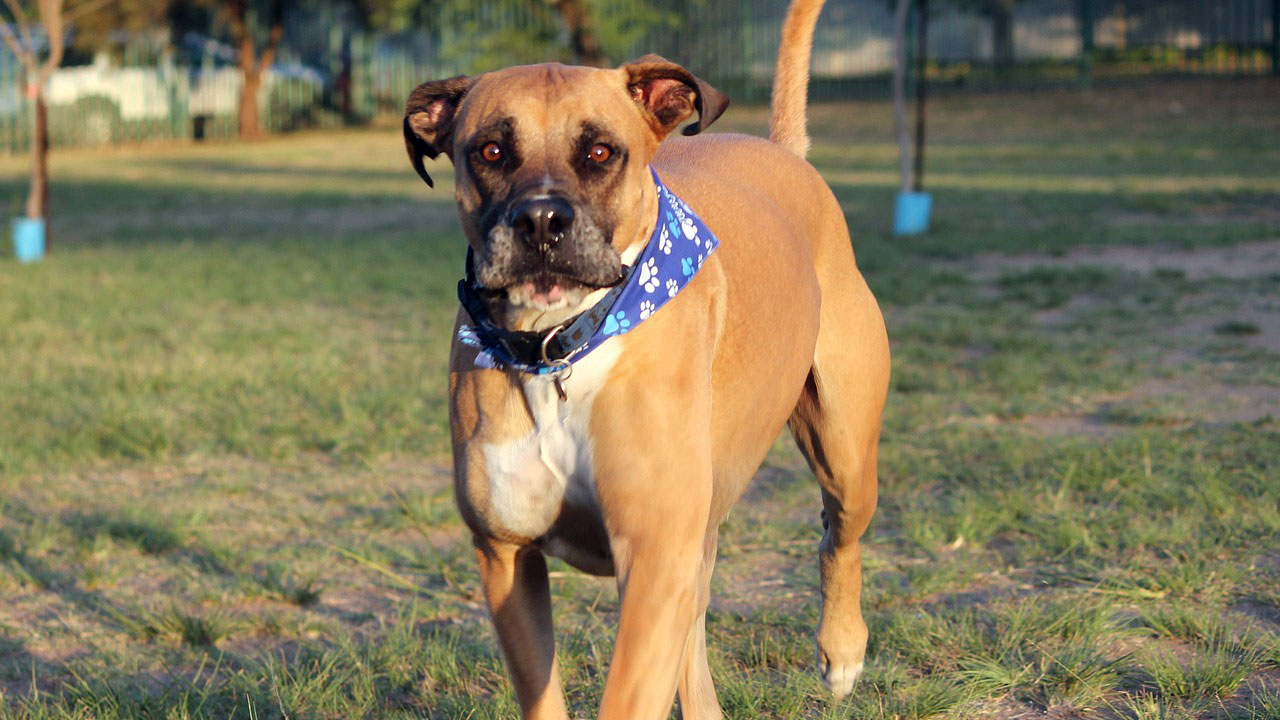
Bullmastiffs often form a steady, powerful attachment to their people that does not always look dramatic from the outside. Many are calm in the house, affectionate with family, and not especially restless or loud. That can make them seem easier than they really are. Underneath that calm, though, is a breed that tends to take family and territory seriously. Once they decide who belongs to them, that protective instinct settles in deep.
Their guarding style usually is not noisy or flashy. A Bullmastiff often shows its seriousness by stepping in, blocking access, and physically owning space. That is part of why the breed can be so effective. It does not need to create a circus to make a point. But it also means the dog needs an owner who understands what they are looking at. A Bullmastiff that bonds hard may act almost easygoing until the moment it feels its people need it. Then the whole dog changes from calm to immovable.
Akita
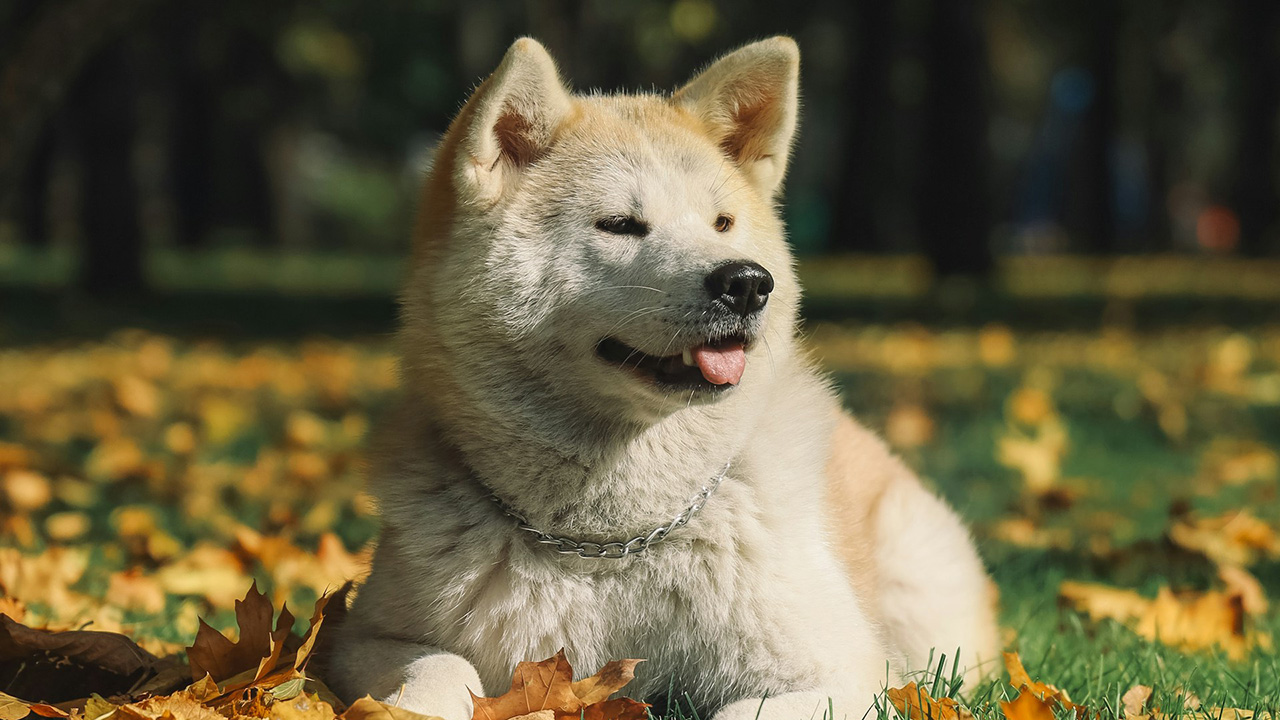
Akitas often bond intensely with their family but keep that affection contained in a more reserved way than some other breeds. They are not usually trying to win over everybody in the room. In fact, many Akitas are selective by nature, which makes the bond they do form feel even stronger. When an Akita claims its people, that loyalty runs deep. It is not usually loose, social, or easygoing with outsiders, and that is part of what makes the breed so serious.
Guarding comes naturally to that kind of dog. Akitas are often very aware of who belongs, who does not, and when a situation feels wrong. They may not bark their heads off about it. A lot of times they just stiffen, watch, and make it very clear the line is there. This is not a breed that needs help taking protection personally. It already does. What it needs is firm, confident ownership from the start so that instinct does not turn into a dog that is making all the rules by itself.
Great Pyrenees

Great Pyrenees are famous for their calm, gentle way with family and stock, but that softness can make people overlook how hard they bond to what they are guarding. A Pyr often acts relaxed because it is comfortable, not because it is disengaged. In reality, a good one keeps tabs on everything around it. Once it decides a group of people, animals, or ground belongs under its care, it tends to take that seriously in a lasting way.
That is what makes their guarding feel so personal. A Great Pyrenees is not usually looking for permission every time something strange happens. It was bred to make decisions, especially in low-light or rough conditions when no one else was there to help. That independence means the bond and the guarding instinct get woven together tightly. The dog is not just attached. It feels responsible. In the right rural setup that can be a real blessing. In the wrong home, it can turn into a constant battle over who gets to decide what counts as a threat.
Anatolian Shepherd

Anatolian Shepherds are not usually over-the-top affectionate, but they bond in a deep, durable way that matters a lot more than flashy affection. These dogs tend to attach to their people, their stock, and their place with a kind of old-fashioned seriousness. They are not there to entertain. They are there to watch, assess, and stand their ground when needed. Once they settle in, they often act like the job is already theirs and has been from day one.
That is why guarding feels personal with them. They do not need to be whipped up into being protective. It is already in them. A good Anatolian is often quiet until something crosses a line, and then it becomes very clear what the dog thinks its responsibility is. That independence is valuable in rough country, but it is not easy for a first-time owner. When an Anatolian bonds to a place or a family, it does not take that lightly, and it does not always care what outsiders think about it.
Rhodesian Ridgeback

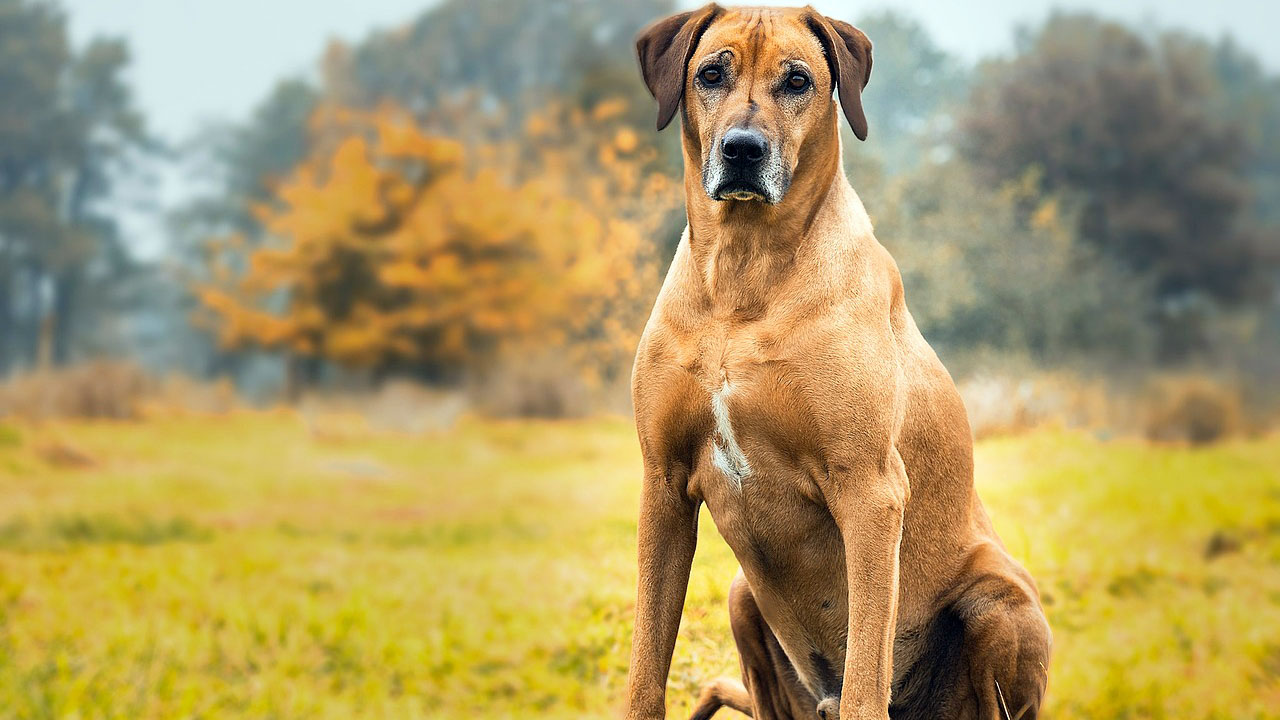
Rhodesian Ridgebacks often form strong bonds with their household and can be more protective than people expect from a breed that is not always marketed first as a guardian. They are usually affectionate with family, often loyal to the point of stubbornness, and very aware of what is happening around their people. They are not usually needy, but they are connected, and that connection matters when the mood changes.
What makes them interesting is how quietly serious they can get. A Ridgeback may seem laid-back or playful in regular life, then suddenly become very intentional when a stranger, a threat, or tension enters the space. They do not usually do a lot of noisy fussing before that point. That means owners need to be paying attention. When a Ridgeback bonds hard, it often takes family protection more seriously than outsiders realize, and it can switch from companion to guardian faster than people expect.
Boxer

Boxers bond hard in a very obvious way. They often adore their families, want to be included in everything, and act like the house is not really complete unless they are in the middle of it. That big personality sometimes makes people forget they are still a serious protection breed underneath all the clowning around. The affectionate side is real, but so is the instinct to step up when something threatens the people they care about.
A Boxer that loves its family often guards with heart first. It is not standing back and treating the situation like theory. It is reacting because its people matter to it in a very direct way. That is part of why they can go from playful to forceful quickly. With the right upbringing, that can make them excellent family guardians. Without enough leadership, that same intensity can create a dog that thinks every uncomfortable moment is its business to solve.
Giant Schnauzer

Giant Schnauzers tend to attach hard to their households and stay very tuned in to what is happening around them. They are intelligent, energetic, and often highly invested in their people, which makes them feel like more than just pets in a lot of homes. A good Giant wants purpose, involvement, and clarity. When it gets that, the bond becomes strong and useful. When it does not, the same intensity can turn pushy or suspicious.
Their guarding instinct fits right into that picture. Giant Schnauzers often notice problems fast and do not mind putting themselves between their family and something they dislike. They can be vocal, bold, and very assertive if they feel a line has been crossed. That is why they do best with owners who appreciate their working-dog brain and do not let them drift into running the house. When a Giant Schnauzer bonds hard, it tends to take the role of family defender as part of its identity.
Catahoula Leopard Dog
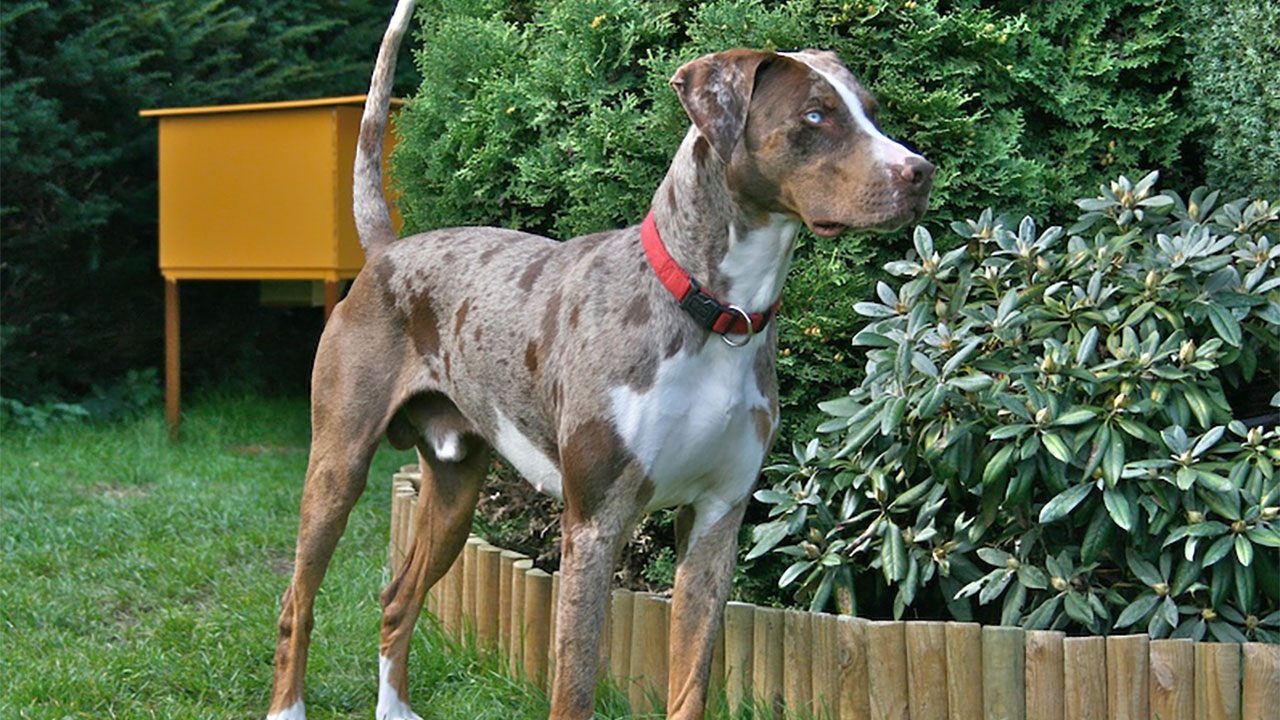
Catahoulas are often serious bonders, especially with their immediate people. They may not be warm and friendly with everybody else, but with their own family they can be very attached and highly invested in what is happening around them. This is a breed that likes a sense of purpose and often acts like it has one even when the owner has not clearly given it a job. That can be great in the right place and a headache in the wrong one.
Guarding can come naturally because Catahoulas are alert, territorial, and not especially tolerant of confusion or weak handling. When they think something is off, they often respond with intensity. That does not make them unstable. It means they were built to work hard and think independently in rough situations. A bonded Catahoula often sees the family and the property as something it has a hand in protecting, and once it adopts that mindset, it does not tend to back off casually.
Kuvasz
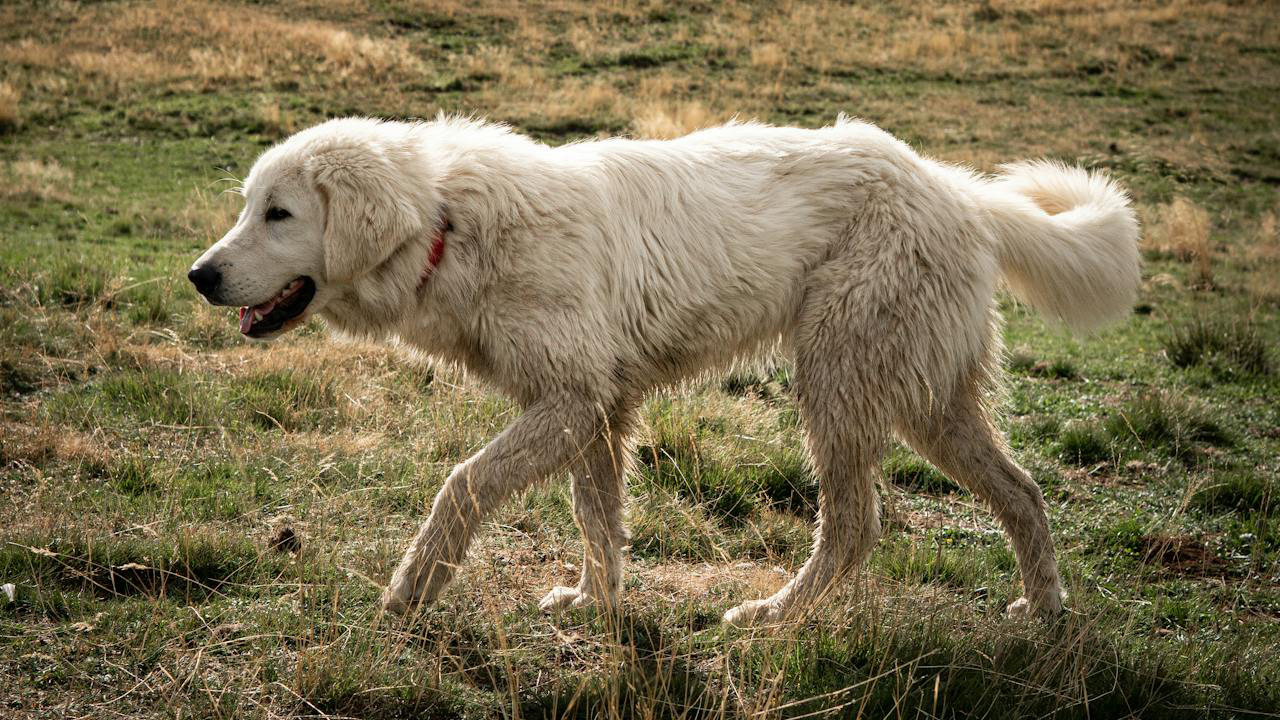
Kuvasz dogs often form deep loyalty to their family and ground, even if they do not show it with constant softness or clinginess. A lot of them are composed and dignified rather than openly mushy, but that does not mean the bond is light. In many cases, it runs very deep. They tend to know exactly who belongs, and once they do, they feel a genuine responsibility toward that group.
That makes them natural personal guardians in the old-school sense. A Kuvasz often does not need a lot of repeated bad behavior before it decides someone or something does not belong. It may hold that concern quietly at first, but the seriousness is there. These dogs were not bred to wait for constant human direction before protecting. They were bred to think, judge, and act. That is what makes them valuable and what makes them too much dog for someone who wants loyalty without the weight that comes with it.
Boerboel
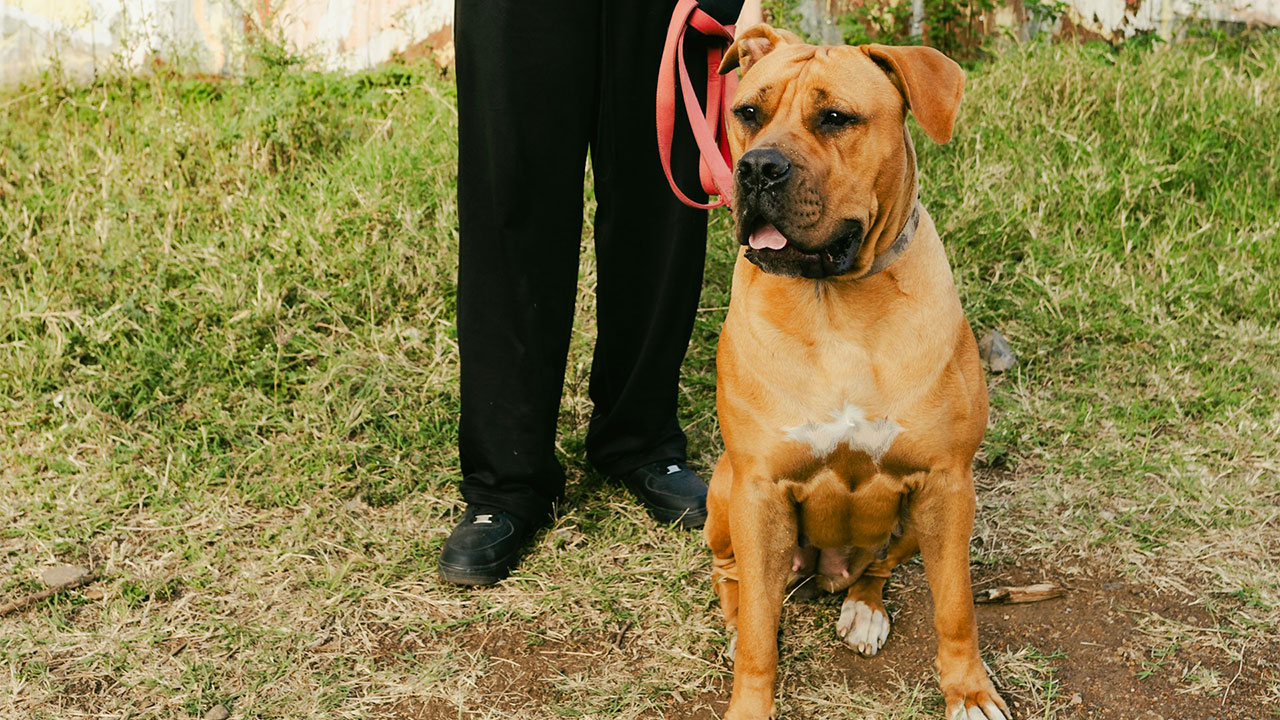
Boerboels often bond to their family with a kind of steady power that is hard to mistake once you have seen it up close. They are usually calm and confident at home, often affectionate with their people, and very comfortable owning space. That comfort can make them seem easier than they are, but once a Boerboel decides who its people are, it often guards them with real conviction. The dog is not confused about its role.
Their style is usually direct and physical rather than scattered or noisy. A Boerboel that thinks something is wrong may simply place itself where it needs to be and make it clear that access is no longer easy. That can be incredibly reassuring in the right household and deeply problematic in the wrong one. Because they bond hard, they often feel justified stepping up for their family. The owner’s job is to make sure that instinct stays disciplined and does not become the dog’s excuse to run the whole environment.
Like The Avid Outdoorsman’s content? Subscribe to our newsletter so you never miss an article.
Here’s more from us: