Photo credit: Tomáš Malík/Pexels.com
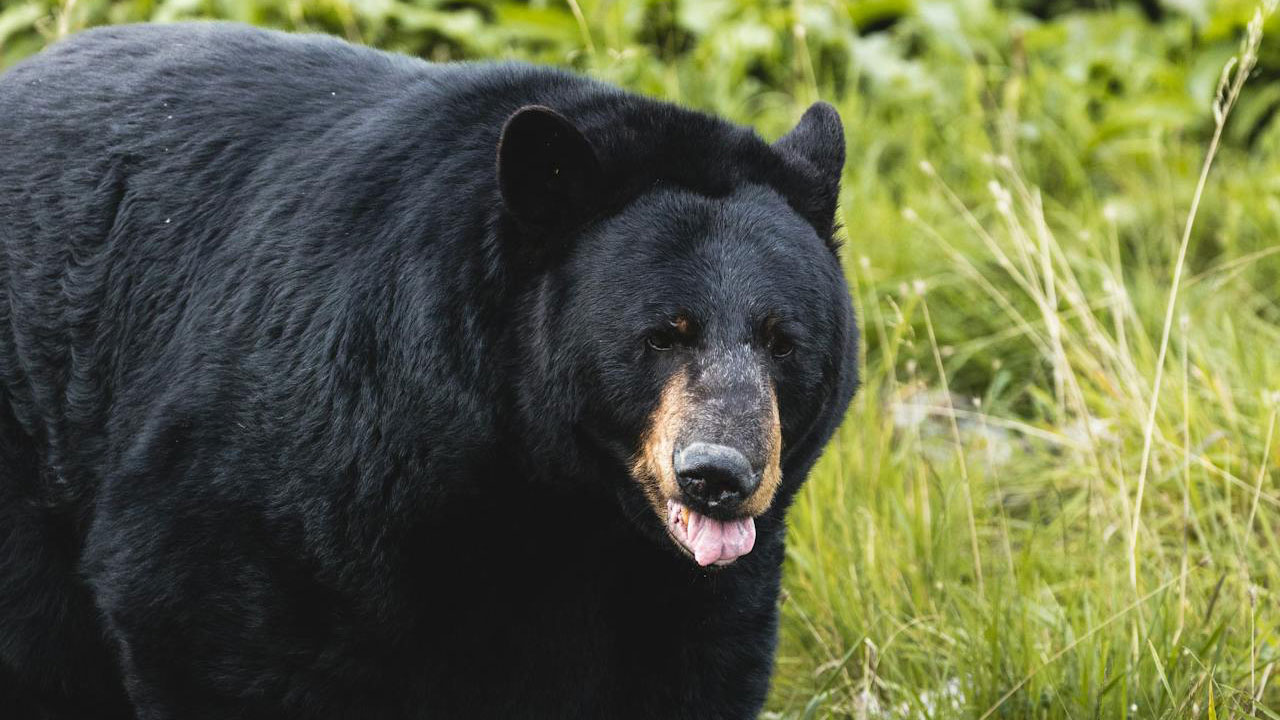
Black bears have always been part of the landscape in a lot of the country, but in some states they are becoming a bigger issue for the people who actually live on the land. It is one thing to know bears exist in the mountains or deep timber. It is another thing entirely when they start showing up around chicken feed, trash, corn, bee yards, livestock pens, dog food, and porch freezers. That is where the conversation changes. For landowners, the problem is not just that bears are around. It is that they are getting bold enough, common enough, or close enough to create regular headaches.
A lot of that comes down to overlap. More people are living in bear country, and more bears are learning how easy human-related food can be. Once that starts, it rarely stays a one-time thing. A bear that figures out where feed is stored or where garbage gets set out can turn into a repeat problem fast. Add in maturing bear populations in some regions, expanding range in others, and the simple fact that bears are smart, strong, and willing to test weak spots, and you get states where landowners are having to think a whole lot more about bear trouble than they used to.
North Carolina

North Carolina has become one of the clearest examples of a state where black bears are no longer just a mountain issue. They are found across a lot of the state now, and in many places they are turning up around homes, farms, and rural properties often enough that people have had to change how they store feed, secure trash, and think about outdoor attractants. Once bears get used to easy meals around people, they become a recurring problem instead of an occasional sighting.
For landowners, that means extra work and less room for laziness. Chicken feed, pet food, sweet-smelling garbage, and beehives can all pull bears in fast. The frustrating part is that a lot of people do not take it seriously until a bear starts tearing into something expensive or irreplaceable. In North Carolina, more folks are learning that living on land in bear country now means managing that reality up close, not just hearing about it in the distance.
Tennessee
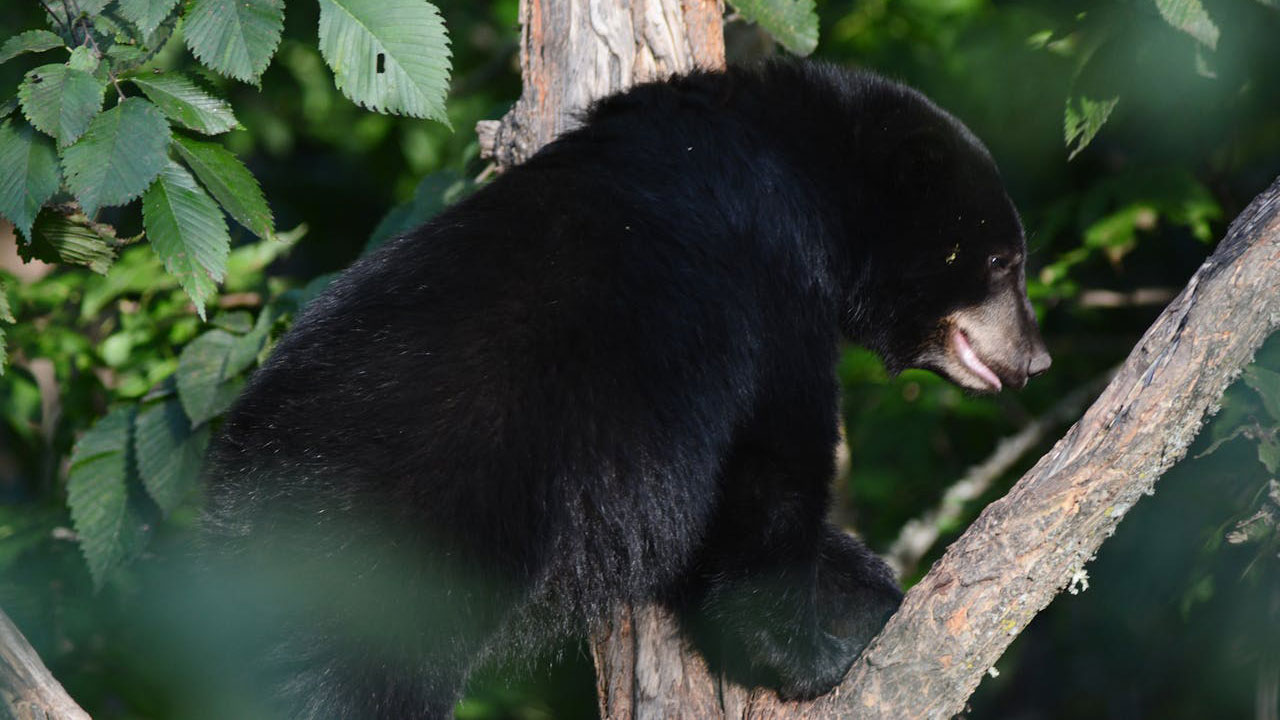
Tennessee is another state where black bears are becoming harder for landowners to ignore. In the eastern part of the state especially, bears have long been around, but more people are now dealing with them near homes, cabins, outbuildings, and small farms. That creates a different kind of problem than just seeing a bear cross a trail. Once bears start associating people with food, they begin testing garbage cans, porches, coolers, livestock feed, and other easy targets.
The trouble in Tennessee is that plenty of people move into or build in bear country without really changing their habits. They leave attractants out, keep flimsy setups around feed or trash, and then act shocked when a bear tears into them. For the people already living on the land, that often means more repeat bear behavior in the area and more nuisance activity spreading through local properties. A big animal with a good nose and no fear of making a mess can turn into a serious rural headache in a hurry.
Virginia
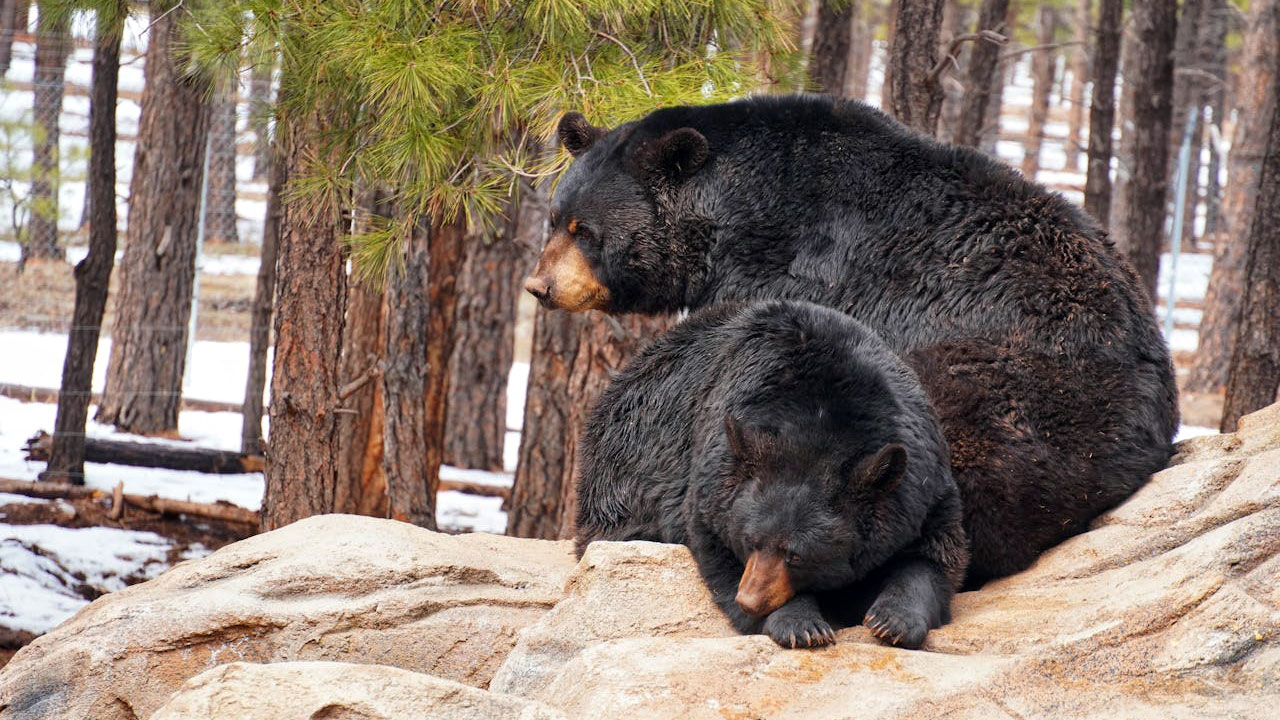
Virginia has seen black bears become more visible in a lot of places where people did not always think about them much. In some parts of the state, landowners are dealing with bears around trash, bird feeders, gardens, and small livestock setups more than they used to. That matters because once bears start using human spaces as part of their routine, the trouble tends to grow. A bear that gets rewarded usually comes back, and sometimes it brings that habit into nearby properties too.
For landowners, that means prevention becomes part of everyday life. It is not enough to enjoy seeing wildlife and leave everything loose around the place. Feed has to be handled differently. Attractants need attention. Weak spots in buildings and storage areas matter more. Virginia is one of those states where black bears still feel wild, but they are causing trouble in a way that feels much more personal to the people whose land is getting hit.
West Virginia
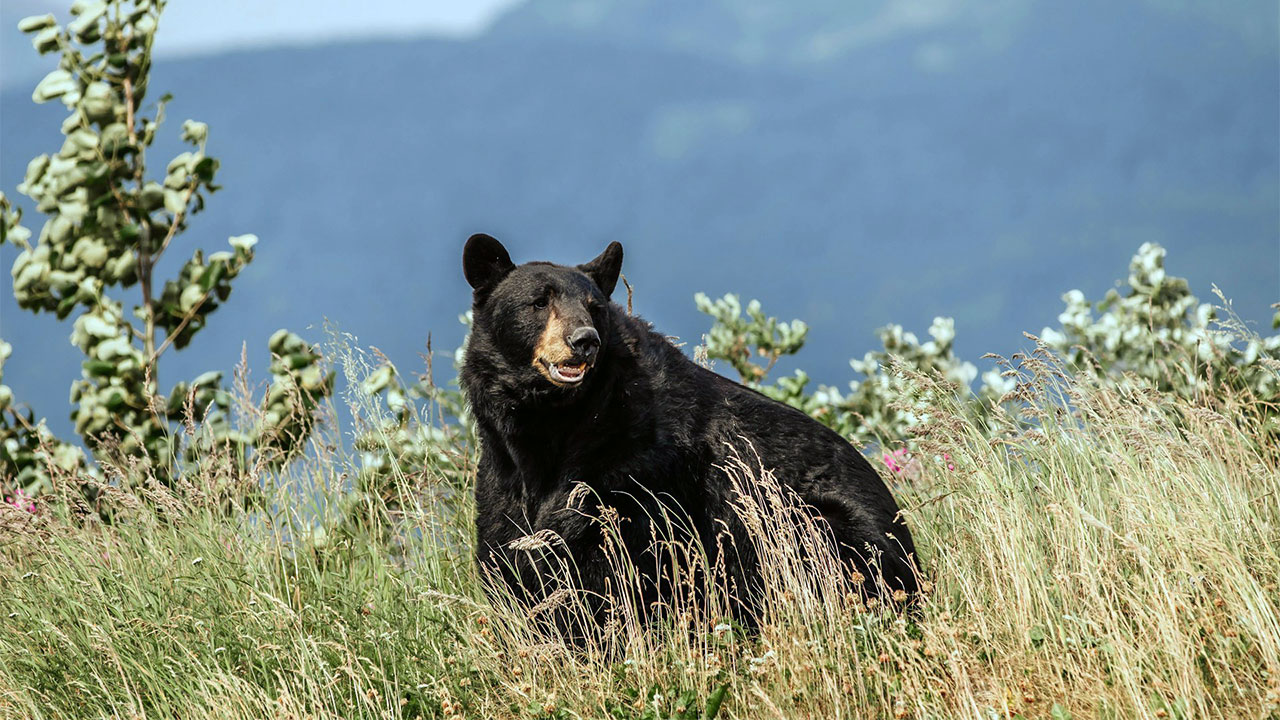
West Virginia has plenty of the rough country and forest cover that suit black bears well, so it is not surprising that they cause trouble there. What changes things for landowners is when those bears stop being mostly deep-woods animals and start showing up around homes, camps, farm edges, and feed areas with more confidence. That is when the relationship turns from general awareness into regular aggravation.
A landowner in bear country does not need a full-blown attack on stock to have a problem. One bear can wreck feed, rip into garbage, smash a coop, destroy fencing, or make a mess around outbuildings in a single night. In West Virginia, that kind of trouble has become familiar enough that a lot of folks no longer treat bear issues like rare events. They treat them like one more part of managing property in the hills.
Pennsylvania
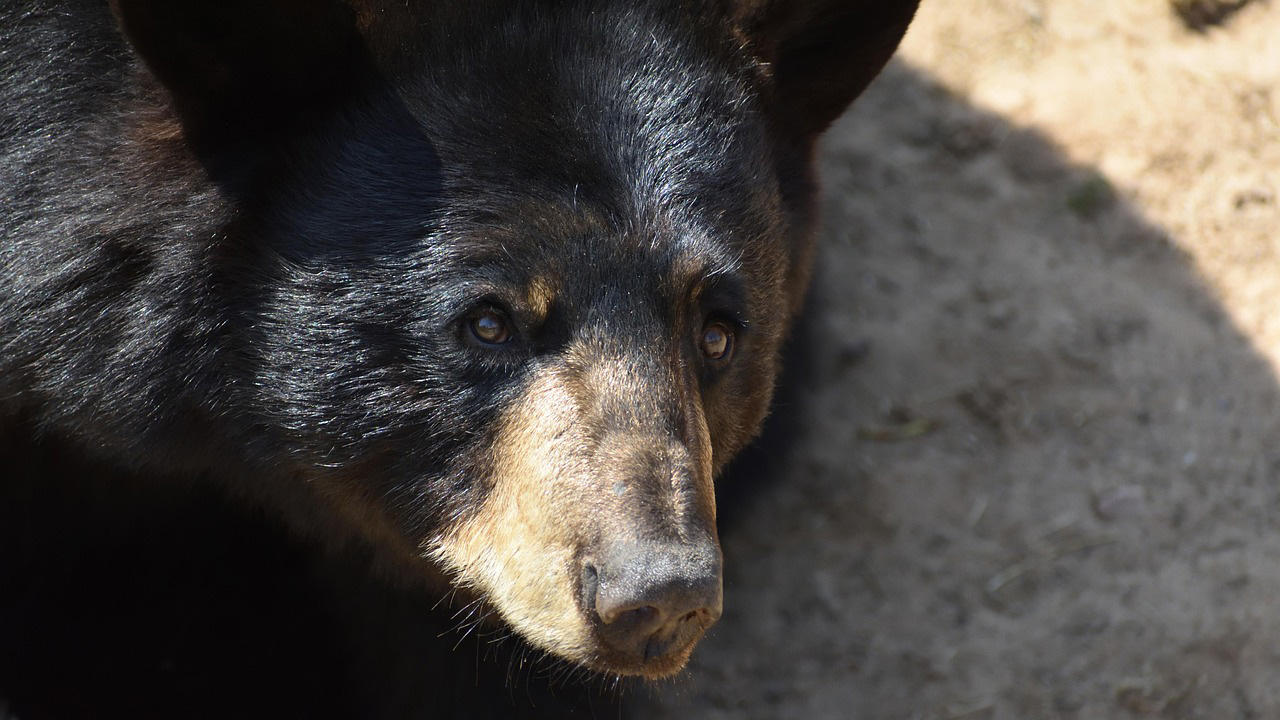
Pennsylvania has a long history with black bears, but they remain a real source of trouble for landowners because so much of the state mixes bear habitat with homes, farms, woodlots, and rural neighborhoods. That creates a lot of contact points. Bears do not need to live right beside a house to become a problem. They just need to learn that there is something useful there, whether that is corn, bird seed, trash, or a livestock setup with weak protection.
The frustrating part in Pennsylvania is that people often love the idea of bears right up until those bears start tearing through something they care about. Then the whole tone changes. For landowners, bear trouble means practical damage and ongoing vigilance. Once one figures out your place is worth checking, your property can become part of its routine faster than you would like.
New Jersey

New Jersey surprises people in these conversations, but it should not. There are enough wooded pockets, edge habitat, and suburban-rural overlap areas there to make black bear trouble a very real issue. For landowners and rural homeowners, that means bears are not some far-off mountain animal. They can turn up in yards, near garbage storage, around sheds, and at the edges of developed ground often enough to keep people paying attention.
The issue in New Jersey is that bears and people are packed closer together than in a lot of other states. That can make nuisance behavior feel more intense because there is less room for distance and fewer ways for problems to stay isolated. Once a bear gets comfortable moving through human-heavy areas, it can create trouble across multiple properties instead of just one. For the folks on the ground dealing with it, that gets old fast.
New York

New York has plenty of regions where black bears are part of life, especially in more wooded and rural areas, but the issue for landowners is that bear trouble has become familiar enough that people have had to change behavior around homes and properties. Trash, bird feeders, outdoor freezers, chicken feed, and gardens all become possible targets when bears start working closer to people.
This is the kind of trouble that wears on people because it is rarely neat. Bears do not politely take one thing and leave. They tear into containers, break structures, scatter garbage, and create a mess that someone has to clean up after sunrise. In parts of New York, that sort of problem is no longer unusual. It is a seasonal reality that comes with living where bears have learned human spaces can pay off.
Massachusetts

Massachusetts is another state where black bears have become a more regular issue for people living on land, especially in the western and more rural parts of the state. A bear does not need vast wilderness to cause trouble. It just needs woods close enough to cover movement and homes or farms loose enough with attractants to reward it once or twice. After that, the visits can get a lot more consistent.
For landowners, the challenge is that a lot of bear trouble starts with everyday things that do not feel serious until they suddenly are. Trash set out too early. Bird seed left hanging. Pet food on the porch. Feed in a barn that is easy to reach. In a place like Massachusetts, those little habits can pull a bear into the routine of a property, and once that happens, people tend to realize quickly that a black bear is not just an impressive animal. It is a strong, smart nuisance when it wants something.
Vermont

Vermont has the kind of mix that keeps black bear trouble relevant for landowners: woods, farms, orchards, small livestock, bee yards, and plenty of rural properties where attractants are part of daily life. Bears do not have to be unusually aggressive to be a problem there. They just have to find one easy food source and decide it is worth checking again.
That makes prevention more important than a lot of people want to admit. A bear can do a surprising amount of damage in one visit, especially if it hits feed or structures not built to take that kind of abuse. In Vermont, where people tend to live close to the land in a practical way, that means bear trouble often lands as a working problem, not just a wildlife story. It affects chores, costs money, and adds one more thing a landowner has to stay ahead of.
New Hampshire
New Hampshire belongs on this list because it has enough bear country and enough rural-residential overlap to create regular headaches. Landowners there deal with the same basic pattern seen across the Northeast: bears using woods and ridges as cover, then drifting toward the easy calories around homes, farms, and camps. Once they start hitting those spots successfully, they often keep checking back.
The trouble with bears in a place like New Hampshire is that they do not need much to become an issue. One unsecured barrel, one easy food source, one weakly protected shed, and suddenly a property has become part of a bear’s route. That is a different level of irritation than simply seeing a bear in the distance. For people managing land, it means planning around an animal that is strong enough to ignore flimsy setups and smart enough to remember what worked.
Michigan

Michigan has enough black bear country, especially in the northern parts of the state, to make landowner trouble a steady concern. The farther you get into rural ground, camps, orchards, and places with feed or attractants left accessible, the more likely you are to see bears start causing the usual kind of damage. They raid garbage, damage structures, hit feeders, and test places where food or scent is easy to find.
What makes Michigan especially frustrating in this conversation is that plenty of people treat bear trouble like it only belongs far north in the deep woods, when in reality the problem can show up around regular working properties too. For landowners, the difference between a bear sighting and a bear problem is simple: once it touches something you have to repair, replace, or clean up, the whole thing gets a lot less charming.
Wisconsin

Wisconsin has enough bear habitat and enough rural property to make black bear trouble a practical concern for a lot of landowners. Farms, bee yards, chicken setups, garbage areas, and cabins all create points where bears can start causing repeated problems. Once one gets comfortable around a property, it often becomes a bigger issue than people expected because of how quickly it can tear through weak storage or fencing.
This is the kind of state where a bear does not have to be rare to be noteworthy. It just has to be destructive. That is why landowners in bear-prone parts of Wisconsin tend to think about attractants and vulnerable spots a lot more carefully than people outside that world. A black bear is not necessarily trying to create chaos, but it usually leaves chaos behind anyway if it finds what it wants.
Minnesota

Minnesota has the timber, water, and rural spread to support plenty of black bears, and that naturally leads to trouble for landowners in the parts of the state where bears overlap with farms, cabins, and outbuildings. A place with livestock feed, bird seed, or unsecured garbage can become a target fast, especially if bears are already moving through nearby cover.
For the people managing land, the problem is not only what bears take. It is what they destroy getting to it. A bear can rip apart wooden structures, bend weak metal, scatter trash, and create repeated nighttime headaches once it decides a property is worth checking. In Minnesota, that kind of nuisance behavior is familiar enough that plenty of landowners know better than to get casual about attractants.
Colorado

Colorado may make people think first about mountains and big scenic bear country, but that same landscape also creates plenty of trouble for landowners. Bears there regularly work the edges where homes, small agricultural setups, mountain properties, and natural habitat all come together. That overlap has made black bears an increasing source of aggravation in many communities and rural areas.
For landowners, the issue is simple: bears are smart enough to learn fast and strong enough to punish sloppy habits. Trash, freezers, feed rooms, coolers, and livestock areas can all draw them in. In Colorado, where people often live in places that feel half wild and half residential, the line between seeing wildlife and dealing with a nuisance gets crossed pretty quickly. Once a bear starts using a property, the owner usually has to get serious in a hurry.
California

California is not always the first state people mention for black bear trouble, but it absolutely belongs here. There are plenty of rural, mountain, and foothill properties where bears cause real headaches for landowners. Garbage, orchards, chicken coops, feed storage, and even porches or garages can become part of the problem once a bear learns where easy calories are.
The reason California stands out is that so much bear country overlaps with homes and properties that were built into or right beside good habitat. That creates constant opportunity for trouble. A bear does not care that a place feels developed to people if it can still slip in, grab what it wants, and disappear. For landowners, that means black bear management is not just a wilderness issue. It is a property-protection issue that can become very personal very fast.
Like The Avid Outdoorsman’s content? Subscribe to our newsletter so you never miss an article.
Here’s more from us: