Photo credit: ROC the Outdoors/YouTube
Deer hunters love to argue about velocity, bullet BC, and whatever the newest “do-it-all” cartridge is this year. But if you look around real camps, the deer don’t seem impressed. They keep getting killed by the same plain-Jane rounds your granddad trusted, the ones that don’t sound exciting at the gun counter but keep putting holes through lungs and leaving short blood trails.
“Boring” usually means proven. These calibers have predictable recoil, predictable performance with common bullets, and enough real-world margin for the shots most hunters actually take. They’re easy to find, easy to load for, and they work across different rifles without requiring a science project to get good results. If you want a cartridge that’s been stacking tags for decades and will keep doing it long after the internet moves on, start here.
.30-30 Winchester

On paper, .30-30 looks like a museum piece. Modest velocity, arcing trajectory, and ballistics charts that won’t impress anyone who lives online. In the woods, it keeps killing deer because it hits with enough authority and it’s usually carried in rifles that come up fast and get used well.
Inside 150 yards—where most whitetails actually get shot—it puts a bullet through the ribs and ends the argument. Modern loads and better bullets have only widened its comfort zone. Recoil is friendly, follow-up shots are quick, and the rifles chambered for it tend to be handy in thick cover. If you hunt timber, brush, river bottoms, or tight food-plot edges, .30-30 keeps piling up deer because it matches the real distances and real shooting positions hunters deal with.
.308 Winchester

.308 is the definition of boring in the best way. It doesn’t need a long barrel, it doesn’t require exotic bullets, and it doesn’t punish you with recoil. It simply launches .30-caliber bullets at speeds that work, and it does it in rifles that are easy to carry and easy to shoot well.
For deer, .308 gives you plenty of penetration and reliable performance across a wide range of bullet weights. It’s also forgiving when conditions aren’t perfect—wind, awkward angles, and field positions. You can practice more because recoil is manageable and ammo is common. That matters more than most hunters want to admit. If you want one round that can cover woods shots and open-field pokes without drama, .308 stays near the top because it keeps delivering clean kills year after year.
.270 Winchester

People call .270 “boring” because it’s been doing the same job forever. That job is sending a .277 bullet fast enough to shoot flat, penetrate well, and still behave on impact. It doesn’t need to be new to be effective. It simply works on deer at the distances most hunters consider “long.”
The reason it piles up deer is consistency. With common 130- to 150-grain hunting bullets, it tends to shoot accurately in a wide variety of rifles, and the recoil is usually comfortable enough that you can practice without developing a flinch. Put a good bullet through the lungs and deer don’t go far. It’s also a great cartridge for hunters who want a flatter trajectory without stepping into heavier recoil. The .270 wins because it’s practical, not flashy.
.30-06 Springfield
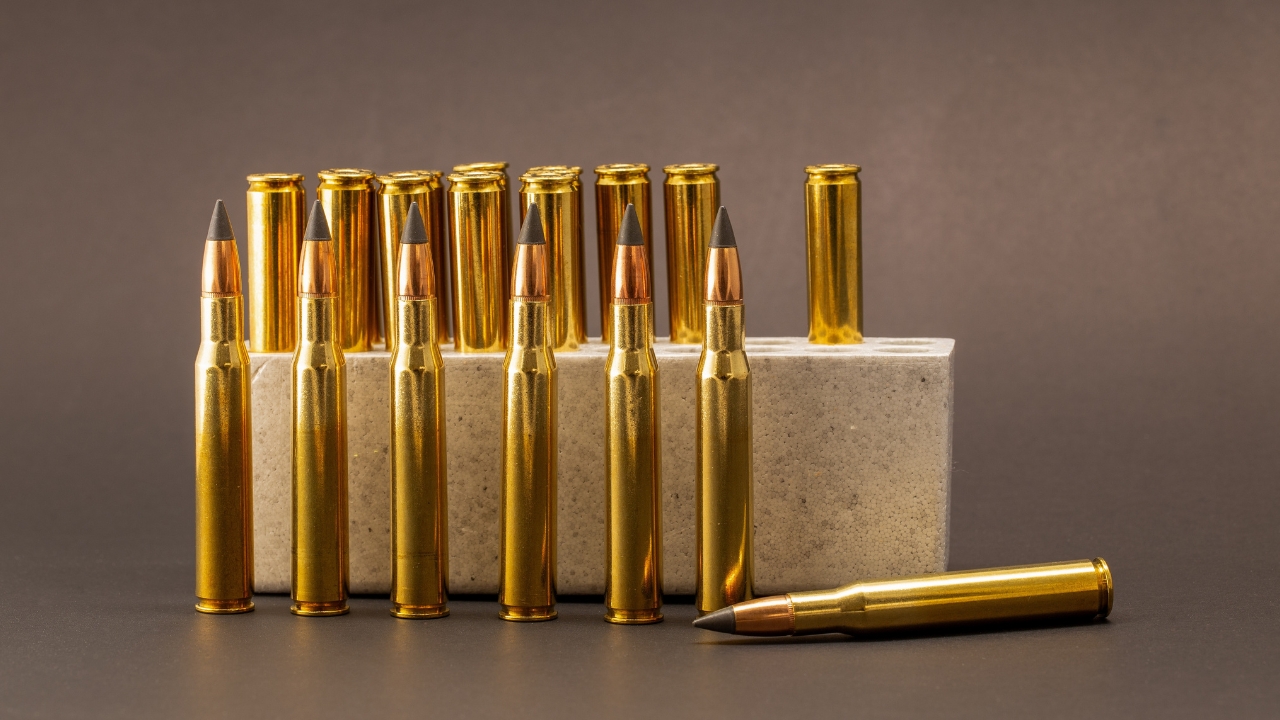
If there’s a cartridge that has been declared “obsolete” a thousand times and never actually went away, it’s the .30-06. On paper, it looks like a long-action relic that does what newer short mags do with less case capacity. In the field, it’s a workhorse that keeps killing deer because it offers flexibility and dependable penetration.
The ’06 handles a wide range of bullet weights, and it doesn’t need boutique ammo to perform. Whether you’re shooting 150-grain loads for whitetails or stepping up for larger game, it’s predictable. Recoil is real but manageable for most hunters, especially in a properly fitted rifle. The biggest reason it keeps stacking deer is that it gives you margin. Slightly quartering shots, bigger-bodied deer, and imperfect angles still get handled well when you do your part and run a bullet built to hold together.
7mm-08 Remington
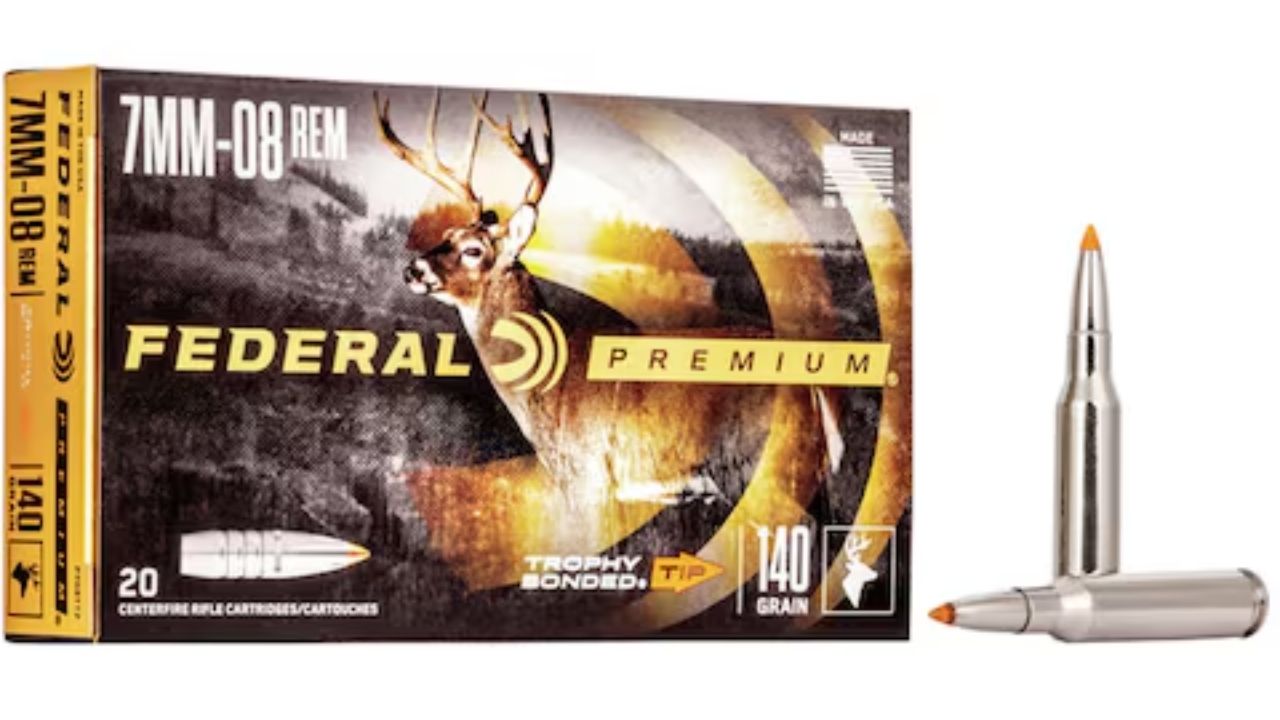
7mm-08 is one of those cartridges that doesn’t sound exciting until you notice how often it quietly performs. It shoots flat enough for most deer hunting, hits hard enough to break through ribs and reach vitals, and does it with recoil that’s easy to manage. That combination helps you shoot better, especially under field pressure.
It also tends to be accurate in a lot of rifles. With 140-grain class bullets, you get a nice balance of velocity and penetration without beating yourself up. Hunters who spend time behind a 7mm-08 often become stubborn about it, and that’s not an accident. It’s a cartridge that encourages practice and rewards good shot placement. If you want a deer round that feels efficient, not overbuilt, 7mm-08 is a classic “boring on paper” option that keeps filling freezers.
.243 Winchester

.243 gets underestimated because people focus on its size instead of its results. With good bullets and good shot placement, it kills deer cleanly, and it does it with recoil so mild that most shooters can stay steady and shoot accurately. That matters when you’re shooting from a stand rail, leaning against a tree, or trying to thread a shot through brush gaps.
The key is bullet choice and discipline. You’re not trying to turn it into a shoulder-breaking cannon. You’re putting a controlled-expansion bullet through the lungs. When you do that, deer don’t travel far. .243 is also a cartridge that makes practice easy, which is why it’s been a go-to for new hunters and experienced hunters who value precision. Boring doesn’t mean weak. In the deer woods, a .243 that gets shot well is far more effective than a bigger caliber that makes you flinch.
.25-06 Remington

.25-06 rarely gets talked about now, but it’s been flattening deer for a long time. On paper, it looks like a niche round that sits between “varmint fast” and “deer capable.” In reality, it’s a flat-shooting cartridge that hits deer hard enough with the right bullets and often shoots extremely well in hunting rifles.
It shines for hunters who like open country. The trajectory is forgiving, and wind drift is manageable with sensible bullet choices. Recoil is also mild enough that you can practice and stay confident. The .25-06’s reputation comes from real results: it tends to drop deer quickly when you put a bullet through the chest. It’s not trendy, and it doesn’t need to be. If you hunt fields, prairies, or cutovers and want a cartridge that shoots flat without heavy recoil, .25-06 keeps doing the job quietly.
6.5×55 Swedish

The 6.5×55 Swede is one of those cartridges that looks mild until you pay attention to what it does with long, well-designed bullets. It’s been killing game cleanly for over a century, and deer are well within its comfort zone. The recoil is friendly, the accuracy potential is strong, and penetration tends to be excellent with proper hunting bullets.
On paper, it doesn’t scream “modern,” and that’s why some hunters overlook it. In the field, it behaves predictably. It puts bullets where you aim, and it drives them deep enough to reach vitals even when angles aren’t perfect. It also tends to be easy to shoot well, which is why so many hunters who adopt it stick with it. If you want a classic deer cartridge that performs with calm efficiency, the 6.5×55 is a proven option that never needed marketing to build its reputation.
.260 Remington

.260 Remington often gets overshadowed by newer 6.5 cartridges, but it’s been doing the job for a long time. It shoots accurately, handles 6.5mm hunting bullets well, and delivers plenty of penetration on deer with recoil that stays manageable. That’s a combination that helps you make better shots and see what happened through the scope.
It’s also a cartridge that tends to run well in short-action rifles, which many hunters prefer for handling. The performance window is practical: you’re not chasing extreme velocity, you’re chasing consistent kills. With a quality bullet, .260 gives you reliable chest penetration and a predictable wound channel. It’s not flashy, and that’s exactly why it fits this list. Hunters who use it tend to talk about clean kills and easy shooting instead of numbers. That’s what matters when you’re dragging deer, not reading charts.
6.5 Creedmoor

6.5 Creedmoor gets called boring because it’s everywhere, and because it doesn’t look like a powerhouse on paper compared to magnums. But deer hunters keep using it because it’s accurate, easy to shoot, and effective with the right bullets. The recoil is mild enough that you can practice more and shoot better under pressure, which is a real advantage in the field.
It also performs well at typical deer distances with common hunting loads. You get good penetration and reliable expansion if you’re using bullets built for hunting, not match bullets. The cartridge’s popularity means ammo and rifles are easy to find, and that practicality matters. Creedmoor’s real strength isn’t that it’s magical. It’s that it helps average hunters place shots accurately, and it delivers consistent terminal performance when those shots land in the right place.
.257 Roberts

The .257 Roberts is the kind of cartridge that quietly earns loyalty. It’s mild in recoil, accurate in many rifles, and very effective on deer with sensible bullet choices. On paper, it looks like an old niche round that got replaced by faster .25-caliber options. In the field, it keeps doing what it always did: punching clean holes through lungs and leaving deer on short trails.
It’s especially appealing if you like cartridges that don’t beat you up. Recoil is comfortable, which makes it easier to shoot well from field positions. The .257 Roberts also tends to have a pleasant, balanced feel in classic hunting rifles. It’s not a long-range trendsetter, but it doesn’t need to be. If you hunt normal distances and value accuracy and calm, predictable performance, the .257 Roberts remains one of the most “boring” deer killers you can carry.
.35 Remington

.35 Remington looks boring because it’s not fast. It’s not meant to be. It’s a medium-bore woods cartridge that hits deer with a heavy bullet at modest speed, and it tends to do serious work at the distances where timber hunters actually shoot. It’s been dropping whitetails in thick cover for generations.
The performance is straightforward: good penetration, solid wound channels, and reliable results on chest shots. It also tends to be chambered in handy rifles that come up quickly and carry well through brush. You don’t need high velocity when your shots are inside 100 yards and the animal is moving through cover. You need a bullet that drives through ribs and gets into the boiler room. .35 Rem does that, and it does it without requiring you to talk yourself into it with charts.
.44 Magnum (in a carbine)

Handgun cartridges out of carbines look boring on paper if you’re comparing them to high-velocity rifle rounds. But a .44 Magnum out of a carbine is a different animal than .44 out of a revolver. You get more velocity, better control, and a very practical deer setup for woods ranges.
In thick cover, that matters. A short carbine is quick to shoulder, easy to carry, and often very accurate at 50 to 125 yards. With proper hunting bullets, it delivers deep penetration and decisive performance on whitetails. You’re not picking it for beanfield sniping. You’re picking it because it’s handy and effective where deer actually appear close. A .44 carbine is “boring” because it’s not complicated. It’s a straightforward tool that keeps putting venison in the freezer.
.45-70 Government

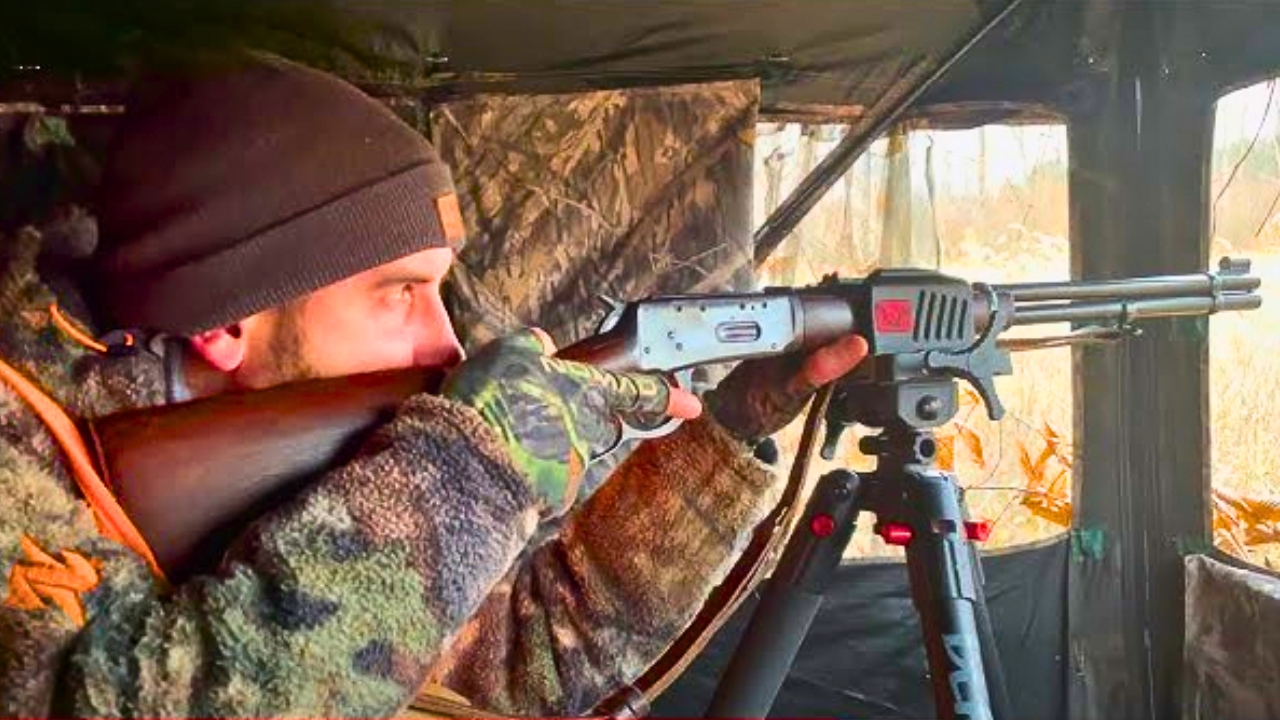
.45-70 looks slow and old, and it is. That’s why it works. It throws a big, heavy bullet that penetrates deeply and hits deer with authority, especially inside typical woods distances. You don’t need speed when you’re punching through heavy tissue and bone and making a wide wound path.
It’s also a cartridge that tends to be chambered in rifles you actually carry in thick cover—lever guns and short guide-style rifles that handle quickly. On deer, it’s more than enough, and it often drops animals fast when you put the shot where it belongs. The only downside is recoil, depending on the load and rifle weight. But if you can shoot it well, .45-70 remains one of the most dependable “boring on paper” cartridges in the deer woods. It’s been doing this job for a very long time.
.300 Savage

The .300 Savage is a classic that doesn’t get enough credit today because it’s been overshadowed by .308. But in practical deer hunting, it does the same kind of work: it pushes .30-caliber bullets at useful speeds, offers good penetration, and tends to be very effective on whitetails. It’s a real performer inside normal hunting ranges.
It also shows up in rifles built for hunting, not benchrest. Many .300 Savage rifles balance well and carry nicely, and that matters when you’re moving through timber or climbing into stands. The cartridge itself is efficient and predictable. You’re not chasing extreme velocity. You’re launching a bullet that holds together and reaches vitals. If you’re the kind of hunter who appreciates proven rounds with a long history of clean kills, the .300 Savage is a “boring” deer cartridge that has never stopped working.
.32 Winchester Special

The .32 Winchester Special is often treated like a footnote next to .30-30, but it has been killing deer effectively for a long time. It fills the same woods-hunting role: moderate velocity, practical ranges, and a bullet that does reliable work on chest shots. In real hunting distances, that’s what matters.
It’s usually found in classic lever guns that handle quickly and carry comfortably. Those rifles tend to get used a lot in thick cover, and that’s where the .32 Special shines. The cartridge isn’t common everywhere, but the performance is familiar: steady penetration and predictable results when you put the bullet through the lungs. It doesn’t need to be trendy to be useful. If you hunt timber and like traditional lever guns, the .32 Winchester Special is one of those “boring on paper” rounds that still gets it done.
7×57 Mauser
The 7×57 Mauser doesn’t look impressive by modern numbers, yet it has a long history of cleanly taking game with sensible bullets and reasonable recoil. For deer, it’s plenty. It shoots accurately in many rifles, penetrates well, and doesn’t punish you at the bench. That helps you practice and stay confident.
The cartridge’s strength is balance. You can choose bullets that expand reliably and still drive through the chest from less-than-perfect angles. It also tends to be smooth to shoot, which matters when you’re cold, layered up, and shooting from an awkward stand rail. Hunters who use 7×57 tend to keep using it because it works without drama. It’s a calm, efficient deer round that doesn’t care what year it is. Put it in the ribs, and deer still tip over.
Like The Avid Outdoorsman’s content? Subscribe to our newsletter so you never miss an article.
Here’s more from us: