Photo credit: Pew Pew Tactical/Youtube
Some guns become keepers for obvious reasons. They’re expensive, rare, inherited, custom-built, or tied to a big hunt. Nobody is surprised when those stay in the safe forever. The more interesting ones are the guns that sneak into keeper status for reasons nobody expected.
Maybe they turned out to be more useful than they looked. Maybe they fit better than the fancier gun. Maybe they became the one everyone wanted to shoot. Or maybe the owner realized too late that replacing it would be harder than expected. These firearms became keepers for reasons that weren’t obvious at the counter.
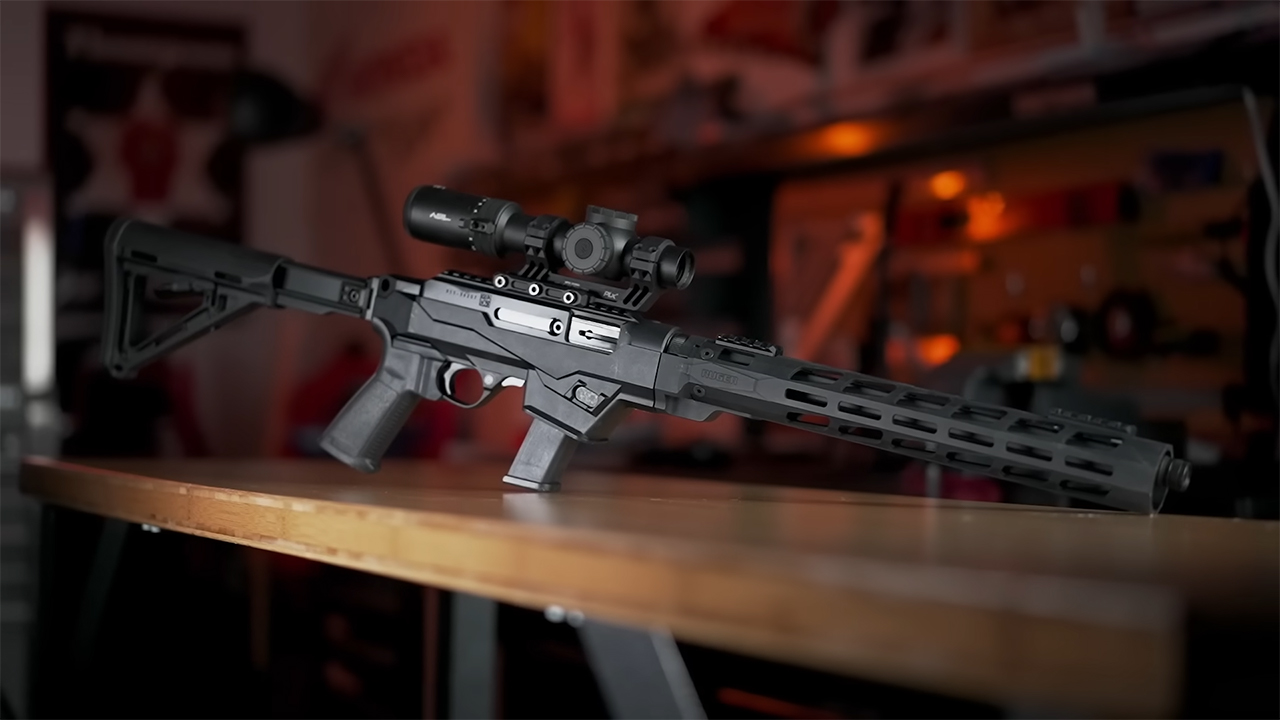
Ruger PC Carbine
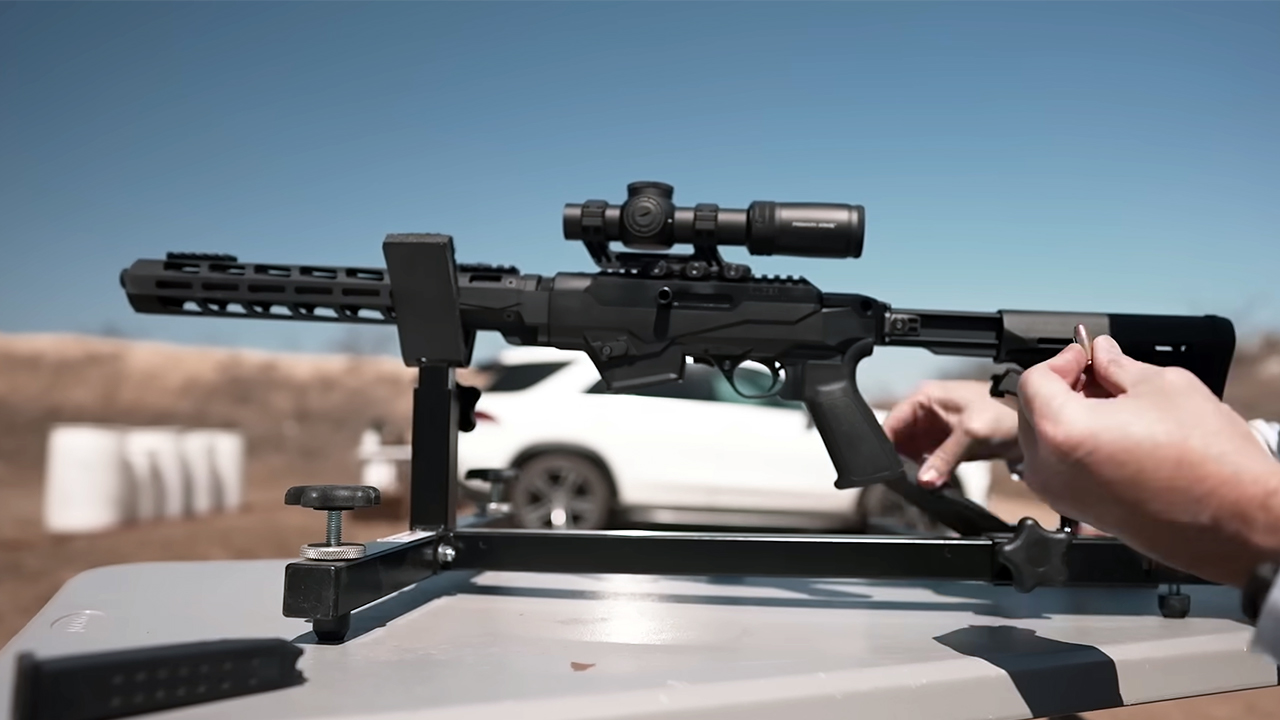
The Ruger PC Carbine didn’t look like a lifetime gun at first. A 9mm takedown carbine can seem practical, maybe even a little boring. It doesn’t have the romance of a lever gun or the reach of a centerfire rifle. Some buyers probably expected it to be a fun range piece and nothing more.
Then it started filling more roles than expected. It’s mild to shoot, easy for newer shooters to handle, and useful for training with cheaper 9mm compared with many rifle cartridges. The takedown design makes storage simple, and magazine compatibility through adapters adds real value. It became a keeper because it kept getting used. Sometimes the gun that looks least emotional becomes the one that solves the most little problems.
Smith & Wesson Model 10
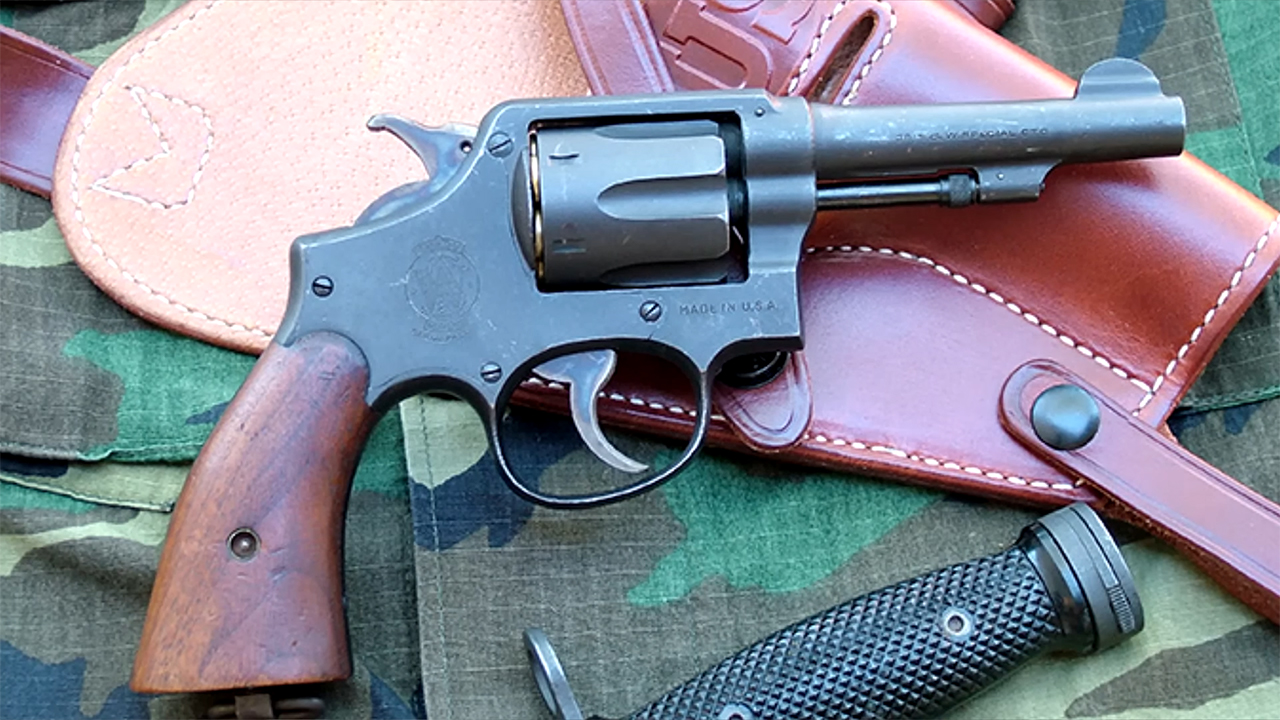
The Smith & Wesson Model 10 becomes a keeper for a reason many shooters don’t expect: it makes them better. A fixed-sight .38 Special revolver doesn’t look exciting beside modern pistols, and it certainly doesn’t win capacity or power arguments. On paper, it can seem like an old service gun from another time.
At the range, it teaches things newer guns can hide. The double-action trigger forces a clean press, the recoil is mild enough for real practice, and the K-frame size gives enough weight to shoot comfortably. Owners may buy one as a cheap classic and then realize it’s one of the best training handguns they own. It becomes a keeper because it earns its space through skill-building, not flash.
Henry Lever Action .22
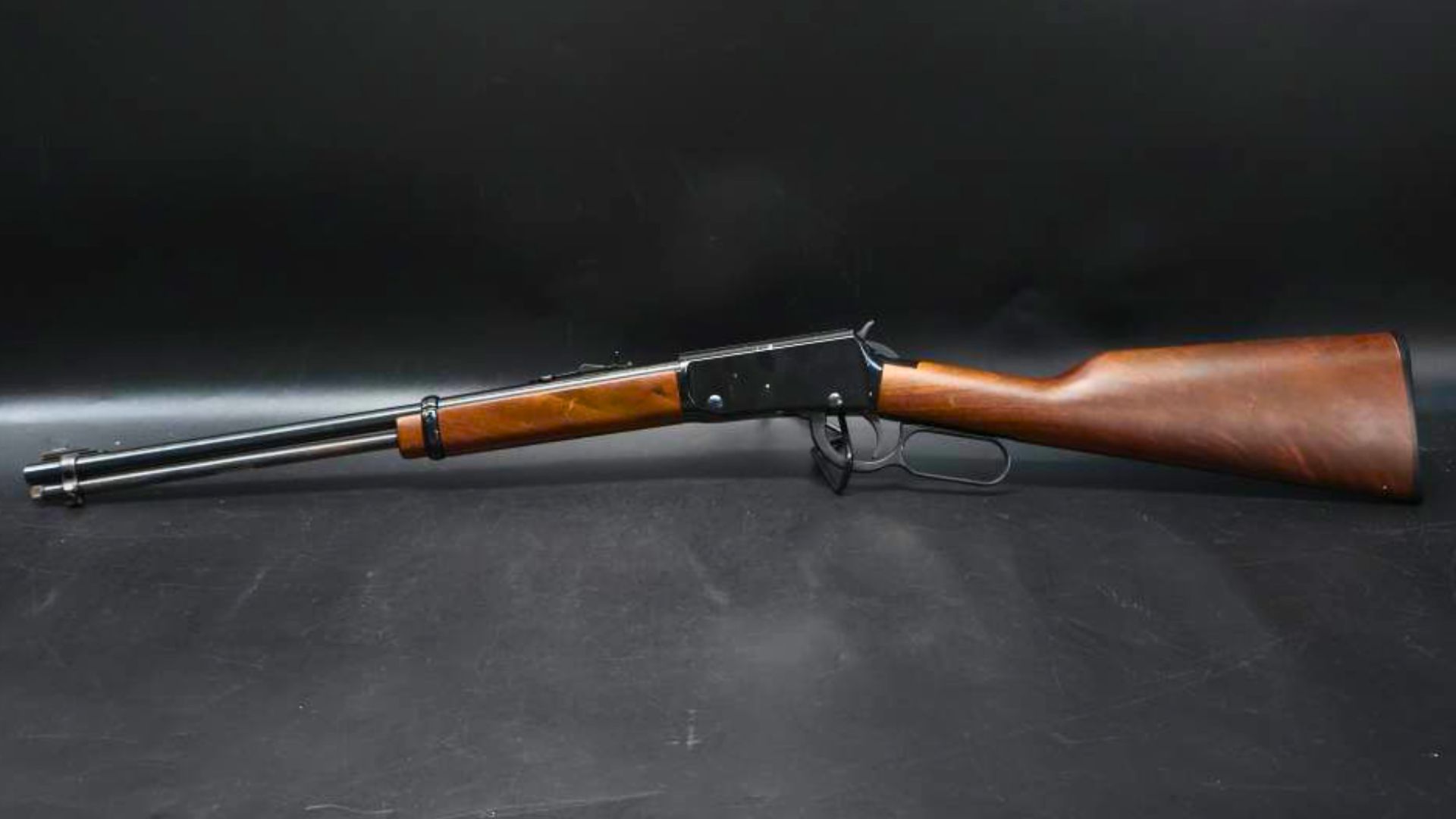
The Henry Lever Action .22 often becomes a keeper because everyone in the family likes it. That may not sound like a serious reason until you realize how few guns actually do that. Some are too loud, too heavy, too expensive to shoot, or too intimidating for new shooters. The Henry avoids all of that.
It’s smooth, simple, low-recoil, and fun. Kids can learn with it, adults still enjoy it, and a box of .22 LR can turn into a relaxed afternoon fast. It works for plinking, small game where legal, and teaching safe gun handling. Nobody buys one thinking it will be the most important gun in the safe. Then it becomes the rifle people keep asking to shoot.
Beretta PX4 Storm Compact
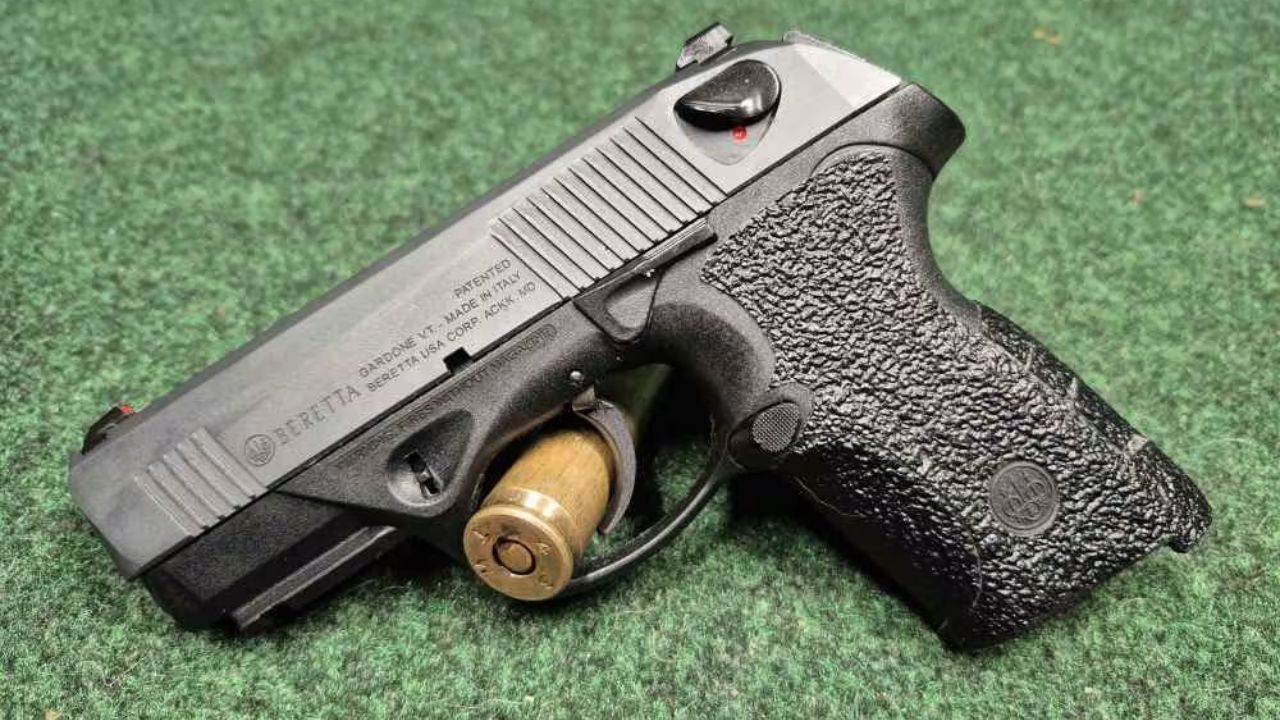
The Beretta PX4 Storm Compact became a keeper for a reason that surprised plenty of owners: it shoots better than it looks. The rounded styling has never won universal praise, and DA/SA compact pistols don’t get the same easy attention as slim striker-fired carry guns. It’s an easy pistol to underestimate.
Once owners put rounds through it, the opinion often changes. The rotating barrel system gives it a smoother recoil feel than many compact 9mms, and the grip is more comfortable than the shape suggests. It carries better than expected with a good holster and rewards shooters who learn the trigger. It becomes a keeper because performance beats first impressions. Ugly ducklings get a lot easier to love when they shoot this well.
Mossberg 500
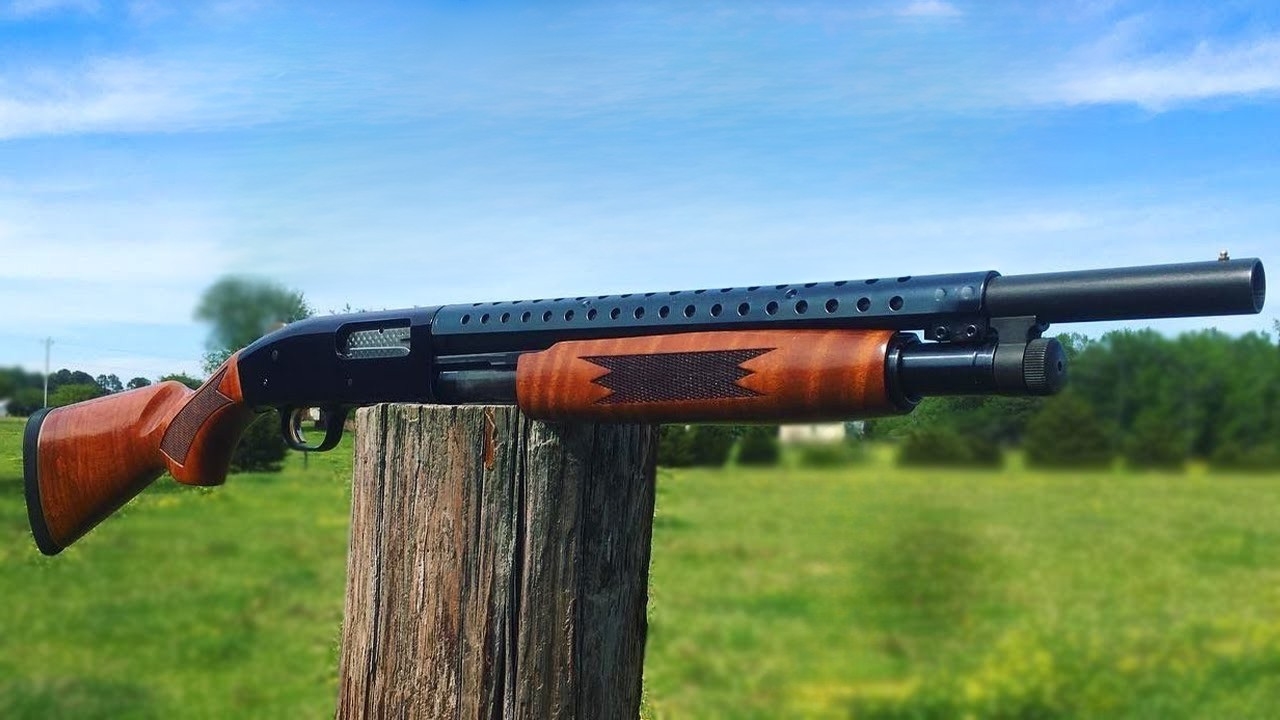
The Mossberg 500 often becomes a keeper because it turns into the household problem-solver. A buyer may pick one up as a basic pump shotgun, not some prized possession. It doesn’t look fancy, and it doesn’t have the polish of more expensive guns. But it keeps finding a use.
Birds, turkey, deer with the right barrel, clays, home defense, rural property work — the 500 can cover a lot of ground. That versatility makes it hard to sell. Even if an owner buys nicer shotguns later, the Mossberg stays because it’s the one nobody is afraid to use. It became a keeper because it doesn’t need special treatment. A gun that can be useful in that many situations tends to hang around.
CZ 457
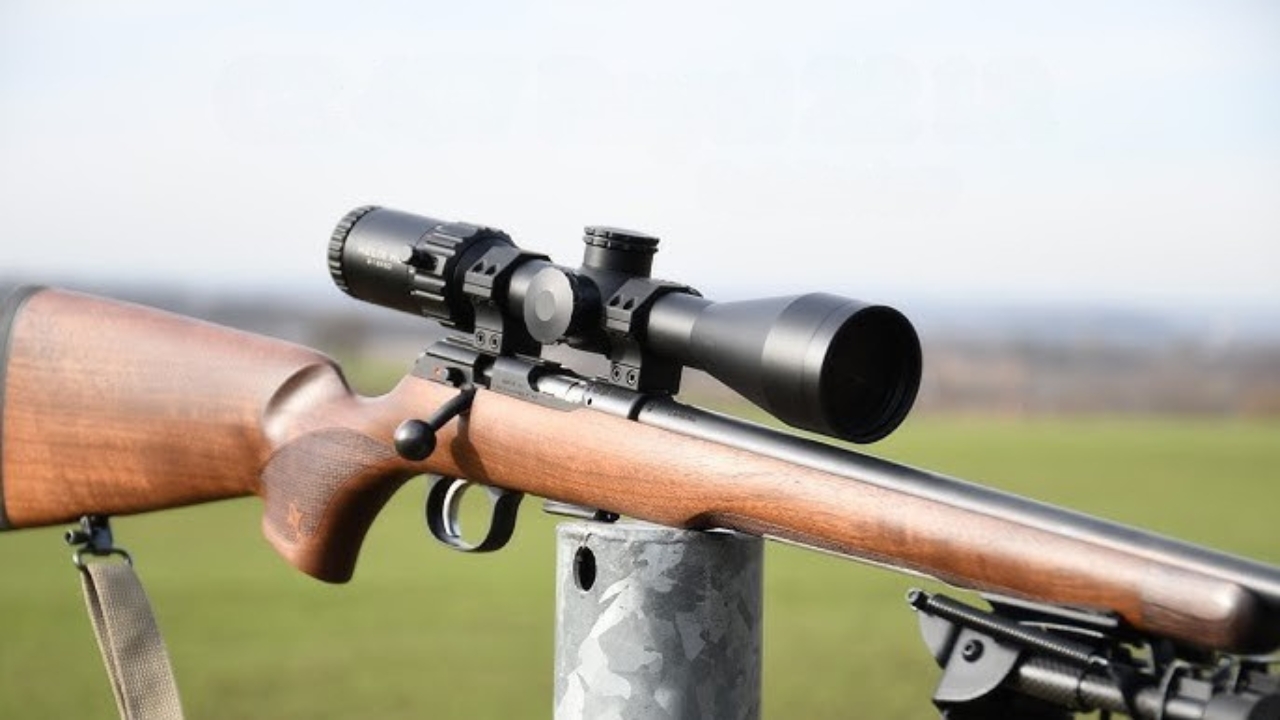
The CZ 457 becomes a keeper because owners realize a good rimfire gets shot more than almost anything else. A lot of people spend big money on centerfire rifles and treat .22s like afterthoughts. Then they buy a 457 and see how much difference a serious rimfire makes.
The adjustable trigger, good accuracy potential, improved safety, and real-rifle feel make it more than a casual plinker. It works for target practice, small game, precision rimfire training, and teaching fundamentals. Since .22 LR is easier and cheaper to shoot, the rifle gets regular use instead of seasonal attention. It becomes a keeper because it doesn’t sit idle. The guns that get used most often usually become the hardest to part with.
Ruger GP100

The Ruger GP100 becomes a keeper because owners stop worrying about wearing it out. That sounds simple, but it matters. Some revolvers feel too delicate, too collectible, or too uncomfortable for regular shooting. The GP100 feels like it was built to be used.
It handles .38 Special comfortably and .357 Magnum with enough weight to make practice realistic. It works as a range gun, woods revolver, home-defense option, and general-purpose .357. The trigger may not feel like a tuned Smith out of the box, but the gun’s ruggedness builds trust. Owners may buy it because it’s practical, then keep it because it feels almost permanent. A revolver that doesn’t make you nervous is worth more than people think.
Tikka T3x Lite

The Tikka T3x Lite becomes a keeper because it removes excuses. A hunter may buy one as a plain, practical rifle, then discover it shoots well, carries easily, and cycles smoothly without needing much tinkering. That kind of low-drama performance is easy to take for granted until another rifle doesn’t offer it.
The synthetic stock isn’t fancy, and the rifle doesn’t have classic walnut charm. But the bolt is slick, the trigger is clean, and the accuracy reputation is strong for a reason. It becomes the rifle owners grab because they trust it, not because it’s the prettiest. The surprise is that plain can become personal when it keeps making hunts simpler.
Taurus TX22
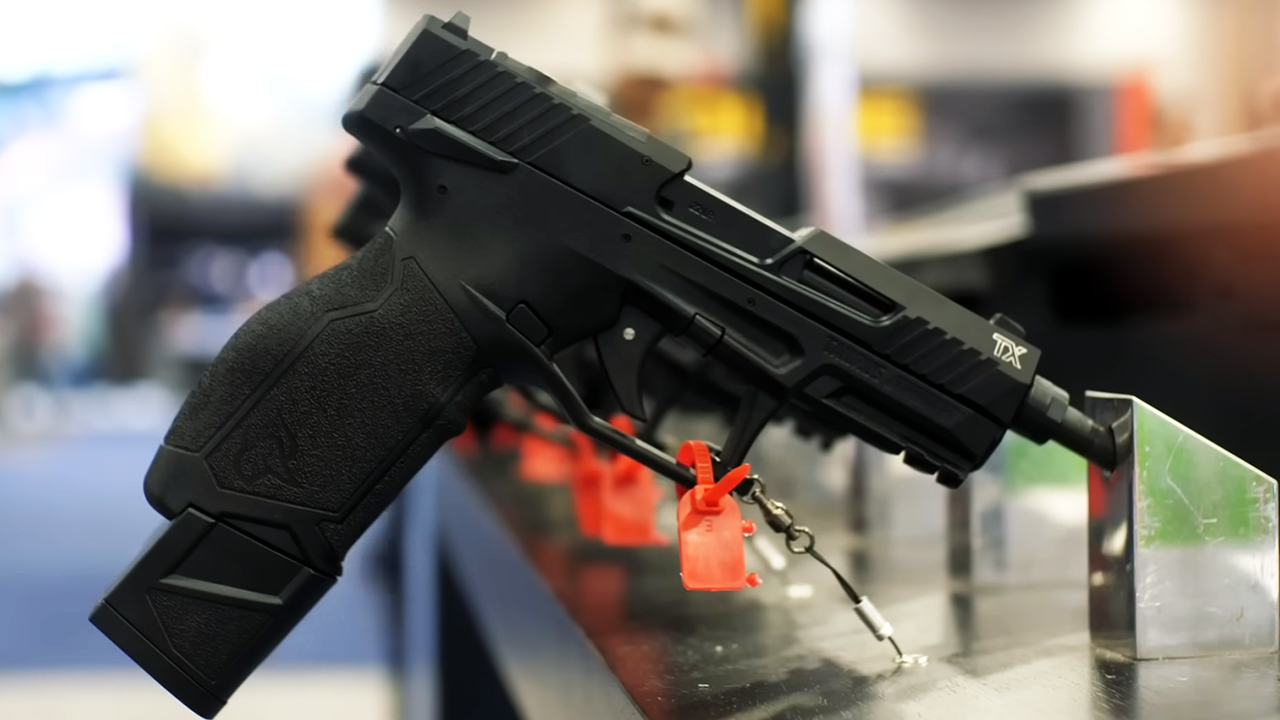
The Taurus TX22 became a keeper for a reason plenty of shooters didn’t see coming: it made them shoot more. Because of Taurus’ mixed reputation, some buyers expected a cheap rimfire with compromises. Instead, many found a pistol that was fun, comfortable, and reliable enough with the right ammunition to become a regular range companion.
That matters. A .22 pistol that gets used constantly can be more valuable to skill-building than a centerfire pistol that rarely leaves the safe. The TX22 has good capacity for a rimfire, familiar controls, and a grip that works for many hands. It’s not a premium target pistol, but it doesn’t need to be. It becomes a keeper because it turns practice into something easy to say yes to.
Winchester XPR
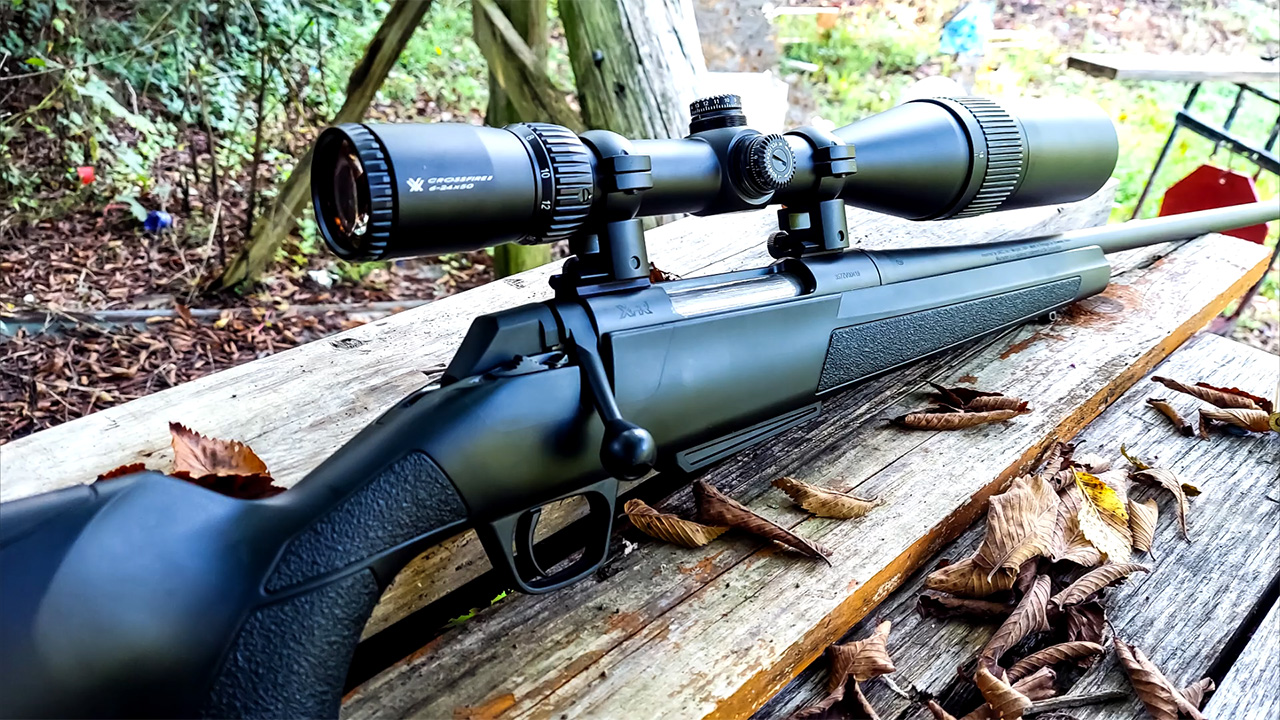
The Winchester XPR became a keeper because some hunters realized they didn’t need the rifle to feel romantic. It lacks the classic pull of the Model 70, and it doesn’t pretend otherwise. It’s a modern bolt-action meant to shoot well and get through hunting season without draining the budget.
That practical honesty is what keeps it around. The trigger is good, many rifles shoot well, and the design is straightforward enough for normal deer, hog, and big-game hunting in suitable chamberings. It may not become a family heirloom in the traditional sense, but it can become the rifle that always works. Owners keep those, too. Not every keeper has walnut and history. Some just keep putting bullets where they belong.
Smith & Wesson Shield Plus
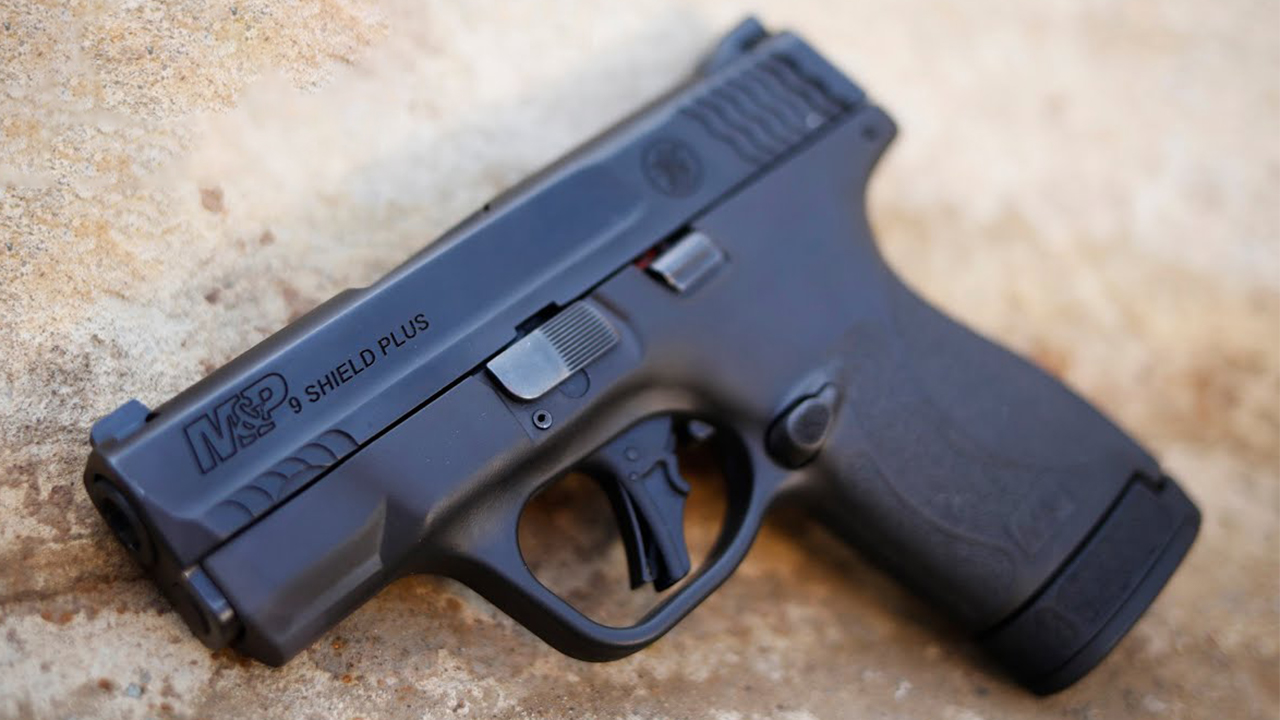
The Shield Plus became a keeper because it found a comfort zone that many carry pistols miss. It isn’t the smallest, flashiest, or highest-capacity option in the micro-compact world. But it carries flat, shoots better than many tiny pistols, and fixes the biggest complaints owners had about the original Shield.
That combination sneaks up on people. A carry gun has to be worn, drawn, practiced with, and trusted. The Shield Plus does those jobs without feeling extreme in any one direction. The improved trigger and better capacity made a familiar platform feel current again. Owners may buy one as a sensible carry choice, then stop shopping because it works. That’s how a practical pistol becomes a keeper.
Franchi Affinity 3
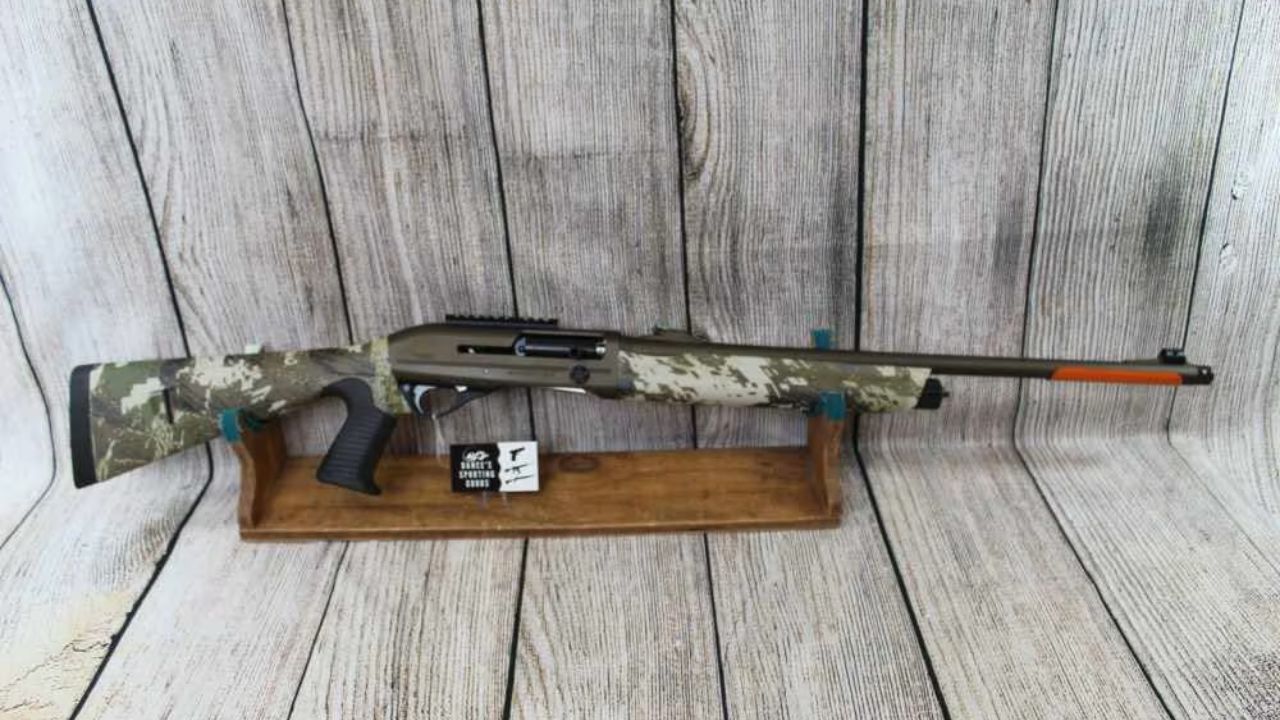
The Franchi Affinity 3 became a keeper because it sits in a useful middle ground. It isn’t the cheapest semi-auto shotgun, and it doesn’t carry the same name weight as some premium Italian guns. That made it easy to overlook at first. But the owners who hunt with one often understand the appeal quickly.
It’s simple, field-ready, and easier to maintain than many gas guns because of its inertia system. It can kick more with heavy loads, but it also handles rough hunting conditions well. For waterfowl, upland birds, turkey, or general field use depending on configuration, it gives hunters a lot without the top-tier price. It becomes a keeper because it quietly does the job without demanding attention.
Weatherby Vanguard Series 2

The Weatherby Vanguard Series 2 becomes a keeper because it proves sensible can still feel satisfying. It doesn’t have Mark V prestige, and it’s not the lightest rifle in the rack. But the Howa-built action feels sturdy, the trigger is good, and many rifles shoot well enough to make owners stop looking for something else.
That extra weight can even become part of the appeal. It helps the rifle settle and softens recoil compared with some ultralight guns. For stand hunting, range work, deer, hogs, and bigger game in suitable chamberings, the Vanguard gives confidence without premium pricing. Owners may have bought it because it was the practical choice. They keep it because practical worked better than expected.
Browning Buck Mark
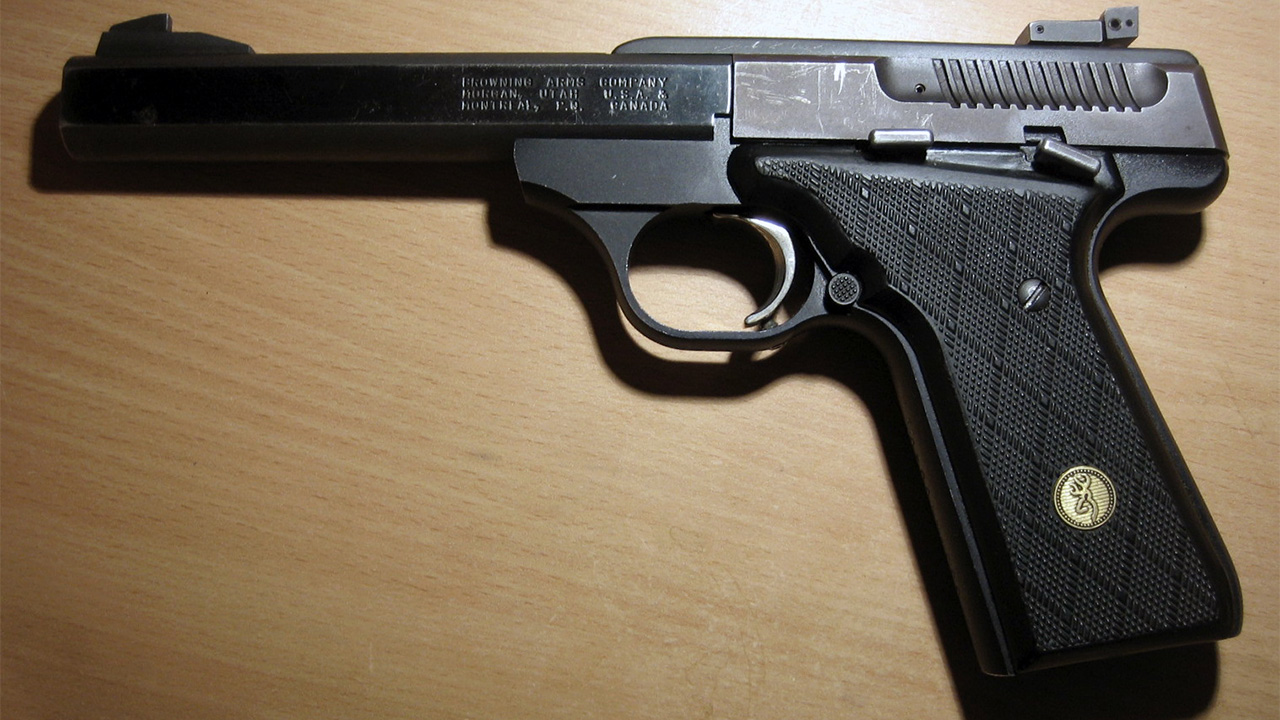
The Browning Buck Mark became a keeper because it makes shooting feel easy again. A basic rimfire pistol can seem like a small purchase compared with centerfire handguns, but a good one gets used constantly. The Buck Mark has a comfortable grip, good trigger, and enough accuracy to make every range trip feel productive.
It works for new shooters, experienced shooters, fundamentals, plinking, and small-game use where legal. It doesn’t need to imitate a duty pistol or chase tactical styling to matter. Owners keep it because it does the simple thing well: it makes people want to keep shooting. That’s a better reason than most guns get.
Marlin 336

The Marlin 336 becomes a keeper because it ties itself to real deer seasons. A hunter may buy one as a basic woods rifle, especially in .30-30 Winchester, and not think much beyond that. Then years of hunts, stands, cold mornings, and clean shots turn it into something more permanent.
The rifle carries well, shoulders fast, and fits thick timber better than many modern rifles built for distances most woods hunters never see. It is not fancy, and it is not trying to impress long-range shooters. That honesty is why people keep it. A 336 becomes a keeper because it becomes the rifle that feels right when deer season comes around. That kind of attachment usually sneaks up slowly.
Like The Avid Outdoorsman’s content? Be sure to follow us.
Here’s more from us: