Photo credit: NRApubs/Youtube
Some firearms are overlooked for obvious reasons. They are ugly, odd, too heavy, too plain, chambered strangely, priced awkwardly, or stuck in the shadow of a more famous model. Shooters walk past them because something else seems easier to understand.
Then time changes the conversation. The odd gun starts looking unique. The heavy gun starts feeling stable. The plain gun starts proving itself. The overlooked model becomes the one people wish they had recognized sooner. These firearms became more desirable because the market finally noticed what owners had quietly known all along.
Beretta PX4 Storm
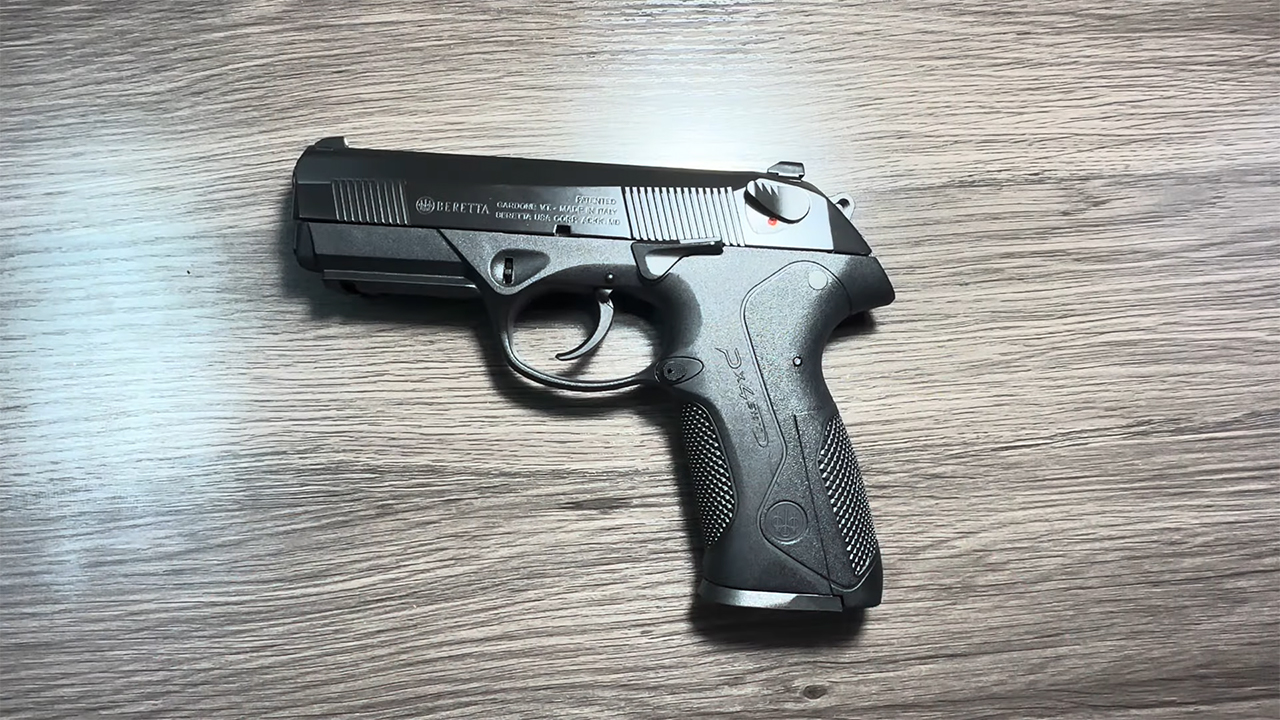
The Beretta PX4 Storm was overlooked by a lot of shooters because it looked strange. The rounded slide, bulky-looking shape, rotating barrel system, and DA/SA trigger made it feel out of step with the cleaner striker-fired pistols that dominated the market. It was easy to dismiss as weird.
That weirdness aged better than expected. The PX4 shoots softer than many people assume, especially in 9mm, and the rotating barrel system gives it a recoil impulse that stands apart from ordinary compact and full-size pistols. The grip is more comfortable than the styling suggests, and the pistol rewards shooters willing to learn DA/SA controls. It became more desirable because people finally stopped judging it only by looks. Sometimes ugly guns shoot beautifully.
Ruger M77 Compact
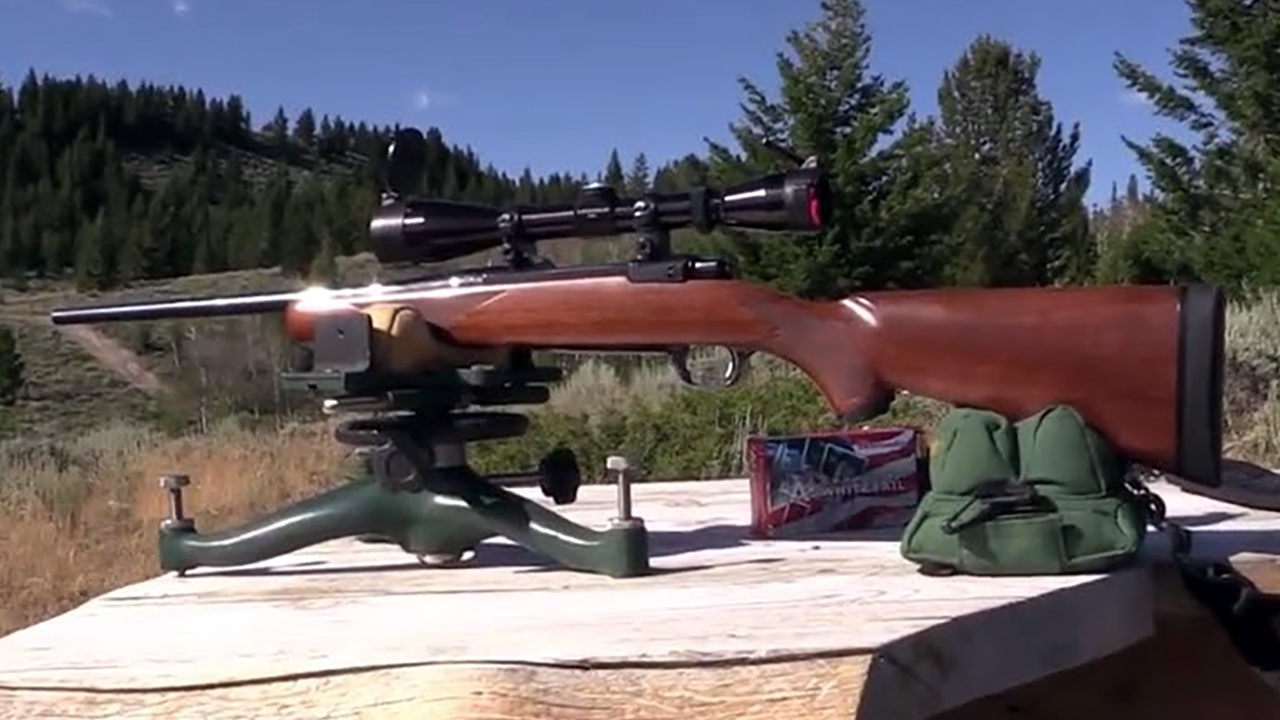
The Ruger M77 Compact was overlooked because compact rifles often get dismissed as youth guns or specialty tools. Many hunters want full-length barrels, traditional proportions, and maximum velocity. A short Ruger bolt gun seemed too specific for some buyers to take seriously.
Then people started appreciating handy rifles again. The M77 Compact carries easily, shoulders quickly, and works well in blinds, timber, brush, and tight hunting spaces. It is not designed for long-range benchrest shooting, and it gives up some velocity compared with longer barrels. But for real hunting where quick handling matters, it makes a lot of sense. Clean examples became more desirable because compact rifles with real Ruger toughness are not as easy to replace as people assumed.
Smith & Wesson 3914
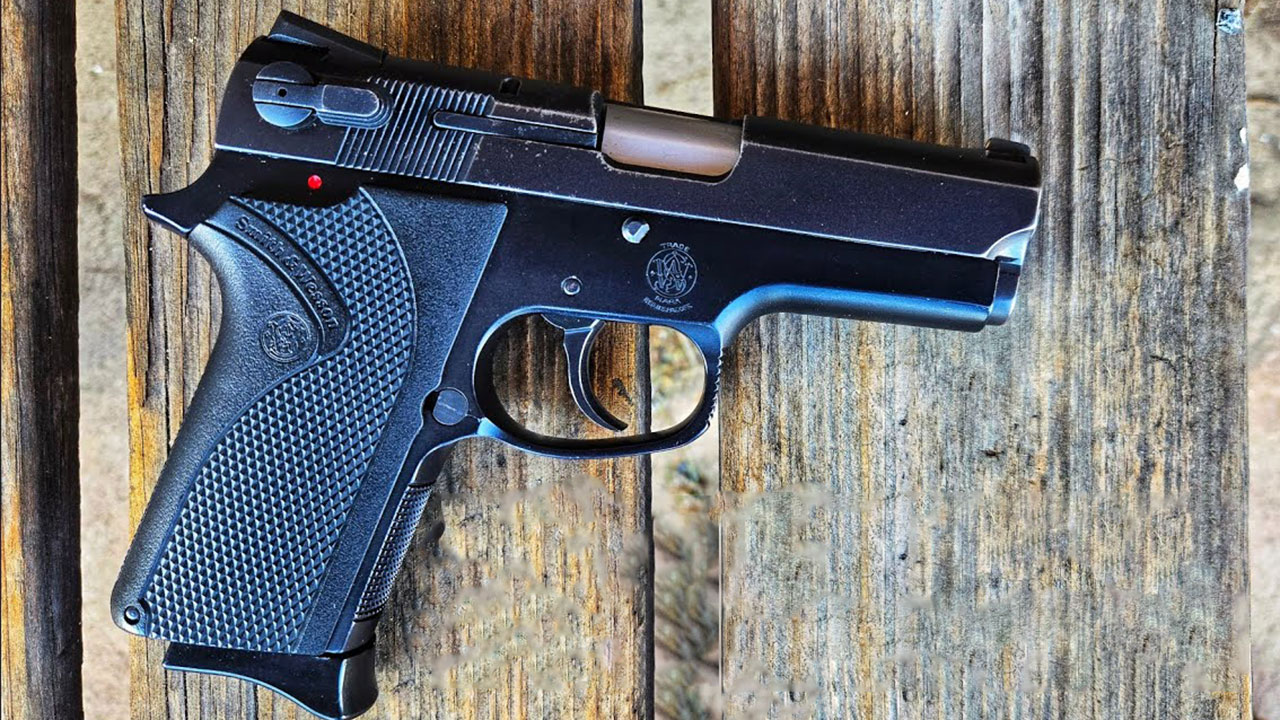
The Smith & Wesson 3914 lived in the shadow of the better-known 3913 for years. It offered a similar slim single-stack 9mm layout, but the black finish and slightly less glamorous profile made it easier for people to overlook. Once polymer micro-compacts took over, many shooters simply stopped caring about metal-frame single-stacks altogether.
Now the 3914 looks much more interesting. It carries flat, shoots with old Smith refinement, and gives owners a compact DA/SA pistol from a category the modern market mostly abandoned. Capacity is modest, parts and magazines require more attention, and it is not optics-ready. But that does not erase the appeal. It became more desirable because shooters started missing slim metal carry guns that actually feel good in the hand.
Remington 7600
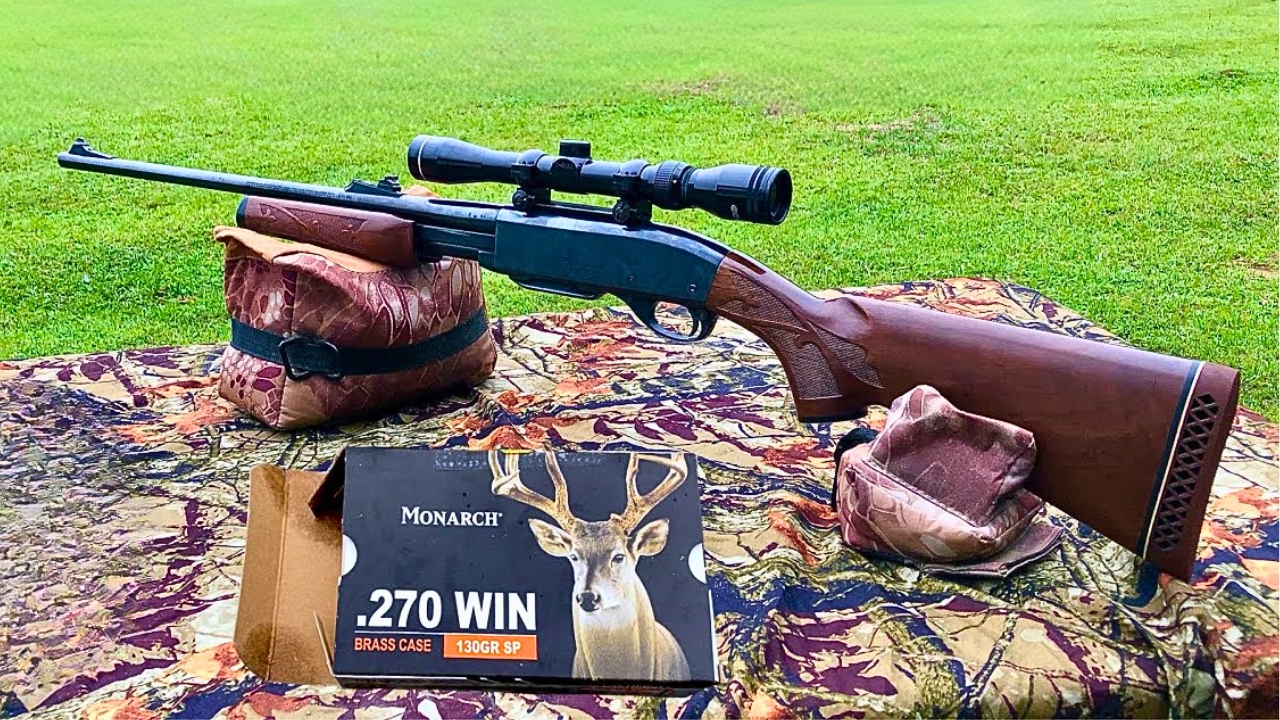
The Remington 7600 was overlooked by hunters who did not grow up around pump rifles. In some regions, it was always respected. In others, a centerfire pump seemed strange beside bolt-actions and lever guns. That regional divide made plenty of people underestimate it.
The 7600’s appeal is obvious once the role is understood. It is fast, familiar to pump-shotgun hunters, and useful in thick woods or deer-drive country. Chamberings like .30-06 Springfield, .308 Winchester, and .270 Winchester gave it real hunting capability. It is not a precision bench rifle, and it does not need to be. As fast-handling woods rifles became more appreciated, clean 7600s became more desirable. The people who overlooked them usually judged the wrong category.
Browning BDM

The Browning BDM was overlooked because it was confusing. Its slim double-stack profile was interesting, but the unusual trigger-mode selector made some buyers hesitate. It was not a normal DA/SA pistol, not a striker-fired pistol, and not a Hi-Power. That made it hard to explain.
Now that unusual identity is part of the appeal. The BDM feels slim for its capacity and represents a time when companies were experimenting with service-pistol ideas in ways that did not always catch on. It is not the easiest pistol to support today, so magazines, parts, and condition matter. But collectors and oddball handgun fans appreciate it more now because it never became ordinary. Shooters overlooked it because it was different. Now different is exactly why people want it.
Marlin 1894CL

The Marlin 1894CL was overlooked because it came in less common chamberings like .25-20 Winchester and .32-20 Winchester. A lot of lever-gun buyers wanted .30-30, .357 Magnum, .44 Magnum, or .45-70. The little classic cartridges seemed old-fashioned and impractical to many modern shooters.
That old-fashioned charm became the selling point. The 1894CL is light, handy, and perfect for people who appreciate small-game, varmint, and nostalgic lever-action shooting. It is not a do-everything rifle, and ammunition availability can be a serious drawback. But in clean condition, these rifles have become very desirable because they offer something most current lever guns do not: a link to small-bore centerfire lever-action history. The market overlooked them until nostalgia got expensive.
HK VP70
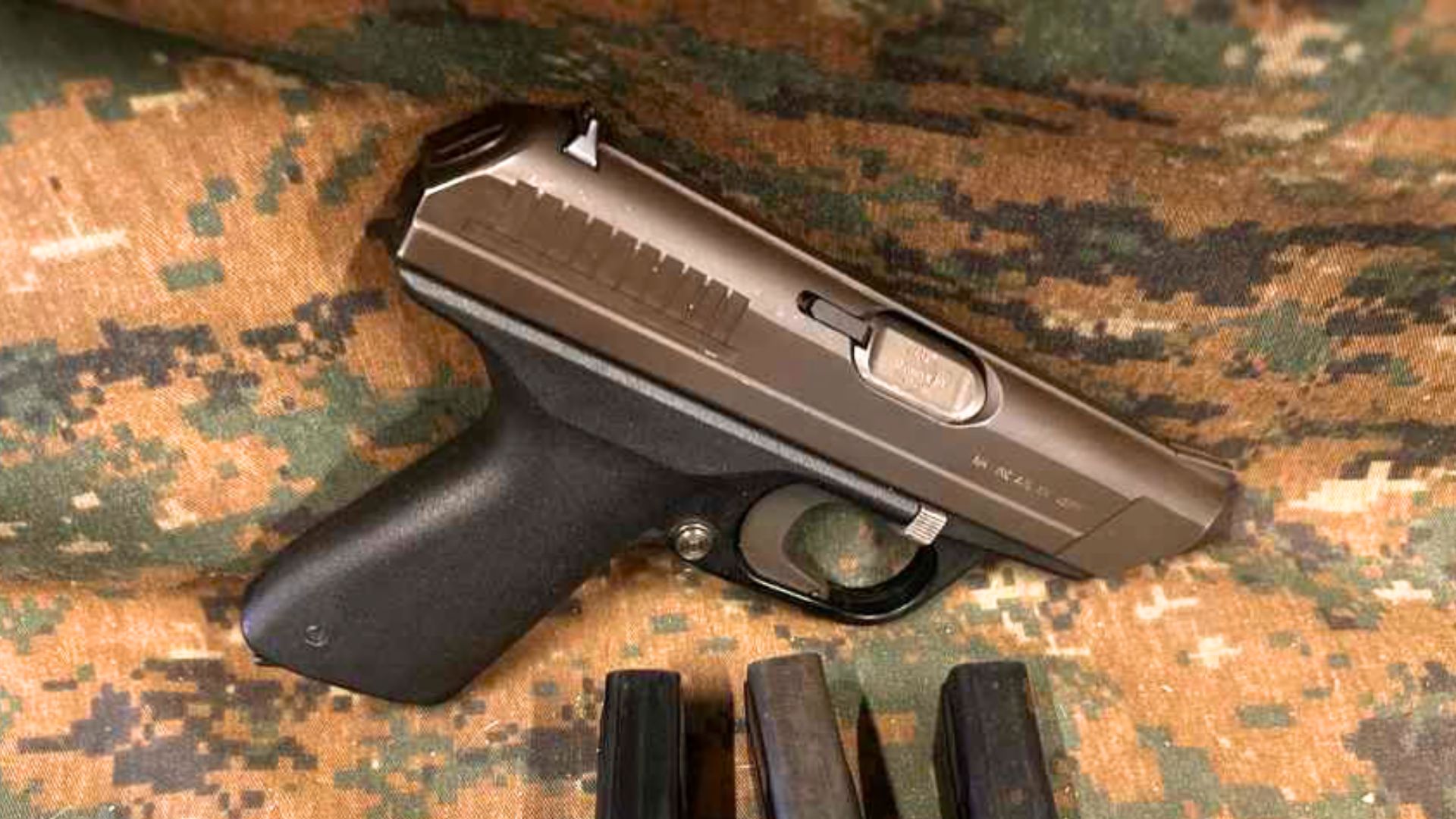
The HK VP70 was overlooked because it has one of the strangest trigger reputations in the handgun world. It was futuristic in some ways, with a polymer frame before polymer pistols became normal, but the heavy trigger made many shooters dislike it immediately. It also looked odd and never became broadly loved.
Today, the VP70 is more desirable as a historical oddity than as a practical shooter. It represents early polymer pistol development and HK willingness to try something genuinely different. Nobody needs to pretend the trigger is pleasant or that it is a better range gun than modern options. That is not why people want it. They want it because it was overlooked, strange, and ahead of its time in one important way. Sometimes historical importance takes longer to be appreciated than shootability.
Savage 24
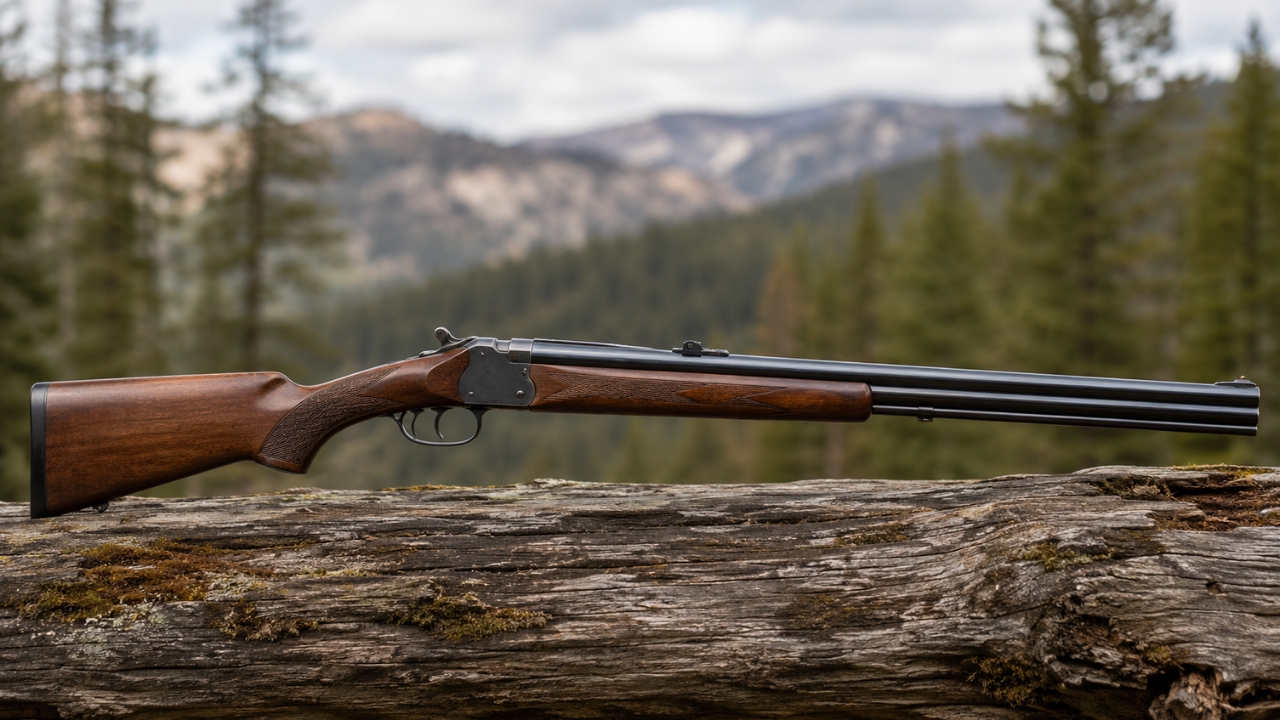
The Savage 24 combination gun was overlooked because it was practical in a quiet, rural way. A rifle barrel over a shotgun barrel did not look tactical, fast, or glamorous. It looked like something a farmer, camper, or small-game hunter might keep behind the seat.
That usefulness became more interesting as combination guns became less common. The Savage 24 can handle situations where a person may encounter small game, pests, or mixed opportunities and does not want to carry two firearms. It is not as fast or specialized as a dedicated rifle or shotgun, but flexibility is the whole point. Shooters overlooked it because it seemed like a humble utility gun. Now that humble utility feels unusual enough to chase.
Colt 1908 Vest Pocket
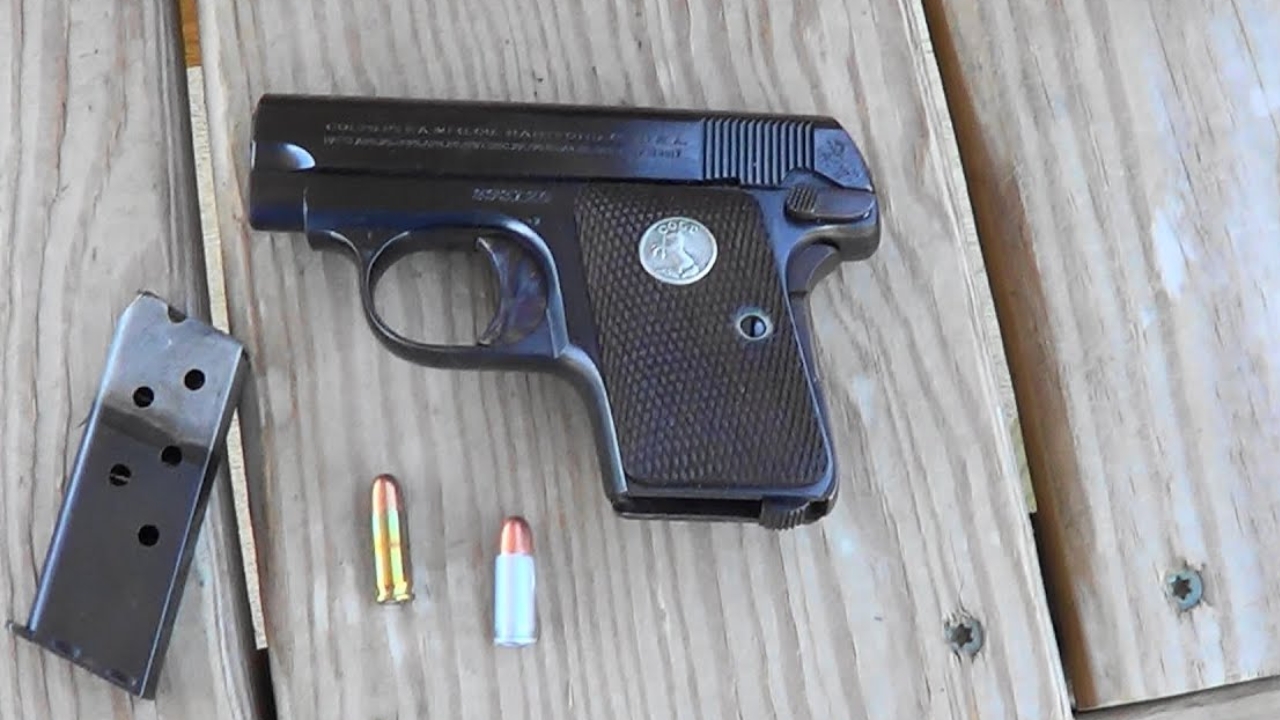
The Colt 1908 Vest Pocket was overlooked by many modern shooters because .25 ACP is easy to mock. It is low-powered by modern standards, and the tiny pistol is not a serious defensive choice compared with current options. That made plenty of people dismiss it as a cute antique.
Collectors see it differently now. The little Colt has elegant machining, historical importance, and early 20th-century pocket-pistol charm. It represents a time when extremely small centerfire pistols filled a real social and practical role. It is not desirable because it is powerful. It is desirable because it is beautifully made, historically interesting, and increasingly collectible in good condition. Shooters overlooked the cartridge. Collectors noticed the pistol.
CZ 527 American
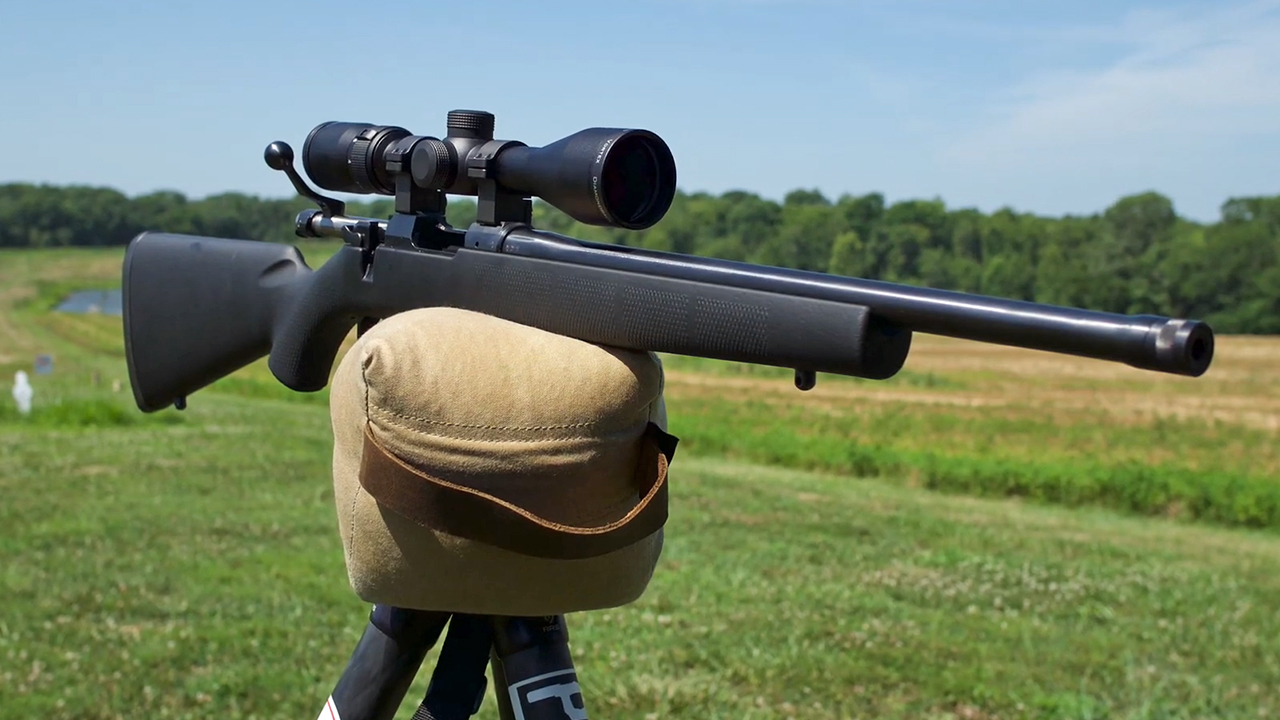
The CZ 527 American was overlooked because it did not fit neatly into the modern rifle market. It was a small bolt-action with a mini-Mauser-style action, detachable magazine, and chamberings like .223 Remington, .204 Ruger, and 7.62×39 depending on version. ARs dominated the .223 conversation, and traditional hunters often wanted larger calibers.
Then CZ discontinued the 527 line, and people realized how special these little rifles were. The 527 American has old-world charm, good accuracy potential, and field-rifle handling that many modern compact rifles do not duplicate. It works for predators, varmints, range shooting, and light field use where appropriate. It became more desirable because the market finally understood that small bolt guns with personality are not easy to replace.
Smith & Wesson Model 547
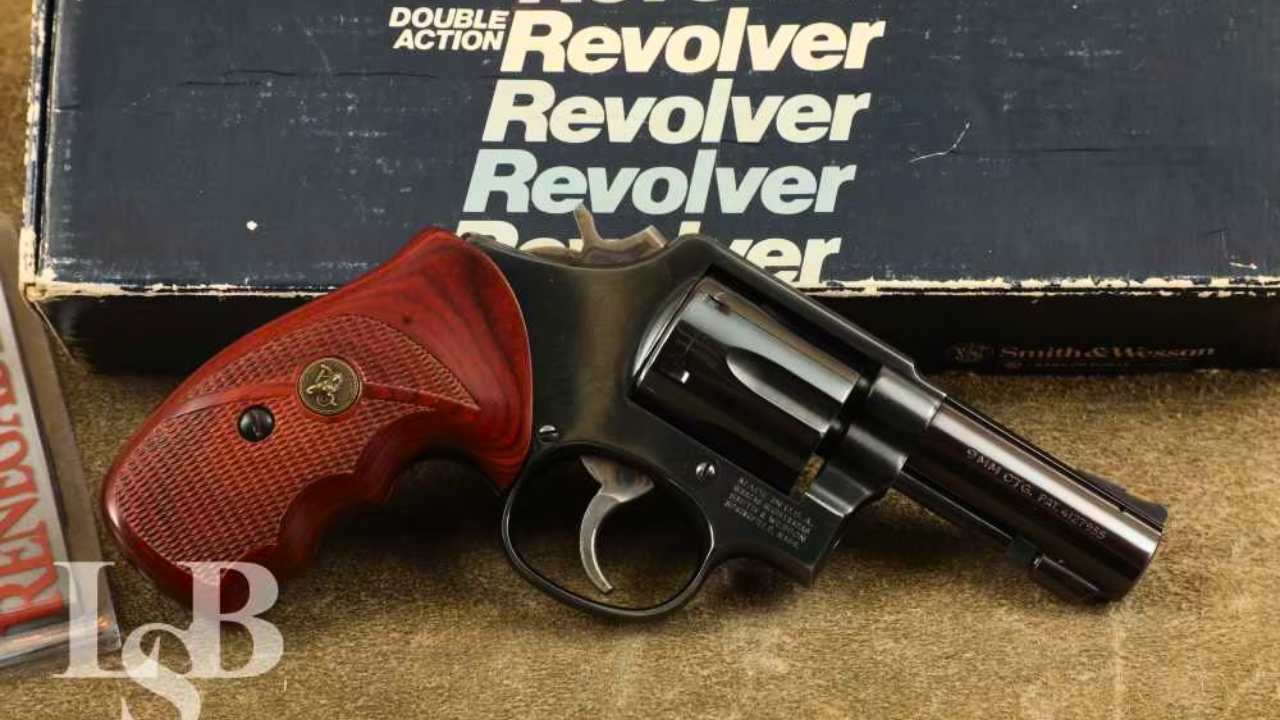
The Smith & Wesson Model 547 was overlooked because it was unusual and not widely understood. A 9mm revolver that did not need moon clips was mechanically interesting, but it sat in a strange place. Revolver shooters often wanted .38 Special or .357 Magnum, while 9mm shooters usually wanted semi-autos.
That odd placement made the 547 far more interesting later. The extraction system, limited production, and practical K-frame size give it real collector appeal. It is not something every shooter needs, and it is not as simple to find as more common Smith revolvers. But that scarcity and mechanical curiosity make it desirable now. Shooters overlooked it because it answered a question few people were asking. Collectors later realized weird questions can produce very cool guns.
Winchester 88 Carbine
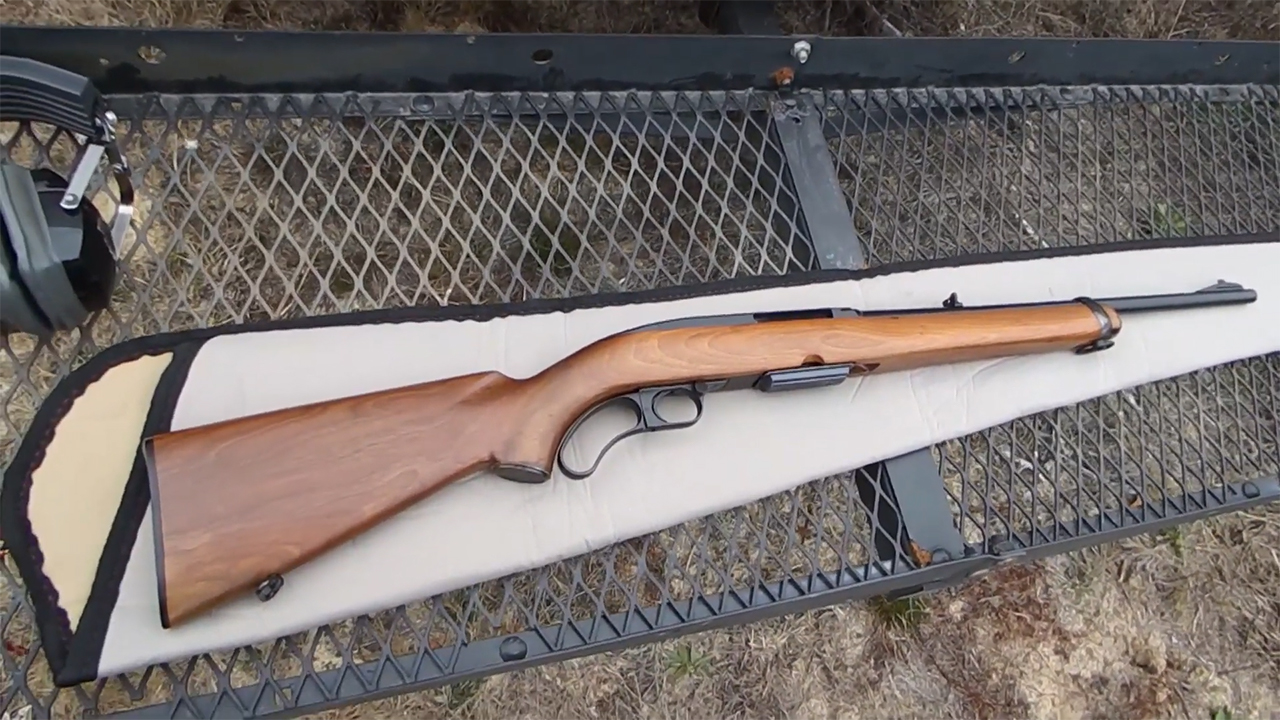
The Winchester 88 Carbine was overlooked because the standard Model 88 was already unconventional, and the carbine version was even more specific. A lever-action rifle with a rotating bolt and detachable magazine did not fit traditional lever-gun expectations. Some hunters simply chose a bolt-action instead.
The carbine version now draws attention because it is handy, unusual, and capable. It offers modern cartridge performance in a fast-handling package, with chamberings like .308 Winchester and .243 Winchester depending on model. It has quirks, and older rifles need careful inspection. But nothing current really replaces its mix of lever handling and short, practical proportions. Shooters overlooked it because it was neither fish nor fowl. Now that is exactly why people want it.
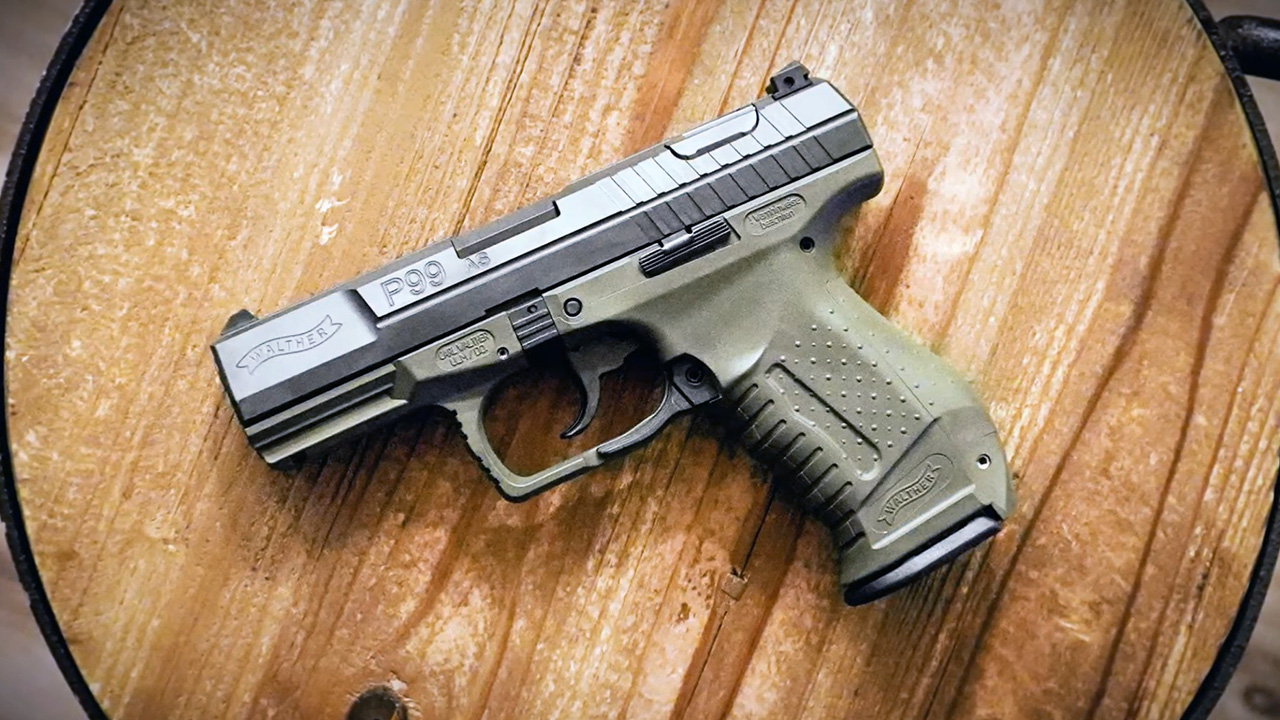
Walther P99 AS

The Walther P99 AS was overlooked because it was different at a time when many shooters wanted simple striker-fired consistency. The Anti-Stress trigger, decocker, and unusual feel made it harder to explain than a Glock. It also never had the same American market dominance as other service pistols.
Now the P99 AS has a stronger following because shooters appreciate its originality. The ergonomics are excellent, the trigger system is unique, and the pistol has a personality that later striker-fired guns do not copy. It is not as easy to support as more common platforms, and newer Walthers offer more modern features. But the P99 AS became desirable because it was not just another striker pistol. The thing people overlooked is the thing owners now miss.
Remington 600 Mohawk
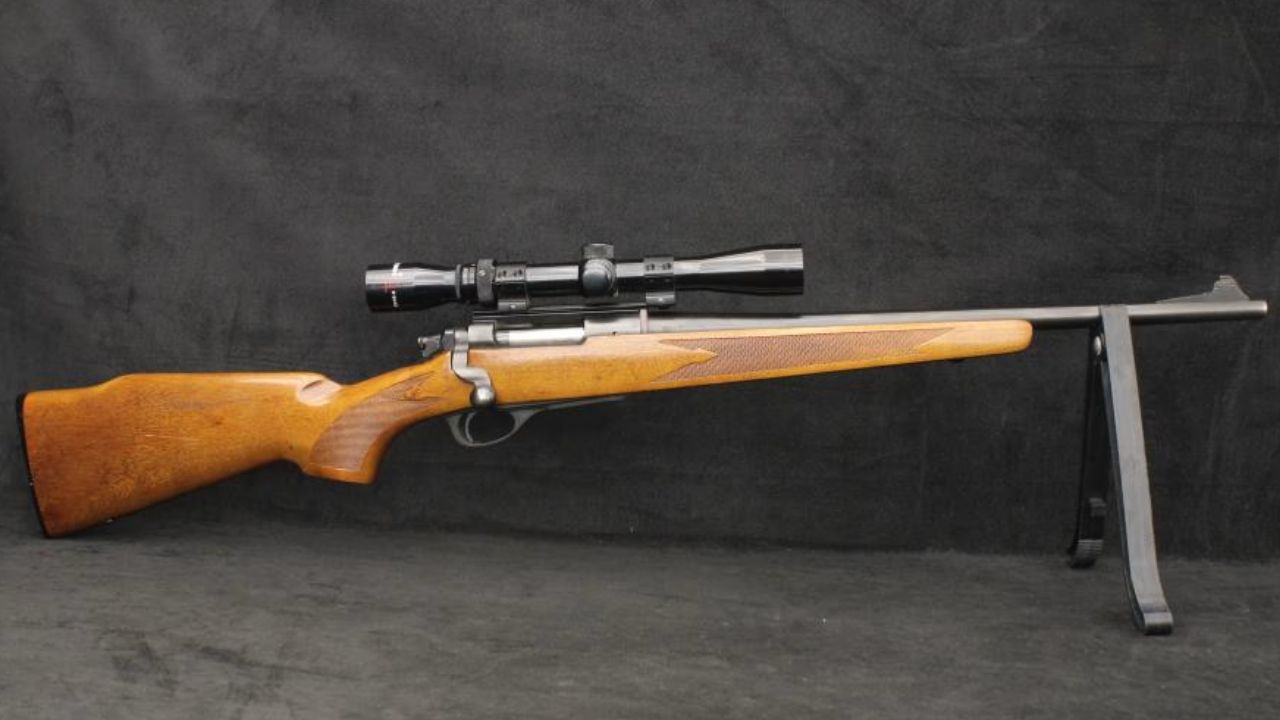
The Remington 600 Mohawk was overlooked because it looked odd and compact at a time when many hunters expected more traditional rifle proportions. The Model 600 family already had distinctive styling, and the Mohawk version kept the short, handy personality while dropping some of the more unusual features.
Today, that compact oddness is the appeal. The 600 Mohawk is quick-handling, lightweight, and tied to an era when rifle designs had more personality. In useful chamberings, it makes a great woods rifle, truck rifle where legal, or compact hunting piece. It may not be ideal for every shooter, and replacement parts or collector condition should be considered. But it became more desirable because people started valuing handy rifles with character again.
Beretta 1201FP

The Beretta 1201FP was overlooked because tactical shotguns moved in other directions, and the model never became as famous as the Benelli M1 or later defensive semi-autos. To many shooters, it was just an older Beretta semi-auto with a somewhat plain law-enforcement look.
Now it has more interest because it is light, fast-cycling, and tied closely to the inertia-operated shotgun world that Beretta and Benelli shared through corporate connection. It can be sharp with recoil because of its light weight, and older defensive shotguns need careful inspection. But a good 1201FP has a serious, purposeful feel. Shooters overlooked it because it was not the biggest name in the category. Later, they realized it had a lot of the right ingredients all along.
Like The Avid Outdoorsman’s content? Be sure to follow us.
Here’s more from us: