Photo credit: AvidOutdoorsman
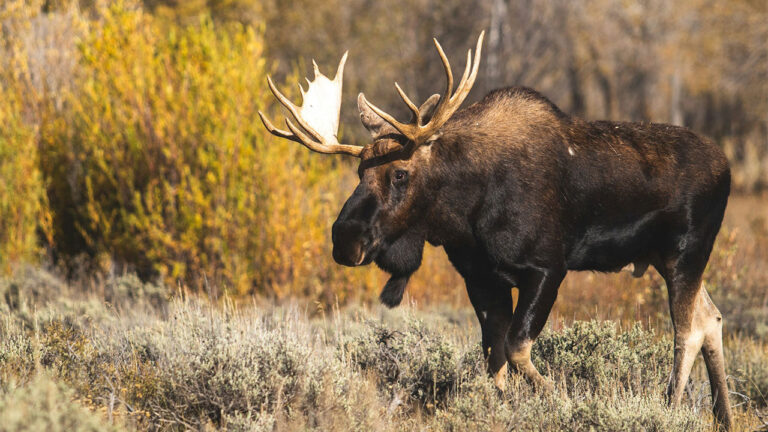
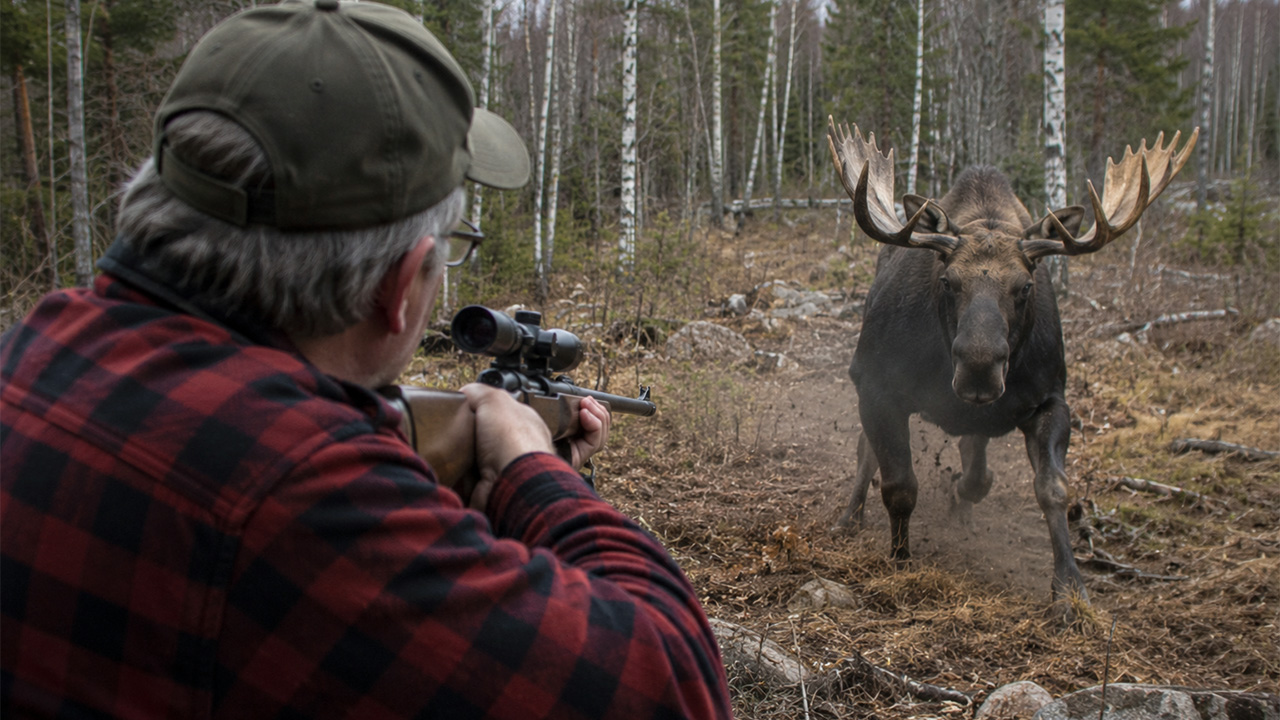
The first sign something was wrong wasn’t a snapped twig or a squirrel barking. It was the sound—heavy hooves churning through brush fast enough to make a grown man’s stomach drop. On a quiet stretch of rural property, a landowner stepped out to check a fence line and found himself staring at a big bull moose that wasn’t just close. It was coming in hard.
In the seconds that followed, the hunter did what most folks believe they’d do with a thousand pounds of attitude bearing down on them: he drew up and fired. The moose went down on his own land. Later that day, though, the call he got from wildlife officials didn’t sound anything like “glad you’re okay.” It sounded like paperwork—and potential criminal charges—for killing an animal that was protected and required a permit.
A moose on private ground still belongs to the state
Here’s the part that surprises a lot of landowners: owning the dirt doesn’t mean you own the wildlife standing on it. In most states, big game is managed under a public trust model, and regulations follow the animal, not the property line. That means a bull moose can walk through your hay field, knock down your gate, and still be subject to strict seasons and limited tags.
Moose are a prime example because many places treat them like a special draw species—limited permits, limited harvest, and heavy enforcement. If you shoot one outside of season or without the right authorization, you can be looking at serious penalties, even if you never intended to “hunt” it in the traditional sense.
The encounter went from nuisance to immediate danger
Moose don’t have to be “rabid” to be dangerous. A rutting bull, a cow with a calf, or any moose that’s been harassed by dogs or vehicles can flip the switch fast. Folks who’ve spent time in moose country will tell you straight: they can cover ground quicker than you’d think, and they don’t need much of a reason to make you their problem.
According to the details shared around the case, the landowner was near a work area—typical rural stuff: checking fence, moving tools, keeping an eye on outbuildings. The moose was reportedly close enough that running for the house or a truck wasn’t a sure bet. That’s the kind of moment where a “wildlife issue” turns into a personal safety issue.
Why Fish and Wildlife didn’t treat it like a clean self-defense case
The hard truth is that wildlife agencies don’t automatically take a shooter’s word for it when a protected animal is involved. Not because every landowner is a liar, but because the “I feared for my life” explanation is also the oldest cover story in the book when someone wants to keep meat and skip a tag.
Once a protected animal is down, the agency has to sort out intent, necessity, and whether there were reasonable alternatives. They’ll look at things like distance, angle, the number of shots, where the animal fell, and whether the shooter tried to retreat or get behind cover. They’ll also look at behavior—was the animal truly charging, or was it posturing and the shooter panicked?
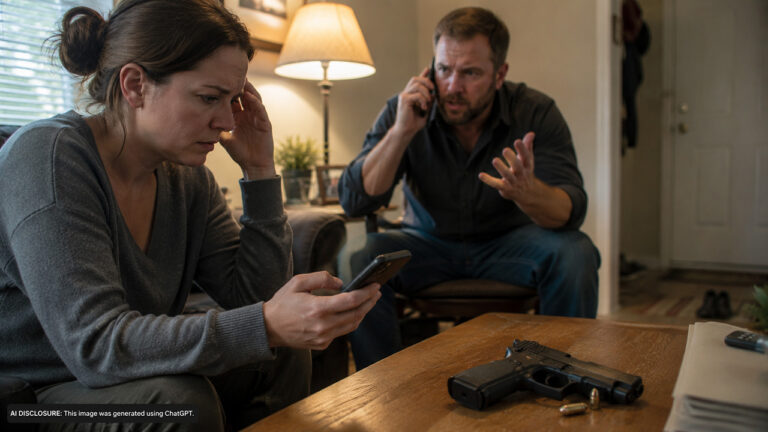
And then there’s procedure. In many states, if you dispatch wildlife in defense of life or property, you’re required to report it immediately, leave the carcass alone, and cooperate with investigation. If any of those steps were missed—delayed call, moved animal, field dressed it, or tried to salvage meat without permission—things can go sideways in a hurry.
The details that tend to decide these cases
Most outdoorsmen don’t realize how small details can matter until they’re the one explaining themselves. When officials respond, they’re typically trying to answer a few simple questions that carry a lot of weight: Was there an imminent threat? Was lethal force necessary? Was the response proportionate and lawful under state rules?
Photos of tracks, torn-up ground, and the exact location can help. So can a 911 call or a timestamped call to the local dispatch line showing you reported it right away. If there were security cameras on an outbuilding, a trail cam on a field edge, or even a neighbor who saw the animal acting aggressive earlier, that can change the tone of the investigation.
On the flip side, certain things can raise eyebrows fast. Shooting an animal from a porch or a vehicle can sound “safe” to a homeowner, but it can also look like a controlled situation rather than a last-second emergency. Same goes for multiple shots, or a wound pattern that suggests the animal wasn’t facing the shooter. None of that proves wrongdoing by itself, but it’s the kind of stuff that investigators latch onto.
What people argued about: property rights, permits, and common sense
Talk to a group of hunters about a situation like this and you’ll get two camps almost instantly. One side says, “If a moose charges you on your own land, you do what you have to do.” The other side says, “Protected is protected—call the agency, haze it off, and don’t touch the trigger unless you’ve got no other choice.”
A lot of commenters tend to focus on the same themes: why a landowner can be put in legal jeopardy for surviving a dangerous encounter; why agencies assume the worst; and how hard it is to make a split-second decision that will be judged later in an office. There’s also the practical concern that folks in remote areas may not have cell service, may be alone, and may not have time to “do it the perfect way” when the animal is already closing distance.
The flip side gets said too, even if people don’t like hearing it: if agencies don’t investigate and enforce, the permit system collapses. Moose tags are limited for a reason, and once people learn they can claim self-defense with no scrutiny, the temptation gets real.
The best way to protect yourself before the next encounter
If you live where moose are common, this is one of those “it’s not if, it’s when” problems. The best move is thinking through it before you’re standing in the yard with your heart in your throat. Keep your phone charged, know who you’re supposed to call for nuisance wildlife, and understand your state’s defense-of-life/property rules for big game.
On the property side, simple habits help: don’t feed wildlife, keep garbage secured, and keep dogs under control—loose dogs harassing moose is a recipe for an aggressive animal hanging around. If you’ve got trail cameras for deer, consider angling one toward high-traffic areas near buildings. It’s not just for coyotes and trespassers; it can document wildlife behavior too.
And if the worst happens and you have to shoot, treat it like you’re going to explain it to twelve calm people after the fact. Call immediately if you can. Don’t start cutting, dragging, or “taking care of business” unless your local rules specifically allow it and you’ve been instructed to do so. Take a few photos of the scene if it’s safe. Then let the responding officer see what happened without a bunch of extra confusion layered on top.
The landowner in this case didn’t wake up planning to tangle with a bull moose or the state’s permit system. But that’s the reality of living outdoorsy and rural: sometimes the same choice that keeps you alive in the moment becomes a legal fight later. Knowing the rules ahead of time—and documenting your actions afterward—can be the difference between a bad day and a life-changing one.