Photo credit: TFB TV/Youtube
Some guns look dependable when they first hit the shelf. They come from a known brand, fill a practical role, and seem like the kind of firearm that should age well. Then time does what time always does. Parts wear, owner complaints pile up, recalls happen, better options show up, and the flaws become harder to ignore.
That doesn’t mean every gun on this list is useless. Some worked fine for certain owners. But reputation matters, and so does long-term confidence. These are firearms that looked dependable at first, then aged badly once enough shooters lived with them.
Remington R51
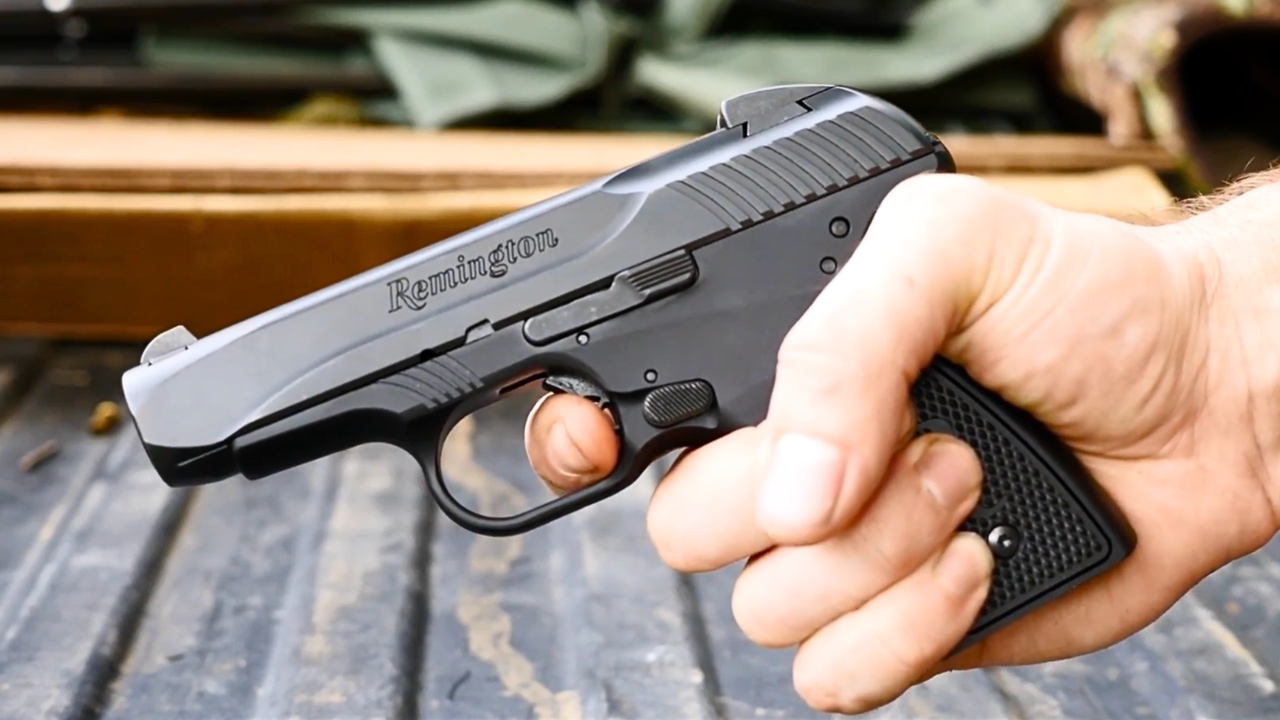
The Remington R51 looked like it had the bones of a clever carry pistol. It was slim, low in the hand, and different from the pile of polymer striker-fired pistols taking over the market. Remington had history behind the name, and plenty of shooters wanted to believe the company could bring back an interesting old design in a modern defensive package.
The problem was that the R51 aged badly almost immediately. Early production issues, feeding problems, extraction complaints, rough function, and the eventual recall did serious damage to its reputation. Even after Remington tried to correct the design, the trust never fully came back. A carry pistol has to inspire confidence every time it’s loaded. The R51 became one of those guns people talk about as a warning instead of a comeback.
Remington 770
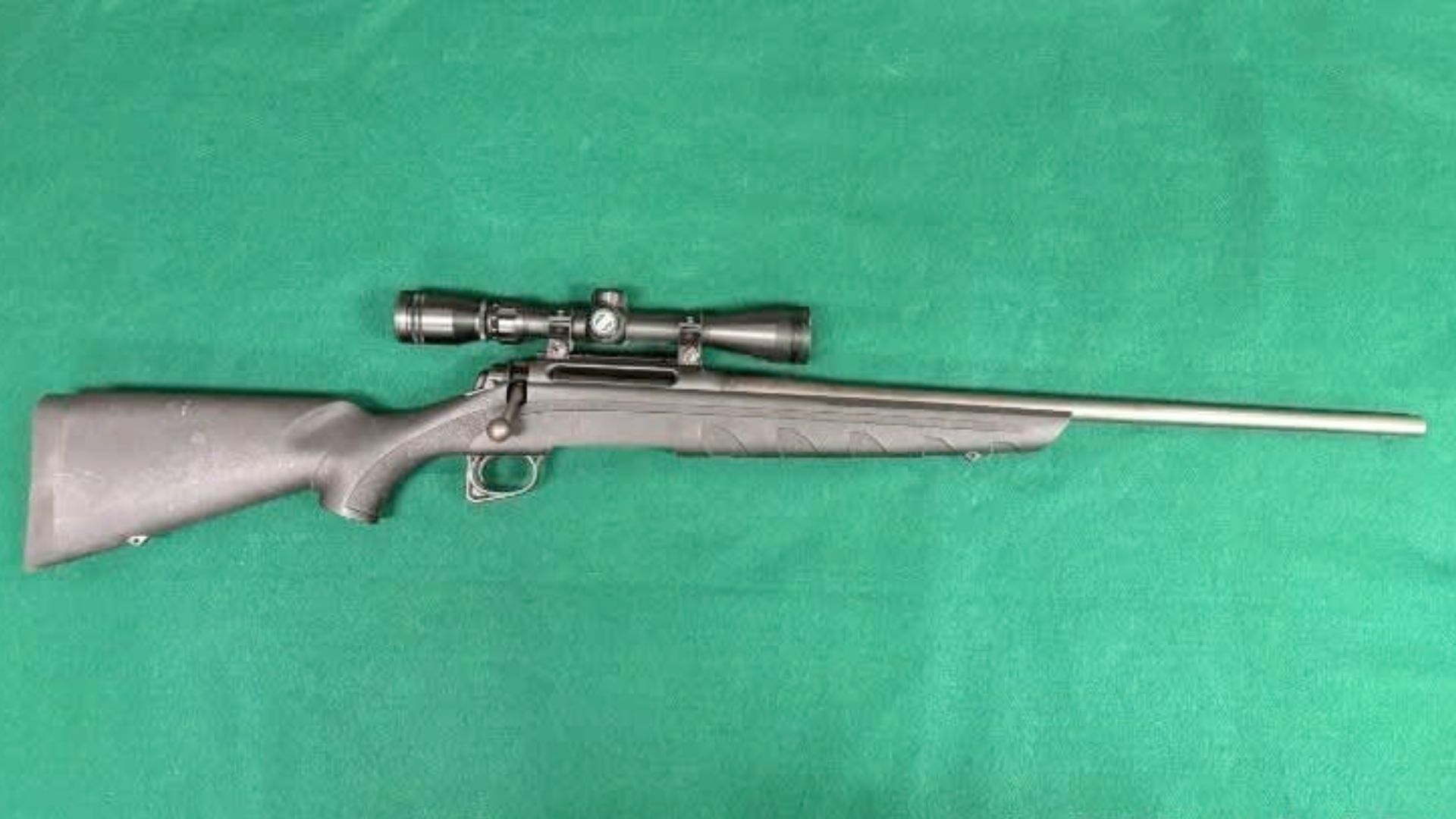
The Remington 770 looked dependable to a lot of budget-minded hunters because it wore the Remington name and came ready to hunt with a scope package. For someone who needed an affordable deer rifle without piecing together mounts, glass, and extras, it seemed like a practical shortcut.
Time was not kind to it. The rifle developed a reputation for rough bolts, cheap-feeling stocks, and an overall lack of refinement that made it suffer badly next to better budget rifles. Some 770s shot well enough and put deer in freezers, but few hunters loved owning them. The Remington name used to make people expect more. With the 770, that name often made the disappointment hit harder.
SIG Sauer Mosquito
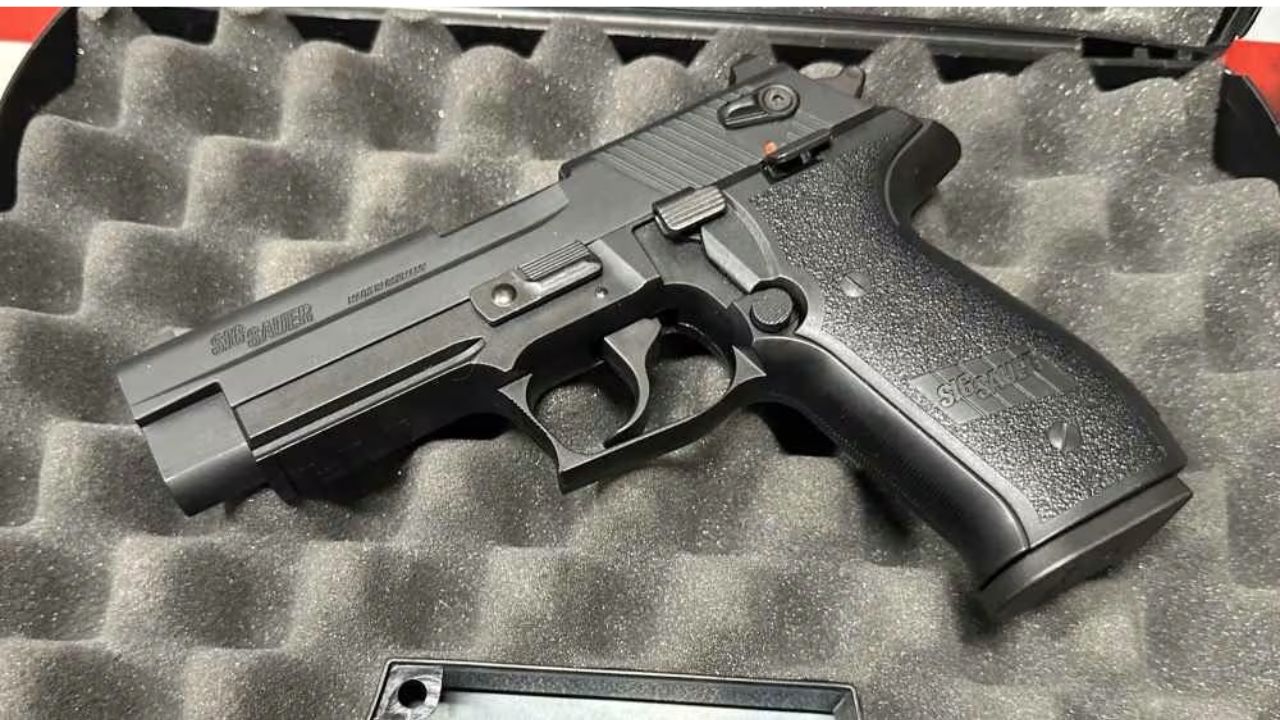
The SIG Mosquito looked like a dependable little rimfire trainer because it had the SIG name and a shape that resembled a practical defensive pistol. A .22 LR handgun that could help shooters practice cheaply made sense. A lot of buyers expected it to be a useful range companion.
Instead, the Mosquito aged into a reputation for ammunition sensitivity and frustration. Rimfire pistols can always be picky, but this one seemed to test patience more than it should have. A gun meant for cheap practice shouldn’t make every range trip feel like a reliability experiment. The SIG name raised expectations, and the Mosquito didn’t meet them for too many owners. That’s why it aged so poorly.
Taurus PT 24/7
Military Arms Channel/Youtube
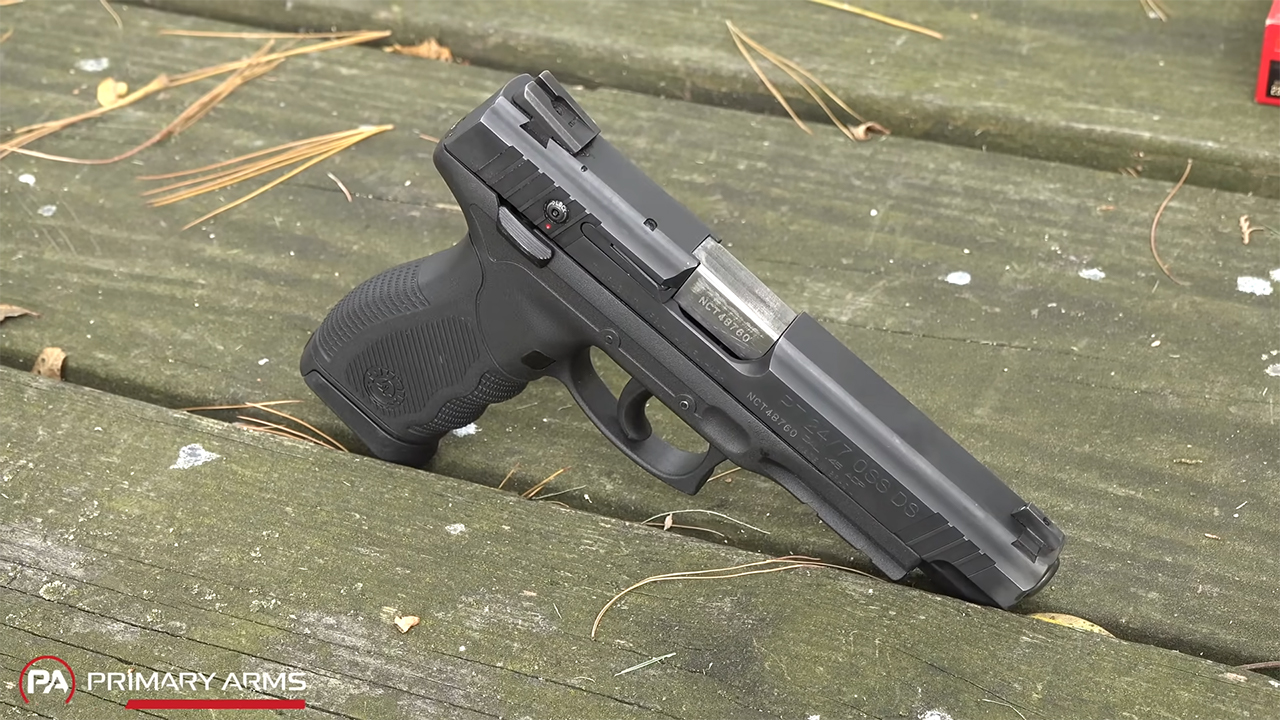
The Taurus PT 24/7 looked dependable in the way many affordable defensive pistols try to look dependable. It had decent capacity, a comfortable grip for many hands, and pricing that put it within reach for a lot of buyers. For someone looking for a home-defense or carry pistol without spending more, it made sense at the time.
The problem is that safety concerns and recall history badly hurt the model’s long-term reputation. A defensive pistol cannot age well when owners have to wonder about drop safety, unintended discharge concerns, or whether a specific gun was addressed properly. Some people had examples that ran fine, but the wider reputation became too messy. Once trust is damaged on a defensive handgun, it is hard to repair.
Remington 887 Nitro Mag

The Remington 887 Nitro Mag looked like a shotgun built for rough weather. The bulky design, 3½-inch chambering, and ArmorLokt coating made it seem like a modern pump for duck blinds, mud, rain, and hard hunting. It looked like Remington was trying to build something tougher than the old standards.
But the 887 aged badly because it never earned the same trust as simpler pump guns. Complaints about bulk, awkward handling, and reliability followed it, and recall issues made things worse. A waterfowl shotgun can be ugly if it runs. Hunters will forgive looks fast. What they won’t forgive is a gun that doesn’t feel natural or trustworthy when conditions are already miserable.
Kimber Solo

The Kimber Solo looked dependable because it looked refined. It was small, sleek, metal-framed, and more polished than many early micro 9mms. For buyers who wanted a premium-feeling carry pistol, the Solo seemed like it should age into respect.
Instead, it aged into caution. The pistol developed a reputation for being picky with ammunition and less forgiving than owners wanted. Kimber’s guidance around using certain premium loads made some shooters uneasy from the start. A carry pistol that needs a narrow diet and careful handling is hard to trust broadly. Some owners had good ones, but the model’s reputation never shook the long list of caveats.
Colt All American 2000

The Colt All American 2000 looked like it should have been dependable because it came from Colt and arrived when the market clearly needed modern high-capacity 9mm pistols. Colt had history, name recognition, and every reason to build something that could compete with the newer service pistol wave.
What shooters got was a pistol that aged badly almost from the beginning. The trigger was awkward, the feel was strange, and the execution never matched the promise. It didn’t become the modern Colt duty pistol people hoped for. Instead, it became a reminder that a famous name does not guarantee a successful design. Colt needed a winner, and the All American 2000 became one of the company’s most memorable misses.
Mossberg 715T
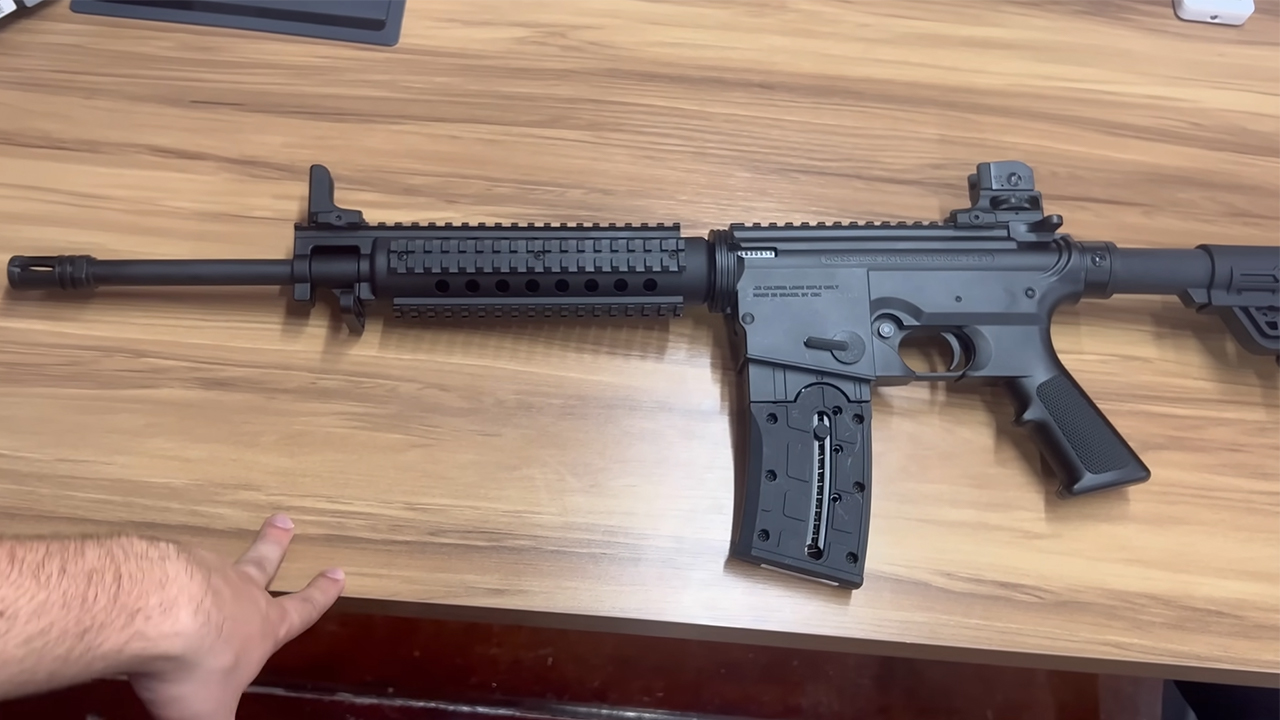
The Mossberg 715T looked dependable to newer shooters because it had the familiar AR-style shape and fired inexpensive .22 LR. For someone wanting a fun rimfire with modern looks, it seemed like an easy buy. Mossberg’s name helped too, even if the company was better known for shotguns.
The more people lived with it, the more the design aged poorly. The rifle often felt like a basic rimfire wrapped in a bulky tactical shell. Some owners dealt with reliability complaints, and others simply found it less satisfying than a plain semi-auto .22. A rimfire rifle should be easy, sturdy-feeling, and fun. The 715T’s styling did the selling early, but the long-term appeal didn’t hold up for many shooters.
Beretta Nano
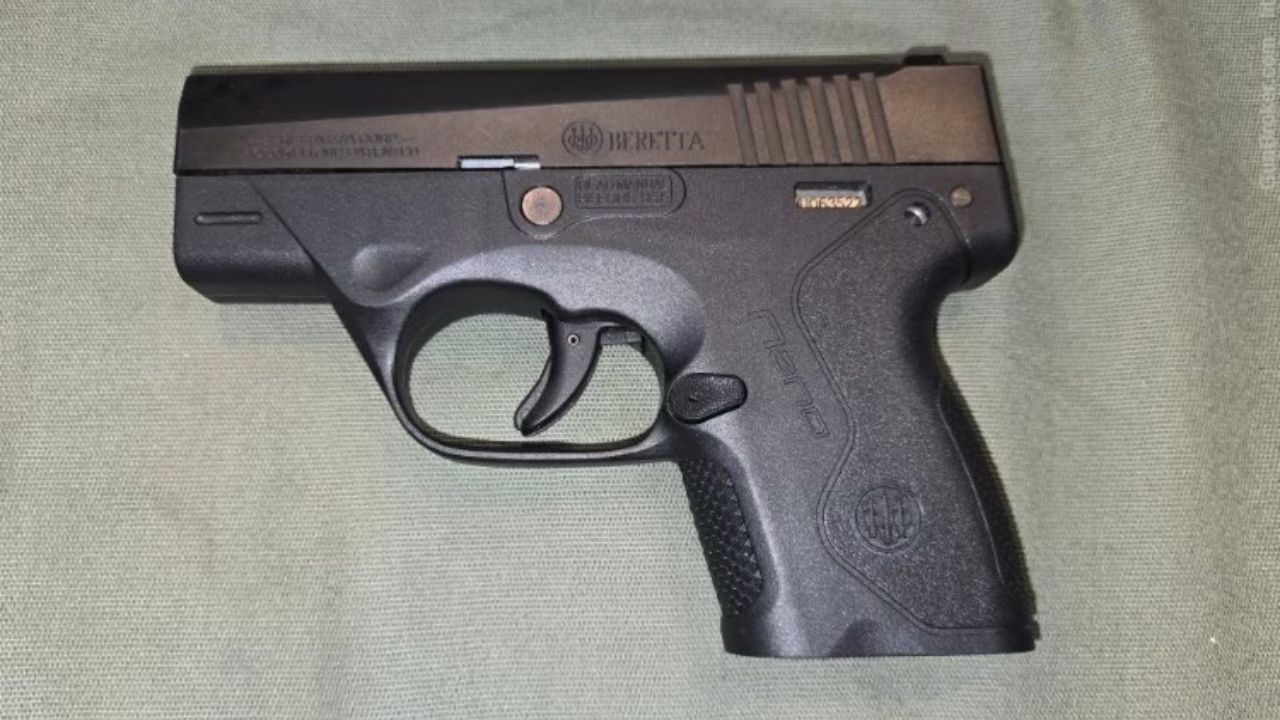
The Beretta Nano looked like a dependable carry pistol because it came from Beretta and had a smooth, snag-free design. The modular chassis concept was smart, and the pistol seemed well-suited for concealed carry at a time when slim 9mms were still developing.
It aged badly because the market quickly passed it by. The heavy trigger, short grip, lack of an external slide stop lever, and mixed shootability made it less appealing once better slim carry pistols appeared. The Nano wasn’t a disaster, but it became one of those guns that felt outdated faster than expected. Beretta had good ideas in it. The problem was that other companies delivered better versions of the slim 9mm concept soon after.
SCCY CPX-2

The SCCY CPX-2 looked dependable to budget carry buyers because it was affordable, compact, chambered in 9mm, and backed by a strong warranty. For someone who needed a defensive pistol and didn’t have much room in the budget, it seemed like a reasonable option.
Over time, though, the CPX-2 aged badly compared with better affordable pistols. The long, heavy trigger and sharp recoil made it hard for many shooters to run well. Some owners trusted theirs, but the broader budget market improved around it. When guns like the Taurus G3C, Ruger Security-9, and other affordable pistols became easier to shoot, the CPX-2’s weaknesses got harder to excuse.
Winchester Wildcat
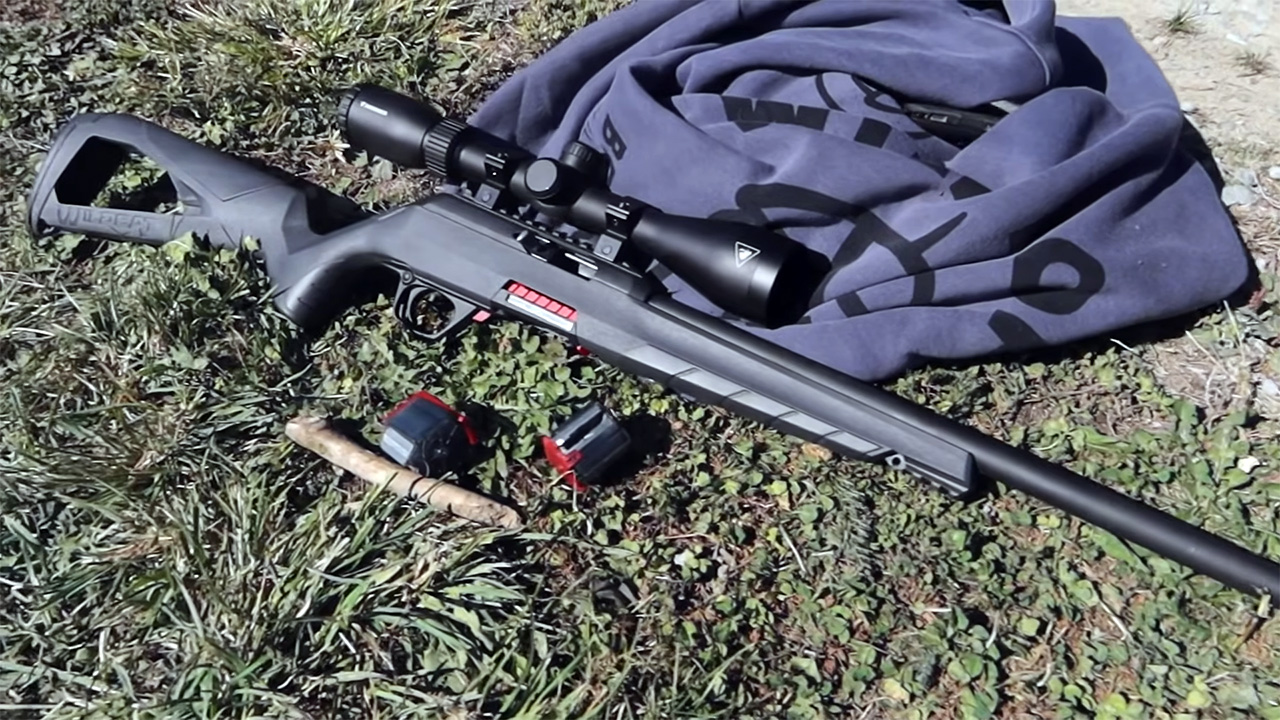
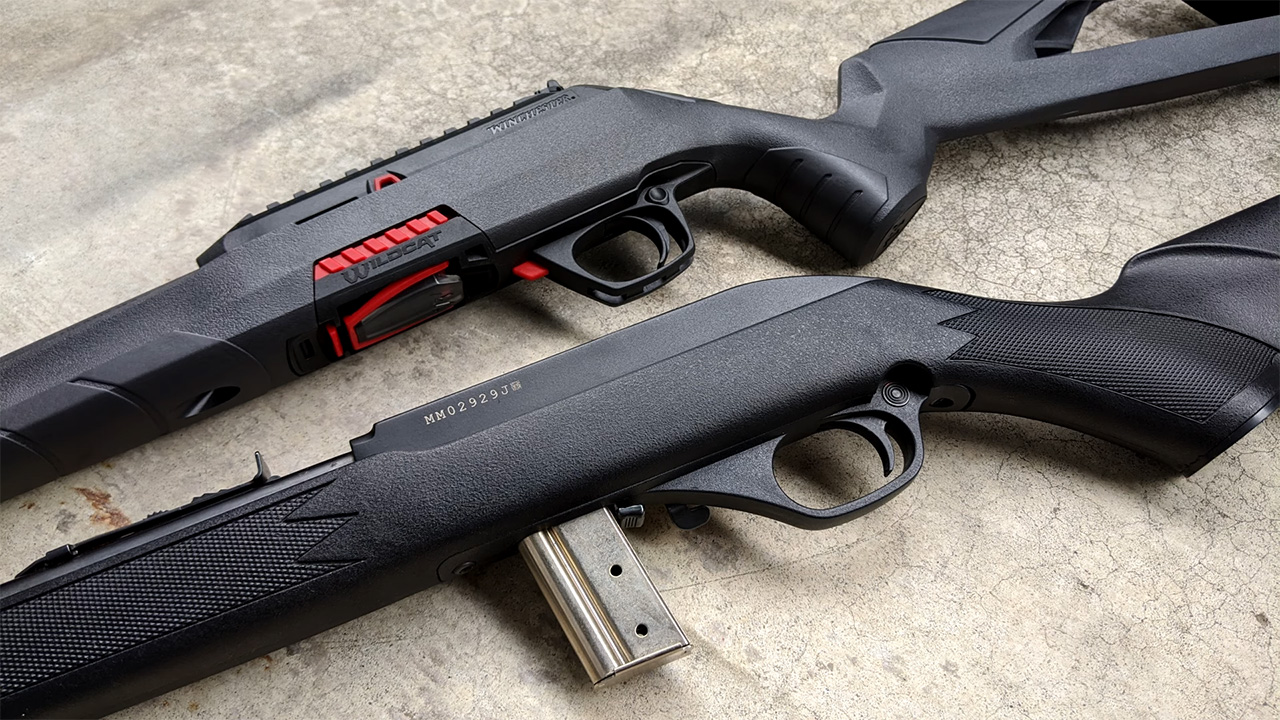
The Winchester Wildcat looked like a dependable modern rimfire because it had several smart features. It was lightweight, easy to clean, affordable, and compatible with Ruger 10/22 magazines. On paper, that sounded like a very practical .22 rifle.
The issue is that not every smart feature leads to a gun people love long term. Some shooters found the Wildcat too plastic-heavy and light in a way that made it feel less durable than expected. It may work fine for many owners, and the magazine compatibility is still a strong point. But compared with rimfires that feel more solid and proven, the Wildcat can seem more clever than lasting. That can hurt a gun’s aging process.
Smith & Wesson Sigma

The Smith & Wesson Sigma looked dependable because it was a simple polymer-framed pistol from a major American company. The market was clearly moving toward striker-fired duty guns, and the Sigma seemed like Smith & Wesson’s answer for buyers who wanted something affordable and modern.
The trigger became the problem people remembered most. Heavy, long, and hard to love, it made the pistol less enjoyable than many competitors. The Glock comparisons and legal history didn’t help the reputation either. Some Sigmas ran reliably, and plenty of owners got used to them. But once the M&P line arrived and showed what Smith could do better, the Sigma aged like a rough first draft.
Taurus Curve
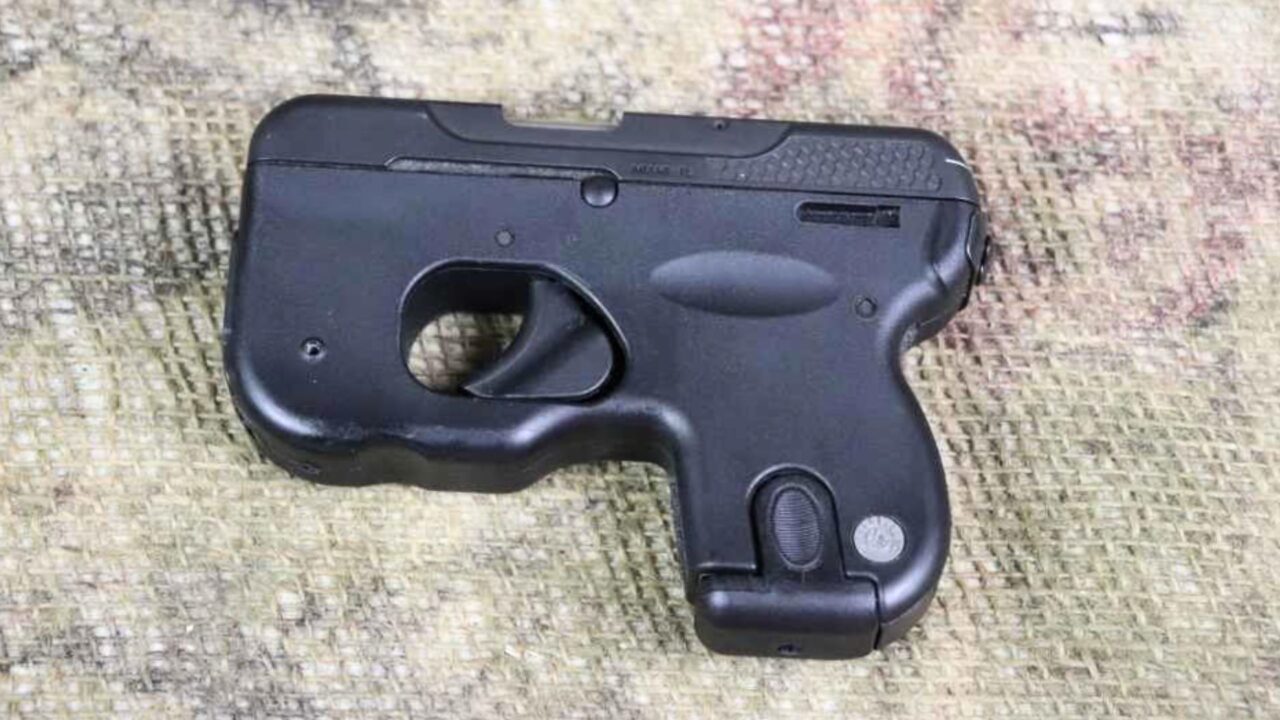
The Taurus Curve looked dependable only if the buyer believed deeply in the concept. A curved .380 designed for body carry, with a snag-free shape and built-in light and laser on some versions, sounded like a creative answer to deep concealment. It was definitely different.
The problem is that different aged into awkward. The grip shape, limited sighting system, unusual draw and handling feel, and niche carry method made it hard for the Curve to earn long-term trust. A defensive pistol needs to be easy to practice with and easy to shoot confidently. The Curve looked like a clever solution when new, but it aged more like a gimmick once shooters judged it by training value.
Remington RP9
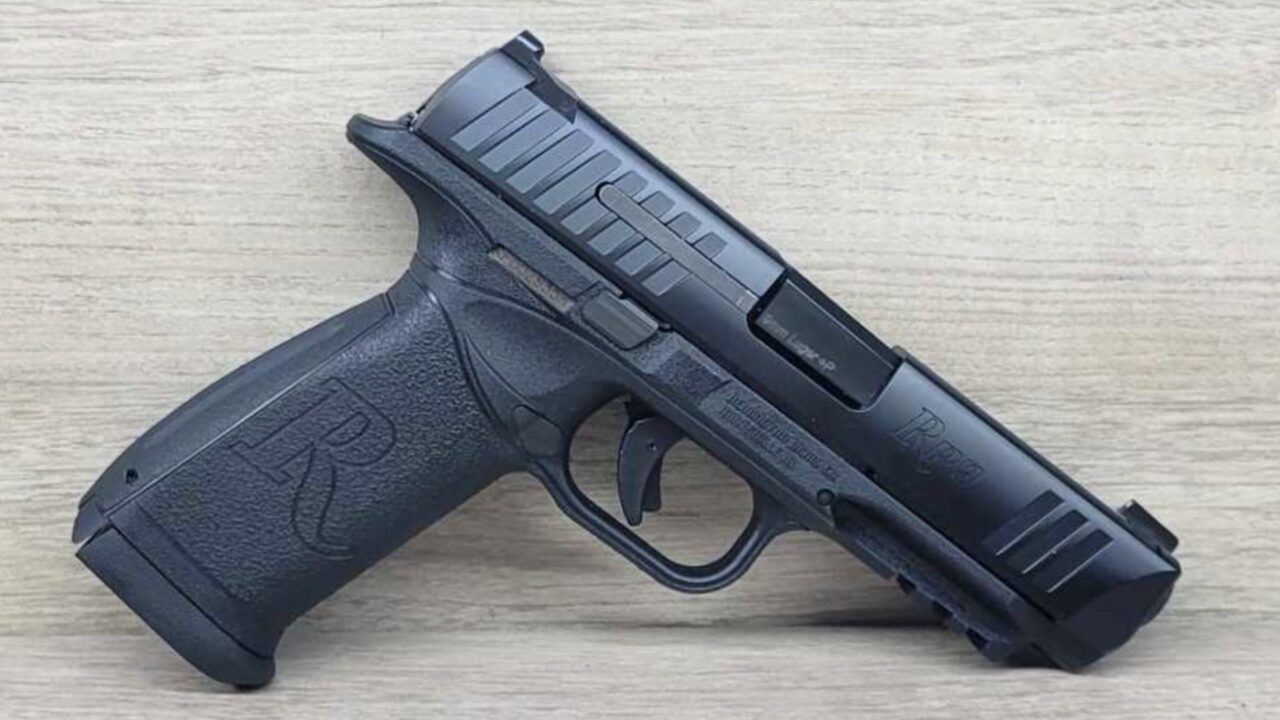
The Remington RP9 looked dependable because it was a full-size 9mm with good capacity, interchangeable backstraps, and a budget-friendly price. It seemed like Remington was trying to build a practical striker-fired pistol for regular shooters instead of chasing something exotic.
But the RP9 never found solid footing. The grip shape was awkward for many people, the trigger didn’t win enough fans, and the pistol arrived in a market already packed with better-established choices. It didn’t have the refinement, reputation, or support needed to pull buyers away from Glock, M&P, CZ, or SIG. It aged badly because it felt forgettable almost as soon as it arrived.
Desert Eagle .50 AE
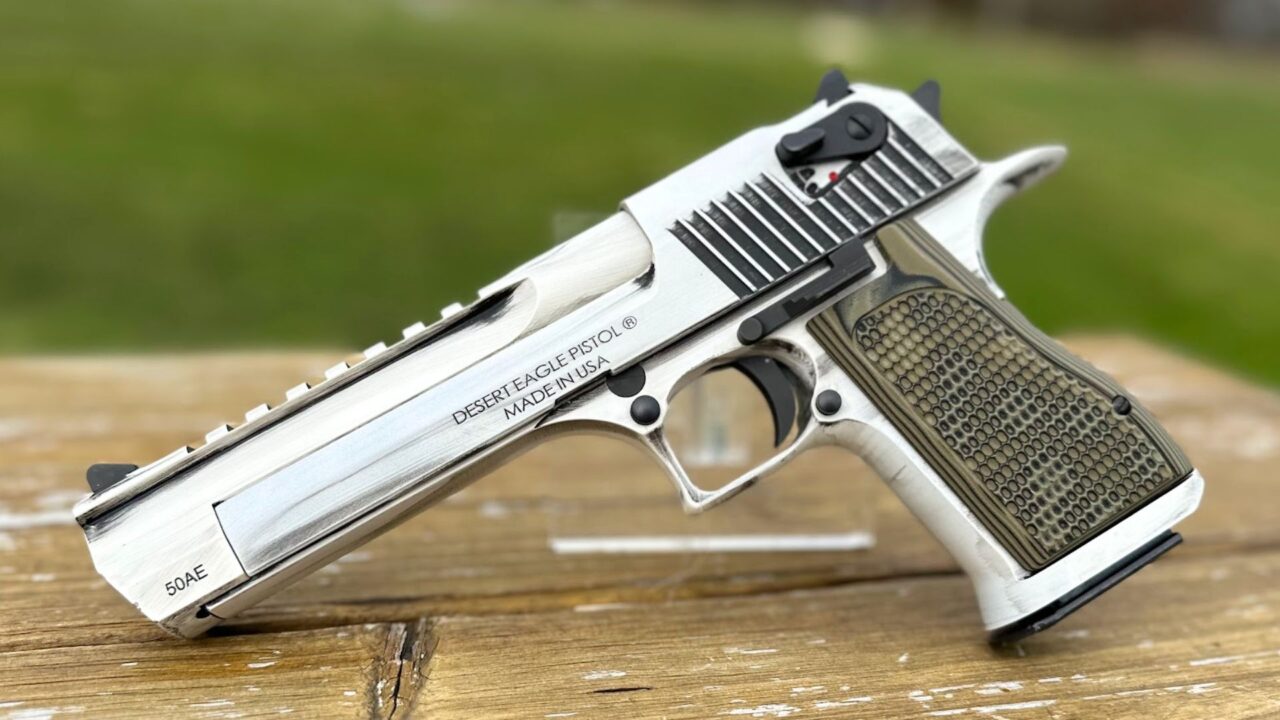
The Desert Eagle .50 AE looked dependable in a very specific way: big, heavy, powerful, and mechanically impressive. It has always had a serious presence, and it’s easy to see why shooters assume something that large should be unstoppable.
Living with one tells a different story. It can be ammunition-sensitive, grip-sensitive, expensive to feed, and completely impractical for most normal handgun roles. That doesn’t make it bad. It makes it specialized. The problem is that its reputation among casual buyers often outruns its actual usefulness. As a range spectacle, it still has appeal. As a dependable everyday firearm, it aged badly once the novelty wore off.
Like The Avid Outdoorsman’s content? Subscribe to our newsletter so you never miss an article.
Here’s more from us: