Photo credit: The Avid Outdoorsman
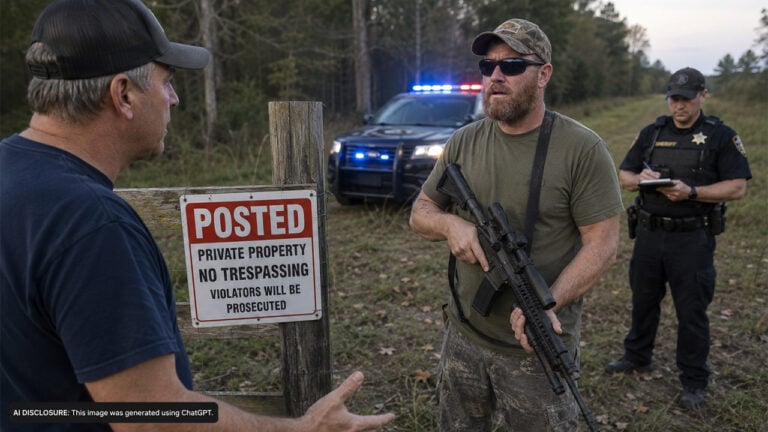
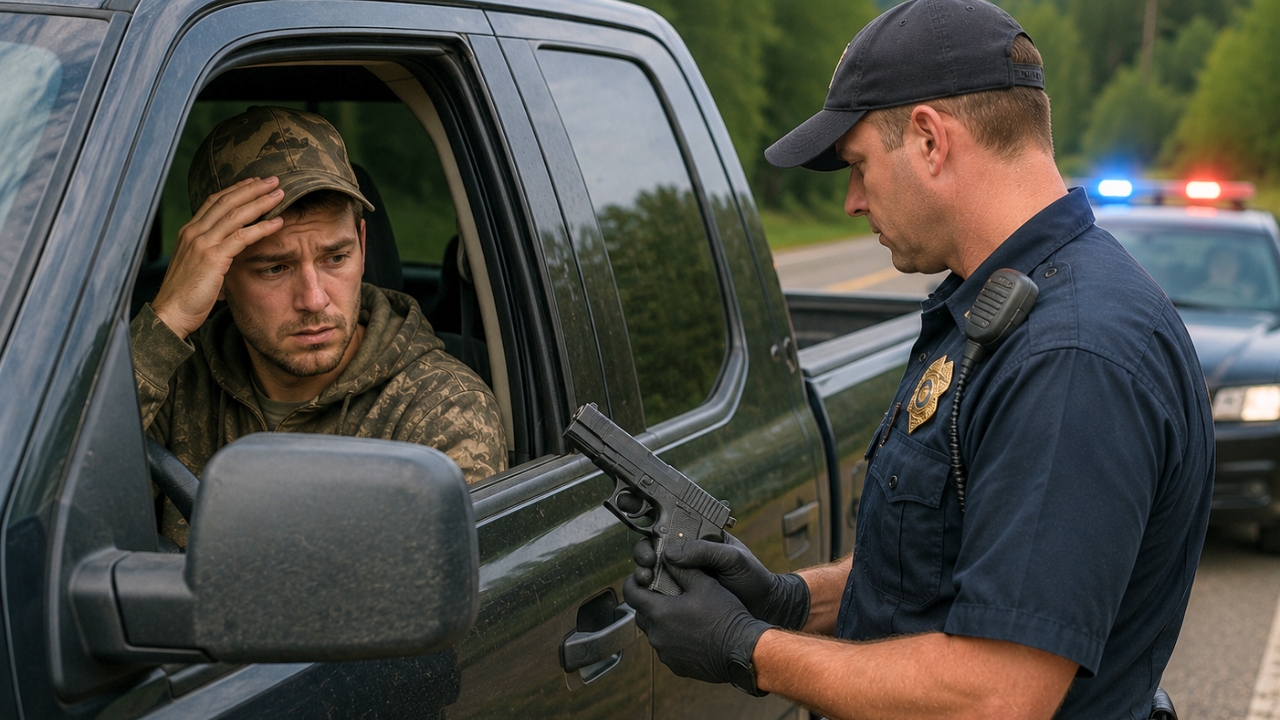
The man said the whole thing started before the traffic stop ever happened. According to the Reddit post, a friend had left a gun in his car. At some point, that friend reported the firearm stolen. Later, when the poster was pulled over for speeding, the situation turned into much more than a simple traffic ticket.
The original Reddit post can be found here: https://www.reddit.com/r/legaladvice/comments/9smqnm/got_pulled_over_for_speeding_and_got_arrested_for/
During the stop, the gun was found, and because it had been reported stolen, the poster was arrested. That is the kind of situation that shows how quickly a loose firearm arrangement between friends can become a criminal problem. The poster may have believed the gun was just something his buddy left behind. Police, seeing a firearm listed as stolen, had a very different set of facts in front of them.
The confusing part was the ownership and reporting timeline. If the friend left the gun in the car, then later reported it stolen, the poster needed to know why. Did the friend forget where he left it? Did he believe the poster had taken it? Did he fail to tell police it might be in the vehicle? Or did the poster know it was there and keep driving around with it anyway?
Those details matter. A firearm reported stolen is not just an item with a disagreement attached to it. It is entered into a system that can trigger a serious response when found. Once the serial number comes back as stolen, the person in possession may have to explain how it got there, what they knew, and why it had not been returned.
The traffic stop itself was routine at first. Speeding stops happen every day. But the presence of a reported-stolen gun changed the entire direction of the encounter. The poster was no longer dealing with a fine or warning. He was dealing with an arrest and a firearm charge.
The story is also a warning about letting other people leave guns in your car. A vehicle is already a risky place for firearm storage. If the gun belongs to someone else, the risk becomes even harder to manage. You may not have paperwork. You may not know whether it has been reported missing. You may not know whether the owner is going to tell police a story that puts you in the middle of it.
By the time the poster asked for advice, the important thing was no longer arguing with the friend directly. It was handling the charge correctly and making sure the timeline was documented.
Commenters told him he needed a criminal defense attorney. Several said a reported-stolen firearm found during a traffic stop is too serious to handle by explaining the story casually to police or prosecutors.
Others focused on the friend’s role. If the friend truly left the gun in the car and then reported it stolen without clarifying where it might be, that could become important to the defense. The poster would need messages, witnesses, or any proof showing the friend had left the firearm there voluntarily.
Some commenters warned him not to rely on the friend to fix it informally. Once the gun was in the stolen-property system and an arrest had happened, the case was no longer just between friends. Prosecutors, police reports, and court dates were now involved.
A few people also said the poster should avoid making statements without his lawyer present. Even if he believed the explanation made him look innocent, small details about when he knew the gun was there or why he kept it in the car could matter.
The post ended with the man facing a hard lesson from one messy firearm arrangement. A friend leaving a gun behind might seem like a temporary inconvenience. Once that same gun is reported stolen and found during a traffic stop, it becomes a criminal case.
Like The Avid Outdoorsman’s content? Subscribe to our newsletter so you never miss an article.
Here’s more from us: