Photo credit: Buckeye Ballistics/YouTube
Some guns have louder fan bases than owner loyalty. Online, people will argue hard for them. They’ll talk about value, design, reliability, brand history, or how the critics “just don’t get it.” Sometimes they’re not completely wrong. A gun can have good points and still lose its spot once the owner lives with it long enough.
That is where real life separates itself from comment sections. A pistol may be defendable but not carryable. A rifle may be interesting but not the one hunters grab before daylight. A shotgun may be fun but not trusted when the weather turns rough. These are the guns buyers often defend online, then quietly replace with something easier to shoot, support, or trust.
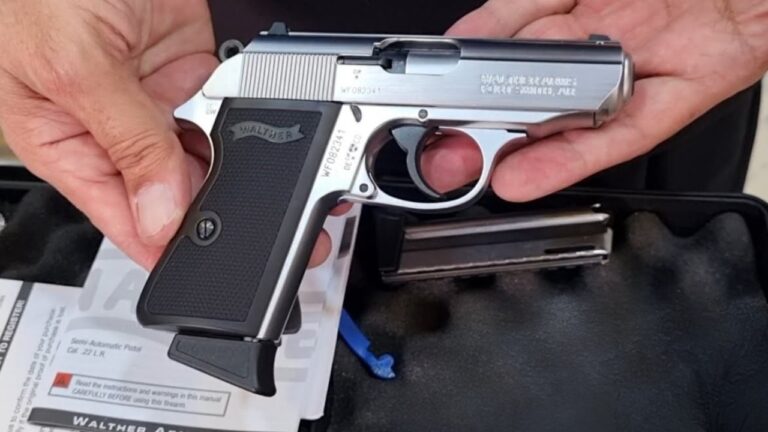
Springfield Armory XD-S

The Springfield Armory XD-S still has defenders because it was one of the early slim carry pistols that gave people a serious caliber in a small package. Plenty of owners carried them for years and will argue they were better than the internet gives them credit for.
In real life, a lot of those same owners moved on once newer carry guns offered more capacity, better triggers, easier optics options, and softer shooting manners. The XD-S can still work, but it feels dated beside today’s better micro-compacts. Many buyers defend what it did for its time while carrying something else now.
Ruger AR-556
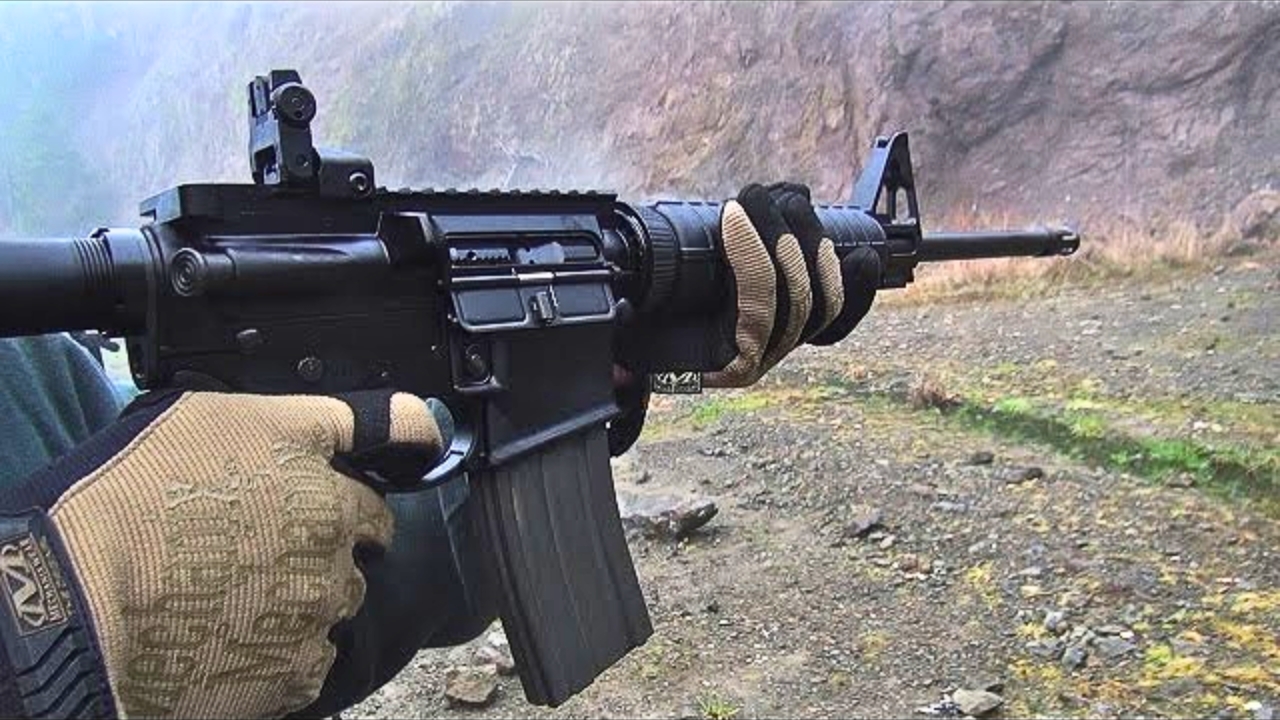
The Ruger AR-556 gets defended online because it is affordable, widely available, and backed by Ruger’s reputation. For a first AR, that makes a lot of sense, and plenty of them run just fine for normal range use.
But as owners shoot more, many start replacing parts or moving to a different rifle entirely. Better triggers, better barrels, lighter rails, improved furniture, and nicer finishes start to matter once the owner knows what they want. The AR-556 is easy to defend as a starter rifle, but it often becomes the rifle people outgrow.
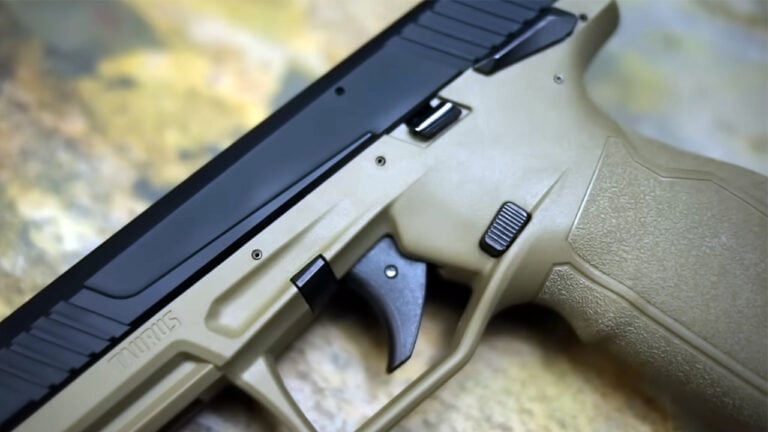
Taurus Judge
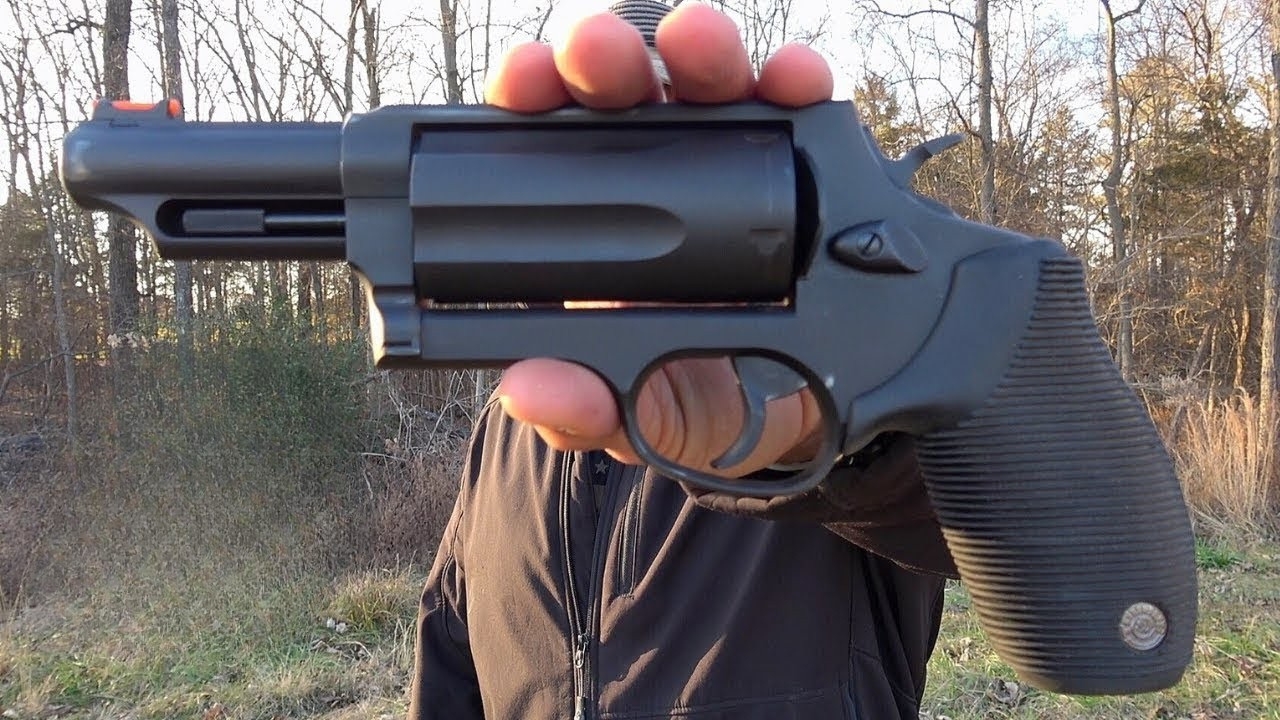
The Taurus Judge may be one of the most defended handguns on the internet. Fans argue for its versatility, intimidation factor, and ability to fire both .45 Colt and .410 shells. On paper, that sounds like a lot of capability in one revolver.
Real-life use tends to be less flattering. It is bulky, heavy, limited in capacity, and not as effective with .410 defensive loads as many buyers imagine. A lot of owners eventually replace it with a better revolver, a real shotgun, or a more practical defensive handgun. The Judge is easy to talk about, but harder to justify after honest shooting.
KelTec RDB
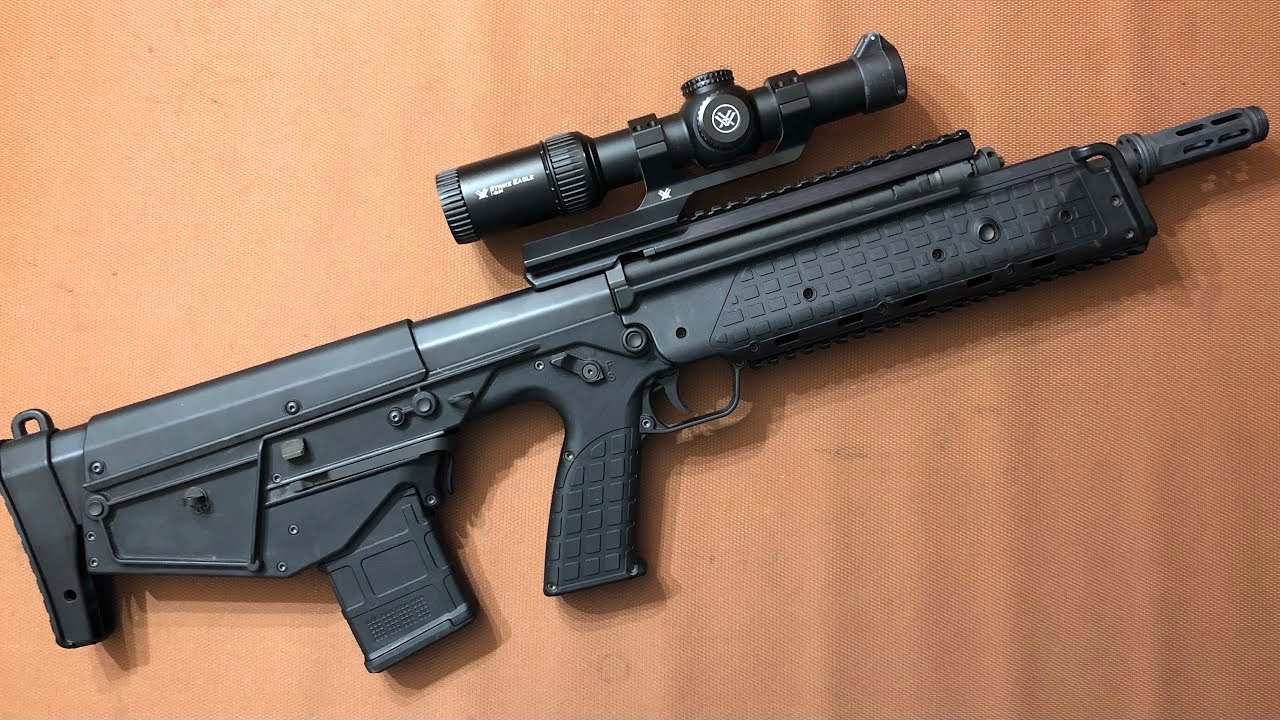
The KelTec RDB has a loyal online following because it offers a compact, downward-ejecting bullpup rifle at a price below many competitors. It is different, clever, and more affordable than most bullpup options.
Still, some owners eventually replace it with a conventional AR or a more established bullpup. The trigger, controls, parts support, and long-term confidence can make buyers hesitate once novelty wears off. The RDB is not a bad rifle, but it asks the owner to accept a lot of “different.” Many shooters defend the idea online while grabbing a more conventional rifle when it matters.
Smith & Wesson SD40 VE

The SD40 VE gets defended because it was affordable, reliable for many owners, and chambered in a cartridge that once had serious duty-gun momentum. For buyers on a budget, it offered a full-size defensive pistol without a painful price.
The problem is that .40 S&W has lost a lot of ground with regular shooters. Add the heavy trigger and sharper recoil, and many owners eventually move to a 9mm pistol they shoot better. The SD40 VE can still function, but defending it online is easier than choosing it over smoother, cheaper-to-feed 9mms in real life.
Savage Axis
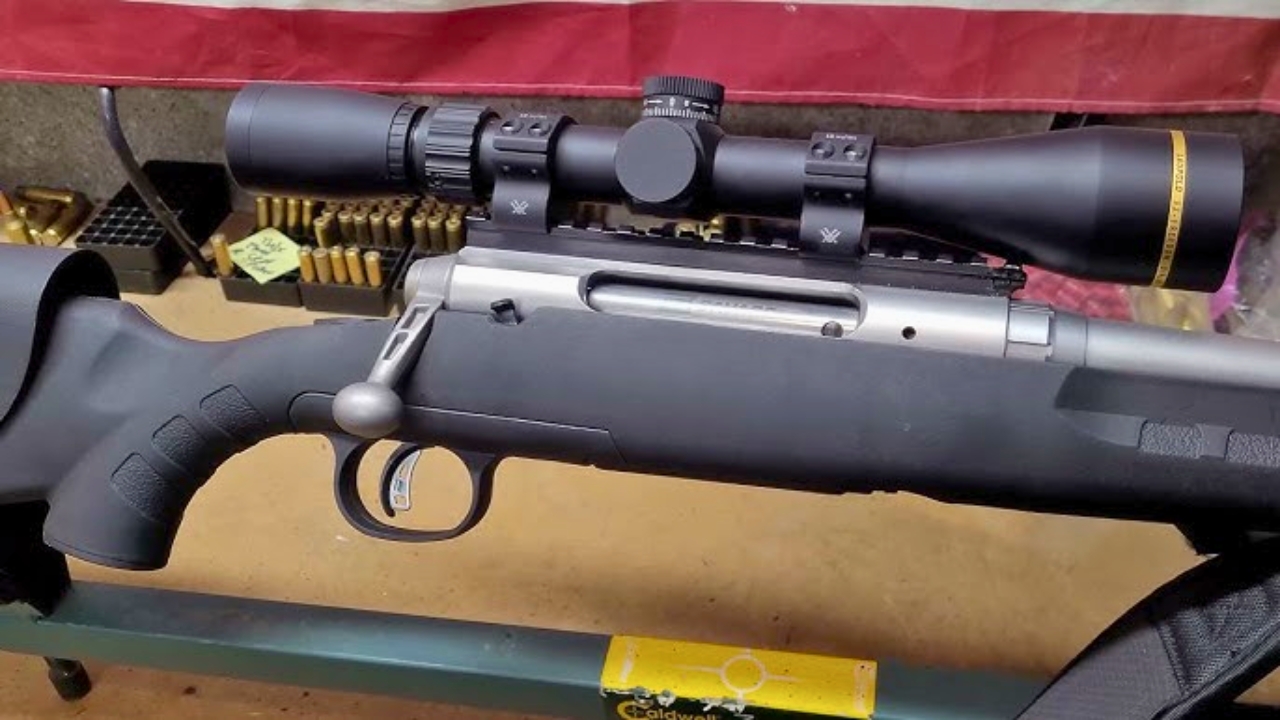
The Savage Axis has plenty of defenders because it helped a lot of hunters get into an accurate bolt-action rifle without spending much money. In many cases, the accuracy is better than the price suggests.
But many owners eventually replace it once they want a smoother action, better stock, nicer magazine system, or a rifle that simply feels more finished. The Axis can absolutely kill deer and punch paper. It just often feels like the rifle you bought before you knew what you really wanted. Buyers defend the value, then upgrade anyway.
Rock Island Armory 1911 GI Standard
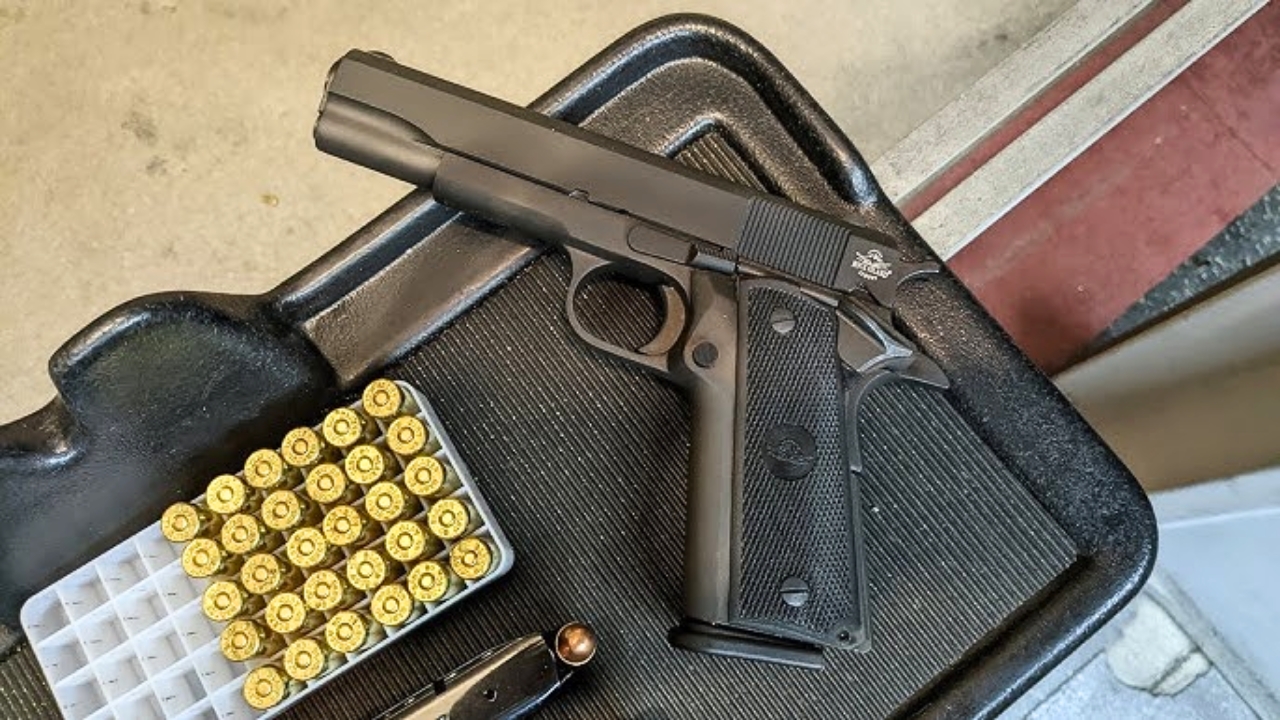
The Rock Island Armory 1911 GI Standard gets defended because it gives people an affordable path into the 1911 world. It is steel, simple, and close enough to the old military look to scratch that itch.
In real life, many owners eventually replace it with a 1911 that has better sights, a better trigger, tighter fit, and more comfortable controls. The basic GI setup looks cool until you try to shoot it fast or in low light. It is easy to defend as a budget 1911, but many buyers eventually want the features they skipped to save money.
Mossberg Patriot
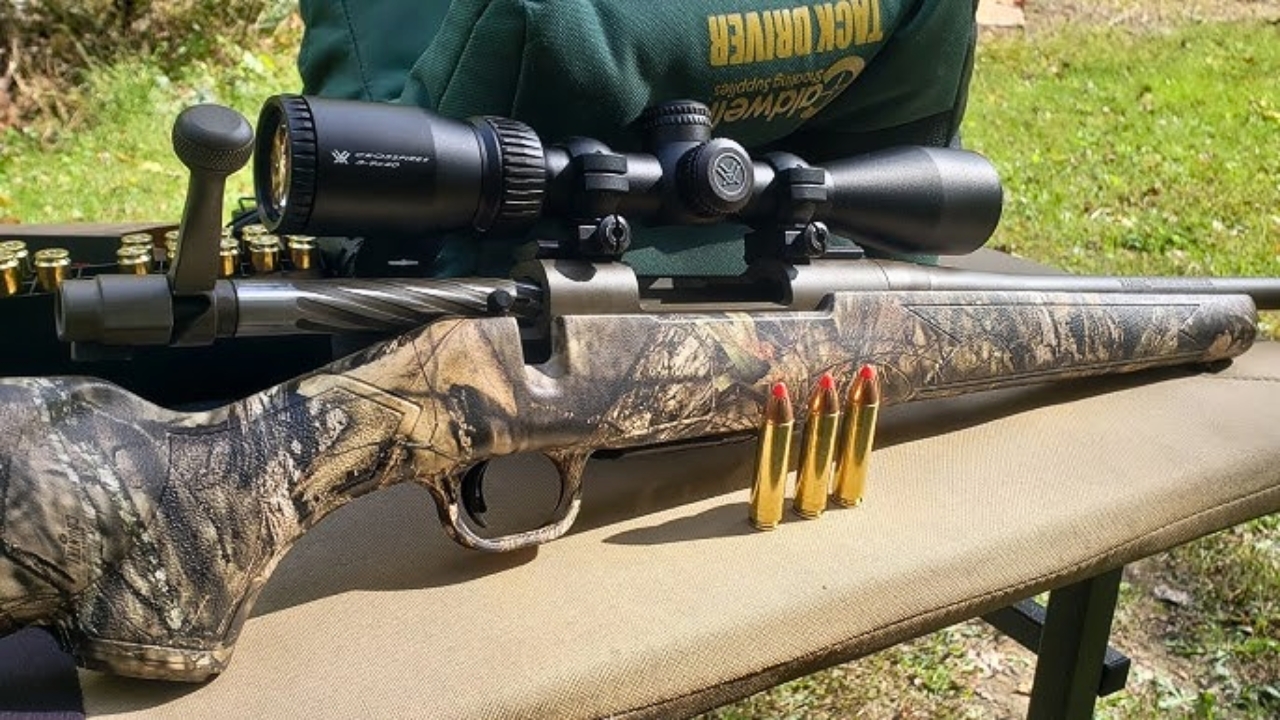
The Mossberg Patriot has supporters because it is affordable, comes in useful chamberings, and can shoot well enough for normal hunting. For many deer hunters, that is all a rifle really needs to do.
The reason owners replace it is feel. The stock, magazine, bolt smoothness, and overall finish can leave people wanting more after a few seasons. A hunter may defend the Patriot as a good value and still reach for a Tikka, Ruger, Browning, or Winchester when the hunt matters more. Budget rifles can work, but confidence has a way of becoming personal.
SCCY CPX-1
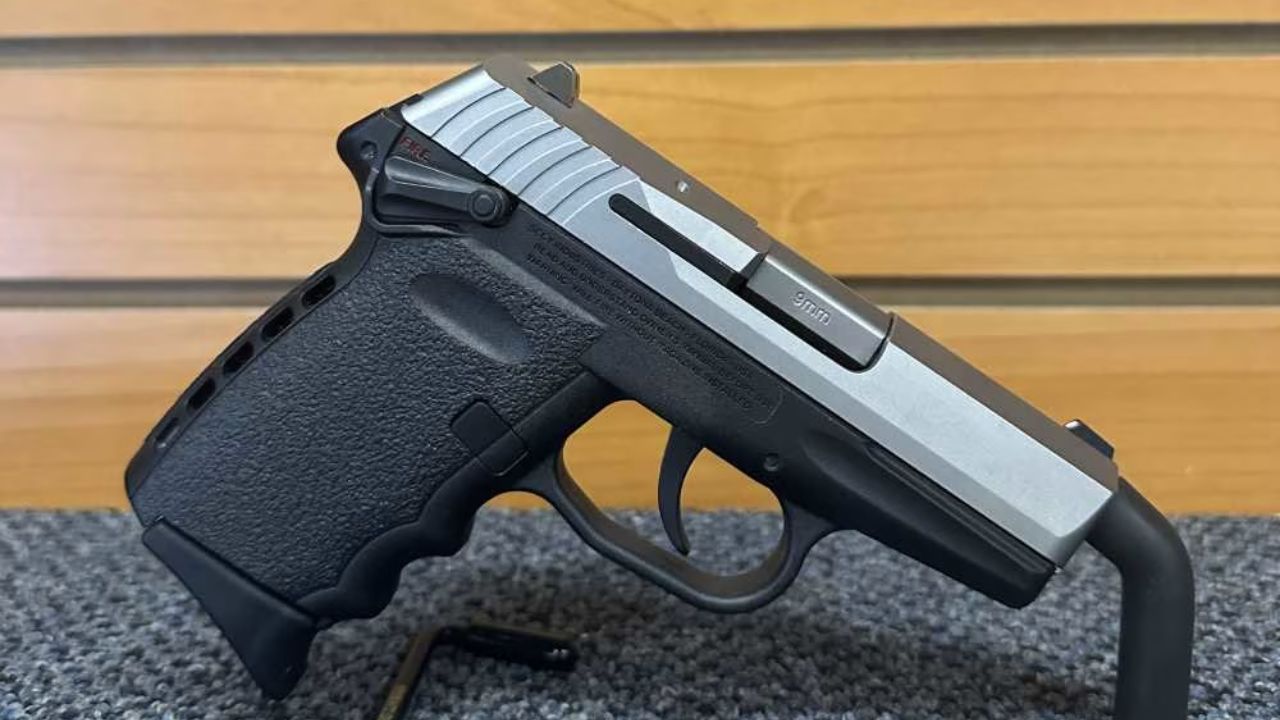
The SCCY CPX-1 gets defended online because it is inexpensive, compact, and gives budget buyers access to a defensive 9mm. People will rightly point out that not everyone can spend premium money on a carry gun.
But in real life, many owners replace it as soon as they can. The long trigger pull, manual safety, snappy shooting feel, and limited refinement make it harder to love once better options are within reach. It may fill a temporary role, but few shooters stop shopping after buying one. Defending affordability is fair. Depending on it long term is another conversation.
Century Arms C39v2

The C39v2 had defenders because an American-made milled AK sounded appealing to buyers who wanted an AK-pattern rifle without chasing imports. The look, weight, and marketing made it easy to want.
Over time, the reputation became much harder to defend. Concerns about durability, parts wear, and quality control pushed many owners toward imported AKs or better-regarded domestic builds. Some people still argue about individual examples that ran fine, but many buyers quietly replaced them with rifles they trusted more. With AKs, long-term confidence matters more than winning a forum argument.
Beretta Pico
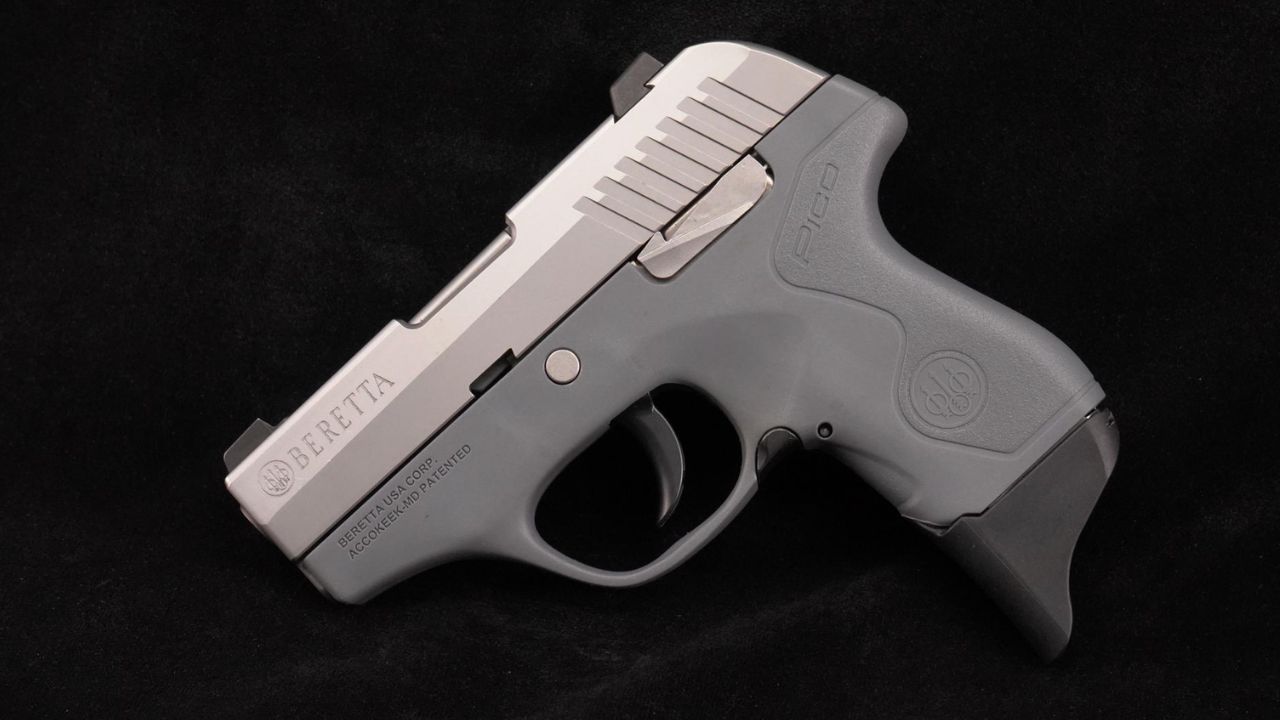
The Beretta Pico gets defended because it is extremely thin, modular, and easy to conceal. For deep carry, that kind of flat profile is a real advantage.
The trouble is that tiny pistols have to be shot too. Many owners found the Pico hard to run well because of its small grip, stiff feel, and demanding trigger. It carried beautifully, but newer .380s and small 9mms became easier to shoot and support. A lot of buyers defend how easy it is to hide, then carry something they can actually practice with more comfortably.
Remington 783
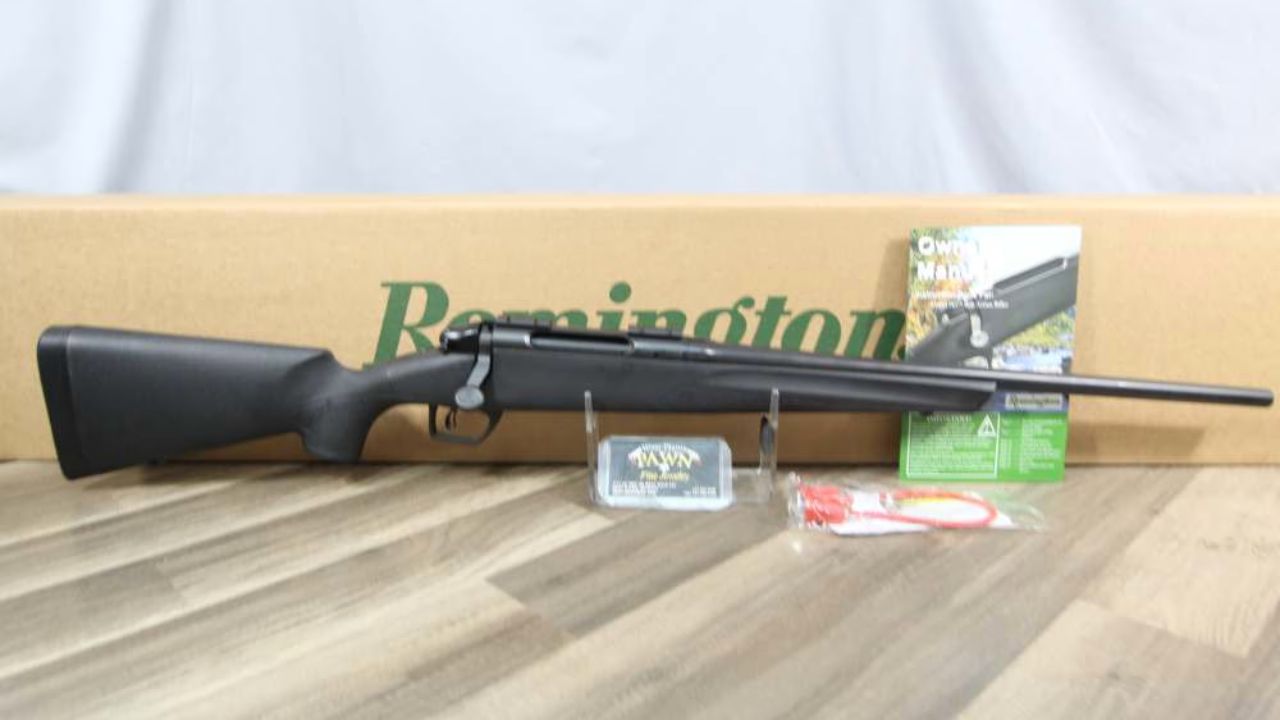
The Remington 783 has defenders because it is a budget rifle that can shoot surprisingly well. Plenty of hunters bought one, sighted it in, and filled tags without any drama.
Still, many owners eventually replace it with a rifle that feels less cheap around the edges. The action, stock, magazine, and overall finish do not inspire the same pride or confidence as nicer rifles. It is one of those guns people defend because it works, but not always because they love it. When money allows, a lot of buyers move on.
Hi-Point C9

The Hi-Point C9 has one of the loudest defense teams online because it is cheap, simple, and often more reliable than critics expect. Fans love pointing out that it works for people who cannot afford better options.
That argument has truth in it, but real-life ownership often changes once a buyer can upgrade. The C9 is bulky, heavy, awkward, and limited compared with modern budget pistols that cost only a little more. Many owners defend it as a functional low-cost handgun, then replace it with something slimmer, lighter, and easier to carry. Both things can be true.
DPMS Oracle

The DPMS Oracle was defended for years as an affordable entry into the AR-15 world. It gave new shooters a basic rifle at a price that made the platform accessible.
Once owners gained experience, many started replacing parts or replacing the whole rifle. The furniture, trigger, barrel, gas system feel, and lack of refinement pushed shooters toward better builds. The Oracle did its job as a first AR for many people, but it often became the rifle they sold or left in the back of the safe. Online, value gets defended. In real life, people chase better setups.
Charter Arms Undercover
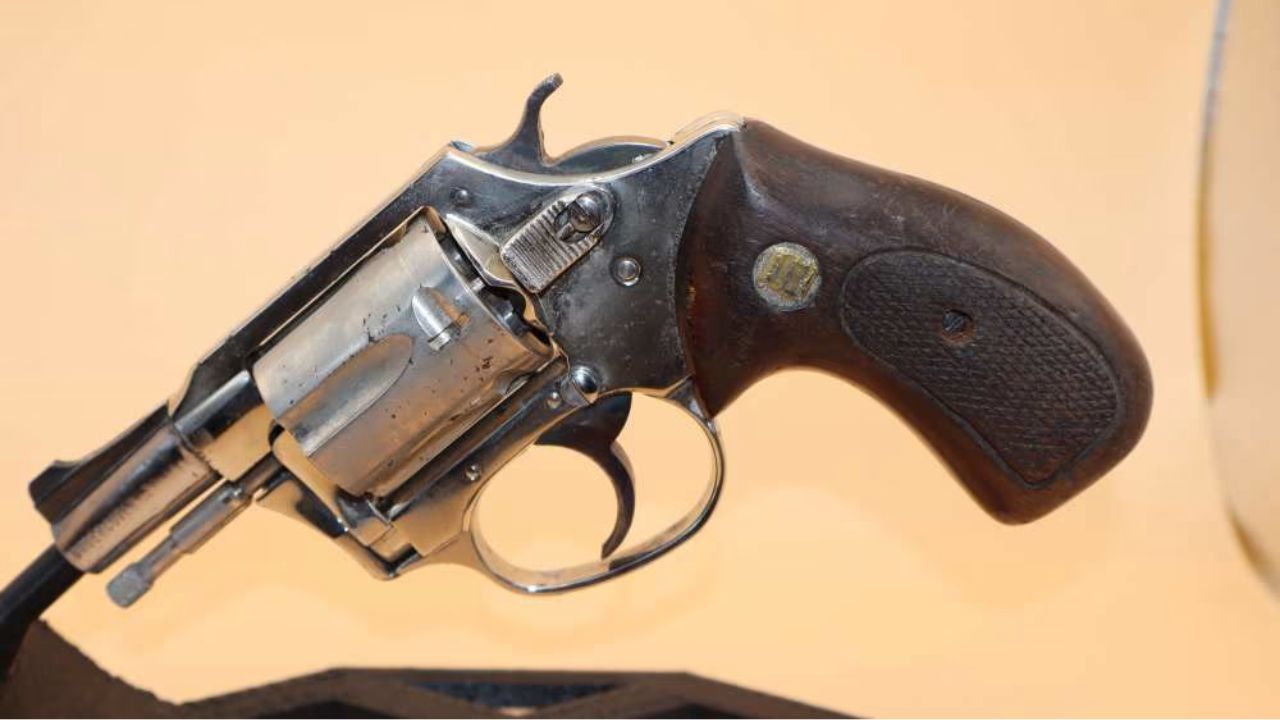
The Charter Arms Undercover gets defended because it is light, affordable, and has served plenty of people as a simple .38 Special carry revolver. For buyers who want a basic wheelgun without Smith & Wesson money, it has a clear appeal.
But many owners eventually replace it with a revolver that has a better trigger, better finish, and more confidence under steady use. Small revolvers are already hard to shoot well, so every rough edge matters. The Undercover can fill a role, but once someone handles a better snubnose, the difference is hard to ignore. Defending the price is easier than ignoring the tradeoffs.
Like The Avid Outdoorsman’s content? Subscribe to our newsletter so you never miss an article.
Here’s more from us: