Photo credit: Samong Outdoors/Youtube
Some guns don’t look like the smart buy when they’re sitting on the rack. They may seem too plain, too old-fashioned, too cheap, too heavy, or too far outside whatever trend everyone is chasing at the moment. Buyers walk past them thinking something newer or flashier has to be the better choice.
Then a few years pass, and the boring gun starts looking smarter. Maybe prices climbed. Maybe the newer choice disappointed. Maybe the plain option kept working while everything else needed excuses. These guns are the ones people passed on before realizing they probably should have grabbed them when they had the chance.
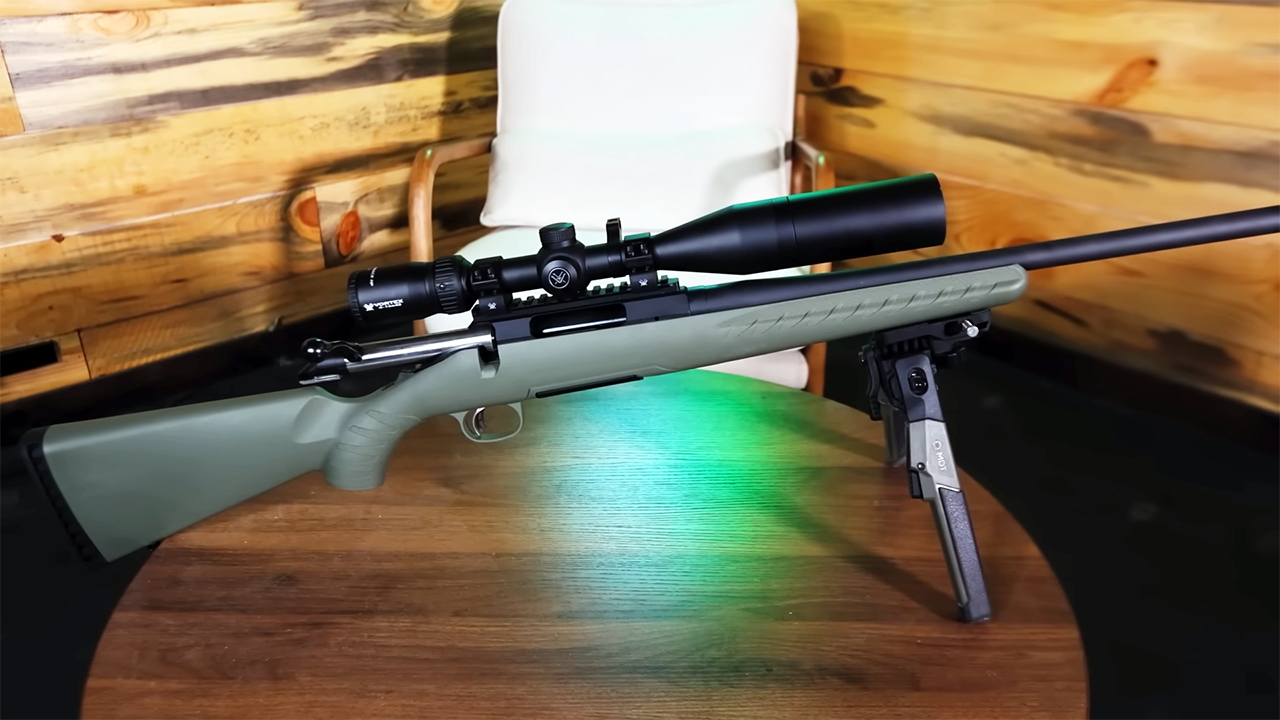
Ruger American Predator
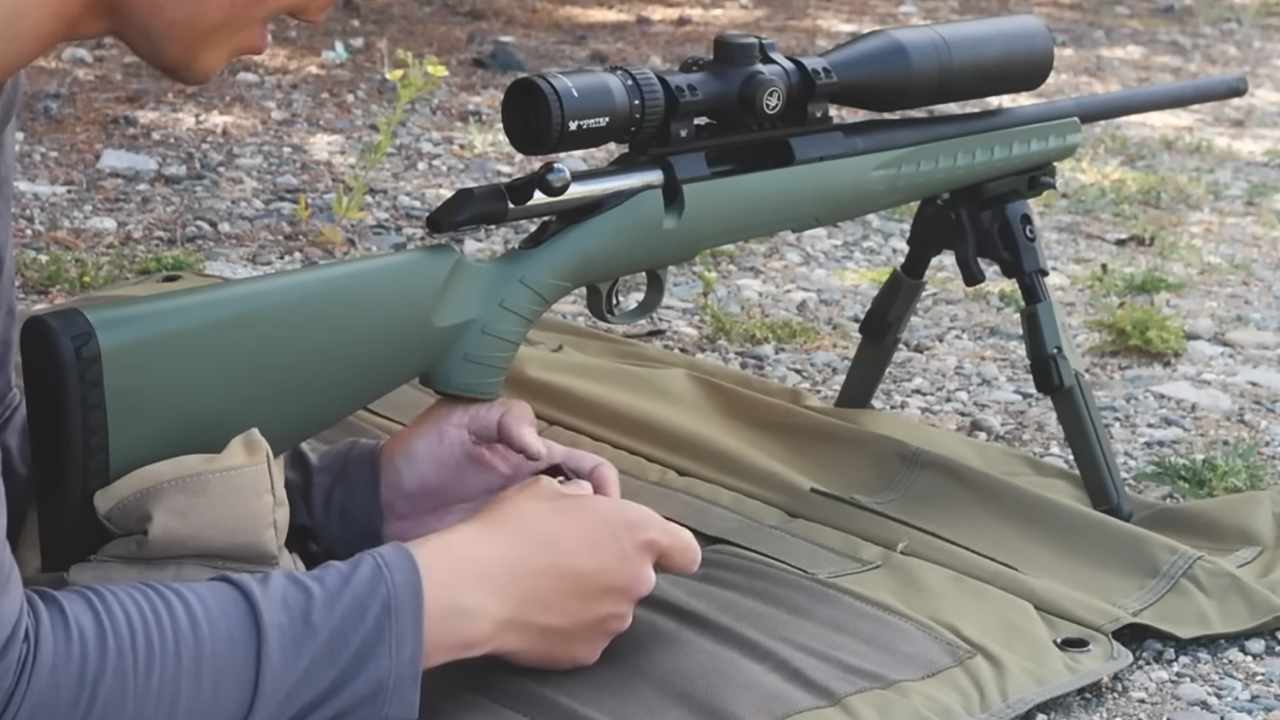
The Ruger American Predator never looked like a rifle people would regret passing up. The stock is basic, the finish is plain, and the whole rifle feels built around function and price more than pride of ownership. A lot of hunters saw it as another affordable bolt gun in a crowded rack.
Then people started seeing how well many of them shot. The Predator version added a heavier-profile threaded barrel and useful chamberings that made it practical for deer, coyotes, hogs, and range work depending on setup. It may not feel refined, but it often delivers accuracy well beyond its price. That’s what made it the smart buy. It gave regular hunters performance without asking them to pay for polish they didn’t really need.
Smith & Wesson Shield Plus
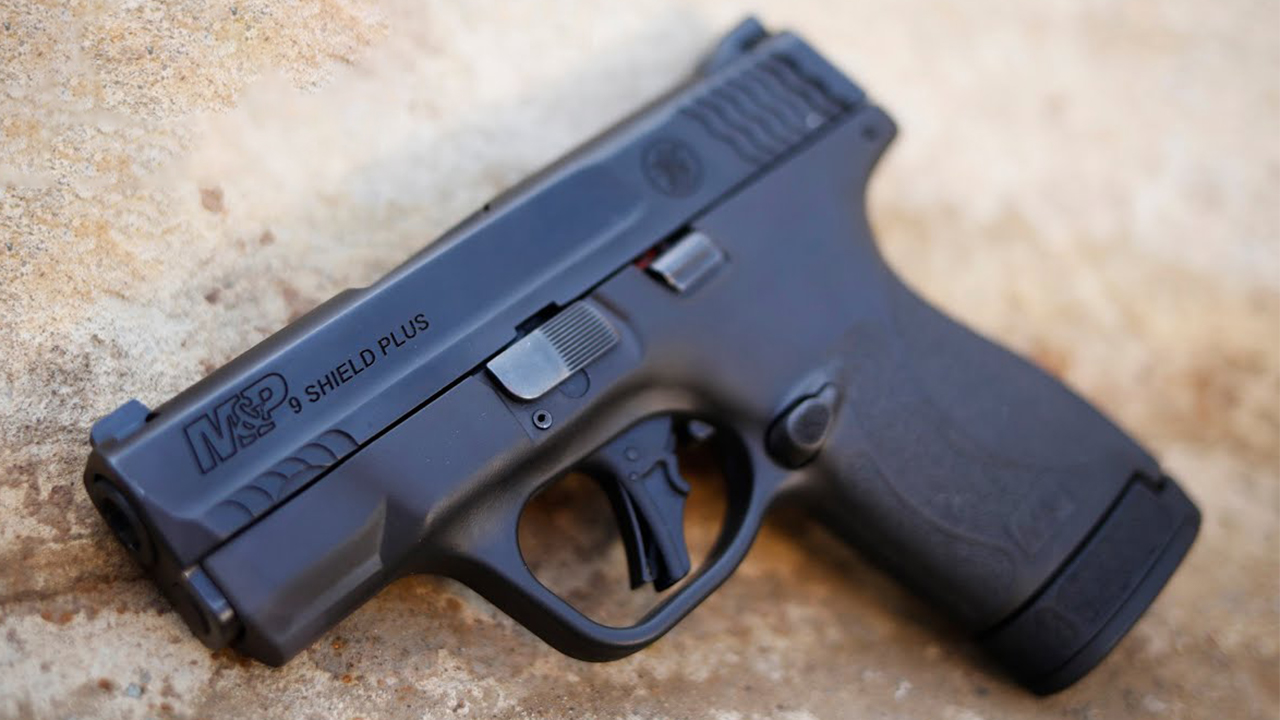
The Smith & Wesson Shield Plus was easy to underestimate if someone had already moved on from the original Shield. The carry market had become crowded, and plenty of micro-compacts were promising more capacity, smaller size, or trendier features. At first glance, the Shield Plus could look like a familiar pistol with a small update.
That small update mattered. Better capacity and a much-improved trigger turned an already trusted carry platform into something far more competitive. It stayed slim, carried easily, and shot better than many smaller pistols that looked more impressive on paper. A lot of buyers chased newer names before realizing the Shield Plus fixed the exact things that needed fixing. Sometimes the smart buy is the proven gun that got quietly better.
Howa 1500
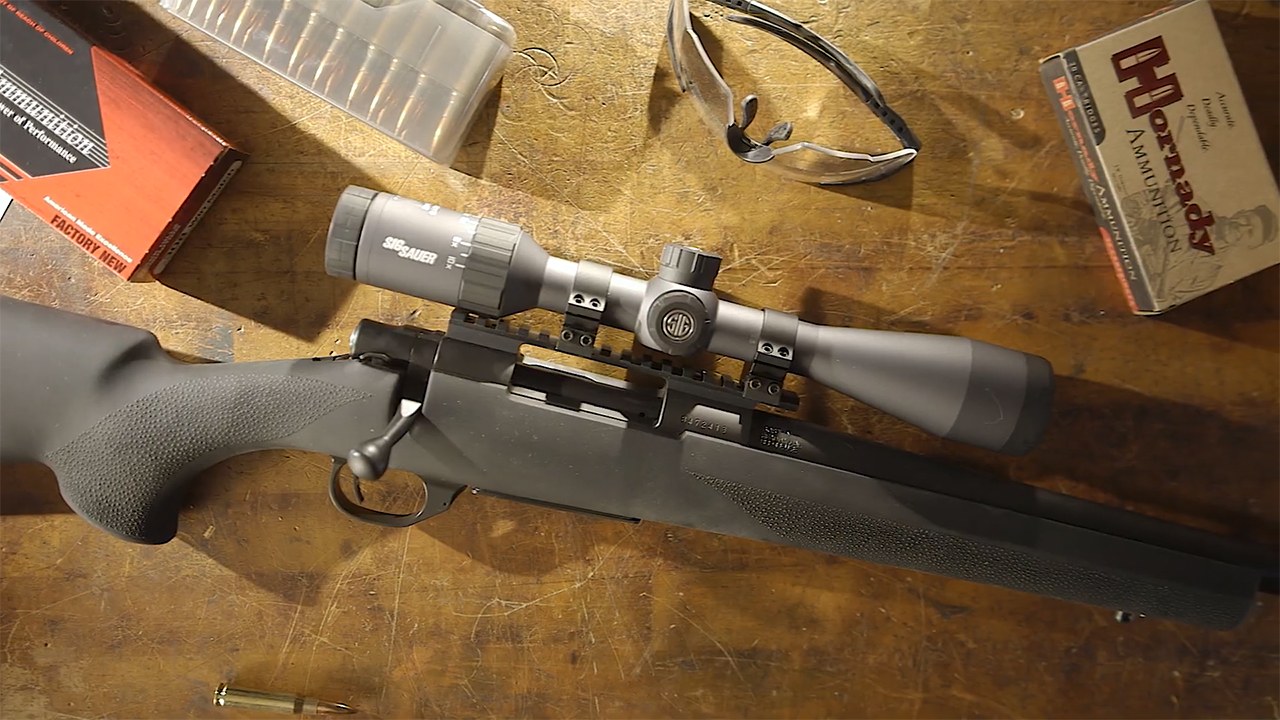
The Howa 1500 has always been easy to pass over because it doesn’t carry the same emotional pull as Winchester, Remington, Browning, or Ruger for many American hunters. It looks practical, maybe even a little plain, and some buyers don’t realize how strong the action’s reputation is until they’ve already bought something else.
That’s where the Howa starts looking smarter. The action is sturdy, the rifles often shoot very well, and the overall feel is more solid than many budget competitors. It may not have the slickest bolt or prettiest factory stock in every version, but it feels dependable. Hunters who passed on one for a flashier rifle often learned later that the Howa was the quiet value sitting right there the whole time.
Beretta PX4 Storm Compact
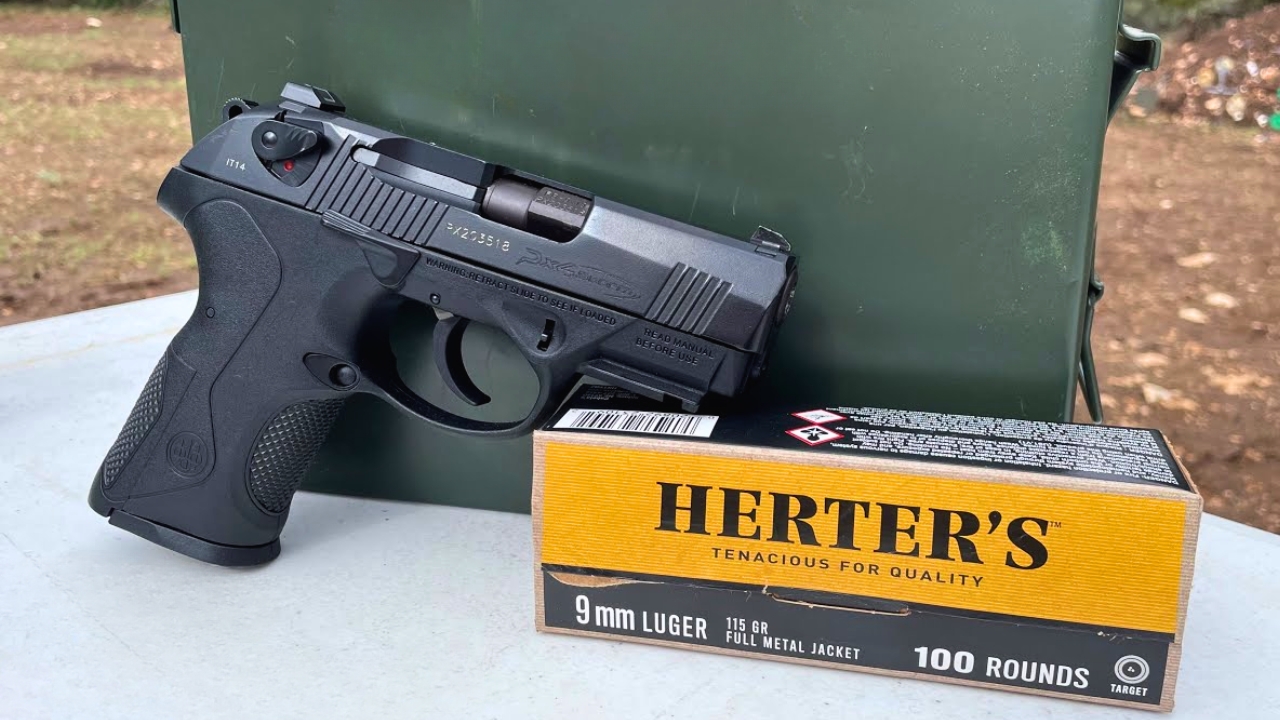
The Beretta PX4 Storm Compact has never had easy shelf appeal. The rounded styling, DA/SA trigger, and rotating barrel system make it look different from the simpler striker-fired pistols most buyers compare it against. Plenty of shooters passed on it because it looked odd or felt too old-school.
Then the people who actually shot it started talking. The PX4 Compact has a smooth recoil impulse, comfortable grip, and more control than its looks suggest. It carries better than many expect and rewards shooters willing to learn the trigger system. It was the smart buy for people who cared more about shooting feel than fashion. The pistol didn’t lose because it was bad. It lost because a lot of buyers judged it too quickly.
Winchester XPR
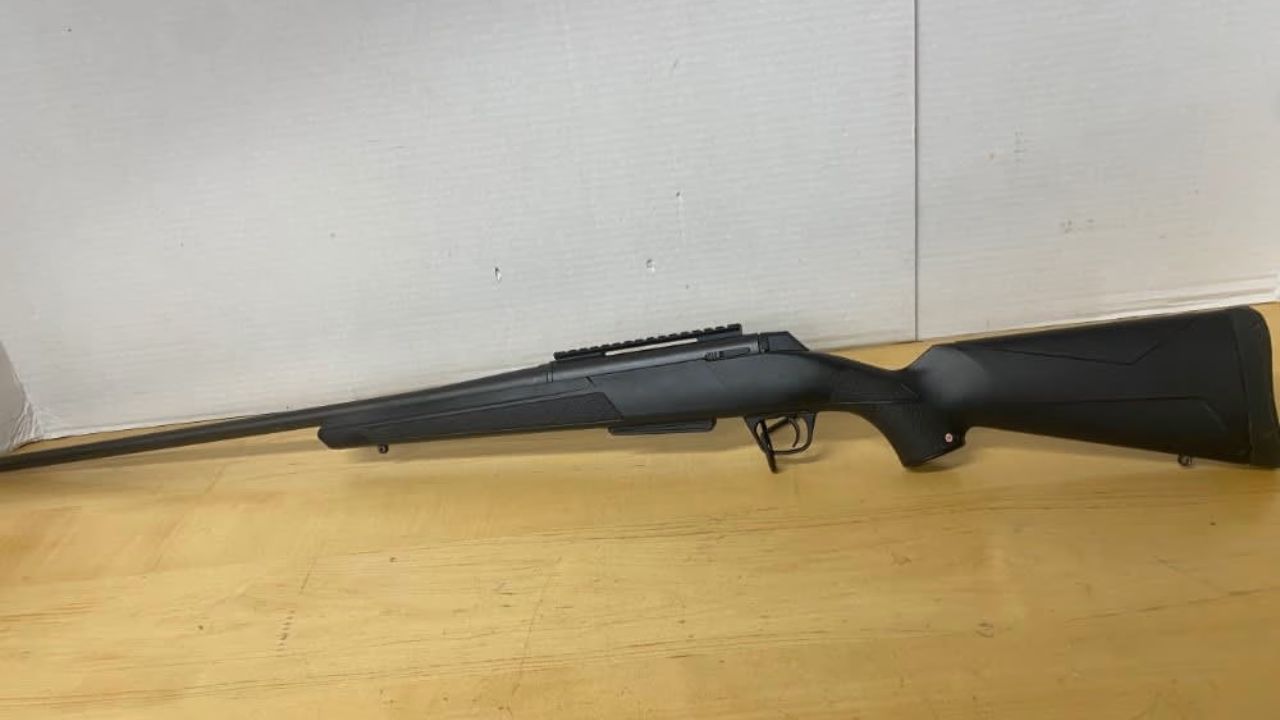
The Winchester XPR doesn’t have the romance of the Model 70, and that probably caused a lot of hunters to walk past it. It looked like another modern budget rifle with a synthetic stock and a familiar promise: decent accuracy at a fair price. That doesn’t always feel exciting.
But the XPR has proven to be a practical, dependable hunting rifle for a lot of owners. It has a good trigger, a strong action, and enough configurations to fit everything from basic deer hunting to rough-weather setups. It doesn’t need old-school charm to be useful. Buyers who wanted a Winchester but couldn’t justify Model 70 money may have been looking at the smarter buy all along. The XPR works without asking for a collector’s budget.
Taurus TX22
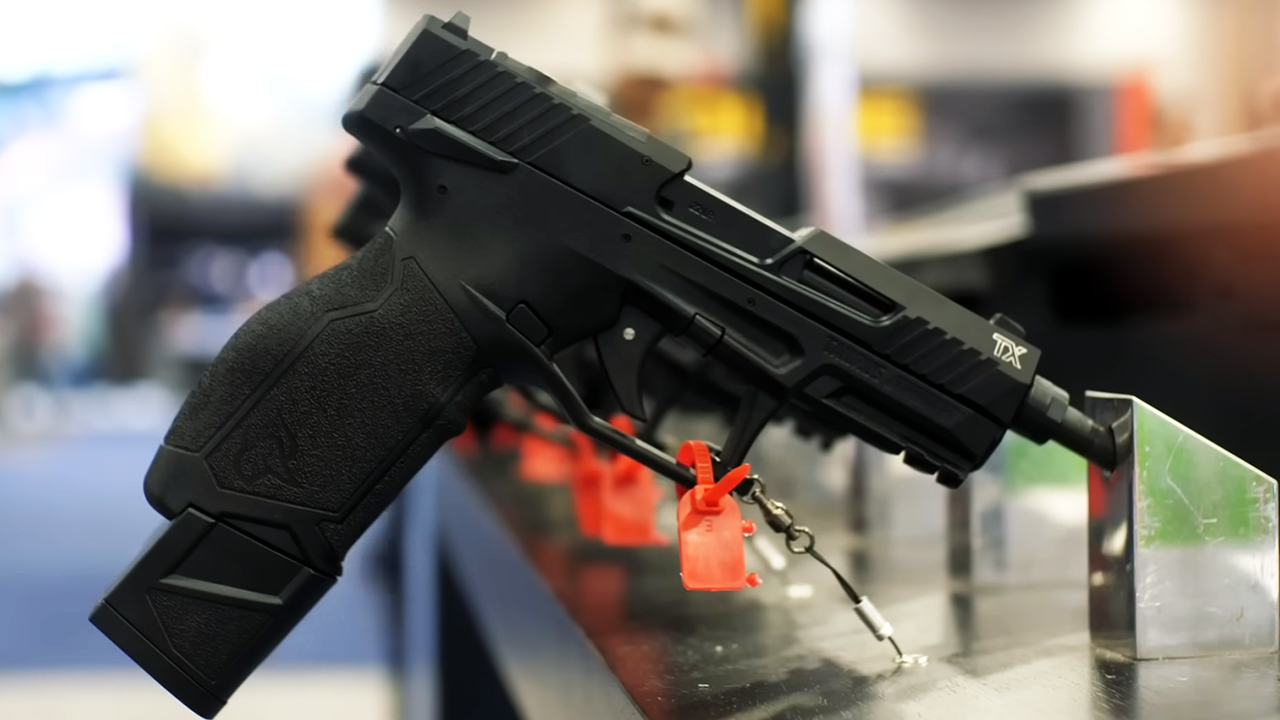
The Taurus TX22 was easy to doubt before it proved itself. Taurus had enough baggage that many shooters assumed a polymer .22 pistol from the brand would be another finicky rimfire headache. A lot of people passed on it based on the logo alone.
That turned out to be too quick. The TX22 became one of the more surprisingly likable rimfire pistols in its price range. It has good capacity, familiar controls, a comfortable grip, and enough reliability with the right ammunition to make range time fun and affordable. It isn’t a high-end target pistol, but that was never the point. It was the smart buy because it got people shooting more for less money, and that matters.
Tikka T3x Lite
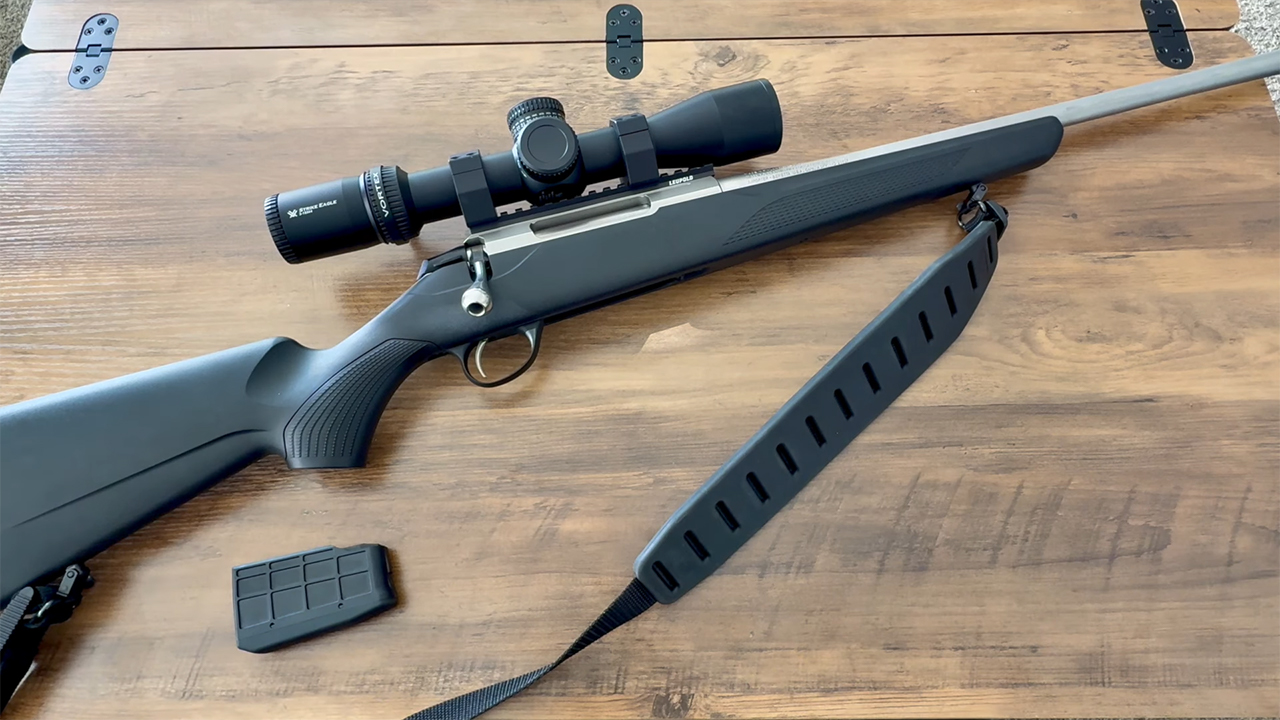
The Tikka T3x Lite can seem almost too plain for its price if someone only glances at it. The synthetic stock doesn’t look fancy, and the rifle doesn’t come with a big dramatic personality. Some hunters pass it over for rifles with better-looking stocks, more aggressive finishes, or louder marketing.
Then they run the bolt. The Tikka’s smooth action, clean trigger, and strong accuracy reputation make it feel like a rifle that put the money in the right places. It carries well, shoots well, and usually doesn’t require much work to earn confidence. The T3x Lite became the smart buy because it skipped the decoration and focused on the things hunters notice after the first season, not the first five minutes.
Ruger PC Carbine
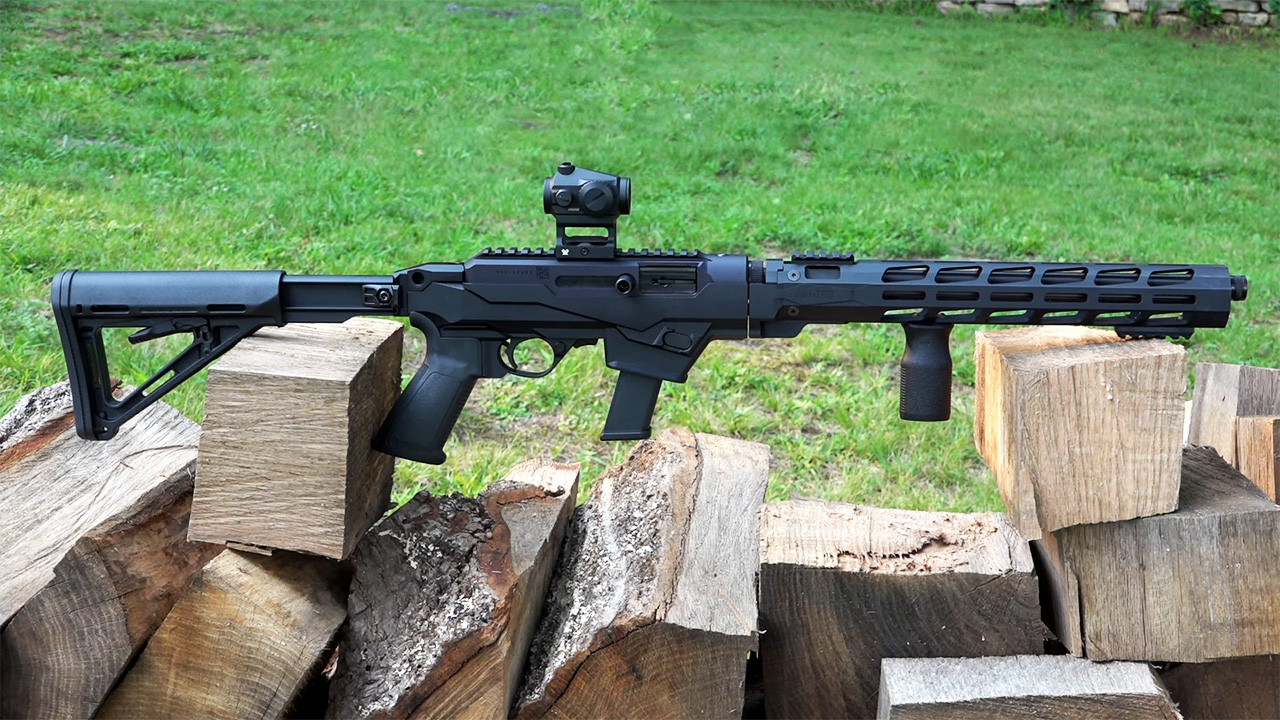
The Ruger PC Carbine seemed a little plain when it hit the market. A takedown pistol-caliber carbine in 9mm wasn’t exactly a new concept, and it didn’t have the lightweight slickness or tactical style of some competitors. Some buyers passed it over for PCCs that looked cooler.
The Ruger made more sense once people used it. It is mild, practical, easy to shoot, and compatible with common magazine patterns through adapters. The takedown system makes storage and transport simple, and the carbine is friendly for new shooters while still useful for range work and home-defense setups where appropriate. It wasn’t the flashiest PCC, but it was one of the easiest to live with. That’s usually the smarter buy.
CZ 457
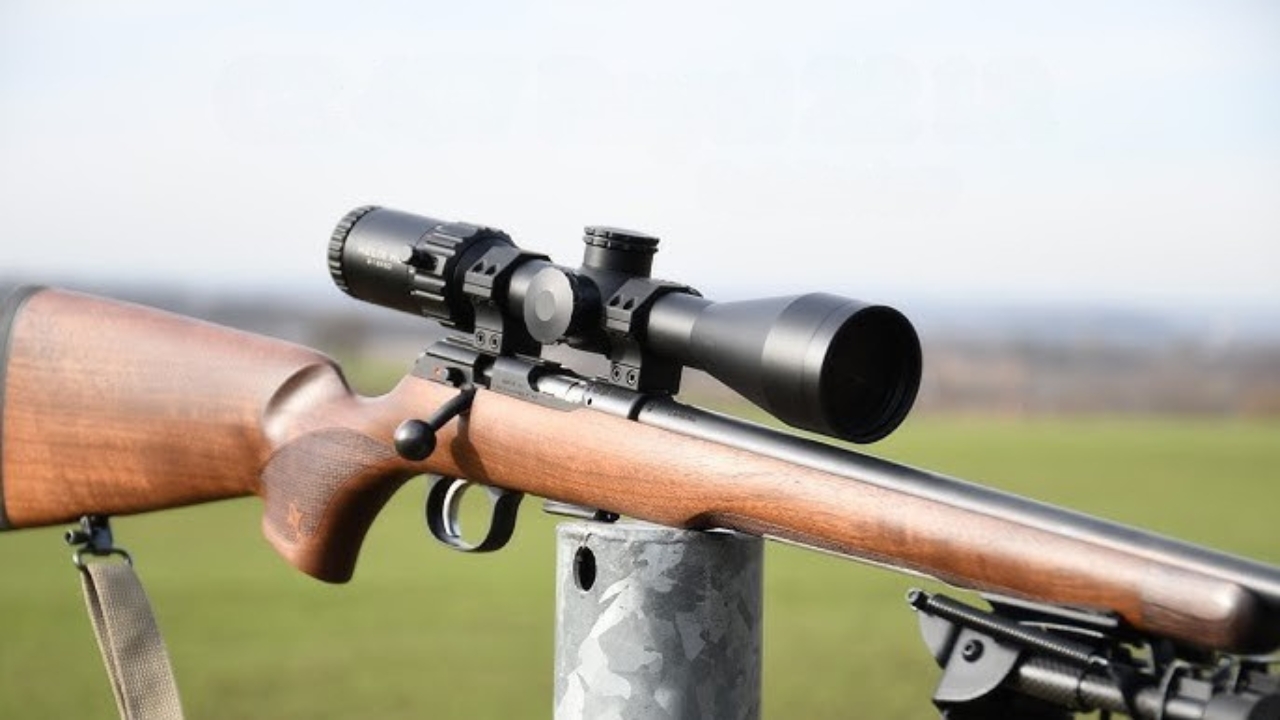
The CZ 457 may have looked like a pricey .22 to buyers used to cheaper rimfires. A lot of people treat rimfires like casual plinkers and don’t want to spend more than the bare minimum. That makes it easy to pass on a better .22, even when it would get more use than half the centerfire guns in the safe.
The 457 proved why spending more on a rimfire can make sense. It has strong accuracy potential, an adjustable trigger, improved safety and bolt throw over earlier CZ models, and enough variants to cover hunting, target shooting, and precision rimfire practice. A good .22 gets used constantly. The 457 became the smart buy because it gave owners a rimfire they could grow into instead of outgrow.
Mossberg 940 Pro
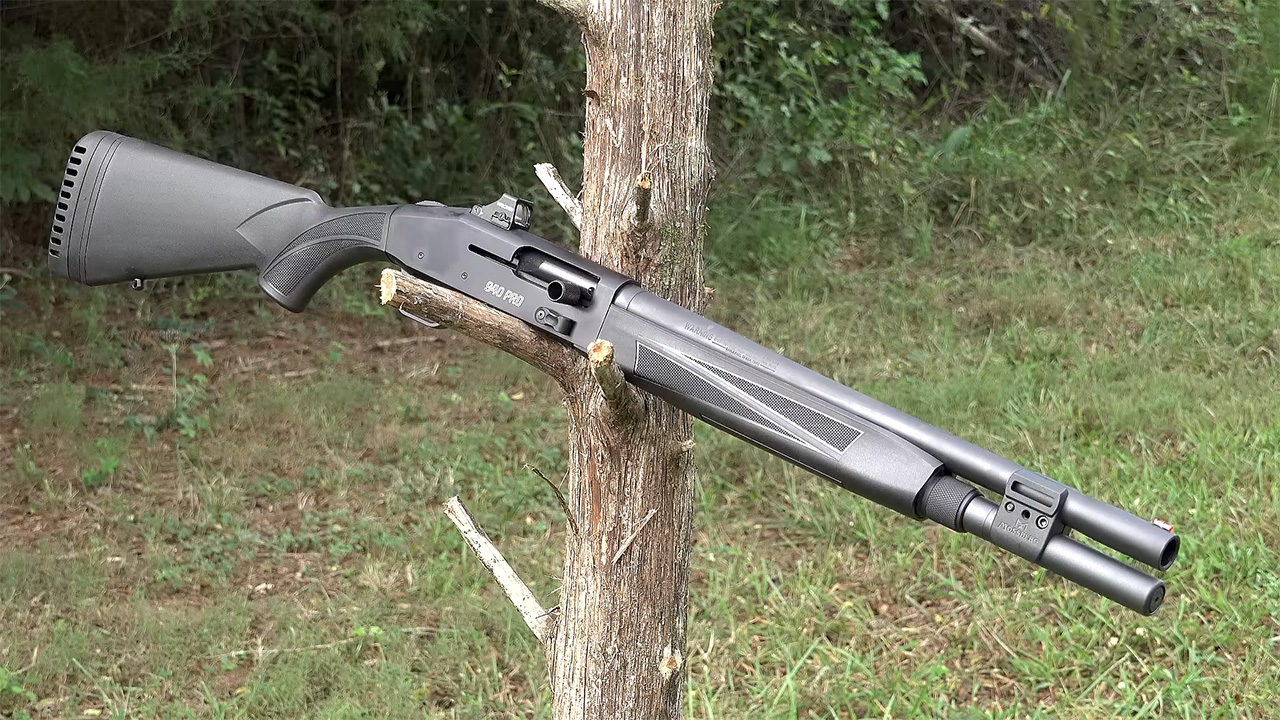
The Mossberg 940 Pro was easy for some shotgun buyers to overlook because Mossberg is still heavily associated with pump guns. Semi-auto buyers often jump straight to Beretta, Benelli, Browning, or Winchester, especially if they’re already spending real money. That left the 940 Pro fighting for attention.
It earned it by addressing practical problems. Compared with the older 930, the 940 line brought meaningful improvements in gas system design, controls, loading, and maintenance. The hunting and tactical versions each filled clear roles. It wasn’t the cheapest semi-auto, and it wasn’t the fanciest, but it gave shooters a lot of useful design for the money. That’s what made it smarter than people expected.
Smith & Wesson Model 10
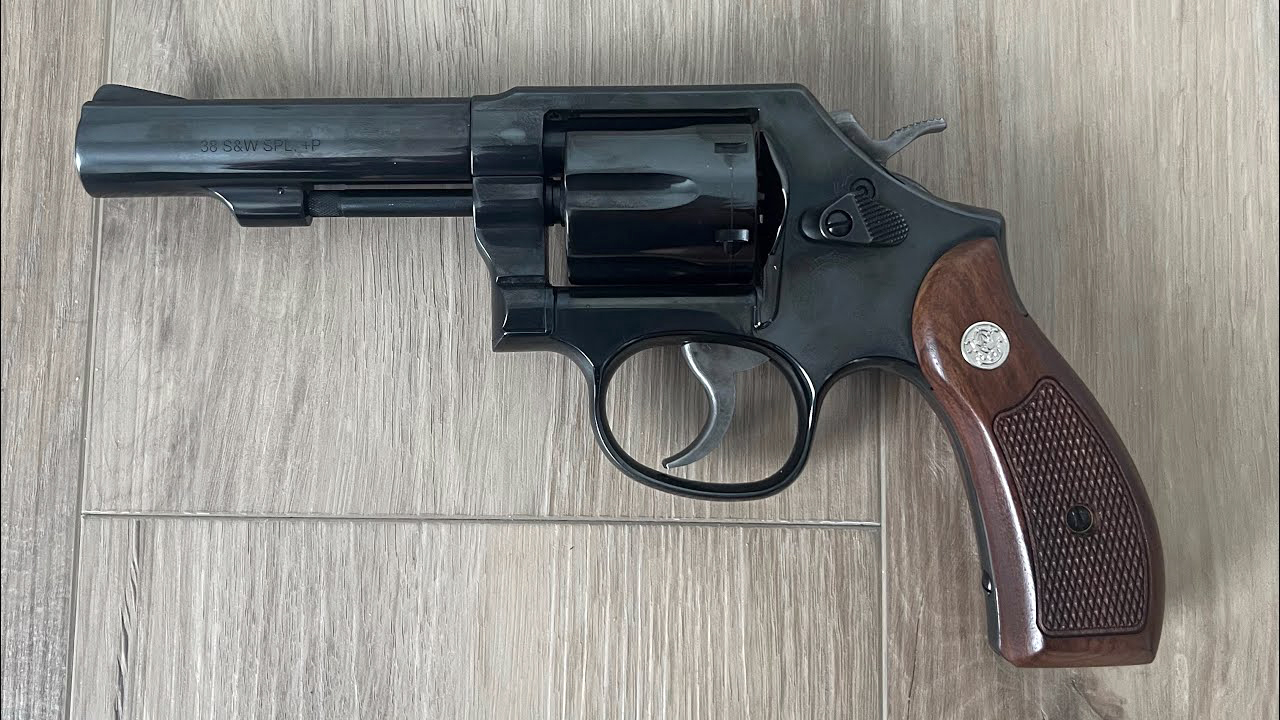
The Smith & Wesson Model 10 has been passed over countless times because it looks too simple. Fixed sights, .38 Special, no magnum chambering, no modern defensive capacity, no flash. In a display case full of louder options, it can look like a revolver from another life.
That simplicity is exactly why it was the smart buy for many shooters. A Model 10 is one of the best handguns for learning double-action trigger control. It is comfortable to shoot, accurate enough for serious practice, and built with the kind of K-frame balance people still appreciate. It may not be the modern defensive answer for everyone, but as a range revolver, training gun, and classic working handgun, it offers more value than its plain appearance suggests.
Franchi Affinity 3

The Franchi Affinity 3 has probably been passed over by buyers who wanted a Benelli, Beretta, or Browning instead. That makes sense emotionally. Those names carry a lot of weight in semi-auto shotgun discussions. Franchi often sits in the middle, where practical guns can get ignored because they’re not bargain-bin cheap or premium famous.
That middle lane is why the Affinity 3 makes sense. It gives hunters an inertia-operated shotgun with simple maintenance, good field handling, and a price below many higher-end Italian guns. It can kick more than gas-operated shotguns, especially with heavier loads, but it’s dependable for many hunters who value a straightforward action. The smart buy is not always the biggest name. Sometimes it’s the gun that gives most of what you need without the premium bill.
Canik TP9SFx

The Canik TP9SFx looked suspicious to some buyers because it offered a lot for the money. A long-slide, competition-style 9mm with a good trigger and generous accessories from a brand many shooters still considered budget? Plenty of people assumed there had to be a catch.
For a lot of owners, the catch never really showed up in the way critics expected. The TP9SFx proved to be a strong range and entry-level competition pistol with a very good trigger for the price. It’s too large for ordinary carry, but it was built around shooting, not hiding. Buyers who passed on it because it lacked prestige missed a lot of practical performance. It was the smart buy because it made serious range work more affordable.
Weatherby Vanguard Series 2
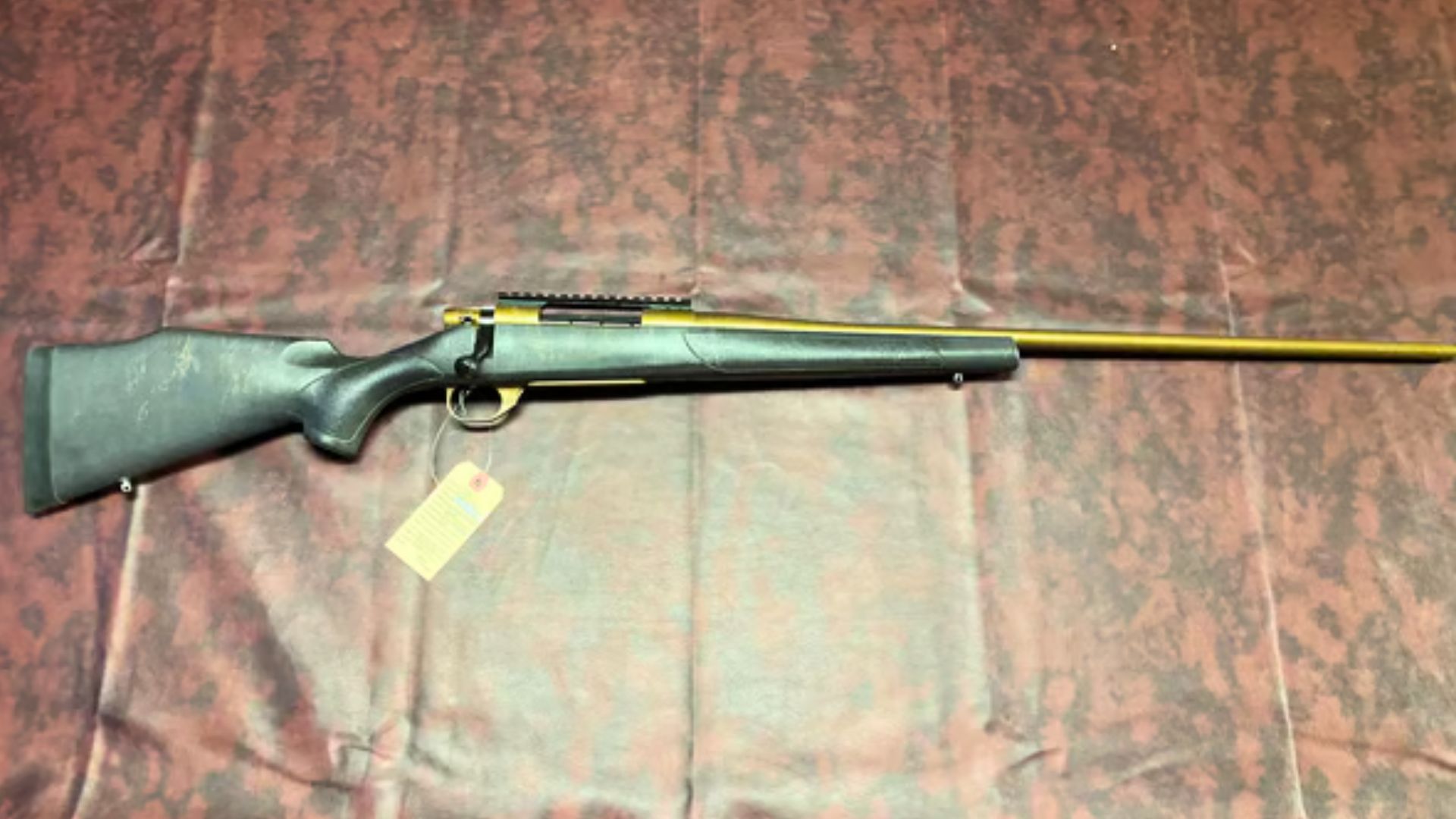
The Weatherby Vanguard Series 2 has long been the practical Weatherby, which means some buyers overlook it for the more famous Mark V or flashier rifles from other brands. It doesn’t always look exciting, especially in basic synthetic trim. It looks sensible, and sensible doesn’t always sell itself.
But the Vanguard Series 2 is built on a sturdy Howa-made action, has a good trigger, and often shoots very well. It carries more weight than some hunters want, but that can help with steadiness and recoil. For someone who wants a dependable hunting rifle without paying premium money, it is hard to argue with. People passed on it because it wasn’t the glamorous Weatherby. They later realized it may have been the most practical one.
Henry Steel Lever Action .30-30

The Henry Steel Lever Action .30-30 was easy to pass over if someone only associated Henry with rimfires or brass-framed rifles. For a long time, Marlin and Winchester dominated the deer-woods lever-action conversation. A Henry .30-30 had to earn its place in a very traditional lane.
It did that by being smooth, practical, and field-ready. The steel receiver keeps weight more reasonable than the brass models, and side-gate versions made the rifles more useful for hunters who like topping off through the receiver. In .30-30 Winchester, it fits thick woods and normal deer distances perfectly. Buyers who passed on one because it wasn’t an old Marlin or Winchester may have missed a very smart modern lever gun.
Like The Avid Outdoorsman’s content? Be sure to follow us.
Here’s more from us: