
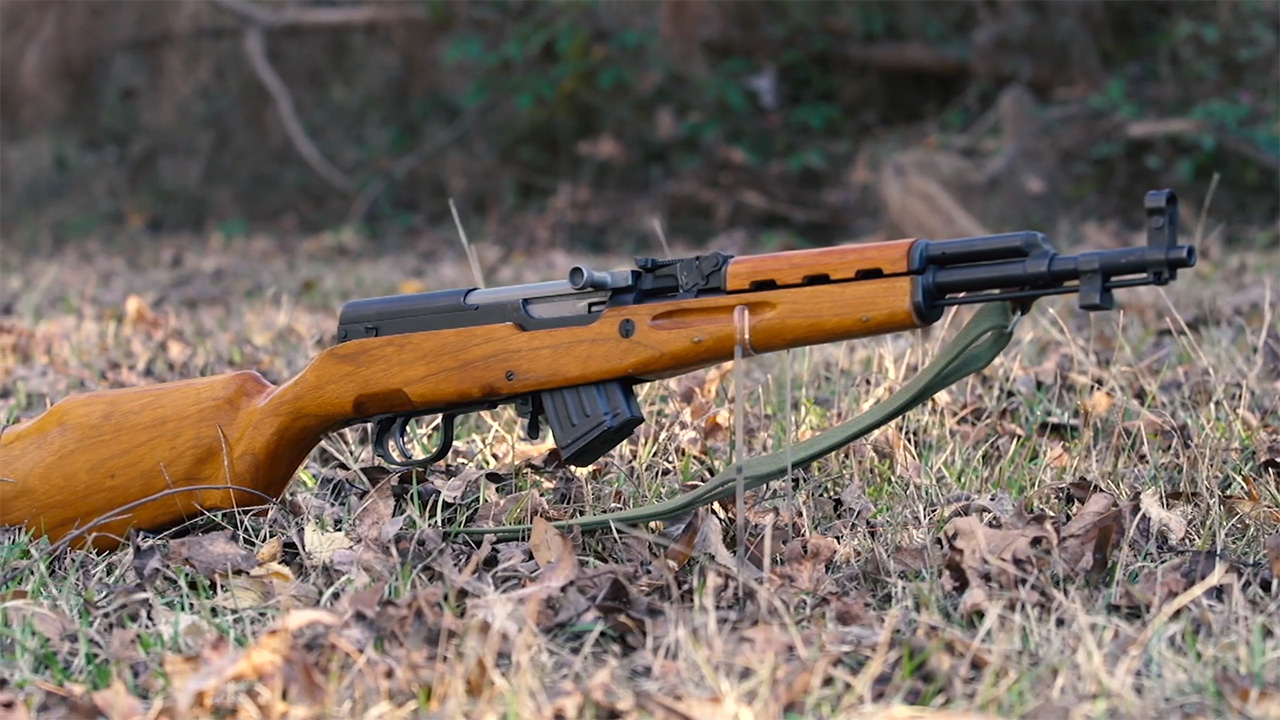
Photo credit: NRApubs/Youtube
Some gun sales age badly because the gun turns out to be more useful than the owner realized. Others age badly because the market changes so fast it feels almost unfair. A firearm that once sat in a used case for normal money suddenly becomes collectible, discontinued, hard to import, or wildly desirable.
That is when the regret gets specific. It is not just “I wish I kept it.” It is “I cannot believe I sold that for what I sold it for.” These are the firearms people often moved along cheaply before the market caught fire.
SKS
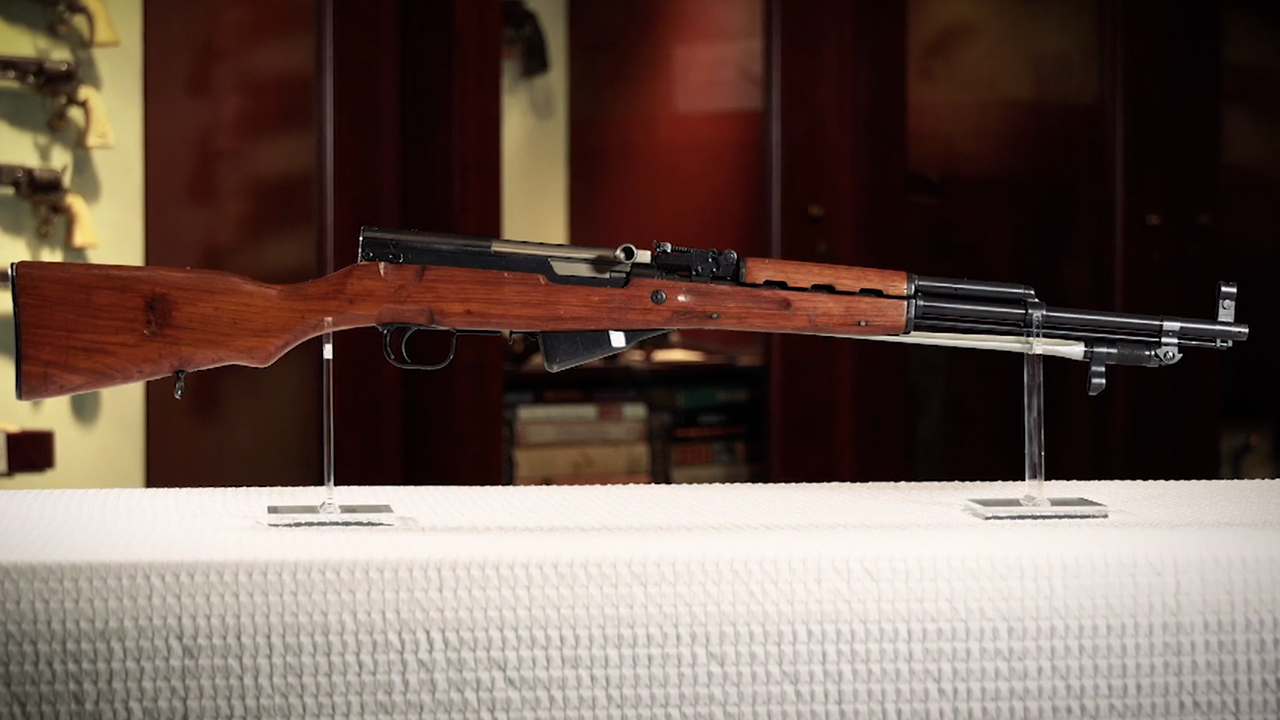
The SKS might be the king of cheap-sale regret. For years, it was the affordable surplus semi-auto rifle people bought by the crate, tossed behind truck seats, or treated like a beater range gun. Plenty of shooters remember when SKS rifles were inexpensive enough to buy almost casually.
That era is gone. Clean Chinese, Russian, Yugoslavian, Romanian, and other variants now draw far more attention than many owners expected. The rifle is simple, rugged, soft-shooting for its cartridge, and full of Cold War character. It may not be as modular as an AR or as iconic as an AK, but the SKS has become desirable because it offers history and usefulness in one package. Anyone who sold one for a couple hundred dollars likely understands the sting now.
Colt Detective Special
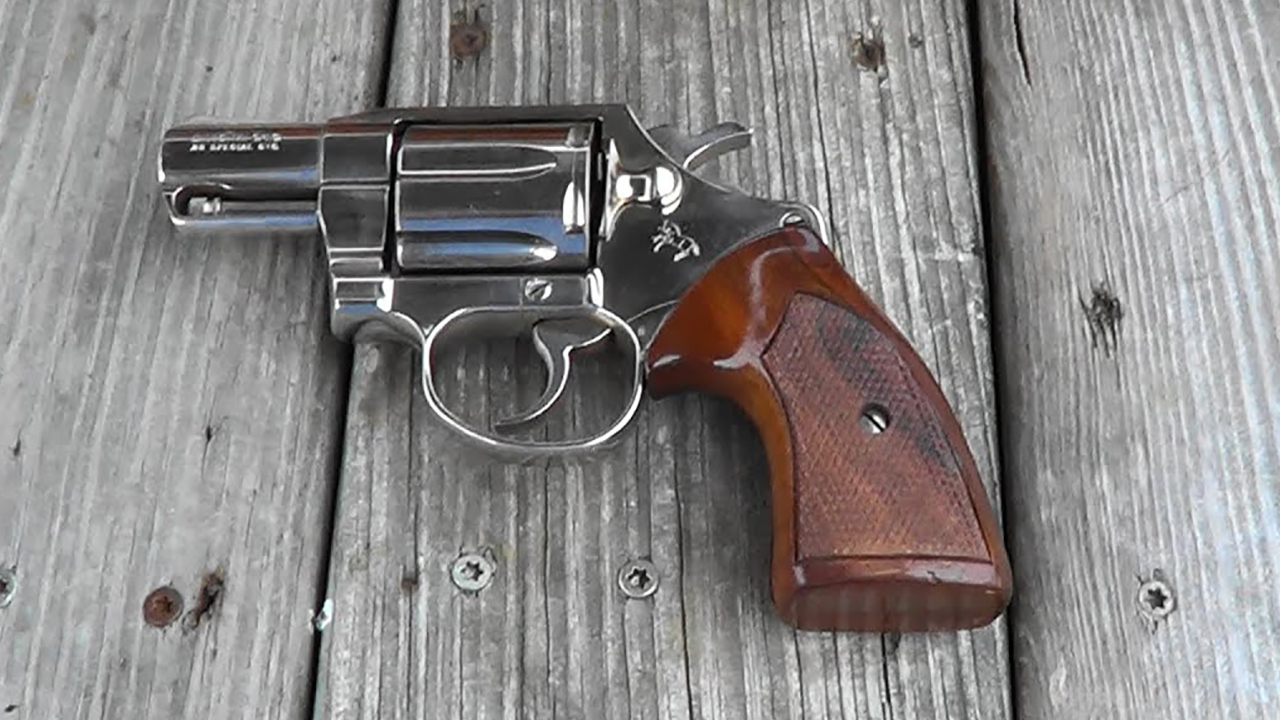
The Colt Detective Special used to be seen by many owners as a neat little snubnose, not necessarily a future wallet-punisher. It was a classic carry revolver, but for a while, old revolvers were often treated as outdated compared with semi-autos. That made some people sell them casually.
Then Colt revolver interest exploded. The Detective Special has the Colt name, six-shot capacity in a compact frame, and old-school charm that modern small revolvers do not replicate. Clean examples, especially earlier ones with strong finish and original grips, are no longer casual buys. Former owners who sold them cheaply may now realize they let go of a small revolver with big collector appeal. The gun did not change. The market finally caught up.
Norinco AK Rifles

Norinco AK rifles were once treated as affordable imports. They were practical, rugged, and interesting, but plenty of owners did not yet understand how much import restrictions and collector demand would affect future value. Some were modified heavily, traded cheaply, or sold during times when AKs were much easier to replace.
Now clean Norinco AK variants can bring serious money, especially compared with what many owners paid or sold them for years ago. They have import history, solid build quality, and a following among AK collectors. A person who sold one cheaply may still have another AK, but it probably does not scratch the same itch. Imported rifles can go from common to precious quickly once the pipeline closes.
Smith & Wesson Model 29
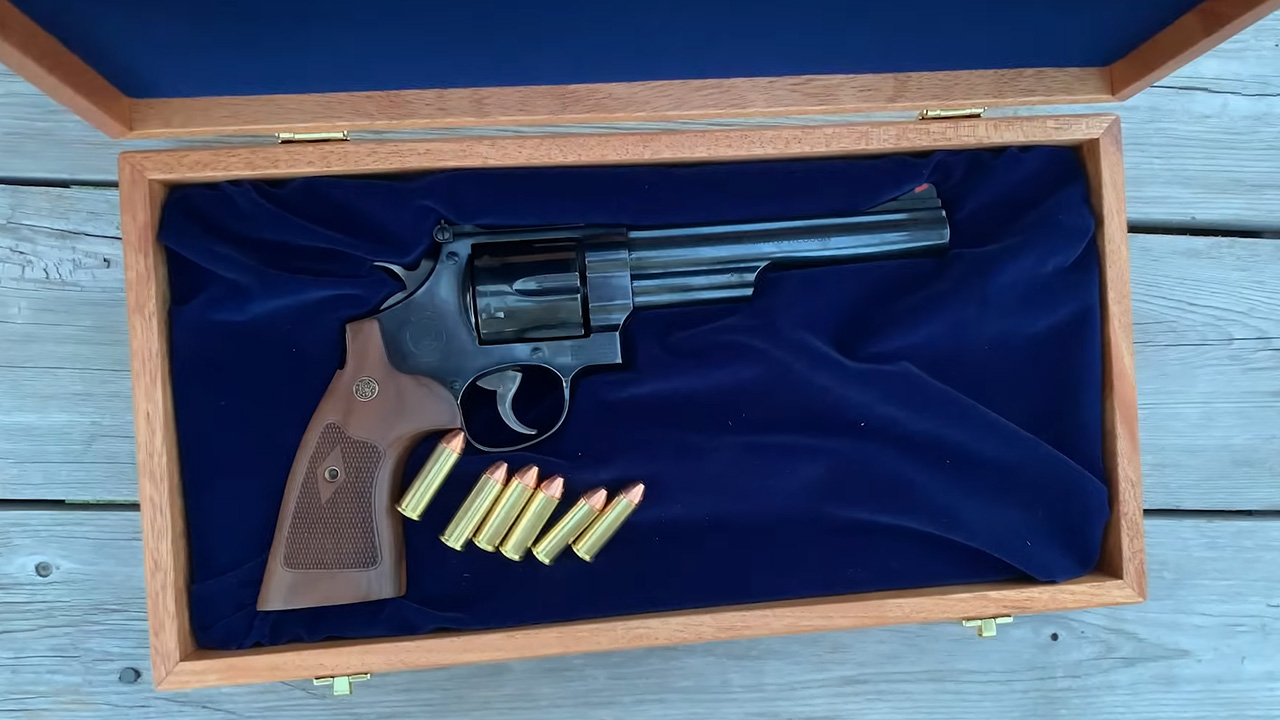
The Smith & Wesson Model 29 was always famous, but that does not mean every owner treated it like a future high-dollar piece. For years, some shooters saw .44 Magnum revolvers as big, loud, expensive-to-feed guns that were not especially practical for daily use. If the revolver sat too much, selling it made sense.
Now older Model 29s are far more appreciated, especially clean pinned-and-recessed examples and desirable barrel lengths. The revolver has pop-culture fame, classic N-frame beauty, and serious shooting appeal for people who like magnums. Former owners who sold one cheaply may now discover that replacing it costs much more than the original sale ever brought. Big revolvers have a way of becoming more desirable after people stop making them the old way.
Marlin 1894C
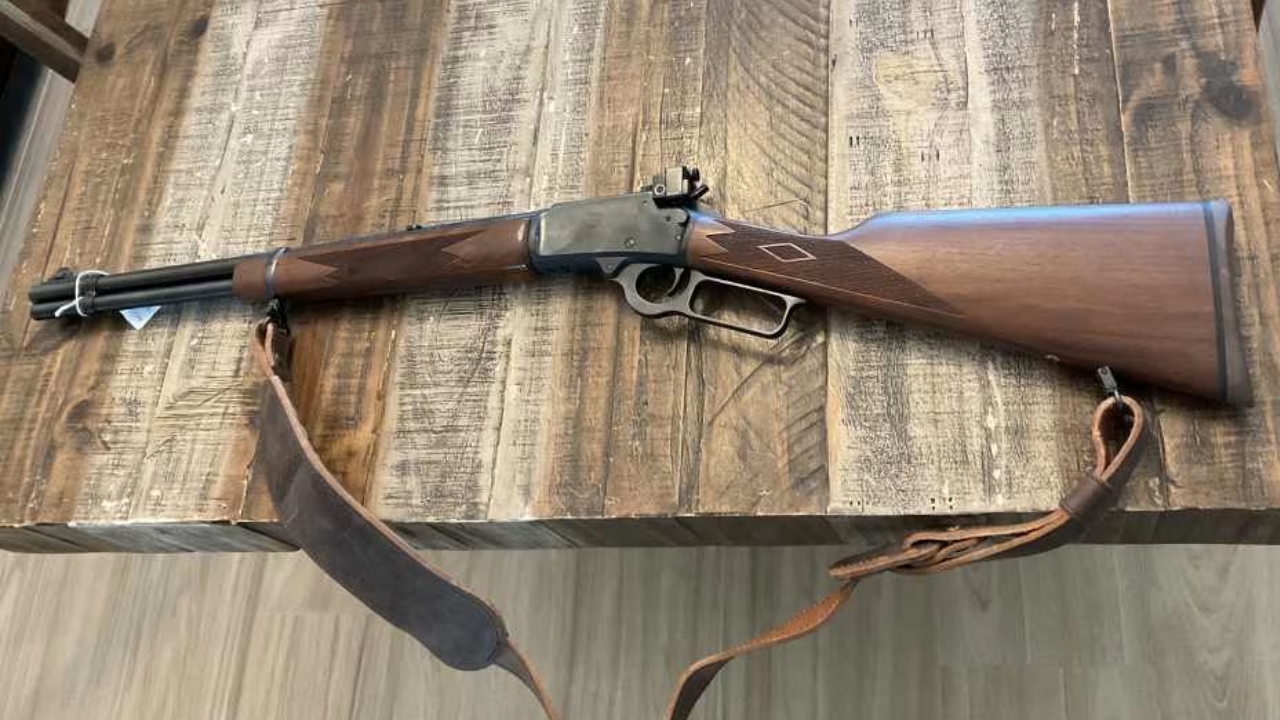
The Marlin 1894C in .357 Magnum is one of those lever guns people should not have sold cheaply. For years, pistol-caliber lever guns were fun and useful, but they did not always command the urgency they do now. A .357 lever gun might have seemed like a nice extra rather than a must-keep rifle.
Then demand surged. The 1894C offers cheap-shooting .38 Special practice, more serious .357 Magnum field use, and classic lever-action handling in a very useful package. Older Marlins, especially JM-stamped examples, became much more desirable. Former owners who sold one back when pistol-caliber carbines were less hot may now feel the burn. It is hard to replace a rifle that is useful, fun, and increasingly collectible all at once.
Ruger Old Army
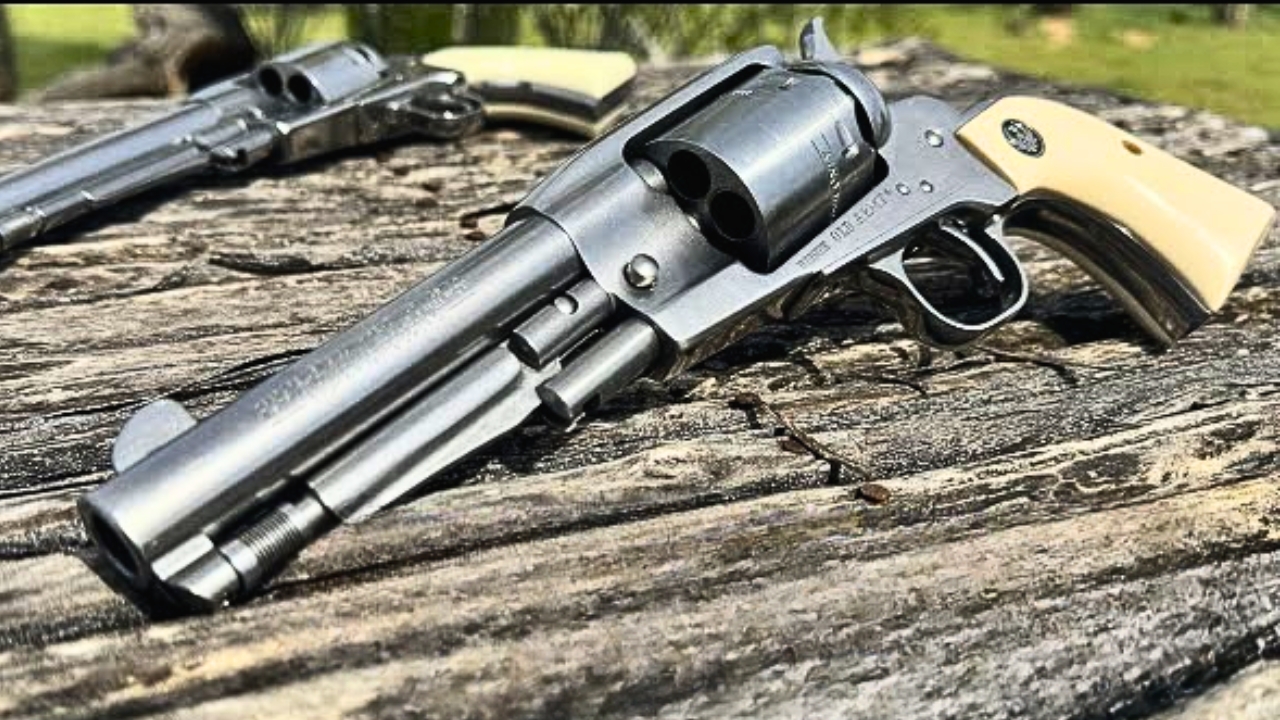
The Ruger Old Army was once just the strong, reliable percussion revolver people bought when they wanted a black-powder handgun that actually worked well. It was not cheap junk, but it also was not always treated like a future collector piece. Some owners sold them after losing interest in black powder.
That looks painful now. The Old Army has a reputation for strength, quality, and practical shootability that sets it apart from many reproduction cap-and-ball revolvers. Once discontinued, values climbed because nothing truly replaced it. Stainless versions and clean examples can be especially desirable. People who sold one cheaply may now realize they did not just sell a black-powder revolver. They sold one of the best modern percussion revolvers ever made.
Heckler & Koch P7 PSP
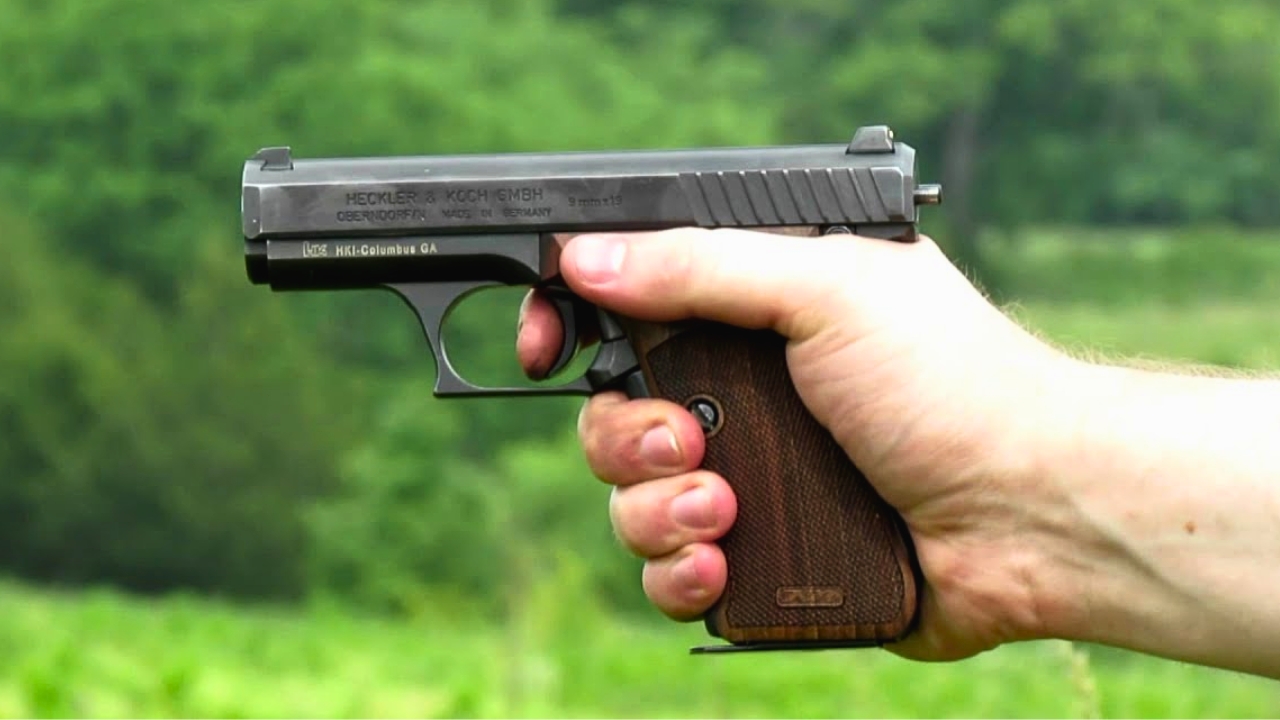
The HK P7 PSP is a classic example of a gun that moved from “weird used pistol” to “why did I not buy three?” For a time, police trade-ins made some P7 variants far more approachable than they are now. The squeeze-cocker system was unusual enough that plenty of shooters passed or sold them without much attachment.
Now the P7 PSP is highly desirable because it is mechanically fascinating, accurate, slim, and unlike anything currently made. It has quirks, including heat buildup and expensive parts concerns, but those quirks have not stopped collector interest. Former owners who sold one cheaply may still remember the exact price because it hurts. The P7 was strange when nobody wanted strange. Now strange is expensive.
Winchester Model 88
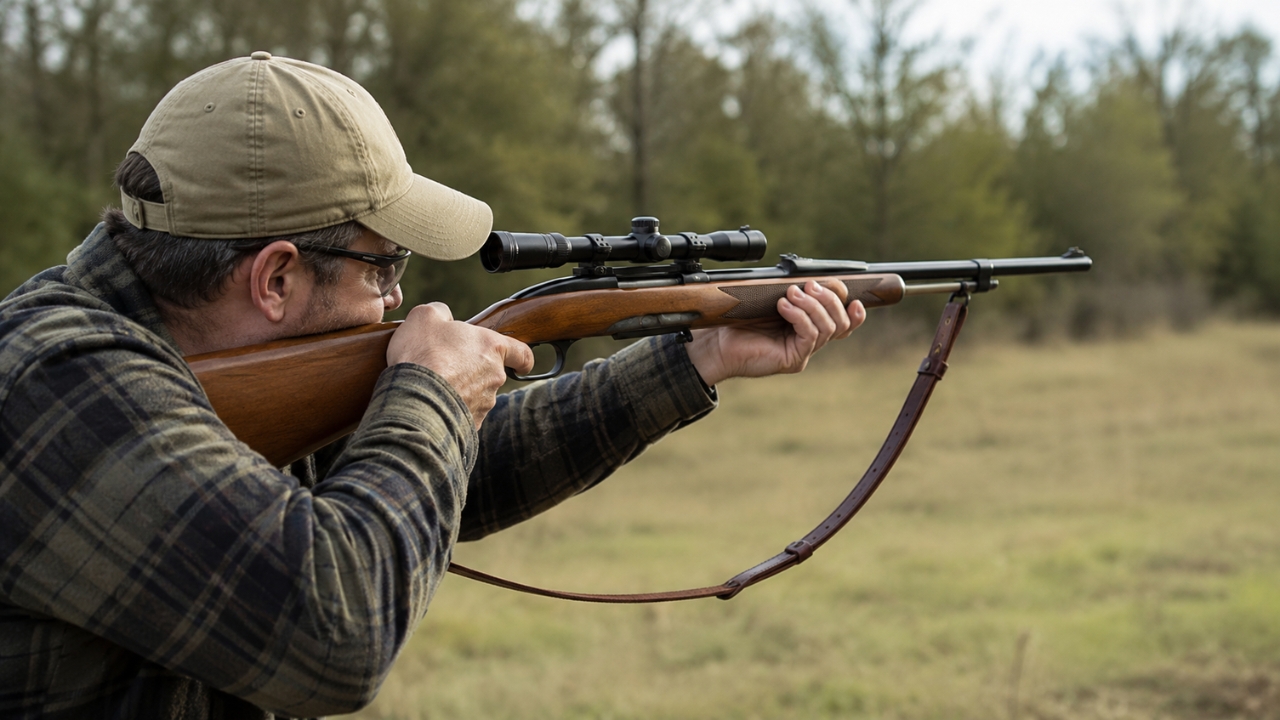
The Winchester Model 88 was one of those rifles some owners did not know how to value properly. It was a lever-action, but not in the traditional tube-fed .30-30 way. It used a rotating bolt and detachable magazine, which made it feel like a hybrid rifle from another lane entirely.
That hybrid identity has become more appealing with time. Chambered in useful rounds like .308 Winchester, .243 Winchester, .284 Winchester, and .358 Winchester depending on version, the Model 88 offered modern cartridge performance with lever-action handling. Certain chamberings and clean carbines are especially desirable. Anyone who sold one cheaply before collectors caught on may now realize they let go of a rifle that was unusual in all the right ways.
Browning Hi-Power
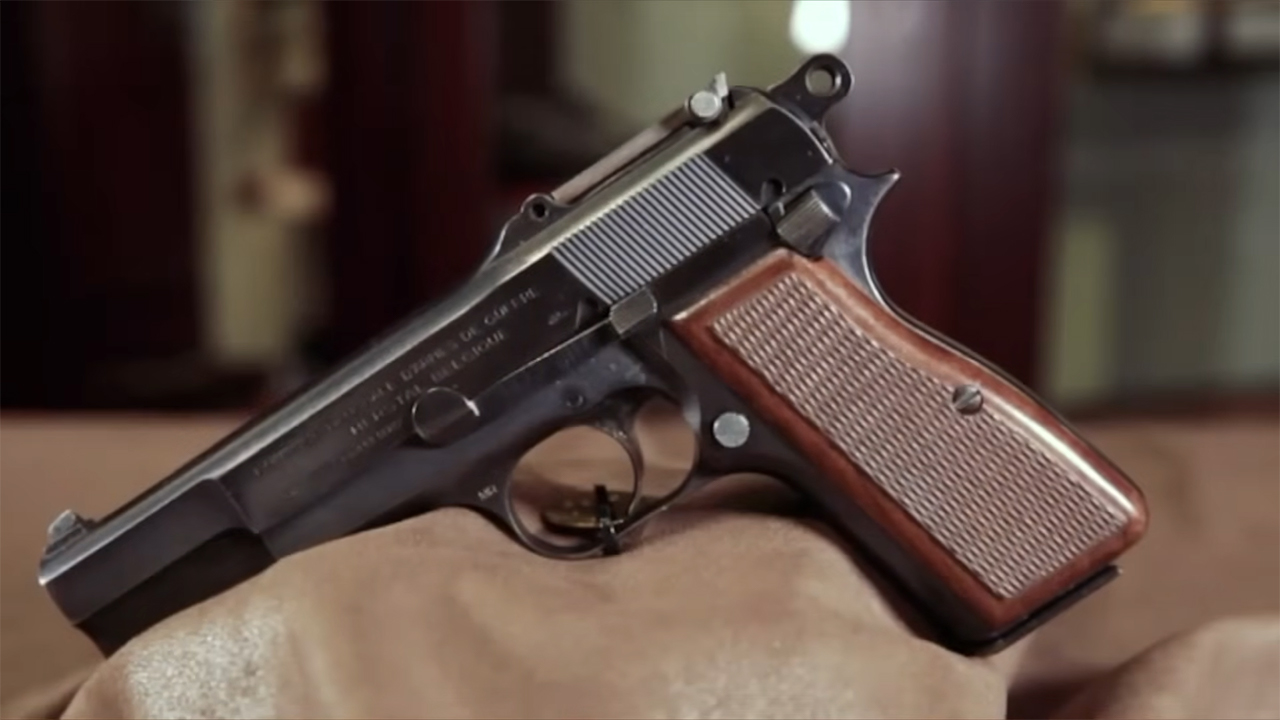
The Browning Hi-Power was once easier to find at reasonable prices, especially compared with what clean examples bring now. For years, some shooters treated it as a cool but outdated 9mm. The trigger was not always great, the sights on older guns could be small, and modern pistols made it look behind the times.
Then the classic service-pistol market got hotter. The Hi-Power’s grip, balance, history, and elegance became more appreciated, especially after original production ended. Modern clones and updated versions exist, but they do not erase demand for real Brownings and FN-marked pistols. Former owners who sold one cheaply may now wish they had ignored every spec-sheet argument. Some guns do not need modern features to become more desirable.
Remington Nylon 66
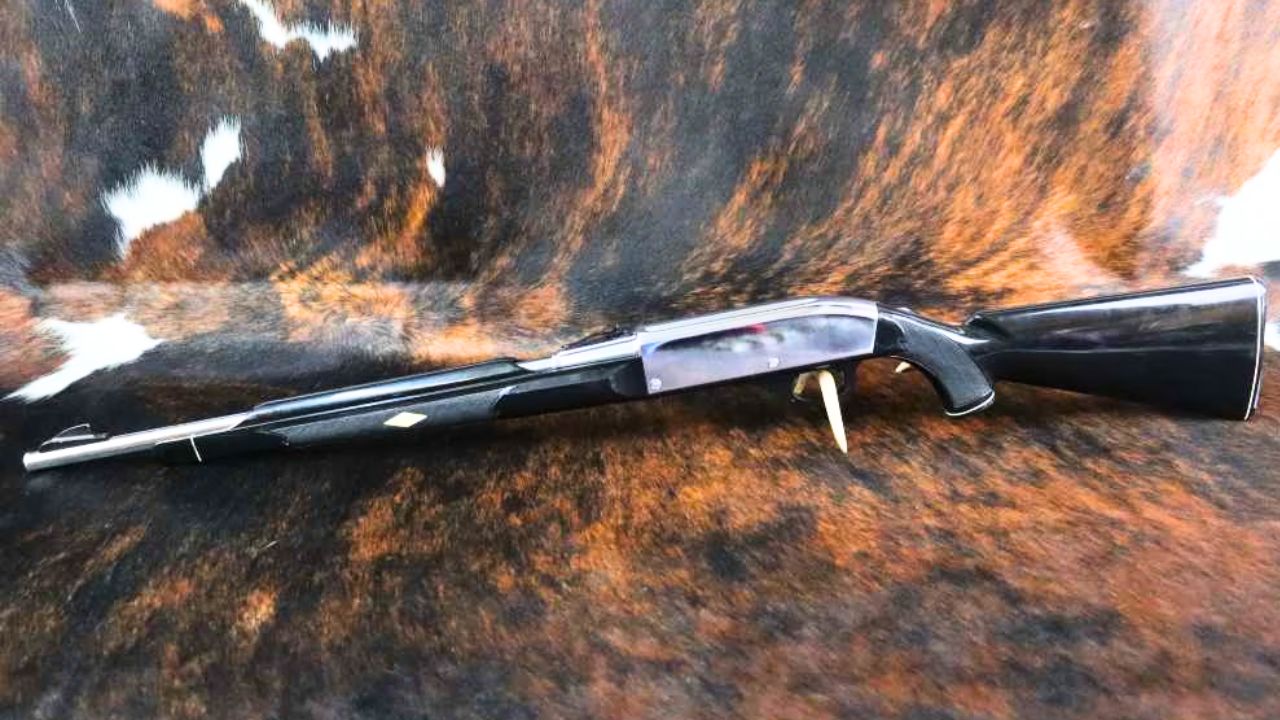
The Remington Nylon 66 is one of those rifles people sold cheaply because it looked almost toy-like. The synthetic stock, lightweight feel, and simple rimfire role made some owners underestimate it. For years, it was just a quirky .22 that worked.
Now that quirkiness is the charm. The Nylon 66 has a strong reputation for reliability, low weight, and distinctive styling. It is tied to a period when Remington was experimenting with materials in a way that now feels historically interesting. Clean examples in desirable colors can bring much more attention than former owners expected. Selling one cheaply may not have seemed foolish at the time, but finding another nice one now can make the old sale feel ridiculous.
Colt Anaconda
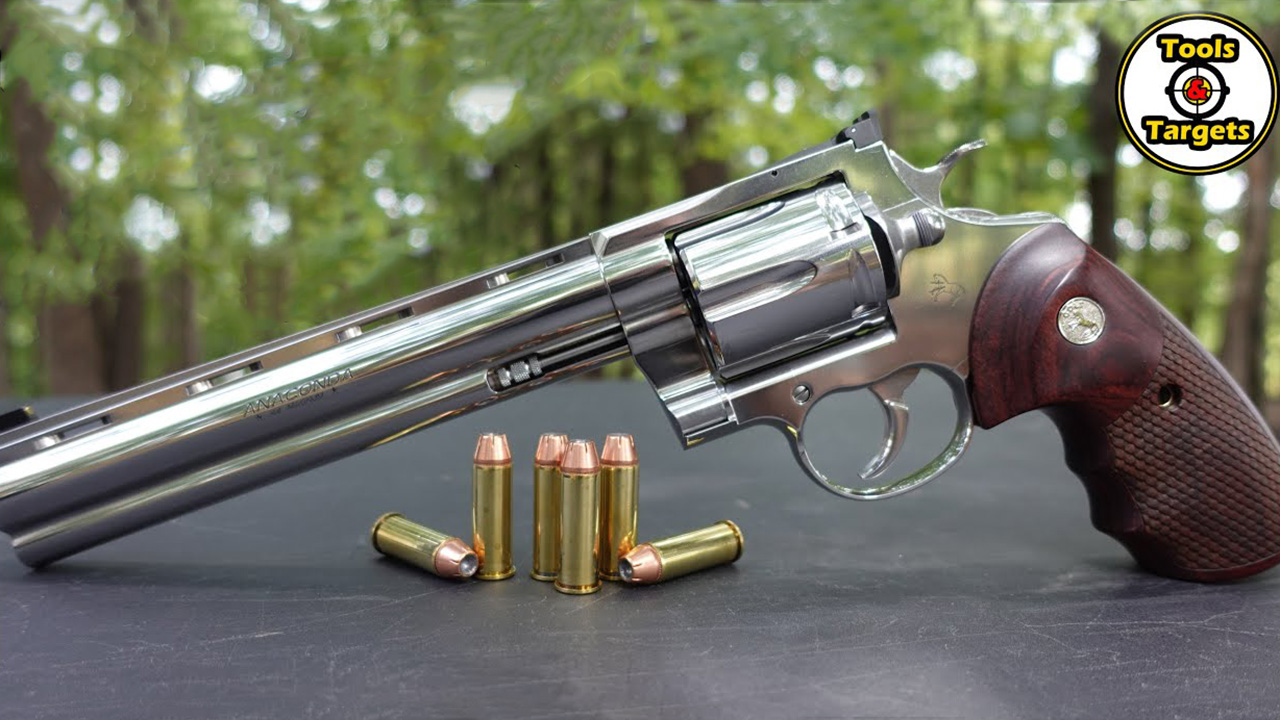
The Colt Anaconda did not always command the same feverish attention it does now. For a while, it sat behind the Python in the Colt snake-gun hierarchy, and some owners saw it as simply a big stainless magnum revolver. If they did not shoot .44 Magnum much, selling made sense.
Then Colt snake guns went wild. The Anaconda’s size, stainless construction, .44 Magnum chambering, and Colt identity made it highly desirable. Original-production examples in good condition can bring far more than many old sale prices. A former owner may tell themselves the gun was too big or expensive to feed, and that may be true. But it does not make the market regret any easier. Big Colt revolvers became serious money.
IMI Galil
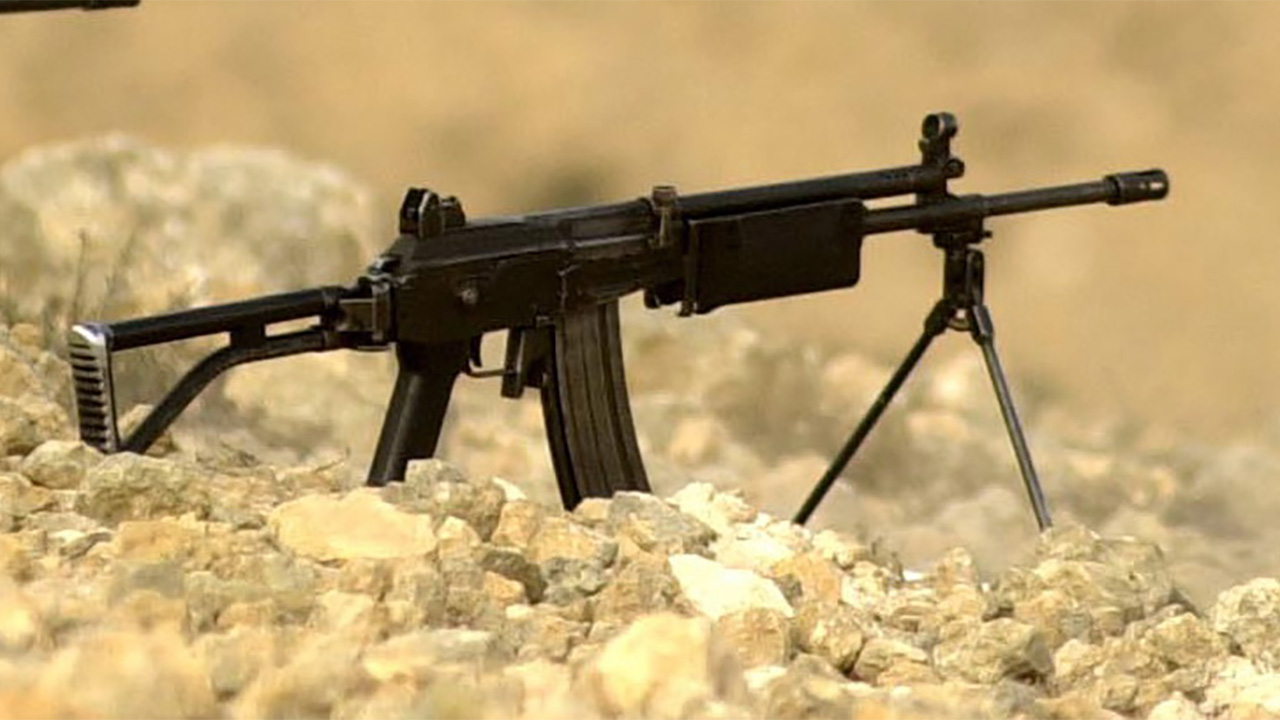
The IMI Galil is a painful cheap-sale memory for anyone who let one go before imported military-style rifles became truly expensive. It was always respected, but there was a time when some shooters saw it as a heavy AK-derived rifle in a market with other choices. If the weight bothered them, they sold it.
Now original IMI Galil rifles have major collector appeal. They offer Israeli military history, rugged construction, and a distinctive design that stands apart from typical AKs and ARs. Modern Galil variants are excellent in their own right, but they do not replace the appeal of an original import. Owners who sold one cheaply may not have known what import scarcity would do. That is the cruel part of collectible firearms: the lesson usually arrives after the sale.
Smith & Wesson Model 13
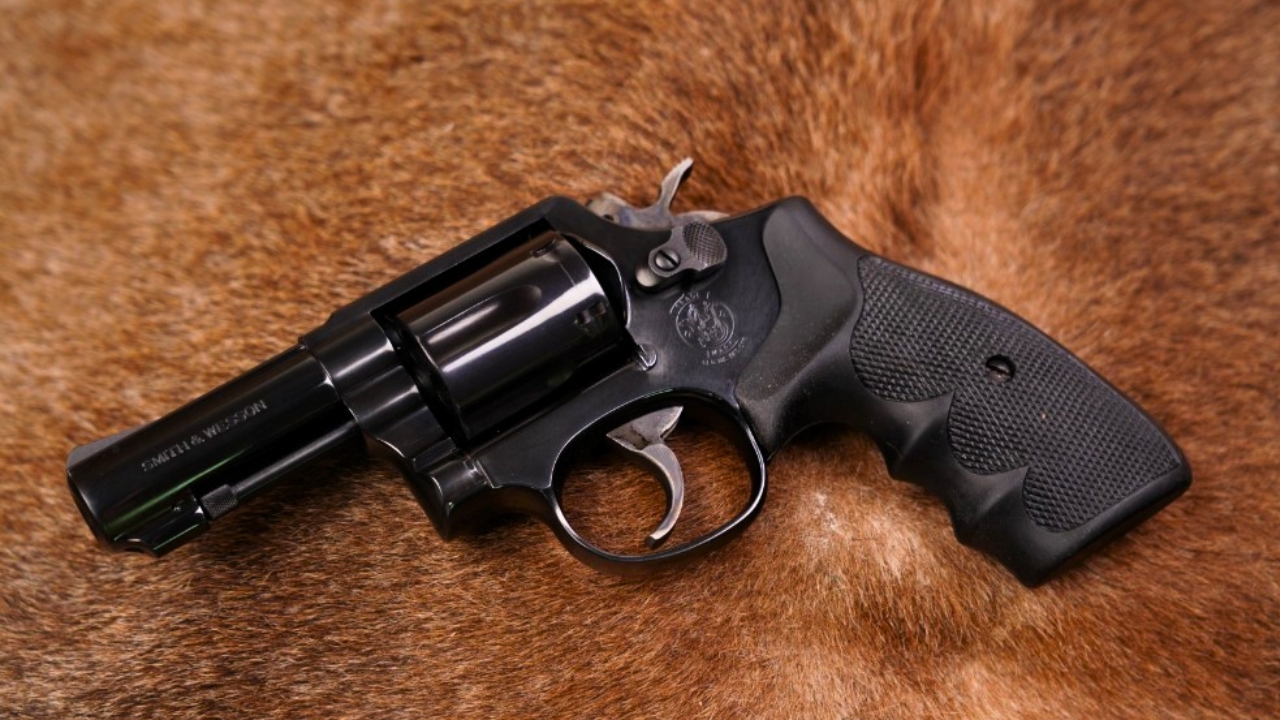
The Smith & Wesson Model 13 was once a working .357 Magnum revolver, not a precious collectible. Fixed sights, K-frame size, and serious utility made it popular with people who wanted a no-nonsense magnum. Police and agency use also helped keep them visible for years.
Now clean Model 13s are far more respected. They have the same basic appeal that made them great working guns: simplicity, balance, and enough power without unnecessary bulk. The fixed sights are not a drawback to everyone; they are part of the rugged charm. Former owners who sold one cheaply may now realize they let go of one of the best plainclothes-style .357 revolvers Smith & Wesson ever made. A good working gun often becomes collectible after the work is done.
Ruger PC9 Carbine
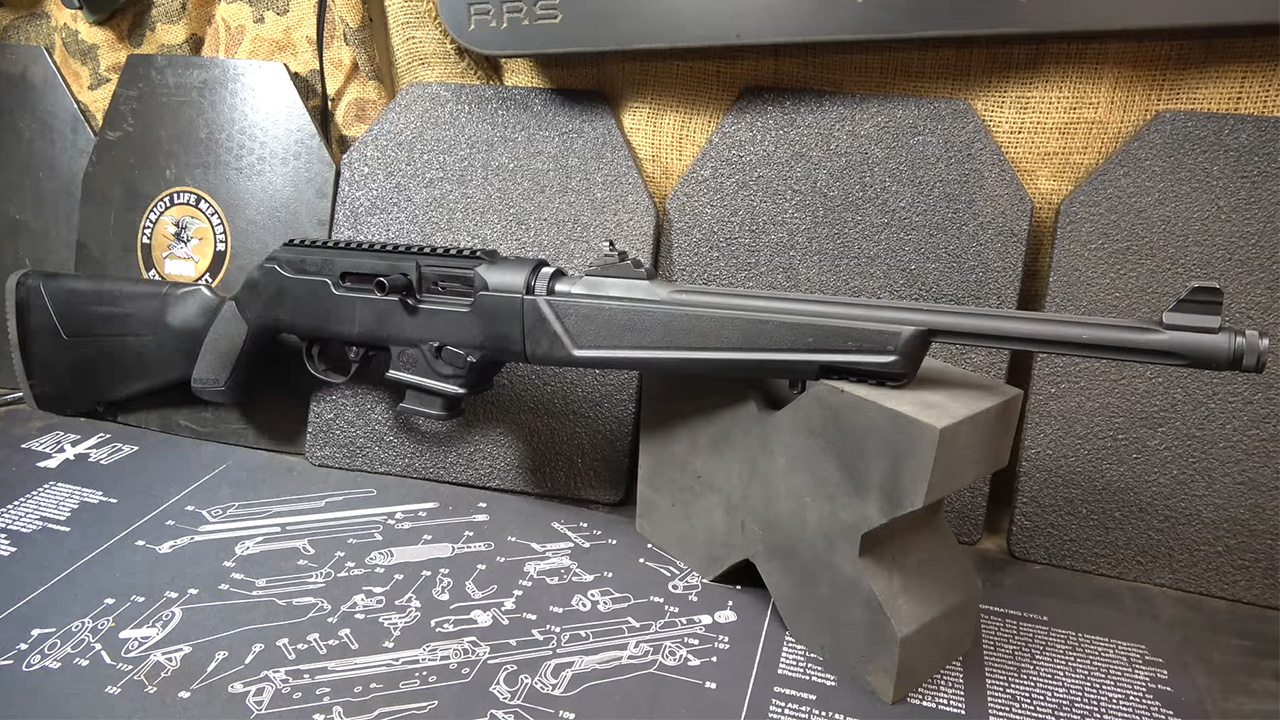
The original Ruger PC9 Carbine was easy to overlook before the pistol-caliber carbine market heated up. It looked utilitarian, even a little awkward, and it did not have the modern modular appeal of today’s PCCs. Some owners sold them because they seemed outdated.
Then PCCs got popular again, and the old PC9 started looking smarter. It was rugged, used common Ruger pistol magazines depending on setup, and offered mild recoil with practical carbine handling. It was not glamorous, but it filled a role the market later rediscovered. Former owners who sold one for modest money may now look at modern PCC shelves and realize Ruger had already built something useful years earlier.
Browning BLR
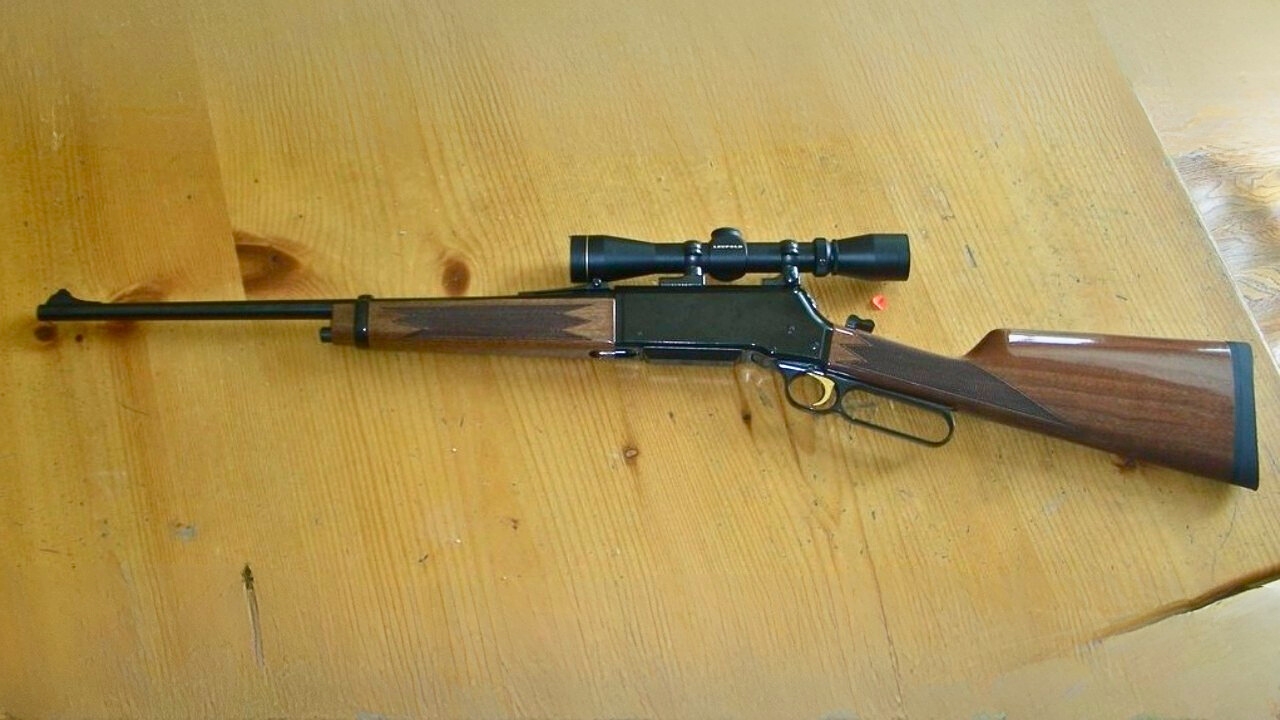
The Browning BLR is a rifle some people sold cheaply because it never fit the traditional lever-action image. It was more expensive than basic lever guns, more complex, and chambered for modern cartridges through its detachable magazine system. Some hunters liked the idea, while others did not quite know what to make of it.
As time passed, the BLR’s uniqueness became more valuable. It gives hunters lever-action speed with cartridges like .308 Winchester, .270 Winchester, .30-06 Springfield, and others depending on model. It is especially appealing to people who want a lever gun without being limited to traditional flat-nose cartridges. Clean older examples and desirable chamberings are not casual finds anymore. Anyone who sold one cheaply may now understand that unusual designs can become more desirable once the market runs out of substitutes.
Like The Avid Outdoorsman’s content? Be sure to follow us.
Here’s more from us:


