Photo credit: AvidOutdoorsman
It started like a lot of rural trouble does: a dog barking hard at an hour when nobody has any business being outside, a motion light clicking on, and that gut feeling that something isn’t right. The homeowner had a small place on the edge of timber and pasture—close enough to town to get deliveries, far enough out that sheriff’s deputies don’t teleport to your driveway.
By sunrise, the situation looked “handled” in the criminal sense. By winter, it turned into a half-million-dollar problem in civil court.
The break-in wasn’t a “bump in the night” story for long
The homeowner reportedly woke to glass breaking near a mudroom door that faced the back yard. That’s the side most folks use after checking trail cameras, putting feed out, or coming in with muddy boots. It’s also the side burglars like because it’s dark, quiet, and not facing the road.
When the homeowner moved down the hall, he saw a figure inside and heard more than just rummaging. Cabinets opened, something metal clattered, and a door to a bedroom area started to move. That’s where a lot of people draw a hard line—once someone is inside and moving deeper into the home, it stops feeling like “property” and starts feeling like “people.”
The homeowner fired, and deputies treated it like self-defense
According to the initial report, the homeowner called 911 while moving to a safer position and warned the intruder to leave. The intruder didn’t. A short confrontation followed, and the homeowner fired, striking the intruder.
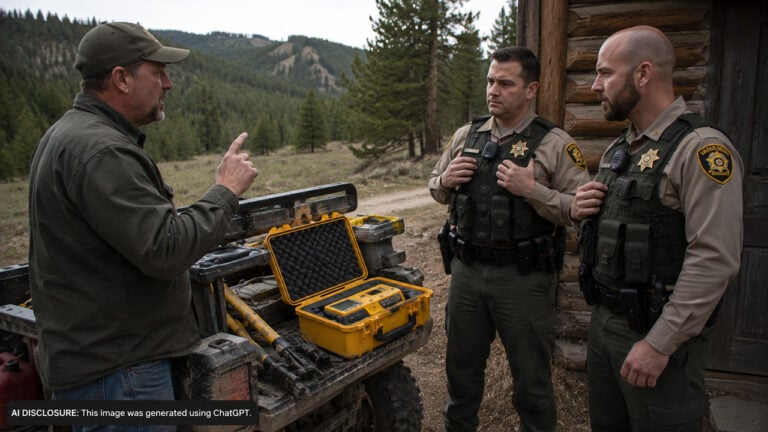
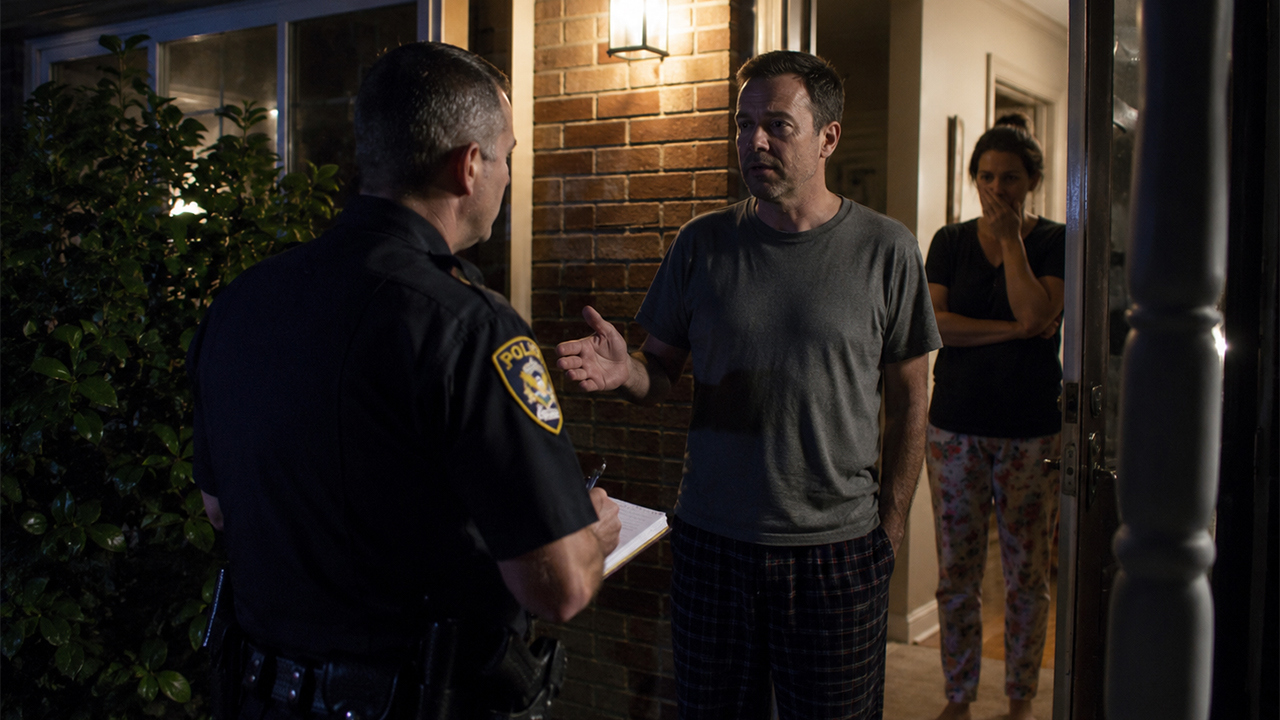
Deputies arrived quickly enough to secure the scene and render aid. They separated the homeowner, collected the firearm, photographed the entry point, and went through the usual questions that feel blunt when you’ve just lived through a nightmare. After detectives reviewed the early facts—forced entry, an unlawful presence inside the home, and the homeowner’s statement matching the physical evidence—the homeowner wasn’t arrested.
That same night, the homeowner was told he was cleared criminally. In plain terms, law enforcement didn’t see probable cause for charges based on the state’s self-defense standards and the circumstances of the break-in.
Six months later, the fight moved from “charges” to “money”
Here’s the part that surprises a lot of folks the first time they see it happen: being cleared by police doesn’t prevent a lawsuit. Civil court is a different lane. It’s about liability and damages, and the burden of proof is different than a criminal case.
About six months after the shooting, the intruder’s family filed a wrongful death and personal injury lawsuit seeking roughly $500,000. The filing argued the homeowner used unreasonable force, escalated the encounter, or could have retreated. It also leaned into the idea that the intruder may have been unarmed, impaired, or “not a threat” in the moment shots were fired.
That’s a familiar playbook. In civil claims like this, plaintiffs often aim at anything that might sound emotionally persuasive to a jury that wasn’t there at 2 a.m.—lighting, distances, whether doors were locked, whether the homeowner “went looking” instead of hunkering down, and how many times the homeowner fired.
What really gets picked apart: doors, distances, and decisions
Most hunters and gun owners understand the practical part of home defense: you don’t get to pick the time, and you don’t get a clean backstop like you do on a range. But civil court will still scrutinize it like a slow-motion replay.
Expect attorneys to dig into the floorplan. Was the homeowner between the intruder and an exit, or was the intruder between the homeowner and family bedrooms? Were there kids in the house? Was the homeowner moving toward the threat or away from it? How far apart were they when shots were fired? Did the homeowner have a light on? Did the intruder have a weapon, or was the homeowner responding to movement and fear?
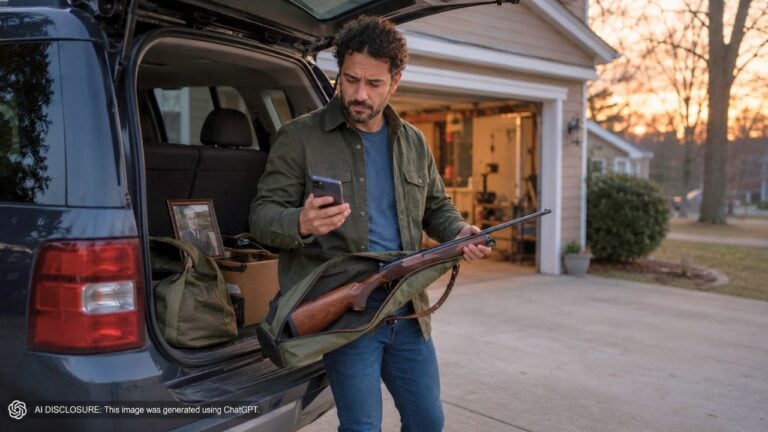
Even things outdoorsmen don’t think twice about—like leaving boots, a jacket, or a shotgun case by the back door—can get spun. Plaintiffs may argue it shows “readiness” or “intent.” Defense attorneys, on the other hand, call it normal life in a house where people hunt, work odd hours, and keep a firearm accessible because response times aren’t guaranteed.
Commenters didn’t argue about guns as much as they argued about documentation
When this kind of case makes the rounds, you’ll see the same themes pop up fast. A lot of people aren’t debating whether a homeowner has a right to defend himself—they’re debating how to keep the second punch from landing later.
Trail cameras came up, especially for rural properties where trespassing and prowling aren’t rare. So did hardwired cameras and doorbell cams, the kind that capture the approach, the forced entry, and the exact timing of events. Commenters also harped on lighting, because good floodlights can turn a shadowy “who is that?” into a clear “you’re in my house” picture for both you and a jury.
Another big one was the 911 call. Folks who’ve been around self-defense cases know that recorded calls can help or hurt depending on what gets said. Calm, clear reporting and repeated requests for police and medical help tend to play better than angry statements. The online crowd also reminded people to keep their mouths shut after the basics are covered—give the necessary information, request an attorney, and don’t try to narrate every detail while adrenaline is still running the show.
The outdoorsman takeaway: winning the first night doesn’t end the ordeal
This is where a lot of responsible gun owners get caught flat-footed. You can do everything right in the moment—lock doors, call 911, defend yourself from an unlawful intruder—and still end up paying for legal help months later when paperwork shows up.
The practical lesson isn’t “don’t defend yourself.” It’s to think about the full chain of consequences. Cameras and lighting aren’t just gadgets; they’re evidence. A simple exterior camera that shows forced entry and an intruder’s path can be the difference between a clean dismissal and a long, expensive fight.
It’s also a reminder to understand your state’s self-defense and civil liability framework. Some states provide strong civil immunity when a shooting is ruled justified. Others leave more room for a lawsuit to grind forward even if the homeowner did not face criminal charges. That difference matters, and it’s worth knowing before trouble ever shows up on your porch.
Out in the country, folks are used to handling problems themselves—fixing fences, running off coyotes, dealing with trespassers during deer season. But when an intruder crosses the threshold of your home, the aftermath can drag on long after the deputies leave. The best move is to be prepared for both parts: staying alive in the moment, and staying protected when the lawyers come knocking later.
Like The Avid Outdoorsman’s content? Be sure to follow us.
Here’s more from us: