Photo credit: Tac 2 Weapons For The 2nd Amendment 1789/YouTube
Some guns have loyal defenders right up until the excuses start getting harder to make. At first, owners blame the ammo, the magazine, the break-in period, the shooter, the cleaning schedule, or anything else that keeps the gun from taking the hit. Nobody wants to admit they spent good money on something that does not hold up.
Then reality catches up. The same problems keep showing up. The same complaints keep sounding familiar. A gun can have a famous name, a loyal fan base, or a long reputation and still wear people down once they have to live with it. These are the guns shooters often defend hard at first, then quietly stop defending later.
Kimber Solo

The Kimber Solo had the kind of look that made people want it to work. It was small, sleek, and carried the Kimber name at a time when shooters were chasing compact 9mm carry guns hard. Plenty of buyers defended it early because it felt more refined than the plastic pocket pistols sitting nearby.
The problem was that the Solo asked for too many excuses. It could be picky about ammo, sensitive to grip, and frustrating when it did not feed or cycle cleanly. Once smaller 9mm pistols became more reliable and easier to live with, defending the Solo got harder. A carry gun can be pretty, but it has to run.
Remington R51

The Remington R51 had defenders because the idea was interesting. It was slim, different, and based around an action that gave it a low bore axis and unusual feel. Some shooters wanted badly for it to be the comeback pistol Remington needed.
Then the real-world problems became too loud. Early guns had serious reliability and quality-control issues, and even the later version never fully shook the bad reputation. Owners could talk about the concept all day, but a defensive pistol needs trust first. Once trust is gone, the engineering story does not carry much weight.
Taurus Curve

The Taurus Curve was one of those guns that made people argue before they ever shot it. The curved frame, built-in light and laser, lack of traditional sights, and odd carry concept gave defenders plenty to explain. Some liked that Taurus was trying something different instead of copying everyone else.
Different only helps if the result works better. The Curve was awkward for many shooters, chambered in .380 ACP, and built around a carry idea that never really caught on. Once the novelty wore off, even people who appreciated the attempt had trouble defending it as a serious everyday pistol.
Springfield Armory XD-E
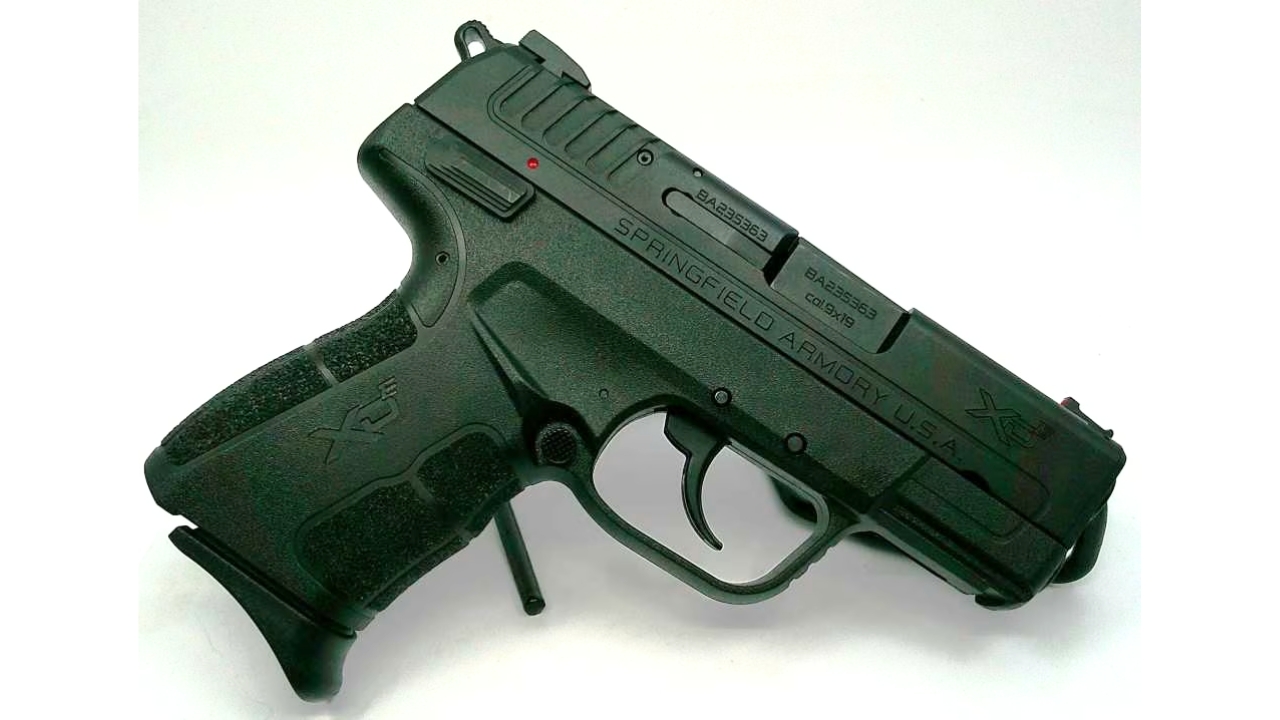
The Springfield XD-E sounded good to shooters who wanted a slim carry gun with a hammer, double-action first shot, and manual controls. It had a real niche, especially for people who did not want another striker-fired compact. Early defenders liked that it offered something different.
Over time, the gun became harder to justify. The trigger system took practice, the slide was tall, and the pistol never felt as easy to shoot or carry as many newer options. When slim striker-fired guns got better, lighter, and higher capacity, the XD-E started feeling like a solution to a problem fewer shooters still had.
SIG Sauer P250
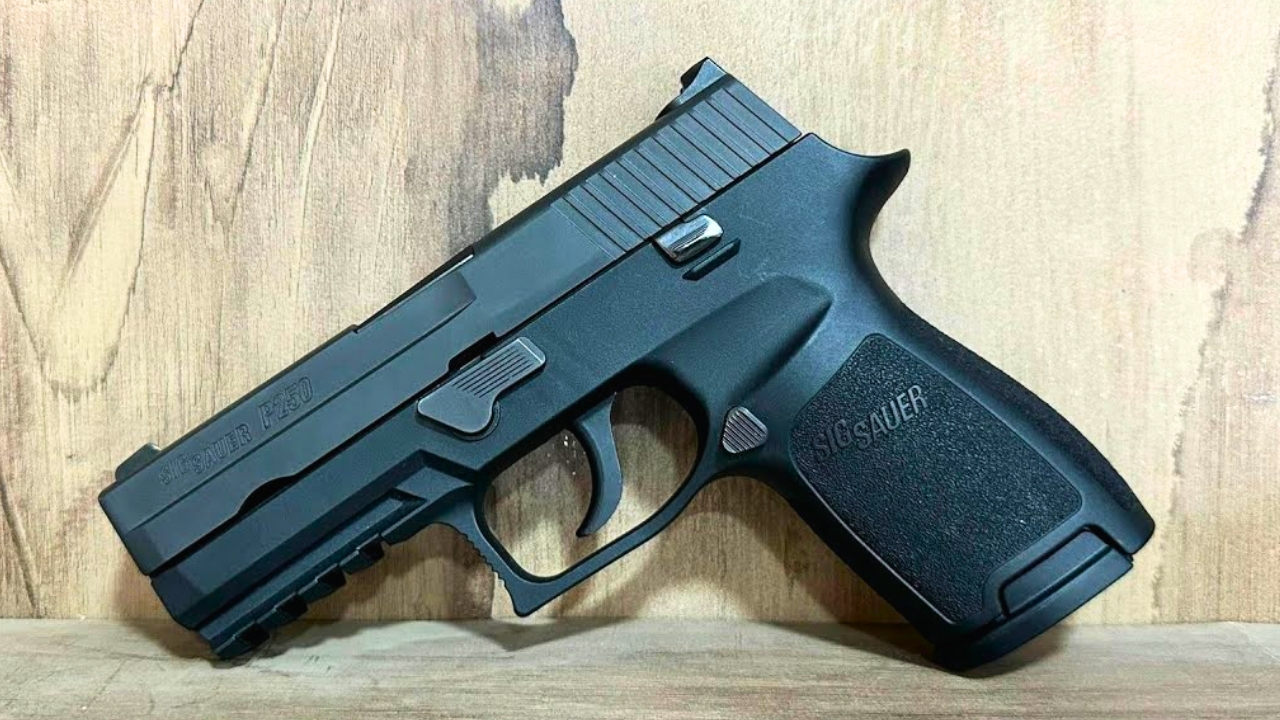
The SIG P250 had a good argument on paper. A modular, hammer-fired pistol with interchangeable grip frames and calibers sounded practical before modular pistols became common. Defenders liked the smooth double-action-only trigger and the idea of one fire-control unit doing several jobs.
The problem was that most shooters did not want a long DAO trigger on a modern service pistol. The P250 was not terrible, but it felt slow and dated next to striker-fired guns with shorter, easier triggers. Once the P320 arrived and did the modular thing in a more popular way, the P250 became much harder to defend.
Remington 770
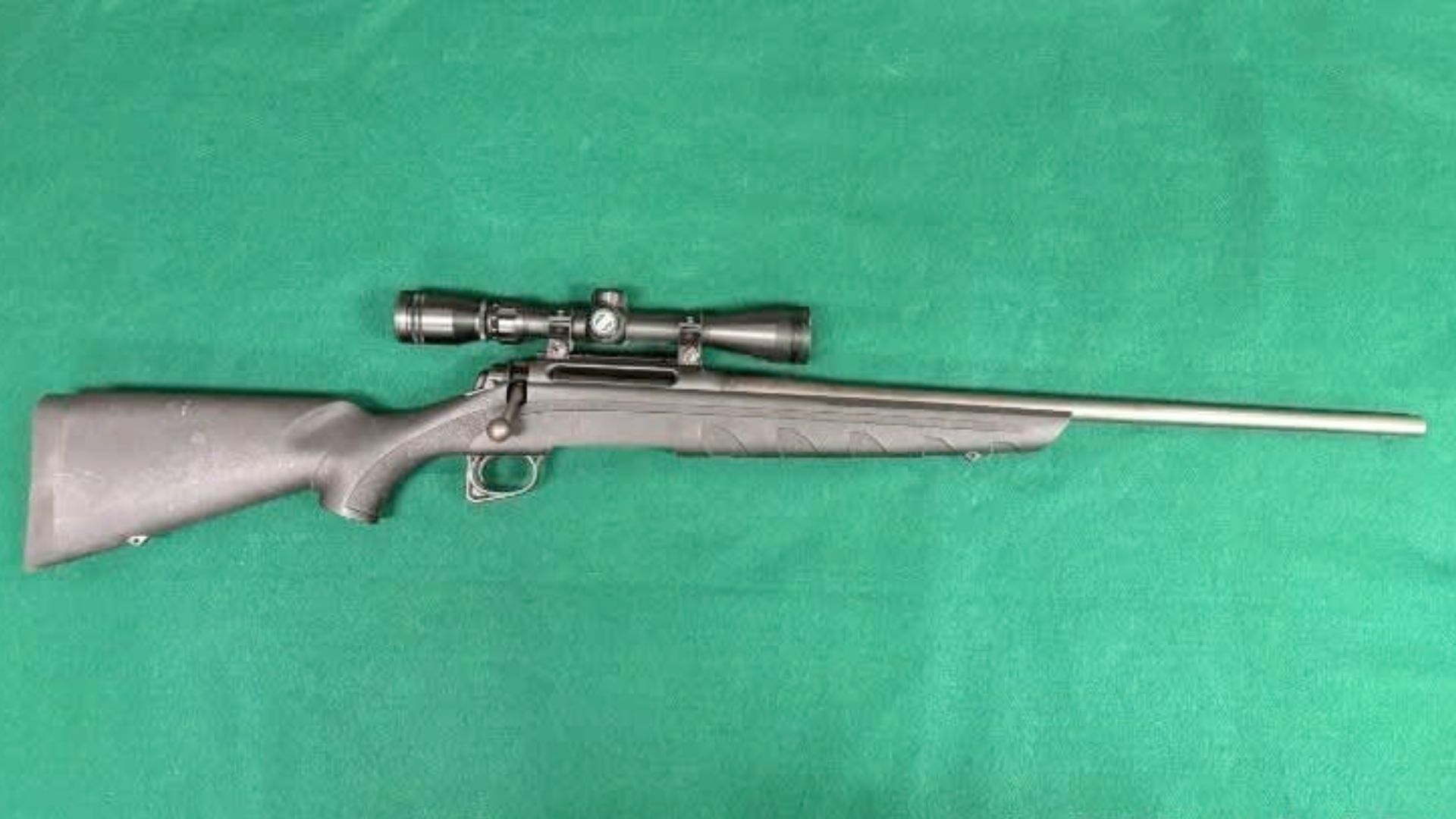
The Remington 770 had defenders because it was cheap and wore the Remington name. Some hunters argued that not every rifle needed to be pretty, smooth, or built like a Model 700. For someone who needed a basic deer rifle on a tight budget, that argument had some pull.
Then people started comparing it to other budget rifles that simply felt better. The 770’s rough action, cheap stock feel, and uneven reputation made it hard to keep defending once rifles like the Ruger American and Savage Axis proved cheap did not have to mean miserable. Low price can explain a lot, but not everything.
Mossberg 464 SPX
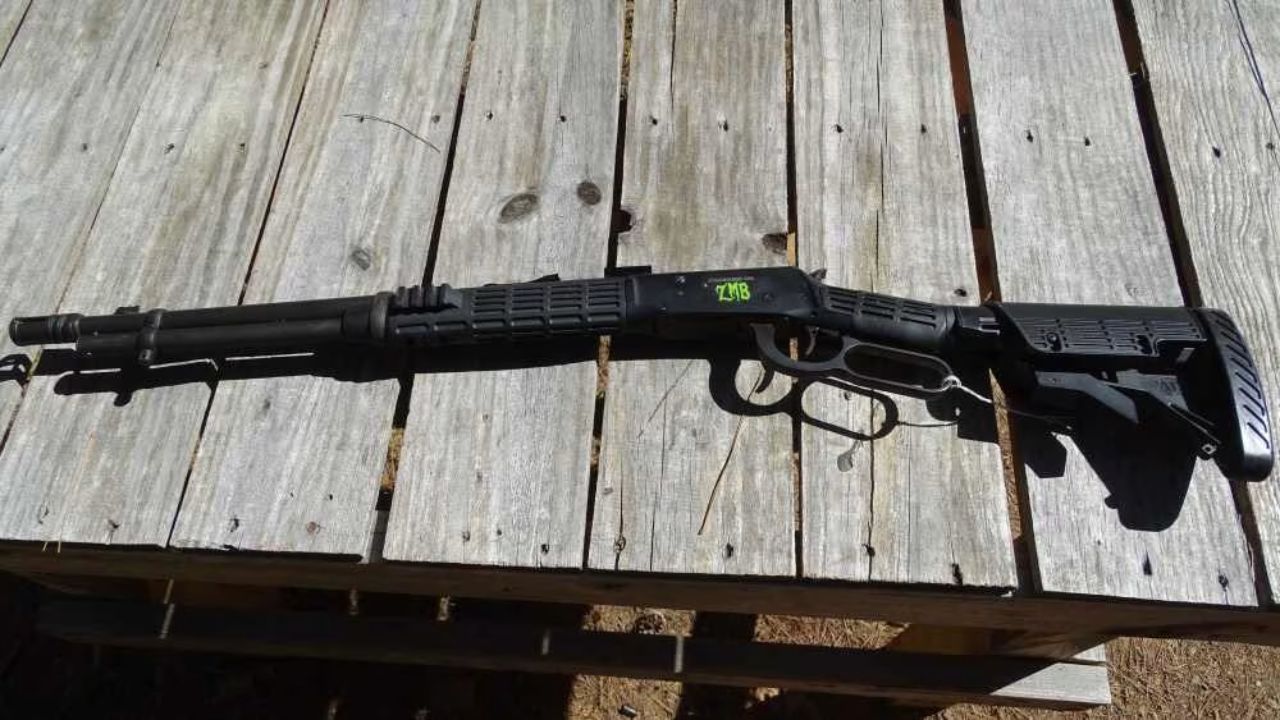
The Mossberg 464 SPX had defenders because it tried to modernize a lever gun. In theory, a tactical-style .30-30 with rails and adjustable furniture could appeal to shooters who wanted old-school function with modern accessories. Some people liked that it broke tradition.
The problem was that it looked awkward and did not offer enough benefit to justify the weirdness. Traditional lever-gun fans did not want it, and tactical rifle buyers had better options. Once the shock value faded, the 464 SPX became one of those rifles people mentioned more as a joke than a serious answer.
Colt All American 2000

The Colt All American 2000 had a famous name behind it and came from a company people wanted to see succeed in the modern pistol market. A polymer-framed 9mm from Colt should have been a bigger deal. Early defenders could point to the ambition and the timing.
But the execution did not hold up. The trigger was widely disliked, the pistol felt awkward to many shooters, and reliability complaints damaged its reputation. Colt had the brand power, but that only made the disappointment louder. After enough range time, there was not much left to defend except the fact that it was interesting historically.
Smith & Wesson SW9VE

The Smith & Wesson SW9VE had plenty of defenders because it was affordable, simple, and usually reliable enough for basic use. Owners argued that people were too focused on the ugly styling and heavy trigger. For the money, it did put a working 9mm in a lot of hands.
Still, the trigger wore people down. Once better budget pistols became common, the old argument lost strength. A shooter could buy a handgun with better ergonomics, a better trigger, and similar reliability without spending much more. The SW9VE may still function, but defending it as a good choice became tougher with time.
KelTec PF-9
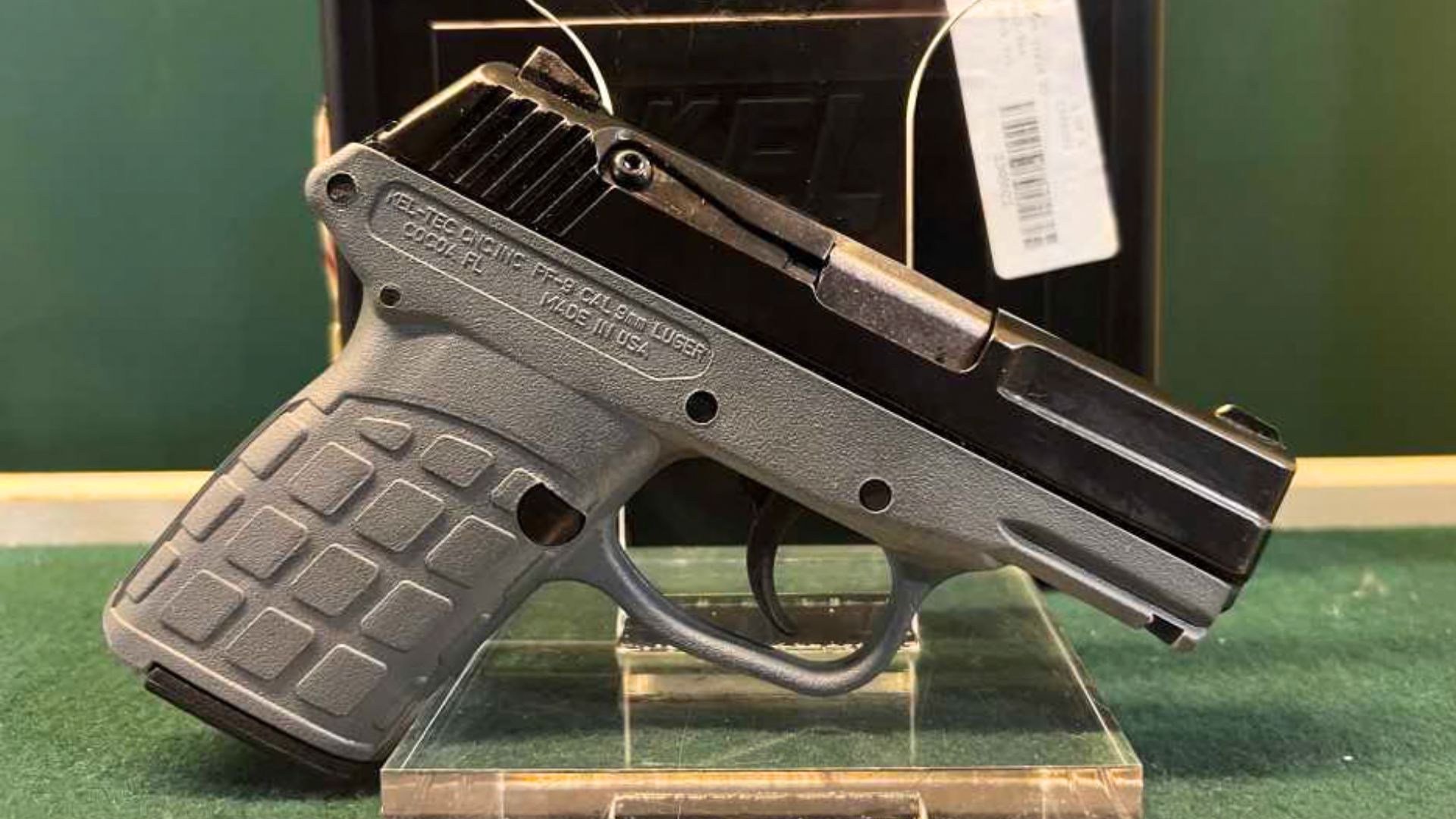
The KelTec PF-9 earned defenders because it was thin, light, and easy to conceal before the micro-compact market exploded. For a while, that mattered. It gave people a very carryable 9mm at a price regular shooters could reach.
Then shooters got better options. The PF-9 could be unpleasant to shoot, rough around the edges, and less forgiving than newer carry pistols. Once guns like the Shield, Glock 43, and later higher-capacity micro 9s became normal, the PF-9 started feeling like something you endured rather than enjoyed. Its old advantage faded fast.
Para-Ordnance LDA Pistols
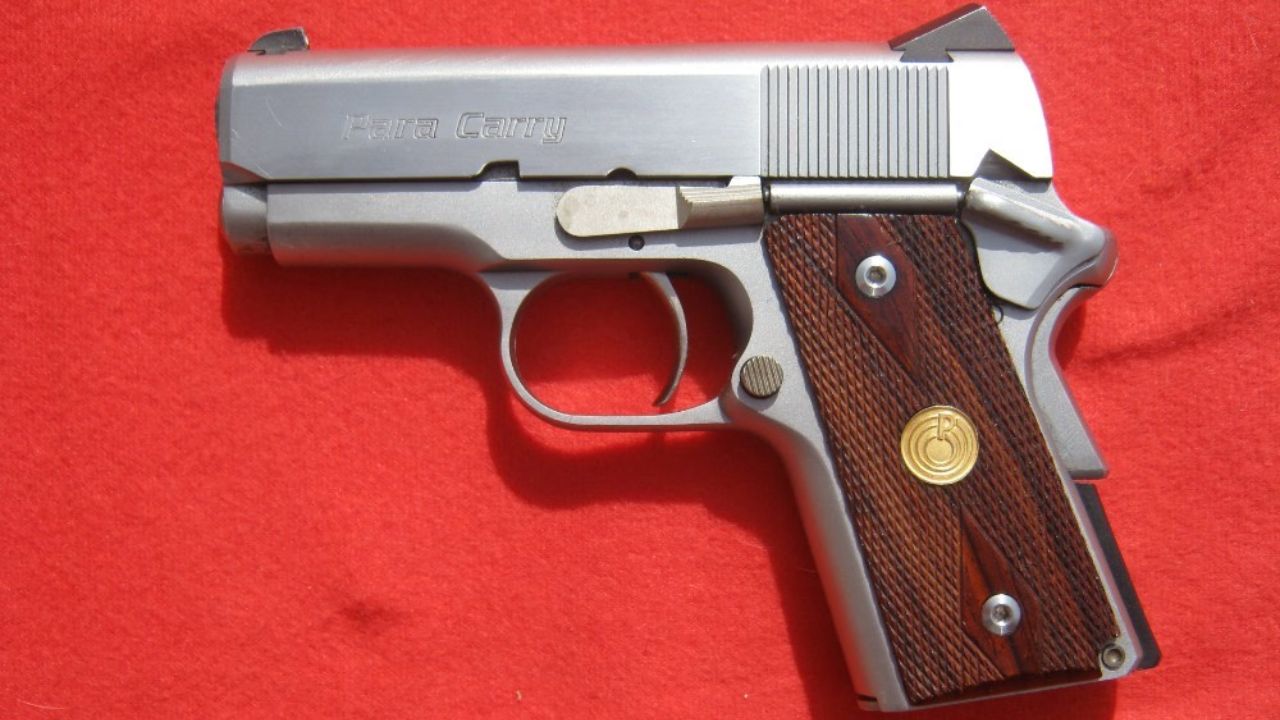
The Para LDA pistols had a loyal crowd because the trigger system was unusual and genuinely interesting. A light double-action-style pull in a 1911-pattern pistol sounded like a smart answer for carry. Some shooters liked the idea of a 1911 feel without the normal single-action manual of arms.
The trouble was complexity and confidence. The LDA system was not as simple as a standard 1911, and the guns could be more complicated to service or troubleshoot. Once shooters had better carry options with simpler systems, defending the LDA became harder. Clever does not always mean better for a defensive handgun.
Winchester SXP

The Winchester SXP gets defended because it is fast, affordable, and wears a respected name. Plenty of hunters and shotgun owners like the way the action seems to help itself open under recoil. For a budget pump, it can feel lively and quick.
The complaints start when people compare it to older Winchester pumps or proven workhorses like the Mossberg 500 and Remington 870. Some shooters do not love the feel, finish, or long-term confidence of the Turkish-made setup. It is not useless, but the more people expect old Winchester magic, the harder it gets to defend.
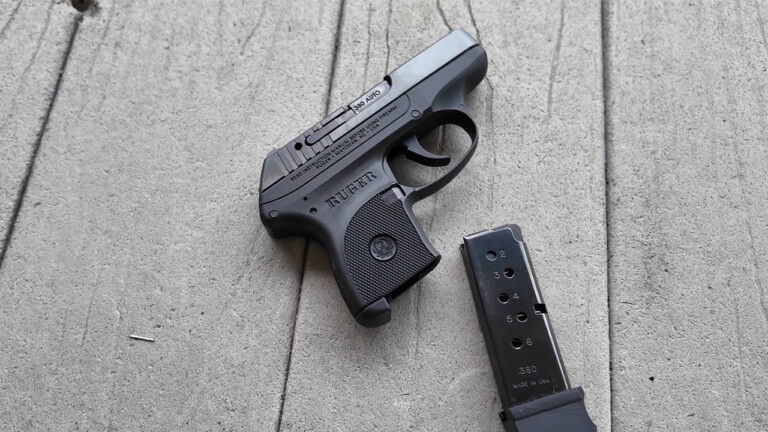
Ruger LC9

The original Ruger LC9 had defenders because it was slim, affordable, and came from Ruger at a time when people wanted small 9mm carry guns badly. It carried easily, disappeared under light clothing, and made sense for shooters who wanted more than .380 ACP.
Then the trigger became the sticking point nobody could ignore. The long, heavy pull made it harder to shoot well, especially compared to later striker-fired versions and newer carry pistols. The LC9 helped fill an important gap, but once the LC9s and other better-shooting micro pistols arrived, defending the original got tough.
I.O. Inc. AK Rifles
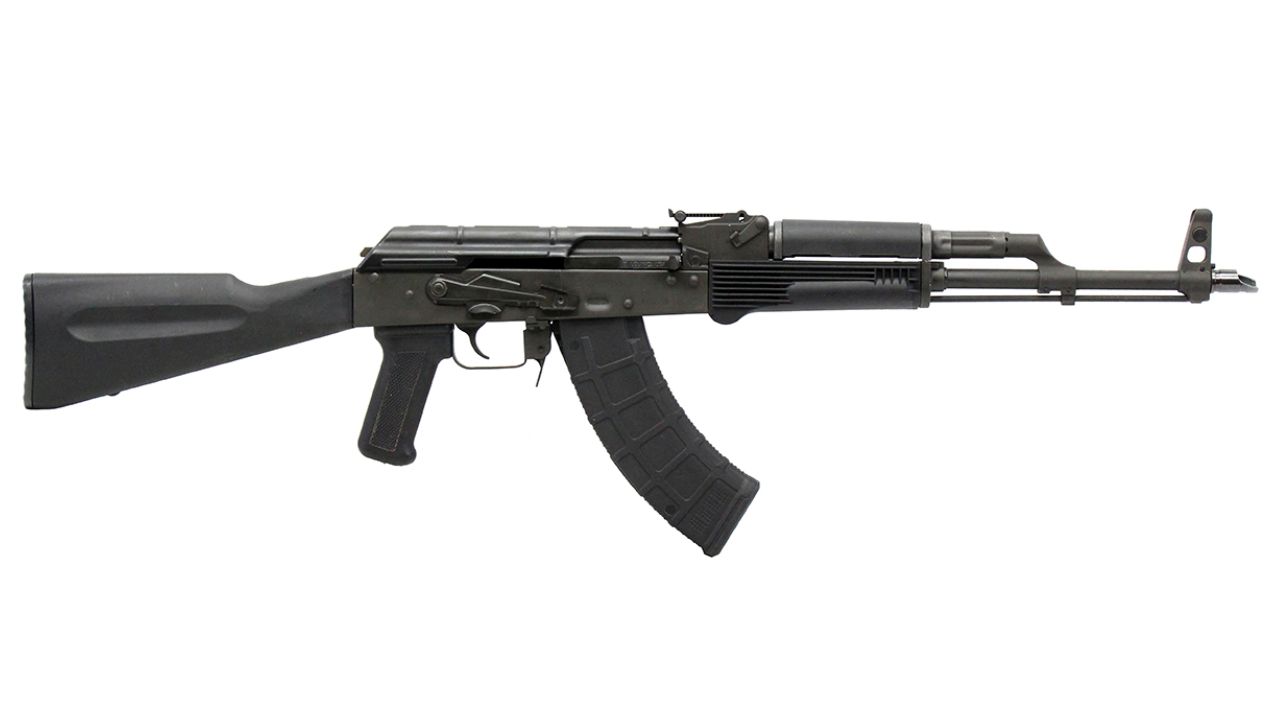
I.O. Inc. AKs had defenders because people wanted an affordable AK when prices were climbing. The basic pitch sounded good: get into the AK world without paying collector money or chasing imports. Some owners had working rifles and argued that the criticism was overblown.
The broader reputation became hard to escape. Reports of poor build quality, questionable parts, and reliability concerns made the rifles risky compared with better AK options. The AK platform is supposed to be tough, and when an AK makes you question basic durability, the defense falls apart fast. Cheap stops being cheap when trust is gone.
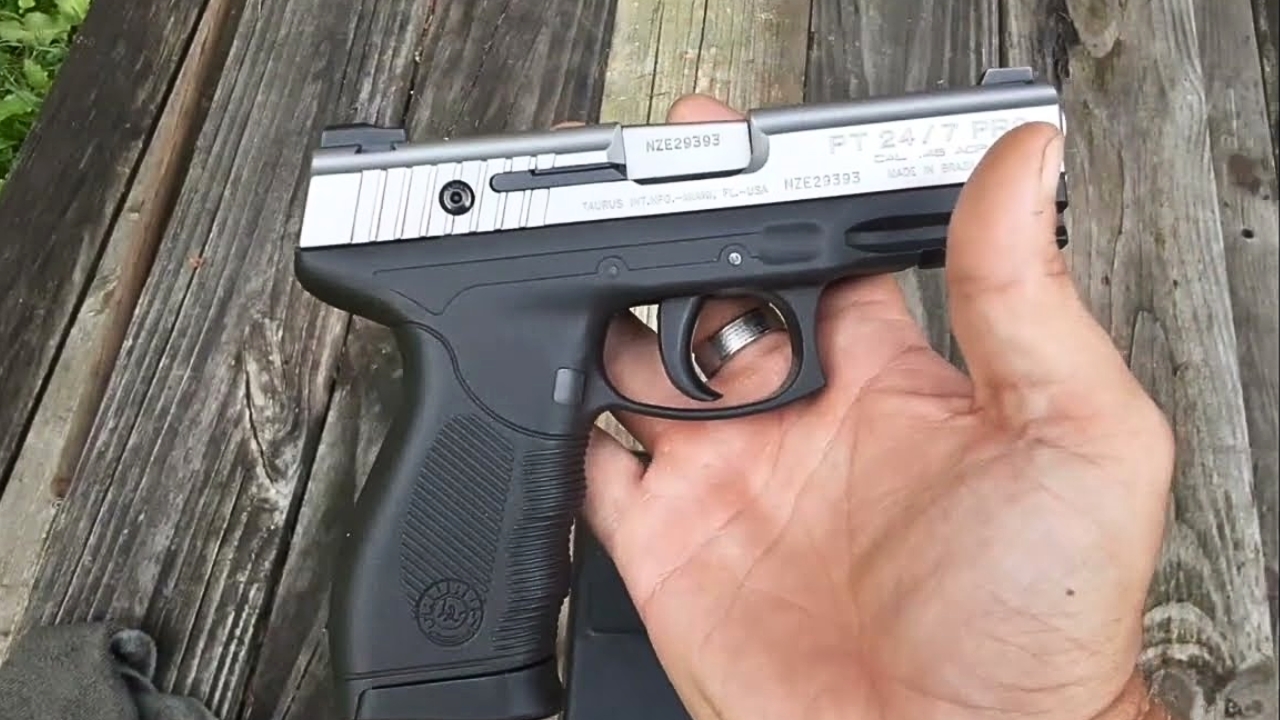
Taurus 24/7
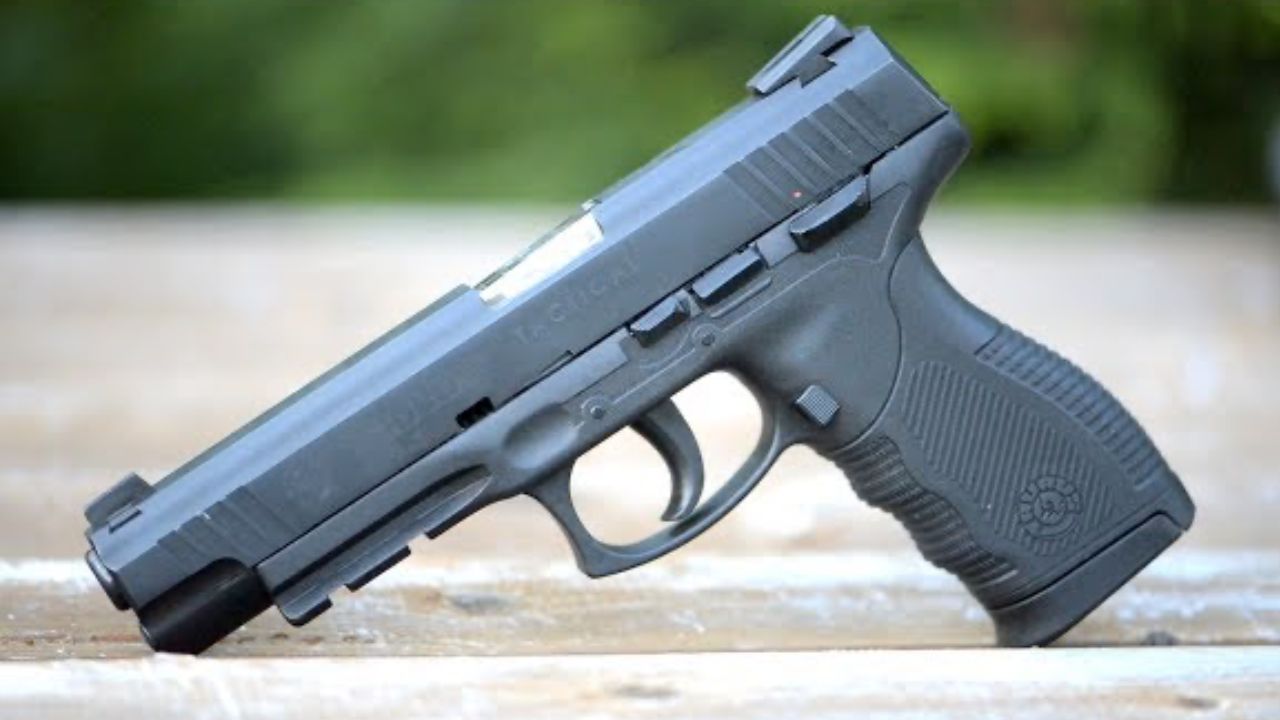
The Taurus 24/7 had defenders because it felt modern when Taurus needed a serious polymer pistol. The grip was comfortable, the styling stood out, and the gun offered features that made it look competitive with better-known duty pistols. Some owners ran them fine and stuck up for them.
Then the reputation got messy. Safety concerns, recalls, and inconsistent owner experiences made the pistol harder to recommend. Even shooters who liked their own examples had to admit the market moved on. Once the G2 and G3 series gave Taurus a cleaner path forward, the 24/7 became a gun fewer people wanted to keep defending.
Like The Avid Outdoorsman’s content? Subscribe to our newsletter so you never miss an article.
Here’s more from us: