Photo credit: The Avid Outdoorsman
The man said the neighbor had already been a problem before the gun threat ever came up. He described him as aggressive, unstable, and hard to deal with, the kind of neighbor who could turn a normal property issue into something tense without much warning.
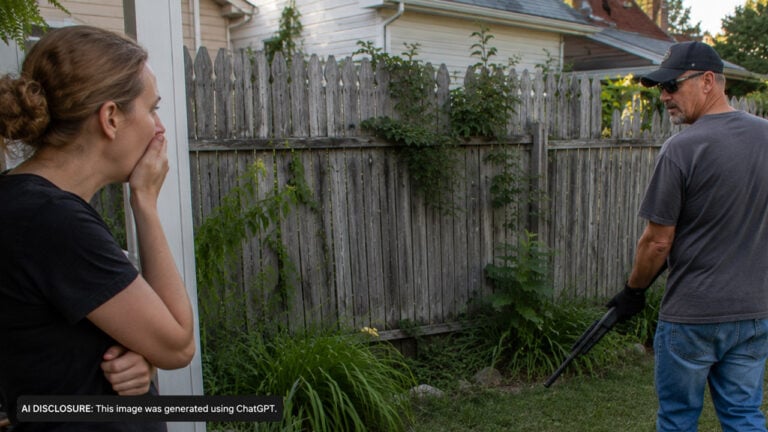
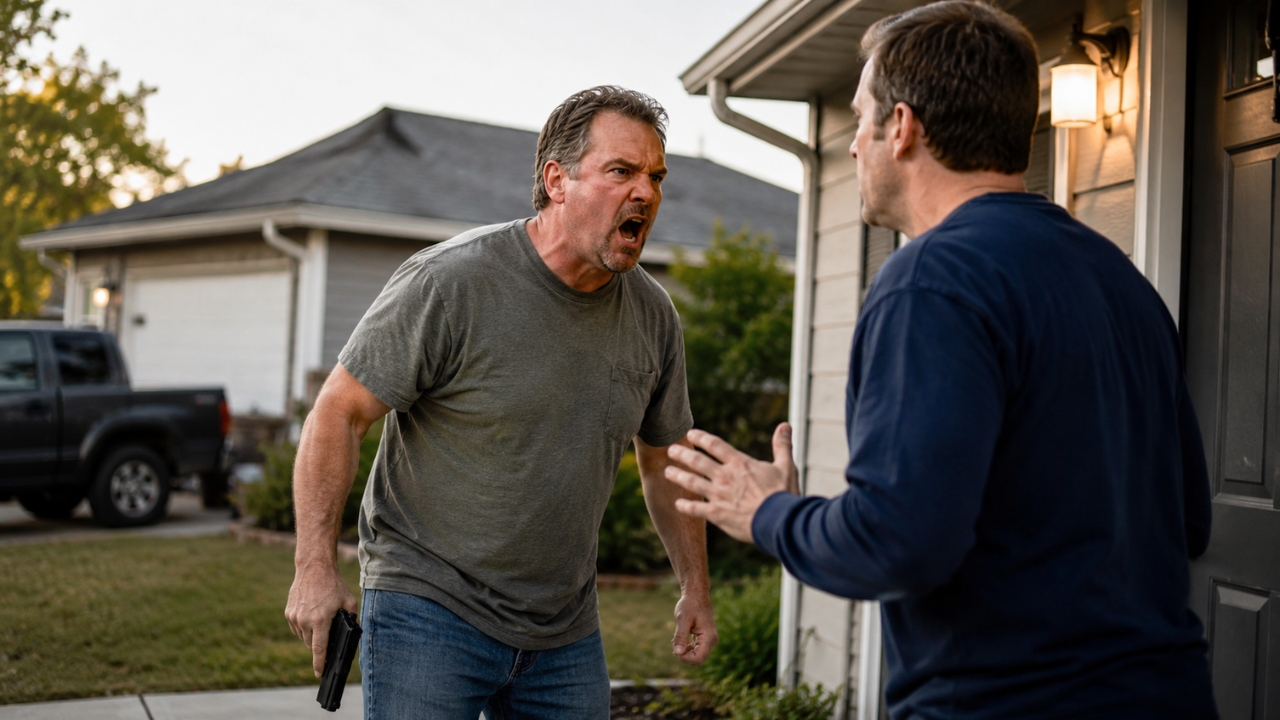
But according to the Reddit post, one confrontation crossed the line. The neighbor allegedly threatened to shoot him.
That is the kind of threat that changes a whole neighborhood. You can ignore a rude comment. You can avoid someone who yells from across the yard. But when a person says they are willing to shoot you, every future encounter feels different. Walking to the mailbox, taking out trash, mowing near the property line, or even stepping outside can start to feel like a risk.
The original Reddit post can be found here: https://www.reddit.com/r/legaladvice/comments/2mmge4/my_neighbor_threatened_to_shoot_me_at_what_point/
The poster’s question was not whether the neighbor was being a jerk. It was whether the threat had reached the point where police or the courts would take it seriously. He wanted to know what point a threat becomes actionable, especially when the person making it seems willing to repeat or escalate it.
The detail that made the situation feel worse was the neighbor’s alleged attitude afterward. The poster said the neighbor did not back down like someone who had spoken in anger and regretted it. Instead, he allegedly doubled down and claimed he really would do it.
That matters because an angry outburst can sometimes be dismissed as heat-of-the-moment bluster. It may still be wrong, but people can say awful things during disputes. A repeated threat, especially one involving a gun, feels different. It starts to sound less like anger and more like a warning.
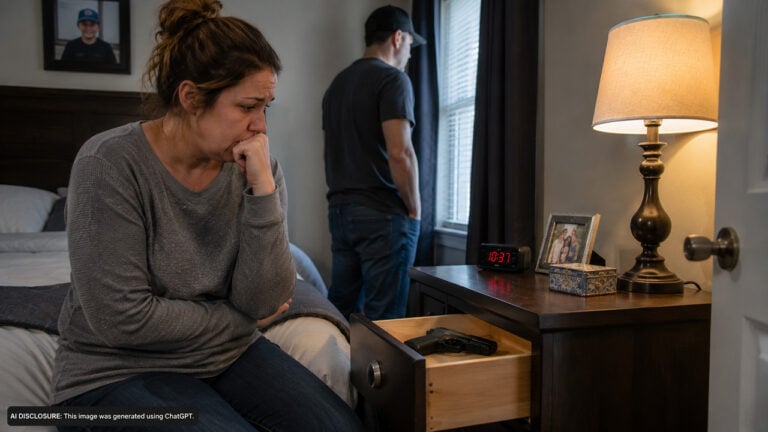
The poster seemed stuck between not wanting to overreact and not wanting to ignore something that could become dangerous. That is a hard place to be. If he called police and they treated it like a neighborhood argument, the neighbor might come back angrier. If he did nothing and the neighbor escalated, he might regret not creating a record sooner.
He also had to think about the future. Neighbor disputes do not end when one conversation ends. These people still live near each other. They may cross paths at the fence, in the driveway, or outside the house. If one of them has already talked about shooting the other, every small disagreement afterward carries more weight.
The post did not describe a dramatic resolution where police immediately intervened or the neighbor apologized. It was more uncomfortable than that. It captured the moment where someone is trying to decide whether a threat is serious enough to report before anything physical happens.
Commenters generally told the poster to take the threat seriously and document it. Several said he should write down exactly what was said, when it happened, who heard it, and whether the neighbor had made similar threats before. If the neighbor repeated the threat, they suggested keeping a record of each incident.
Many urged him to call law enforcement, especially if the threat was specific and involved shooting him. A few commenters said police might not arrest someone based only on one statement, but a report would at least create a paper trail. If the neighbor escalated later, that earlier report could matter.
Others brought up protective orders or restraining orders, depending on state law and the facts. The advice was not that he was guaranteed to get one, but that a specific threat of gun violence could be enough to at least ask about options.
Some commenters also warned him not to confront the neighbor again alone. If the neighbor had already claimed he would shoot him, there was no reason to test whether he meant it. Commenters suggested using cameras, witnesses, written communication, and official reports instead of fence-line arguments.
There was also a practical warning running through the replies: do not wait until the neighbor is standing outside with a gun. Once a threat involves a firearm, the safest move is usually to create a record early, avoid direct escalation, and treat the person’s words like they might be real.
By the end, the poster was left with the same uneasy reality that brought him to Reddit in the first place. He could not know for certain whether his neighbor would ever act on the threat. But after someone says they will shoot you and then insists they mean it, pretending it was nothing is a hard risk to take.
Like The Avid Outdoorsman’s content? Subscribe to our newsletter so you never miss an article.
Here’s more from us: