Photo credit: Smith & Wesson/Youtube
The gun market can make a simple decision feel complicated fast. Every category is packed now. Compact pistols, budget rifles, tactical shotguns, rimfire trainers, carry revolvers, hunting rifles, ARs, lever guns — there are more choices than most people can realistically sort through.
That’s when certain guns start looking smarter. Not because they’re the newest or flashiest, but because they already proved themselves. In a crowded market full of copycats, risky bargains, and half-baked ideas, these guns became smarter buys by simply being trustworthy, supported, and useful.
Beretta 1301 Tactical
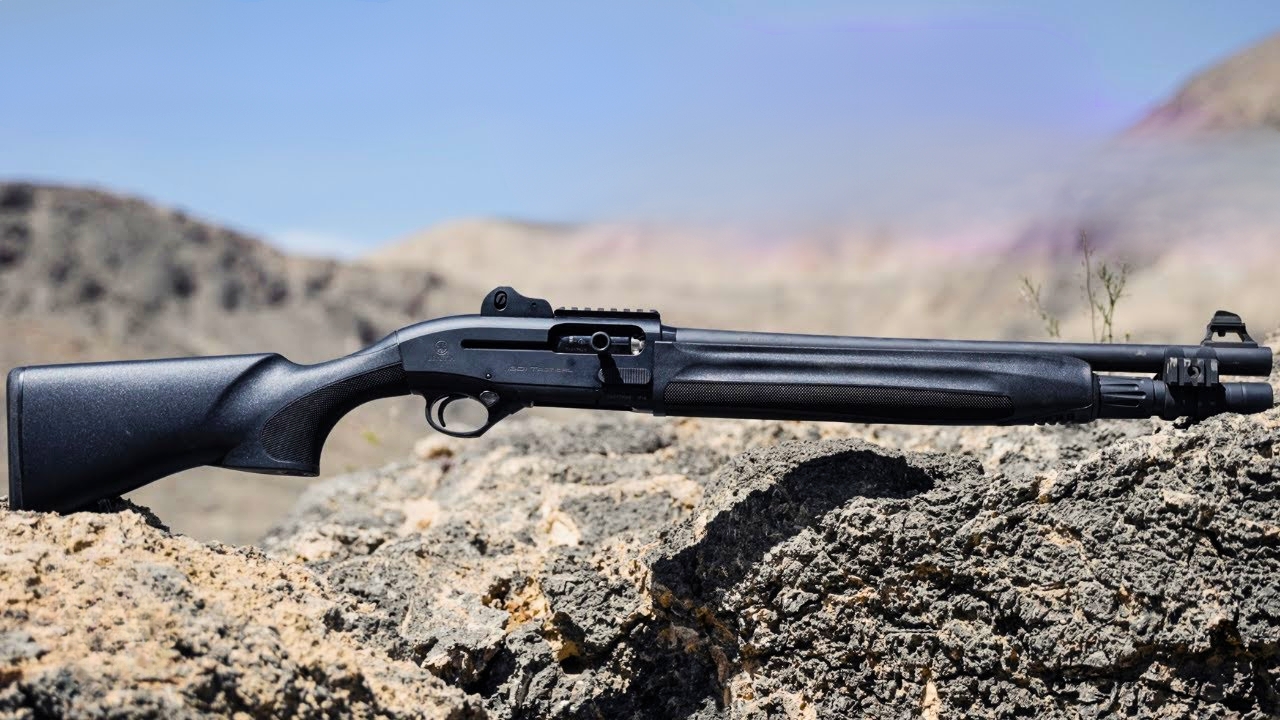
The Beretta 1301 Tactical became a smarter buy once the semi-auto defensive shotgun market got crowded with guns that looked tough but didn’t always run that way. A lot of shotguns can wear rails, extended tubes, and aggressive furniture. Fewer can cycle fast and reliably with the confidence serious owners want.
The 1301 stands out because it feels purpose-built rather than dressed up. The gas system is fast, recoil is manageable, and the shotgun has earned a strong reputation with people who actually train with semi-autos. It isn’t cheap, but that’s part of the point. Once buyers get tired of gambling on bargain tactical shotguns, the 1301 starts looking like the sensible choice.
CZ 457
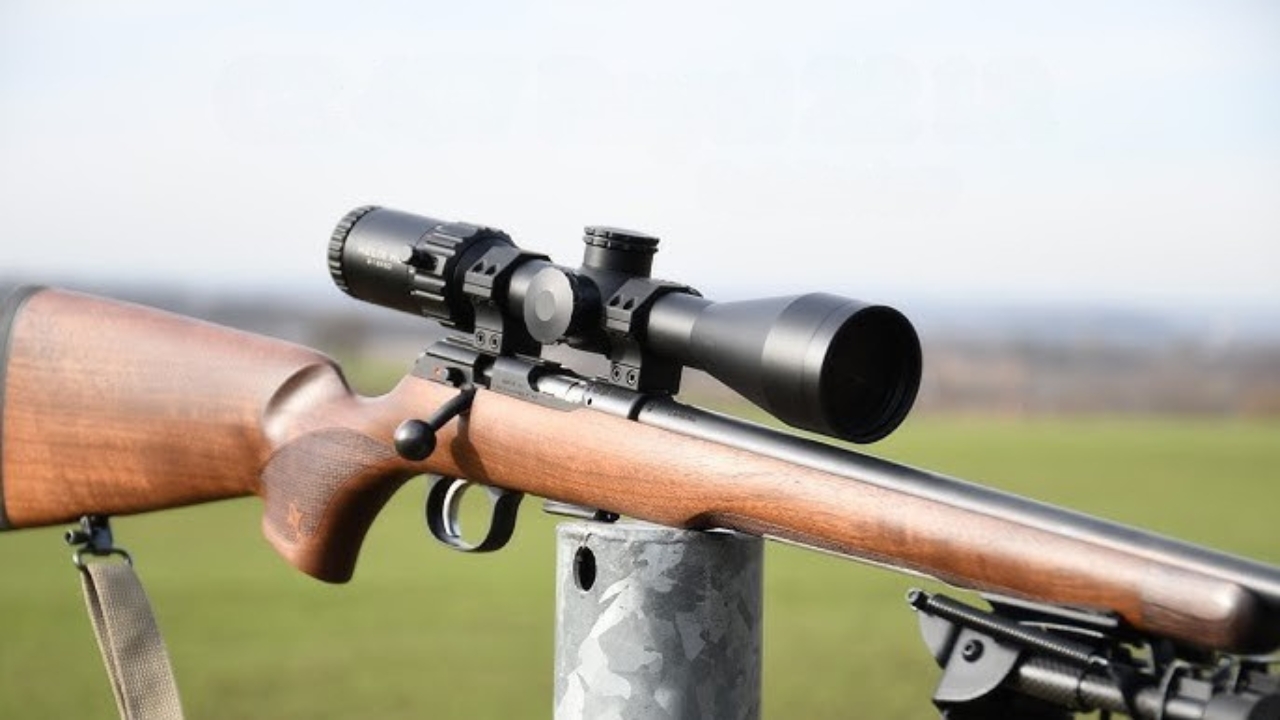
The CZ 457 became a smarter buy as rimfire rifles split into two extremes: cheap plinkers and expensive precision rigs. The 457 sits in a useful middle ground. It gives shooters real accuracy potential, good build quality, and enough model variety to suit hunting, target shooting, training, or suppressor use.
What makes it smart is that it feels like a rifle you can grow with. A basic 457 is already good, and the nicer versions can compete with rifles costing more. The action is improved over the older CZ rimfires, the trigger is adjustable, and barrel swaps are easier than before. In a crowded rimfire market, the 457 feels like money spent on the parts that matter.
Smith & Wesson Equalizer
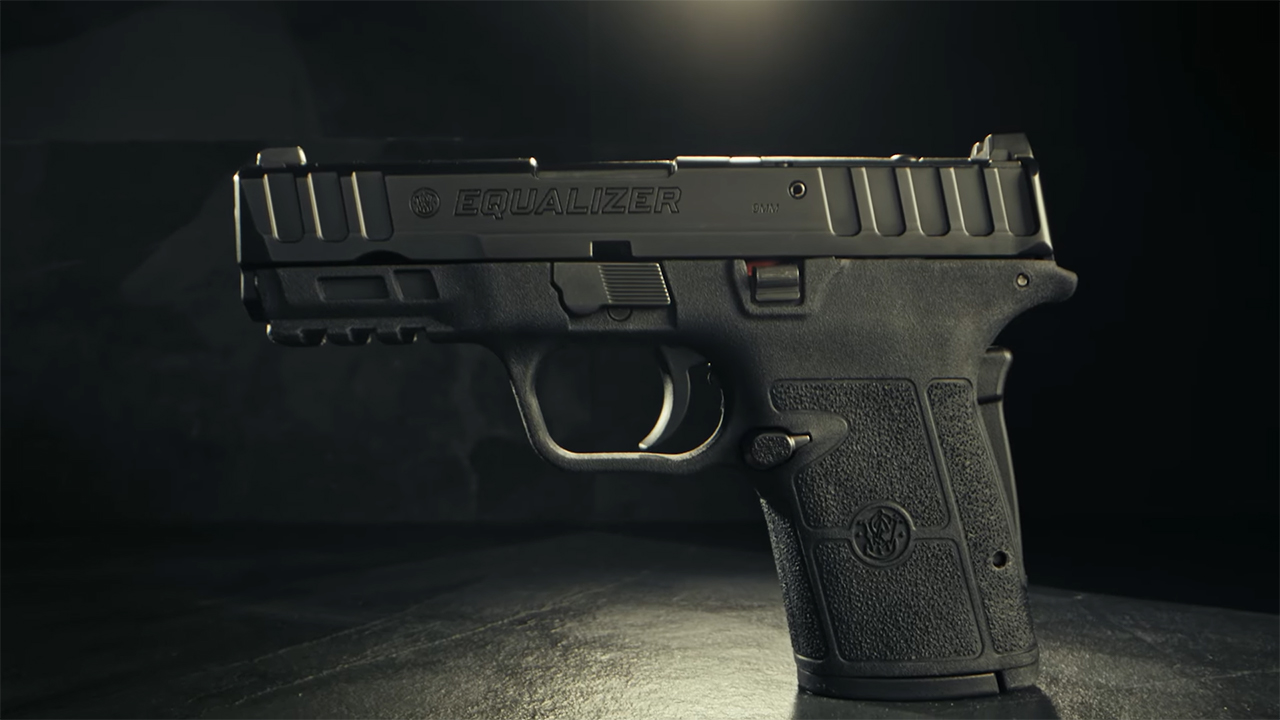
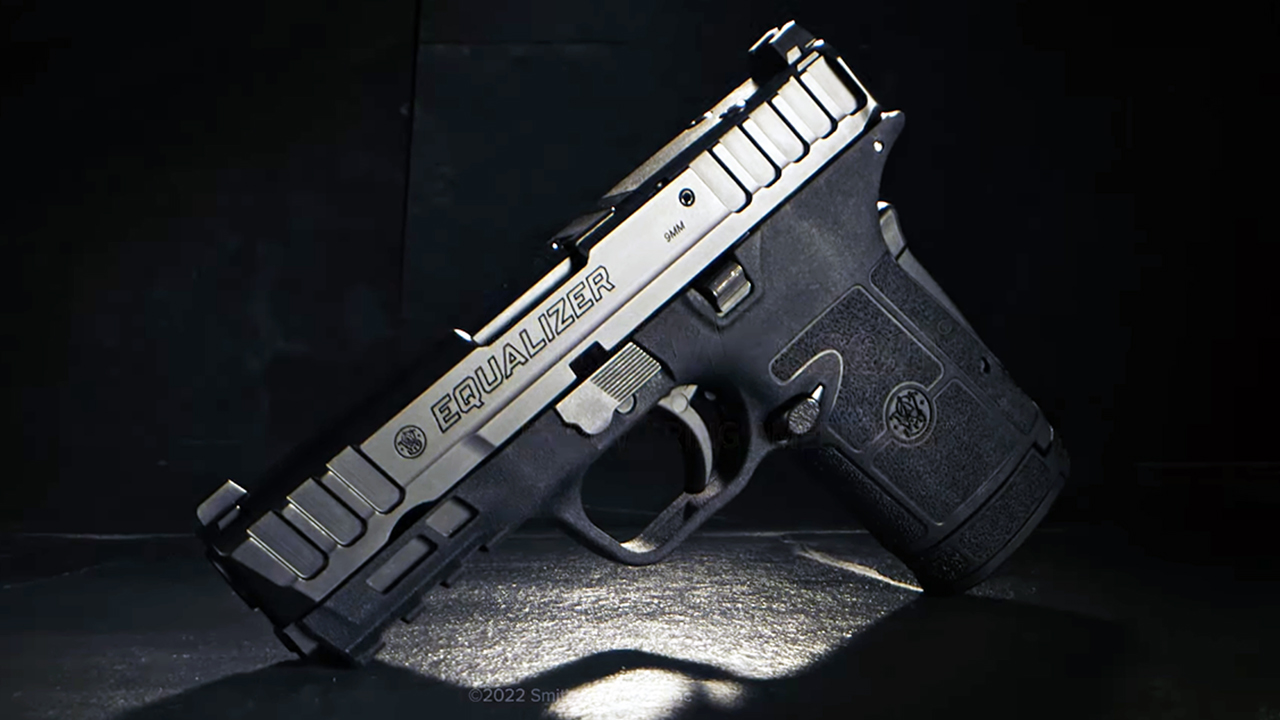
The Smith & Wesson Equalizer became more interesting as the carry market filled up with tiny pistols that can be hard to rack, hard to shoot, or hard to load. It gives shooters a carry-size 9mm with manageable controls, good capacity, and an easy-rack design that matters for people who struggle with stiff slides.
It isn’t the smallest carry gun out there, and it won’t satisfy everyone who wants the thinnest pistol possible. But it fills a real need. The grip safety will divide opinions, but the overall package is practical for shooters who want something easier to operate than many micro-compacts. In a market obsessed with size and specs, the Equalizer looks smart because it focuses on usability.
Bergara BMR

The Bergara BMR became a smarter rimfire buy once more shooters wanted a .22 that could train, hunt, and shoot accurately without jumping into full custom pricing. It offers a lightweight, accurate rimfire platform with Bergara’s barrel reputation and a more modern feel than many old-school bolt-action .22s.
It makes sense for people who want more than a basic plinker but don’t need a heavy competition rifle. The BMR is handy enough for small-game hunting, accurate enough for serious practice, and available in useful configurations. In a crowded rimfire world, that balance matters. A rifle that can leave the bench and still shoot well is often the one owners use most.
FN 545 Tactical
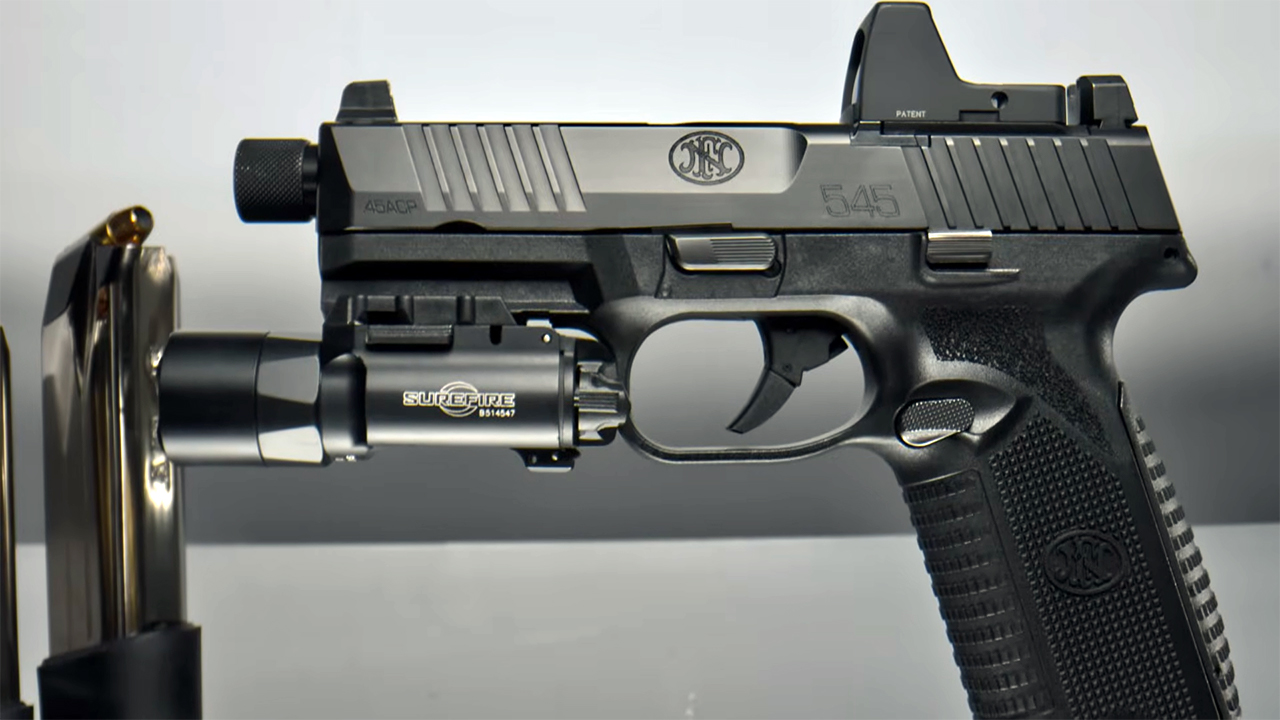
The FN 545 Tactical became a smarter buy for shooters who wanted a modern .45 ACP pistol without stepping into a crowded field of outdated or overly bulky options. A lot of .45 pistols either cling to old designs or feel like oversized versions of 9mm guns. The FN brings a more current package.
It offers strong capacity for .45 ACP, optic-ready capability, threaded barrel options, and a serious duty-style feel. It’s not small, and it’s not inexpensive, but it feels like a modern .45 built for people who still want that cartridge without giving up current features. In a market where many .45s feel like nostalgia purchases, the FN 545 Tactical feels more practical.
Weatherby 307 Range XP
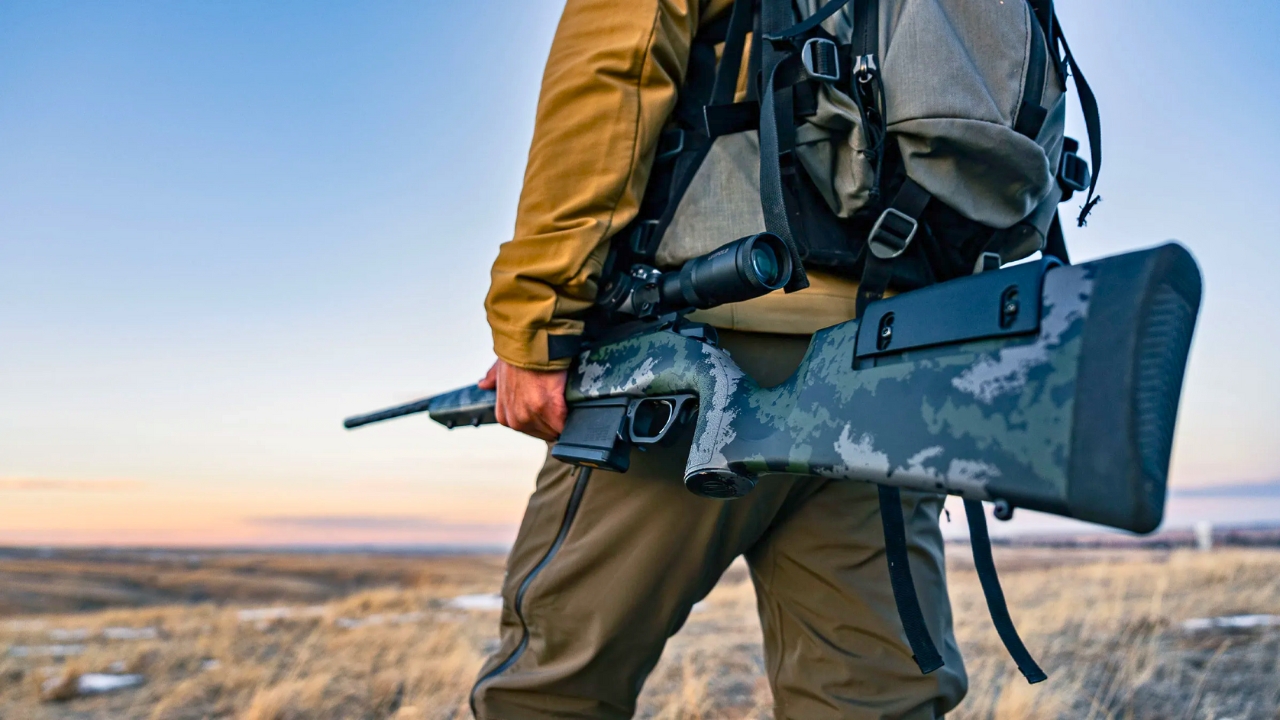
The Weatherby 307 Range XP became a smarter buy as more hunters and shooters wanted rifles compatible with the massive Remington 700 aftermarket but still wanted something fresh. Weatherby could have stayed only in its traditional lane, but the 307 gives buyers a practical bridge between hunting rifle and precision-capable platform.
The Range XP version comes with a more modern stock, threaded barrel, and features that make it ready for range work or longer-range hunting setups. It doesn’t replace the Mark V or Vanguard. It gives Weatherby a different kind of rifle for a crowded market. For shooters who want upgrade paths without starting from scratch, the 307 makes sense.
Taurus GX4 Carry
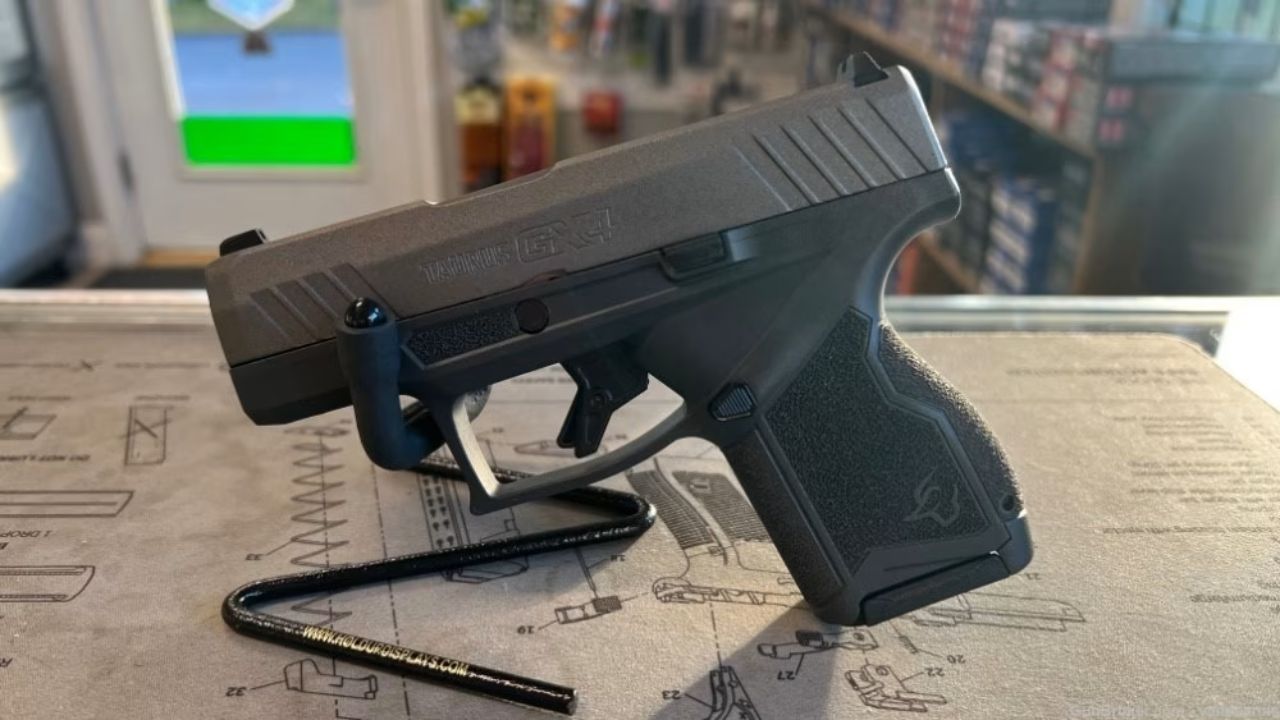
The Taurus GX4 Carry became a smarter buy after the micro-compact market got packed with expensive little pistols and rough budget alternatives. Taurus still has brand baggage, and buyers should test any carry gun hard, but the GX4 Carry gives a lot of practical features for the money.
The slightly larger size compared with the original GX4 helps shootability, while the pistol still stays compact enough for daily carry. It offers useful capacity, better ergonomics than many expect, and a price that makes it approachable. It is not a premium pistol, but it shows how much better budget carry guns have become. In a crowded market, value matters when it still comes with real function.
Mossberg 940 Pro Field

The Mossberg 940 Pro Field became a smarter buy as semi-auto shotgun prices kept stretching upward. It gives hunters a gas-operated shotgun with improved cleaning intervals, better controls, and practical field features without climbing into the price range of many higher-end Italian options.
Mossberg clearly learned from the 930 line and cleaned up a lot with the 940. The Pro Field model keeps the focus on hunters who want a reliable semi-auto for birds, clays, and general use. It may not have the prestige of Beretta or Benelli, but it gives owners a lot of shotgun for the money. In a crowded field, that kind of practical improvement stands out.
Springfield Armory Hellcat Pro

The Hellcat Pro became a smarter buy when shooters realized the smallest micro-compacts were not always the easiest to shoot. The original Hellcat made a big capacity statement, but the Pro stretches the platform into a more controllable, more comfortable carry pistol while staying slim enough for concealment.
That extra grip and slide length matter. It gives shooters more control during practice, better balance, and more confidence than many tiny pistols. The carry market is crowded with guns that look great on paper but feel rough after a few magazines. The Hellcat Pro stands out because it gives up a little pocket-size convenience in exchange for real shootability.
Savage 110 Trail Hunter
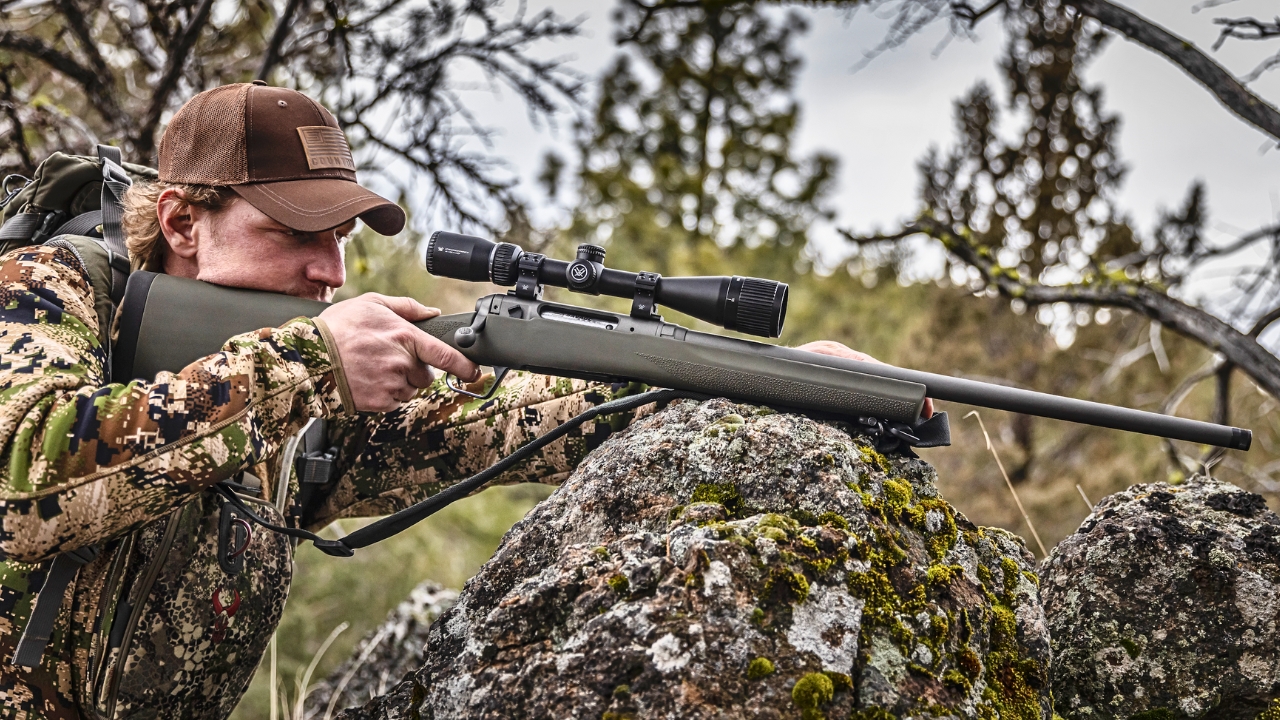
The Savage 110 Trail Hunter became a smarter buy as more hunters wanted weather-ready rifles without paying premium mountain-rifle prices. The Hogue overmolded stock, Cerakote finish, threaded barrel, and AccuTrigger make it feel ready for rougher field use right out of the box.
It’s not a glamorous rifle, and that’s fine. It is built for hunters who care about grip, weather resistance, practical accuracy, and common chamberings. The market is full of rifles that shoot well but feel cheap or rifles that cost a fortune for modest gains. The Trail Hunter lands in a practical place. It gives regular hunters features they can actually use.
Ruger LCP Max
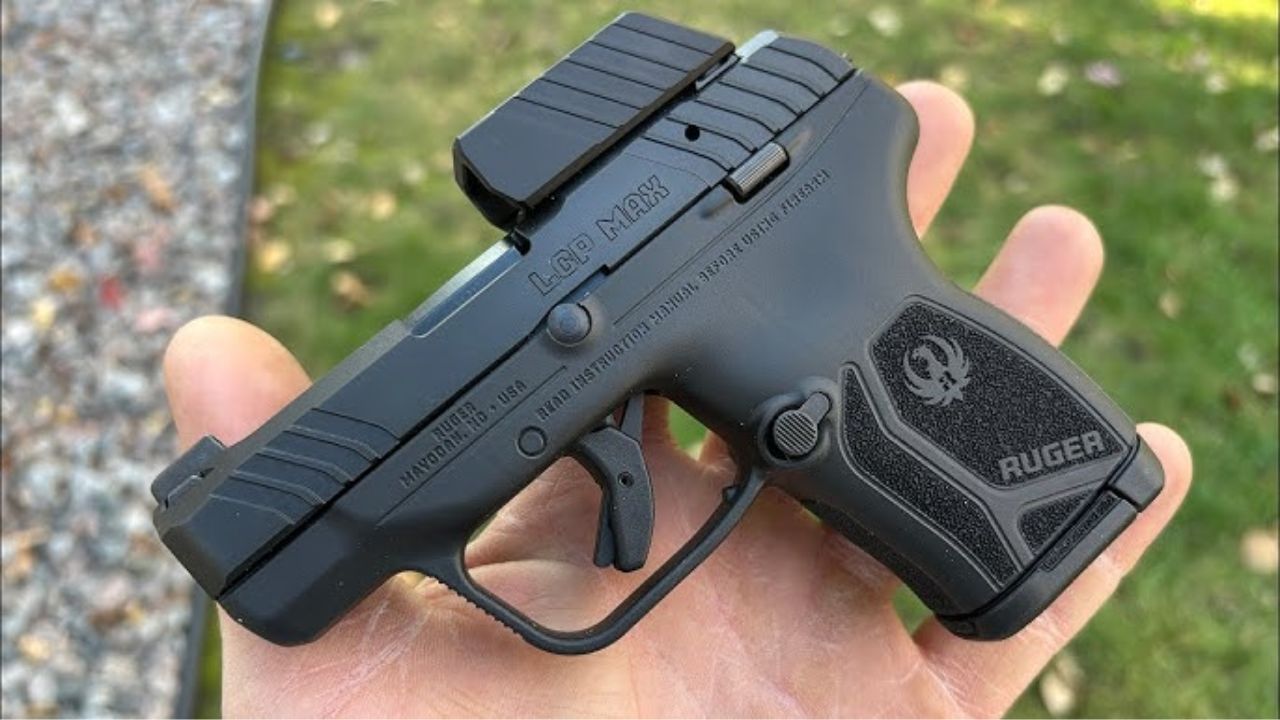
The Ruger LCP Max became a smarter buy after the pocket-pistol market got crowded with tiny guns that were either too hard to shoot or too limited in capacity. It keeps the deep-concealment role of the original LCP but adds better sights, better capacity, and a more usable grip.
No pocket .380 is going to shoot like a compact 9mm, and nobody should pretend otherwise. But the LCP Max improves the category enough to matter. It is easy to carry, light enough for real pocket use, and more shootable than the old ultra-basic pocket pistols many people tolerated. In a crowded carry market, it makes sense because it knows exactly what it is.
Henry X Model .357 Magnum
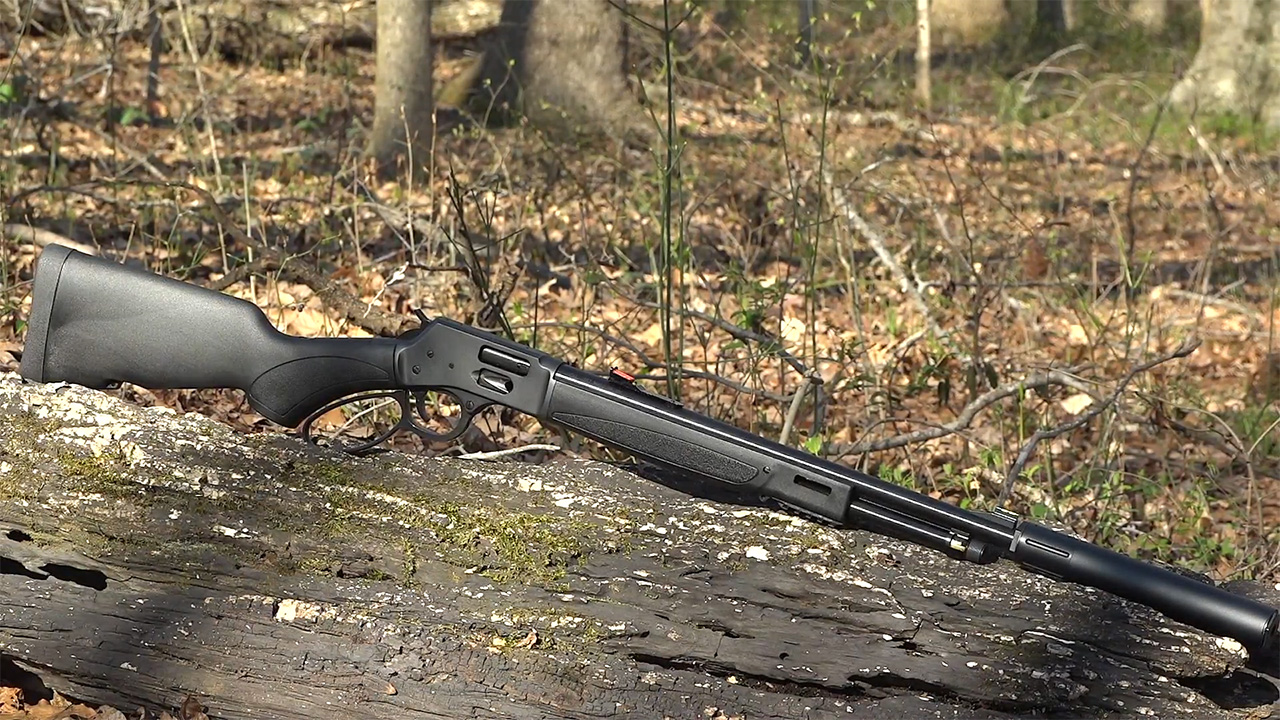
The Henry X Model in .357 Magnum became a smarter buy as lever guns got popular again and prices went wild. Plenty of people wanted a modern lever-action, but not everyone wanted a collector-grade rifle or a delicate classic. The X Model gave shooters a threaded barrel, synthetic stock, rail options, and a useful pistol-caliber chambering.
The .357 version is especially practical. It can shoot .38 Special for mild range use and .357 Magnum for more serious short-range work. It’s not traditional-looking, and some lever-gun purists won’t like the styling. But in a crowded lever market, it offers real utility. It’s a lever gun built for use, not just nostalgia.
Walther PDP Compact
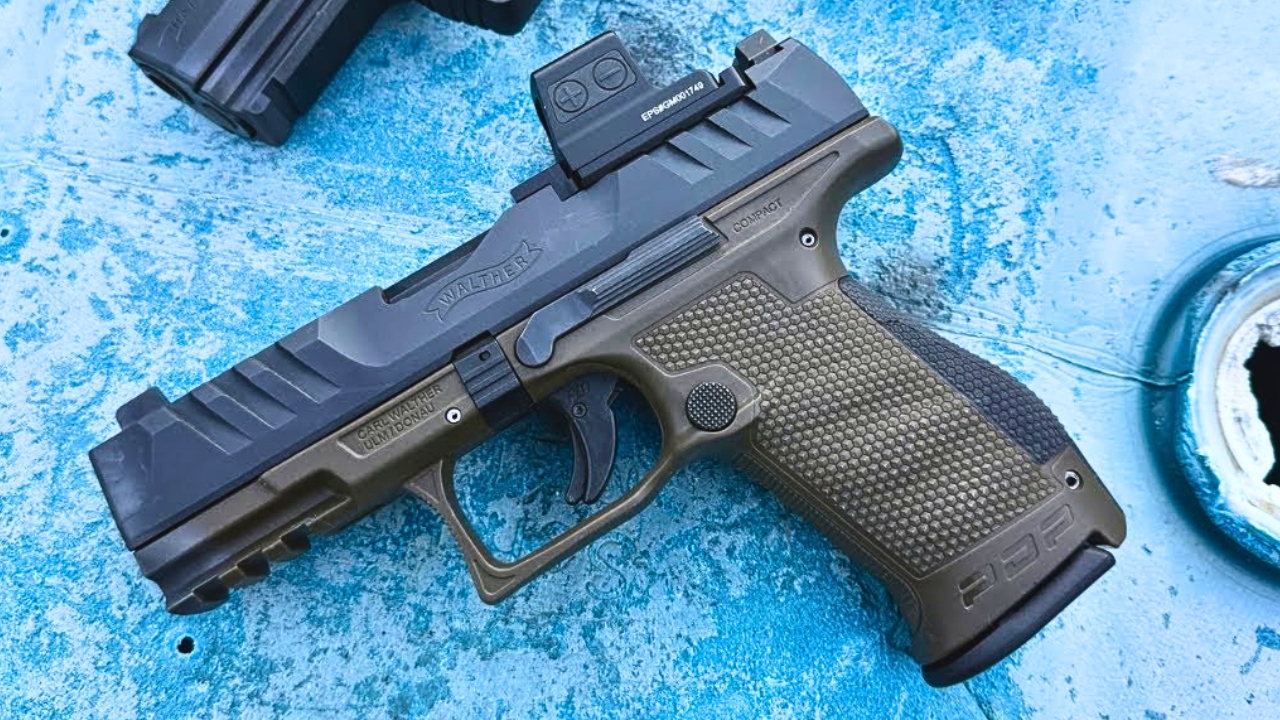
The Walther PDP Compact became a smarter buy as the striker-fired pistol market became almost too crowded to sort through. Every company has a polymer 9mm now, and many are good. The PDP stands out because the trigger, grip texture, and optics-ready design all feel like meaningful strengths instead of checklist features.
It’s not the smallest compact, and some shooters find the slide a bit tall. But it shoots well, fits many hands, and gives owners a strong factory setup without immediate upgrades. In a market full of pistols that all claim to be the next serious duty gun, the PDP feels like one that actually gives shooters noticeable advantages right away.
Ruger SFAR

The Ruger SFAR became a smarter buy for people who wanted .308 power without the size and weight of a traditional AR-10 pattern rifle. The market has plenty of large-frame rifles, but many are heavy enough that owners don’t carry them much. Ruger tried to make the SFAR feel closer to an AR-15 in handling.
That makes it appealing for hunters and shooters who want more cartridge than 5.56 but don’t want a boat anchor. It still needs realistic expectations, proper ammo testing, and maintenance like any semi-auto rifle. But the concept is strong. In a crowded rifle market, a lighter .308 semi-auto that regular shooters can actually handle fills a useful lane.
Canik Mete MC9
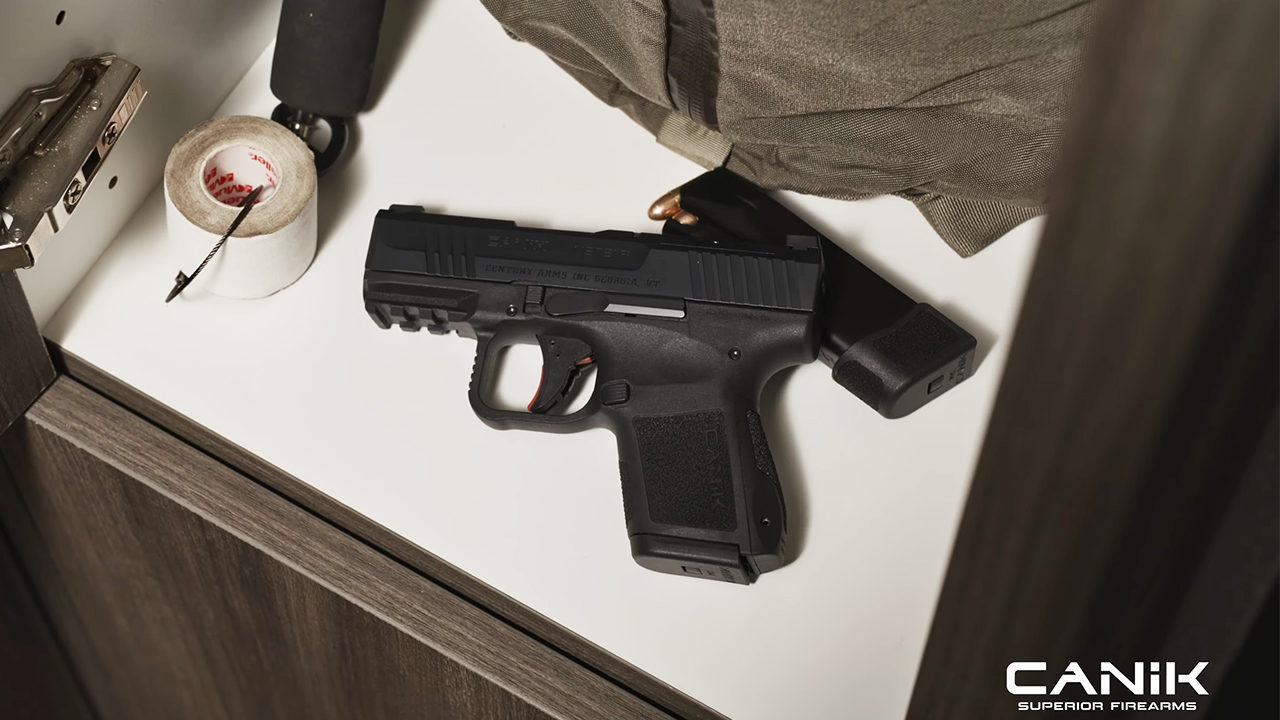
The Canik Mete MC9 became a smarter buy as budget-friendly carry pistols got much better. Years ago, a lower-priced small pistol often meant rough triggers and questionable confidence. The MC9 shows how far that category has come, offering strong ergonomics, good sights, a solid trigger, and useful capacity in a compact package.
It has had enough early owner discussion that buyers should test carefully, like with any defensive pistol. But when one runs properly, it gives shooters a lot for the money. In a crowded market where carry pistols can get expensive fast, the MC9 makes sense for someone who wants strong features without paying premium-brand prices. Value is not cheapness when the pistol can actually shoot.
Like The Avid Outdoorsman’s content? Subscribe to our newsletter so you never miss an article.
Here’s more from us: