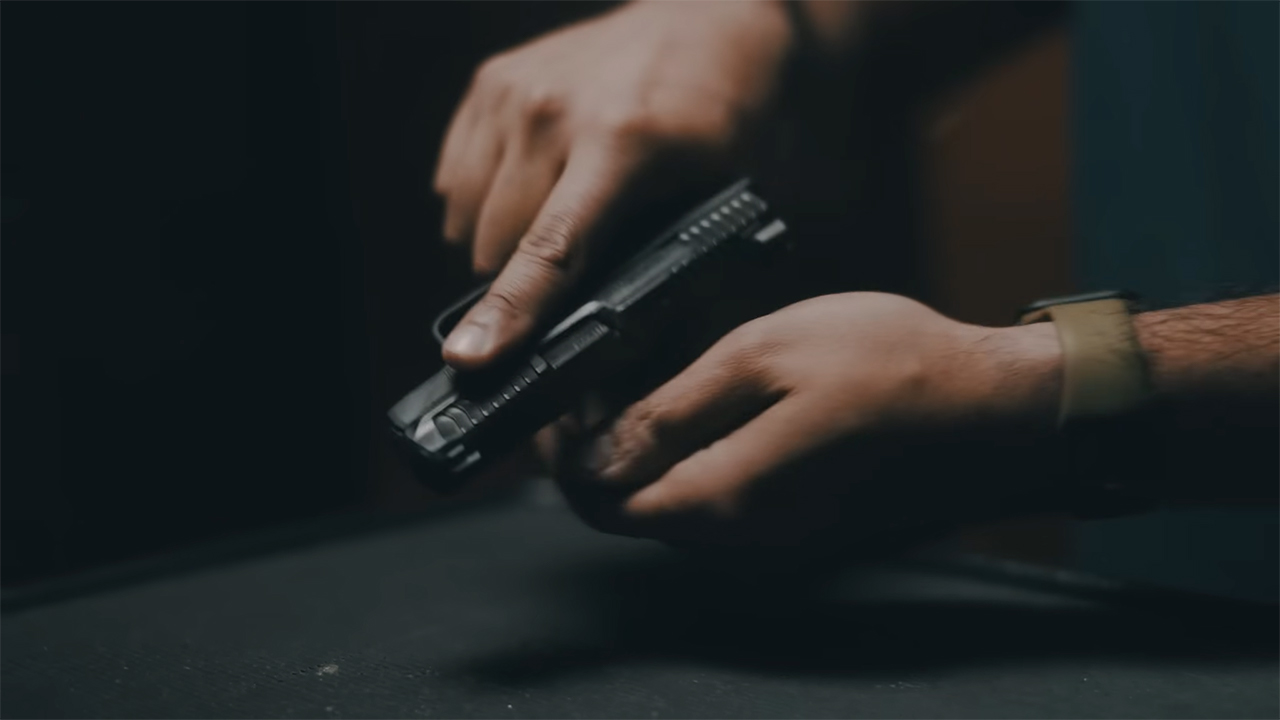
Photo credit: Smith & Wesson/Youtube
The Bodyguard 2.0 owner wanted the gun to be ready for carry.
That is the whole reason people buy tiny defensive pistols. They are light, easy to conceal, easy to keep on you, and built for the kind of days when a larger pistol feels like too much. But small guns come with one hard rule: they still have to run.
And his carry ammo was not running clean.
In a Reddit post, the owner said his Smith & Wesson Bodyguard 2.0 was having trouble with carry ammunition. The rounds were hanging on the feed ramp, which is one of those problems that immediately gets a carry-minded shooter’s attention.
A feed-ramp hang-up is not a cosmetic complaint.
It means the round is trying to chamber and failing to finish the job. The slide moves forward, the cartridge starts feeding, and then something about the angle, bullet profile, magazine pressure, ramp, or timing stops it from going fully into battery. The pistol is no longer ready to fire until the problem is cleared.
That is annoying on a range bench.
In a real defensive moment, it can turn the gun into a paperweight at the worst possible time.
The debate started where it always does with a newer gun: is this a break-in issue, an ammo issue, a magazine issue, or a gun issue?
That question matters because the answer changes everything. Some small pistols smooth out after a few boxes of ammo. Some need the right defensive load because the wrong bullet shape catches. Some have magazines that need attention. Some guns leave the factory with rough spots, bad springs, or something that needs warranty work. And sometimes the owner simply has not put enough rounds through the pistol to know what is normal yet.
But carry guns do not get credit for good intentions.
If the pistol is not feeding the ammo you plan to carry, it is not ready for carry with that ammo. Period.
That may sound harsh, but tiny defensive pistols already demand more from the shooter. They have short slides, small grips, stiff springs, light weight, and less room for error. A weak grip, underpowered ammo, or picky bullet profile can show up faster than it would in a larger handgun. That does not make the Bodyguard 2.0 a bad pistol. It means the specific gun, specific magazines, and specific ammunition have to prove themselves together.
The owner’s feed-ramp problem was the exact reason people test defensive ammo before trusting it.
A lot of shooters buy a box of hollow points, load the magazine, and call it good. It is understandable. Defensive ammo is expensive, and nobody loves burning through pricey rounds just to confirm the gun works. But if the first time the pistol tries to feed those rounds is in an emergency, you are gambling with the one thing the gun must do.
Testing costs money.
Not testing can cost a whole lot more.
With a little gun like the Bodyguard 2.0, the bullet profile can be a big deal. Some defensive rounds have wider hollow-point cavities or shorter, flatter shapes. Some feed more like ball ammo. Some sit differently in the magazine. The feed ramp and chamber may like one load and hate another. A round that runs perfectly in one pocket pistol can hang up in a different one, even if both guns are the same model.
That is the part people hate. There is no shortcut around your own gun’s behavior.
The break-in argument is also tricky. Some shooters believe a new carry pistol needs a few hundred rounds before it smooths out. Others argue that a defensive pistol should feed common defensive ammunition right out of the box, especially if it is marketed for carry. Both points can be true in their own way. A gun can improve with use, but that does not mean you should carry it while it is still proving itself.
The safer answer is simple: run it more before trusting it.
Shoot ball ammo. Shoot the defensive load. Try another proven carry load if the first one hangs. Mark the magazines. Clean and lubricate the gun. Watch whether the malfunction happens from a full magazine, the first round, the last round, or randomly. If the same failure keeps happening, contact the manufacturer instead of trying to talk yourself into it.
A carry gun needs confidence based on results, not forum optimism.
The owner was right to be concerned because a feed-ramp jam has a way of planting doubt. Once you have seen your carry ammo hang up, you cannot unsee it. Every time you load that magazine, you remember the round stuck halfway into the chamber. That little bit of doubt is poison for a defensive setup.
The fix may be easy. Different ammo may run perfectly. A little break-in may solve it. A magazine swap may change everything. Or the gun may need factory attention.
But until the pistol runs clean with the ammo he plans to carry, the answer is not complicated.
It stays a range gun.
Commenters mostly split the issue into the usual categories: ammo, magazines, break-in, and whether the gun needed manufacturer attention.
Several people said the first step was trying a different defensive load. A small pistol may not feed every hollow point equally well, and if one bullet profile hangs on the ramp, another may run without trouble.
Others focused on round count. If the gun was still very new, some commenters thought it needed more range time before being judged. But even the break-in-minded replies generally agreed that the owner should not carry it until the problem stopped.
A lot of practical advice came back to magazines. Mark them, test them separately, and see if one causes more trouble than the others. In small pistols, magazine geometry and spring pressure can make a big difference.
Some commenters also said to clean and lubricate the gun thoroughly, then test again. If the issue continued with multiple ammo types and magazines, the manufacturer should get involved.
The main advice was simple: do not force a carry load your pistol does not like. A pocket gun is only useful if it feeds, fires, and cycles when needed.