Photo credit: averagetacticalguy/YouTube
Buyer’s remorse hits harder with guns because most people don’t admit it right away. They blame the ammo, the optic, the break-in period, the magazine, the holster, or themselves before they finally say the quiet part out loud: this thing just wasn’t worth what they paid.
Some guns disappoint because they feel cheap. Some cost too much for what they actually deliver. Others look good in the case but become annoying once you shoot them, carry them, clean them, or try to trust them for serious use. That’s where regret starts creeping in.
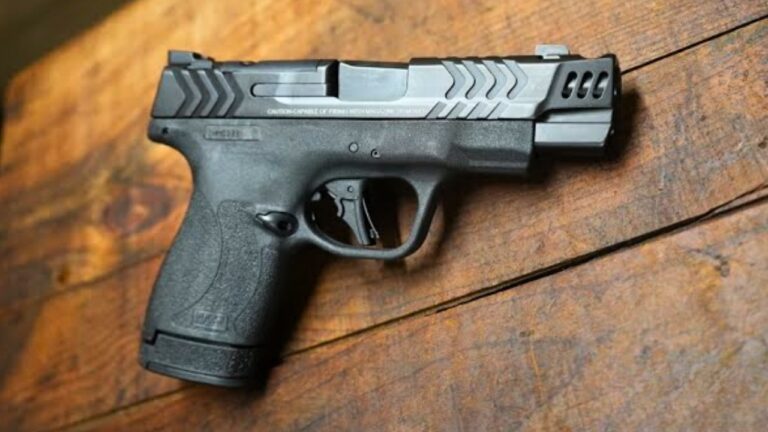
Kimber Micro 9

The Kimber Micro 9 pulls people in because it looks sharp and feels like a tiny 1911. That’s enough to make a lot of buyers talk themselves into it, especially if they want something classy instead of another plain polymer carry gun.
Then the honeymoon can fade. Small 9mm pistols are already snappy, and the Micro 9 can be picky enough to make owners question the purchase. If it runs perfectly, fine. But when you start chasing magazine issues, ammo preferences, or inconsistent comfort at the range, it stops feeling like a smart little carry gun and starts feeling like an expensive compromise.
Taurus Curve
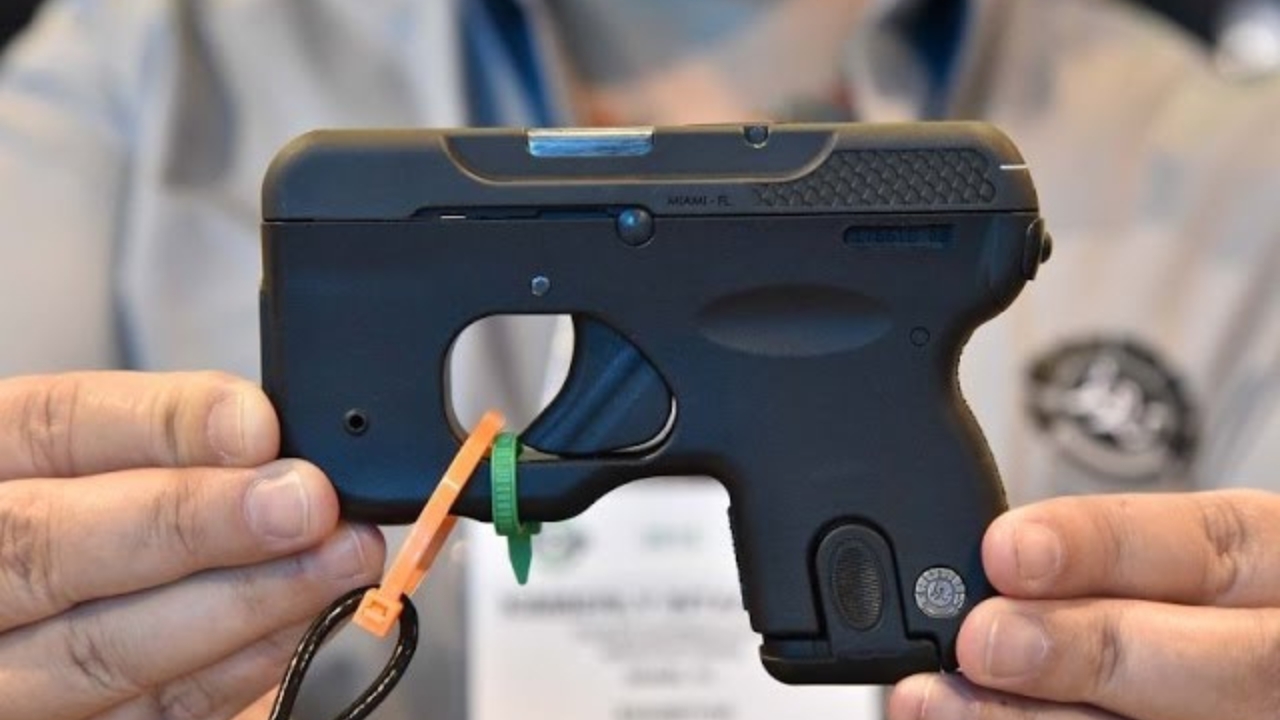
The Taurus Curve sounded interesting when it showed up. A curved pistol shaped around the body felt like something different, and some buyers liked the idea of a carry gun that didn’t need a normal holster setup.
In practice, the odd shape became the problem. The grip, sights, trigger feel, and overall shooting experience were never going to please most serious shooters. It was built around a concept more than a great range experience. Owners who bought it for the novelty often learned fast that clever carry ideas don’t matter much if the gun is awkward to shoot well.
Remington R51
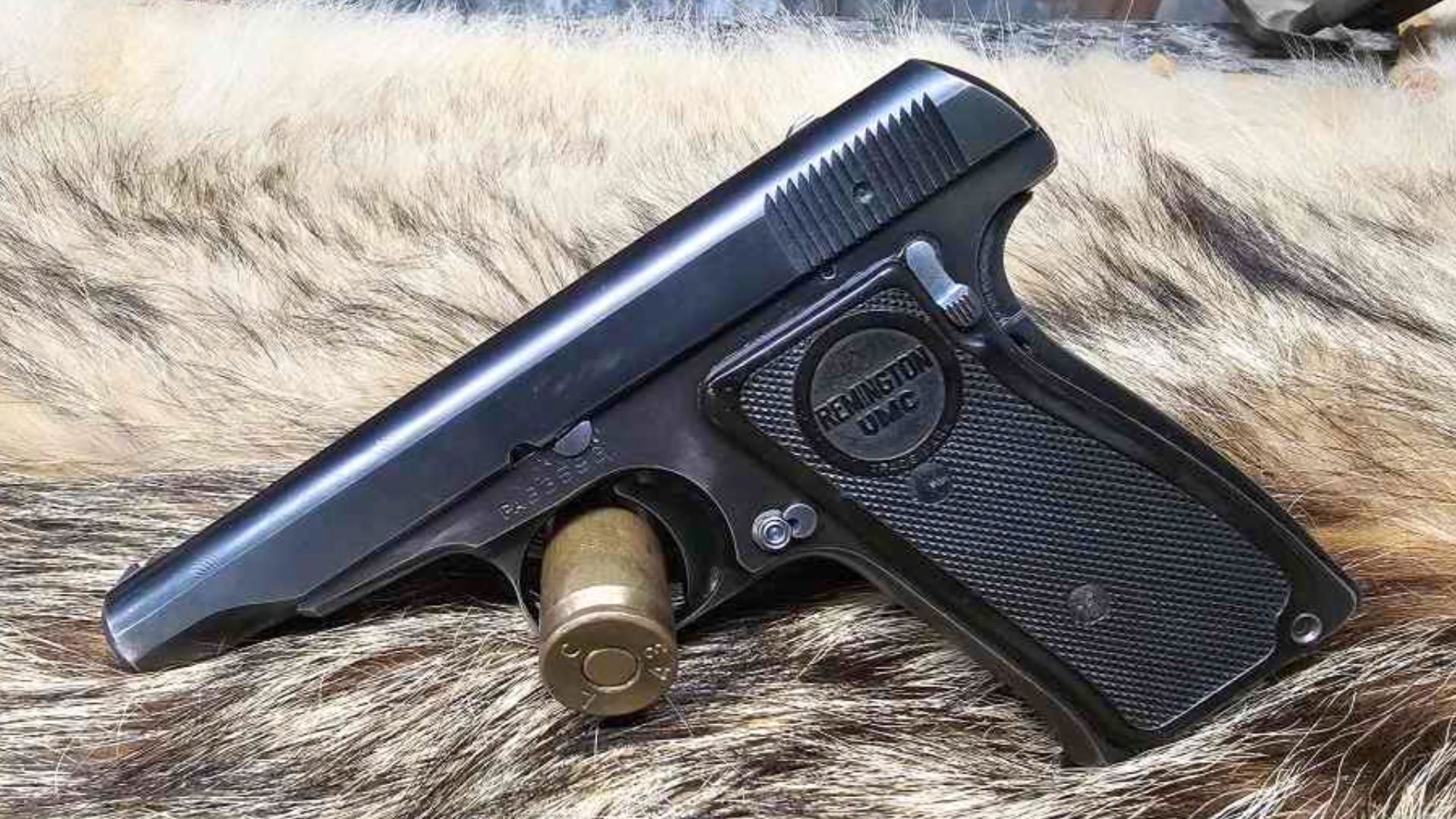
The Remington R51 had a lot of promise. It looked different, carried a famous name, and was supposed to offer soft recoil in a slim 9mm package. Plenty of people wanted it to be the comeback pistol Remington needed.
Instead, early problems damaged its reputation badly. Reports of reliability issues, rough function, and poor execution made buyers feel like they had paid to be part of a test run. Even after later attempts to fix it, the confidence was hard to rebuild. A carry pistol can’t survive that kind of doubt once owners start regretting the box it came in.
SIG Sauer Mosquito
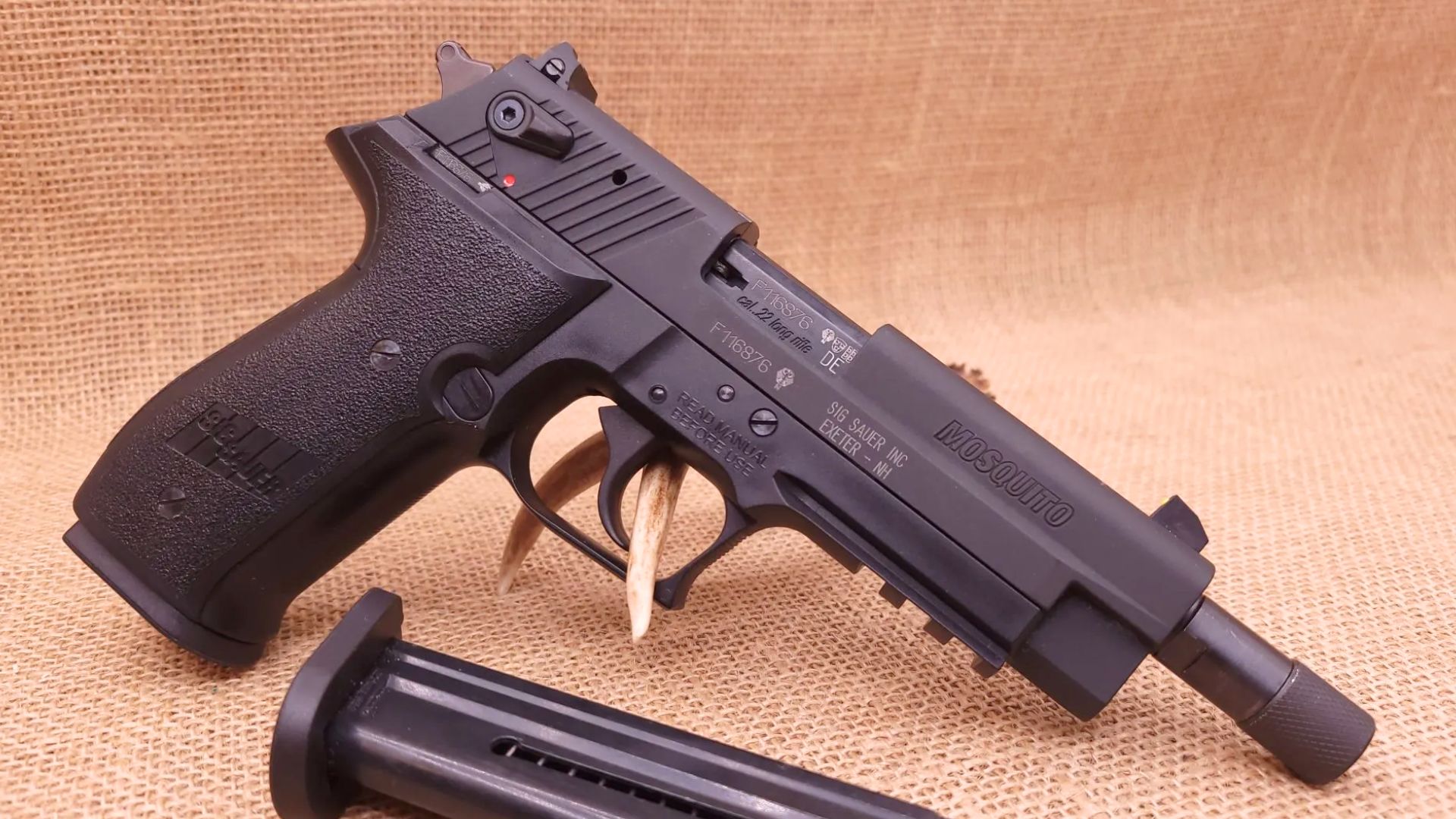
The SIG Sauer Mosquito attracted buyers because it looked like a smaller training partner to bigger SIG pistols. A .22 that carried the SIG name sounded like a fun, affordable way to practice without burning through centerfire ammo.
A lot of owners found out it could be far more frustrating than fun. The Mosquito developed a reputation for being ammo-sensitive and less reliable than people expected from the badge on the slide. A rimfire pistol can be forgiven for some fussiness, but not endless frustration. When buyers spend more time troubleshooting than shooting, regret shows up quick.
Mossberg 715T

The Mossberg 715T looked like an affordable way to get an AR-style rimfire. For new shooters, backyard plinking, or cheap practice, that kind of package can seem tempting on the rack.
Then owners start noticing what they really bought. Under the tactical shell, it doesn’t always feel like a serious rifle. The controls, plastic-heavy build, and overall handling can leave buyers wishing they had spent the money on a better .22 or saved toward a true AR-22 setup. It may be fun for a little while, but the regret grows once the novelty wears off.
Smith & Wesson SW9VE

The Smith & Wesson SW9VE sold because it was affordable and came from a major brand. A lot of people bought one as a first pistol because it looked close enough to more expensive duty guns and didn’t wreck the budget.
The trigger is where buyer’s remorse usually starts. Heavy, long, and unpleasant are not small complaints when you’re trying to shoot well. Some owners defend them because the pistols often run, and that matters. But running isn’t the whole story. If every range trip feels like you’re fighting the trigger, it gets hard not to wish you had spent a little more.
Remington 887 Nitro Mag

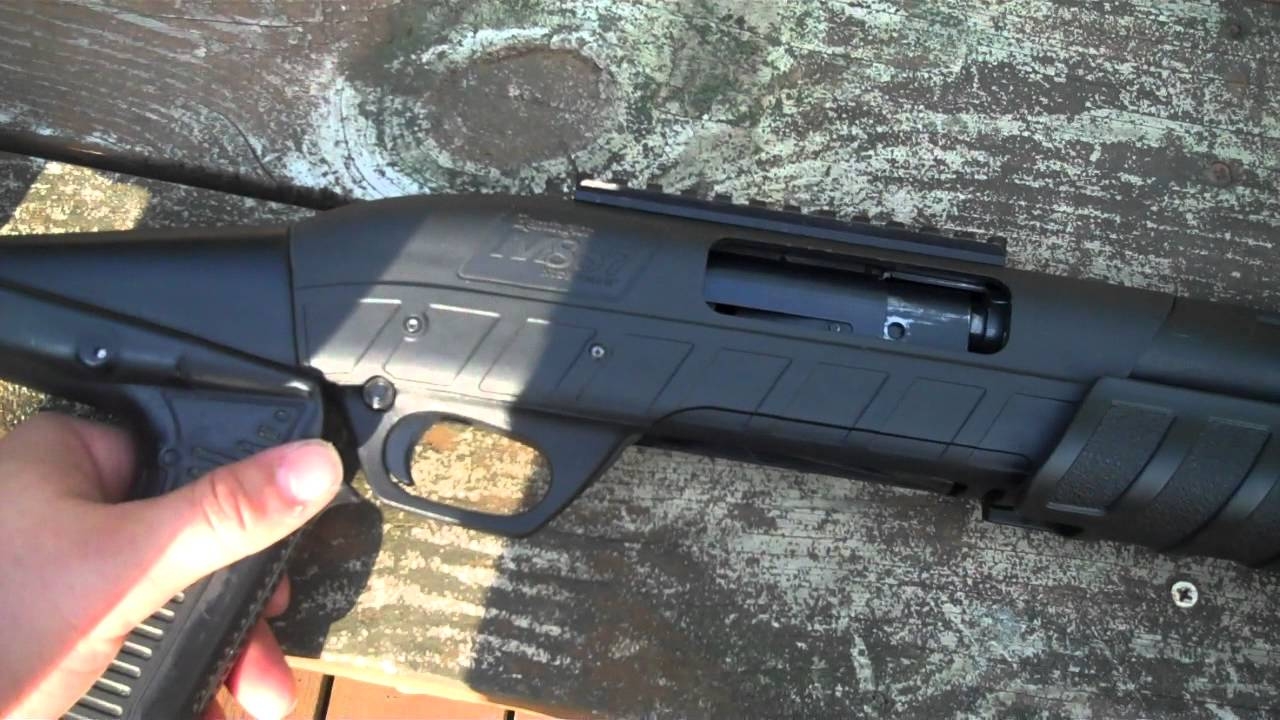
The Remington 887 Nitro Mag looked rugged in a way that caught attention. The coated exterior, big 12-gauge chambering, and modern styling made it seem like a hard-use waterfowl or turkey shotgun.
Unfortunately, plenty of buyers ended up feeling like the gun was more strange than trustworthy. The bulky feel, rough operation, and reputation problems made it a tough shotgun to love. When a pump gun doesn’t feel smooth or confidence-building, that’s a problem. Hunters can forgive ugly. They can forgive heavy. But they don’t forgive a shotgun that makes them question basic reliability.
Colt All American 2000

The Colt All American 2000 had the name buyers wanted to trust. Colt plus a modern 9mm pistol sounded like it should have been a hit, especially during a time when polymer and high-capacity pistols were reshaping the market.
Instead, it became one of those guns people mention when talking about missed chances. The trigger, handling, and overall execution did not live up to what buyers expected from Colt. It wasn’t cheap enough to be forgiven easily, either. People bought the name and then had to live with the disappointment.
KelTec P-11
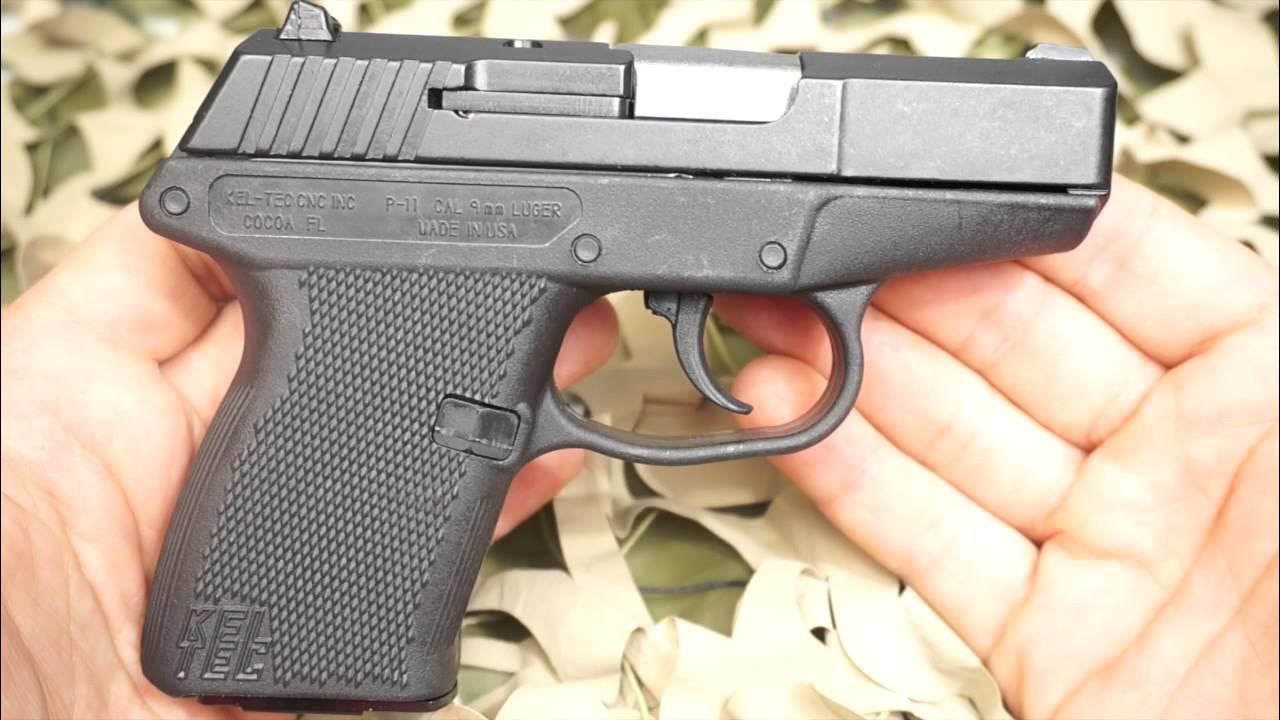
The KelTec P-11 deserves some credit for being small, light, and ahead of the curve in some ways. It gave buyers a compact 9mm option before that category was as crowded as it is now.
That does not mean everyone loved owning one. The trigger can feel long and heavy, recoil is not exactly pleasant, and the little gun can be hard to shoot well beyond close range. Owners who bought it for easy carry sometimes regretted how much they gave up in shootability. A gun that carries nicely but makes practice miserable can wear out its welcome.
Springfield Armory XD-S Mod.2
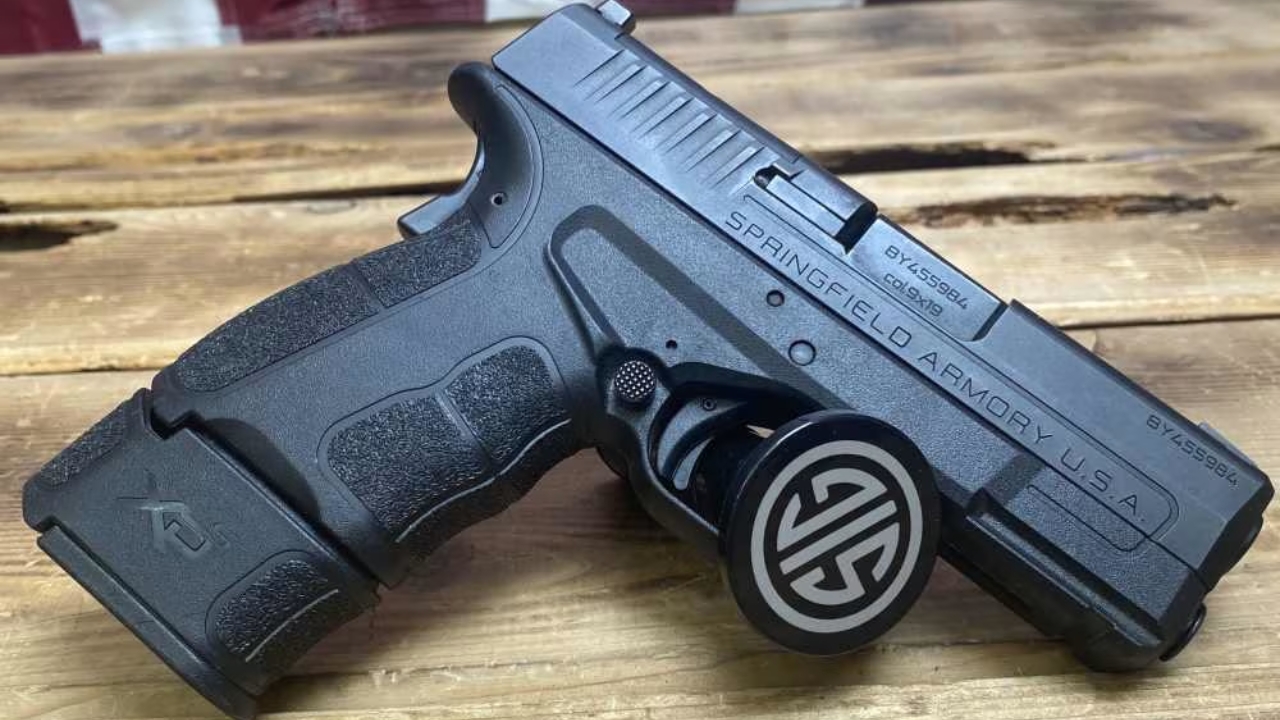
The XD-S Mod.2 pulled in buyers who wanted a slim carry pistol with a familiar grip safety and a more traditional Springfield feel. It looked like a safe choice for people who didn’t want the smallest micro-compact trend.
The regret can start when buyers compare it to newer carry pistols. Capacity, size, trigger feel, and aftermarket support don’t always make it look great anymore. It’s not useless, but it can feel like a gun caught between generations. Owners who bought one right before higher-capacity micro 9s took over may feel like they paid full price for a pistol the market quickly passed.
Winchester SXP
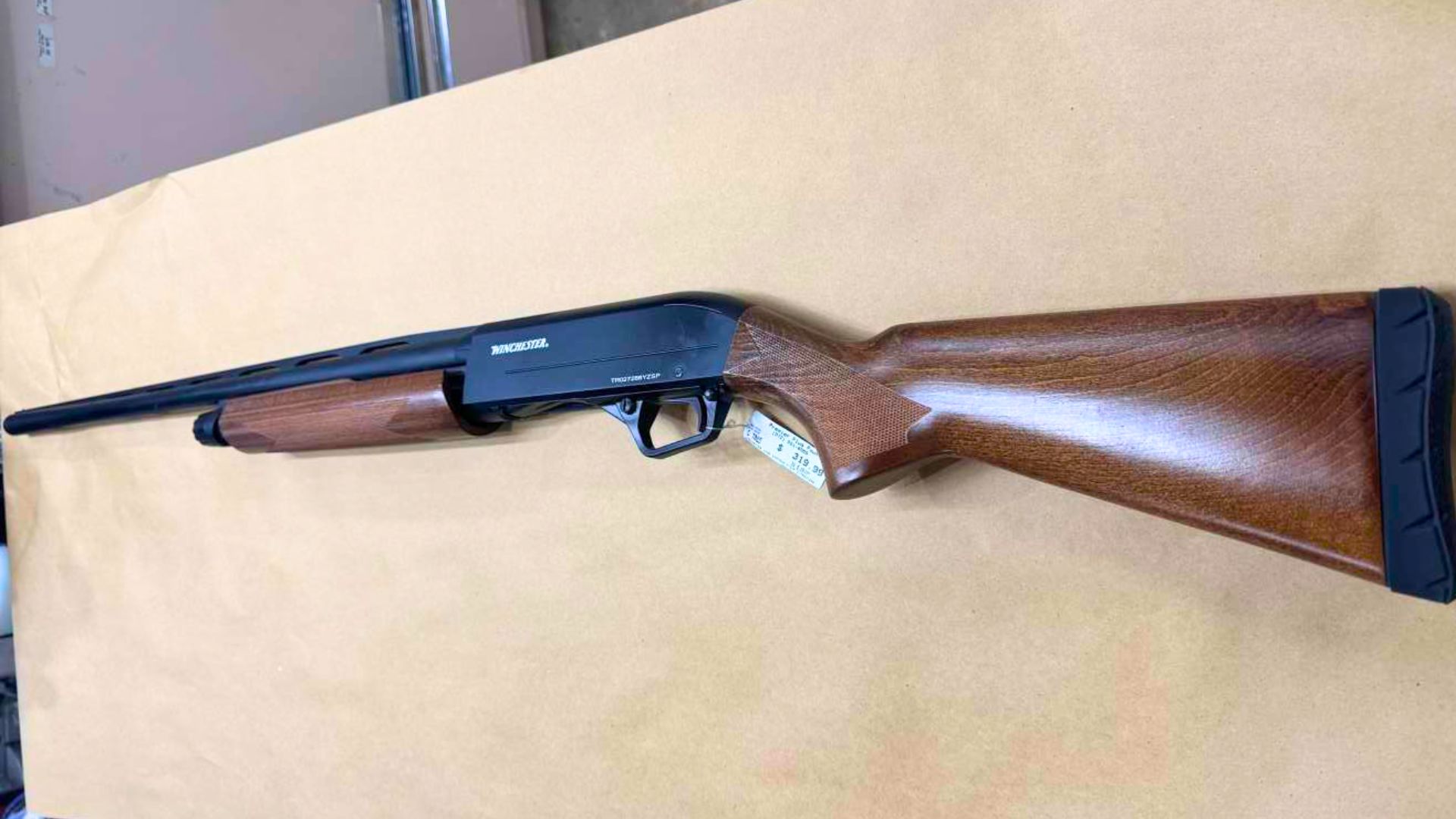
The Winchester SXP has defenders because it’s fast, affordable, and carries a respected name. For a budget pump shotgun, it gives buyers plenty of reasons to take it home.
Still, some owners end up regretting it after more field use. The action feel, fit, finish, and overall personality don’t always satisfy people who expected something closer to older Winchester quality. It can work fine, but it may not feel like a shotgun you want to keep for decades. When buyers realize they wanted a lifetime pump instead of a price-point shotgun, the remorse sets in.
Walther CCP
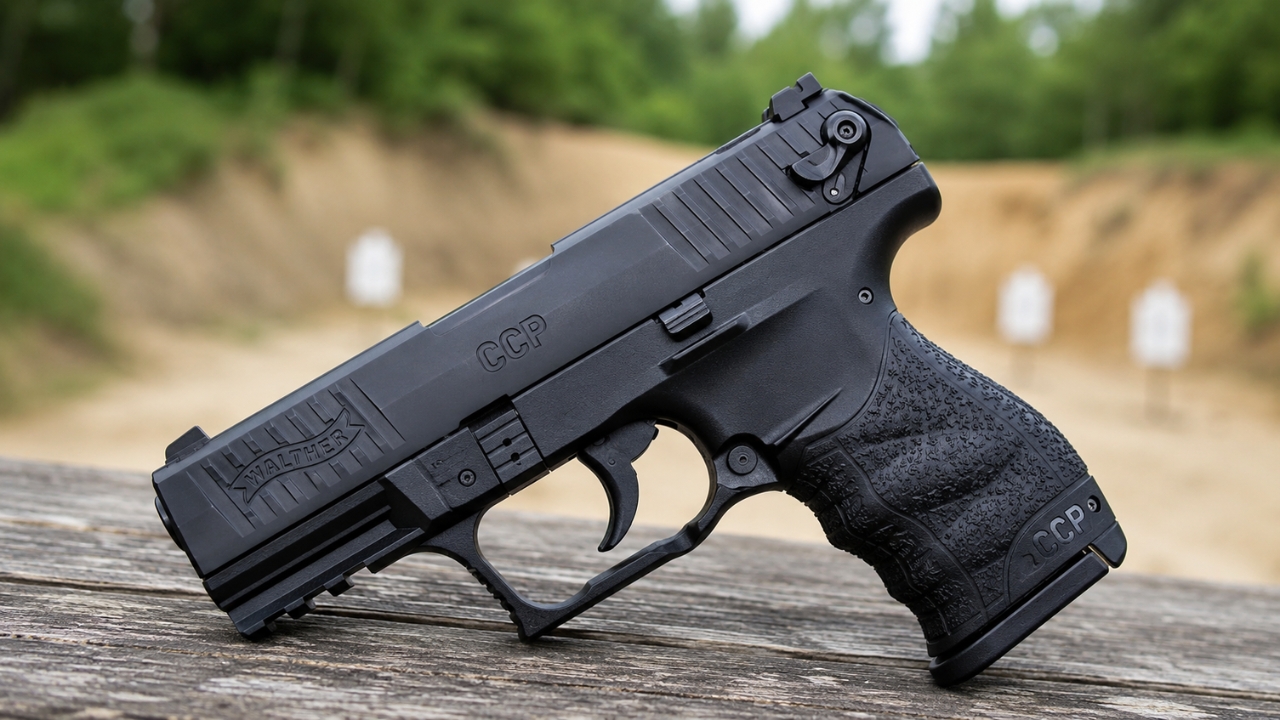
The Walther CCP appealed to buyers because it promised softer recoil in an easy-carry pistol. For people sensitive to snappy little 9mms, that sounded pretty good. The grip feel also helped sell it in the store.
Ownership could be less appealing. The takedown process on early versions annoyed plenty of people, and the pistol never earned the same trust as Walther’s stronger duty-style models. It can be comfortable to shoot, but comfort alone doesn’t erase doubts about complexity, maintenance, or long-term confidence. Buyers expecting a simple everyday carry gun sometimes found themselves wishing they had picked something plainer.
Savage B-Mag
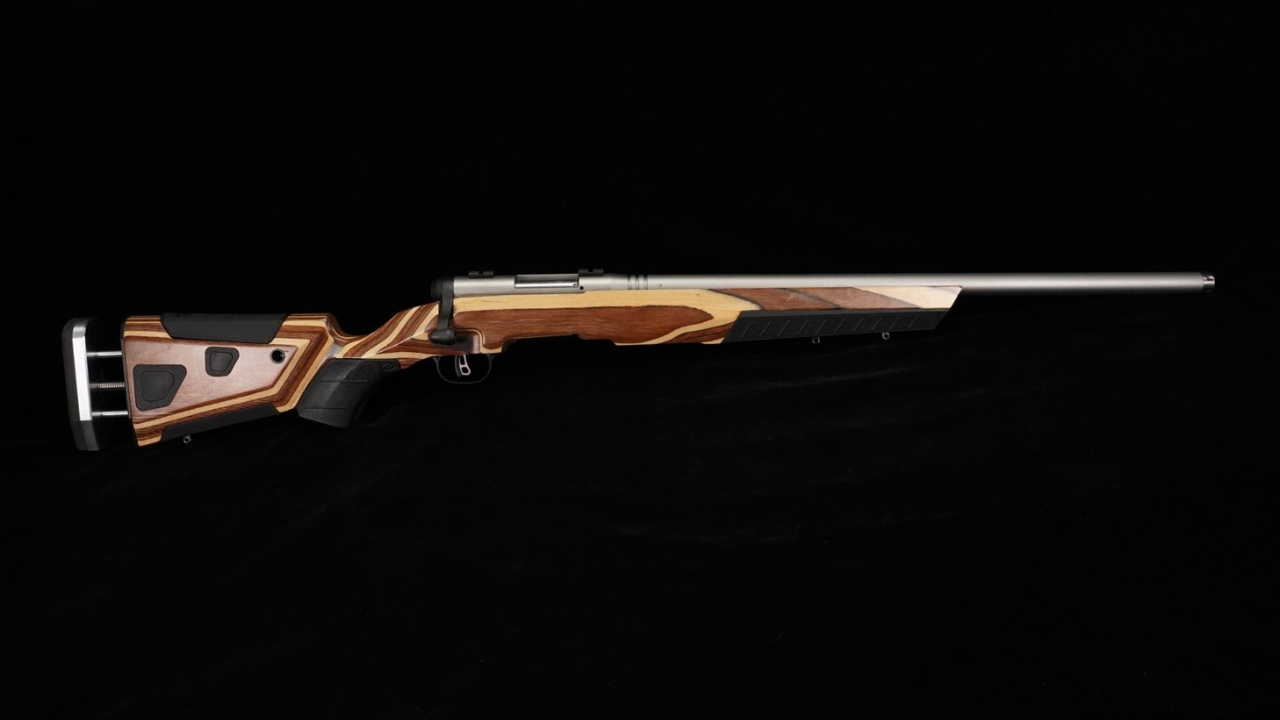
The Savage B-Mag got attention because the .17 WSM cartridge sounded exciting. A fast rimfire with more reach than the usual options made varmint shooters curious, and the rifle was affordable enough to try.
The rifle itself caused regret for plenty of buyers. The early stocks felt flimsy, the bolt operation was odd, and accuracy could be more inconsistent than people hoped. When you buy into a hot little cartridge, the rifle still has to feel good enough to support it. For some owners, the B-Mag made the cartridge seem less impressive than it should have.
Beretta Pico

The Beretta Pico looked like a smart deep-carry pistol. It was thin, snag-free, and backed by a company with serious pistol history. For pocket carry, those points matter.
Then buyers had to shoot it. Tiny .380 pistols are rarely fun, and the Pico’s trigger, controls, and overall feel made it hard for many owners to enjoy or trust. It was easy to carry, but not always easy to like. That gap creates regret fast. A carry pistol you avoid practicing with becomes more of a drawer gun than a real solution.
Remington 597
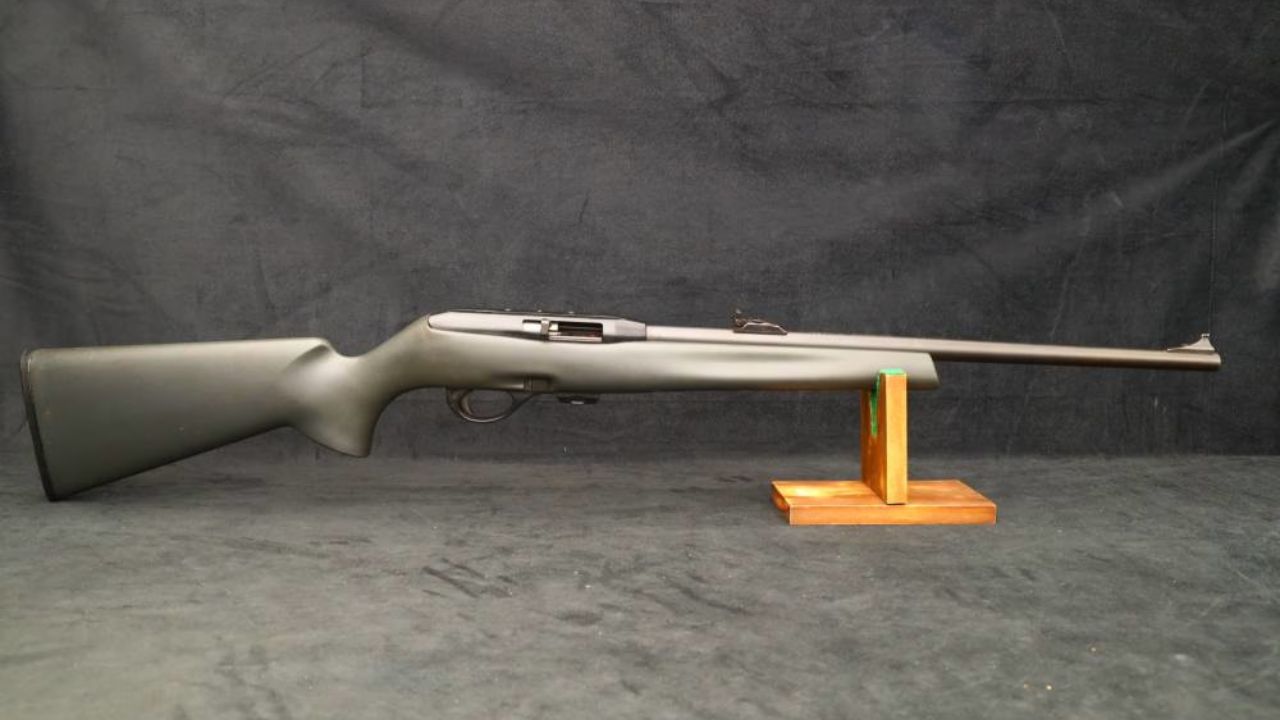
The Remington 597 was supposed to compete in the semi-auto rimfire world without everyone automatically buying a Ruger 10/22. It had a decent feel, good potential, and enough brand recognition to get attention.
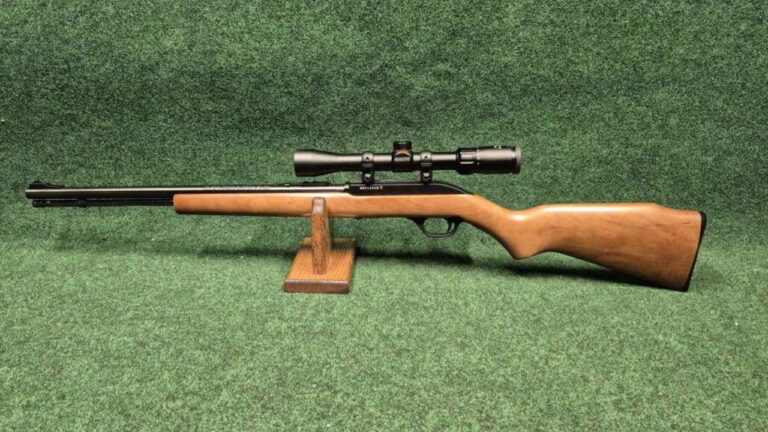
The issue was that too many owners ran into magazine and reliability frustrations over the years. A .22 rifle should be cheap fun, not a constant reminder that you might have bought the wrong one. Some 597s shoot well and have loyal owners, but buyer’s remorse is common when a rimfire turns casual plinking into repeated stoppages and parts hunting.
Like The Avid Outdoorsman’s content? Subscribe to our newsletter so you never miss an article.
Here’s more from us: