Photo credit: SUNDAY GUNDAY/YouTube
Buying a gun is easy when you’re standing at the counter and everything feels like a good idea. The finish looks right, the salesman has a story, the internet says it’s underrated, and the price either feels like a bargain or just expensive enough to seem serious.
Then you actually live with it. You shoot it more, clean it, carry it, hunt with it, or try to trust it when things aren’t perfect. That’s when the lesson shows up. Some firearms don’t teach buyers with one huge failure. They teach them slowly, one annoyance at a time.
Kimber Solo
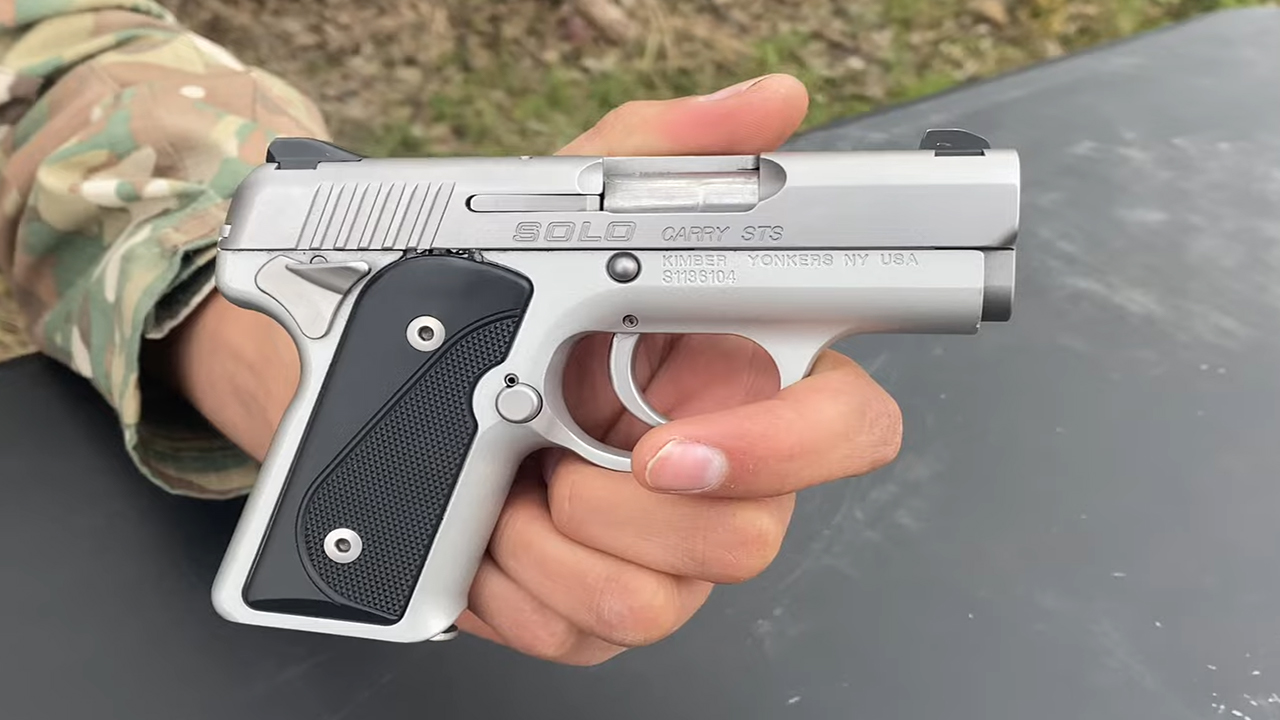
The Kimber Solo looked like the kind of carry pistol people wanted to believe in. It was small, clean, classy, and had the Kimber name on the slide, which made it feel more refined than the usual pocket-size options.
The hard lesson came when owners realized a good-looking little 9mm still has to run without drama. The Solo earned a reputation for being picky with ammo and less forgiving than buyers expected. When a carry pistol makes you wonder whether it likes today’s load, confidence disappears fast.
Remington 770

The Remington 770 taught a lot of hunters that “ready to hunt” does not always mean “ready to trust.” It came as an affordable package rifle, usually with a scope already mounted, and that made it tempting for new hunters trying to get into the woods cheap.
Then the rough edges started showing. The bolt could feel clunky, the stock felt cheap, and the package optic rarely inspired much confidence. Plenty killed deer, but buyers learned that saving money up front can cost confidence later.
Taurus PT 24/7
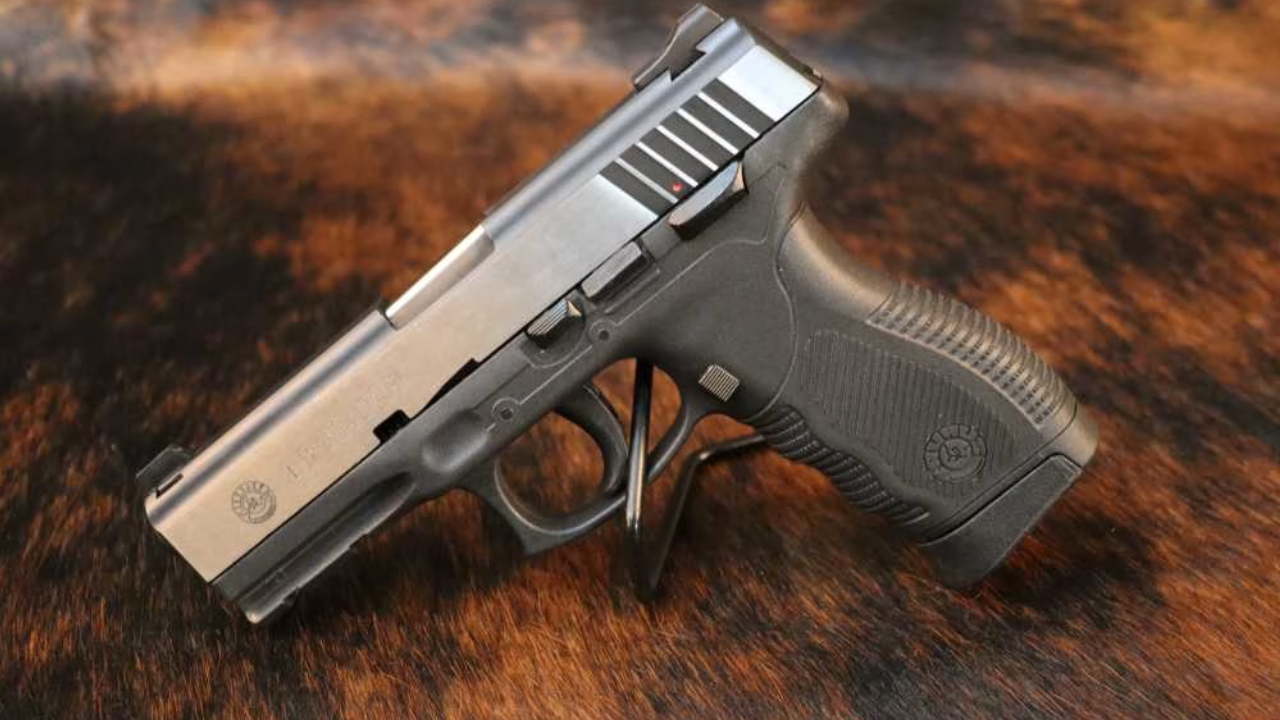
The Taurus PT 24/7 pulled buyers in with modern styling, decent capacity, and a price that made it feel like a shortcut to a serious defensive pistol. For people trying to stretch their budget, that mattered.
The lesson came later, especially as the model’s reputation got messy. Recalls, trust issues, and uneven owner experiences made some buyers wish they had spent more on something with a stronger long-term record. A defensive handgun has to feel boringly dependable. Once doubt gets attached, the low price doesn’t feel as good.
Remington R51

The Remington R51 had the kind of comeback story people wanted to root for. It looked different, carried a famous name, and promised a slim 9mm with softer shooting manners than its size suggested.
Buyers learned the hard way that an interesting design still needs clean execution. Early reliability complaints damaged the gun’s reputation badly, and the second chance never fully erased the doubt. Some firearms can survive being ugly. A carry pistol has a much harder time surviving a reputation for not working right.
Savage B-Mag
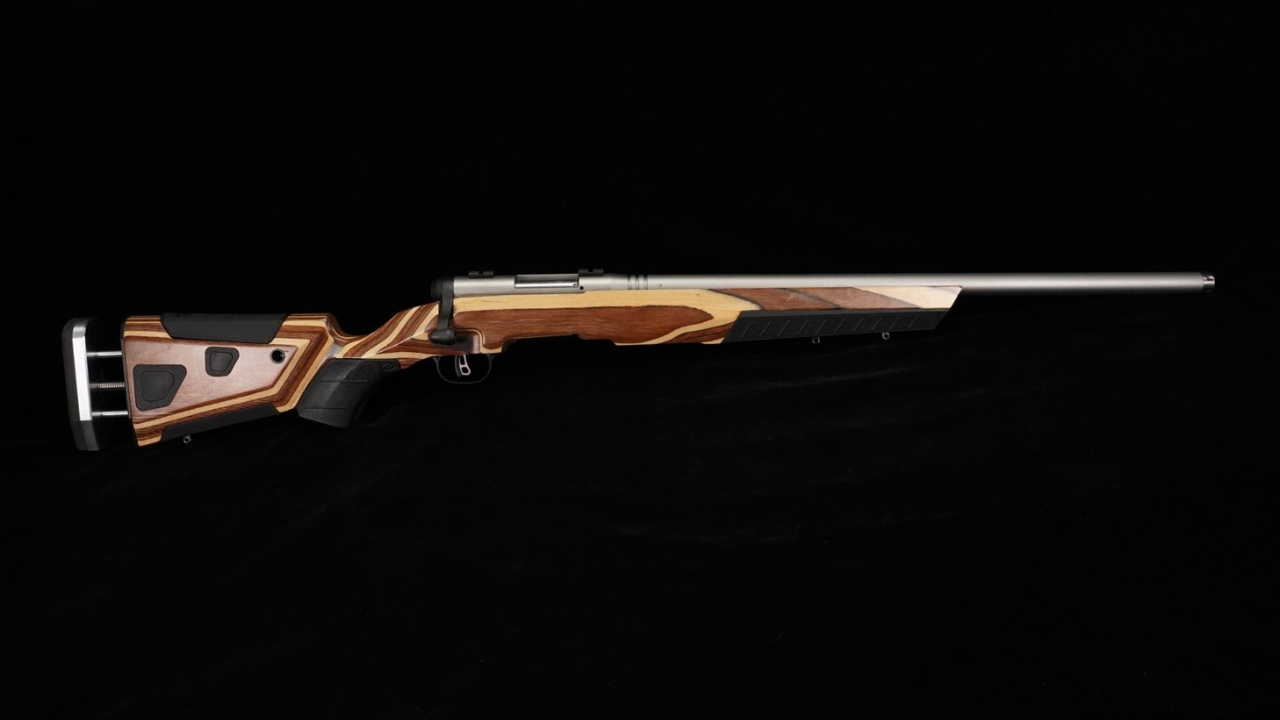
The Savage B-Mag looked like a smart buy for varmint shooters who wanted to try the fast .17 WSM cartridge without spending serious money. On paper, it seemed like a cheap way into a flat-shooting rimfire setup.
At the range, some buyers learned that a promising cartridge can be dragged down by the rifle around it. Early B-Mags had complaints about flimsy stocks, odd bolt feel, and inconsistent accuracy. That’s a rough lesson: the cartridge may be exciting, but the gun still has to feel worth owning.
Beretta Nano

The Beretta Nano seemed like a safe bet because it came from Beretta and fit the slim single-stack carry trend. It was clean, snag-free, and simple-looking, which made it easy to picture as a daily carry pistol.
Then some owners found out simple-looking doesn’t always mean easy to love. The trigger, grip feel, and blocky little shape did not work for everyone, and the pistol got passed by quickly once better micro-compacts arrived. Buyers learned that brand history doesn’t guarantee a carry gun will feel right in your hand.
Mossberg 715T
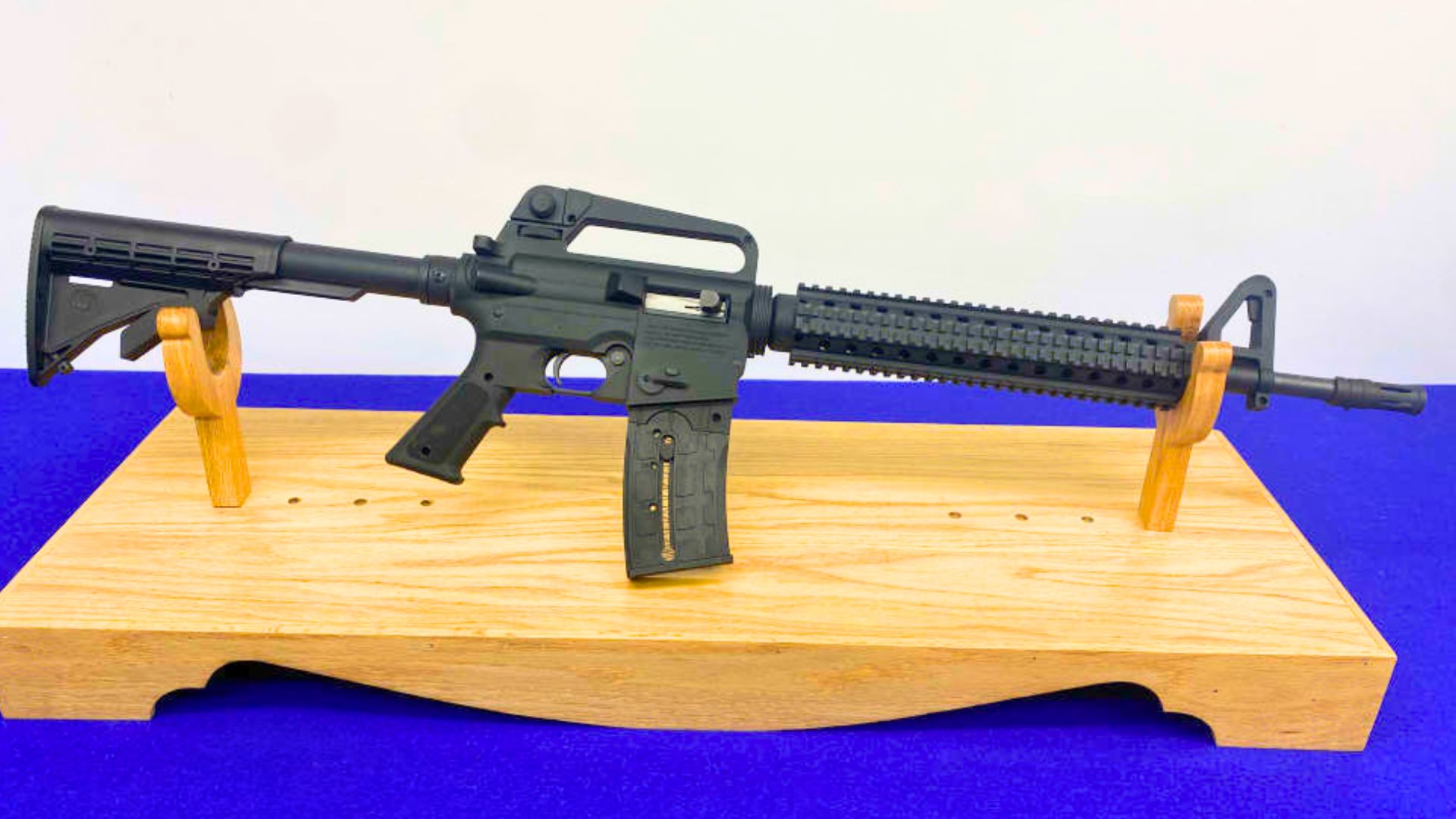
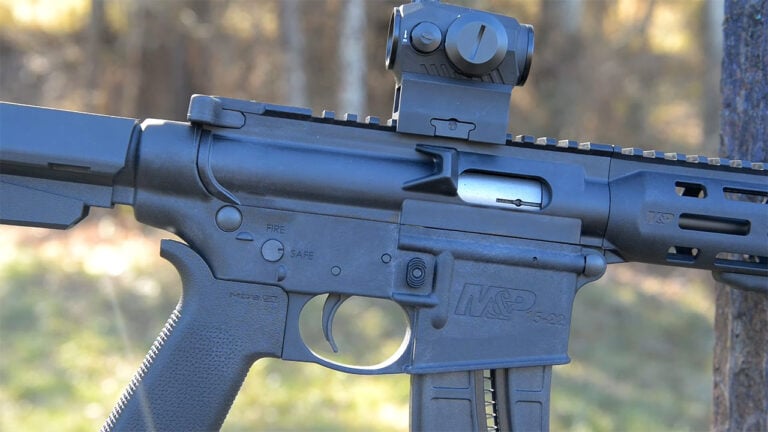
The Mossberg 715T looked like cheap fun. An AR-style .22 with tactical furniture seemed perfect for plinking, training younger shooters, or scratching the black-rifle itch without paying centerfire prices.
The hard lesson was that looks can hide what a gun really is. Under the shell, it often felt more like a dressed-up rimfire than a serious trainer. The plastic-heavy feel and awkward controls left some buyers wishing they had just bought a better traditional .22. Cool styling gets old once the shooting experience feels cheap.
Colt All American 2000
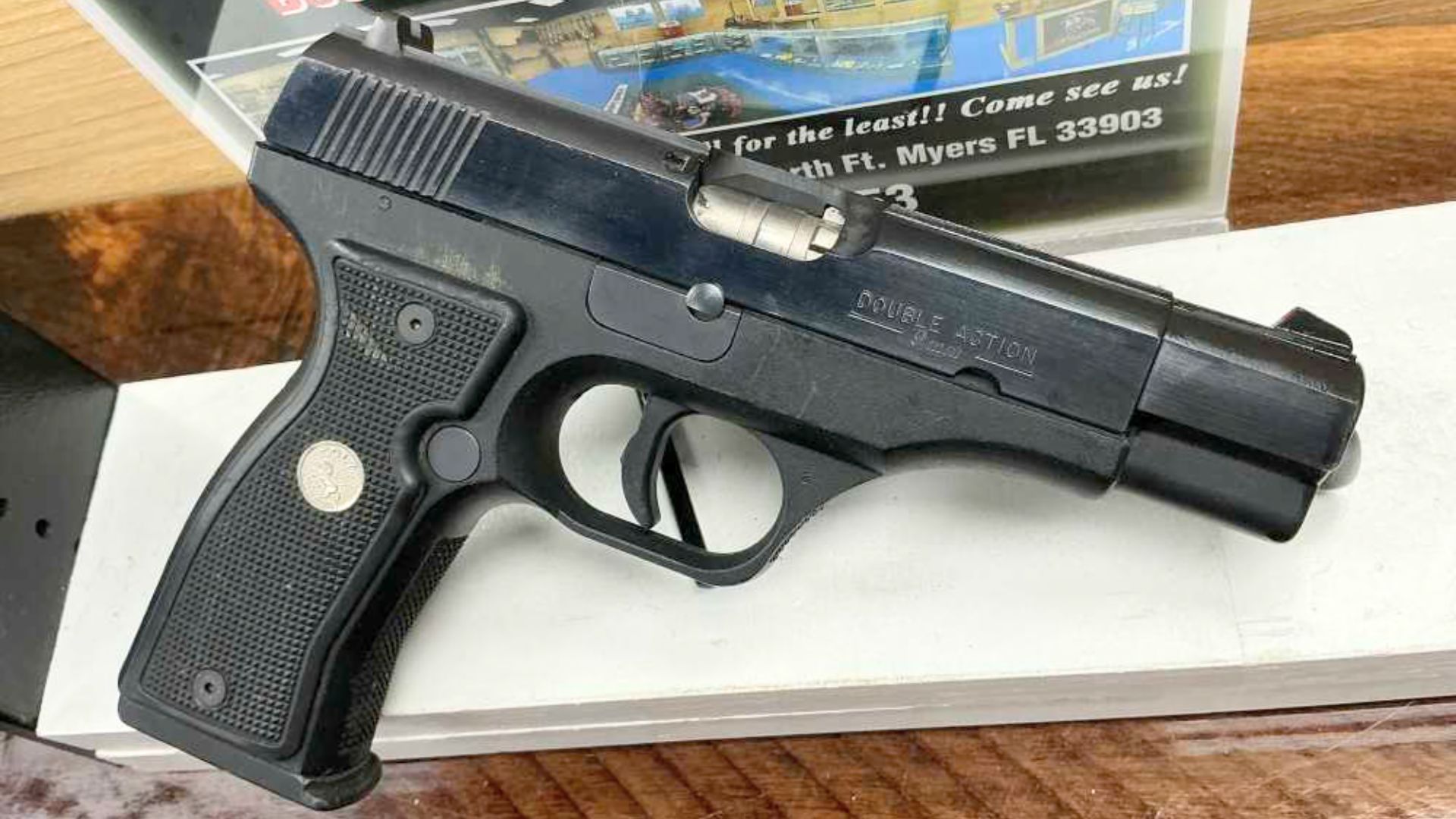
The Colt All American 2000 had one big thing going for it right away: the Colt name. Buyers wanted to believe Colt could step into the modern 9mm world and build something that would stand beside the pistols changing the market.
Instead, the gun became a lesson in reputation not being enough. The trigger, feel, and overall execution disappointed too many people. It didn’t have the charm of Colt’s classics or the performance to compete hard with newer designs. Buyers learned that a famous roll mark does not fix a bad first impression.
Remington 887 Nitro Mag

The Remington 887 Nitro Mag looked like a shotgun built for rough weather and hard use. The coating, heavy-duty appearance, and big waterfowl energy made it seem like the kind of gun that could handle abuse.
Then some buyers learned that tough-looking and tough-feeling are different things. The 887 could feel bulky, rough, and awkward compared with smoother pump guns. For a shotgun, confidence comes from the action feeling natural and dependable. If every pump stroke reminds you the gun feels clunky, the rugged image stops helping.
SIG Sauer Mosquito
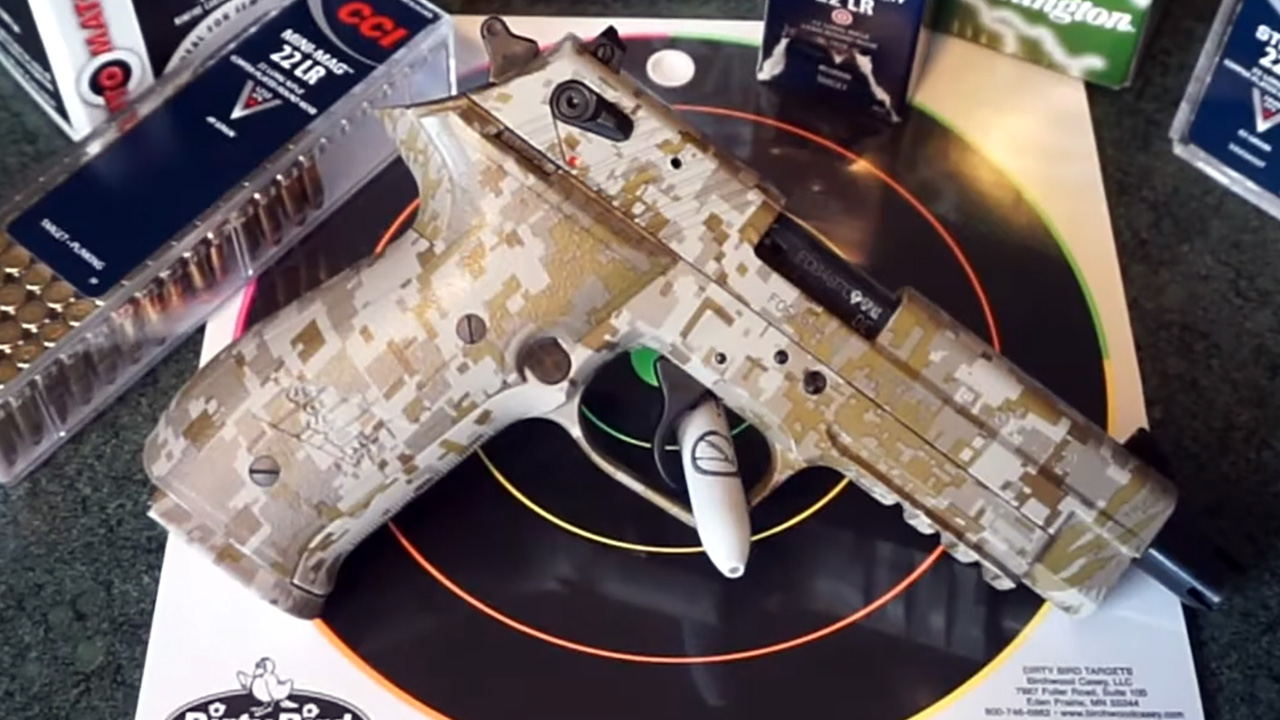
The SIG Sauer Mosquito sounded like an easy win. A smaller .22 pistol wearing the SIG name should have been a fun training gun, cheap plinker, and low-recoil range companion.
A lot of buyers learned fast that rimfire pistols can test your patience. The Mosquito gained a reputation for ammo sensitivity and reliability complaints that did not match what people expected from the SIG badge. A .22 should make range time cheaper and easier. When it turns into constant troubleshooting, the lesson sticks.
KelTec PF-9

The KelTec PF-9 appealed to buyers because it was thin, light, affordable, and easy to carry. At a time when small 9mm pistols were still evolving, that made it look like a smart little defensive option.
The hard lesson came at the range. Light, thin 9mm pistols can be unpleasant, and the PF-9 was never known for being gentle or refined. The trigger, recoil, and overall feel made practice feel like work. Buyers learned that a gun can carry beautifully and still be one you don’t want to shoot enough to master.
Winchester SXP
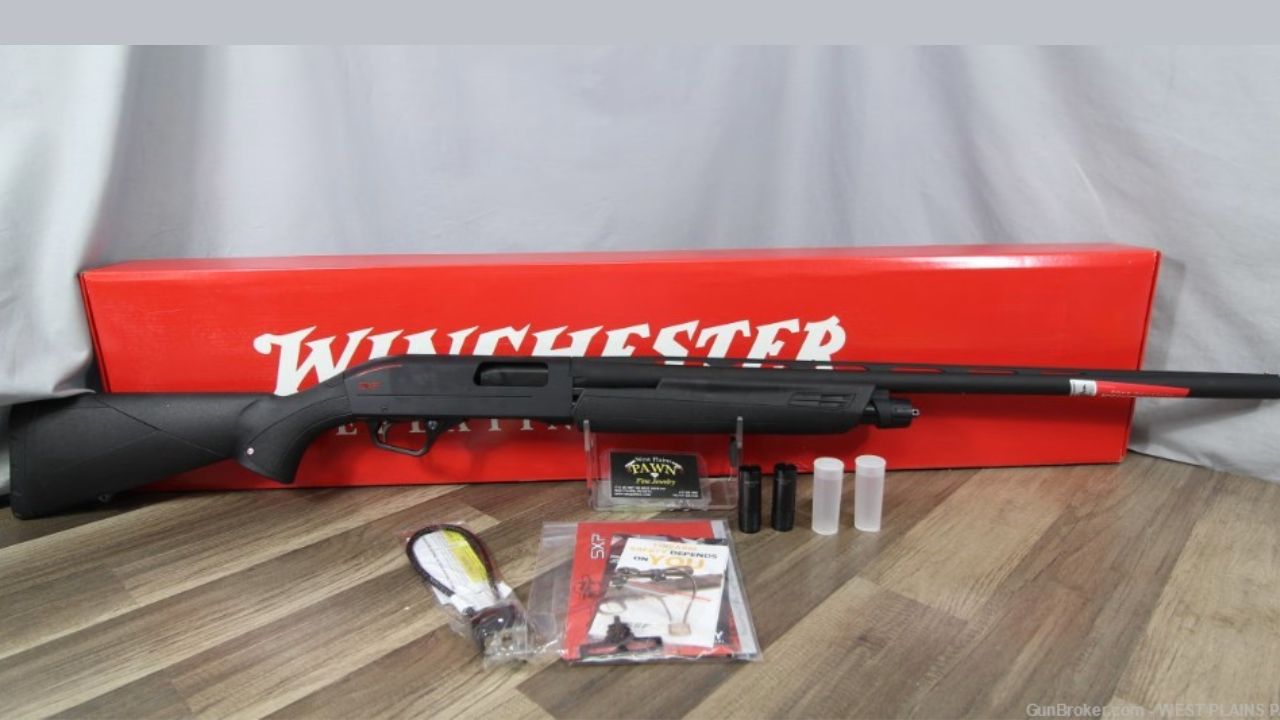
The Winchester SXP sells because it has a respected name, a fast action, and a price that keeps it within reach. For hunters wanting a basic pump shotgun, it can look like a safe choice.
Some buyers learn later that the name on the box doesn’t make it feel like the older Winchesters they had in mind. The SXP can work, but the fit, finish, and overall feel may leave traditional shotgun buyers wanting more. A pump gun should feel like a long-term tool. If it feels like a price-point purchase, regret creeps in.
Walther CCP

The Walther CCP looked like a clever carry pistol for shooters who wanted softer recoil and a comfortable grip. The gas-delayed system sounded interesting, and the pistol felt approachable to people who didn’t love snappy little 9mms.
The lesson was that clever can also mean complicated. Early takedown complaints and mixed confidence around the platform made some buyers wish they had chosen a simpler pistol. Comfort matters, but a carry gun also has to feel easy to maintain, easy to trust, and easy to recommend without a long explanation.
Henry Mare’s Leg
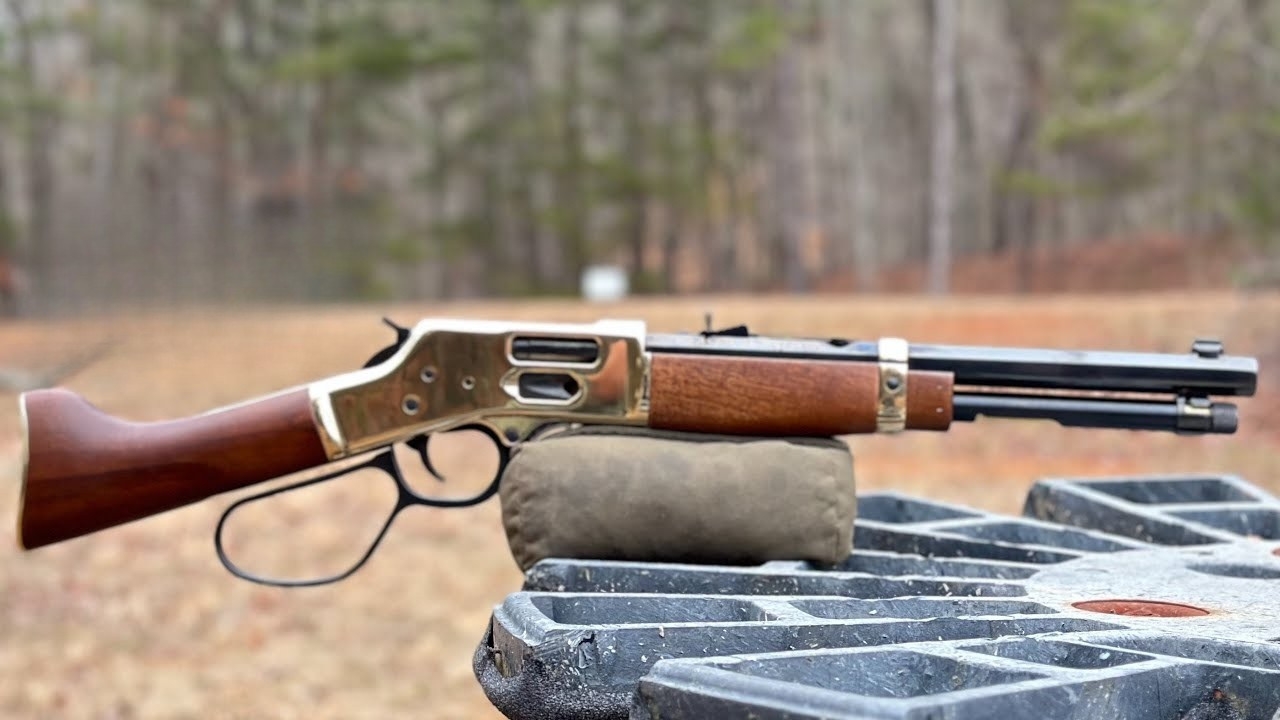
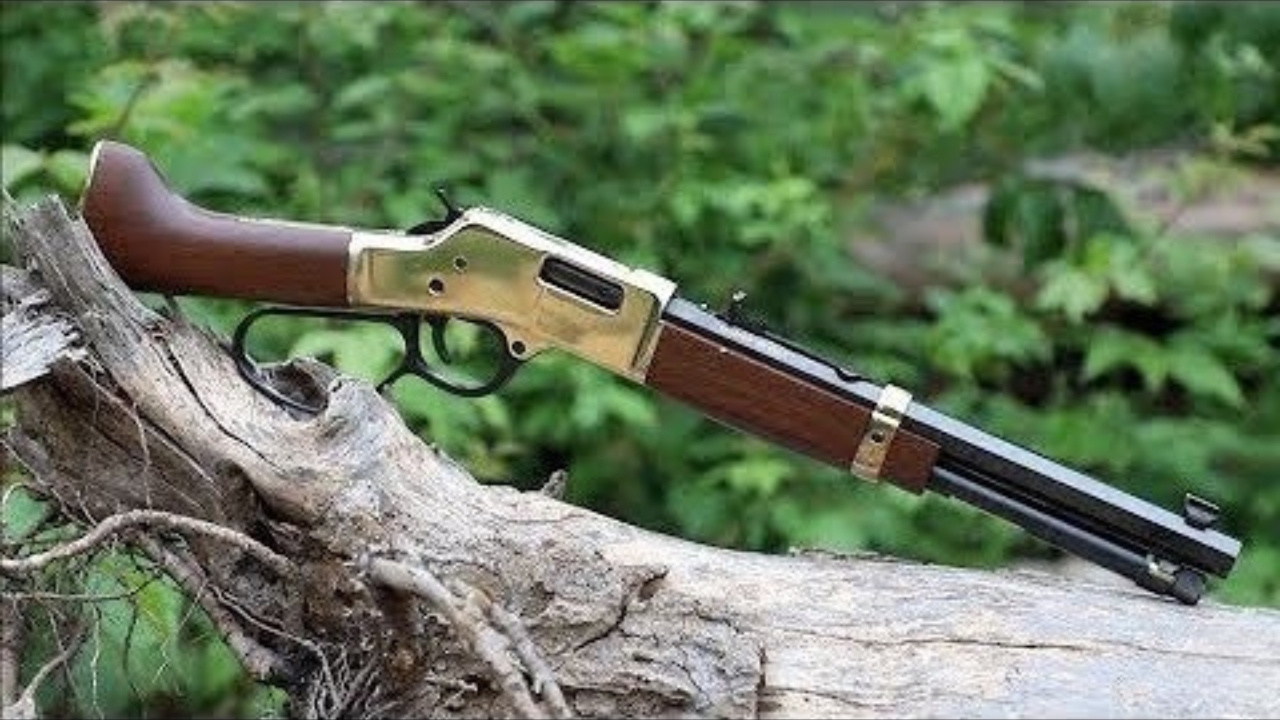
The Henry Mare’s Leg gets buyers with pure fun. It looks cool, feels different, and has that cut-down lever-gun personality that makes people smile at the counter.
Then they try to actually use it like a firearm instead of a conversation piece. It is awkward to aim, awkward to cycle compared with a real rifle, and far less practical than its looks suggest. The hard lesson is simple: some guns are better at being interesting than useful. That can be fine, as long as you know it before paying.
Springfield XD-E
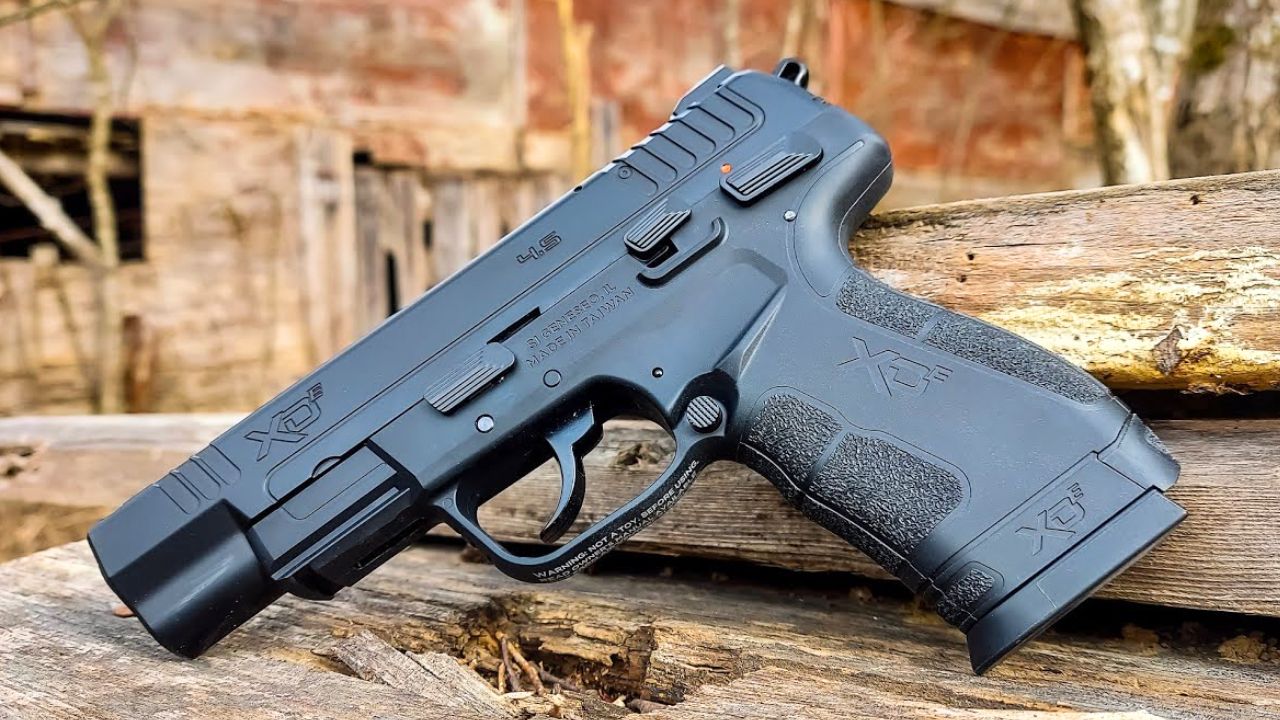
The Springfield XD-E seemed like it had a real lane. A hammer-fired, DA/SA carry pistol in a thin package sounded appealing to shooters who didn’t want another striker-fired gun. On paper, it filled a gap.
In real use, the appeal got narrower. The trigger system, grip feel, recoil in the smaller versions, and limited market support made it harder to love over time. Buyers who wanted something different learned that different only matters if the gun is also better for how they carry and shoot. The XD-E was interesting, but interesting didn’t make it a lasting favorite.
Like The Avid Outdoorsman’s content? Subscribe to our newsletter so you never miss an article.
Here’s more from us: