Photo credit: CW Longshot/YouTube
Some old calibers deserve respect because they helped build the shooting world we have now. They fed lever guns, military rifles, pocket pistols, revolvers, and hunting rifles long before modern shooters had endless choices. A cartridge can be outdated and still historically important.
But history does not make something practical. Some calibers are expensive, hard to find, weak by modern standards, awkward to reload, or tied to old guns that should be treated gently. They may be fun for collectors, but for most shooters, they belong more in a museum display than in the ammo stash.
.25 ACP
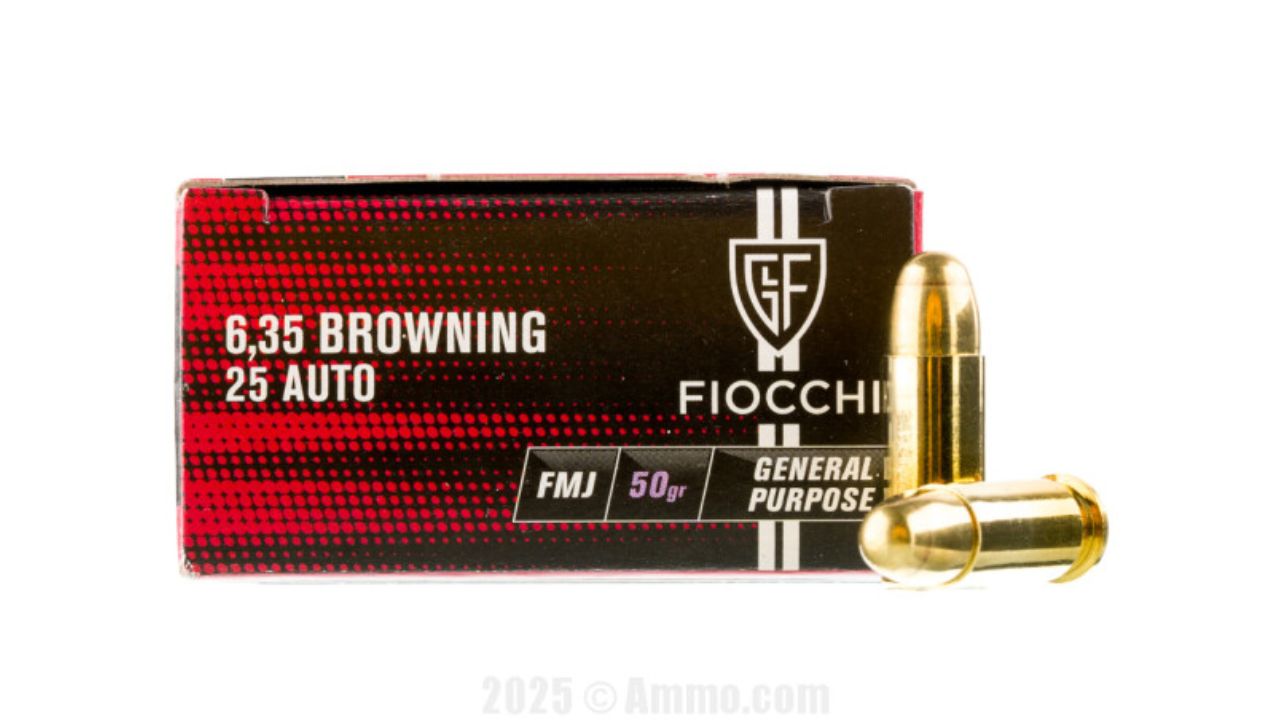
The .25 ACP made sense when tiny pocket pistols needed a centerfire cartridge that could feed more reliably than early rimfire options. In that narrow historical role, it had a purpose. Old vest-pocket pistols and little blowback autos helped keep it alive for decades.
Today, it is hard to justify. The cartridge is weak, expensive for what it is, and chambered mostly in guns that are difficult to shoot well. Modern .380s, small 9mms, and even better .22 LR pistols make more sense for almost every practical role. The .25 ACP is interesting history, not something most people need in the safe.
.32 ACP

The .32 ACP has more charm than many forgotten pistol rounds. It powered classic pistols like the Walther PP, Colt 1903, and countless European pocket guns. It is mild, easy to shoot, and historically important in a way modern defensive rounds will never be.
But as a current defensive caliber, it has been passed by hard. Ammunition is more limited, power is modest, and many guns chambered for it are old enough to deserve gentle treatment. A .32 ACP pistol can be fun as a collector piece, but for serious carry or home defense, modern .380 ACP and 9mm options make much more sense.
.38 S&W
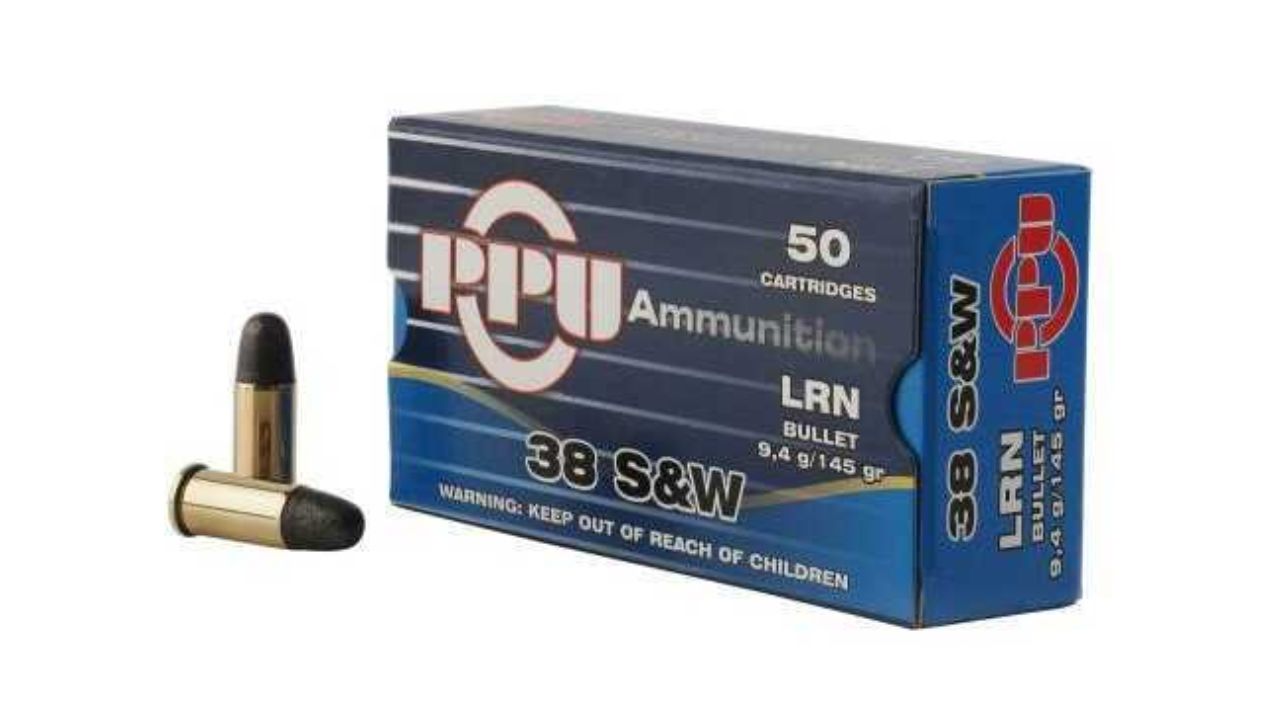
The .38 S&W is easy to confuse with .38 Special, but they are not the same thing. The older .38 S&W was used in a lot of break-top revolvers, British service revolvers, and old pocket guns. It has real history behind it.
The problem is that it is mild, outdated, and usually tied to revolvers that should be inspected carefully before being fired. Ammo is not as common as .38 Special, and performance is not close enough to justify the trouble. If you inherit one, it may be neat to own. But it is not a caliber most shooters should be stocking deep.
.38 Long Colt
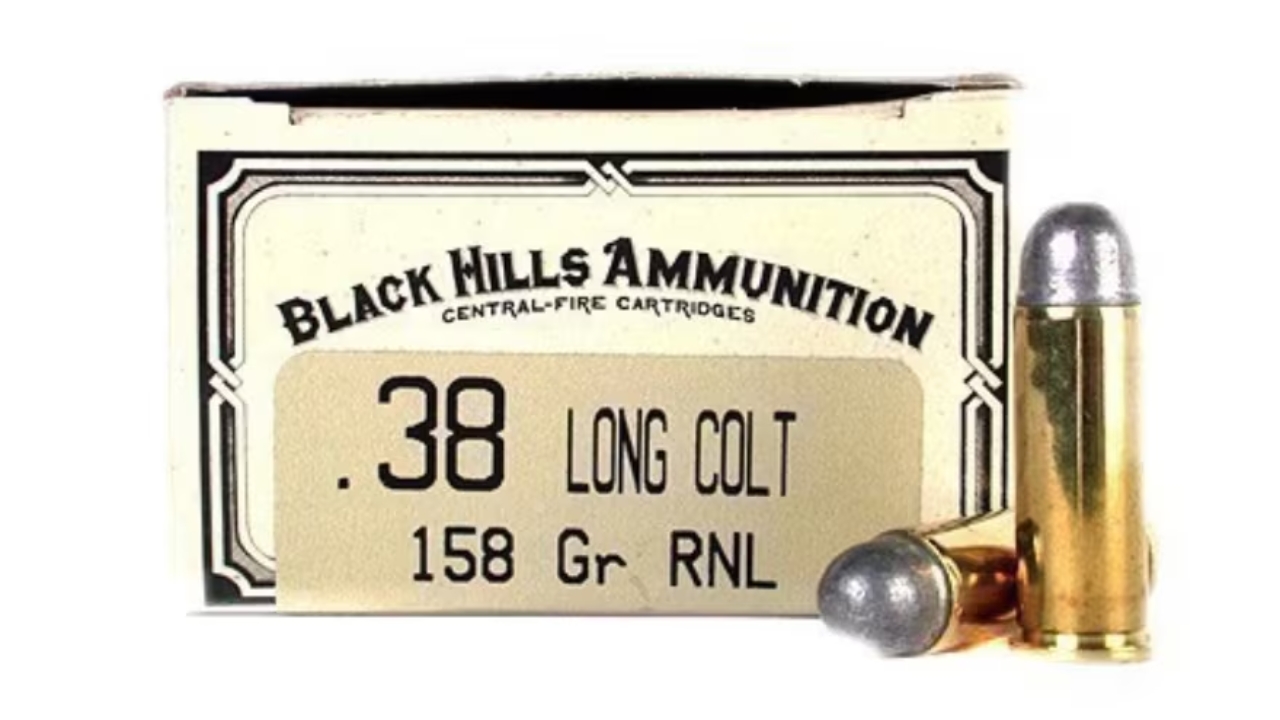
The .38 Long Colt belongs in history books because it played a role in American military handgun development. Unfortunately, part of that history is tied to its poor reputation as a fighting cartridge. It was eventually overshadowed for good reason.
By modern standards, it is simply too weak and too obsolete for practical use. Ammunition is uncommon, guns chambered for it are usually old, and .38 Special does everything better while still being mild and easy to shoot. The .38 Long Colt is worth remembering, but not worth choosing now.
.41 Short Colt
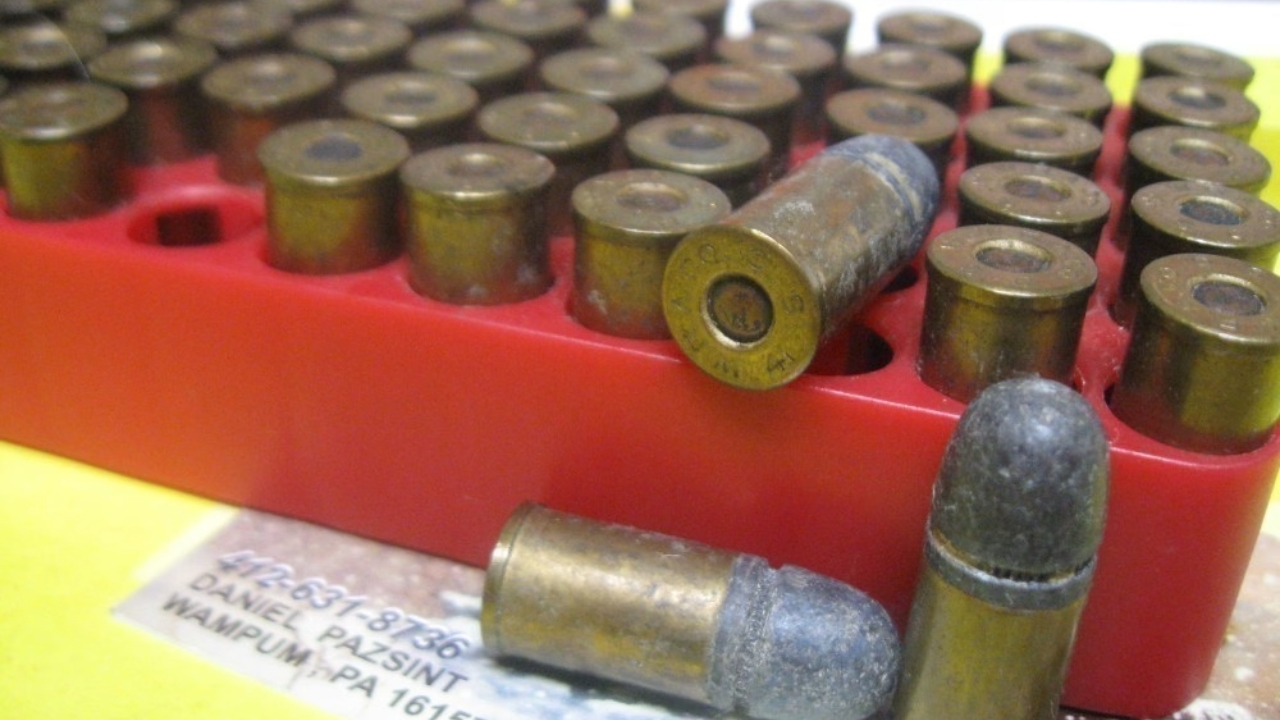
The .41 Short Colt is one of those old revolver rounds that mostly matters to collectors. It came from a time when small defensive revolvers used cartridges that look strange to modern shooters. There is historical curiosity there, especially for people who collect old Colts.
As something to actually use, it makes very little sense. Ammunition is scarce, performance is unimpressive, and most guns chambered for it are old enough that condition matters more than caliber. It is a cartridge for display cases, cartridge collections, and antique revolver fans, not everyday shooters.
.44 Russian

The .44 Russian deserves respect because it was accurate, influential, and important in revolver history. It helped shape later big-bore revolver cartridges and has a reputation for fine accuracy in the right guns. That is not nothing.
But the modern shooter has little reason to choose it outside of nostalgia. .44 Special gives you a more practical descendant with better availability, and .44 Magnum revolvers can often shoot .44 Special for flexibility. The .44 Russian is historically important, but it is not a practical caliber to build around today.
.44-40 Winchester
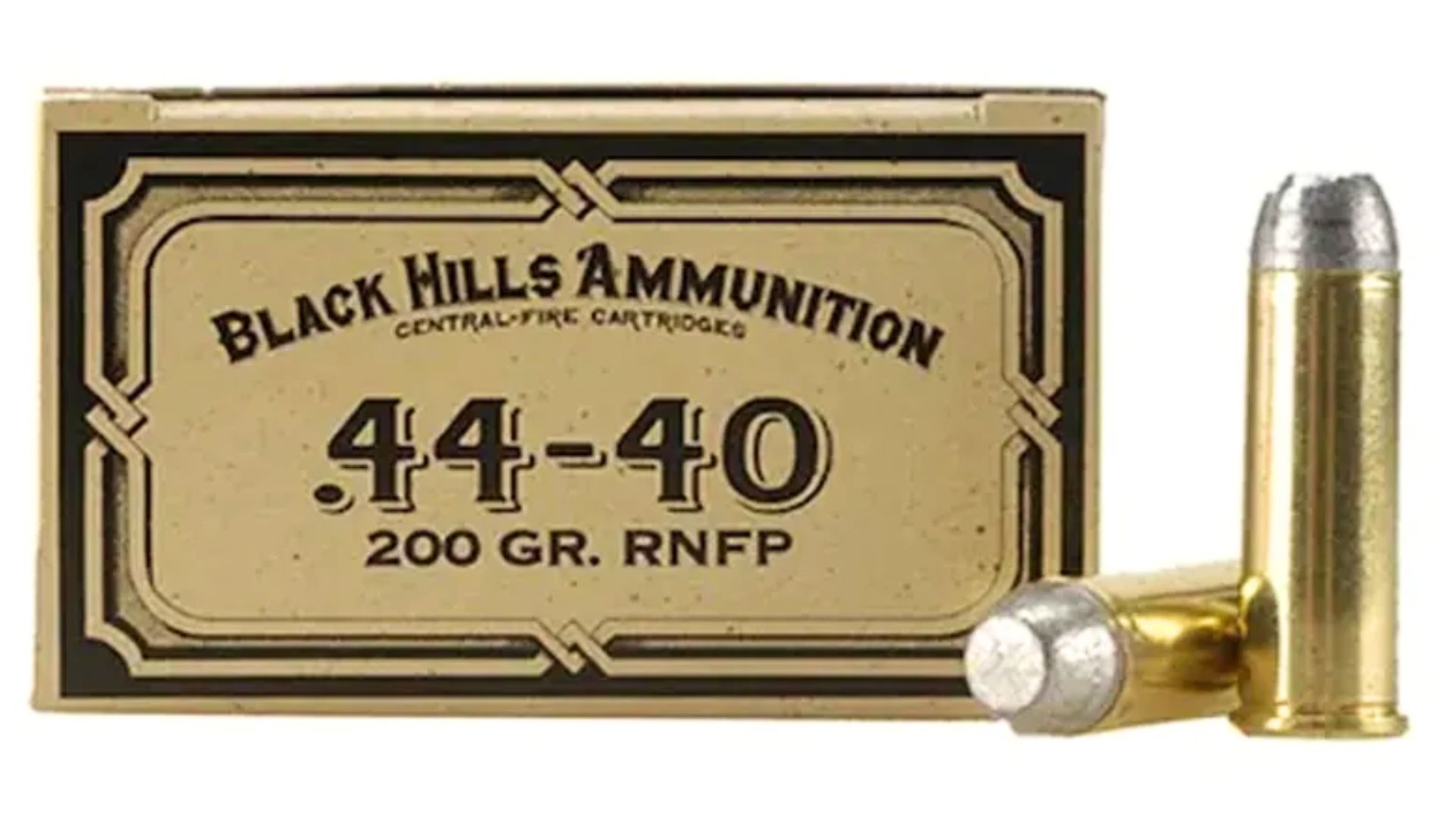
The .44-40 Winchester is a true Old West classic. It served in lever-action rifles and revolvers, and it made sense when sharing one cartridge between a rifle and sidearm was a major advantage. It has earned its place in firearms history.
Still, modern shooters should be honest about its limitations. Factory loads are often mild because they need to be safe in old guns, brass can be thin, and reloading can be fussier than more modern straight-wall cartridges. It is wonderful for cowboy-action nostalgia, but if you want a practical pistol-caliber carbine or field round, .357 Magnum, .44 Magnum, or .45 Colt are easier choices.
.32-20 Winchester

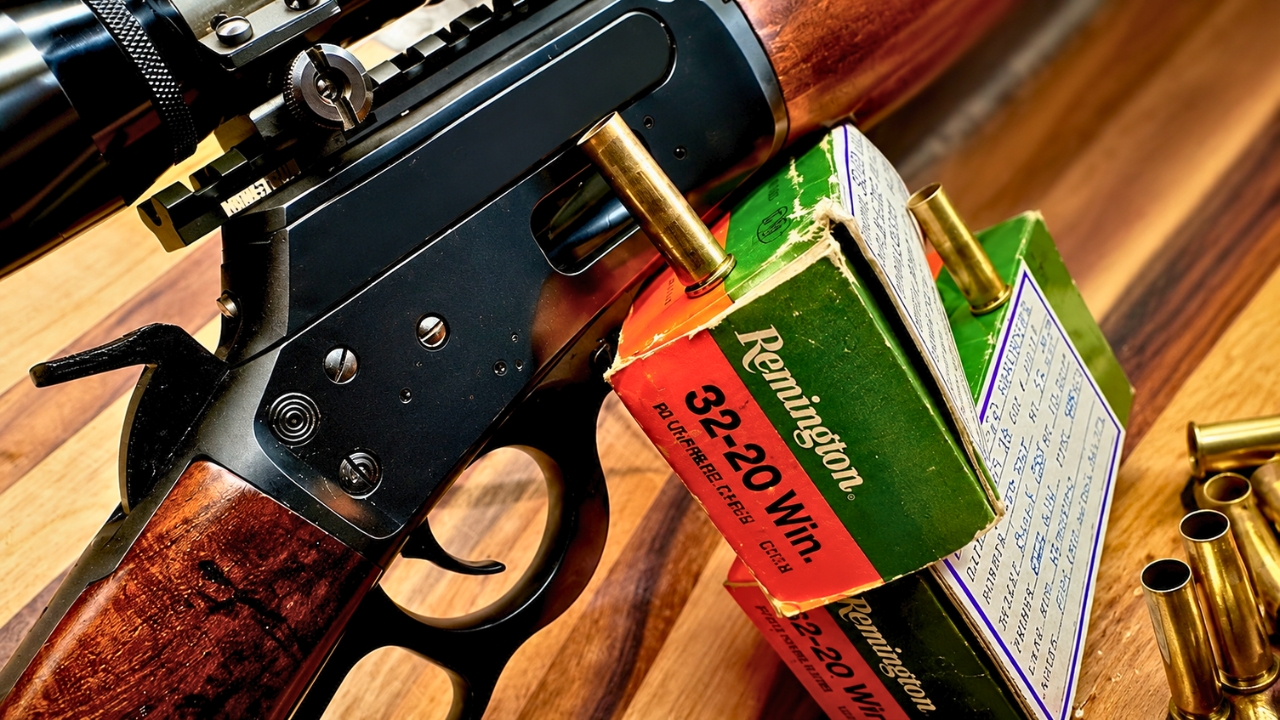
The .32-20 Winchester is a neat old cartridge for small game, pests, and classic lever guns. It has low recoil, low noise, and plenty of charm in older rifles and revolvers. For collectors and handloaders, it can still be enjoyable.
But it is not a modern all-around cartridge. Factory ammo is limited and expensive, brass can be delicate, and performance is too light for many jobs people might want it to do. It belongs in old rifles, cartridge collections, and cowboy-action circles more than in a practical modern safe.
.25-20 Winchester
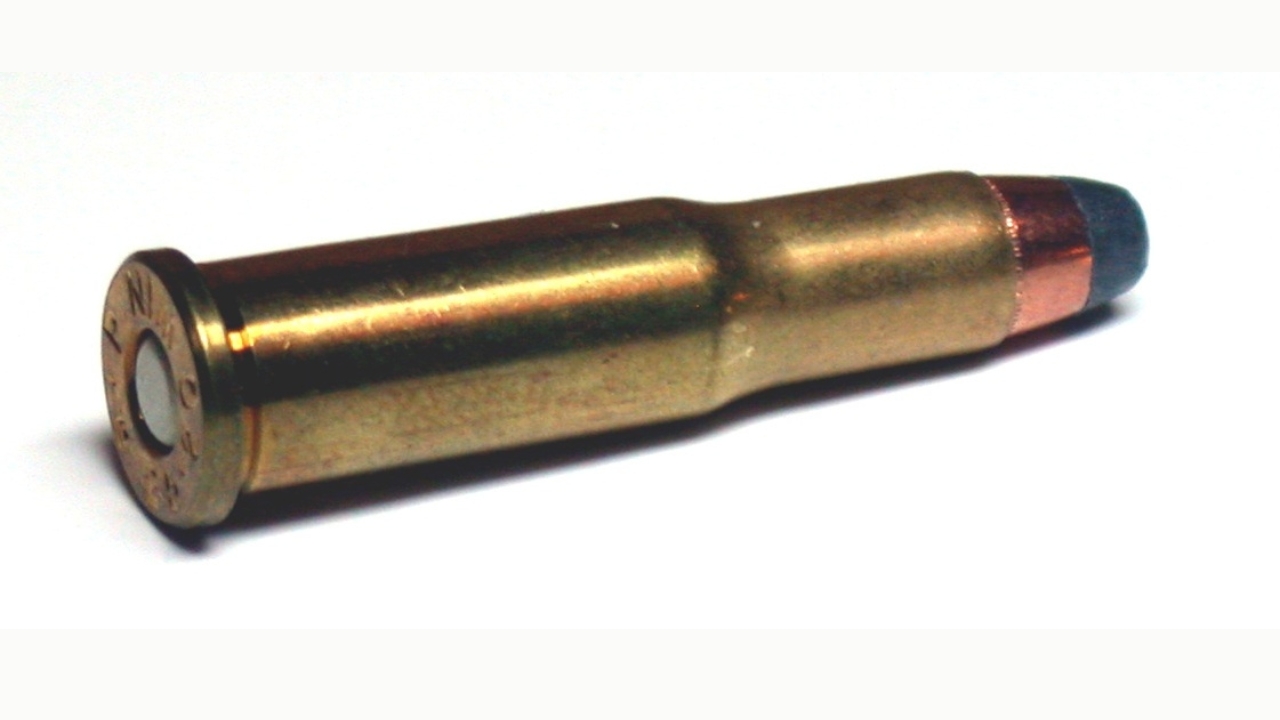
The .25-20 Winchester has the same kind of old lever-gun charm as the .32-20, but even less practical appeal for most shooters today. It was useful in a different era for small game and light varmint work. In a classic rifle, it can still be fun.
The issue is that modern cartridges do its job with far less hassle. .22 Hornet, .223 Remington, .22 WMR, and even common .22 LR options are easier to find and easier to justify depending on the role. The .25-20 is a collector’s cartridge now, not something most shooters should chase.
.218 Bee
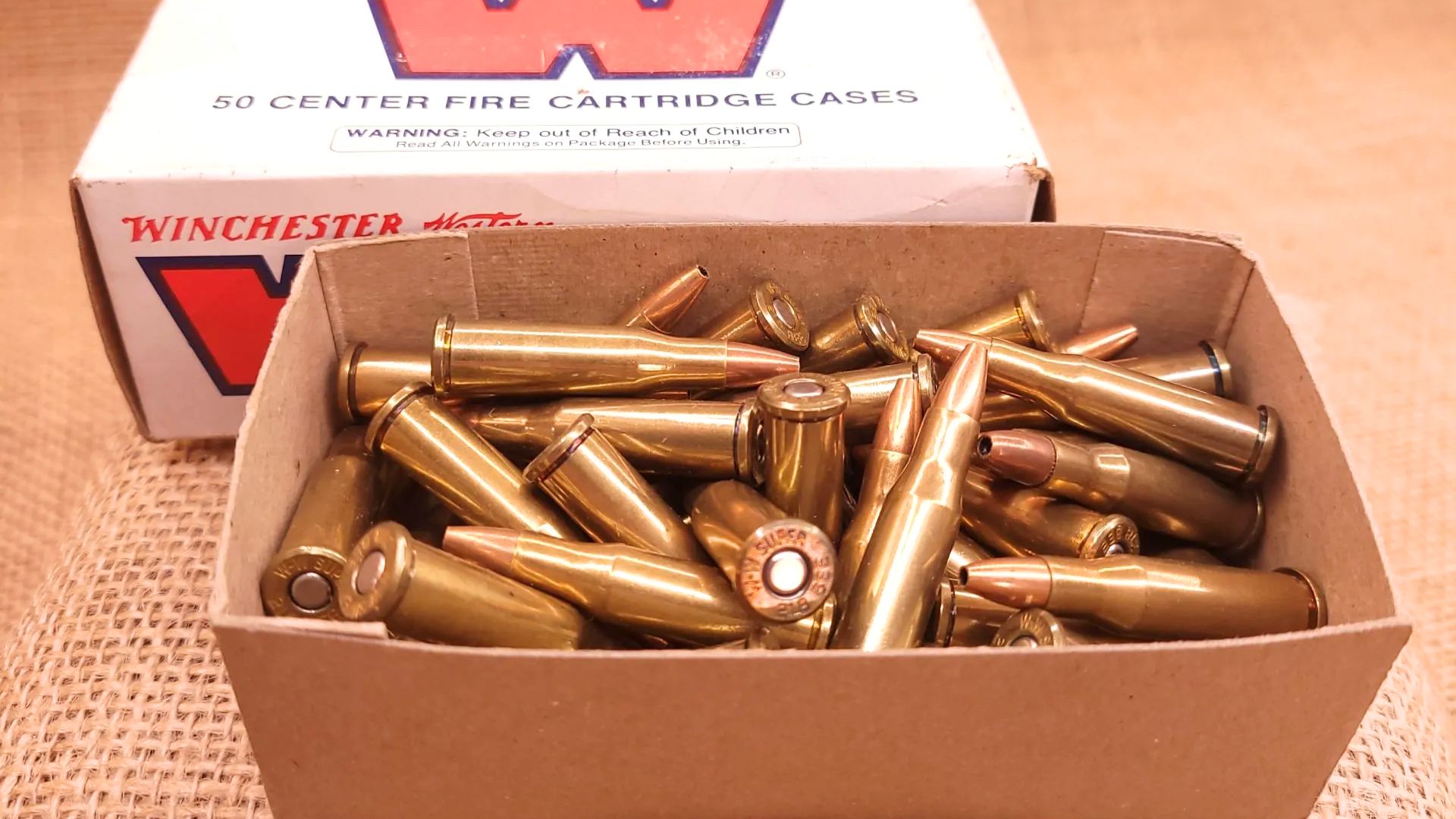
The .218 Bee is an interesting little varmint cartridge with real nostalgia behind it. It showed up in classic lever actions and single-shots, and it has a following among people who like mild, accurate small-game rounds. It is not useless.
But it has been buried by better-supported options. .223 Remington is cheaper, more common, and more capable. .22 Hornet still has a niche. .22 WMR covers casual rimfire varmint work. The .218 Bee is charming, but unless you already own a rifle chambered for it, there is not much reason to start now.
.22 Savage Hi-Power
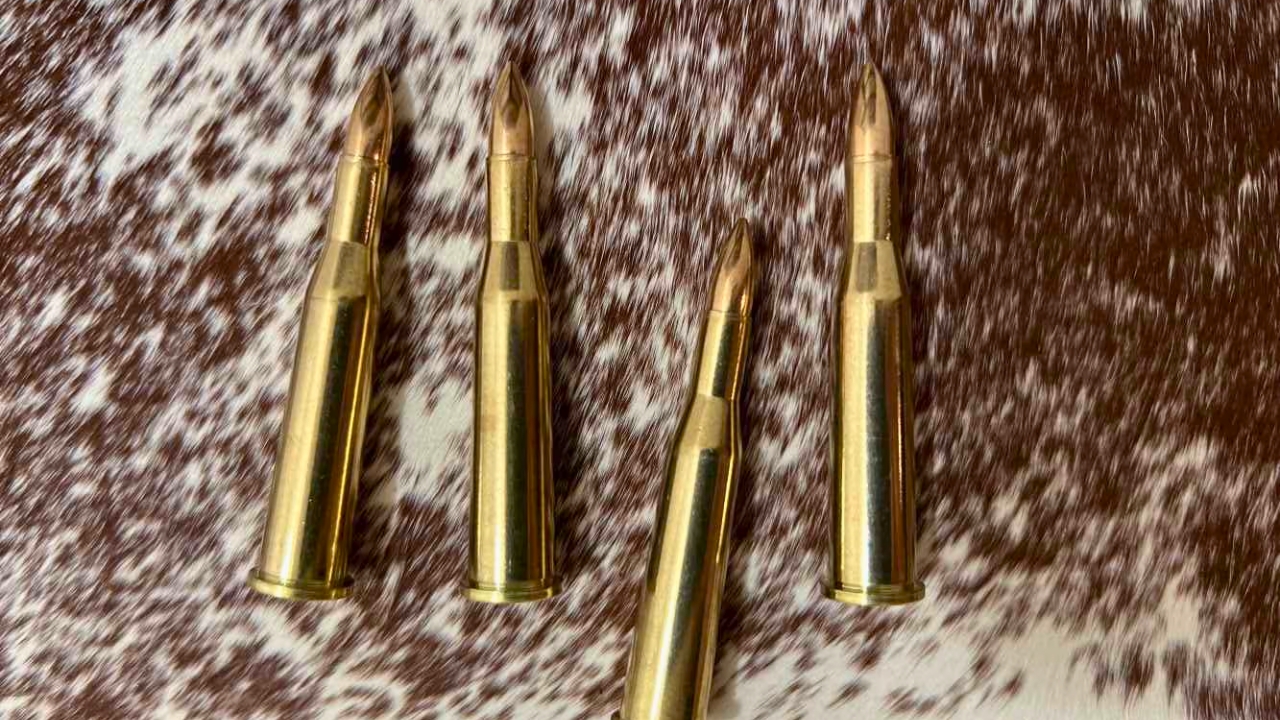
The .22 Savage Hi-Power has one of the cooler names in old cartridge history. It was once marketed as a serious high-velocity hunting round and was chambered in rifles like the Savage Model 99. For its time, it had real novelty.
Today, it is mostly a historical footnote. Ammunition is scarce, bullet selection is odd by modern standards, and there are far better small-bore hunting rounds available. It is a cartridge worth reading about, but not one most hunters should try to revive for field use.
.303 Savage
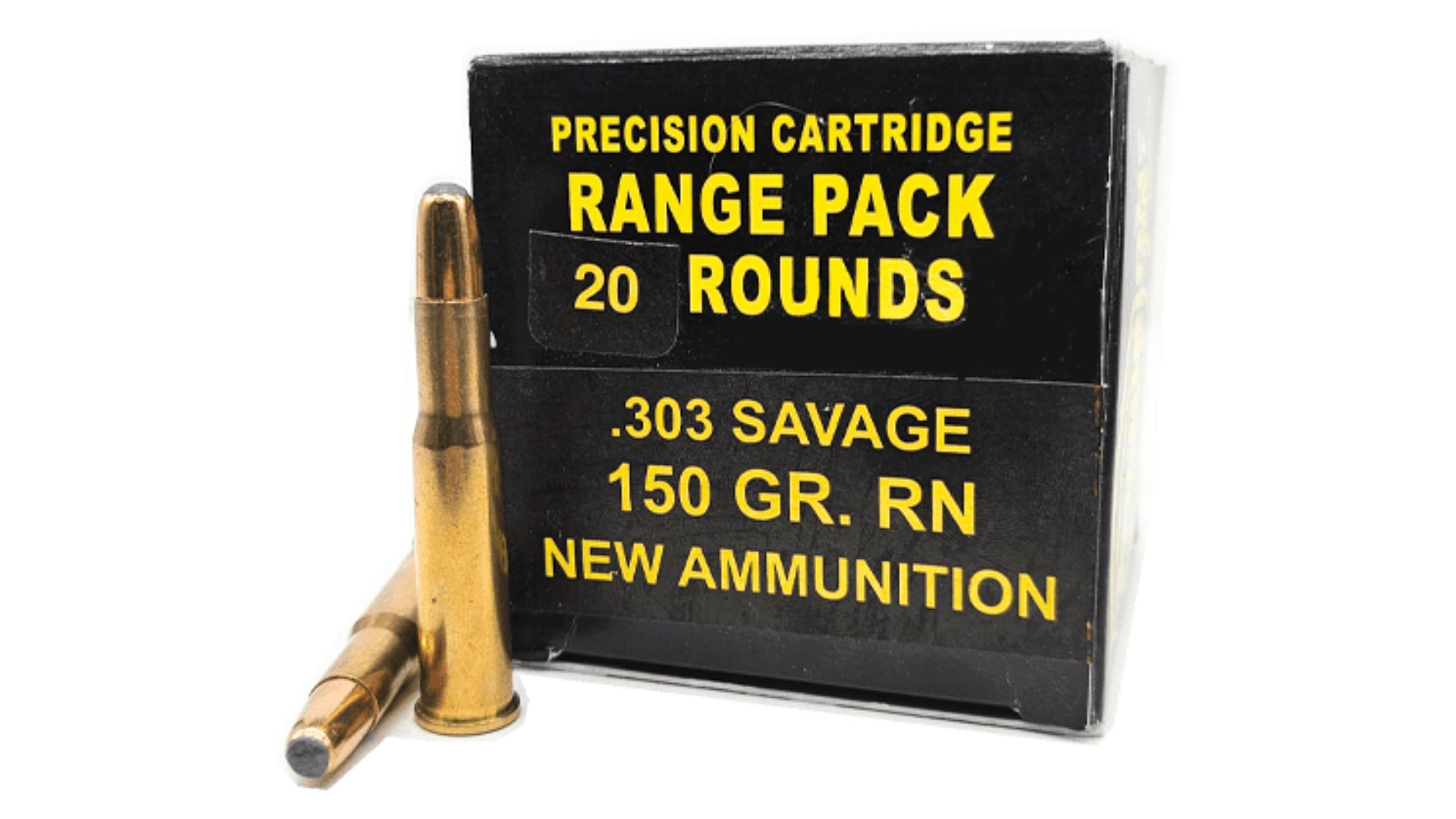
The .303 Savage is often confused with .303 British, but it is its own cartridge with deep ties to early Savage lever rifles. In its day, it was a perfectly respectable deer cartridge. It helped make the Savage 99 useful before later chamberings took over.
Now, it is more collector territory than practical hunting round. Ammo is hard to find, and rifles chambered for it are usually old enough that many owners do not want to beat them up. If you have a good one, it is a neat piece of history. If you need a deer rifle, .300 Savage, .308 Winchester, or .30-30 are much easier to live with.
.30 Remington
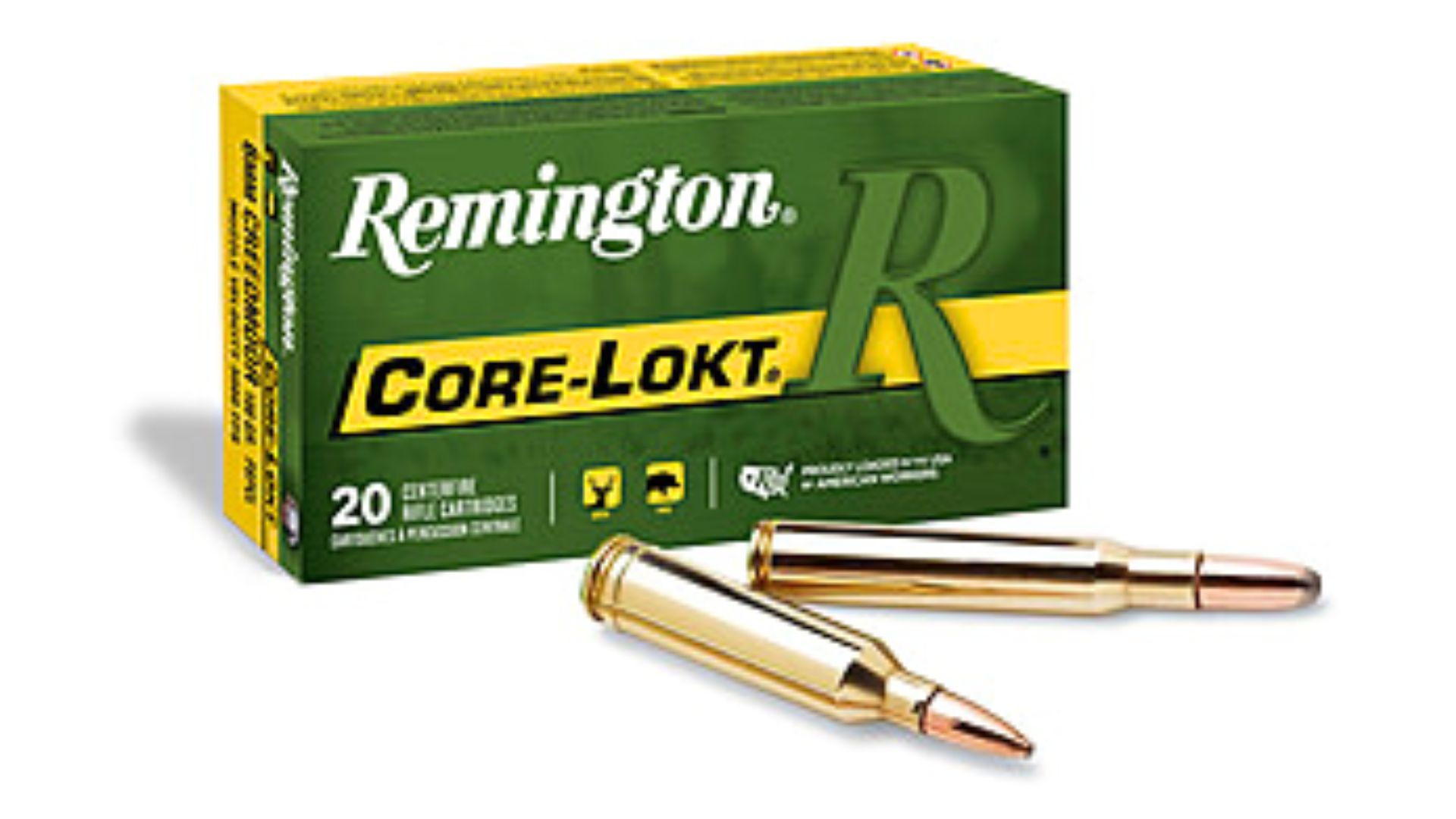
The .30 Remington was Remington’s rimless answer to cartridges like .30-30 Winchester. It had a real purpose in early pump and semi-auto rifles, especially in the Remington Model 8 and Model 14 family. It was a practical hunting cartridge in its day.
But time moved on. Ammunition is not common, rifles are old, and .30-30 Winchester remains far easier to support. If you collect old Remington rifles, .30 Remington is part of the fun. For everyone else, it is not worth choosing over more available deer cartridges.
.32 Remington
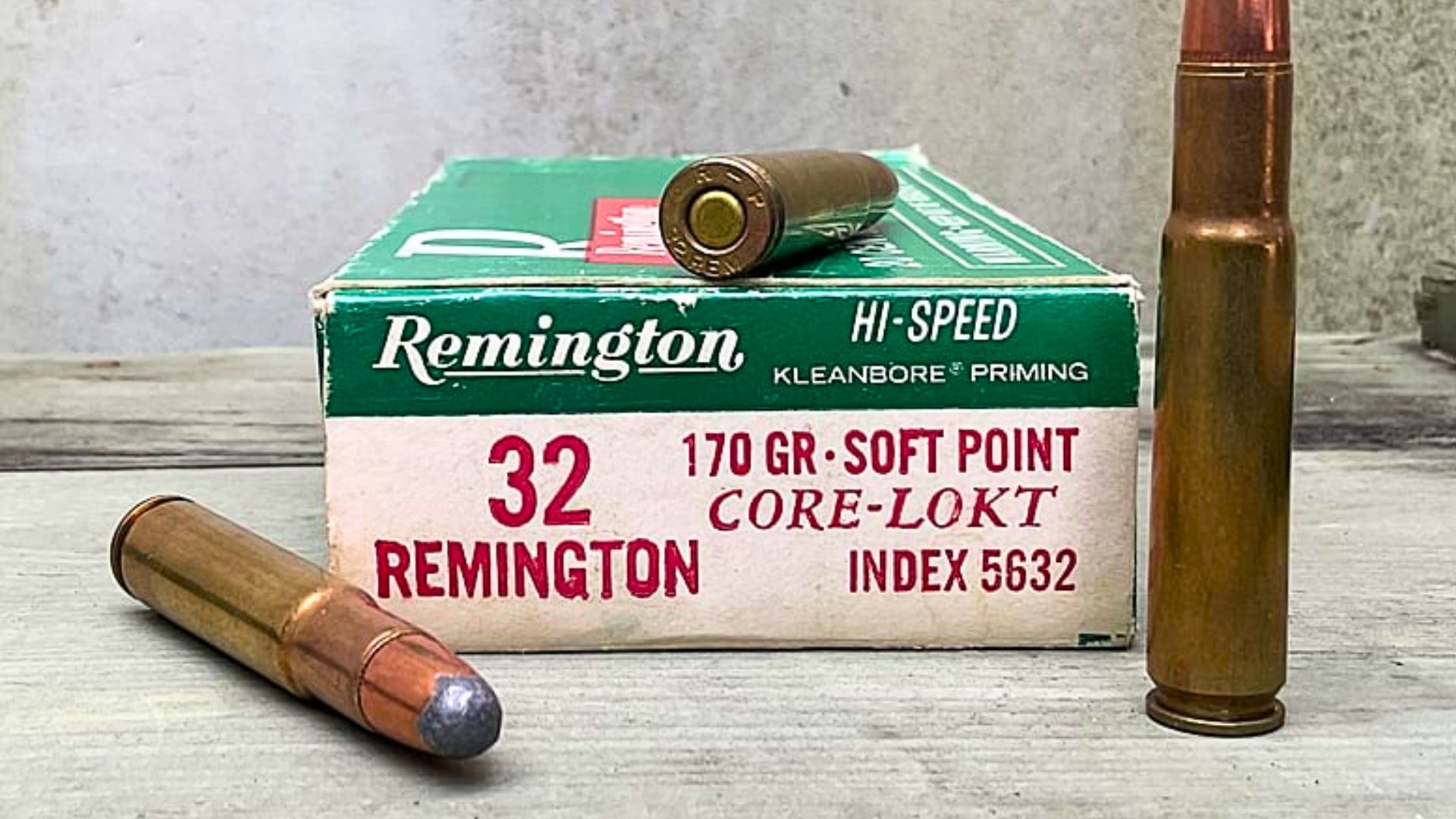
The .32 Remington followed the same basic path as .30 Remington, giving hunters a rimless cartridge for early Remington repeating rifles. It had woods-hunting usefulness in its time and still has appeal to people who like old pump and semi-auto sporting rifles.
The problem is availability and relevance. Modern hunters have no shortage of better-supported .30-caliber and straight-wall options. The .32 Remington is hard to feed and usually attached to rifles that are more collectible than practical. It belongs with old Remington history, not a modern hunting setup.
.35 Remington

The .35 Remington is going to make some people mad because it is not a bad cartridge. In fact, inside its range, it can still be a fine woods deer and black bear round. It hits harder than .30-30 on paper and has a loyal following for good reason.
But the practical case has gotten weaker. Ammo availability is inconsistent, prices are often high, and newer straight-wall and lever-gun options have stolen a lot of its role. If you already own a good .35 Remington rifle, keep using it. If you are starting from scratch, it is getting harder to argue that it belongs in the safe instead of the museum wing.
.348 Winchester
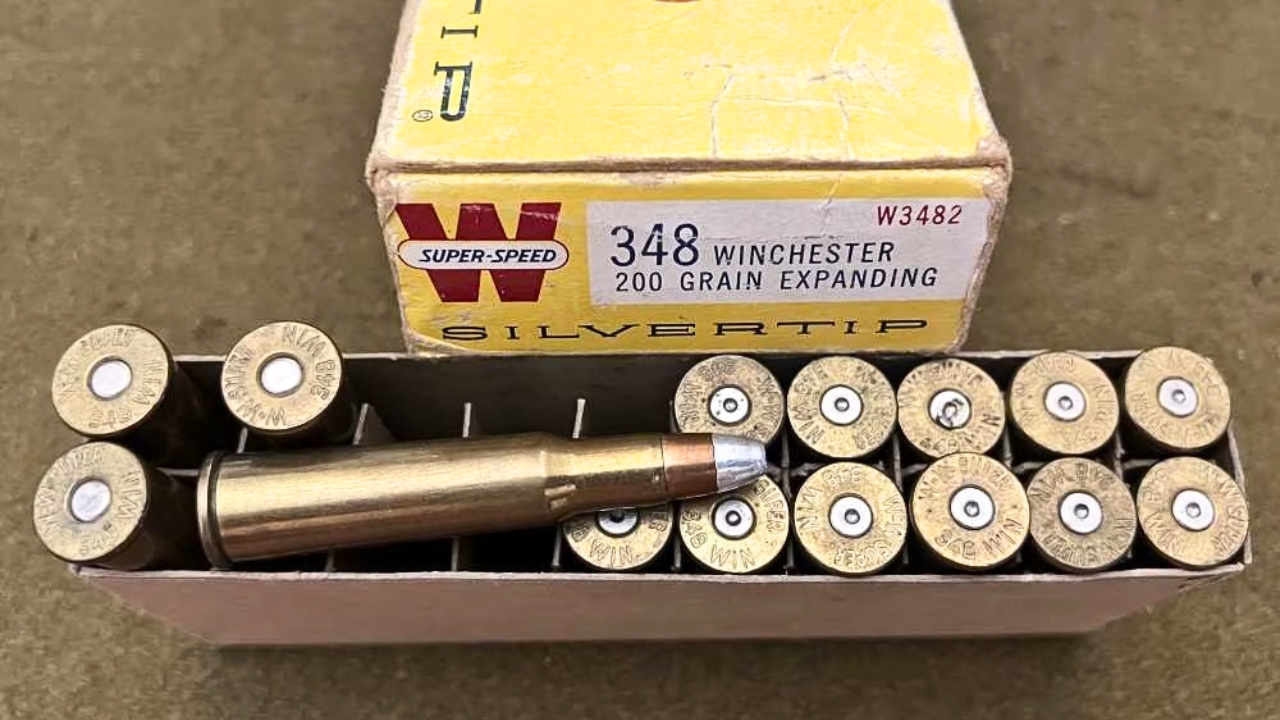
The .348 Winchester is a powerful classic tied closely to the Winchester Model 71. It is a serious lever-action hunting cartridge with plenty of authority for big game. There is nothing weak about it.
The issue is that it is specialized, expensive, and tied to rifles that many owners now treat as collectibles. Ammunition is not something you pick up casually, and most hunters can do the same work with .45-70, .444 Marlin, .30-06, or modern magnums. The .348 is cool, but it is not practical unless you are already committed to the history.
.300 Savage

The .300 Savage is another cartridge that still works but has mostly been passed by. It was a clever, compact .30-caliber round that performed well in rifles like the Savage 99. It helped bridge the gap between older lever-gun cartridges and later short-action rounds.
The problem is that .308 Winchester basically stole its future. The .308 is more available, more versatile, and supported by far more rifles and ammunition. The .300 Savage still has class, and it can still kill deer cleanly. But as a cartridge to invest in now, it makes more sense for collectors than practical buyers.
8mm Lebel

The 8mm Lebel is historically important as one of the early smokeless military cartridges. It belongs to a fascinating period of firearms development and is tied to French military rifles with real collector appeal. As history, it matters.
As a practical cartridge, it is awkward. The rimmed, tapered case design is dated, ammo is limited, and rifles chambered for it are old military pieces that should be treated with care. It is exactly the kind of cartridge that belongs in a museum conversation, not a modern shooter’s regular rotation.
6.5 Carcano
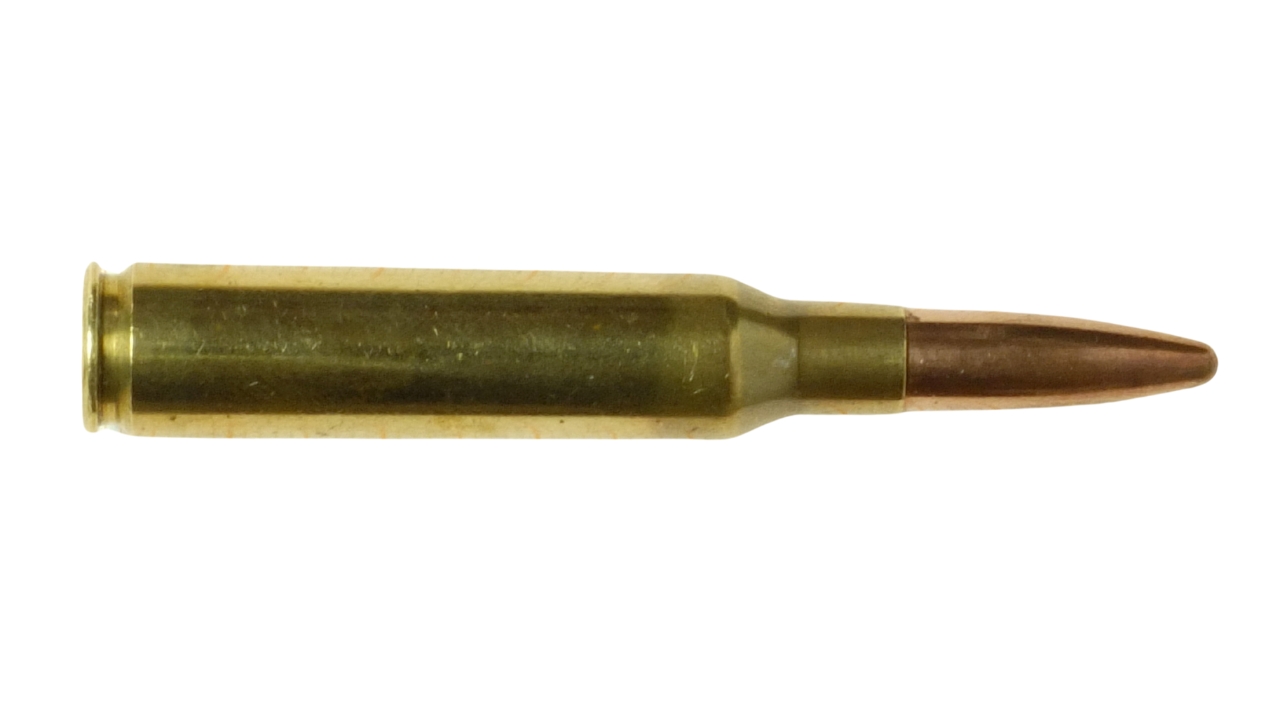
The 6.5 Carcano has military history and collector interest, especially because of the rifles attached to it. It is mild, unusual, and still draws curiosity from people who like old surplus guns. There is nothing wrong with preserving that history.
But the cartridge is not a practical choice today. Ammo can be inconsistent or expensive, rifles vary in condition, and proper bullet diameter matters more than casual shooters realize. If you collect Carcanos, fine. If you want a practical 6.5mm rifle, 6.5 Creedmoor, 6.5×55 Swedish, or 6.5 PRC make far more sense.
7.35 Carcano
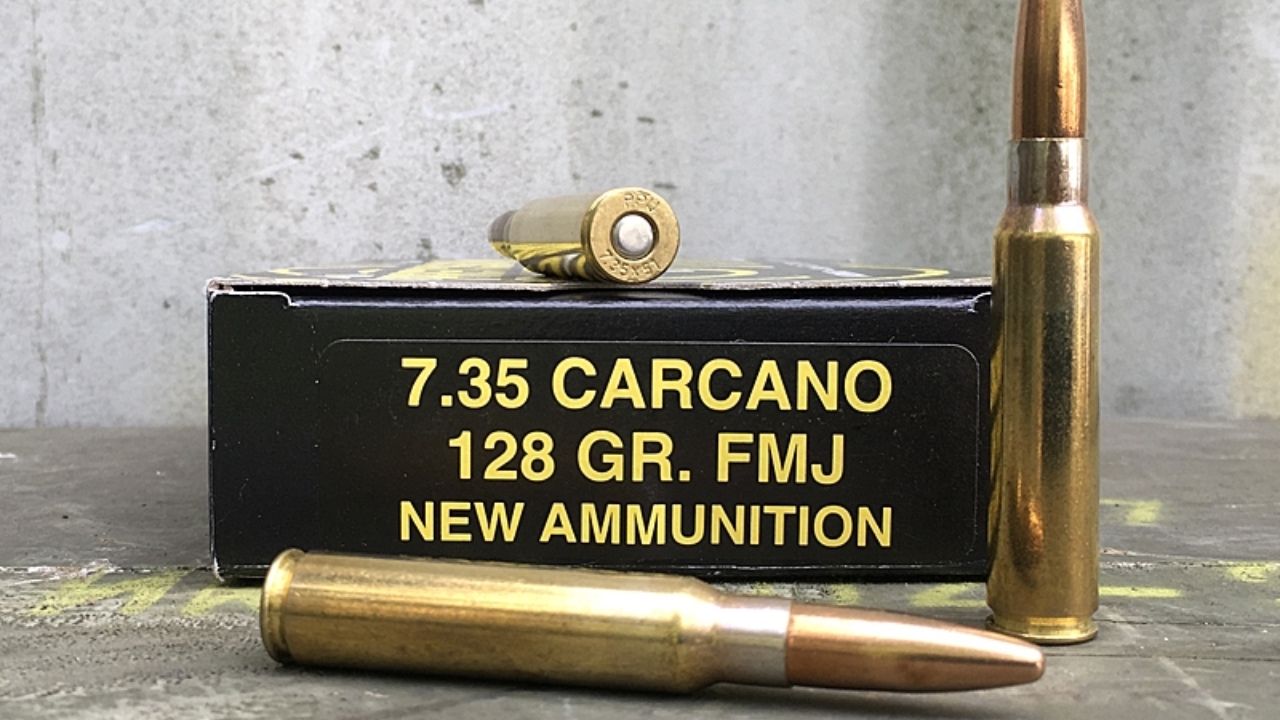
The 7.35 Carcano is even more museum-bound than the 6.5 version. It was an attempt to improve Italian military rifle performance before World War II interrupted the plan. That gives it historical interest, but not much modern utility.
Ammunition is scarce, rifles are collectible curiosities, and there is almost no practical reason to choose it now. It is one of those calibers that is fun to learn about and annoying to support. For most shooters, that is the definition of a museum cartridge.
.30-40 Krag

The .30-40 Krag is an important American military cartridge with a smooth old rifle attached to it. The Krag rifle itself has one of the slickest actions ever put on a service rifle, and the cartridge can still be pleasant to shoot when loaded properly.
But it is not a practical modern choice. Original rifles are old, pressures must be kept sensible, and factory ammo is not cheap or common. The .30-40 deserves respect, but it belongs more with collectors and careful handloaders than with hunters looking for an easy cartridge to support.
Like The Avid Outdoorsman’s content? Be sure to follow us.
Here’s more from us: