Photo credit: Hipster Tactical/Youtube
Some guns don’t feel special when they’re easy to find. They look normal, they work normally, and nobody gets too emotional about them because they’re not rare or dramatic. Then the replacements show up with cheaper stocks, rougher finishes, worse triggers, plastic parts in the wrong places, or quality that feels less consistent than it should.
That’s when ordinary starts looking a lot better. A gun that was once “just a good working firearm” can suddenly feel like the one people should’ve appreciated more. These guns felt ordinary until newer ones started cutting corners.
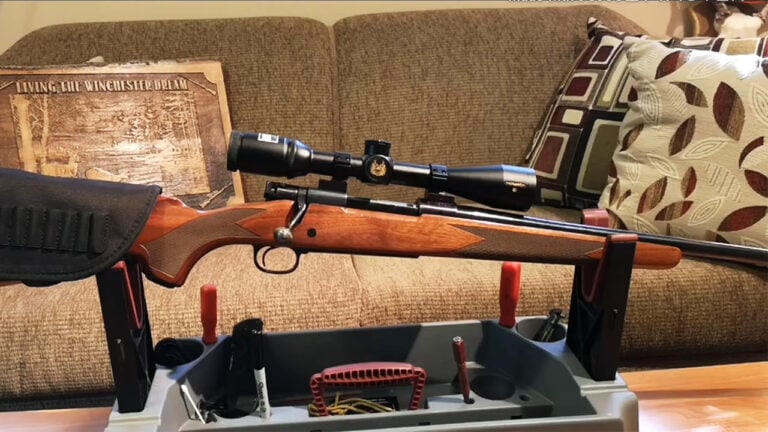
Remington 700 SPS Stainless
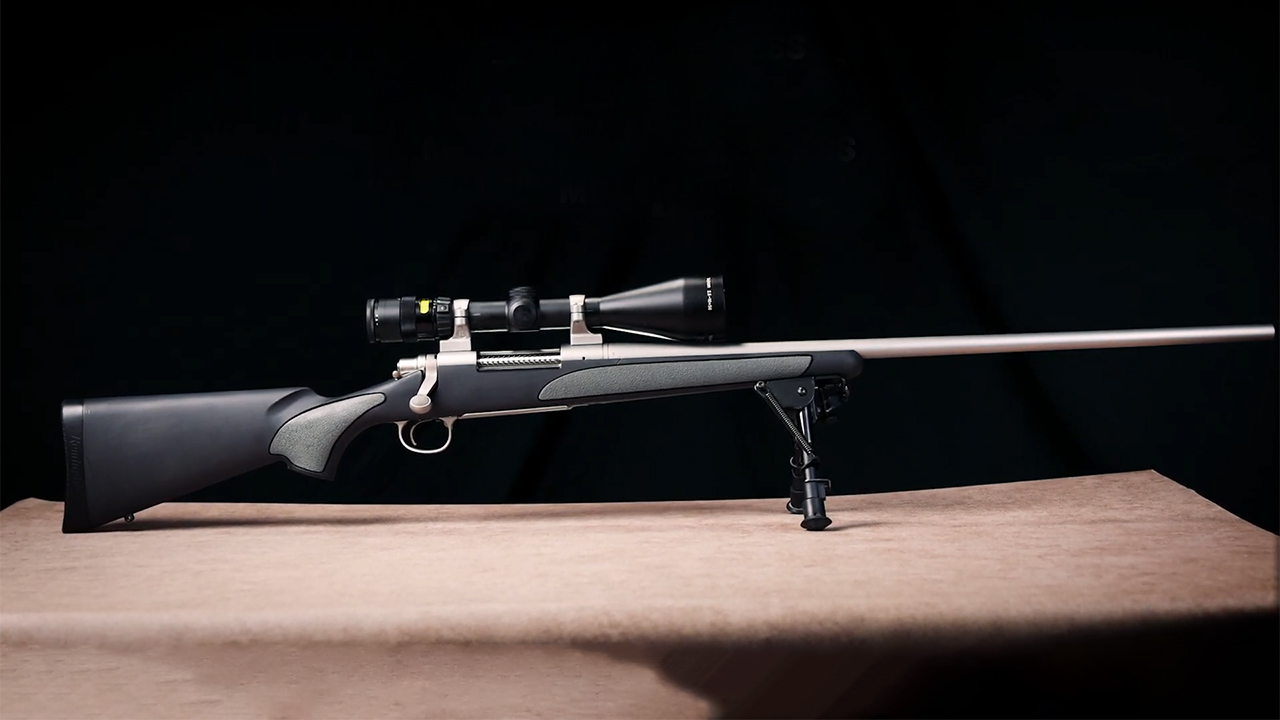
The Remington 700 SPS Stainless never looked like the fancy one in the family. It was a practical hunting rifle with a synthetic stock, stainless metalwork, and the familiar 700 action. Nobody confused it with a BDL or CDL, but it gave hunters a weather-resistant rifle that could be used hard without much worry.
As more budget rifles started showing up with flimsy stocks and rougher overall feel, the SPS Stainless began looking better. It had the bones people trusted, and the huge Model 700 aftermarket meant owners could improve the stock, trigger, or bottom metal later if they wanted. It wasn’t perfect, but it felt like a solid base. Compared with newer rifles that feel cheaper right out of the box, that matters.
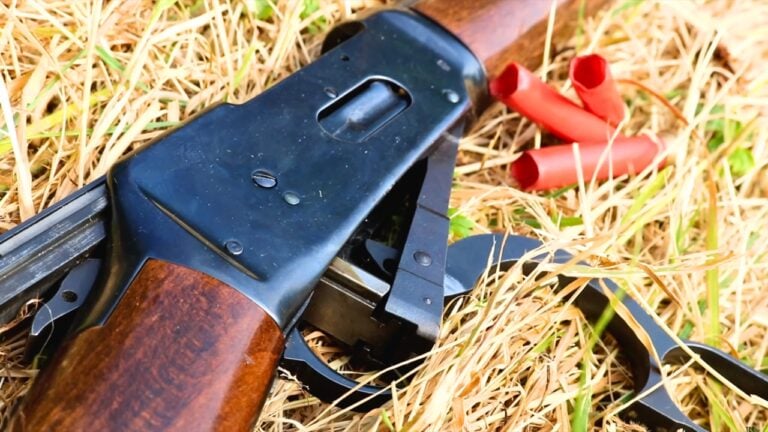
Winchester 1300

The Winchester 1300 was easy to overlook because it sat between legendary older pumps and newer designs that got more attention. It didn’t have the romance of the Model 12 or the massive following of the Remington 870 and Mossberg 500. To a lot of owners, it was just a normal pump shotgun.
Then people started handling newer cheap pumps and remembered how fast the 1300 felt. The action cycled quickly, the shotgun carried well, and it served bird hunters, deer hunters, and homeowners without making a big speech about itself. It wasn’t a luxury shotgun, but it didn’t feel like a throwaway either. Once some newer pumps started feeling rougher and cheaper, the old 1300 gained a little more respect.
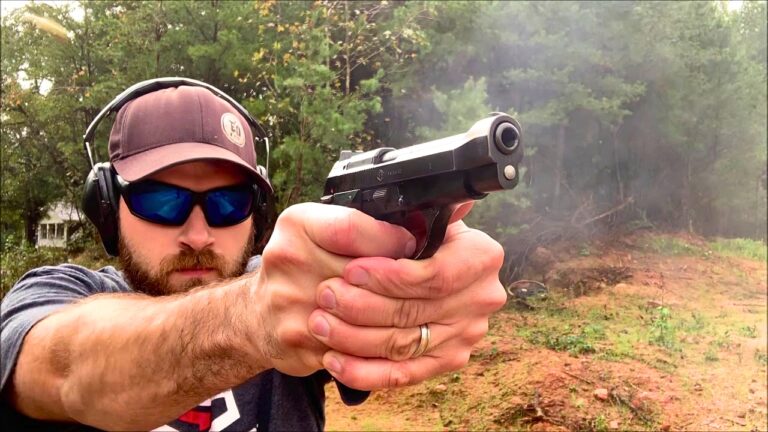
Ruger P89
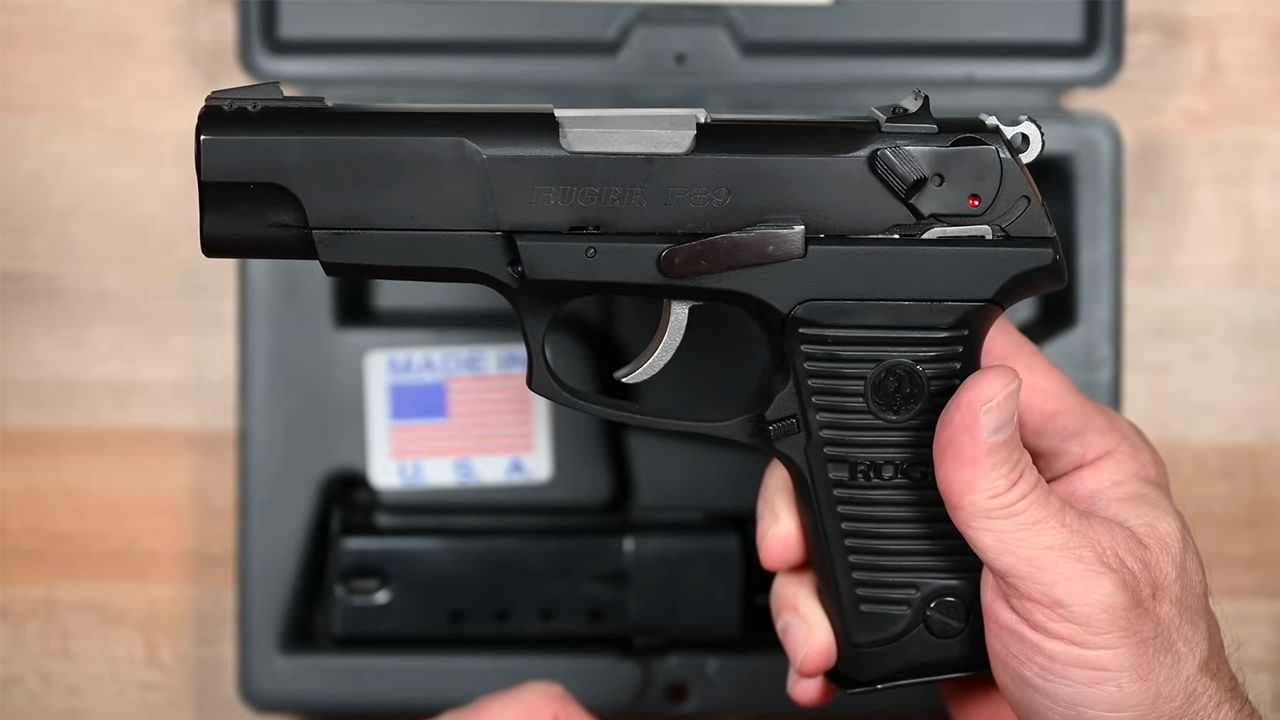
The Ruger P89 looked plain even when it was current. Big, chunky, aluminum-framed, and not especially stylish, it was never the pistol people bought to impress their buddies. It was the kind of gun someone bought because they wanted a 9mm that would work.
Years later, that ordinary toughness looks better. Plenty of newer budget pistols are lighter and sleeker, but they don’t always inspire the same “this thing will survive anything” confidence. The P89 is not refined, and the trigger won’t win over pistol snobs. But it runs, handles recoil well, and feels like Ruger built it for owners who might not baby it. That kind of overbuilt plainness ages well.
Marlin XL7
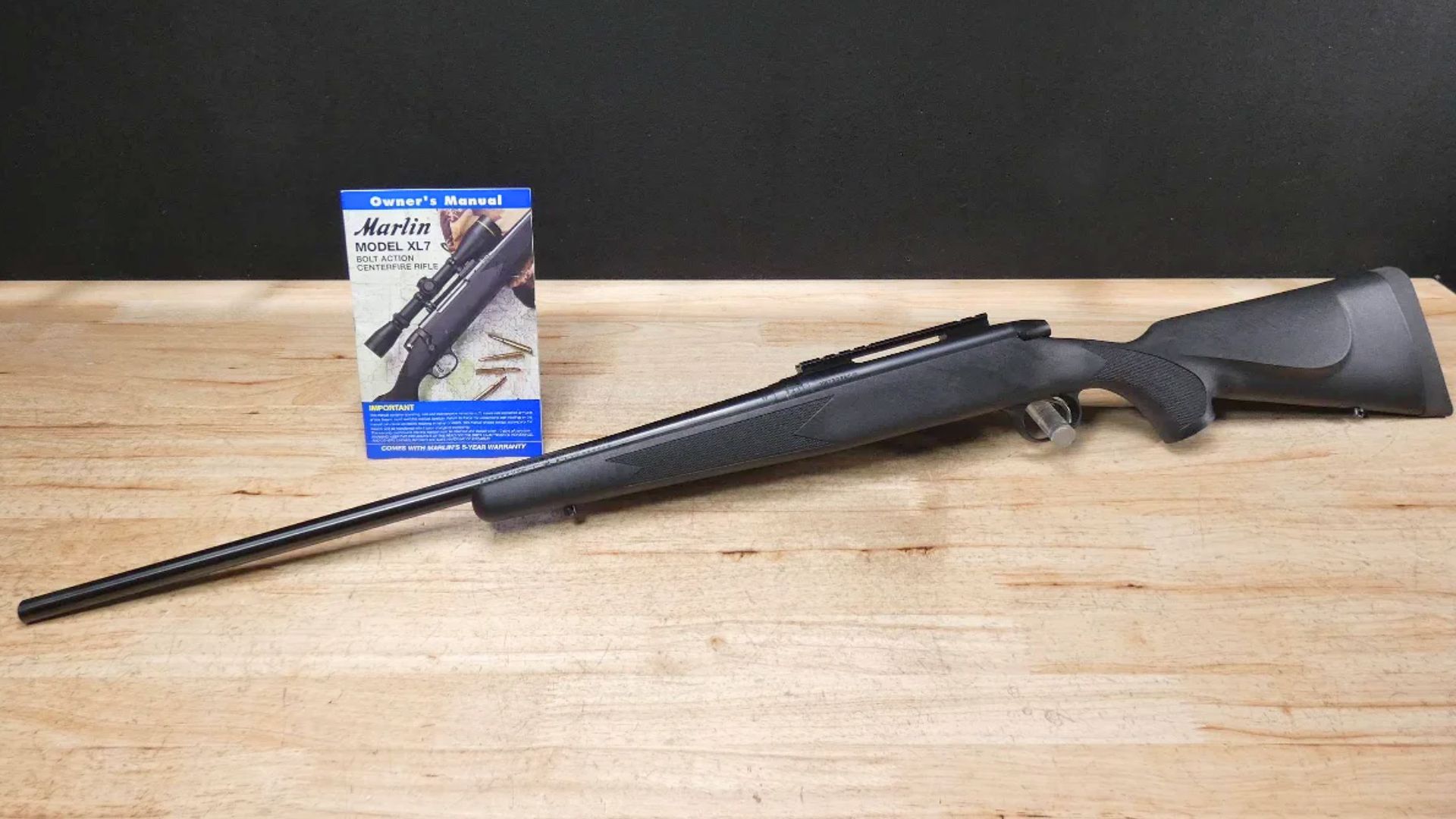
The Marlin XL7 was one of those budget rifles that didn’t get enough long-term spotlight. It looked plain, had a synthetic stock, and entered a crowded bolt-action market where bigger names already had loyal buyers. Plenty of hunters saw it as just another affordable deer rifle.
The more time passed, the more people realized Marlin had built a pretty solid rifle for the money. The Pro-Fire trigger was decent, many rifles shot well, and the action had more going for it than the price suggested. Compared with some newer budget rifles that feel hollow, rough, or overly cost-cut, the XL7 looks like a smart rifle that disappeared too soon. It wasn’t fancy. It was better than ordinary.
Smith & Wesson Model 915
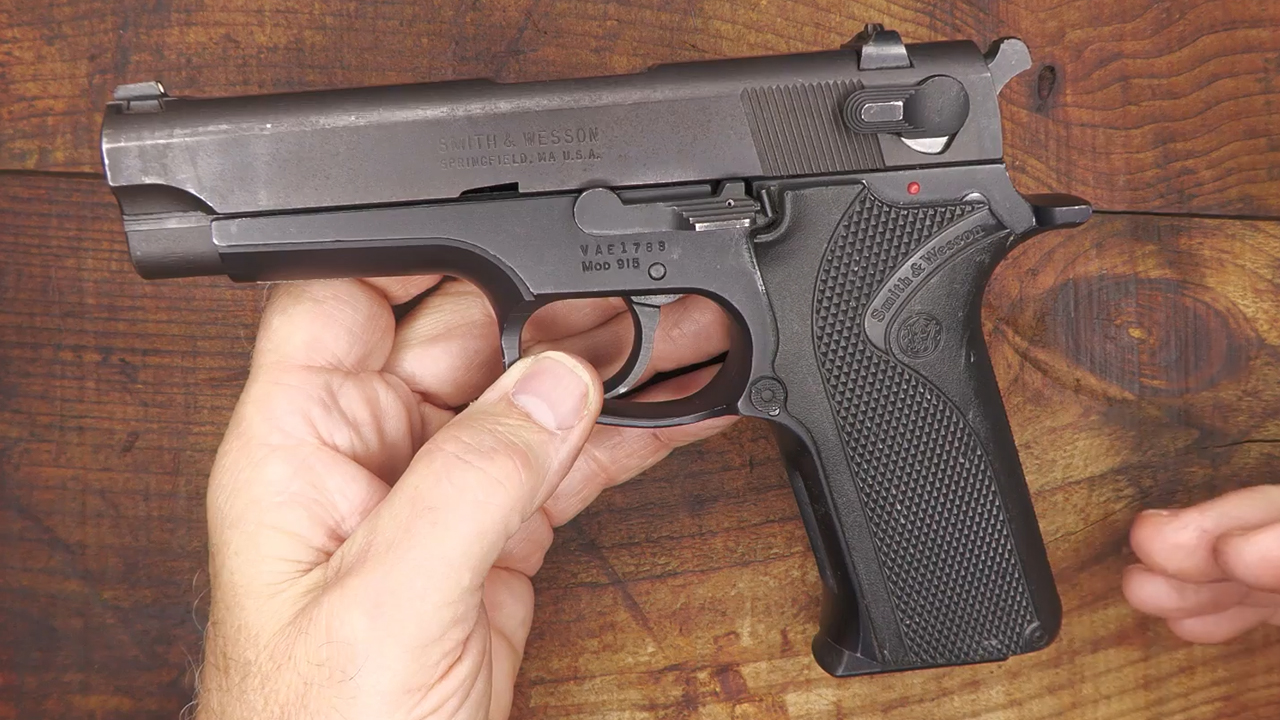
The Smith & Wesson Model 915 was a value-line version of the company’s third-generation autos, so it didn’t have the same polish as the nicer 5900-series pistols. It had simpler sights, less refined finish, and a practical working-gun feel. At the time, that made it seem like the cheaper Smith.
Now, it looks more appealing than many expected. The 915 still had solid third-gen Smith DNA, a metal frame, DA/SA operation, and a reputation for reliability that newer bargain pistols don’t always match. It may not be pretty, and magazines and parts require more attention today, but it feels like a real service pistol. Once modern budget guns started feeling more disposable, the 915’s plain build started aging better.
Browning BPS
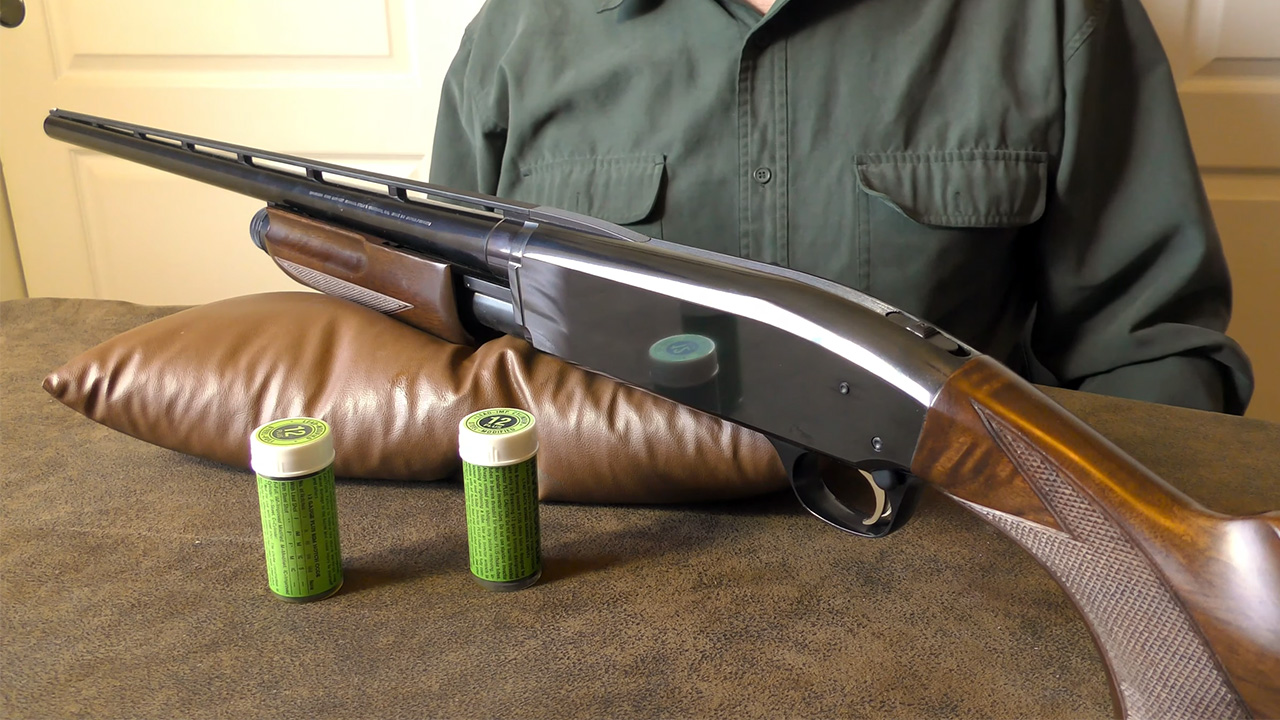
The Browning BPS never had the same widespread casual reputation as the Remington 870 or Mossberg 500, but it quietly built loyalty among hunters who liked its bottom-eject design and solid feel. It looked like a normal pump shotgun, not some radical improvement.
Then cheaper pumps made the BPS feel more substantial by comparison. The steel receiver, smooth action, ambidextrous-friendly bottom ejection, and tang safety gave it a quality feel that many newer low-cost pumps lack. It can be heavier than some hunters prefer, but that weight also makes it feel durable. A plain pump that feels well-built starts looking awfully good when the alternatives feel like they were made to meet a price point first.
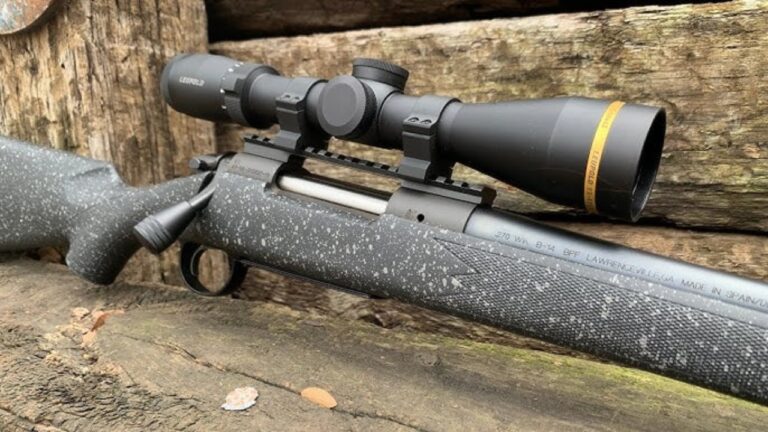
Ruger M77 MKII All-Weather
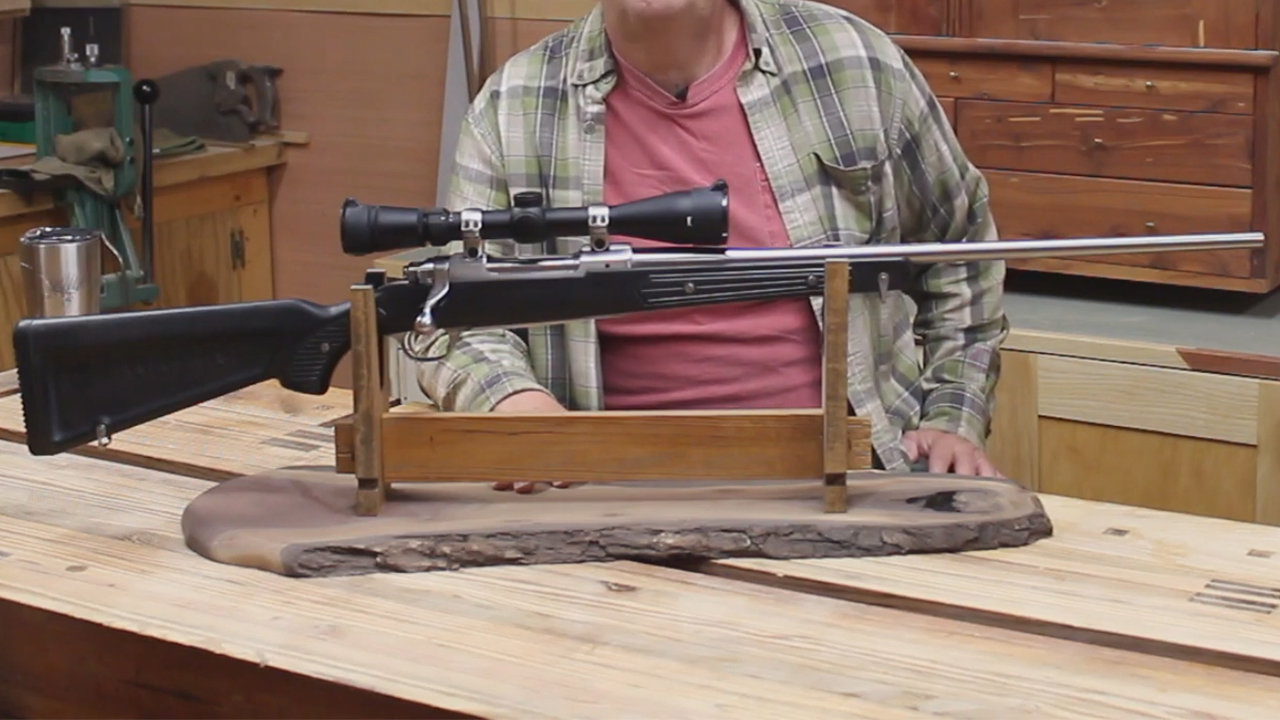
The Ruger M77 MKII All-Weather was never the smoothest or prettiest rifle on the rack. It had a rugged stainless-and-synthetic setup, controlled-round feed, and a practical hunting-rifle personality. Some hunters loved it. Others thought it felt a little rough compared with slicker bolt guns.
Years later, that ruggedness looks better. A lot of newer rifles are lighter and may shoot well, but they don’t always feel as solid. The MKII All-Weather feels like a rifle built to ride through bad seasons, wet stands, and rough handling. The trigger wasn’t always beloved, but the rifle had strength and confidence. Once newer rifles started feeling cheaper in the stock and action, the old Ruger started looking smarter.
Beretta 8045 Cougar
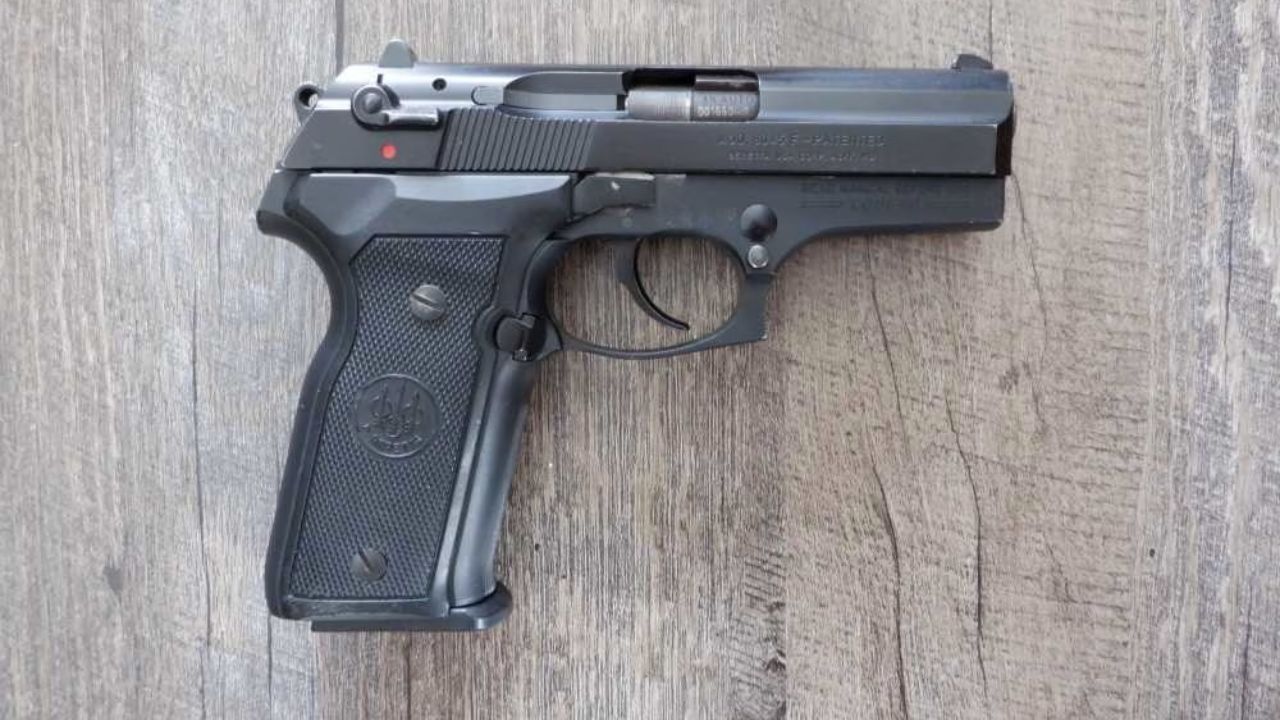
The Beretta 8045 Cougar didn’t look like a future favorite to everyone. It had a rounded slide, rotating barrel system, and a chunky shape that didn’t fit neatly beside 1911s, SIGs, or the later polymer wave. To many shooters, it was an odd Beretta .45 and not much more.
But compared with some newer pistols that feel cost-cut or generic, the Cougar has started looking more interesting. It is a metal-framed DA/SA pistol with a smooth recoil impulse and a distinctive design. The .45 version gives shooters a softer, more controlled feel than many expect. It may not be easy to support like current pistols, but it feels like a gun from a time when companies were willing to build something different instead of just cheaper.
Savage 110FP
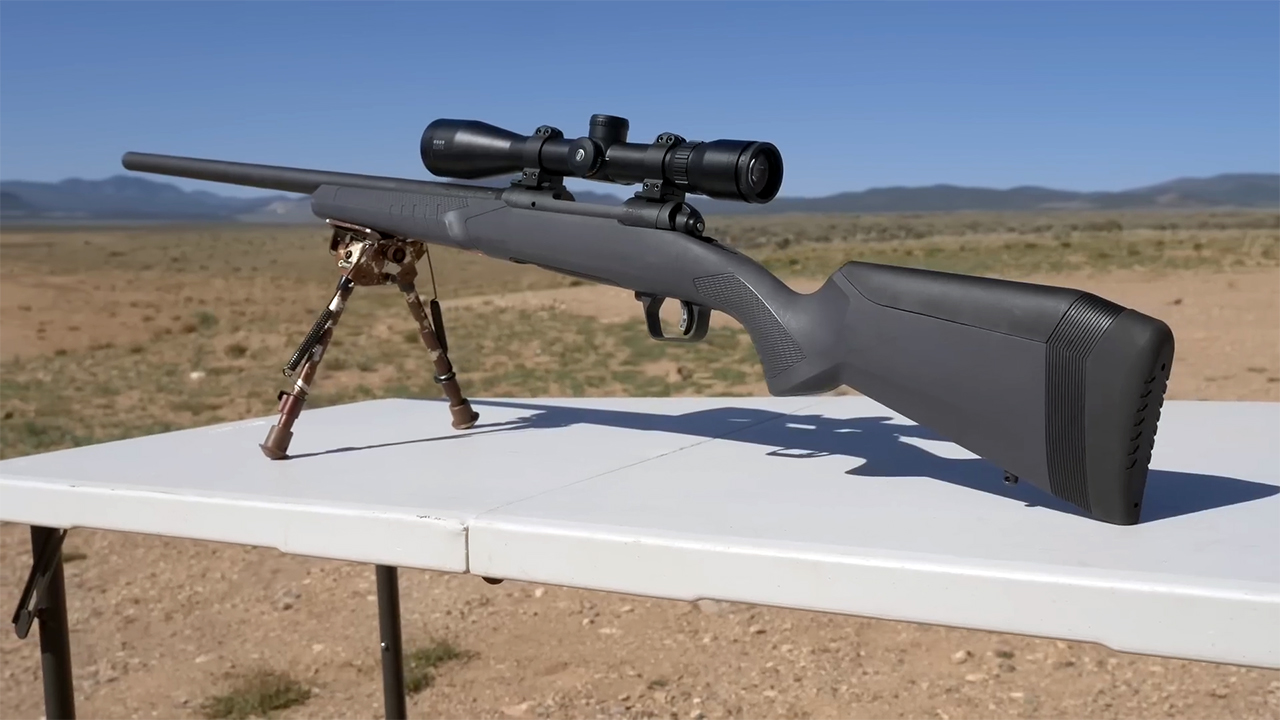
The Savage 110FP was a plain heavy-barrel rifle that didn’t look glamorous. It was built more for practical accuracy than good looks, and for years it sat in the shadow of more polished tactical and varmint rifles. The stock was often basic, and the whole rifle had a workmanlike feel.
That’s exactly why it aged well. The 110FP could shoot, and accuracy covers a lot of cosmetic sins. As newer rifles started adding flashy chassis, wild finishes, and marketing-heavy long-range claims, the old Savage reminded shooters that a heavy barrel, decent trigger, and consistent action matter most. It felt ordinary until people realized many newer “precision” rifles were charging more for looks than results.
Franchi 48 AL

The Franchi 48 AL looked like a simple lightweight semi-auto shotgun, and some hunters didn’t think much beyond that. It wasn’t a heavy waterfowl gun, it wasn’t a fancy over-under, and it didn’t have the modern look of newer gas and inertia guns. It was just light and handy.
That lightness became the thing people missed. The 48 AL carried beautifully in upland country, where every pound matters by the end of a long walk. It could kick more with heavier loads, but it wasn’t built for all-day magnum punishment. It was built to carry easy and come up fast. Compared with newer shotguns that feel heavier, cheaper, or less graceful, the old Franchi looks better than ordinary.
Colt Lawman MK III
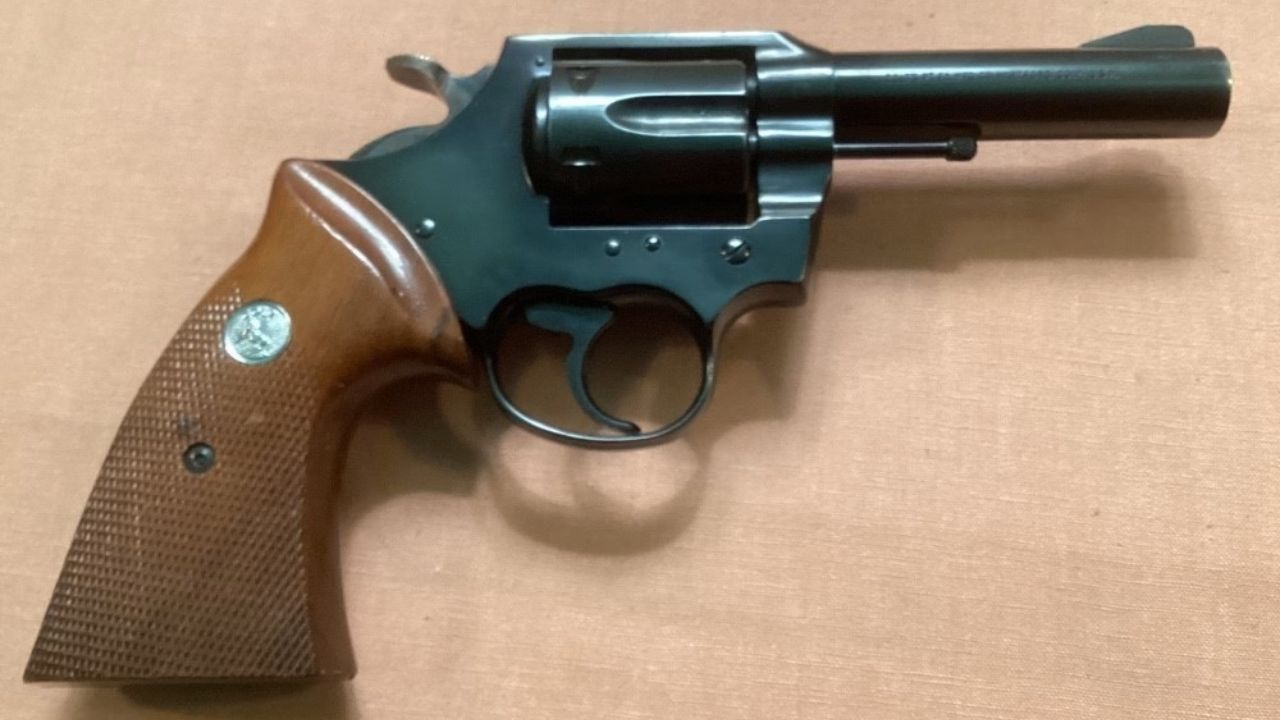
The Colt Lawman MK III was not the glamorous Colt revolver everyone chased first. It was a practical .357 built for service use, less polished than a Python and less famous than some other Colt names. For years, it looked like a regular working revolver.
Now, working Colt revolvers don’t look so ordinary. The Lawman has a strong frame, classic Colt character, and enough durability to make it more than a collector curiosity. It may not have Python-level finish, but that’s not its job. Compared with modern revolvers that sometimes feel rougher or less carefully finished, the Lawman reminds shooters that even Colt’s plainer service guns had real quality behind them.
Remington 11-87 Sportsman
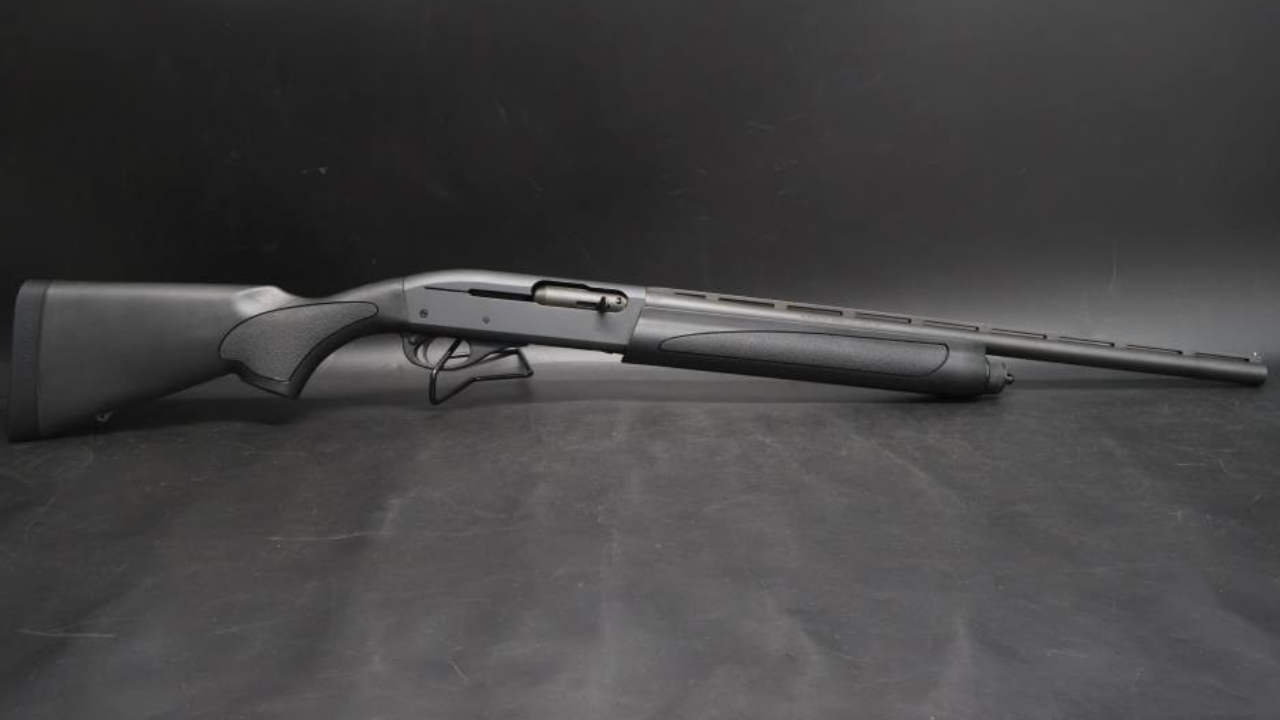
The Remington 11-87 Sportsman was the plainer, more affordable version of a familiar semi-auto shotgun. It didn’t have the polish of nicer 11-87 models, and it wasn’t as exciting once newer semi-autos hit the market. It looked like an ordinary gas shotgun because that’s what it was.
But ordinary gas shotguns can be very useful when they work. The 11-87 Sportsman gave hunters softer recoil, familiar handling, and enough versatility for birds, clays, and field use depending on setup. As some newer budget semi-autos started feeling less proven, the old Remington platform looked better. It needs proper maintenance, but it doesn’t feel like a gimmick. It feels like a working semi-auto with history behind it.
CZ 452 American
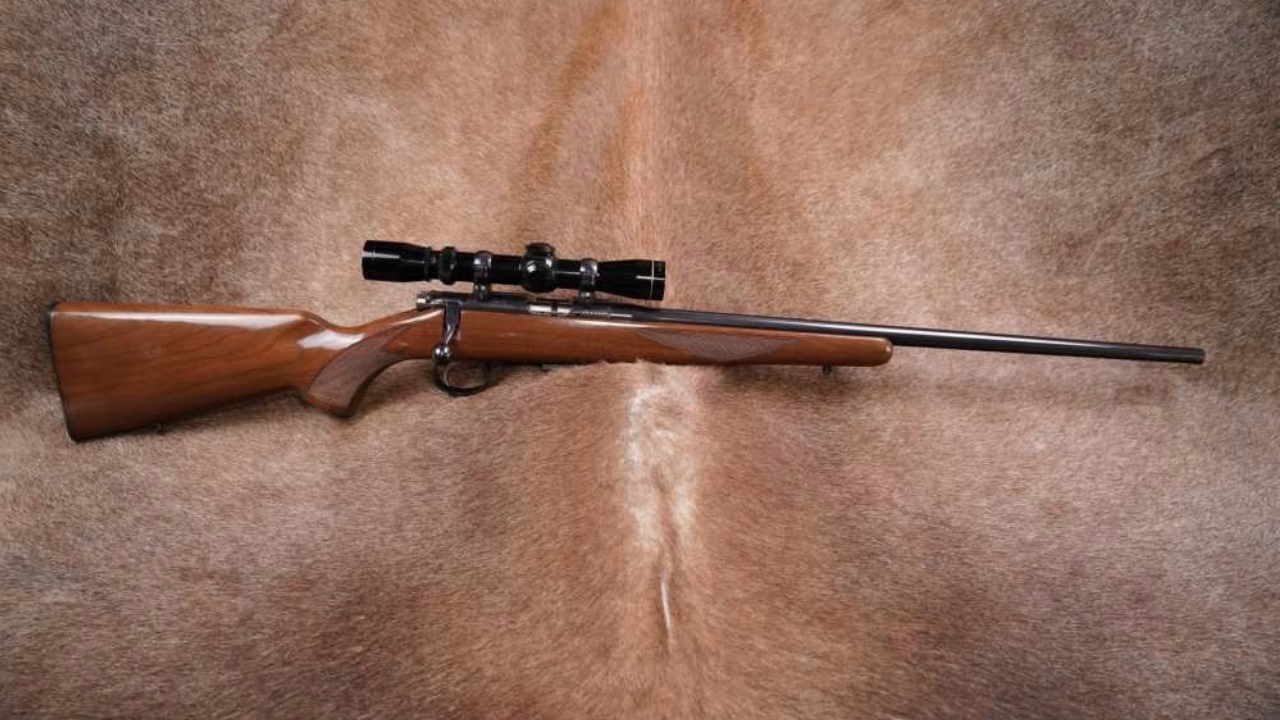
The CZ 452 American looked like a nice bolt-action .22, but for years a lot of people still treated rimfires as casual guns. It had good wood, classic lines, and accuracy potential, yet it didn’t always get the same attention from shooters chasing cheaper semi-autos or newer tacticool .22s.
Now, the 452 looks like one of those rifles people should have appreciated sooner. It feels well-built, shoots accurately, and has a level of old-school rimfire quality that newer bargain rifles often miss. The 457 may be improved in several practical ways, but the 452 still has its own following. Once cheap rimfires started feeling too plastic and disposable, the 452’s quiet quality became much harder to ignore.
Smith & Wesson 4006
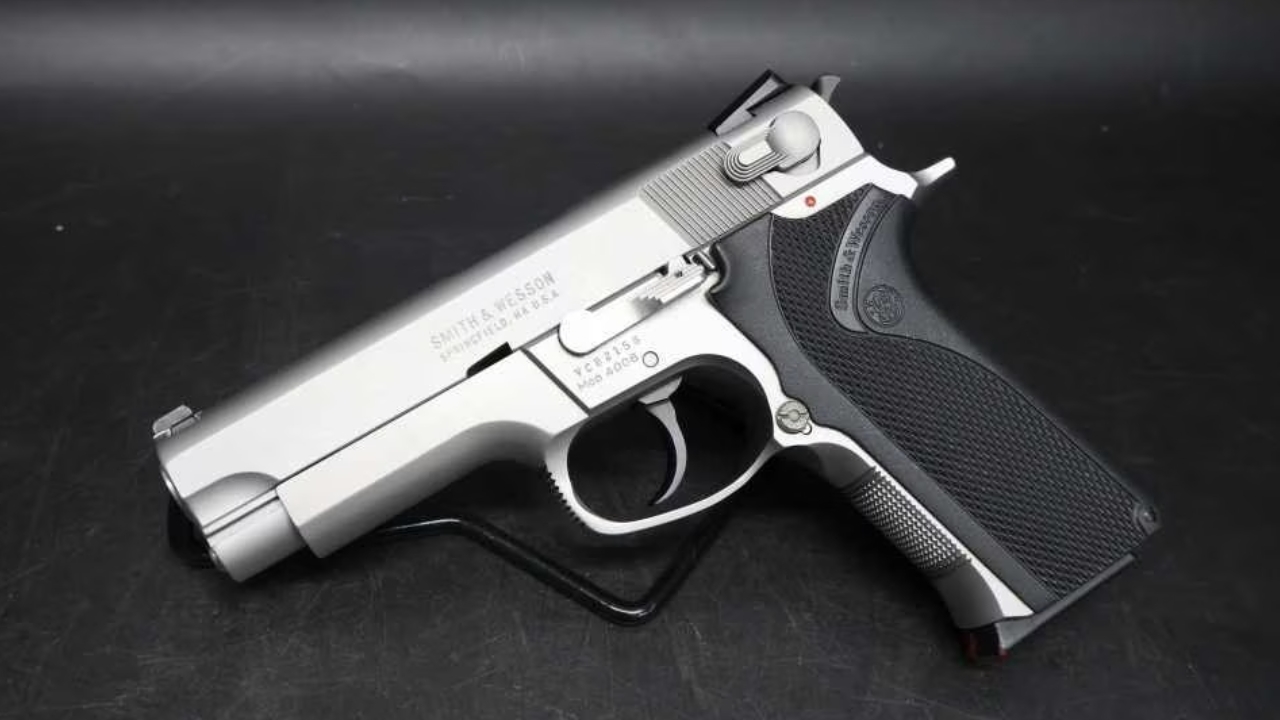
The Smith & Wesson 4006 was once just another heavy stainless .40 from the law-enforcement era. When lighter polymer pistols took over and .40 S&W started losing popularity, it was easy to see the 4006 as outdated and ordinary.
Then shooters started comparing it to newer pistols that felt lighter but less substantial. The 4006 is heavy, but that weight helps tame .40 S&W. It feels durable, steady, and built for high round counts. It’s not the pistol most people would choose for everyday carry now, but as a range or collection piece, it has aged better than expected. A solid service pistol can outlast the cartridge trend that carried it in.
Thompson/Center Venture
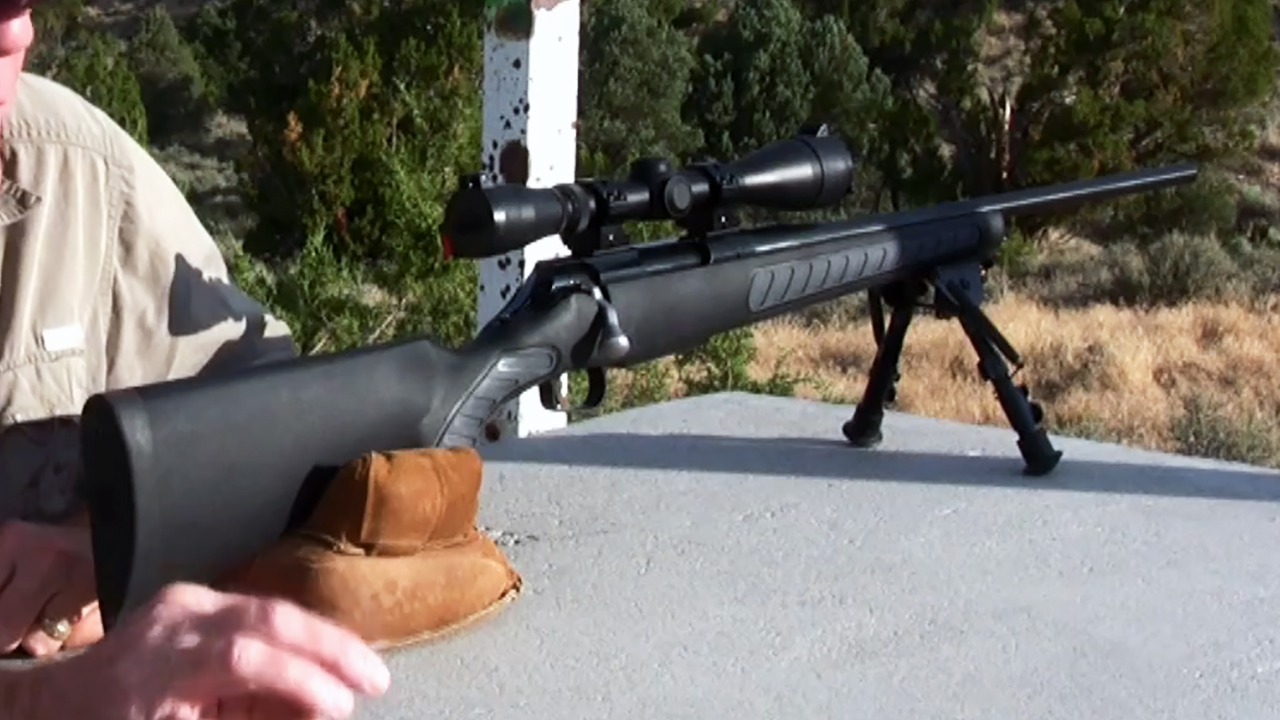
The Thompson/Center Venture looked like a normal affordable hunting rifle. Synthetic stock, practical chamberings, decent price, and no major flash. It didn’t scream future classic, and it got overshadowed by bigger names in the same category.
But owners who used them often found rifles that shot well and felt more solid than the price suggested. The action was smooth enough, the trigger was usable, and many Ventures delivered strong accuracy with factory ammo. As newer budget rifles started feeling cheaper in the stock and rougher in the bolt, the Venture looked better. It may not have become a legend, but it was a good rifle that deserved more credit than it got.
Like The Avid Outdoorsman’s content? Subscribe to our newsletter so you never miss an article.
Here’s more from us: