Photo credit: hickok45/YouTube
Some guns do not feel urgent when they are sitting on shelves. You see them at local shops, pass on them at gun shows, and tell yourself you can always buy one later. Then production ends, imports dry up, prices jump, or clean examples quietly vanish into safes.
That is when regret sets in. The guns that once seemed available suddenly become the ones people talk about in “I should have bought it back then” conversations. Some were underrated shooters. Some were oddballs. Some were working guns that aged into collectibles before buyers realized what was happening.
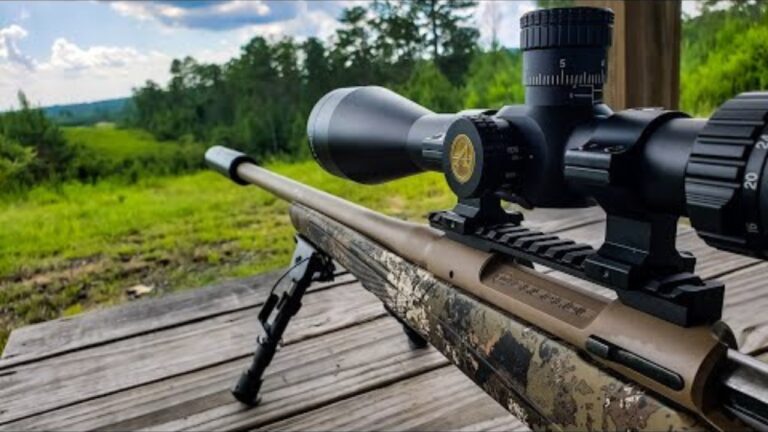
Remington 700 Mountain Rifle

The Remington 700 Mountain Rifle was easy to overlook when it was just another slim hunting rifle on the rack. It did not look extreme, tactical, or especially new. It was simply a lighter, handier Model 700 built for hunters who actually carried rifles.
Now clean examples have become the kind of rifles people wish they had bought sooner. The Mountain Rifle had the right feel for deer woods, high country, and long walks where a full-weight sporter starts feeling heavy. It was not perfect, and some rifles were load-sensitive, but the concept was right. A trim walnut-stocked hunting rifle like that is harder to replace now.
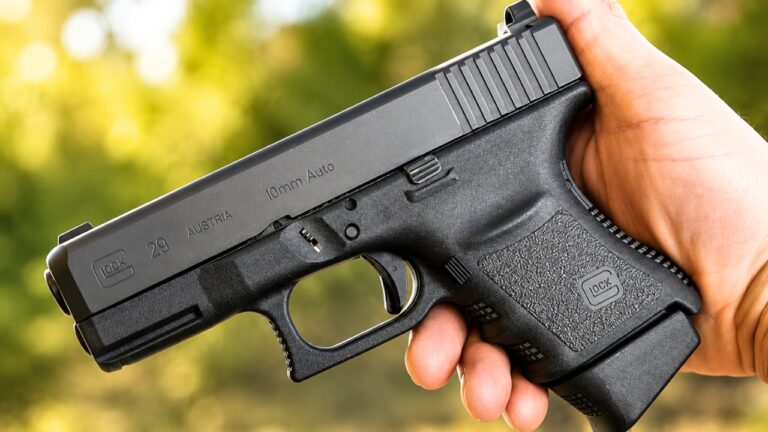
Smith & Wesson Model 3913

The Smith & Wesson 3913 was a practical carry pistol before the market fully appreciated that kind of slim 9mm. It had an alloy frame, stainless slide, single-stack magazine, and a size that made real concealed carry feel easy.
Plenty of buyers ignored it because polymer pistols were taking over. That looks like a mistake now. The 3913 carries flat, points naturally, and feels better made than many modern budget carry guns. It does not have today’s capacity, but it has a kind of practical class that aged well. People who passed on cheap police trade-ins or used examples often regret it.
Winchester 9422
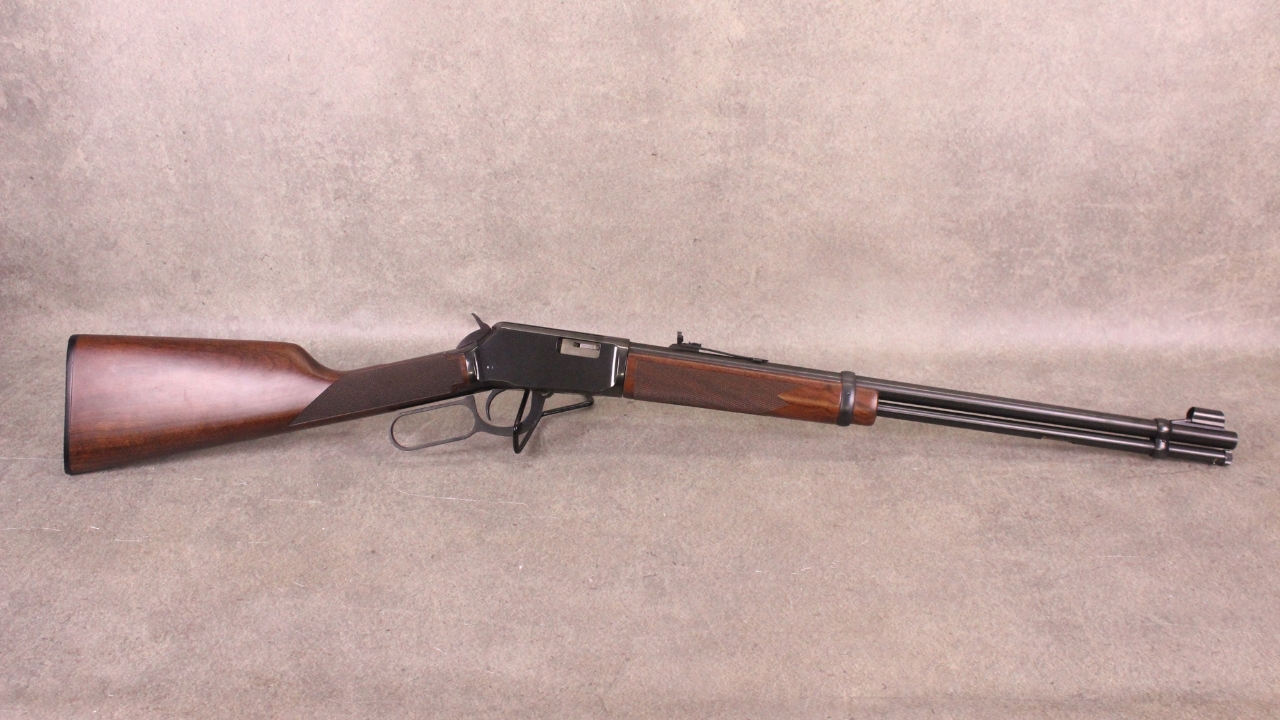
The Winchester 9422 was never cheap in spirit, but there was a time when it was simply a nice lever-action rimfire. Shooters looked at it, liked it, and still bought something less expensive because .22 rifles were everywhere.
That decision stings today. The 9422 has become one of those rimfires that people wish they had bought when prices were reasonable. It is smooth, well-made, and useful for plinking, small game, and passing down. Modern .22 rifles may be more affordable, but they usually do not feel like this. Once Winchester stopped making it, the regret only got louder.
Ruger No. 1

The Ruger No. 1 has always appealed to a certain kind of hunter, but many buyers treated it as something they could grab later. A single-shot rifle did not feel urgent when bolt guns were everywhere and prices seemed manageable.
Then certain chamberings became scarce, production slowed, and clean examples got harder to find at sane prices. The No. 1 is compact, strong, handsome, and chambered over the years in some truly interesting rounds. It is not the fastest hunting rifle, but that was never the point. People regret passing on them because nothing else feels quite the same.
Browning BSS
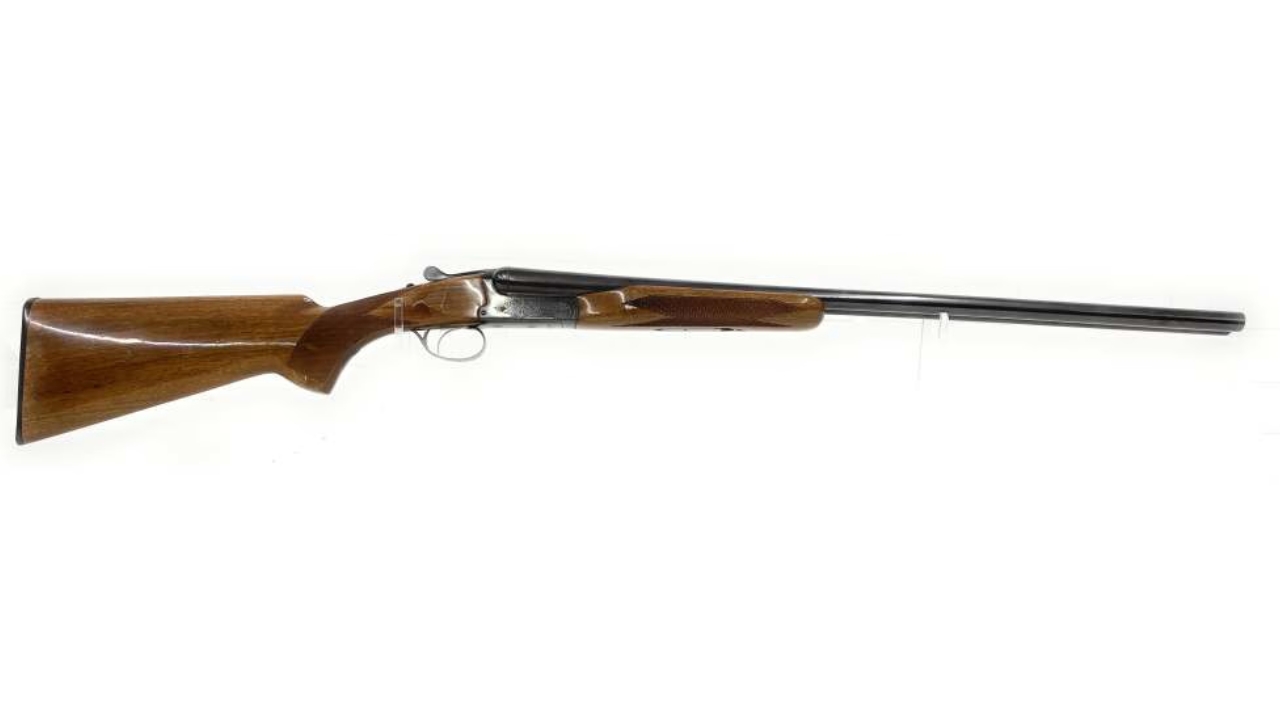
The Browning BSS was once just a solid Japanese-made side-by-side shotgun. It did not have the romance of an old English double or the bargain appeal of cheaper field guns. A lot of buyers admired one, then walked away.
That became a costly mistake. The BSS earned a reputation for being strong, reliable, and field-ready without feeling delicate. Good 20-gauge and 12-gauge examples are not as easy to find as they used to be, and prices reflect that. People who wanted a working side-by-side now wish they had grabbed one before the market realized how good they were.
Colt Detective Special
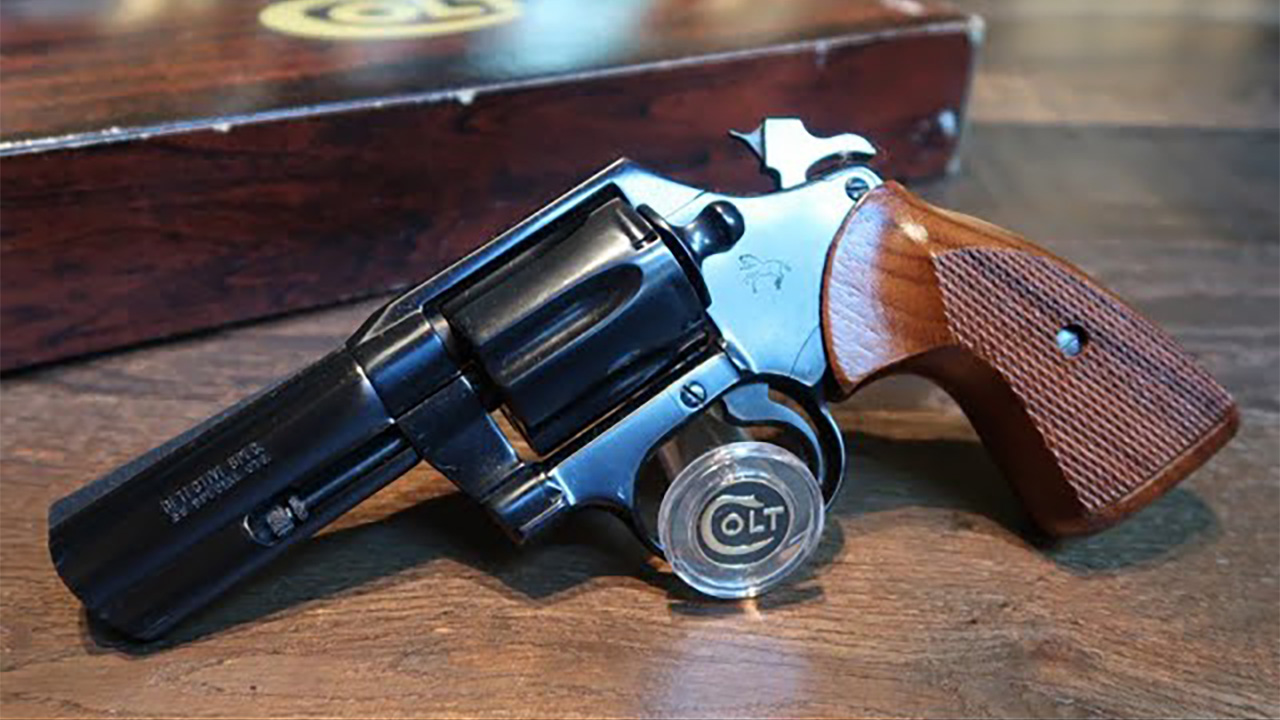
The Colt Detective Special used to be a common sight in used-gun cases. It was an old-school snubnose revolver with six shots, a smooth action, and the Colt name, but many buyers passed because small semi-autos were becoming the obvious carry choice.
Now those same buyers wish they had looked harder. The Detective Special has classic handling, better capacity than most five-shot snubs, and a level of old revolver charm that newer guns rarely match. Clean examples are not casual purchases anymore. What once looked like an outdated carry gun now looks like one of the smarter buys people missed.
Marlin 1894C
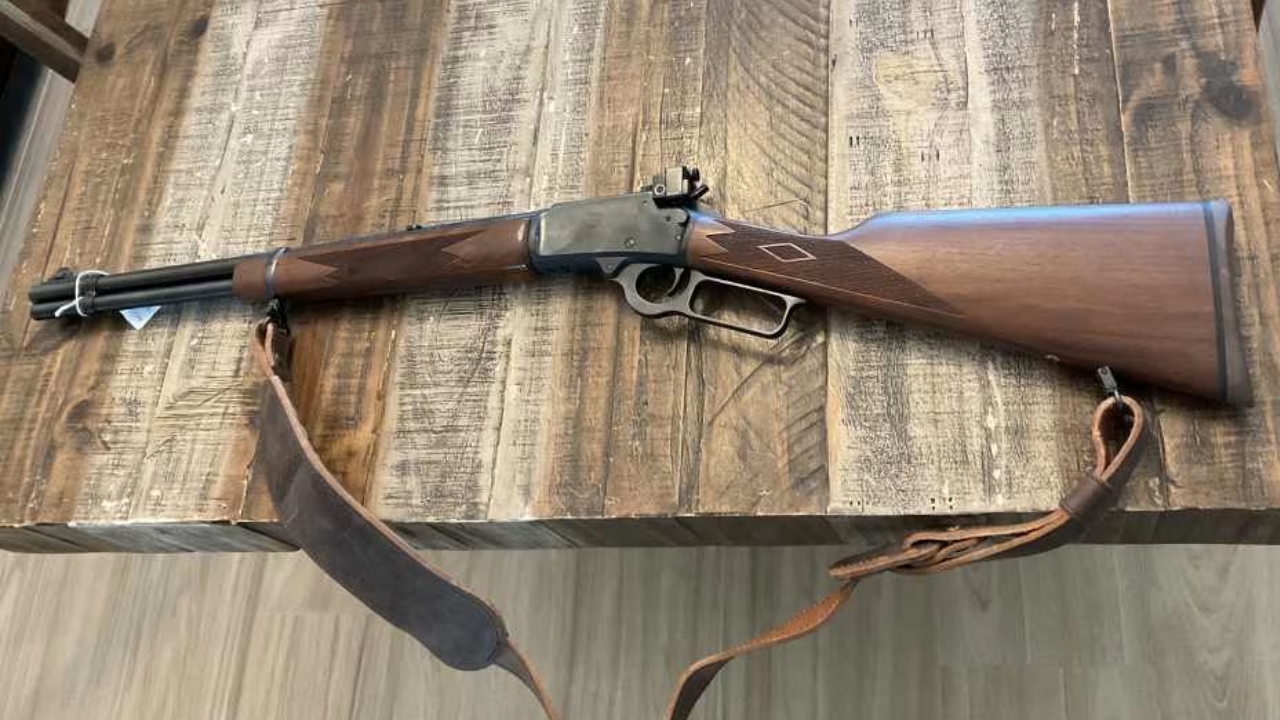
The Marlin 1894C in .357 Magnum was one of those rifles that made perfect sense, but plenty of people still put it off. It was handy, fun, useful, and paired beautifully with .38 Special or .357 Magnum revolvers.
Then availability tightened and prices climbed. A pistol-caliber lever gun that once seemed like a casual range toy became one of the rifles people actively hunted for. The 1894C is light, quick, and practical for small game, pests, plinking, and close-range deer where legal. People regret not buying one because it filled a role that is still useful and suddenly got expensive.
Heckler & Koch P7

The HK P7 always had a cult following, but there was a time when used examples were not completely out of reach. Many shooters thought the squeeze-cocking system was strange, the gun got hot, and the magazine capacity was limited.
That hesitation looks different now. The P7 is one of the most unique carry pistols ever made, with a low bore axis, excellent accuracy, and engineering that feels unlike anything else. It is not a pistol for everyone, but it is absolutely one people regret skipping. Once prices took off, the chance to buy one casually was gone.
Remington 788
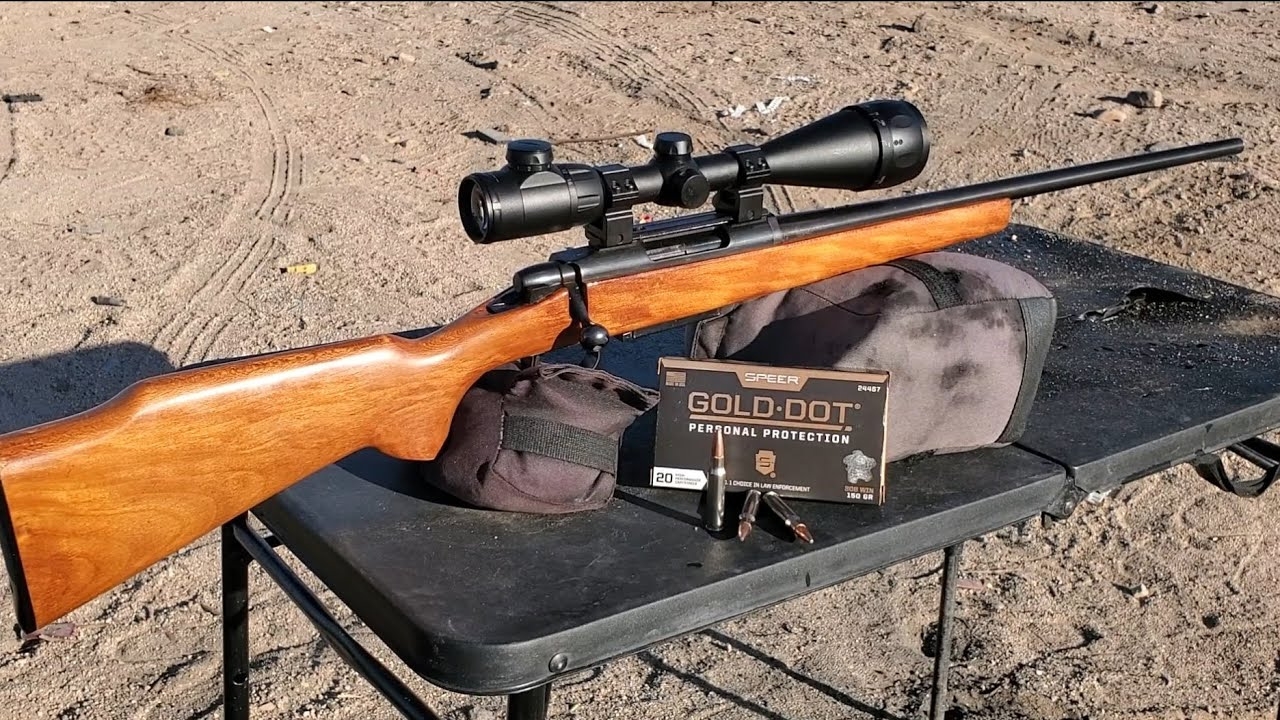
The Remington 788 was introduced as a budget rifle, and that label stuck longer than it should have. A lot of hunters saw it as the cheaper Remington and ignored it in favor of the Model 700.
Then people noticed how well many 788s shot. The rifle gained a reputation for accuracy that outlived its original place in the lineup. Today, good examples are harder to find, and spare magazines can be expensive enough to make you wince. People regret not buying them when they were cheap because the 788 proved that plain, inexpensive rifles can become highly respected later.
Smith & Wesson Model 5906
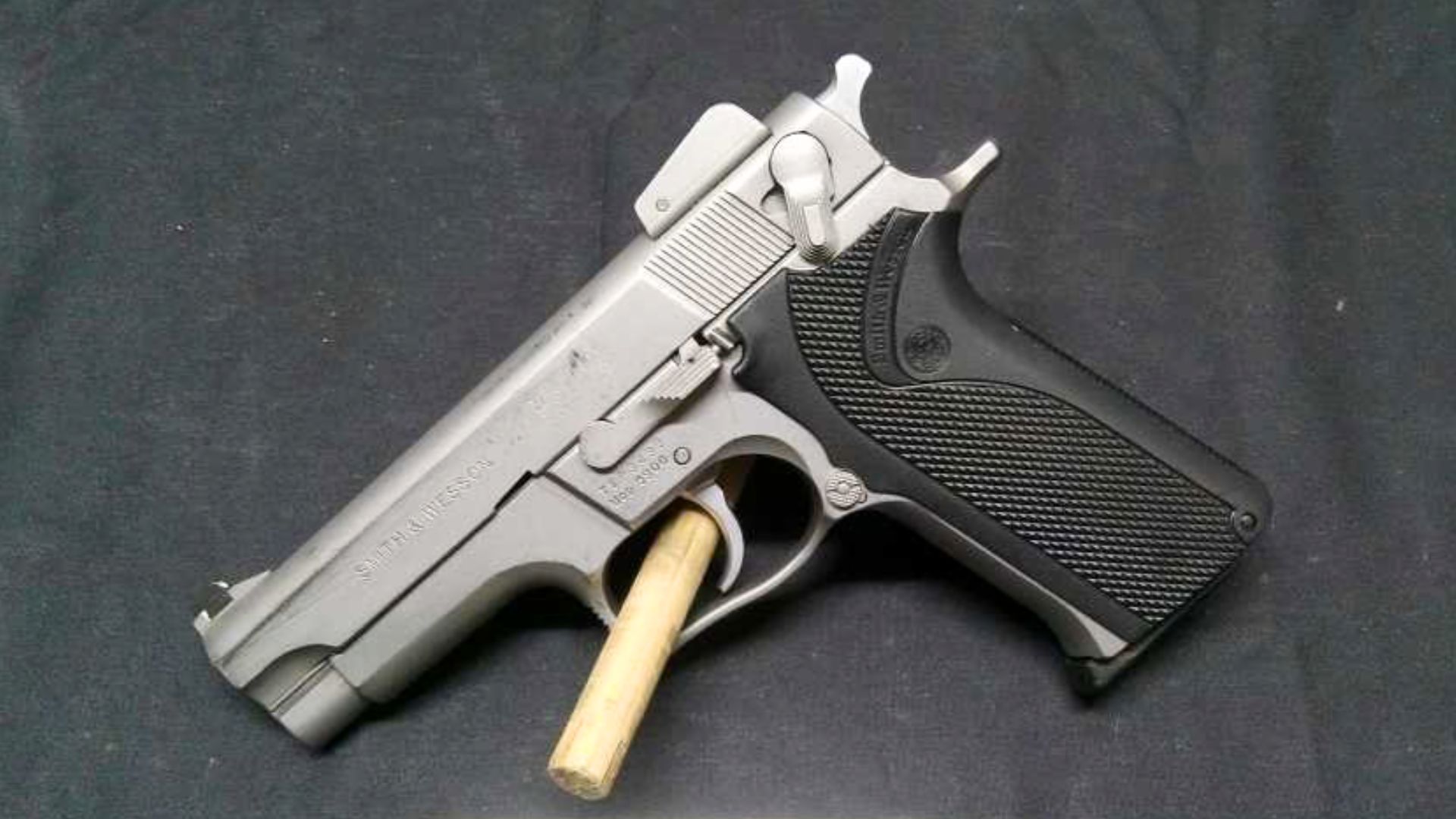
The Smith & Wesson 5906 was once everywhere as a police trade-in. It was heavy, stainless, double-action/single-action, and not especially fashionable once polymer striker guns took over.
That was exactly when smart buyers should have grabbed one. The 5906 is tough, reliable, and built with a level of metal-frame durability that feels increasingly uncommon. It is not light enough for easy daily carry by modern standards, but as a range, home-defense, or collection pistol, it has aged extremely well. People who passed on cheap trade-ins often wish they had bought two.
Savage 99
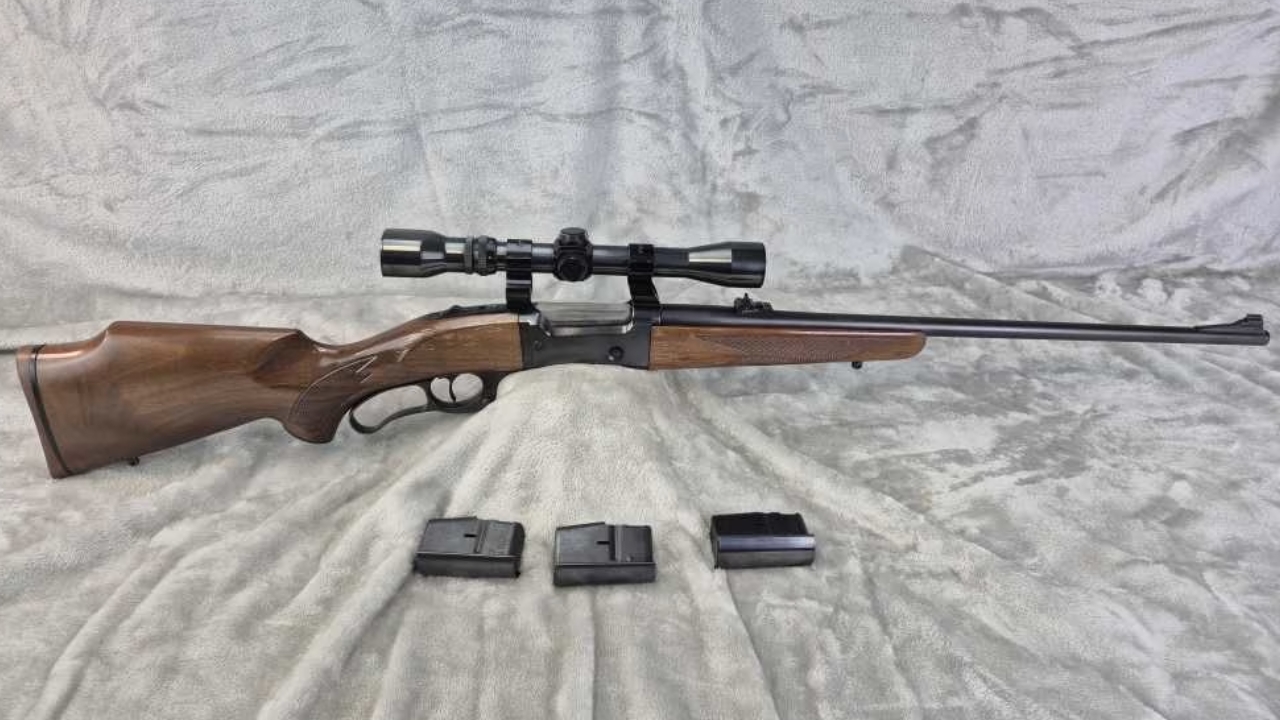
The Savage 99 was not always treated like the classic it has become. For years, it was an old lever gun with unusual lines, a rotary magazine, and chamberings that some buyers did not fully appreciate.
Now good examples, especially in desirable chamberings, are much harder to ignore. The 99 gave lever-action hunters pointed-bullet capability and better ballistic reach than traditional tube-fed rifles. It carries well, points naturally, and still hunts beautifully. People regret not grabbing one because the rifle was ahead of its time, then somehow became overlooked long enough for prices to leave them behind.
Beretta 84 Cheetah

The Beretta 84 Cheetah was once just a classy .380 that many practical buyers dismissed as too large for the cartridge. Why buy a metal-frame .380 when smaller guns existed and 9mm options kept improving?
Now the Cheetah has a different kind of appeal. It is beautifully made, soft-shooting, easy to handle, and far more enjoyable than many tiny .380s. The double-stack grip gives it a real handgun feel instead of a last-ditch pocket-gun personality. People who skipped affordable examples years ago now understand that charm, shootability, and quality were the whole point.
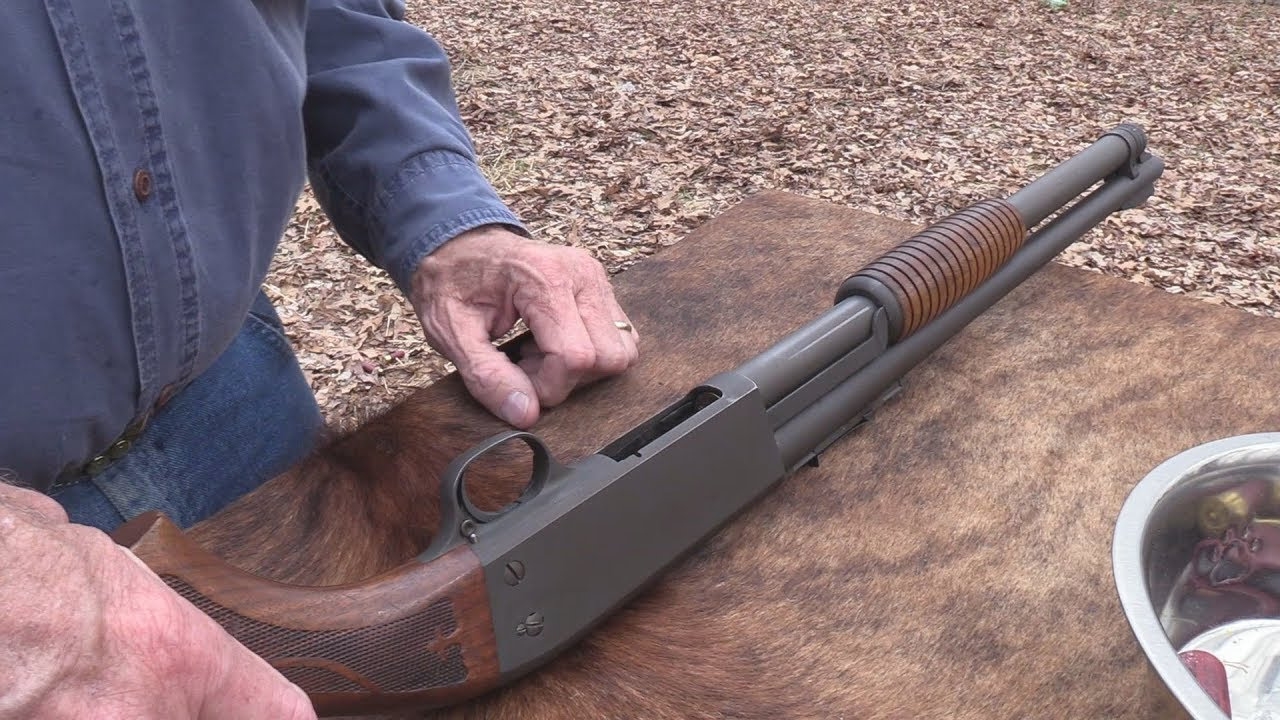
Ithaca 37
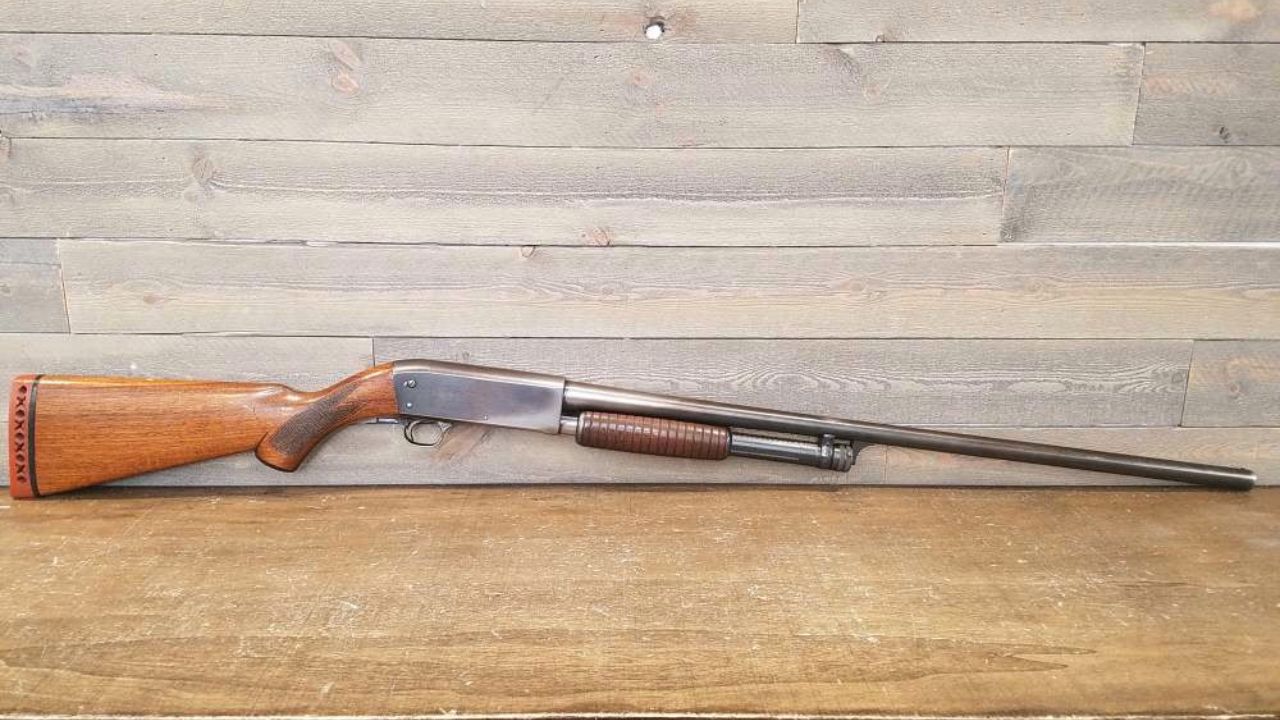
The Ithaca 37 never disappeared from memory, but clean older examples are not as easy to stumble into as they once were. For years, many buyers treated it as another pump shotgun sitting behind the louder names.
That was a mistake. The bottom-eject design makes it friendly for left-handed shooters, the action can feel incredibly slick, and the gun carries beautifully in the field. Older 37s have a light, lively feel that many modern pumps struggle to match. People regret passing on them because they were not just another shotgun. They were one of the great American pump guns.
Colt Woodsman

The Colt Woodsman was once a prized but still attainable rimfire pistol. Shooters liked them, but many assumed there would always be another one around. That assumption did not age well.
The Woodsman has the kind of balance, accuracy, and old Colt finish that keeps pulling people back. It is excellent for target shooting, small-game work, and quiet range days where a good .22 pistol reminds you why fundamentals matter. Modern rimfire pistols may be easier to mount optics on, but they rarely have the same feel. People regret not buying one because it was quality hiding in plain sight.
Winchester Model 88
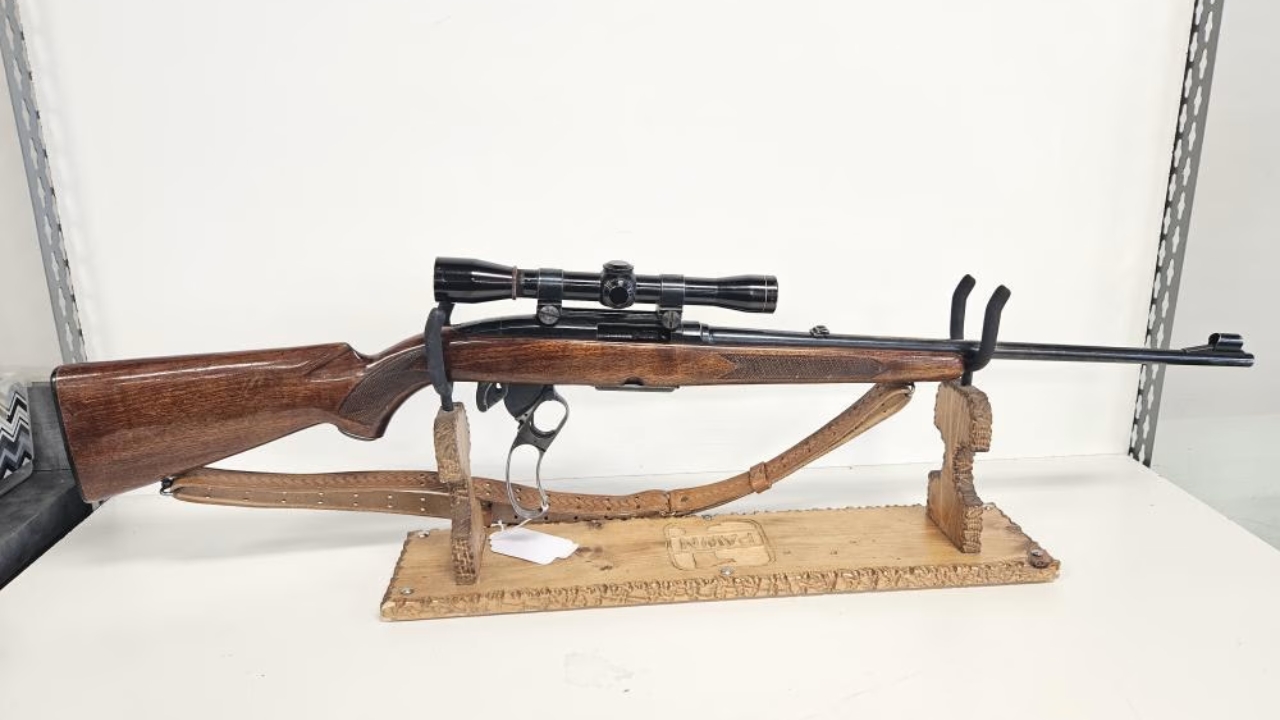
The Winchester Model 88 never fit neatly into the standard lever-action conversation. It used a box magazine, handled modern pointed bullets, and looked more like a sleek hunting rifle than a cowboy-style lever gun.
That made some buyers overlook it. Now, the same features make it interesting. Chamberings like .308 Winchester, .243 Winchester, .284 Winchester, and .358 Winchester gave it real hunting capability in a fast-handling package. Clean Model 88s are not nearly as casual to buy as they once were. People regret passing because it offered bolt-rifle performance with lever-gun speed before that sounded fashionable.
Like The Avid Outdoorsman’s content? Be sure to follow us.
Here’s more from us: