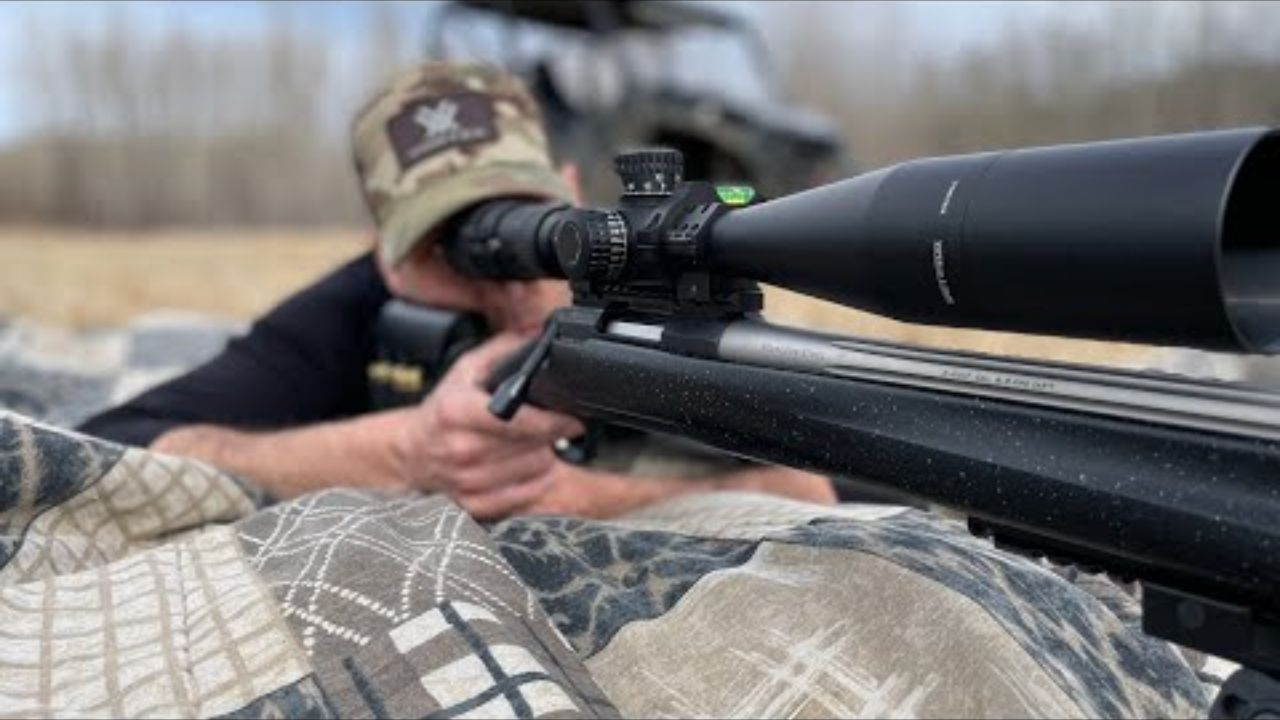
Photo credit: Brandon and Stacy Hunt/YouTube
A lot of rifle cartridges are easy to admire on paper. Some shoot flatter than most hunters will ever need. Some hit harder than most shoulders really want. The hard part is finding the rounds that actually make sense once the rifle leaves the bench and starts getting carried into the woods, up a ridge, or across a windy field. That sweet spot is not about chasing the most speed or the most energy. It is about having enough reach to stay confident at normal hunting distances without buying that performance with recoil that makes practice miserable.
That is why these calibers keep mattering. They offer practical distance, useful field performance, and recoil levels that most hunters can actually live with. They are the rounds that let you shoot enough to stay sharp, hunt enough to trust them, and still feel like you are carrying a rifle built for real use instead of one built around bragging rights. Some are classics. Some are newer. What they share is simple: they give you enough without making you pay too much for it at the trigger.
6.5 Creedmoor
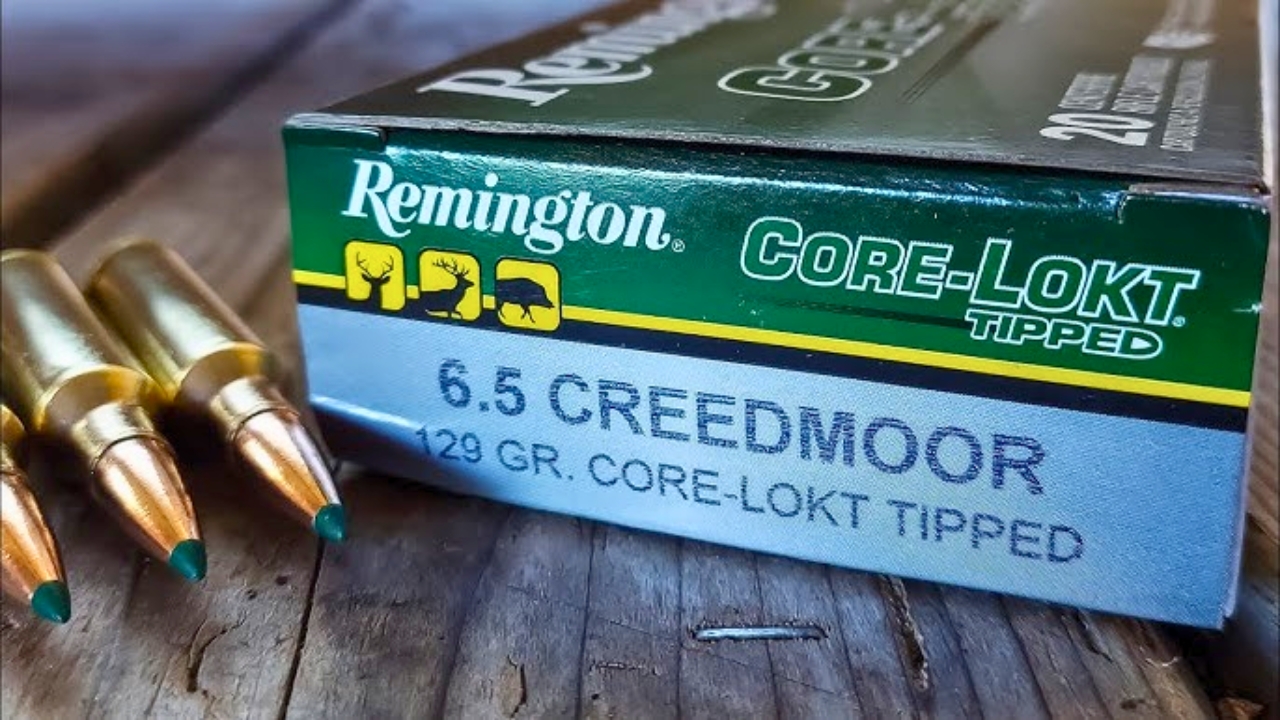
The 6.5 Creedmoor lives in this sweet spot because it gives hunters very usable reach without punishing recoil. It stays easy enough to shoot that people can actually practice with it, and that matters more than many buyers admit. In a practical hunting rifle, it offers enough performance for deer-sized game and more while keeping the whole shooting experience calm and manageable.
That is a big reason it stays so popular. The cartridge does not force the owner into the old trade of “reach means pain.” It stretches distance in a useful way while still letting the shooter stay confident and relaxed behind the rifle. That combination is exactly what puts it in this conversation.
.270 Winchester

The .270 Winchester has been hitting this balance for a very long time. It reaches well, carries enough authority for deer and similar game, and does it with recoil most hunters can manage without developing bad habits. It is one of the cleaner examples of a cartridge that feels flatter and more capable than mild rounds without stepping into magnum territory.
That is what keeps it relevant. The .270 gives the hunter room to work in open country without turning every range trip into a recoil-management exercise. It still feels like one of the best answers for someone who wants a serious hunting cartridge that does not become exhausting to shoot.
7mm-08 Remington
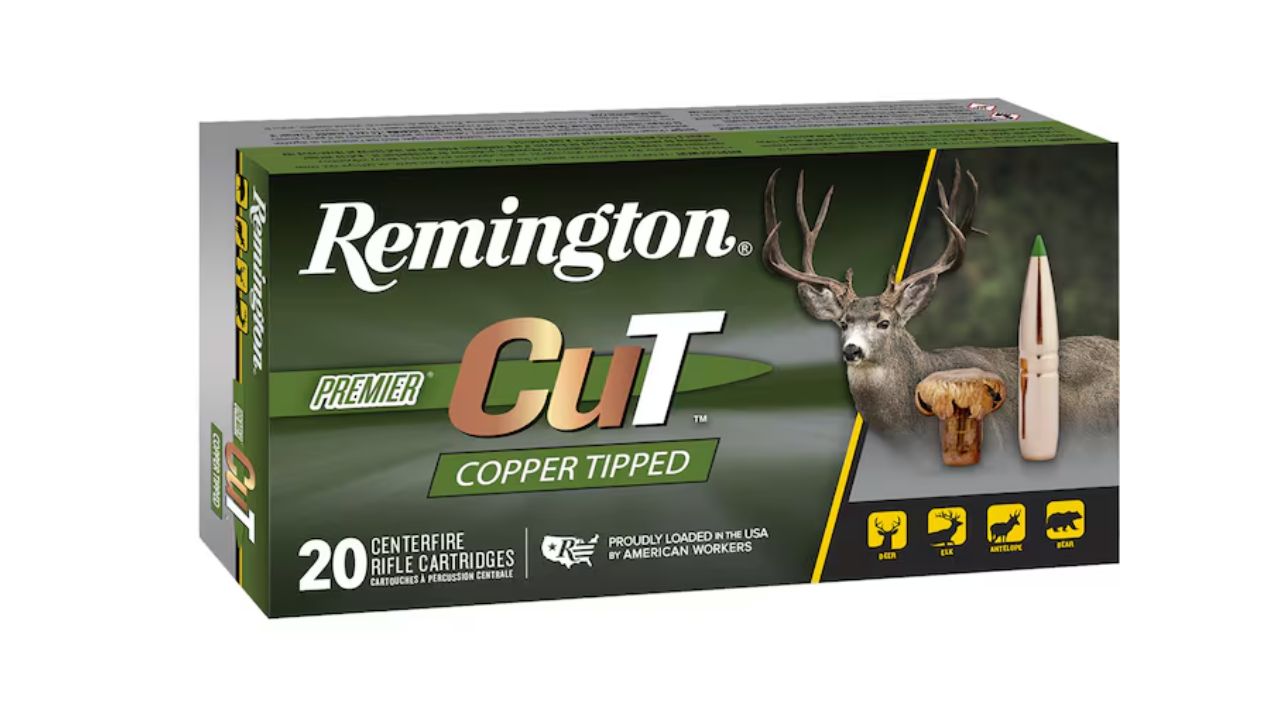
The 7mm-08 Remington belongs here because it does a lot of smart things without much waste. It reaches well enough for ordinary hunting, carries enough punch for deer, hogs, and more, and stays gentle enough in recoil that most people can shoot it honestly. In a good short-action rifle, it feels like a very efficient field setup.
That balance is why so many experienced hunters keep respecting it. It does not need magnum power to stay effective, and it does not need ultralight recoil to stay pleasant. It just lands in a very useful middle ground where practical reach and real-world shootability meet.
.308 Winchester
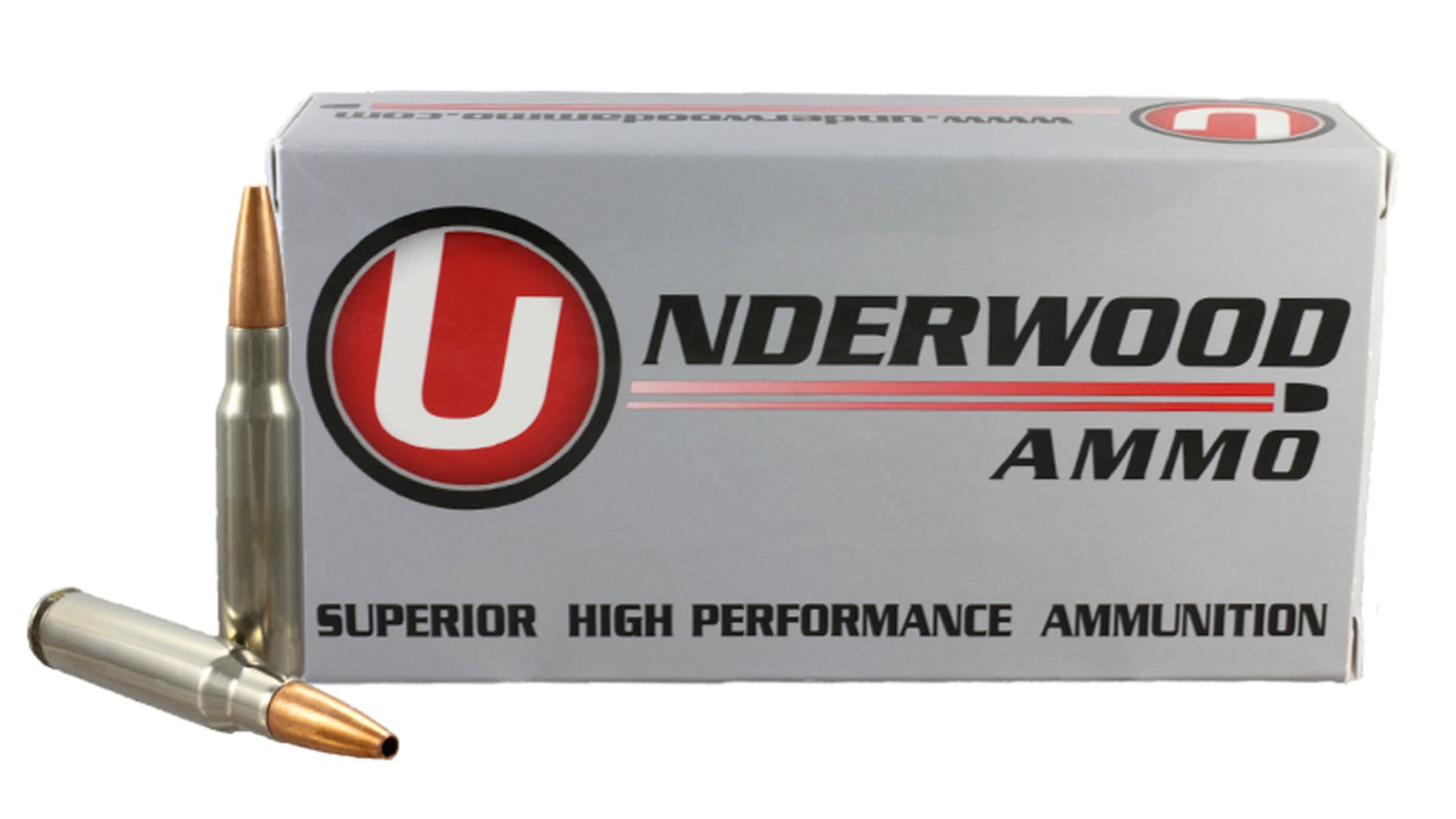
The .308 Winchester makes this list because it may be the definition of practical balance. It does not have the flattest path of the group, but it absolutely reaches far enough for the way most people really hunt, and it does that with recoil that remains manageable in sensible rifles. That combination has kept it important for decades.
What makes the .308 special here is that it asks for very little in return. It works in short actions, performs well in a variety of rifle lengths, and does not require the hunter to accept weird recoil or narrow use to get dependable reach. It is one of the safest bets in this whole category.
.25-06 Remington
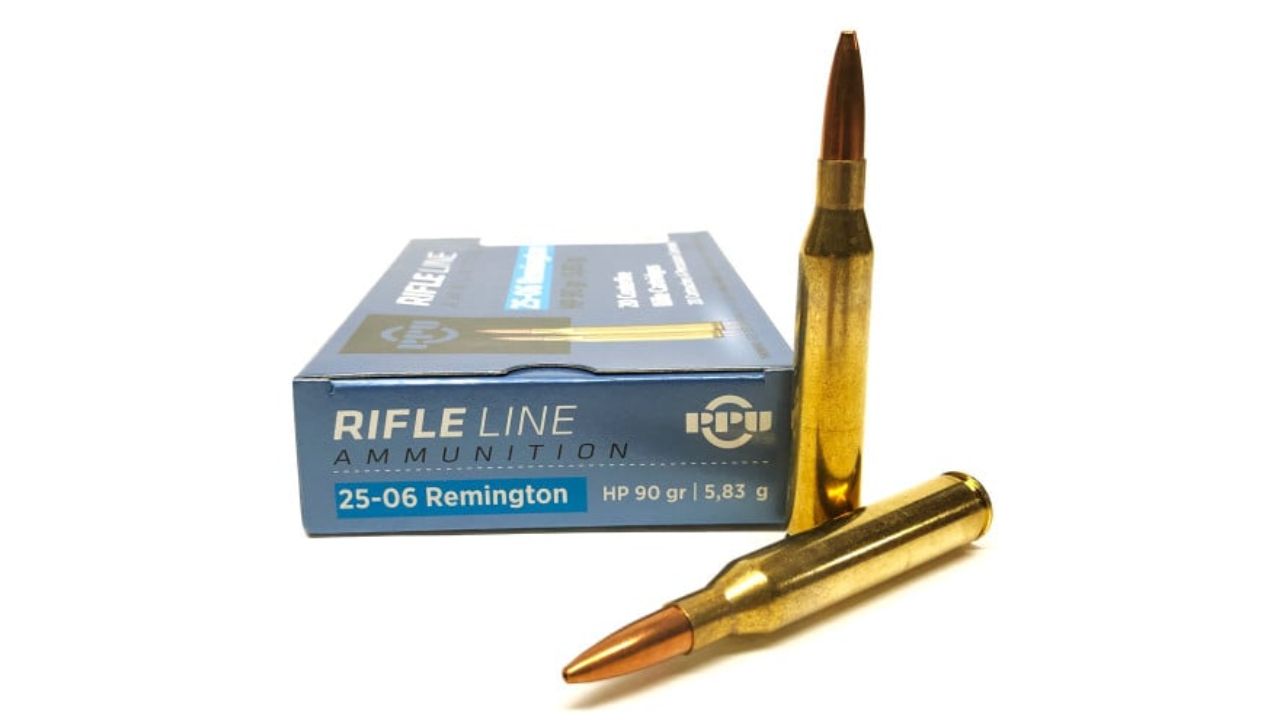
The .25-06 Remington hits the sweet spot because it gives hunters a flatter-shooting feel without the recoil price many faster cartridges demand. It has always made a lot of sense for deer and antelope country, especially for hunters who want to stretch things a bit without stepping into more punishing rifle territory.
It stays interesting because it feels lively and capable without being obnoxious. The recoil remains very manageable for many shooters, which helps them take advantage of the cartridge’s reach instead of dreading practice. That is exactly what a sweet-spot cartridge should do.
.280 Remington

The .280 Remington belongs here because it gives hunters more reach and more broad-use hunting performance than some lighter rounds while still staying well short of true magnum punishment. It has always occupied a very sensible part of the hunting spectrum, even if it never got the same level of attention as some of its neighbors.
That is also why it fits this topic so well. The .280 offers enough ballistic comfort at distance to feel serious in open country, but it does not turn into a shoulder-thumping lesson every time you sight in. It is one of those cartridges that makes more sense the more honestly you think about actual hunting.
.243 Winchester

The .243 Winchester deserves a place here because for many deer hunters, especially those who value comfort and precision, it offers all the reach they really need with recoil that is hard to dislike. It is one of the easiest centerfire hunting cartridges to shoot well, and that is a major part of why it remains so effective in real hands.
Its sweet spot is different from some of the others here because the recoil side of the equation is so favorable. It may not hit as hard as larger rounds, but it reaches very well for its role and lets the shooter stay loose, focused, and confident. For a lot of hunters, that is the right trade.
6.5×55 Swedish

The 6.5×55 Swedish lives in this balance beautifully. It offers very useful reach, mild-to-moderate recoil, and the kind of field performance that has kept it respected for generations. It is not loud about any of it, which is part of the charm. It just works.
That is what makes it so easy to appreciate once you spend real time with one. The cartridge gives you enough distance comfort to feel practical in open country and enough mildness at the shoulder to make regular practice a pleasure. That is exactly the kind of formula that ages well.
6.5 PRC
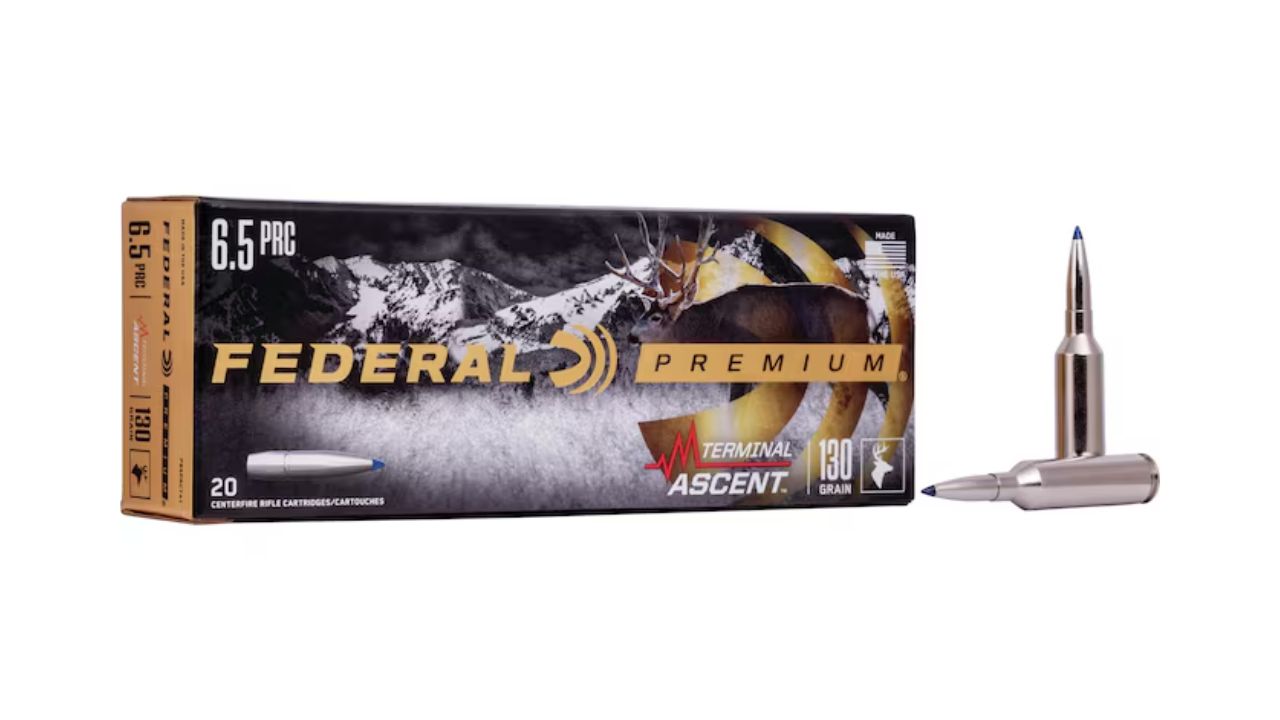
The 6.5 PRC sits near the upper edge of this sweet spot, but it still belongs because it offers noticeably more reach than milder 6.5 rounds without automatically crossing into full magnum misery for every shooter. In the right rifle, it gives a hunter a serious long-range hunting feel while keeping recoil below what many bigger magnums demand.
That is why it keeps attracting hunters who want a little more without wanting too much. It is not the mildest cartridge here, but it still manages to stretch the range side of the equation without making the recoil side unbearable. For some shooters, that is exactly the right balance.
7×57 Mauser

The 7×57 Mauser belongs here because it has been quietly doing this job for a very long time. It offers enough reach and enough field performance for deer-sized game and more while keeping recoil civilized. It never had to become flashy to stay useful, and that is part of why it still makes so much sense.
The cartridge fits this topic well because it shows that sweet-spot rounds are not a new idea. Hunters have always valued cartridges that gave them practical distance without turning shooting into a chore. The 7×57 is one of the older and better examples of that thinking done right.
.257 Roberts

The .257 Roberts earns its spot because it offers a very appealing blend of flat enough performance and very comfortable recoil. It is one of those cartridges that hunters often end up loving more deeply than loudly. It does not try to dominate a chart. It tries to make hunting pleasant and effective, and it succeeds.
That is why it remains such a smart sweet-spot round. It gives enough reach for ordinary field confidence and stays soft enough that most shooters can use it without fighting the rifle. Those are two very important things to get right at the same time.
.260 Remington

The .260 Remington fits here because it offers much of what people like about the efficient 6.5 rounds while keeping recoil very reasonable. It reaches well, performs well on deer-sized game, and still feels like a cartridge built around sane tradeoffs rather than hype. That keeps it very easy to respect.
It is another good example of a round that does not need to be loud to be useful. The .260 gives a hunter plenty of practical distance while staying soft enough to encourage regular shooting. That kind of balance is exactly what this list is about.
.30-06 Springfield
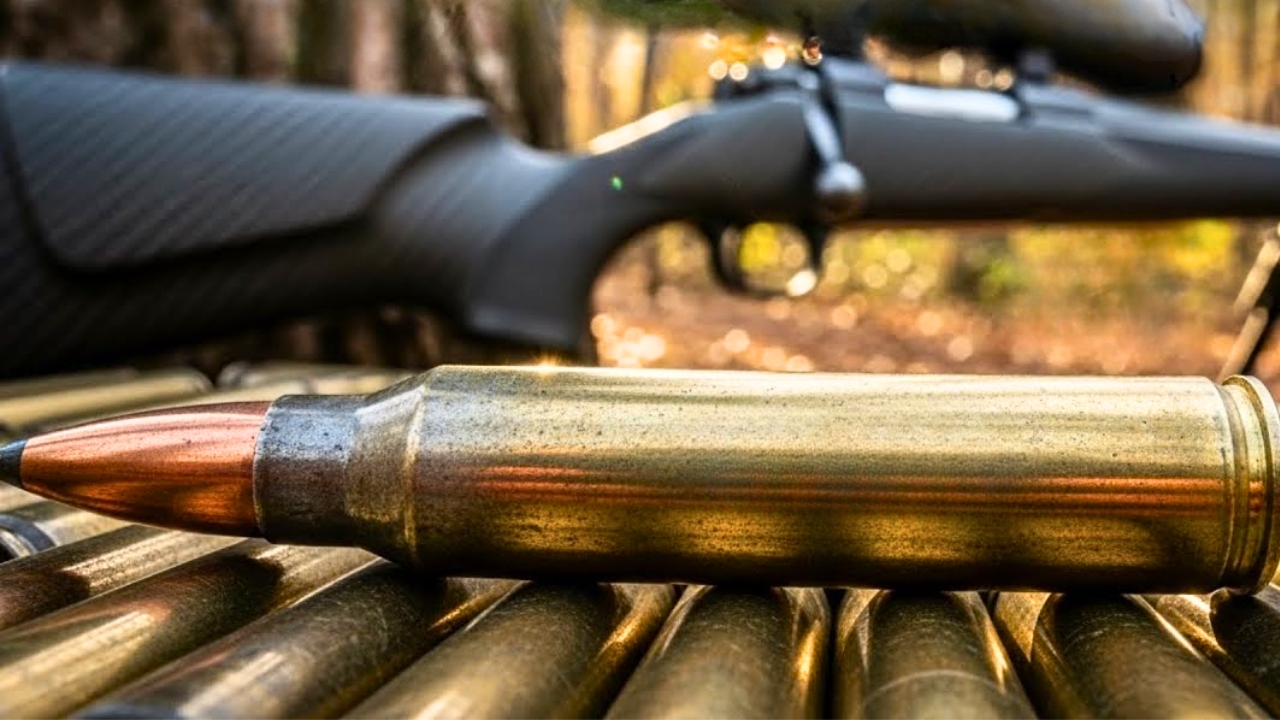
The .30-06 Springfield might seem a little heavy for a “sweet spot” list, but in a sensible rifle it still belongs because it offers broad reach and real hunting authority without becoming a full magnum. It gives more recoil than some of the others here, yes, but for many hunters it still lands on the manageable side of serious.
That matters because the cartridge also buys you a lot in return. A hunter gets reach, flexibility, and the ability to handle a very wide range of game. For shooters who tolerate a bit more recoil comfortably, the .30-06 remains a very practical middle ground between moderate cartridges and true hard-kicking magnums.
.240 Weatherby Magnum

The .240 Weatherby Magnum earns a place here because it offers excellent reach for its class while still staying more manageable in recoil than many larger high-speed rounds. It is not as common as some of the others, but it does a very good job of giving a hunter a flatter-shooting feel without demanding the kind of punishment that turns practice sour.
That makes it one of the more interesting sweet-spot rounds for people who want something fast but not abusive. It is not for everybody, but it absolutely fits the idea of practical reach paired with real-world shootability.
.270 WSM
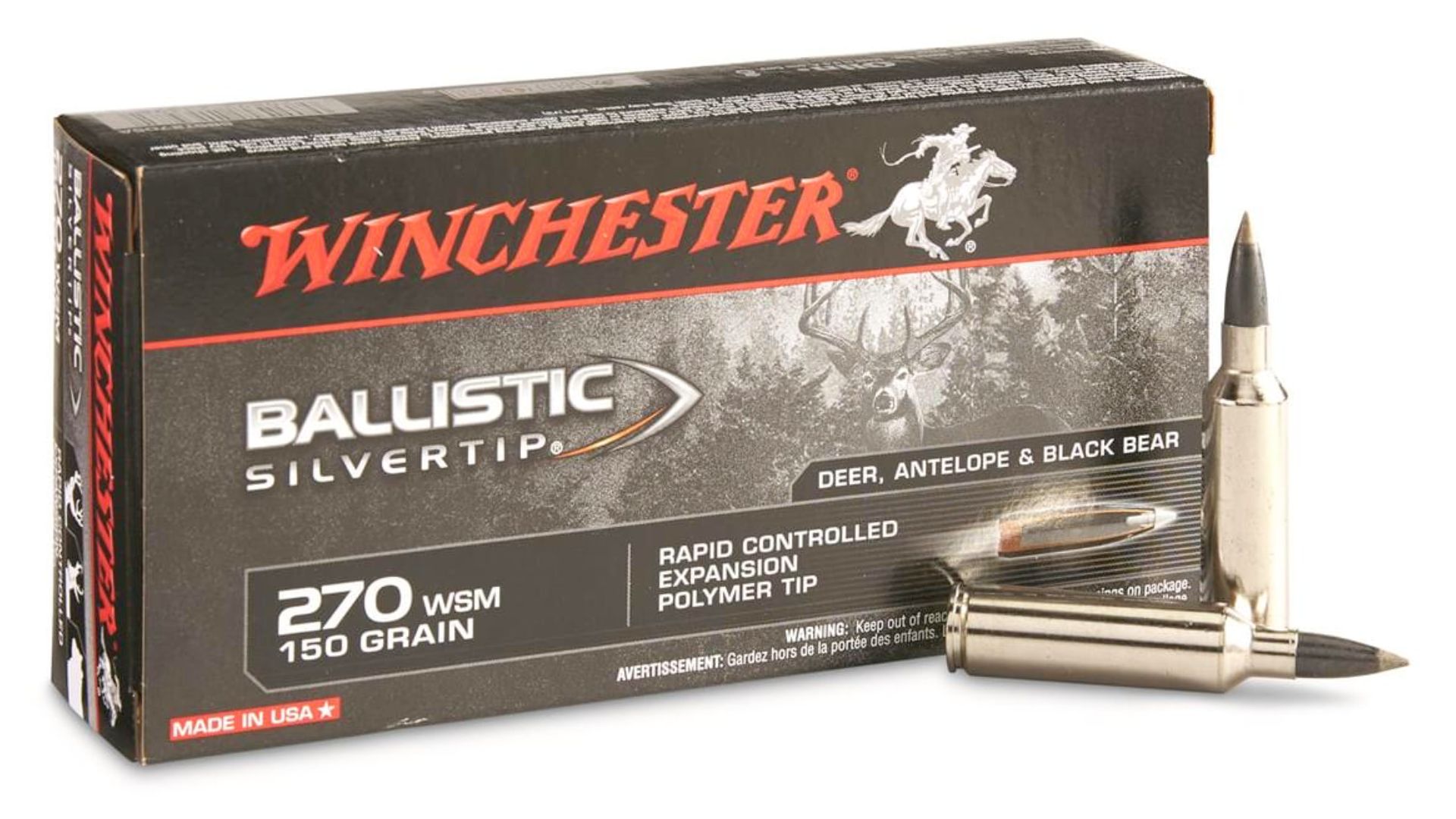
The .270 WSM lands at the upper edge of this category because it pushes farther into long-range performance while still staying more manageable than the bigger magnum bruisers. It is not a soft round, but for many shooters it offers enough added reach and energy to justify itself without crossing fully into “I hate practicing with this” territory.
That is why it belongs here rather than in a pure heavy-recoil category. In the right rifle, it can still feel like a workable compromise between standard hunting cartridges and the more punishing magnum end of the market. That compromise is exactly what some hunters are looking for.
Like The Avid Outdoorsman’s content? Subscribe to our newsletter so you never miss an article.
Here’s more from us: