Photo credit: 573 reviews/Youtube
Spec sheets can be useful, but they can also make shooters miss the point. A pistol can look too heavy, too large, too low-capacity, too old-fashioned, or too plain on paper and still be excellent once it’s actually in the hand. Numbers don’t tell you how a trigger breaks, how the grip settles, or how confident a pistol feels after a few hundred rounds.
Some handguns need to be judged by use, not measurements. They may lose the internet comparison game and still win over the owner who shoots them well. These pistols got better once shooters stopped staring at specs and started paying attention to feel.
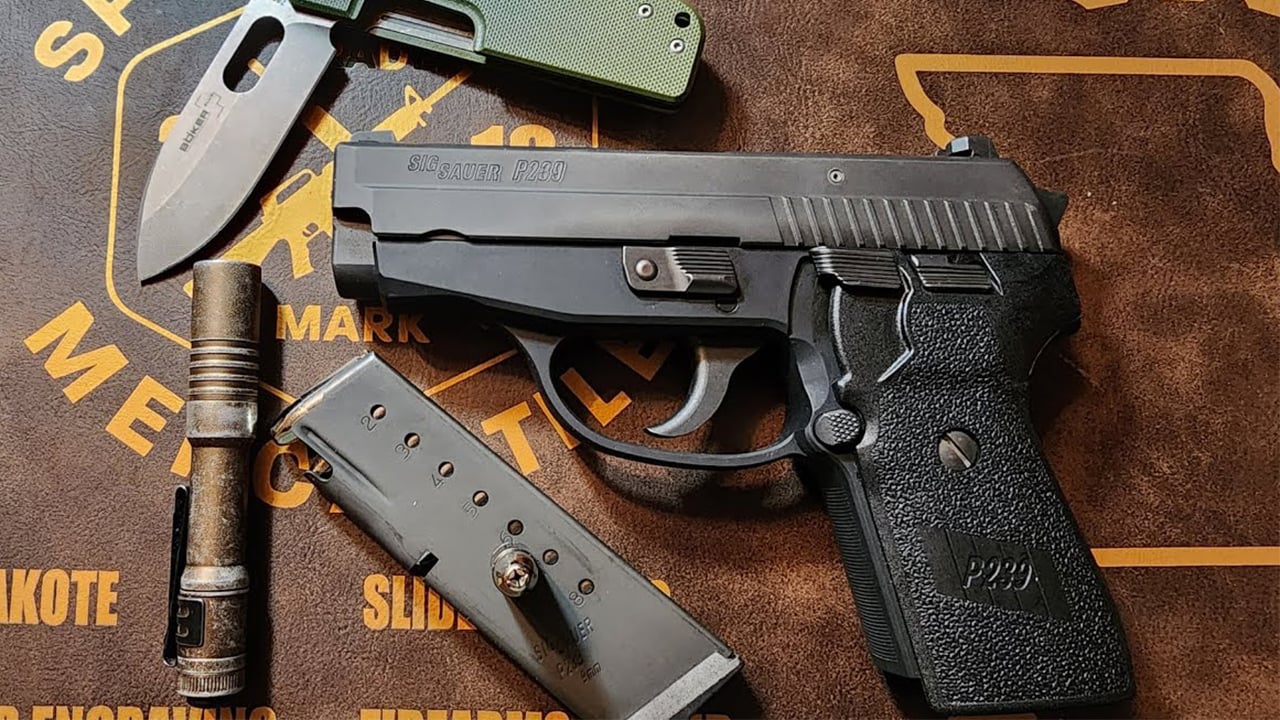
SIG Sauer P239
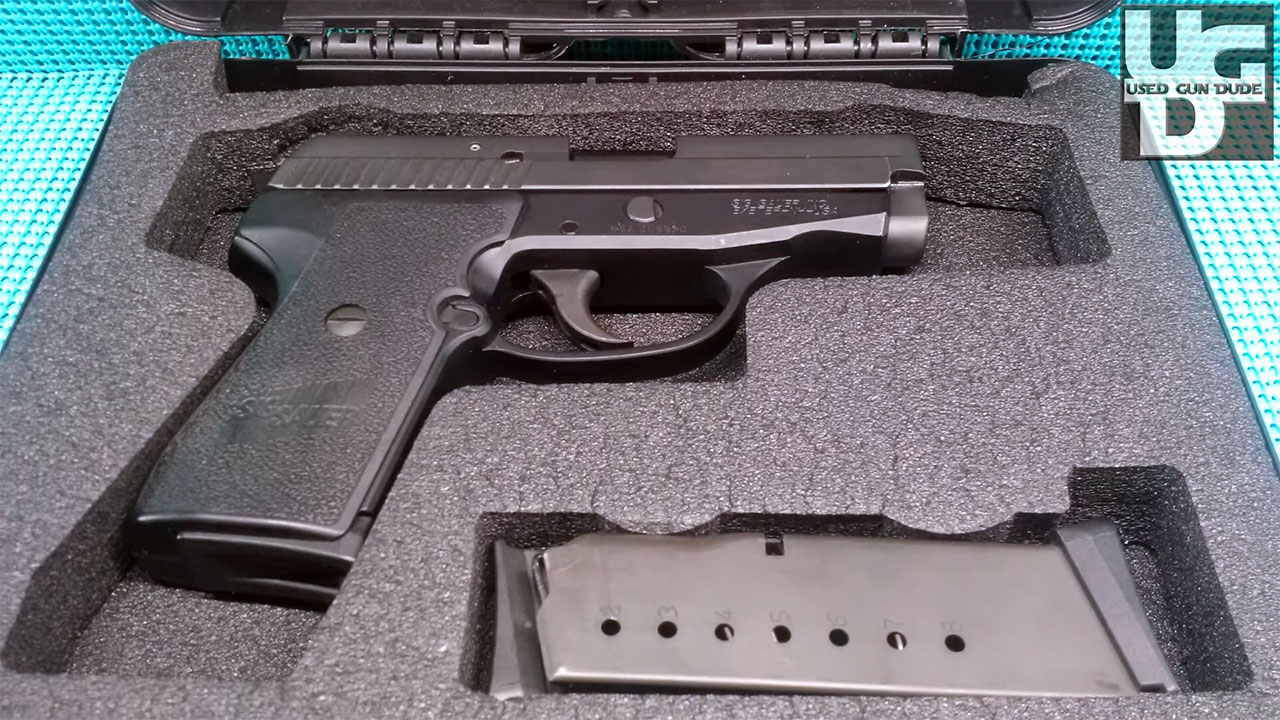
The SIG Sauer P239 looks dated if you judge it only by modern carry specs. It is heavier than many micro-compacts, holds fewer rounds, and uses a DA/SA trigger system that asks for more practice than a simple striker-fired pull. On paper, it seems easy to dismiss.
The pistol makes more sense once it’s shot. The slim grip feels good in the hand, the extra weight helps manage recoil, and the single-stack frame carries flatter than many chunkier compacts. It feels controlled in a way tiny lightweight pistols often don’t. For shooters who value accuracy and confidence over maximum capacity, the P239 still has a lot to offer. It proves a carry gun can be “outdated” and still feel right.
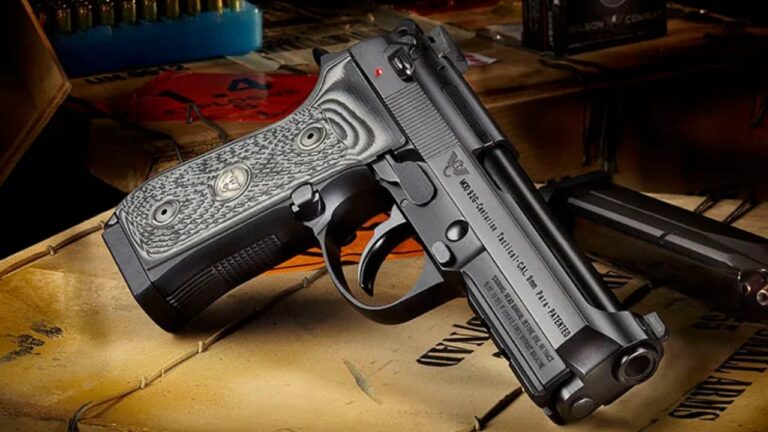
Beretta 80X Cheetah
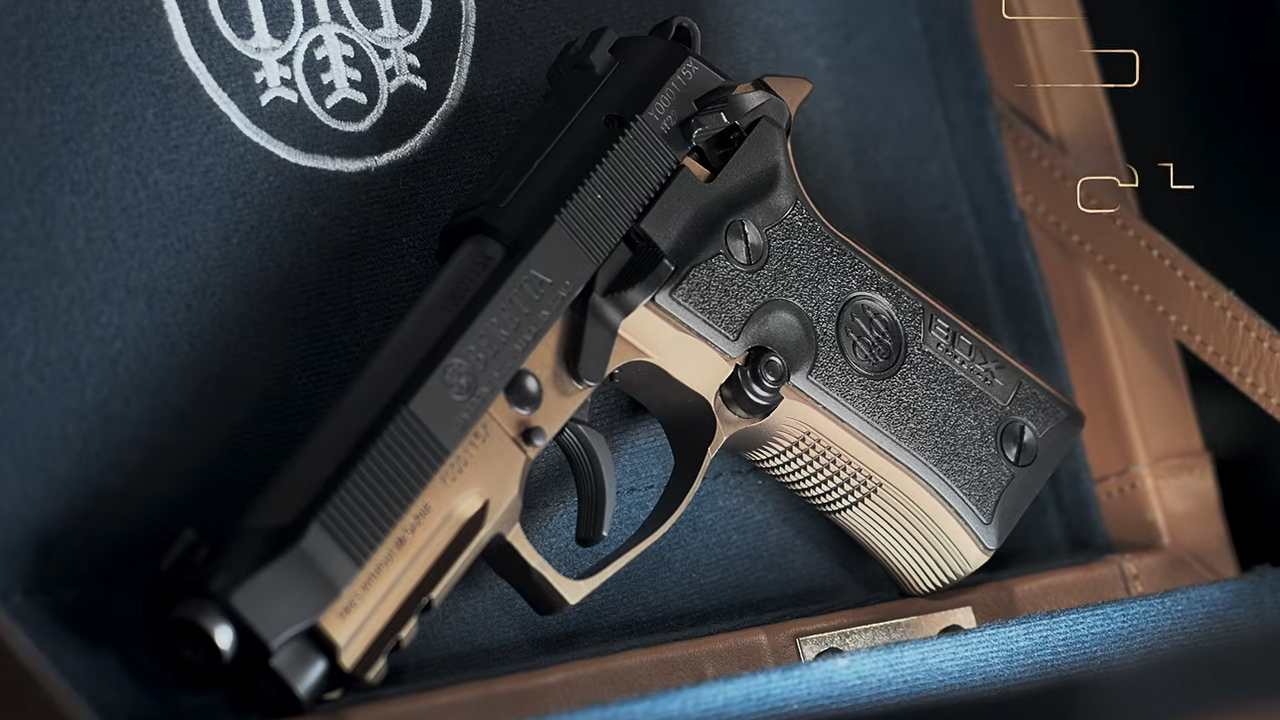
The Beretta 80X Cheetah takes a beating on specs because it’s a .380 ACP pistol that is larger than many people expect. Some shooters immediately compare it to small 9mms and decide the size-to-power ratio doesn’t make sense. That argument is understandable, but it misses why the pistol exists.
The 80X is comfortable, soft-shooting, and easy to control. The improved sights and controls make it more practical than older Cheetah models, while the classic Beretta feel gives it personality most tiny carry guns lack. For recoil-sensitive shooters or anyone who simply enjoys a refined .380, the 80X feels better than the numbers suggest. Not every pistol has to win the smallest-and-most-powerful contest to be worth owning.
Smith & Wesson Model 66
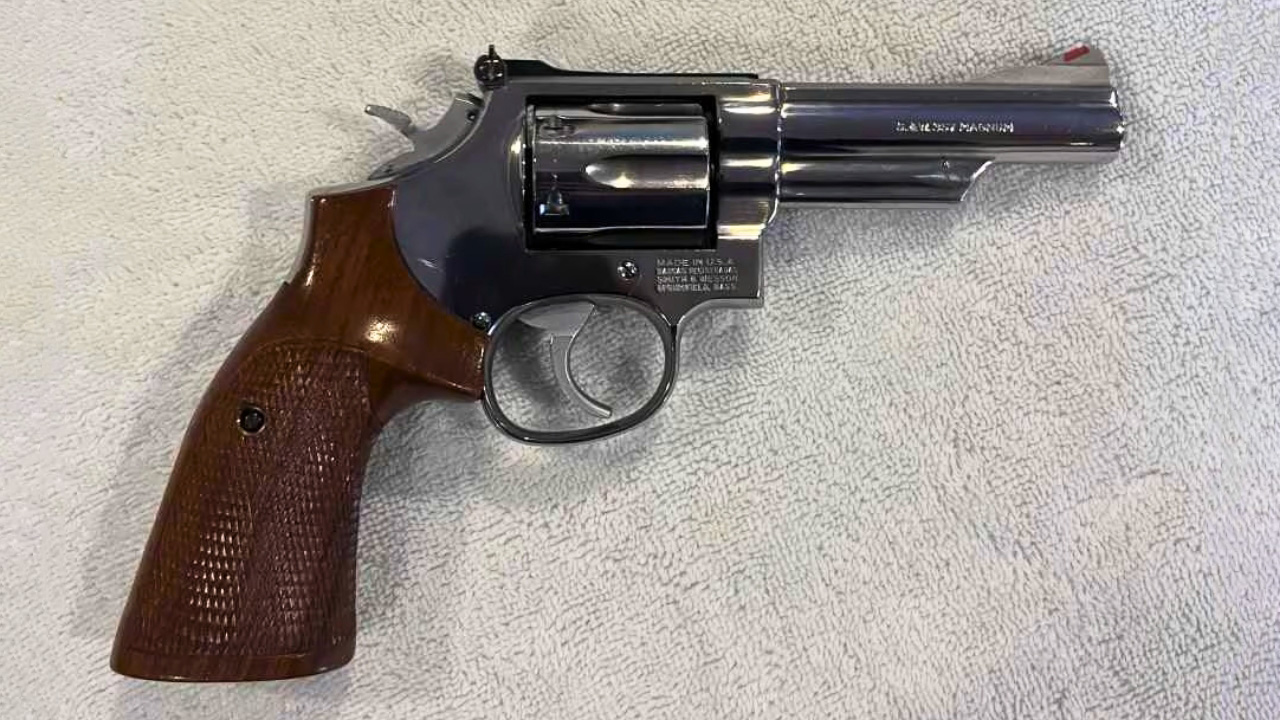
The Smith & Wesson Model 66 can look like a compromise if someone judges it against heavier .357 revolvers. It isn’t as stout as a full-size L-frame or Ruger GP100, and it isn’t as light as some carry revolvers. That middle ground is easy to misunderstand on paper.
In use, that balance is exactly why the Model 66 works. It carries better than larger magnums, shoots .38 Special beautifully, and handles sensible .357 Magnum loads with enough control for real practice. It is not meant to be abused with a constant diet of the hottest magnum ammunition. It is meant to be a carryable, shootable .357. Once owners understand that, the Model 66 becomes much easier to appreciate.
Walther PPS M2

The Walther PPS M2 lost some attention once higher-capacity micro-compacts took over. A slim single-stack 9mm doesn’t look impressive beside pistols that hold more rounds in similar footprints. If capacity is the only number that matters, the PPS M2 seems like yesterday’s answer.
Shooters who actually carry and practice with it often see more value. The grip feels natural, the pistol carries flat, and recoil is manageable for a thin gun. It doesn’t feel as cramped or harsh as some smaller pistols, and that encourages practice. A carry gun with fewer rounds that someone shoots well can still be a better choice than a higher-capacity pistol they dislike. The PPS M2 proves comfort still counts.
HK P30SK

The HK P30SK is thicker than many modern carry pistols, and the trigger systems can look less appealing compared with crisp striker-fired competitors. On a spec sheet, it doesn’t seem like the most efficient compact pistol. It’s not the lightest, thinnest, or cheapest option.
The feel changes the argument. The adjustable grip panels and backstraps let the shooter tune the fit in a way many small pistols don’t allow. That makes a big difference in control. The pistol feels durable, steady, and serious despite its compact size. The DA/SA or LEM trigger takes commitment, but the gun rewards that effort. Once shooters stop judging it like a micro-compact, the P30SK starts making a lot more sense.
Colt Lightweight Commander
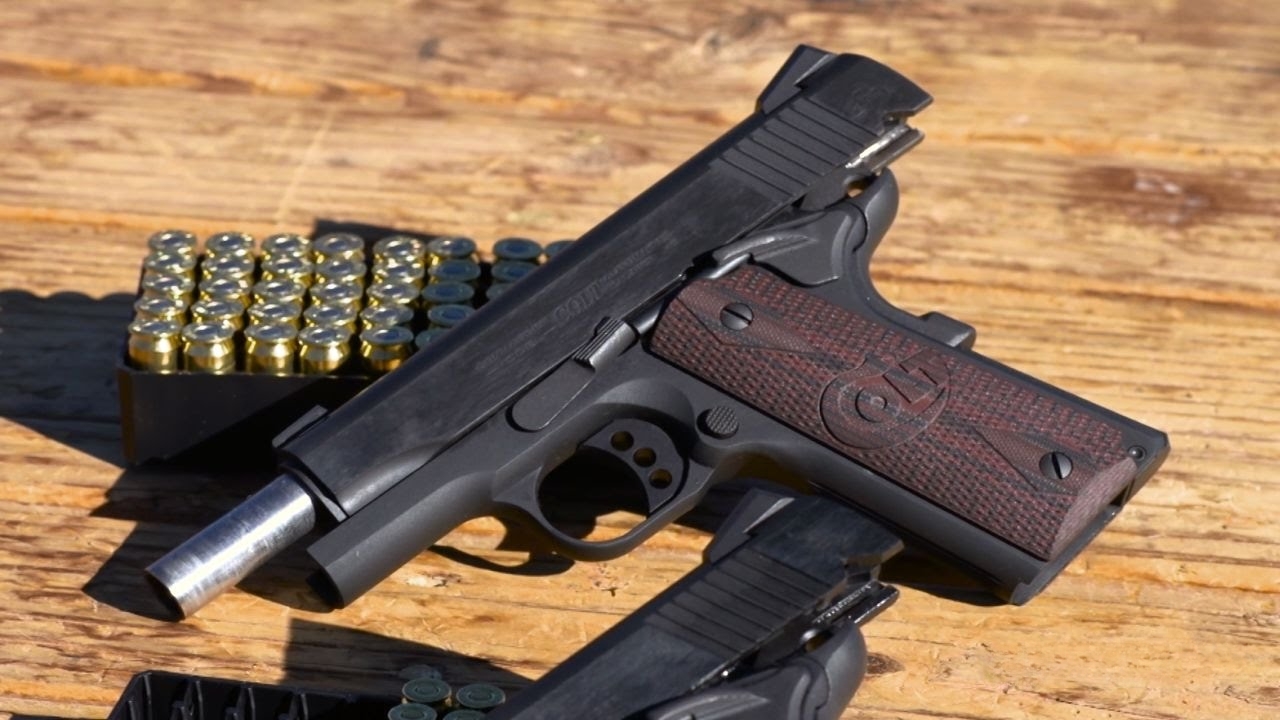
The Colt Lightweight Commander loses modern spec fights quickly. It holds fewer rounds than double-stack pistols, requires training with a thumb safety, and costs more than many polymer carry guns. It also brings the usual 1911 maintenance and magazine concerns that some shooters don’t want to deal with.
Still, the pistol has a feel that numbers don’t capture. The slim frame carries flat, the alloy frame keeps weight manageable, and the Commander-length slide balances well. The single-action trigger remains one of the biggest reasons people stick with 1911s. It is not the simplest carry choice, but for a trained 1911 shooter, it can feel extremely natural. Specs don’t always measure confidence.
Ruger LCR
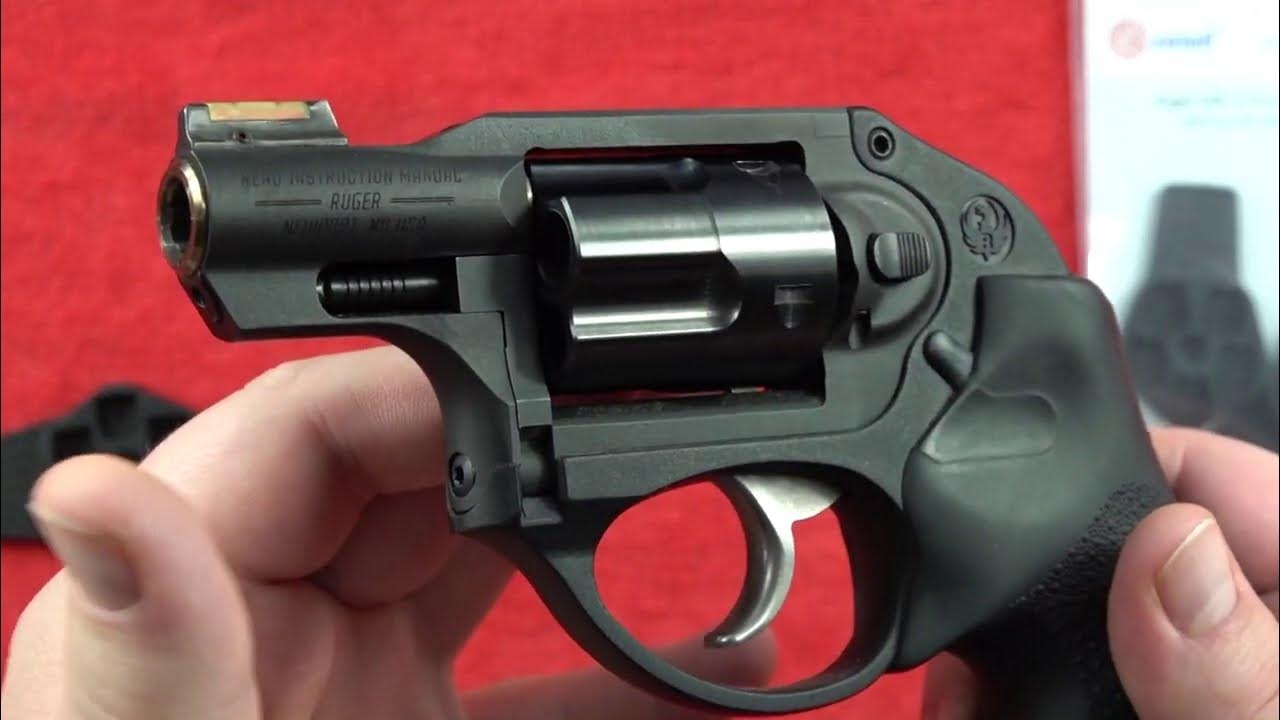
The Ruger LCR doesn’t look impressive if someone compares it to compact semi-autos. It holds fewer rounds, reloads slower, and takes more skill to shoot well. Even compared with classic revolvers, it looks odd because of its polymer fire-control housing and modern shape.
That design makes more sense in actual carry. The LCR is light, easy to conceal, and has a surprisingly smooth trigger for a small revolver. It works in roles where a larger pistol may get left behind. Chamberings like .38 Special, .327 Federal Magnum, and .22 LR give owners different options depending on their needs. It is not a range toy, and it is not easy mode. But inside its role, the LCR performs better than the spec sheet suggests.
CZ 75 Compact
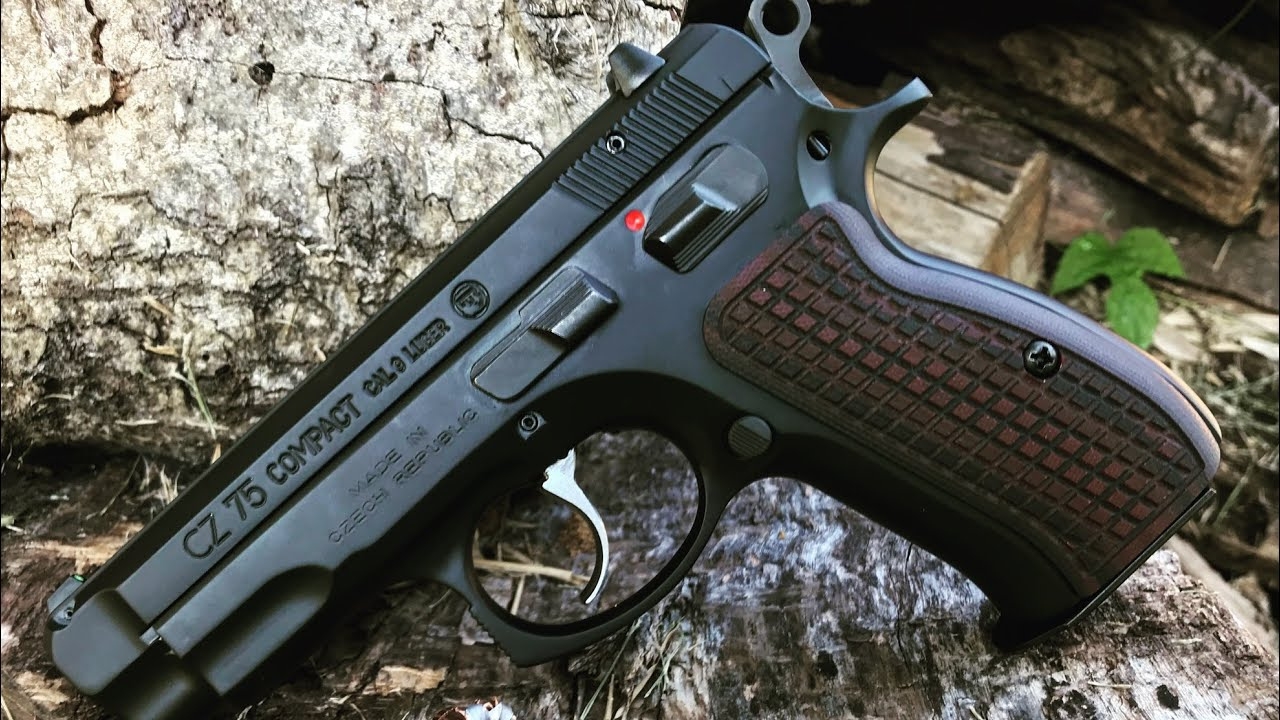
The CZ 75 Compact looks heavy beside today’s polymer carry pistols. It doesn’t offer the same easy optics support, and the DA/SA trigger system requires more practice. If someone is shopping only for the lightest carry gun with the most modern features, this pistol won’t top the list.
Then they shoot it. The steel frame gives the pistol a calm, settled feel, and the CZ grip shape remains one of the platform’s biggest strengths. It points naturally, handles recoil well, and feels like a real handgun instead of a shrunken compromise. It may be too heavy for some carry needs, but as a compact range, home-defense, or occasional carry pistol, it earns respect fast.
Glock 30S
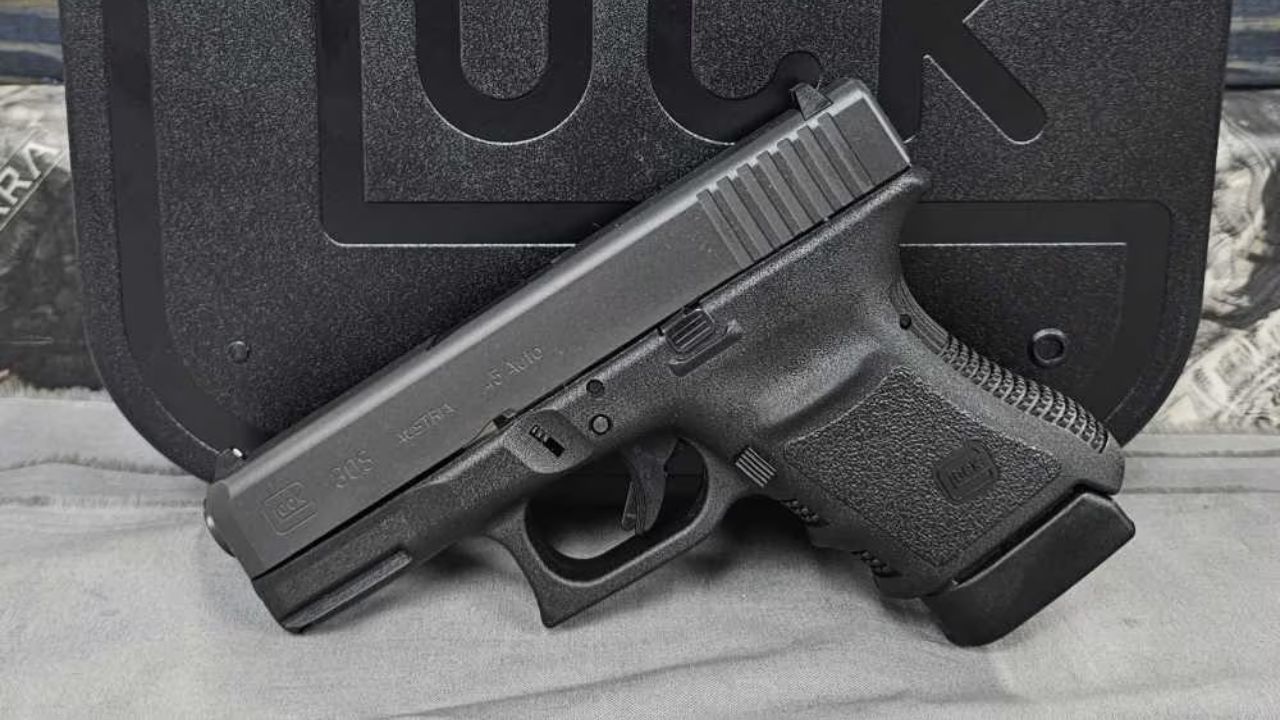
The Glock 30S is easy to criticize on specs because it is still thick, still chambered in .45 ACP, and still not as easy to conceal as slimmer 9mms. It looks like a pistol from a time when compact .45s had more pull than they do now. Many shooters have moved on.
Owners who like it usually know exactly why. The slimmer slide helps compared with the standard Glock 30, and the pistol offers strong .45 ACP capacity in a compact package. It shoots more comfortably than its size suggests, and Glock support makes parts, holsters, and magazines easy to find. It’s not graceful, but it works. For someone who wants a reliable compact .45, the numbers don’t tell the whole story.
Kimber K6s

The Kimber K6s looks expensive for a small revolver, especially when compared with cheaper snubnoses or compact semi-autos that carry more rounds. It is also heavier than ultralight pocket revolvers, which makes some buyers wonder what they’re really gaining.
They’re gaining shootability. The K6s has a smooth trigger, usable sights, and a six-shot cylinder in a compact package. That extra weight helps with recoil, especially when shooting .38 Special or moderate .357 Magnum loads. Small revolvers are always demanding, but the K6s gives the shooter more help than many lighter options. Once owners stop judging it purely by price, weight, and capacity, the appeal gets clearer.
Springfield Armory EMP

The Springfield Armory EMP doesn’t look efficient beside modern micro-compacts. It holds fewer rounds, costs more, and asks the owner to train with a manual safety. It also follows the 1911-style pattern, which brings strong opinions and real maintenance expectations.
But the EMP feels different because it was scaled around shorter cartridges rather than simply chopped down from a larger 1911. The grip is slim, the trigger is crisp, and the pistol carries flat. In 9mm, it can be very pleasant to shoot for its size. It’s not for everyone, and it shouldn’t be treated like a low-maintenance striker pistol. But for shooters who like the platform, it feels far better than the specs imply.
Beretta PX4 Storm Compact
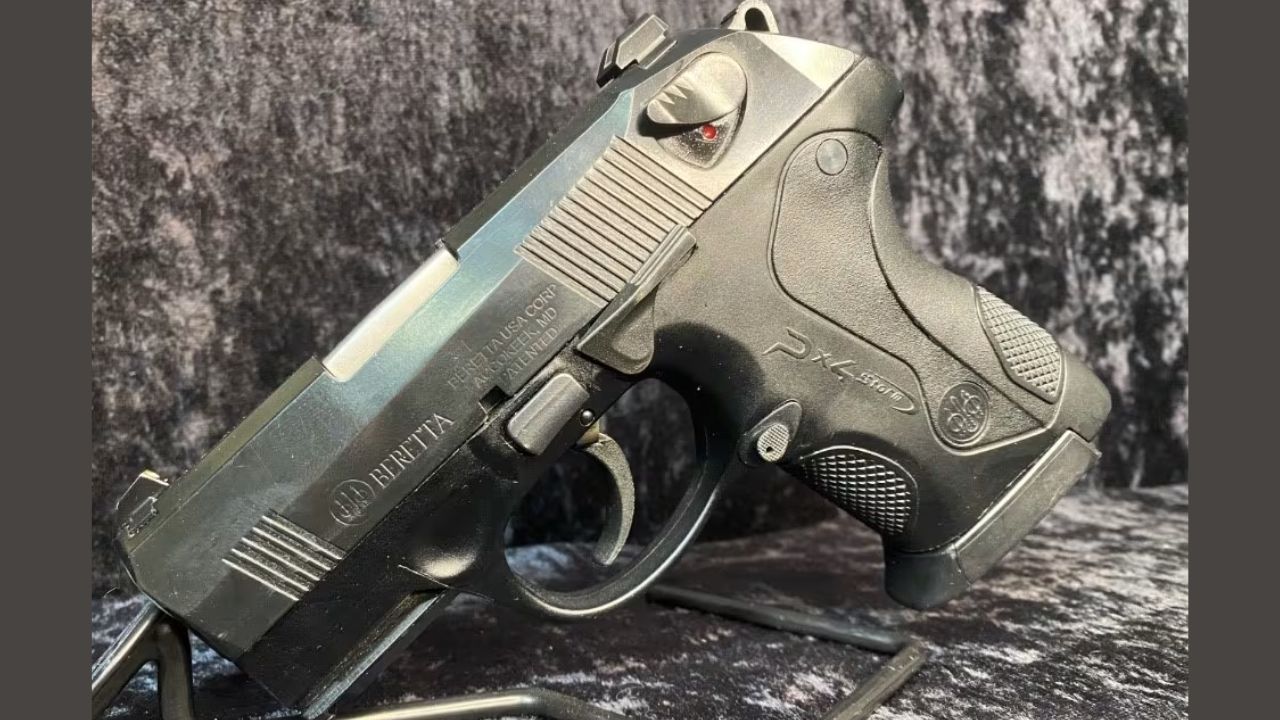
The Beretta PX4 Storm Compact can look chunky, odd, and outdated compared with sleek modern carry pistols. It uses a DA/SA system, has rounded styling, and doesn’t win the thinnest-gun contest. Some shooters judge it before they even reach the firing line.
Range time changes a lot of opinions. The rotating barrel system gives it a smoother recoil impulse than many compact 9mms, and the grip feels better in the hand than the shape suggests. It carries reasonably well with the right holster and rewards shooters willing to learn the trigger. The PX4 Compact is not trendy, but it shoots with a calm confidence that makes the measurements feel less important.
Smith & Wesson Model 3913

The Smith & Wesson Model 3913 is outclassed on modern specs by almost every current micro-compact. It holds fewer rounds, has older sights, uses DA/SA controls, and lacks the modern support of current-production pistols. On paper, it looks like a relic.
In the hand, it still has a lot going for it. The alloy frame keeps weight reasonable, the single-stack grip carries flat, and the pistol shoots more comfortably than many smaller modern guns. It feels refined, slim, and practical in a way that spec comparisons don’t capture. Parts and magazine availability matter now, but a good 3913 still reminds shooters that older carry pistols were not automatically worse. Some were simply built around different priorities.
FNX-45 Tactical

The FNX-45 Tactical looks ridiculous if judged against ordinary carry specs. It is large, tall, expensive, and not realistic for most concealed-carry needs. It is also chambered in .45 ACP at a time when 9mm dominates most defensive discussions. The numbers make it easy to call excessive.
The pistol gets better when judged by its actual purpose. It offers strong .45 ACP capacity, a threaded barrel, suppressor-height sights, optics capability, and a soft-shooting full-size frame. It’s a range, home-defense, and suppressor-host pistol for people who want a serious .45 setup. It is not trying to be small. Once owners stop comparing it to guns built for a completely different job, it makes far more sense.
Browning Buck Mark
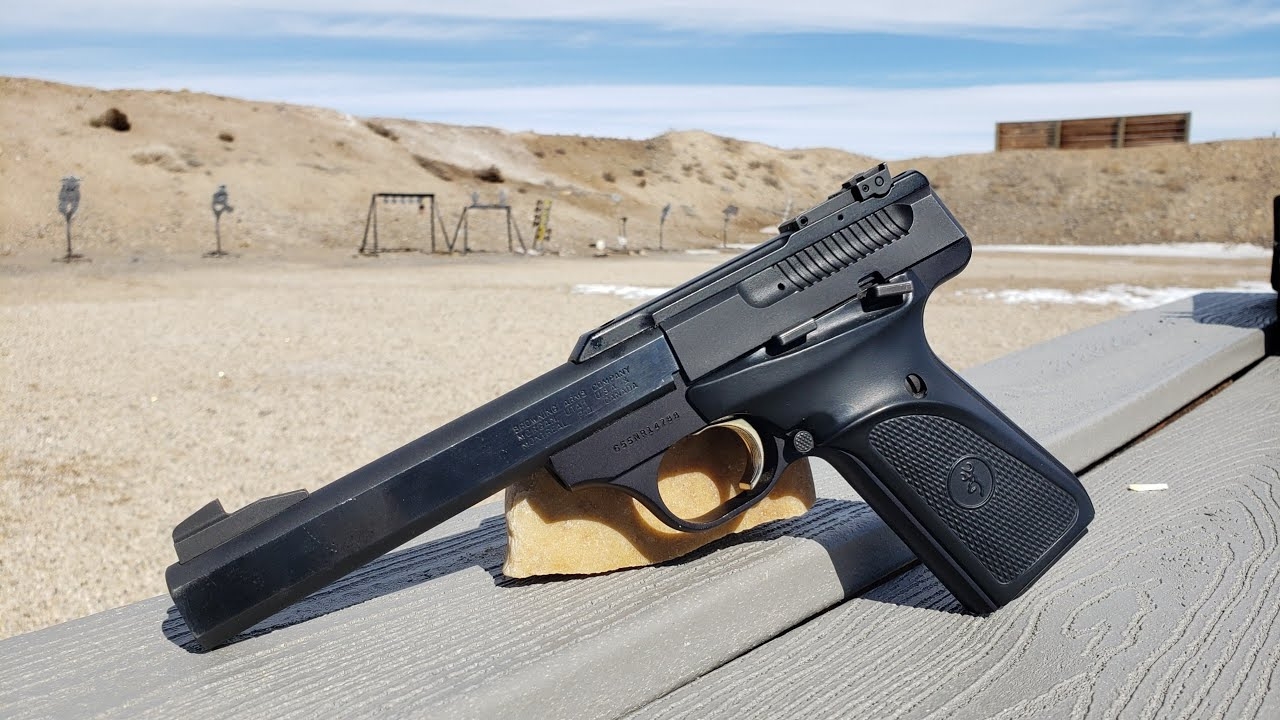
The Browning Buck Mark doesn’t always win attention against rimfire pistols with optics cuts, threaded barrels, wild styling, or giant aftermarket ecosystems. A basic Buck Mark can look plain, and plain gets overlooked fast in the .22 pistol market.
Then people shoot it. The grip is comfortable, the trigger is usually good, and the accuracy makes range time feel rewarding. It works for plinking, new shooters, careful fundamentals, and small-game use where legal. It may not be the flashiest rimfire pistol, but it gets the part right that matters most: it makes people want to keep shooting. Specs can help choose a gun. They can’t fully explain why a pistol becomes a favorite.
Like The Avid Outdoorsman’s content? Be sure to follow us.
Here’s more from us: