Photo credit: Morakniv/Amazon
“Premium” doesn’t always mean “lasts longer.” A lot of higher-end knives pack in thin grinds, complicated pivots, fancy bearings, milled pockets, and coatings that look great until real dirt and real use show up. The knives that quietly outlast them tend to be boring on purpose: fewer moving parts, thicker steel where it matters, handle materials that don’t mind abuse, and designs that don’t rely on tiny screws staying perfect forever. Simple also means easier maintenance. When something does go wrong, you can fix it fast instead of babying it.
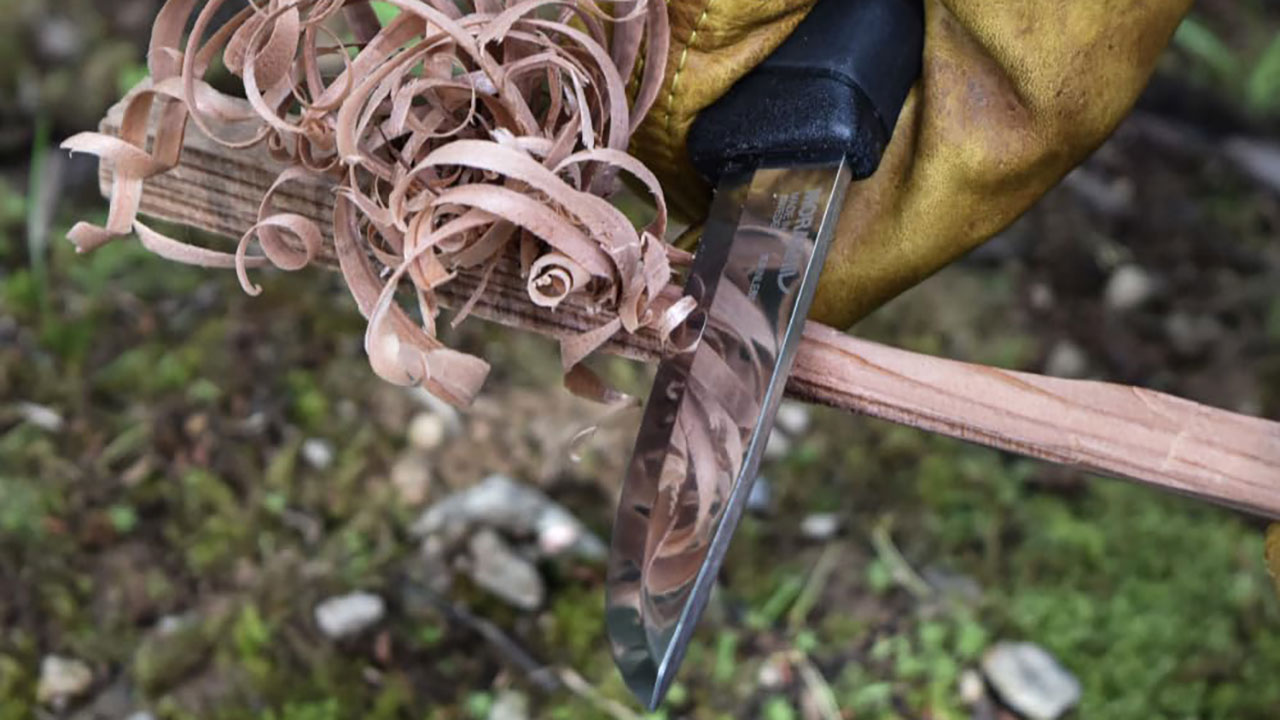
Mora Companion

A Mora is basically the opposite of a fragile “premium” knife. It’s a simple fixed blade with a no-nonsense handle and a blade geometry that cuts well without requiring delicate treatment. No pivot. No lock. No bearings. You can drop it in the dirt, rinse it off, and keep cutting. That simplicity is why so many guys end up trusting one more than a knife that costs five times as much.
It also lasts because you can keep it sharp without drama. When a knife is easy to maintain, you use it more, you touch it up more, and it stays in service. The Mora might not be a forever heirloom, but it’s one of the most consistent “keeps working no matter what” knives you can throw in a pack.
ESEE 4

ESEE knives are built around being hard to kill, not around impressing people in a display case. A simple fixed-blade design, thick-enough stock, and a handle you can actually hang onto when wet makes it a knife that stays functional even when you’re rough with it. There’s nothing delicate inside it, so the usual “premium knife” failure points don’t exist.
A lot of high-end folders fail in the boring ways: grit in the pivot, lock wear, hardware loosening. The ESEE 4 just keeps being a slab of steel with a grip. If you wipe it down and keep it reasonably sharp, it’ll outlast a lot of nicer-looking knives simply because there’s less to go wrong.
Buck 110 Folding Hunter

/Youtube
The Buck 110 is a lockback with a straightforward build that’s been used hard for decades. No flipper tab. No bearings. No ultra-thin lock face geometry that’s tuned to perfection and then gets weird after 1,000 gritty opens. It’s heavy, but that weight comes from robust parts and a simple mechanism that doesn’t mind abuse.
It also holds up because the design doesn’t rely on tiny fasteners to feel solid. Many modern knives feel “tight” until the pivot walks, the screws back out, or pocket lint turns into grit paste. The 110 keeps doing what it does, and when it finally needs attention, it’s usually basic maintenance, not a full teardown and parts swap.
Buck 119 Special

The Buck 119 is another “simple wins” knife. A straightforward fixed blade with a classic handle shape and enough guard to stay safe when things get slick. It’s not complicated, which means it doesn’t develop weird problems over time. It either cuts or it needs sharpening. That’s it.
A lot of premium knives end up being treated gently because owners don’t want to scratch them. The 119 is the opposite: you use it, you clean it, you sharpen it, you move on. That mindset is part of why simple knives last—they’re tools first, and the design supports that.
Cold Steel SRK

The SRK has earned its reputation because it’s built to take abuse without needing special care. Simple fixed blade. Simple handle. Strong, confidence-inspiring profile. You can use it in ugly conditions—mud, rain, cold, blood—and it keeps functioning because nothing about it relies on tight tolerances or clean internals.
It’s also a knife that tolerates imperfect use. Real field work includes mistakes: twisting slightly, hitting grit, making a cut at a weird angle. Some “premium” thin-grind knives punish those mistakes with chips and edge damage. The SRK is built to stay alive through them, and that’s why it often outlasts nicer knives in real hands.
Ontario RAT-3

The RAT-3 is one of those compact fixed blades that ends up getting used constantly because it’s easy to carry and hard to break. Simpler construction means you can throw it on a belt, in a pack, or in a truck without worrying about whether the pivot is going to get gritty or the lock is going to develop play.
It also lasts because you can beat on it within reason and it doesn’t get weird. The handle is basic and functional. The blade shape is useful. It’s not trying to be a boutique item. A lot of knives “fail” because owners stop trusting them. The RAT-3 stays trustworthy because it stays predictable.
Ka-Bar Becker BK16

The BK16 is a classic example of “simple and stout.” It’s a fixed blade that’s sized to actually do work—camp chores, light batoning, field cutting—without being a giant boat anchor. The design is plain, the steel is straightforward, and the handle slabs are replaceable if you ever truly wear them out.
It outlasts a lot of premium knives because you don’t have to treat it like a museum piece. You can scratch it. You can get it dirty. You can sharpen it quickly. You keep using it. That cycle is what makes a knife last in real life, and the BK16 is built for that kind of ownership.
Victorinox Classic SD

Tiny knife, huge lifespan. A Classic SD lives on keys, gets used for the small stuff constantly, and it keeps working because the design is stupid simple and proven. Slipjoint tools with good fit and finish don’t have the same failure modes as tactical folders—no lockbar wear, no pivot screws loosening, no bearings getting crunchy.
The “premium” comparison here is funny: people will spend big money on an EDC folder and then use it less because it feels too nice. Meanwhile, a $20-ish SAK gets used every day for years. Simple wins because it’s always there and it doesn’t ask for anything.
Victorinox Pioneer X (Alox)

The Pioneer X is the “buy it once and stop thinking about it” SAK for a lot of guys. Alox scales are tough, the tools are reliable, and the whole build is designed for long-term use without fuss. It doesn’t need a screw check. It doesn’t need pivot oil. You just use it.
It also outlasts premium knives because it’s not trying to be a one-trick blade. It’s a practical toolset, and the steel choices are aimed at easy maintenance. If you want something that just keeps going and doesn’t turn into a project, the Pioneer X is one of the best simple carries you can own.
Opinel No. 8 (carbon or stainless)

Opinels are ridiculously simple: a thin slicey blade, a wooden handle, and a rotating collar lock. That’s it. No hardware to loosen, no pocket clip to bend, no pivot assembly to clog with grit. People underestimate how long a simple knife can last when it’s easy to understand and easy to maintain.
It’s also easy to bring back to sharp. Premium steels can hold an edge longer, but they often take more effort to sharpen. With an Opinel, you keep it sharp without thinking, so it stays useful. And because it’s simple, you don’t get that gradual “my fancy folder feels sloppy now” decline.
Case Trapper

A traditional slipjoint like a Case Trapper lasts because it’s mechanically simple and built around smooth, proven geometry. No pocket clip screws. No pivot tuning. No lock interfaces wearing into play. If you treat it like a cutter (not a pry tool), it’ll stay in service for decades.
It also ages well. Premium modern knives can get cosmetically beat up and owners start babying them. A Trapper just looks like a Trapper with miles on it. Springs keep snapping open and closed the same way, and the knife stays comfortable because the handle shapes were designed by people who carried knives every day, not designed to look aggressive on a product page.
Spyderco Endura 4 (FRN)

FRN isn’t fancy, but it’s tough, stable, and doesn’t mind weather. The Endura’s lockback design is also simple and dependable compared to a lot of modern locks that rely on precise lockbar tension and clean lock faces. Fewer “tuning” issues means fewer problems over time.
The other reason it lasts is weight and practicality. People actually carry it, actually use it, and it keeps working with minimal maintenance. A lot of premium knives end up as “special occasion” carries. The Endura is an everyday tool, and that kind of honest daily use is where simple designs shine.
Cold Steel Finn Wolf

The Finn Wolf is one of the best “cheap but serious” lockbacks ever made, and it lasts because it’s built like a straightforward tool. Grippy handle, practical blade geometry, simple lockback mechanism. It doesn’t care if you use it in rain or toss it in a bag. It’s the kind of knife you can loan out without panicking.
It outlasts plenty of premium knives because the design is forgiving. Some high-end knives feel amazing until something small changes—slightly loose pivot, grit in the bearings, lock stick. The Finn Wolf stays functional through that same mess because the system is simpler and more tolerant of real-world conditions.
Gerber StrongArm

The StrongArm isn’t glamorous, but it’s built for hard use and it’s simple enough to stay in service. Fixed blade. Tough handle. Practical sheath. You can beat it up, clean it off, and it keeps doing work. A lot of premium knives get carried in soft sheaths or delicate setups that don’t handle daily friction well. The StrongArm is made to live on a belt.
It also lasts because replacement and upkeep are straightforward. If you damage something, you’re usually dealing with a sheath or an edge—not an internal mechanism. For daily “knife as a tool” life, simple fixed blades like this survive longer than complicated folders in the same environment.
Leatherman Wave+

A multitool outlasting “premium blades” sounds backwards until you see how people actually live. The Wave+ has a simple, robust blade and a toolset that means you don’t abuse the blade for every random job. Need to pry? Use a tool. Need to cut wire? Use cutters. That alone extends the blade’s life because you stop misusing it.
The design is also built for long-term carry and hard use. Premium knives can be picky about grit, pivot tuning, and blade play. A Wave gets dropped, shoved in a pocket, used in the rain, and keeps going. It’s not elegant, but it lasts because it’s meant for real daily work.
Like The Avid Outdoorsman’s content? Subscribe to our newsletter so you never miss an article.
Here’s more from us: