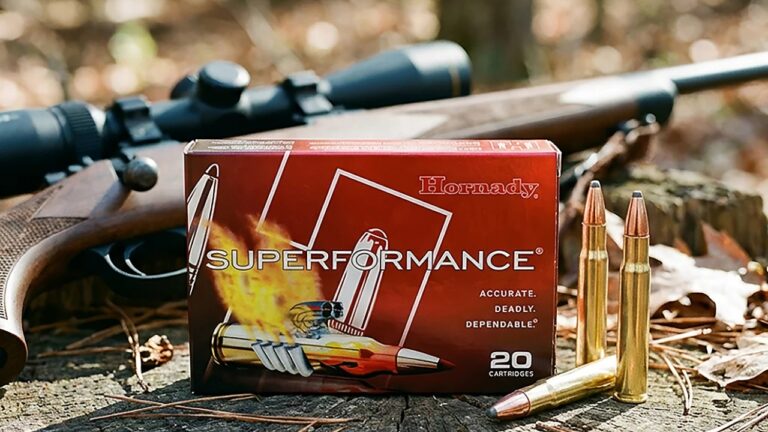
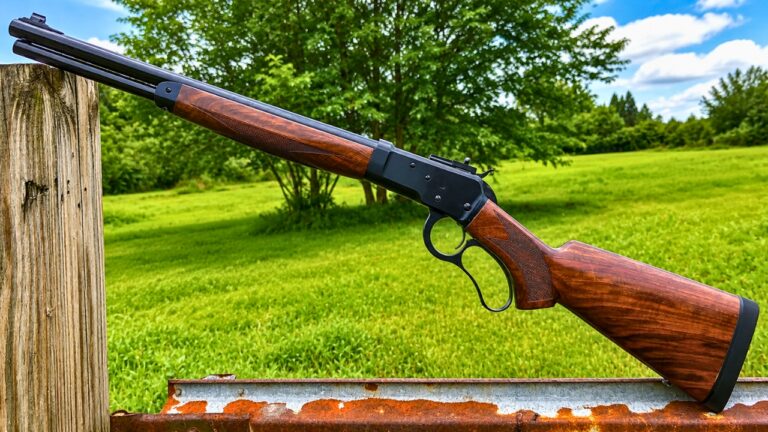
Photo credit: Nomad_Soul/Shutterstock.com
Every few years, ammo makers trot out a new cartridge that’s supposed to “hit like a magnum” but somehow manage to fit in smaller rifles, kick less, and still flatten everything in sight. You’ve heard the pitch before. The problem is, physics hasn’t changed. These rounds might sound impressive on the box, but in the field, they fall short of the magnums they’re trying to imitate. Sure, some shoot flat, and some pack decent punch inside 300 yards, but that doesn’t make them magnums — not by energy, not by penetration, and not by terminal performance. These are the cartridges that talk a big game but can’t back it up once the adrenaline, distance, and real-world bone resistance come into play.
.350 Legend

The .350 Legend is marketed as “the fastest straight-walled hunting cartridge,” and while that’s technically true, it’s far from magnum performance. It was designed to meet state hunting regulations, not to rival traditional magnums. Out of the muzzle, it produces decent velocity, but that energy falls off fast past 200 yards.
The .350 Legend shines in short-range deer hunts, but once you stretch it or try tougher game, it starts to show its limits. Its mild recoil and low noise make it approachable, but no one should confuse it with a .308, much less a .300 Win Mag. It’s an efficient, accurate round — just not the powerhouse marketing claims make it out to be.
6.5 Creedmoor

The 6.5 Creedmoor might be the most over-hyped cartridge of the past two decades. It’s accurate, efficient, and mild on recoil — but it’s not a magnum. Ballistically, it performs more like a slightly improved .260 Remington, not some long-range hammer. At normal hunting distances, it performs fine, but it lacks the punch and shock energy of true magnums like the .300 Win Mag or 7mm Rem Mag.
Many hunters new to the Creedmoor quickly realize its “flat-shooting” legend doesn’t translate into more stopping power. It’s great for paper and pronghorn, but for elk-sized game, it can leave you wishing for more penetration and energy. It’s accurate enough to trick you into thinking it’s more powerful than it really is, but numbers don’t lie — it’s a mild cartridge that got a magnum-sized ego.
.450 Bushmaster

The .450 Bushmaster is a beast on paper — a big bullet moving fast out of an AR platform. But in reality, it doesn’t hit like a magnum. Its trajectory drops like a rock after 200 yards, and its energy delivery is limited by its modest velocity. It’s impressive inside 150 yards, sure, but it’s no comparison to true magnums when it comes to penetration or reach.
Hunters often buy it thinking it’s a “brush magnum,” only to realize it’s closer to a modernized .45-70 loaded light. It hits hard up close but runs out of steam fast. In the right context, it’s a great hog or whitetail round. But if you expect it to hold its own against a .300 or 7mm magnum, you’re setting yourself up for disappointment.
7mm-08 Remington
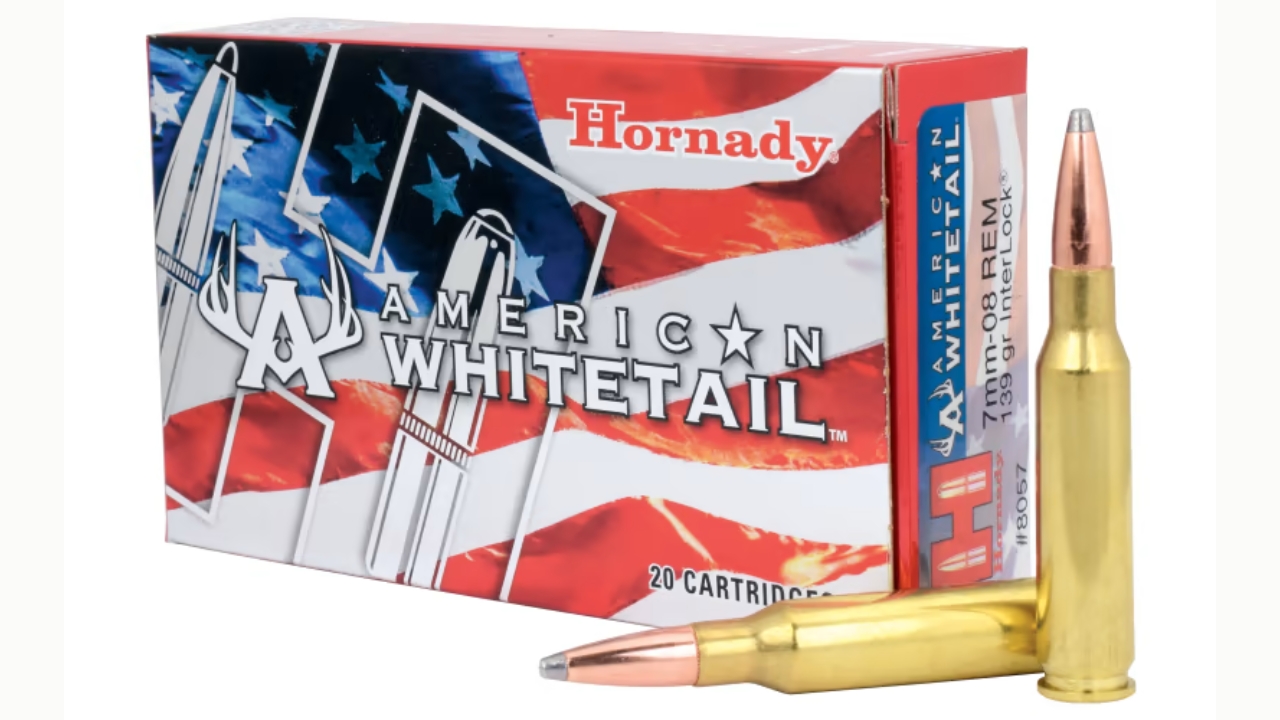
The 7mm-08 Remington is accurate, efficient, and versatile, but it’s not a magnum. It performs admirably for its size, pushing 140- to 150-grain bullets with great consistency, but it can’t match the energy or downrange authority of the 7mm Rem Mag. The difference becomes clear once you start shooting past 300 yards — the 7mm-08 drops faster and delivers far less energy.
Some hunters fall for its mild recoil and flat trajectory at shorter distances and assume they’ve got magnum-like power. In reality, it’s a mid-tier cartridge that does great work within its comfort zone but doesn’t pretend to be anything more. It’s efficient and practical, not powerful. If you stay realistic about its limits, it’s one of the best all-around rounds — but a magnum, it’s not.
.300 Blackout

The .300 Blackout gets a lot of praise for its versatility, but its energy output barely scratches magnum territory. Out of a short barrel, even supersonic loads can’t maintain energy past 200 yards. Subsonic loads hit even softer, with handgun-like ballistics. It’s a niche cartridge that excels in compact platforms, not a powerhouse.
A lot of shooters expect .30-caliber performance similar to .308 Win, but the Blackout’s low case capacity limits it from the start. It’s great for suppressed shooting and short-range defense but utterly outclassed in the hunting field once distance or bone structure come into play. Calling it “magnum” in any sense is like calling a compact car a racehorse.
6mm ARC

Hornady’s 6mm ARC promised big performance from small rifles — and while it’s efficient, it’s nowhere near magnum territory. With bullet weights in the 100-grain range and limited case capacity, its energy fades fast past 400 yards. It’s accurate, yes, but terminal performance is mild compared to true magnum cartridges.
It excels in precision AR platforms where light recoil and good BCs matter more than raw power. But if you expect it to perform like a .243 Win or .25-06 at hunting ranges, you’ll be disappointed. The 6mm ARC’s claim to fame is efficiency, not energy. It’s a great round for targets and varmints, but it’s pretending if it thinks it can play in magnum company.
.30-30 Winchester
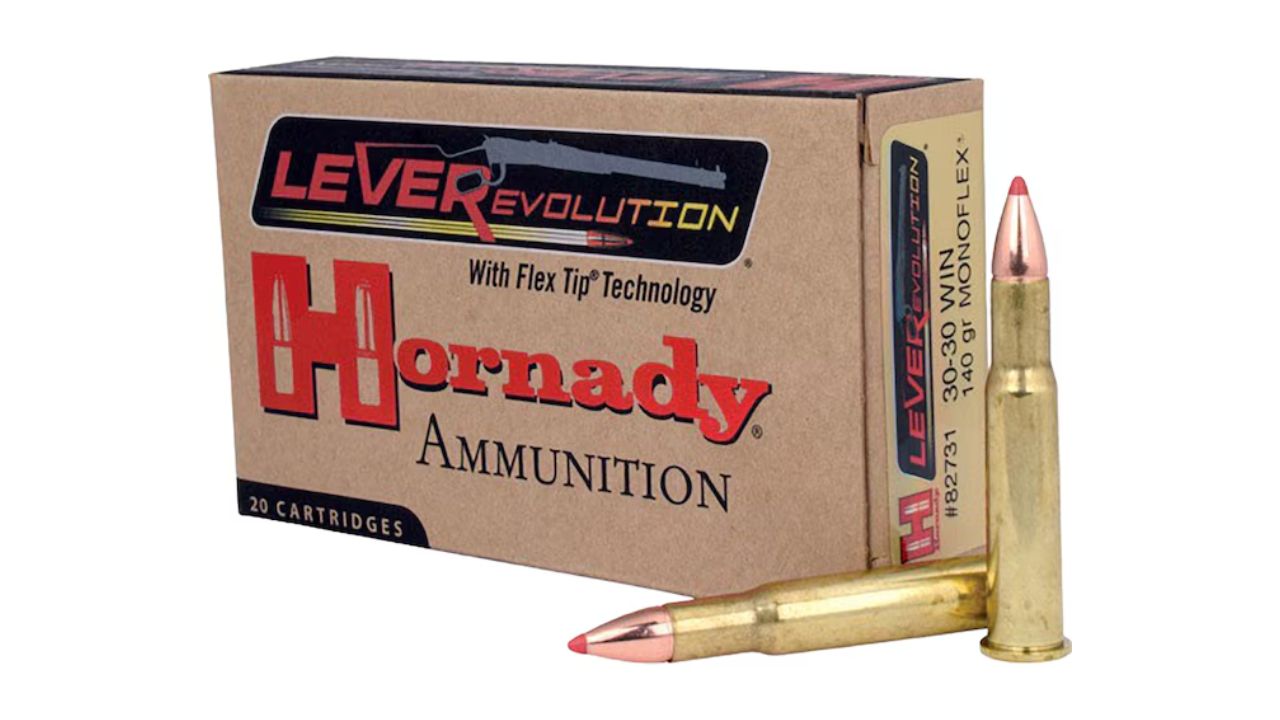
The .30-30 Winchester has been around forever and is still taking deer every season, but it’s nowhere near magnum class. Some modern loads try to sell “enhanced velocity” and “extended range” versions, but you’re still working with 150- to 170-grain bullets moving at moderate speed. It hits well inside 150 yards, but that’s its lane.
Marketing spin and polymer-tipped ammo have tried to give it long legs, but even the best ballistic-tip loads can’t hold enough velocity to compete with modern high-pressure cartridges. It’s a classic, reliable round — but calling it “magnum-like” is pure fantasy. It’s built for short to midrange woods hunting, not long-range energy.
6.8 SPC

The 6.8 SPC was supposed to bring magnum-level power to the AR-15, but in reality, it delivers only a modest bump over 5.56 NATO. It’s accurate and effective on medium game, but it can’t touch magnum-class cartridges in velocity or terminal effect. Once you stretch it beyond 300 yards, the energy drops sharply.
Hunters like it because it hits harder than 5.56 without much more recoil, but that’s as far as it goes. It’s a smart design for its platform, but calling it “magnum” is a stretch. For hogs and deer inside moderate ranges, it’s fine. Anything bigger or farther, and you’ll wish you’d brought more case capacity.
.224 Valkyrie
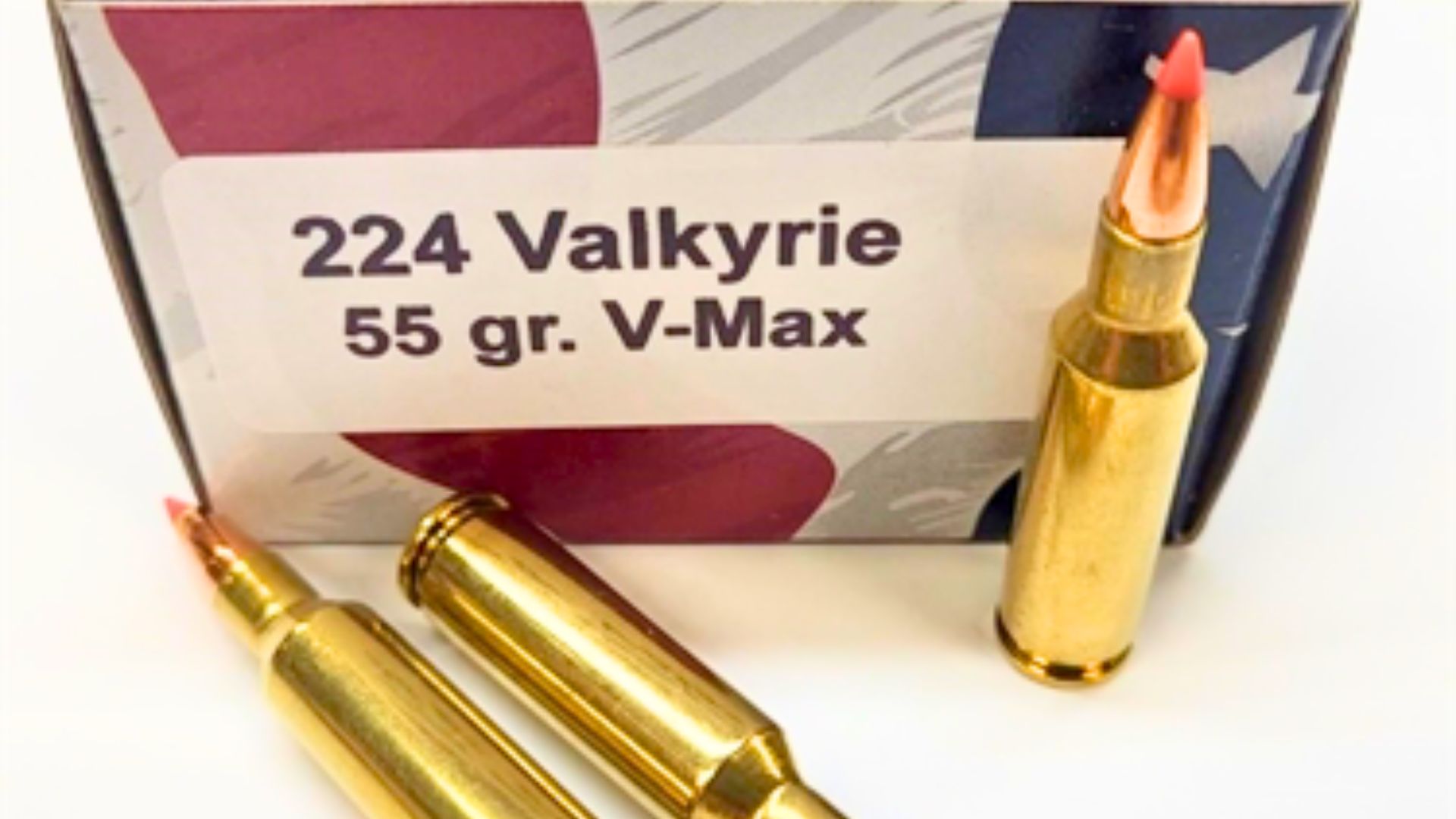
The .224 Valkyrie was hyped as the round that would bring magnum performance to the AR platform. In reality, it underdelivered. Factory loads rarely hit the advertised velocities, and ballistic inconsistencies plagued early ammo. It shoots flatter than 5.56, but its energy transfer is limited by light bullets and small bore diameter.
The Valkyrie’s big appeal is its reach — it stays supersonic at long range — but terminal performance doesn’t match the hype. Hunters expecting magnum-like impact found it lacking, especially on tougher game. It’s a fun round for steel plates, not shoulders and ribs. The “magnum” label doesn’t fit, no matter what the marketing promised.
.25-06 Remington

The .25-06 is fast, flat, and accurate — but despite its velocity, it doesn’t carry the bone-breaking energy of a magnum. It’s an overachiever within its class, not beyond it. At long range, light-for-caliber bullets lose steam quickly, and expansion can be unpredictable on larger animals.
It’s ideal for coyotes, antelope, and deer, but step up to elk or bear, and it starts showing its limits. Its power looks impressive on paper, but the terminal energy numbers don’t compare to cartridges like the .270 or 7mm Rem Mag. The .25-06 earns respect for precision — not raw force.
.327 Federal Magnum
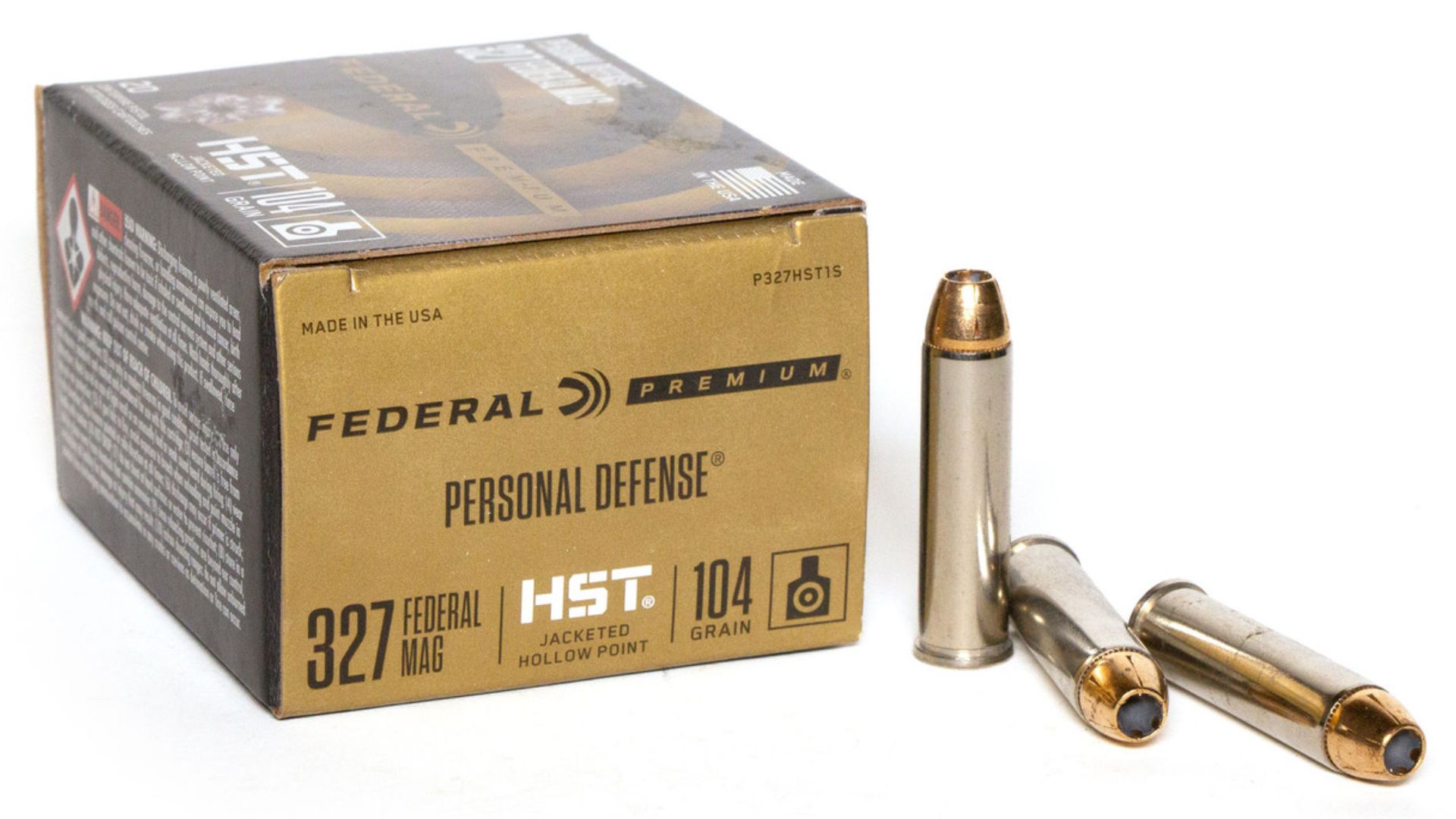
Despite the name, the .327 Federal Magnum is no magnum in the true sense. It offers more punch than a .32 H&R or .38 Special, but it’s nowhere near a .357 Mag or .41 Mag in terms of energy. It performs well in small revolvers, but the “magnum” title oversells its real-world power.
Shooters expecting heavy recoil and big-game penetration quickly realize it’s more of a middle-ground cartridge. It’s efficient, controllable, and accurate — but not the powerhouse the name implies. The .327 is proof that sometimes the word “magnum” is more marketing than muscle. It’s a fine cartridge, just not one that lives up to its billing.
*This article was developed with AI-powered tools and has been carefully reviewed by our editors.