Photo credit: Mitch Cox Photo/Shutterstock.com
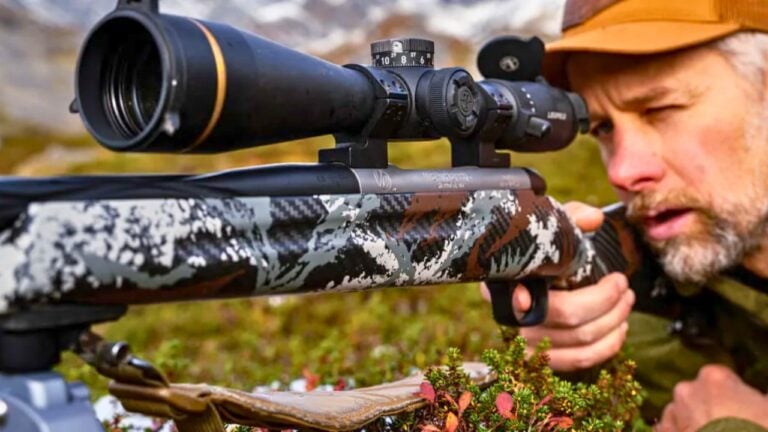
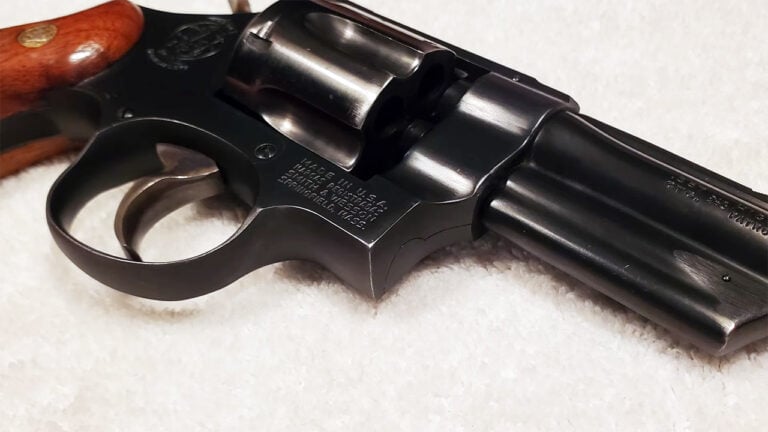
For a long time, I bought into the idea that recoil and power were basically the same thing. If a gun kicked harder, it had to hit harder. That was the logic I carried into my early range days and even into a few gear decisions that I’d end up second-guessing later. It’s an easy assumption to make, especially when you’re newer or learning from a mix of internet opinions and secondhand advice. Bigger calibers get talked about like they solve problems by default, and recoil gets treated like proof that you’re holding something serious. What I didn’t understand yet was how much control, shot placement, and consistency matter more than raw force, especially in the real world where follow-up shots and accuracy carry more weight than a single heavy hit.
The shift came gradually, not all at once. I started noticing that the guns with heavier recoil were slowing me down more than helping me. My follow-up shots were delayed, my grip had to work harder to stay locked in, and my accuracy started to suffer when I pushed speed even a little. Meanwhile, when I picked up a handgun with more manageable recoil, everything smoothed out. My groups tightened, my cadence improved, and I felt more in control of every shot. That’s when it started to click. Power only matters if you can actually deliver it where it needs to go, and do it more than once if the situation calls for it. Recoil by itself doesn’t make a gun more effective—it can just as easily make it harder to use well.
Recoil affects speed more than people admit
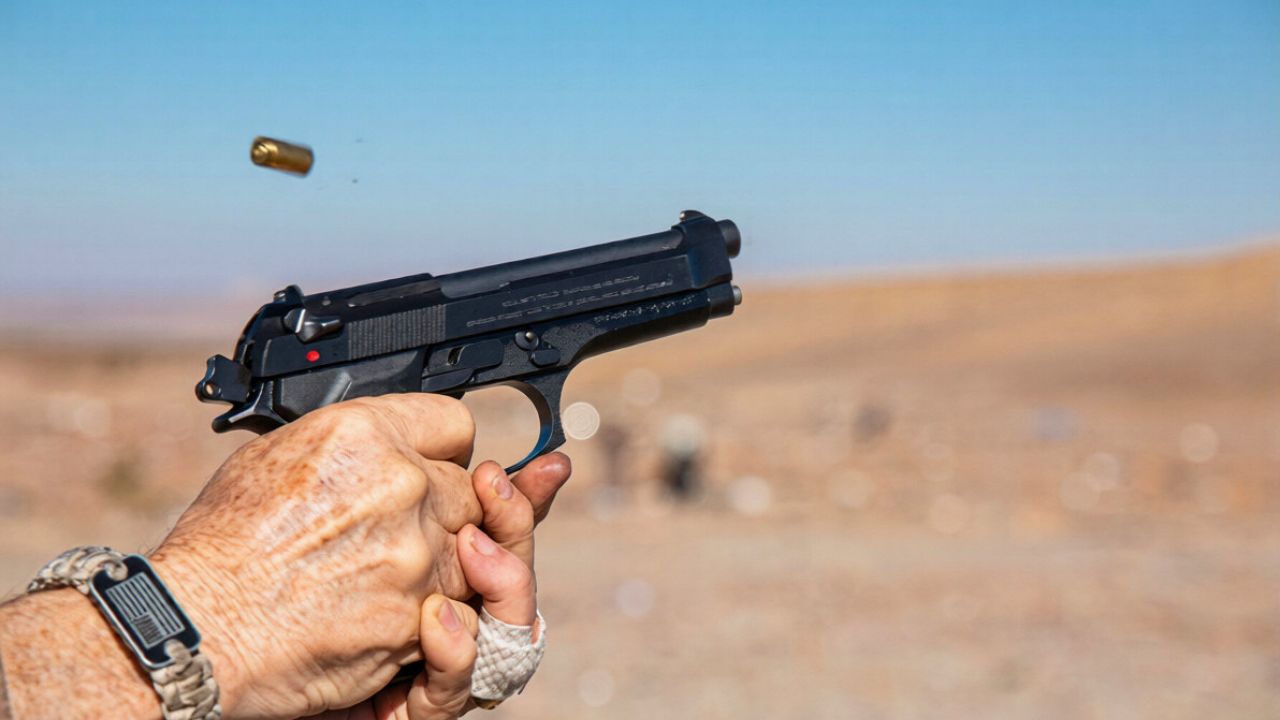
One of the biggest eye-openers for me was how much recoil impacts speed between shots. With heavier-kicking guns, the muzzle rises more aggressively, and getting it back on target takes longer than you might expect. That delay doesn’t feel huge at first, but when you start paying attention, it adds up fast. Every fraction of a second spent recovering from recoil is time you’re not ready to fire again, and in practical shooting, that matters. I noticed that I had to slow myself down just to stay accurate, which defeated the whole idea of being more effective because the gun hit harder.
With more manageable recoil, everything became more fluid. The gun tracked better, stayed flatter, and returned to the target in a way that felt natural instead of forced. That allowed me to shoot faster without sacrificing accuracy. It wasn’t about spraying rounds—it was about staying in control and keeping each shot deliberate. That’s when I realized that recoil isn’t a badge of performance. It’s something you have to manage, and if it’s working against you, it’s not helping no matter what the caliber says on the box.
Shot placement always wins
Another lesson that stuck with me is that shot placement matters more than anything else, and recoil plays a direct role in how well you can place shots. A heavier-recoiling gun makes it harder to keep your sights aligned during the trigger press and through the follow-through. That can lead to small misses that don’t show up as dramatic errors but still push rounds off where you intended them to go. I saw that happen in my own shooting. Even when I thought I was steady, the recoil impulse was introducing just enough movement to affect the result.
Once I switched to something I could control more easily, my confidence improved immediately. I wasn’t fighting the gun anymore. I could focus on the front sight, press the trigger cleanly, and trust that the shot would land where it should. That’s what actually matters. A well-placed shot from a controllable firearm beats a poorly placed one from something that kicks harder every time. That’s not theory—it shows up clearly once you spend enough time on the range comparing the two.
More power isn’t always more practical
There’s a place for larger calibers and more powerful firearms, but that doesn’t mean they’re always the right choice for every shooter or every situation. What I had to learn the hard way is that practical performance is about balance. You need enough power for the job, but you also need to be able to control the firearm, recover quickly, and stay accurate under pressure. If recoil is pushing you out of that balance, it’s not adding value—it’s taking it away.
That shift in thinking changed how I look at firearms now. I don’t chase recoil as proof of effectiveness anymore. I look for something I can run well, something that lets me stay consistent, and something that doesn’t fight me every time I press the trigger. The idea that more recoil automatically means more stopping power sounds convincing at first, but once you’ve spent enough time actually shooting, it doesn’t hold up the way people think it does.
Like The Avid Outdoorsman’s content? Subscribe to our newsletter so you never miss an article.
Here’s more from us: