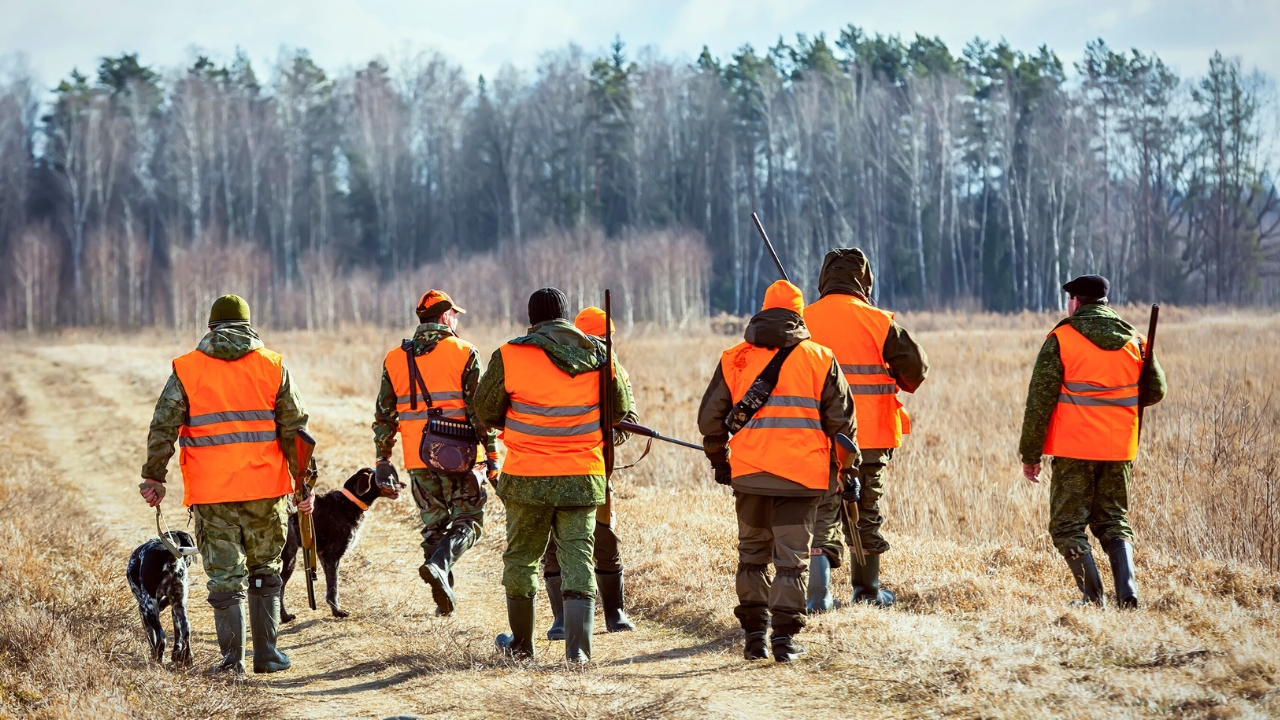
Photo credit: Zhanna Kavaliova/Shutterstock.com
A lot of folks talk like hunting is only shrinking, and yeah—some places have real long-term declines. But there’s also another story happening at the same time: recruitment and “late entry” hunting. More adults are coming in through shooting sports, property ownership, homesteading, and just plain realizing they want to feed themselves. Agencies and national groups have leaned into R3—recruitment, retention, and reactivation—and while it’s not uniform everywhere, some states are clearly riding a bigger wave than others. The states below are the ones where you’re seeing the strongest mix of participation energy: growing or high-volume license markets, strong hunter-ed pipelines, and programs built to take a brand-new hunter from “interested” to “competent” without getting them hurt or discouraged.
Texas

Texas is a monster license market, and it keeps proving that “outdoors participation” isn’t dead—it’s just shifting. Between strong hunting culture, big private-land reality, and a huge base of people who want to hunt pigs, deer, and birds, Texas stays in the conversation for incoming hunters. The state also keeps modernizing how people interact with licenses and tags, which matters more than folks admit—new hunters don’t want a scavenger hunt just to be legal. When participation is easy to start and the game opportunities feel real, you get more people actually taking the step.
Tennessee
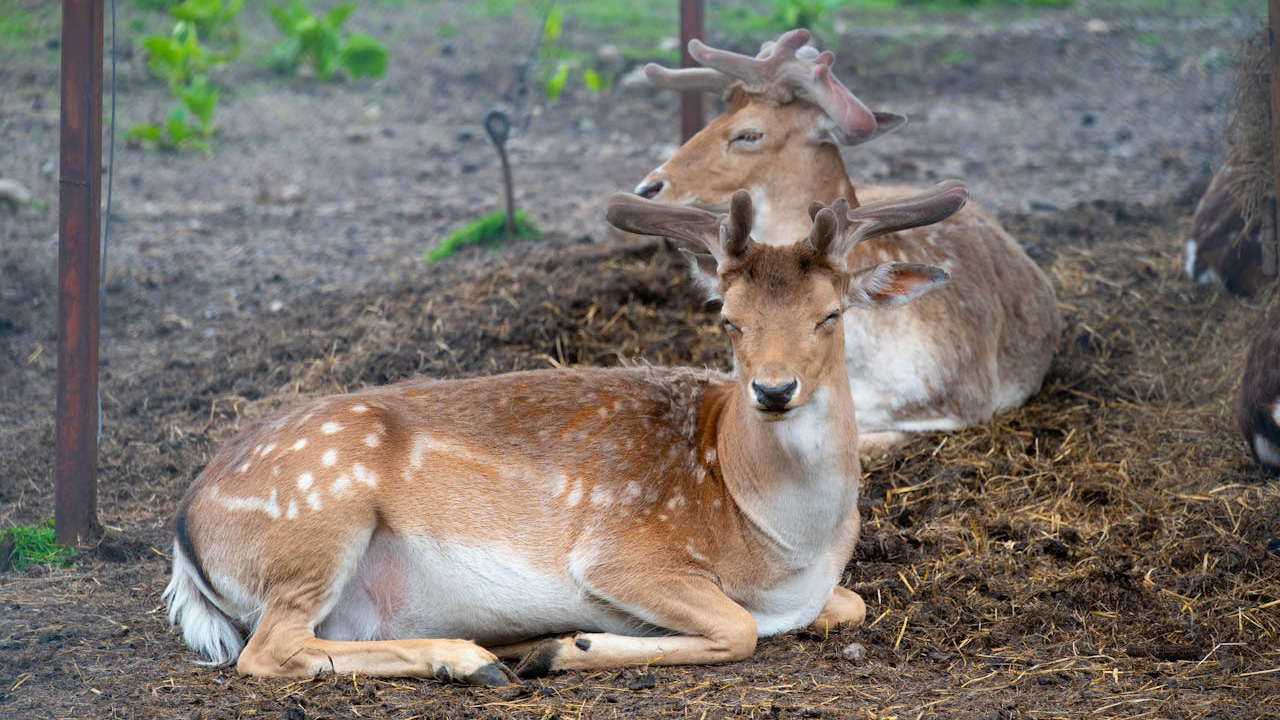
Tennessee is one of those states where the “new hunter pipeline” feels alive—partly because the agency talks openly about participation, funding, and license structure like it matters. When a state is reporting tens of millions in license/registration revenue and building programs around major game species, you’re usually looking at a big, active user base. That doesn’t automatically mean “all new hunters,” but it does mean the ecosystem supports new hunters sticking around instead of bouncing after one frustrating season.
Colorado
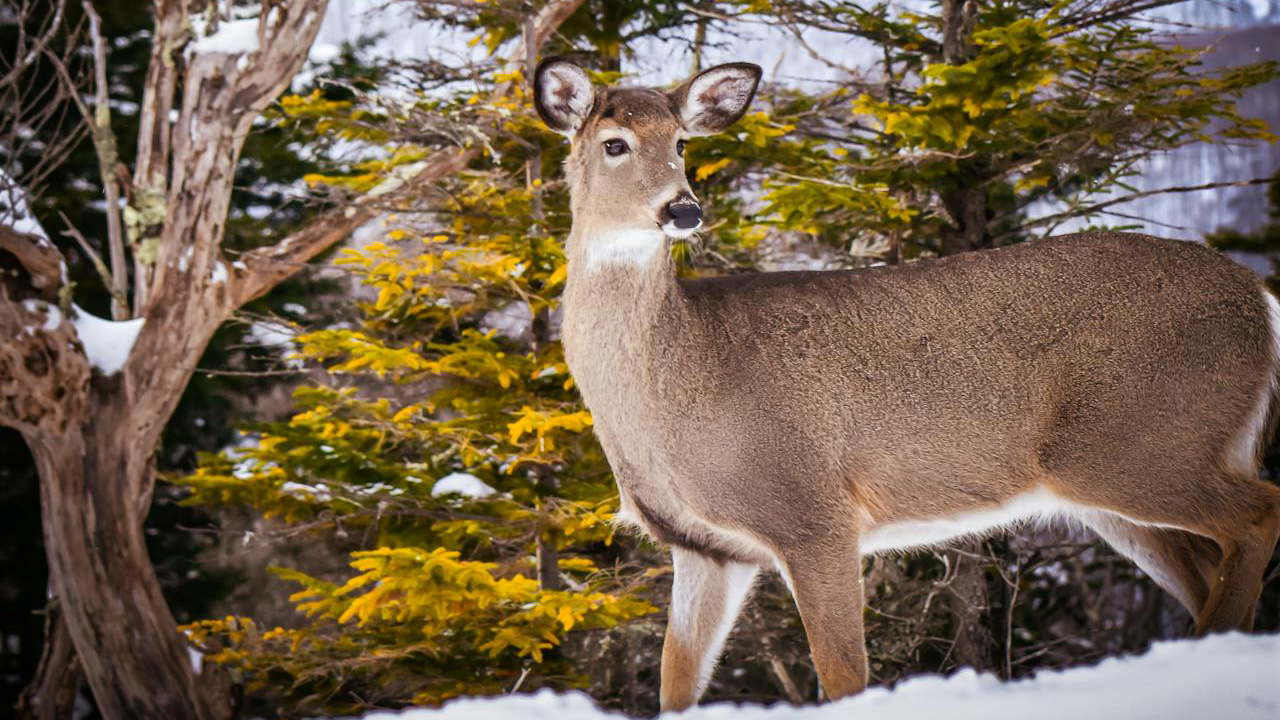
Colorado is a solid example of why hunter education volume matters. When you see statewide reporting that points to thousands of students moving through hunter education in a year, that’s a real intake valve for participation—especially because a lot of those students are families and adults entering hunting later than the old-school path. Colorado also has the “big game dream” factor: people move there or visit there because hunting is part of why the state is desirable, and that drives new participation even when it’s not easy.
Wisconsin

Wisconsin stays strong because it has a deep hunting culture, a clear hunter-ed requirement pipeline, and enough opportunity (especially for deer) that new hunters can actually get reps. The other thing Wisconsin does well is creating on-ramps—learn-to-hunt style programming and structured paths that reduce the “I don’t know anybody who hunts” problem. The more a state lowers that barrier, the more likely curious people are to become real hunters instead of just liking hunting videos online.
Michigan
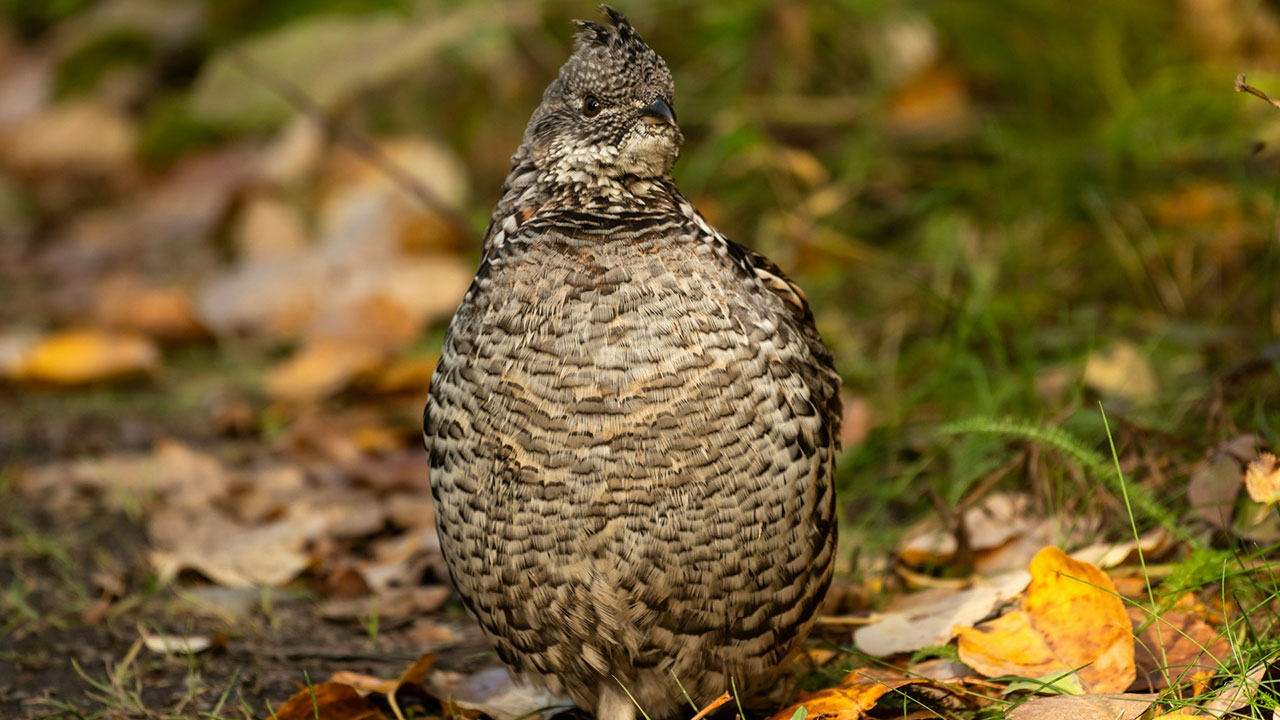
Michigan continues to produce new hunters because the deer culture is strong and the opportunities are practical for regular people—public land exists, seasons are established, and you don’t need to be rich to participate. Michigan also has the “I want to do this for food” crowd, which has grown in recent years. States that make it realistic to fill a freezer create retention—new hunters come in, have a win early, and then they’re hooked for the right reasons.
Pennsylvania
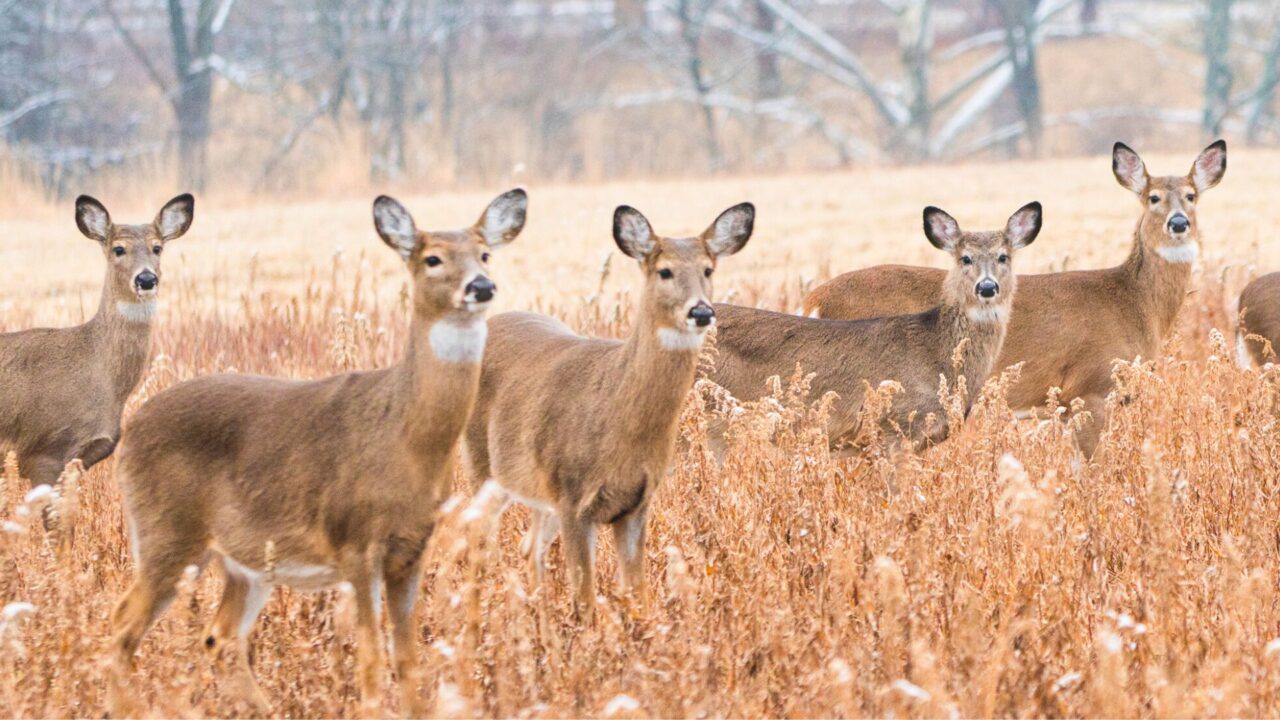
Pennsylvania is a high-volume hunting state with a deep tradition, and those states tend to keep attracting new hunters through family pipelines, land culture, and sheer visibility—kids grow up around it even if they don’t start at 12 anymore. PA also has a strong public-land identity, which matters for recruitment: if the only path is expensive leases, you lose new hunters fast. A big public-land culture keeps the door open.
Georgia

Georgia’s growth and suburban sprawl have created a bunch of “new landowners and new outdoors people,” which is one of the sneaky drivers of new hunters. People move out of the city, buy a little land, start seeing deer and hogs, and then hunting turns from a concept into a practical solution. When states have a strong WMA culture and accessible seasons, that curiosity turns into participation.
North Carolina

North Carolina has the same “new people moving in + outdoor culture” mix, and it’s a state where hunting can still feel approachable for someone starting out—especially small game and deer. The barrier is often mentorship, not opportunity. When a state has a strong enough hunting footprint that new people can find clubs, courses, and mentors, you tend to see bigger waves of new participation.
Florida

Florida keeps generating new hunters through a mix of hog opportunity, deer seasons, and a year-round outdoors mindset. It also pulls in people from other states who bring hunting with them. Not every Florida hunter is chasing trophies—plenty are chasing meat, management, and practical land use. That practical angle is a big recruitment driver right now.
Kentucky
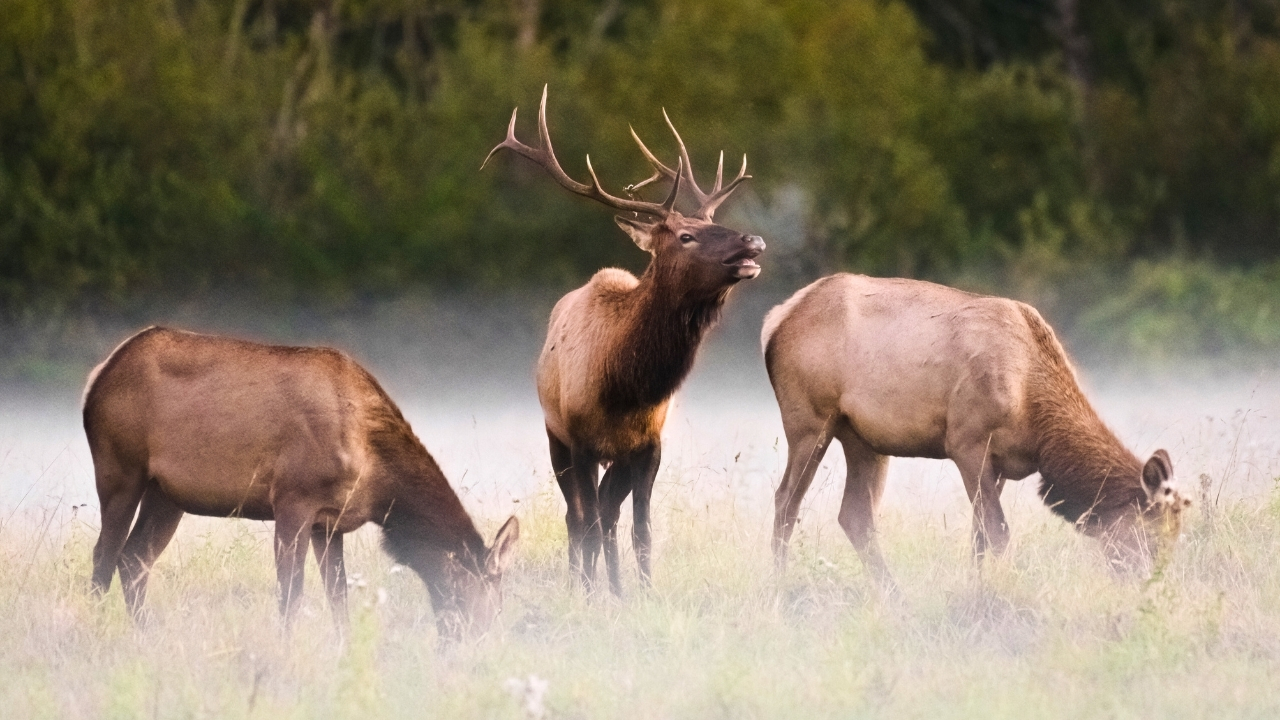
Kentucky has strong deer culture, growing elk interest, and a rural participation base that stays active. Elk alone brings in a lot of “I want to do this once in my life” energy, and that kind of excitement spills over into other hunting participation. If somebody buys gear, takes hunter-ed, and starts scouting for a dream draw, there’s a decent chance they become a regular deer hunter too.
Ohio

Ohio’s whitetail quality draws people in—new hunters and traveling hunters alike. States with good deer create recruitment because results are possible. A new hunter who sees deer, has shot opportunities, and can realistically tag one is far more likely to stick with it than someone who spends two seasons staring at empty woods.
Minnesota

Minnesota still has a strong “family hunting” pipeline in a lot of regions, which produces new hunters even when broader trends wobble. It also has enough public-land culture and enough deer opportunity that new hunters can learn without needing private leases. That matters, because first-year hunters already have enough to figure out without also trying to buy their way into access.
Missouri

Missouri keeps pulling in new hunters through deer culture and the added pull of an elk restoration story that gets people fired up. New hunters don’t just need rules and seasons—they need something that makes them care. Missouri has a lot of that “this is part of our place” identity, and it’s a strong hook for new people coming in.
Arkansas

Arkansas has a similar “realistic opportunity” factor: deer, hogs, small game, and a lot of people living close enough to hunt without treating it like a once-a-year vacation. When hunting is logistically doable for regular working people, recruitment improves. Combine that with more people wanting to be self-reliant, and you get steady new participation.
Virginia

Virginia has a big mix of suburban and rural participation, and that mix creates new hunter entry—people want to learn, but they need clear on-ramps and legal clarity. States that do a good job communicating rules and offering education pathways tend to capture more new hunters. Virginia’s also a place where land ownership and rural living are still common enough to create “I should learn to hunt” moments for new residents and new landowners.
Like The Avid Outdoorsman’s content? Subscribe to our newsletter so you never miss an article.
Here’s more from us: