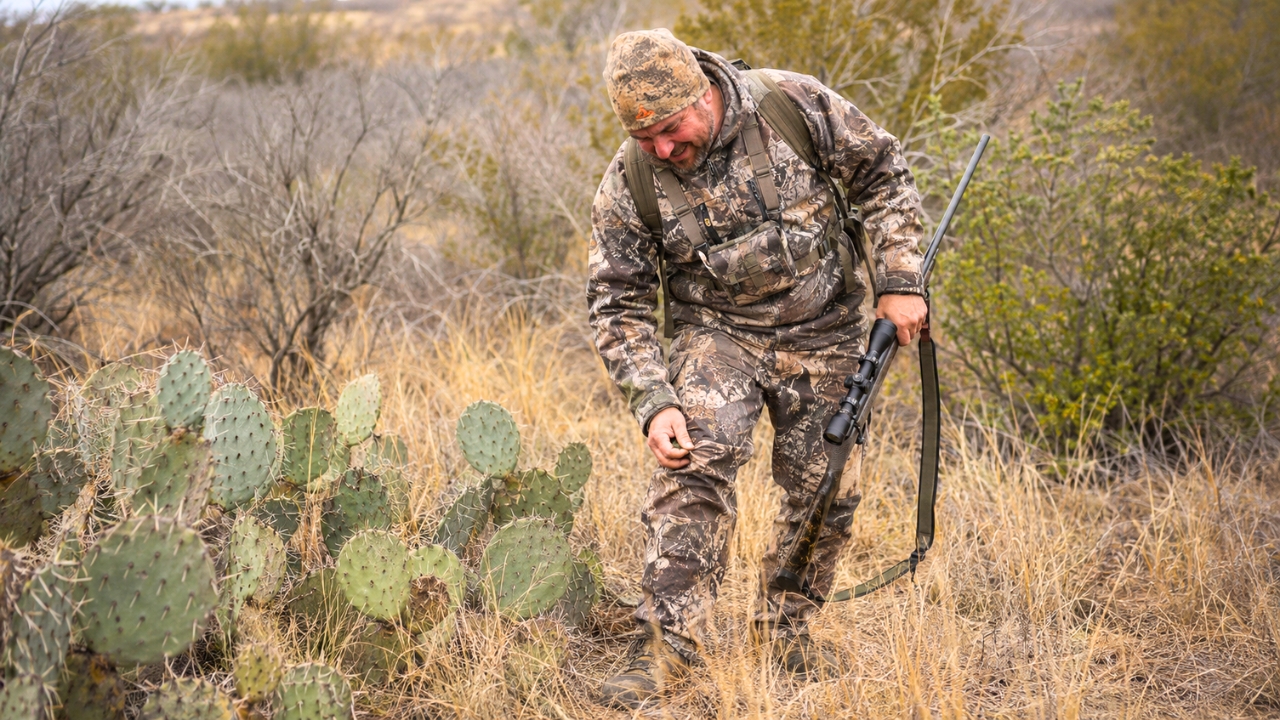
Photo credit: The Avid Outdoorsman
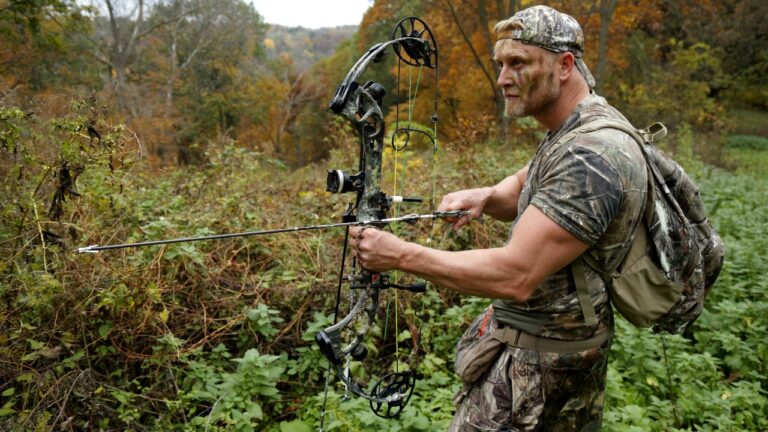
The hunter was focused on the deer.
That is usually when the ground gets you.
A buck was there, the opportunity was building, and the hunter needed to move. Maybe it was one step to open a shooting lane. Maybe it was a quiet shift for balance. Maybe he was trying to settle into position without spooking the deer. Either way, his attention was exactly where it should have been for the shot.
Then his foot found the cactus.
In a Reddit thread, hunters were sharing funny mistakes from the field, and one story involved a hunter stepping into a cactus patch before taking a shot. He still had to deal with the deer, but now he also had needles in him and a tracking job ahead.
That is the kind of pain that does not wait politely until the hunt is over.
Cactus needles have a way of making themselves the main event. One second, the hunter is thinking about shot angle, distance, wind, and whether the deer is about to move. The next, his brain is getting a very different message from his leg or foot: something sharp is very much not where it belongs.
And he still had to keep it together.
That is what makes the story so rough. If a hunter steps into cactus after the shot, at least the shot is done. You can curse, limp, sit down, pull needles, and deal with the problem. But before the shot, everything becomes harder. Pain makes you move. Movement spooks deer. Flinching can ruin a shot. Trying not to react takes discipline most people do not appreciate until a cactus tests it.
The buck did not care that the hunter was suddenly fighting a plant.
The hunter still had to make decisions. Does he take the shot while distracted? Does he wait and risk the deer moving off? Does he try to shift away from the cactus and risk making noise? Does he ignore the pain long enough to finish the hunt?
That is the kind of field chaos that never shows up in gear ads.
The clean version of hunting is always calm and controlled. Hunter sees deer. Hunter raises rifle or bow. Hunter makes careful shot. Deer goes down. Everyone acts like the woods is a tidy little shooting range with trees.
Real hunting is messier.
Your boot slips. Your sleeve catches. Your stand creaks. A squirrel screams at you for 20 minutes. Your stomach acts up. Your release is in the truck. Your rangefinder fogs. Or, in this case, you step into a cactus patch right when you need your body to behave.
The hunter apparently made it through the shot and then had to track the buck while picking needles out. That adds another layer of misery. Tracking is already serious work. You need to stay focused, mark blood, read sign, avoid rushing, and keep your head clear. Doing that while cactus needles are poking you turns the whole job into punishment.
Every step becomes a reminder of the mistake.
And if the deer runs far, that reminder gets longer.
You can imagine him trying to follow blood or tracks while stopping every so often to pull needles out, mutter to himself, and question every life choice that led him into that patch. The buck may have gone down cleanly, but the recovery still had an extra price attached.
The funny part is that cactus is one of those hazards that seems obvious until the moment you forget it exists. Anyone who hunts cactus country knows to watch where they step. But deer have a way of narrowing your vision. Once antlers are involved, the world shrinks down to the animal and the shot. Everything else becomes background, including the sharp little misery waiting under your boot or pant leg.
That tunnel vision can be useful, but it can also get you stuck.
The practical lesson is simple: feet matter too. Before shifting for a shot, glance down if you can do it without losing the opportunity. Know what is around your stand or blind. Clear a little space ahead of time if legal and appropriate. Avoid kneeling, sitting, or stepping blindly in cactus, briars, thorn bushes, loose rocks, or anything else that can turn a good setup into a painful circus.
That does not mean staring at the ground while a buck walks away. It means setting yourself up before the moment comes.
Hunting spots are full of little hazards that do not care how ready the deer is. Cactus, barbed wire, deadfall, holes, slick mud, fire ants, wasps, and loose rock can all get involved at the worst time. A few minutes checking your footing before prime movement can save you from learning the hard way.
This hunter learned the hard way.
The buck may have been the goal, but the cactus made sure it got remembered too.
Commenters treated it like one of those field mistakes that is funny because every hunter knows the woods can humble you in stupid ways.
Several people understood how easy it is to forget about the ground when a deer is in front of you. Buck fever narrows your focus, and suddenly the cactus patch, briars, or hole by your boot stops existing until it hurts.
Others joked that tracking a deer while pulling cactus needles out sounds like the least glamorous version of success. Filling a tag is great, but limping through the recovery makes the story a lot less clean.
A lot of practical advice came back to setting up before the action starts. Clear or check your footing where allowed, know what is around your stand, and avoid last-second movements into places you have not looked at.
Some hunters pointed out that pain can mess with shot execution. If something bites, stabs, or trips you right before the shot, slow down if you can. A clean shot matters more than forcing it while distracted.
The main lesson was simple: watch the deer, but don’t forget the ground. Sometimes the thing that ruins your composure is not the buck — it is the cactus under your next step.