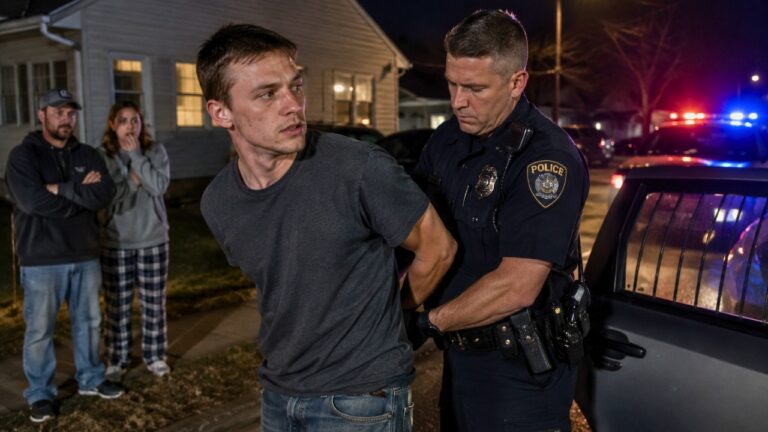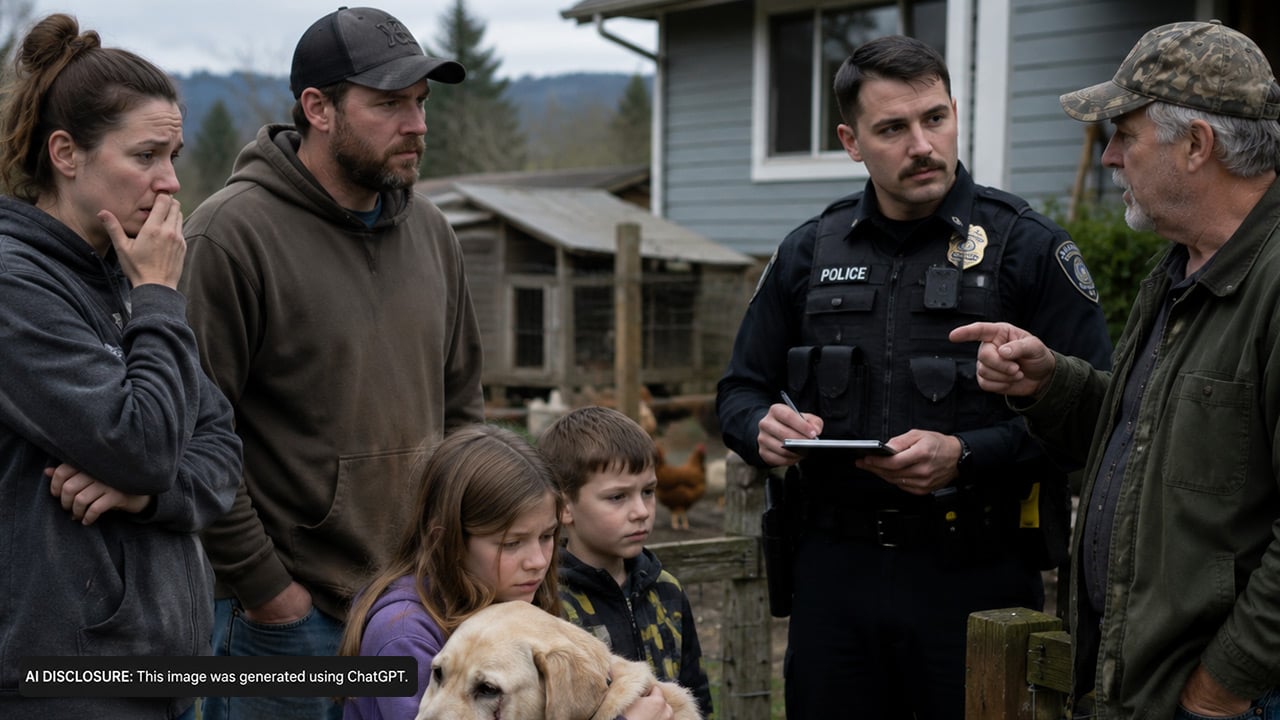
Photo credit: AI-generated image created using ChatGPT. Illustrative only
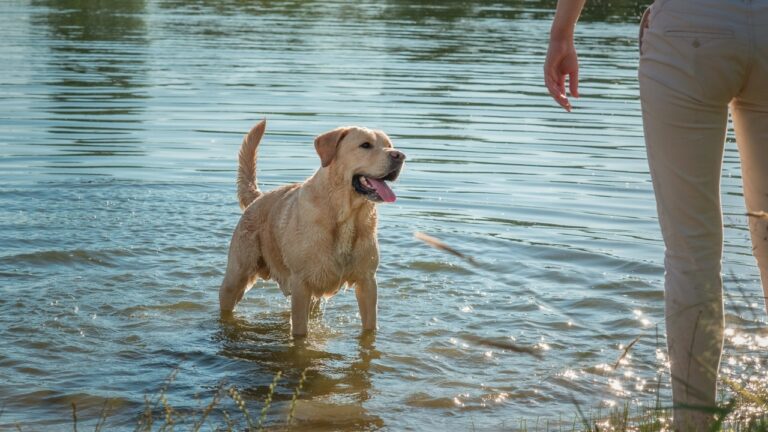
In rural country, a loose dog can turn a quiet afternoon into a mess in about 30 seconds. One Oregon family learned that the hard way after their 1.5-year-old dog got out, went after a neighbor’s free-ranging chickens, and caught a .223 round to the face.
The details come from the original post, where the owner said the neighbor didn’t call, didn’t yell, and didn’t fire a warning shot—just shot. The bullet reportedly went through the dog’s upper lip and out the opposite cheek, leaving the family with a substantial vet bill and a whole lot of anger.
A loose dog, free-range chickens, and a fast decision
The owner didn’t pretend their dog was in the right. They admitted the dog “did something stupid” by going after the chickens, and they said the dog is young and still in training. But they also said the dog has never shown aggression toward people and is a loved member of the family.
What set this one apart is how quickly it went from “dog chased chickens” to “gunshot wound.” The owner said they weren’t even sure how many birds were killed—only that they saw an area with lots of down feathers near the neighbor’s place and assumed at least one chicken died. They also noted the affected chickens were outside the pen, free-range.
The shot: a .223 to the muzzle and a pile of consequences
A .223 is common farm-and-woods currency—flat shooting, accurate, and more than enough for predators. It’s also a whole different level of force than what most people picture when they hear “shot the dog.” In this case, the owner said the neighbor was “off in his aim,” and the round passed through the dog’s face rather than hitting the skull.
That detail matters for two reasons. First, it likely saved the dog’s life. Second, it puts a spotlight on the safety piece that always rides along with livestock-and-dog shootings: where that bullet went after it left the muzzle, what the backstop was, and what else was in the line of fire. On rural properties, there can be houses, barns, kids, and roads closer than folks like to admit.
Why deputies reportedly said the neighbor was within his rights
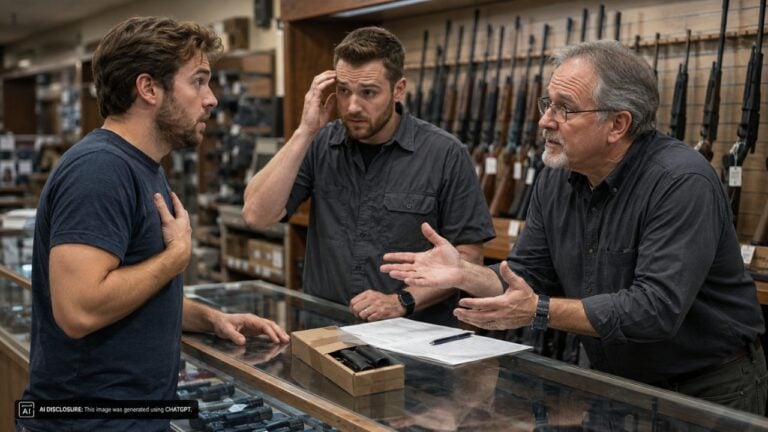
When the family contacted law enforcement, the response they got was blunt: the neighbor had the right to shoot. The owner’s partner, who they said had been a cop for seven years, viewed the applicable laws differently than the deputy on the call.
That gap happens more than people think. In a lot of states, including places with strong agricultural communities, there are laws that allow livestock and poultry owners to protect their animals from dogs that are actively chasing, harassing, or killing. In those moments, deputies often treat it as a property-protection issue unless there’s clear evidence the shooter was reckless, shot outside the circumstances allowed by law, or created a public safety hazard.
None of that makes it feel “right” to the dog owner looking at stitches and a big vet invoice. But it helps explain why some deputies don’t treat this like a typical “someone shot my pet” complaint when the dog was on the neighbor’s property and tangling with animals.
No warning, no contact, and the kind of neighbor problem that sticks
The family said they apologized for the dog getting out and offered to pay for any chickens or property damage. They also said the neighbor has been radio-silent since the shooting, with no response at all.
That silence is where these situations go from a bad day to a long-term feud. If the neighbor had called afterward, explained what happened, or even just laid out what he believed his rights were, there might be a path to cooling it down. Instead, the family is left guessing: How many chickens died? Was there any other damage? Is the neighbor planning to push for reimbursement? And what happens the next time a gate gets left cracked?
In the country, people remember. A single incident like this can change how two properties coexist for years.
What practical options the family seemed to be weighing
The owner asked if they had any options, pointing specifically to the “substantial” vet bill and their belief that shooting the dog was an extreme remedy. In plain terms, the options in a case like this tend to fall into a few buckets: civil, criminal, and practical prevention going forward.
On the criminal side, the deputy’s stance—“he had the right to shoot”—suggests law enforcement didn’t see an obvious violation worth pursuing based on the initial information. That doesn’t automatically end the matter, but it does mean the family would need clearer evidence that the shooting was unlawful or reckless to get traction.
On the civil side, folks sometimes look at small claims or a civil demand for veterinary costs, but those cases usually hinge on whether the shooting was justified under state law and whether the shooter acted reasonably under the circumstances. When the dog is actively chasing livestock or poultry, that can be a steep hill.
Then there’s the practical side—the one nobody likes talking about when emotions are hot. If a dog can get out once, it can get out again. Fixing the fence, reinforcing gates, adding a second barrier, and stepping up training and supervision is the unglamorous work that keeps a family dog alive in farm country. It also keeps you from writing a check to the neighbor for dead birds.
This isn’t about blame so much as reality: in places where people keep animals, some landowners won’t hesitate. Whether you agree with that mindset or not, it’s part of the landscape.
In the end, the hardest lesson here is that “good dog at home” and “dog loose around livestock” are two different animals in the eyes of the law—and in the eyes of a neighbor protecting his birds. The family is dealing with the vet bills and the anger now, but the long-term fix is making sure the next time the dog feels that chase instinct, it doesn’t have the opportunity to act on it.
Like The Avid Outdoorsman’s content? Be sure to follow us.
Here’s more from us: