Photo credit: Gun Deity/YouTube
Ammo “pickiness” isn’t always about a gun being fragile. A lot of it comes down to feed angle, extractor tension, magazine geometry, and how much tolerance the design has when the ammo is dirty, underpowered, or shaped a little different than what the engineers had in mind. If you shoot a lot, you’ve seen it: one pistol runs everything you can scrounge, while another starts choking the moment you switch from round-nose ball to a flat-point practice load.
The pistols below have a long track record of being tolerant with common factory ammo. That doesn’t mean you skip maintenance or that every hollow point in existence will run in every individual gun. It means these models tend to be the ones that keep chugging through mixed range ammo and mainstream defensive loads, which is exactly what most people actually feed their carry guns.
Glock 17
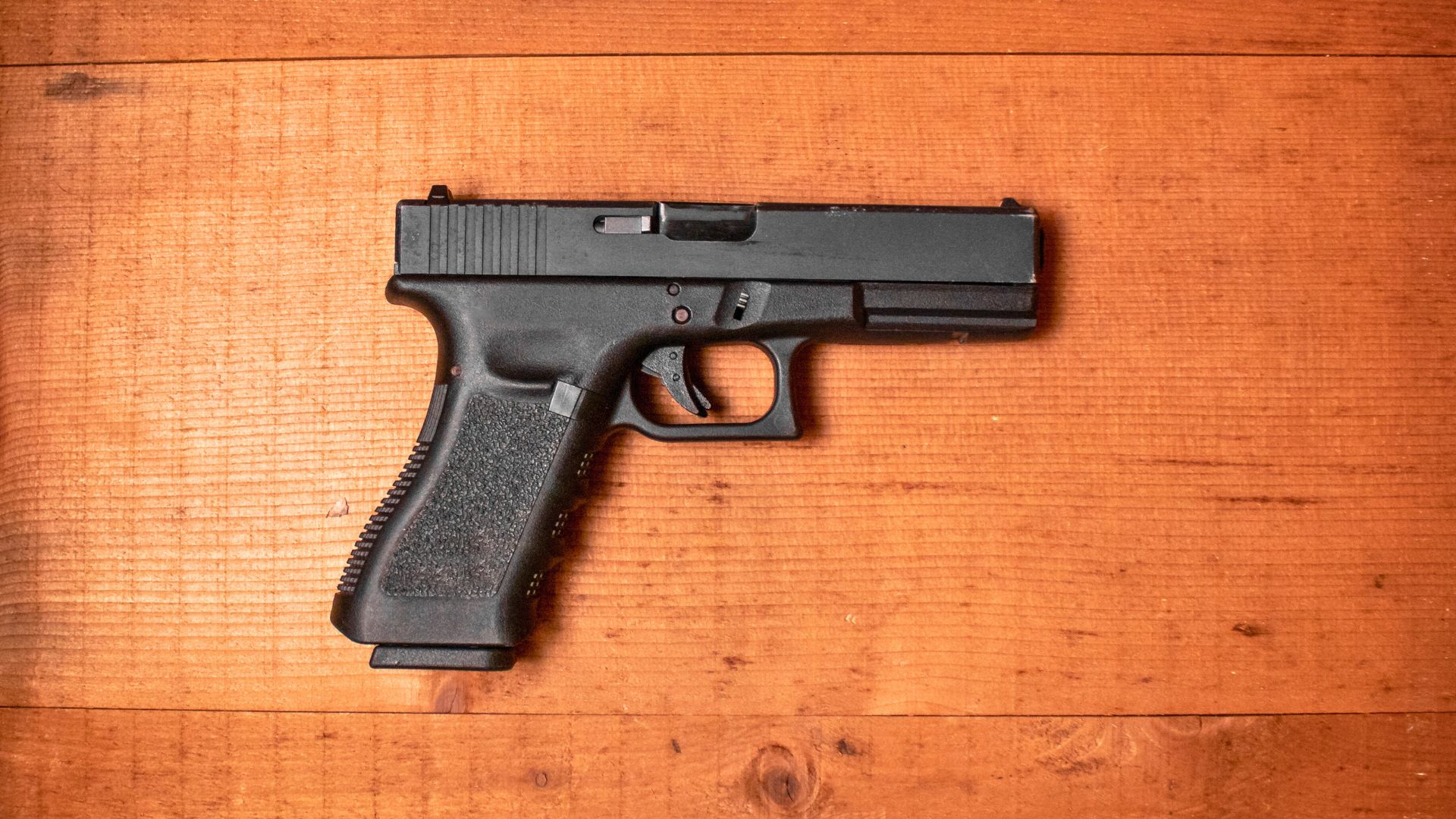
The Glock 17 has a reputation for running like a sewing machine with a wide spread of 9mm, and that’s not an accident. The magazine design and feed geometry are forgiving, and the gun typically keeps cycling even when the ammo is smoky, cheap, and not especially consistent.
Where you notice it is when you start mixing brands. You can bounce between 115-grain bulk, hotter 124s, and a box of defensive ammo without the gun suddenly “changing” on you. Keep the magazines healthy and don’t ignore recoil spring wear if you shoot a lot. Do that, and the 17 is one of those pistols that tends to shrug at whatever’s in the range bag.
SIG Sauer P365

The P365 is small, and small pistols can be ammo-sensitive. The reason the P365 stands out is that it generally isn’t, as long as you stick with decent factory loads. It’s built to be carried and shot a lot, and the platform has proven more tolerant than many other micro-compacts.
You’ll see it when you run mixed practice ammo in a short gun that’s supposed to be fussy. Round-nose ball, common flat-point training loads, and a lot of mainstream hollow points typically feed without you having to “hunt” for a favorite brand. Like any compact, it rewards a solid grip, and magazines matter. But for its size, it’s widely known as a pistol that keeps running.
Smith & Wesson Shield Plus

The Shield Plus is another gun that should be picky on paper because it’s compact and light. In practice, it tends to be very forgiving with common range ammo and many mainstream defensive loads, which is why it’s earned such a strong carry reputation.
It’s also the kind of gun people actually train with, not one they baby. When you’re burning bulk 9mm and switching between brands based on what’s in stock, the Shield Plus usually stays consistent. Keep your magazines clean, replace springs when they’re tired, and don’t run the gun bone-dry for thousands of rounds. Treat it like a serious tool, and it tends to behave like one—regardless of what’s on the ammo shelf that week.
CZ P-07

The CZ P-07 has a well-earned reputation for feeding a broad mix of ammo without drama. It’s not a target-tuned pistol that demands one bullet profile. It’s a duty-leaning design that’s been run hard by a lot of shooters who don’t have time for picky guns.
Where it shines is in mixed training. Round-nose ball, common plated loads, and many defensive hollow points generally run fine as long as you’re using decent magazines. The P-07 also tends to keep working when it’s dirty, which matters because cheap ammo often burns dirtier. Keep the gun lubricated and don’t neglect mag springs, and the P-07 usually stays boring in the best way—consistent, predictable, and tolerant.
Beretta 92X

The 92 platform has always been known for being forgiving with ammo, and the 92X carries that forward. The design is typically friendly to different bullet shapes, and the gun’s overall cycling behavior tends to stay consistent across a wide range of common factory loads.
You’ll feel it on long range days with mixed boxes. The 92X usually doesn’t care if you go from mild practice ammo to hotter loads, and it tends to run many mainstream hollow points without the odd nose-dive issues that show up on some designs. Keep your magazines in good shape and don’t ignore recoil spring replacement. If you do those basics, the 92X is one of those pistols that will usually eat what you feed it and keep your training day moving.
FNX-9

The FNX-9 is a hammer-fired pistol that has a strong reputation for being tolerant with ammo, especially common factory ball and mainstream defensive loads. It’s built with duty use in mind, and that usually shows up in how it behaves when conditions and ammo aren’t perfect.
The big tell is reliability across mixed lots. If you’re shooting different brands of 115 and 124, and you toss in a box of defensive ammo to confirm function, the FNX-9 typically keeps cycling without you needing to overthink it. Magazines still matter, like they do with everything, but the platform itself is generally unfussy. If you want a pistol that feels like it was designed to run first and impress second, this is one of them.
Ruger SR9

The Ruger SR9 has been around long enough to build a real track record, and many owners know it as a pistol that feeds a wide variety of 9mm practice ammo reliably. It’s not the newest thing on the shelf, but it’s a solid example of a gun that tends to do its job without demanding special ammo.
Where it earns its keep is with everyday range loads. Round-nose ball, common bulk ammo, and many standard hollow points generally run fine as long as the pistol is maintained and the magazines are in decent shape. It’s smart to function-test your carry load in any gun, but the SR9 isn’t widely known for being finicky. It’s the kind of pistol you can train with using what’s available and expect it to keep its manners.
Springfield Echelon

The Springfield Echelon is newer, but it’s built as a full-size duty-minded pistol, and early real-world use has shown it generally runs well with common factory ammo. You’re not buying it to be delicate. You’re buying it to shoot a lot and carry with confidence.
The Echelon tends to handle mixed practice loads without turning the day into troubleshooting. Different bullet weights, different brands, and the usual variety of range ammo typically feed and cycle as expected. As with any newer platform, it’s still smart to vet your defensive load, but the design isn’t known for being picky. Keep it lubricated, keep your magazines clean, and it’s the kind of modern pistol that usually doesn’t care what box the ammo came out of.
CZ P-09

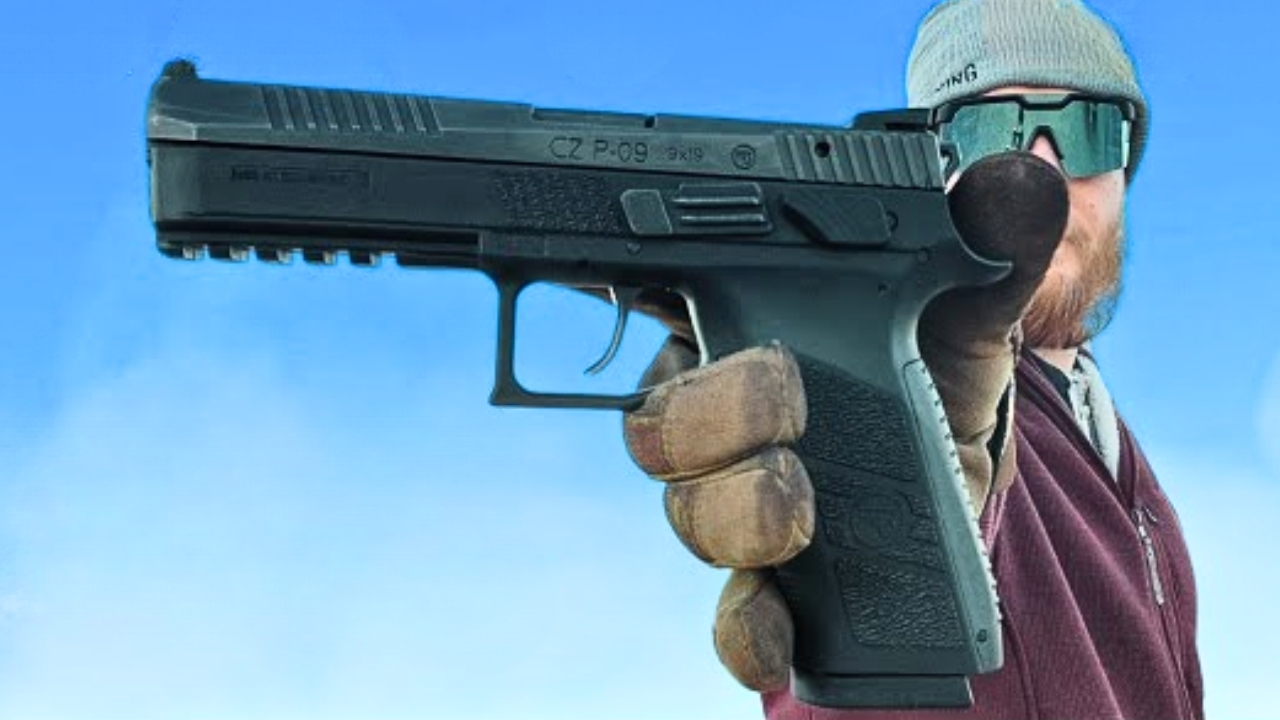
The CZ P-09 is basically a “feed it and shoot it” pistol. It’s a larger duty-style gun that tends to be forgiving with ammo variety, which is exactly what you want if you’re training hard and buying whatever 9mm you can find in bulk.
The P-09 usually handles round-nose ball, common flat-point practice ammo, and many mainstream hollow points without needing special attention. It also tends to stay reliable across long sessions where the gun gets hot and dirty—conditions where picky pistols start showing attitude. Magazines still matter, and springs still wear, but the platform itself is widely known as tolerant. If you want a pistol that doesn’t make you curate ammo, the P-09 belongs in that conversation.
Beretta APX A1

The APX A1 is a modern striker gun that’s generally built with reliability as the main priority, and it tends to show that in ammo tolerance. It’s designed to run common factory loads without needing a “favorite” bullet profile to stay dependable.
You’ll notice it when you’re shooting mixed practice ammo and not babying the gun. The APX A1 usually feeds round-nose and a lot of common training shapes cleanly, and it tends to run mainstream defensive loads once you’ve confirmed them in your specific pistol. It’s not magic. It’s just a duty-focused design with sensible geometry and decent magazines. Keep it clean enough, keep it lubed, and it typically stays steady even when your ammo pile is a random mix.
IWI Jericho 941

The Jericho 941 has a reputation for being a tough, forgiving pistol that just keeps cycling. It’s not a trendy carry gun, but it’s a proven design that tends to run well on common 9mm ammo and doesn’t usually act picky about typical bullet shapes.
Where you’ll appreciate it is during high-volume practice with whatever you’ve got. The Jericho generally feeds ball and many mainstream defensive loads reliably, especially with good magazines. It’s also the kind of gun that doesn’t panic when it gets a little dirty. Keep it lubricated and don’t let magazines turn into afterthoughts, and it tends to keep going. If you want an old-school, steel-leaning pistol that runs like a tool, the Jericho fits.
Ruger P89

The Ruger P89 is a classic “built like a brick” 9mm with a long-standing reputation for reliability. It’s not a refined, modern carry piece, but it’s widely known as a pistol that will chew through a lot of different factory ammo without much complaint.
That tolerance shows up with mixed practice ammo and older bulk loads that don’t always feel consistent. The P89 typically feeds ball reliably and often does well with mainstream hollow points, especially if the magazines are decent. It’s a big gun, but it’s the kind of big gun that people remember as stubbornly dependable. Keep it reasonably clean, keep it oiled, and it usually stays the same gun regardless of what you feed it.
HK USP 9
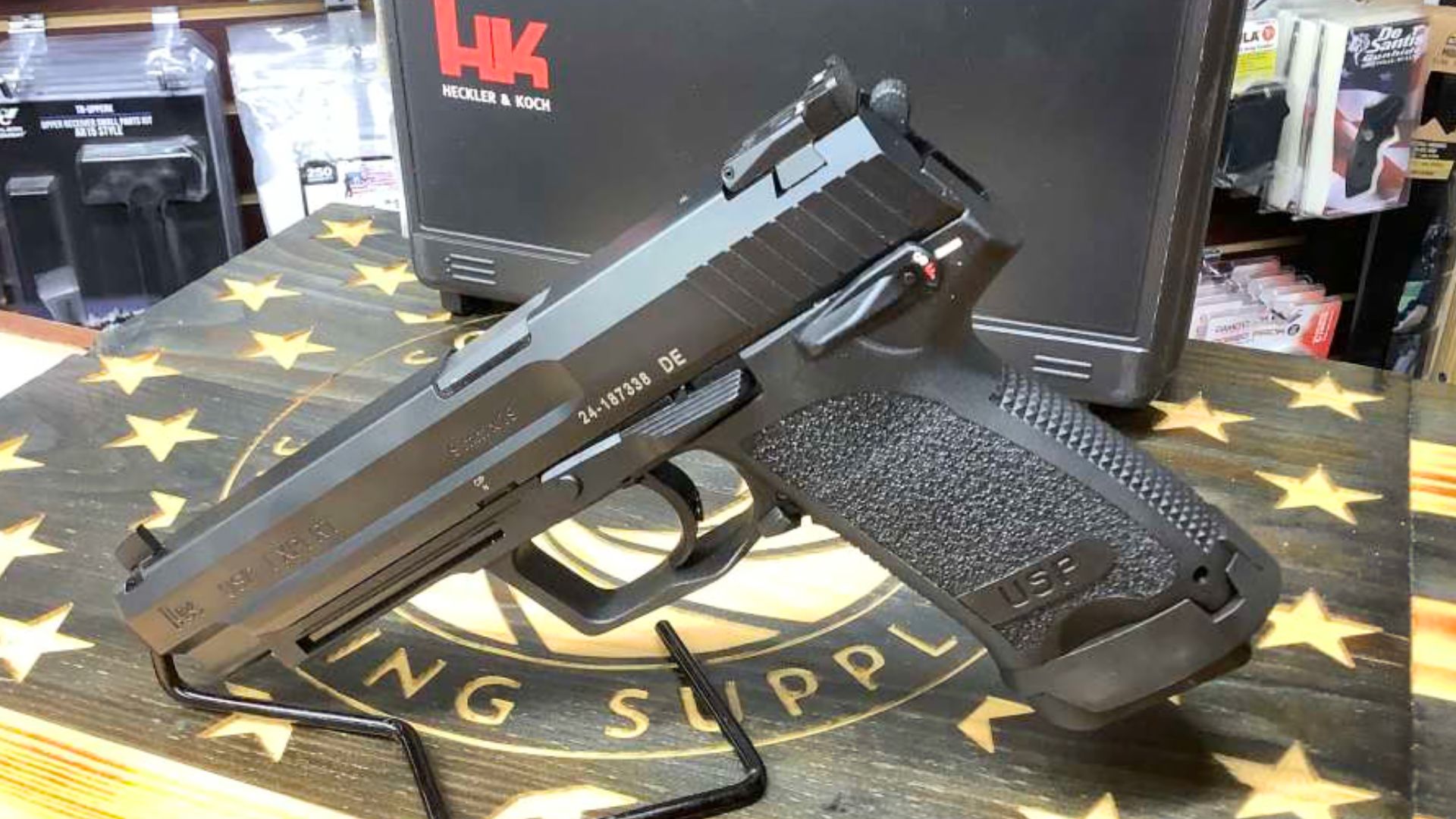
The HK USP 9 has a reputation for durability and reliability that’s been proven over a long time. One reason it’s trusted is that it tends to run across a wide variety of factory ammo, including lots of common training loads and many mainstream defensive loads.
The USP’s overall design tends to be forgiving when the ammo is dirty or the shooting pace is high. That matters, because ammo issues often show up when the gun is hot and the shooter is moving. As long as you’re using good magazines and not ignoring spring wear forever, the USP usually stays consistent. It’s not a pistol you buy because it’s the cheapest option. You buy it because you want something that keeps cycling when you’re not in the mood for excuses.
Walther PPQ

The Walther PPQ has a strong reputation among shooters who put real rounds downrange, and it’s generally known as a pistol that feeds a wide spread of common factory ammo reliably. It’s the kind of gun people run in classes with mixed ammo and expect it to keep up.
You’ll see that tolerance with different brands of ball ammo and many mainstream hollow points, especially when the gun is maintained and magazines are in good shape. The PPQ typically doesn’t demand a “special” load to behave. It’s still smart to confirm your carry ammo, but the platform itself isn’t known for being finicky. If you want a pistol that lets you focus on shooting instead of on what’s in the box, the PPQ belongs on your short list.
Colt 1911 Government Model

A good 1911 can be extremely reliable, but it’s also true that some 1911s get picky—usually because they’re tuned tight, running questionable magazines, or fed ammo with odd bullet shapes. The reason the Government Model makes this list is simple: a full-size 1911 with proper magazines and sensible specs is often more tolerant than compact 1911 variants.
With quality mags and common factory ball, a Government Model typically runs very well. Many will also run mainstream defensive hollow points if the gun is set up properly. The big point here is “properly.” A full-size 1911 isn’t magic, but when you keep it in its lane—good mags, reasonable spring maintenance, and standard ammo—it can be one of the most consistent pistols you’ll ever shoot.
Like The Avid Outdoorsman’s content? Subscribe to our newsletter so you never miss an article.
Here’s more from us: