Photo credit: Tactical Considerations/YouTube
When you start shooting fast, “flat” has less to do with bravado and more to do with physics. Weight out front, a slide that doesn’t slam like a hammer, a grip that lets you lock both hands in, and a trigger you can run without yanking the sights off target—those are the real reasons some pistols feel like they stay planted. You can still shoot a small gun quickly, but you’ll work harder for every clean split because the muzzle wants to climb and the sights want to bounce.
The pistols below earn their reputation in fast strings because they give you momentum and control in the right places. Some do it with steel frames. Some do it with long slides and smart recoil systems. Some do it with ergonomics that let you clamp down without fighting the gun. If you’ve ever watched your front sight pop high and disappear, these are the kinds of pistols that make that problem feel a lot more manageable.
CZ Shadow 2

The CZ Shadow 2 stays flat because it’s heavy where it matters and balanced in a way that keeps the muzzle from getting ahead of you. That weight soaks up recoil, and the low bore axis helps the slide track without feeling like it’s trying to flip the gun out of your hands. In fast pairs, your sights tend to lift and drop back into the notch with less drama.
The grip shape also lets you build real leverage with your support hand. You can clamp down and keep the gun from squirming, which matters more than raw weight. The trigger on most Shadow 2s also makes speed easier because you can press straight back without the gun feeling twitchy. Run it hard and it rewards you with repeatable sight return.
CZ 75 SP-01 Tactical

The SP-01 Tactical is one of those pistols that makes fast shooting feel calm. The steel frame and full-length dust cover add weight forward, and that helps keep the muzzle from snapping up when you start pushing the pace. You feel it most in strings of five or six where the gun stays predictable instead of getting lively.
The grip gives you plenty to hang onto, and the gun sits low in your hands for a service-size pistol. That helps you drive it from target to target without overcorrecting. The SP-01 also tends to run smoothly with 9mm, which keeps the recoil impulse feeling more like a push than a slap. It’s a practical choice that shoots like it costs more.
Beretta 92X Performance

The 92X Performance shoots flat because it combines weight, a long sight radius, and a recoil impulse that feels more straight back than up. The slide profile and the way the Beretta locks up tend to give you a softer, rolling feel instead of a sharp pop. When you start speeding up, the gun tracks in a way that’s easy to read.
The frame shape and beavertail area also help you get high and stay high on the gun. Once your grip is set, the pistol doesn’t demand constant correction. The trigger can be very good, and that matters when you’re trying to keep the sights honest at speed. It’s not a light pistol, but the payoff is control you can feel.
Beretta M9A1 / 92FS
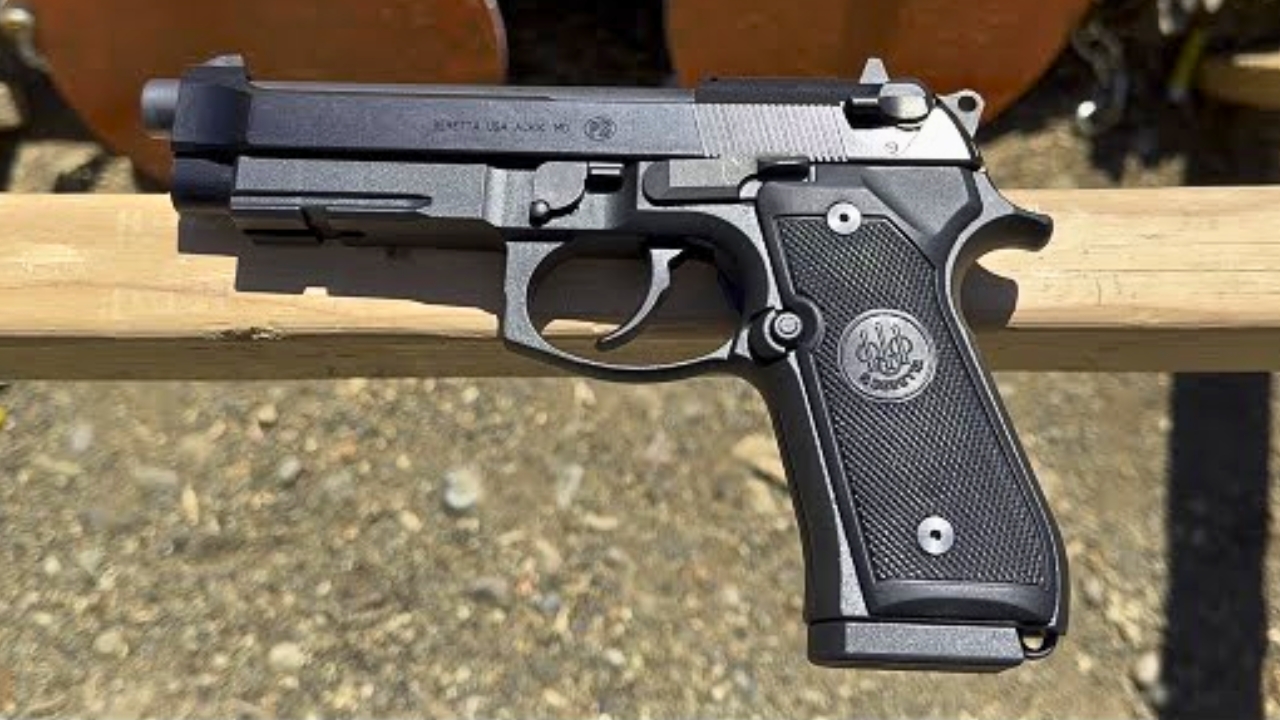
A good 92FS or M9A1 can run fast with less muzzle rise than many polymer pistols because the recoil has a smoother character. The slide and barrel system tends to spread recoil out, so the front sight lifts and settles without the sharp snap you get from lighter guns. That makes fast doubles feel more controllable than you’d expect.
The grip is large, but it gives you room to lock both hands in and drive the gun. Once you find your hand placement, the Beretta rewards consistency. The trigger can vary, but even a service-grade Beretta can be shot quickly because the gun doesn’t punish you with violent movement. Keep it maintained and it stays a steady performer when you lean on it.
SIG Sauer P226 Legion

The P226 Legion stays flatter than many pistols because it has enough mass and a recoil system that feels controlled. It’s not trying to be light, and that’s a good thing when you’re chasing fast, clean strings. The gun cycles with a solid, steady rhythm that helps your sights return without bouncing all over the place.
The grip and frame shape let you get a strong support-hand clamp, and the gun’s balance makes transitions feel natural. You can move the sights from plate to plate without feeling like the pistol is trying to outrun you. The trigger on the Legion models often helps at speed, too, because the break and reset can feel consistent. It’s a serious shooter’s pistol that behaves like one.
SIG Sauer P320 XFive Legion
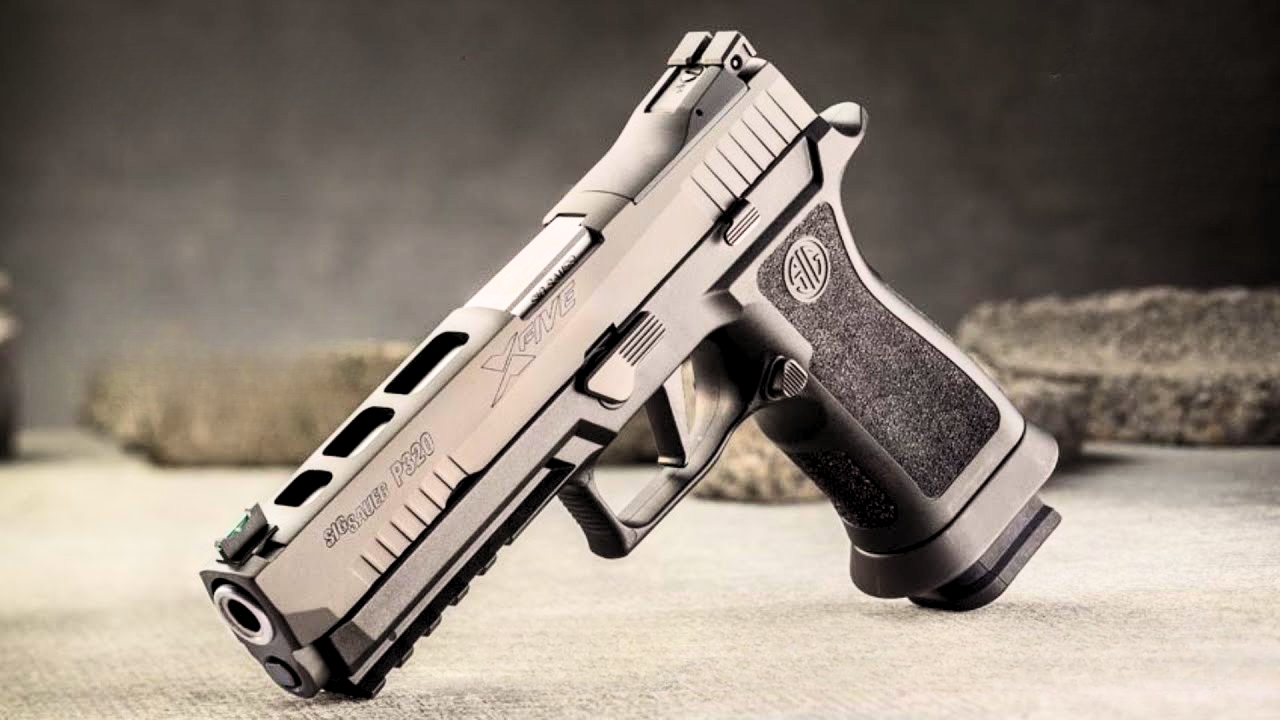
The P320 XFive Legion was built with fast shooting in mind, and it shows when you start pressing the pace. The added weight and long slide help the gun track flatter, and the recoil impulse tends to feel controlled rather than abrupt. When you’re shooting strings, the sight picture usually returns to the same place instead of wandering.
The grip module and beavertail area let you lock in high, and the frame gives you room to apply real support-hand pressure. That’s what keeps the gun from rocking. The XFive also gives you a longer sight radius, which makes small sight movement easier to notice and correct. It’s a pistol that encourages disciplined shooting while still letting you run it hard.
Walther PDP Full Size 5″

The PDP Full Size 5″ stays flatter than many polymer pistols because the longer slide adds stability and the ergonomics let you grip hard without fighting the frame. The gun points naturally, and that helps when you’re trying to keep the sights moving in a straight line during recoil instead of hopping.
Walther’s grip shape gives your support hand good purchase, and the texture helps you keep control even when you’re sweaty or shooting a lot. The trigger also makes speed more manageable because you can press without feeling like you’re forcing the gun off target. The PDP can still move like any polymer pistol, but it’s a strong option for shooters who want fast handling without giving up control.
Heckler & Koch VP9 Match

The VP9 Match has the kind of balance that makes fast shooting feel organized. The longer slide and match-oriented setup help keep the muzzle from jumping, and the recoil impulse tends to feel smooth and repeatable. When you’re running doubles or controlled pairs, the gun does a good job of returning the sights where you left them.
HK’s grip ergonomics help, too, because you can tailor the fit and build a secure hold. That matters when your goal is speed without slop. The VP9 series also tends to be reliable with a wide range of ammo, which helps you focus on shooting instead of troubleshooting. It’s a practical pistol that feels calm when you start sending rounds quickly.
Smith & Wesson M&P9 M2.0 (5″)

The M&P9 M2.0 in the 5″ configuration is a fast shooter because it gives you more slide length and a grip that locks into your hands. The recoil feels manageable, and the front sight doesn’t tend to launch upward the way it can on smaller pistols. In quick strings, the gun tracks in a way you can predict.
The M2.0 texture and grip shape let you apply real support-hand pressure without slipping, which is a big deal once you start chasing faster splits. The pistol also has a reputation for being durable and consistent, and that matters when you’re practicing enough to build speed. It’s not the fanciest gun in the world, but it’s a steady platform that rewards good technique.
Canik Rival-S
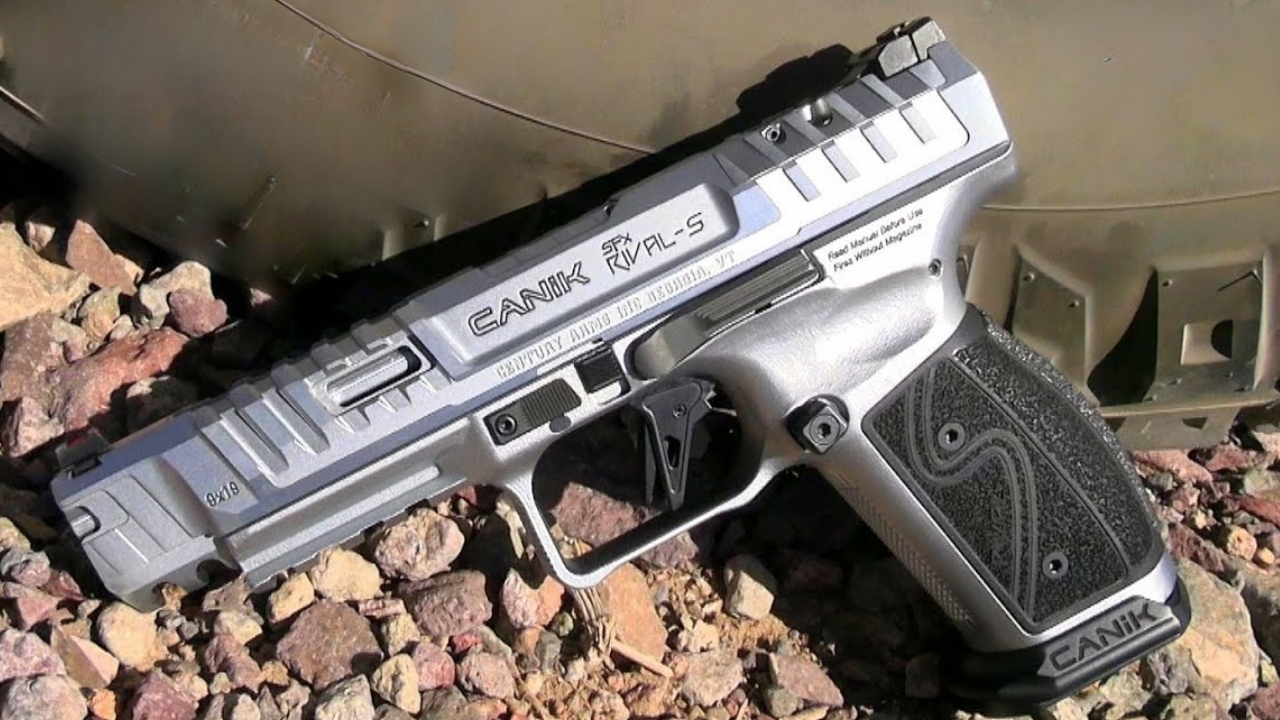
The Rival-S earns its “flat” reputation the old-fashioned way: steel and balance. The extra weight keeps recoil from feeling sharp, and it helps the gun settle quickly between shots. When you start pushing speed, the pistol feels like it wants to stay on track instead of hopping around.
The ergonomics also work in your favor. You can build a high, secure grip, and the controls are set up in a way that makes the gun easy to run. The trigger on many Rivals is also a big part of the experience because it helps you press cleanly at speed. The Rival-S gives you competition-style shootability without demanding competition-level money, and you feel that the moment you start shooting fast strings.
Glock 34 Gen5 MOS

The Glock 34 has been a staple for fast shooting for a long time because the long slide and sight radius help you keep things steady. The extra length adds a bit of weight out front, and that makes the recoil feel more manageable during rapid fire. When you’re tracking a front sight or dot, the movement is usually easier to control than on compact models.
The other advantage is consistency. The platform is predictable, and that matters when you’re trying to run the gun fast without getting sloppy. With a solid grip and good ammo, the 34 tends to return the sights in a repeatable pattern. It’s not a heavy steel pistol, but it’s a practical setup that many shooters find easier to keep flat once the pace picks up.
FN 509 LS Edge

The 509 LS Edge is designed to be shot fast, and you can feel it in how it handles recoil. The long slide gives you stability, and the overall setup encourages a strong, high grip. In fast strings, the gun tends to track in a controlled way rather than popping sharply and forcing you to chase the sight picture.
The frame and grip texture help you keep control under pressure, and that becomes more important as you start shooting longer strings. The gun also tends to be reliable and durable, which matters if you’re putting real training time into it. The LS Edge is a pistol that feels like it wants to be driven hard, and it stays composed when you do your part.
Staccato P

The Staccato P shoots flat because the 2011-style setup gives you weight, a crisp trigger, and a recoil impulse that feels controlled. When you start running it fast, the gun tracks with less bounce and less disruption to your sight picture. That makes it easier to keep hits tight while still moving quickly.
The grip geometry and trigger help you stay clean. You can press the trigger without yanking the gun, and the pistol rewards a strong support-hand clamp. The Staccato also tends to cycle smoothly, which keeps the gun from feeling snappy. It’s not cheap, but the reason people spend the money is how it behaves when speed matters. It’s built for fast, accurate shooting.
Springfield Armory Prodigy (5″)

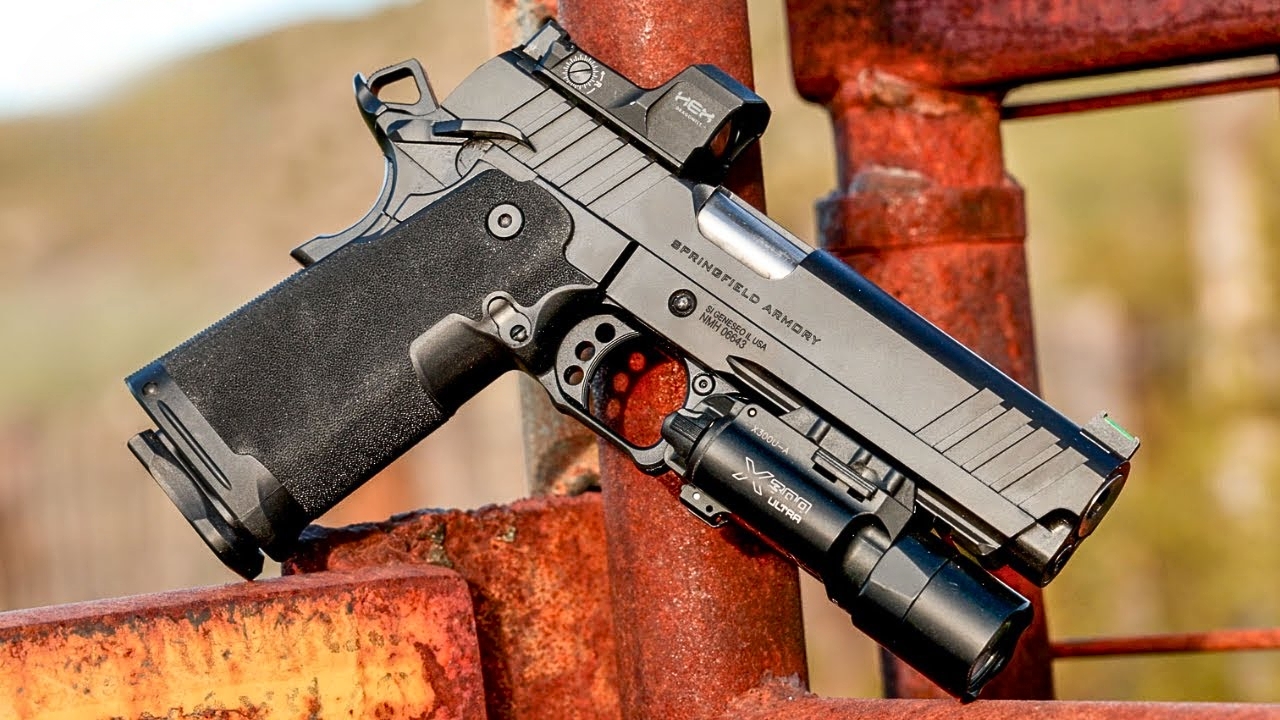
The Prodigy, especially in the 5″ version, has the kind of weight and slide length that helps keep the muzzle down when you start pushing speed. The 2011 pattern gives you a straight, controllable trigger and a grip that lets you apply real pressure with both hands. When it’s running well, it feels like a pistol that wants to stay on target.
You also get a sight picture that’s easy to track because the gun doesn’t feel as jumpy as many lighter pistols. Fast strings become more about your grip and timing and less about fighting muzzle rise. Like any 2011-style gun, it benefits from good magazines and sensible maintenance. Set it up right and it can deliver that flat, repeatable tracking people chase.
Tanfoglio Stock II
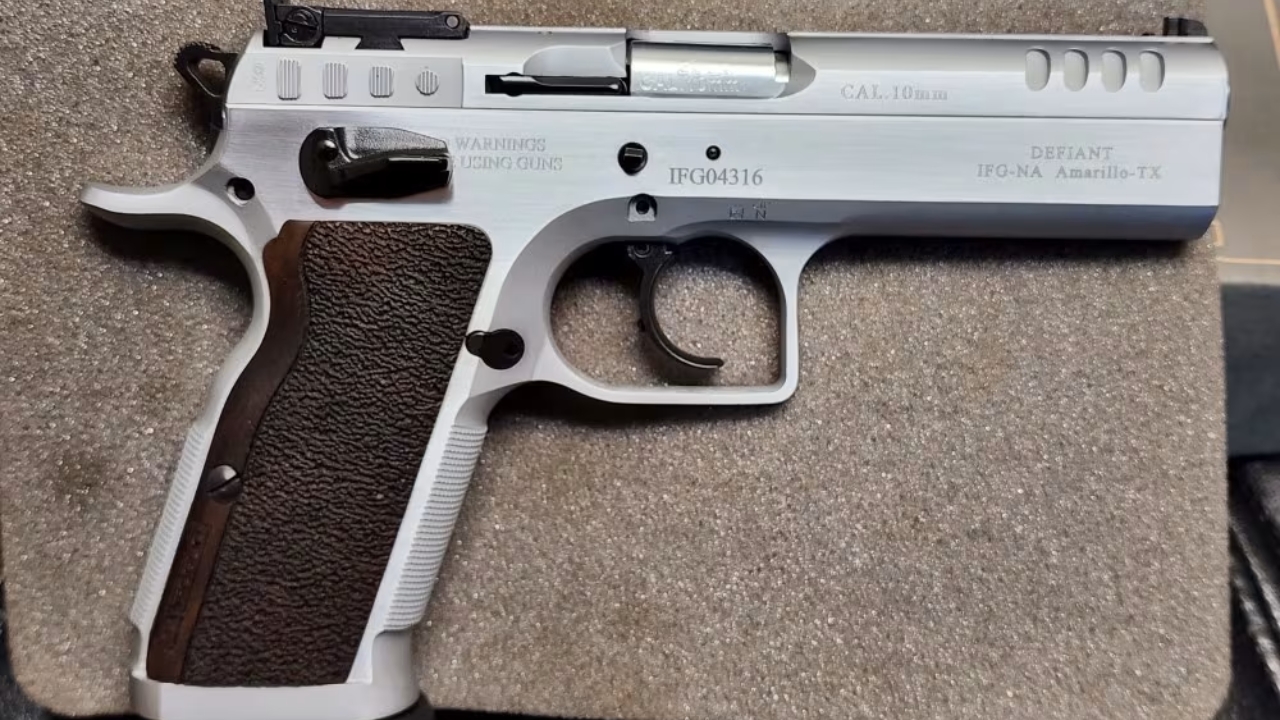
The Tanfoglio Stock II is one of those pistols that feels glued to your hands once you learn it. The steel frame, weight, and CZ-75-style geometry help keep recoil from getting abrupt. In fast strings, the gun tends to lift and settle without that quick snap that throws your sights high.
The grip shape and low bore feel make it easier to clamp down and keep the gun from rocking side to side. That’s what helps you stay flat when you’re trying to run splits without spraying shots. The trigger on many Stock IIs is also friendly to speed because it lets you press smoothly and reset consistently. It’s not as common as some big-name pistols, but it’s a real performer when you start shooting fast.
Like The Avid Outdoorsman’s content? Subscribe to our newsletter so you never miss an article.
Here’s more from us: