Photo credit: MrBigKid/YouTube
Plenty of pistols look like upgrades until you start living with them. They cost more, carry a better name, show up with nicer machining, and make you feel like you bought into a higher level of handgun. Then you take them to the range, carry them for a few weeks, or start practicing hard, and the shine wears off.
That is when the cheaper gun starts looking better than you gave it credit for. Maybe it recoiled softer, carried easier, fed rough ammo without complaint, or simply let you shoot with less effort. Expensive does not always mean easier to run, and some pistols remind shooters of that fast.
Kimber Micro 9

The Kimber Micro 9 has the looks people expect from a small premium pistol. It is attractive, slim, and easy to want when you see it sitting in the case. Compared to a plain polymer carry gun, it feels like something with more character.
Then some shooters start missing the cheaper pistol they already trusted. The Micro 9 can be picky, sharp under recoil, and less forgiving when your grip gets lazy. A basic Shield, Glock 43, or Ruger EC9s may not look as nice, but they often feel easier to run hard without wondering whether the gun is in the mood that day.
SIG Sauer P938
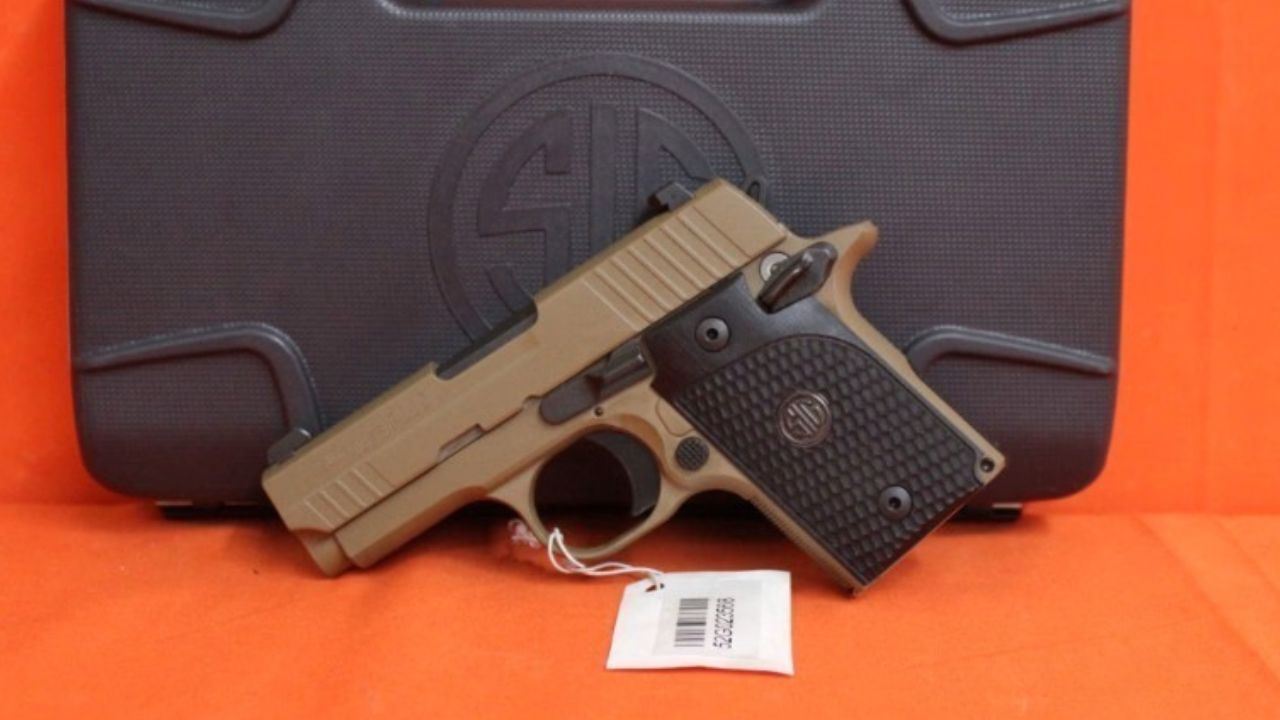
The SIG P938 looks like a serious little carry pistol, especially if you like metal frames and 1911-style controls. It has a quality feel that cheaper pocket-size 9mm pistols usually do not have. On paper, it looks like a nicer way to carry small.
The problem is that small, light, single-action pistols ask more from the shooter. The P938 can feel snappy, and the thumb safety adds another step that not everyone wants under stress. After a while, some owners start appreciating how easy their cheaper striker-fired carry gun was. It may have looked boring, but it was simpler to draw, fire, and manage.
Springfield Armory 1911 Ronin EMP

The Ronin EMP is a good-looking pistol with real appeal if you like compact 1911-style handguns. It feels more refined than a basic polymer subcompact, and the trigger can make slow fire feel pretty satisfying. That first range trip can make the purchase feel smart.
Carry and higher-volume practice can change the mood. Magazines cost more, the gun wants proper maintenance, and the compact 1911 format can be less forgiving than a simpler striker pistol. A cheaper Glock 48, Shield Plus, or Taurus GX4 may not have the same charm, but those guns often make daily carry and practice feel easier.
Walther PDP Compact
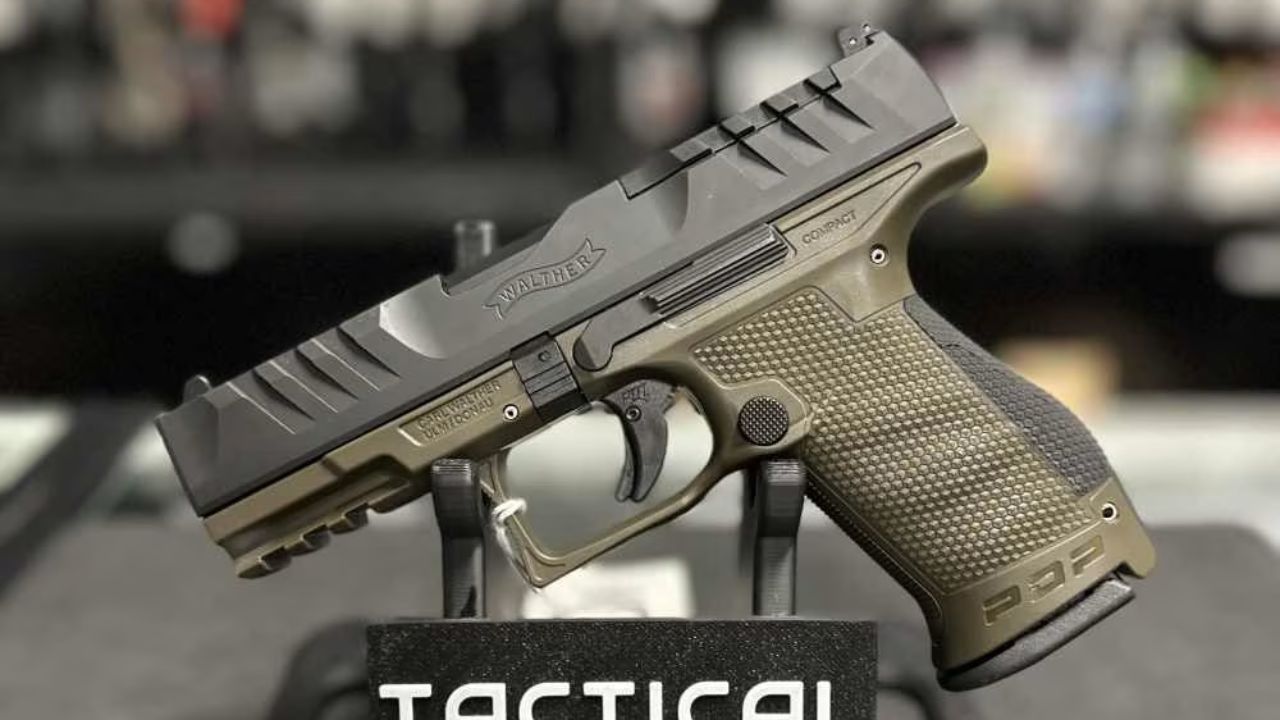
The Walther PDP Compact is a strong shooter, but it can surprise people who expected the higher price to solve everything. The grip texture, trigger, and optics-ready setup all look good on paper. It feels like a serious modern pistol the second you pick it up.
Then recoil behavior becomes the sticking point for some shooters. The PDP has a tall slide and a snappy feel compared with cheaper pistols that track flatter for them. A Canik, older PPQ, or even a basic M&P can leave certain shooters wondering why they paid more to fight the dot harder between shots.
Heckler & Koch VP9

The HK VP9 gets plenty of love, and for good reason, but it can also make some shooters miss cheaper pistols that just fit them better. The trigger, paddle-style controls, and grip panels all feel very “HK,” which sounds great until you realize personal fit matters more than brand pride.
Some owners end up shooting a cheaper Glock, M&P, or CZ P-10 better. The VP9 is not bad, but it is not magic. If your cheaper handgun points faster, reloads cleaner for your hands, and gives you the same reliability, the HK price starts feeling less important. Sometimes the gun with less prestige gives you better work.
FN 509 Tactical

The FN 509 Tactical looks like a hard-use pistol built for people who want everything ready out of the box. Threaded barrel, optics mounting, tall sights, and serious branding all make it feel like a step up from a regular duty pistol.
The reality is that not every shooter needs that much gun. The taller sights can snag more, the threaded barrel adds length, and the trigger does not always impress people expecting a premium feel. A cheaper M&P, Glock, or Ruger American can feel less dramatic but more natural. For some owners, the expensive setup feels more like extra hardware than extra performance.
SIG Sauer P320 AXG

The P320 AXG has the kind of feel that sells itself at the counter. The metal grip module gives it weight, balance, and a more premium personality than the standard polymer P320. If you already like the platform, it feels like the nicer version you talked yourself into.
But after real use, some shooters start asking what they actually gained. The added weight does not automatically make everyone shoot better, and the higher price can sting if a plain P320, Glock 19, or CZ P-10 C gives similar results. The AXG feels nicer, but the cheaper gun may do the same work with less money tied up.
Staccato CS
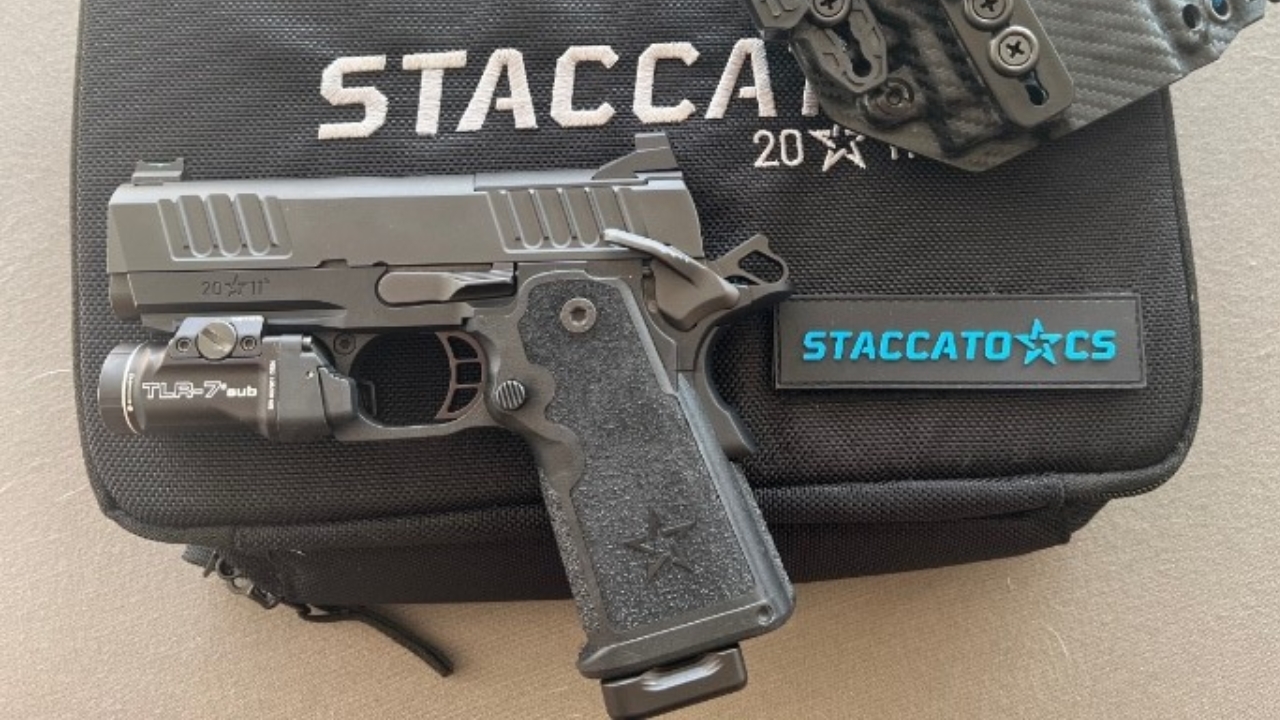
The Staccato CS gets attention because it brings the 2011 idea into a smaller carry package. It has a great trigger, premium build, and the kind of reputation that makes shooters expect a major upgrade over normal carry pistols. For some, it is exactly that.
For others, it creates new worries. It is expensive, magazines are expensive, and the gun may feel too valuable to sweat on, scratch, or run hard every day. That is when a cheaper Glock 19, Shield Plus, or SIG P365 starts looking smart again. Those guns may not shoot as fancy, but they are easier to treat like tools.
Wilson Combat SFX9
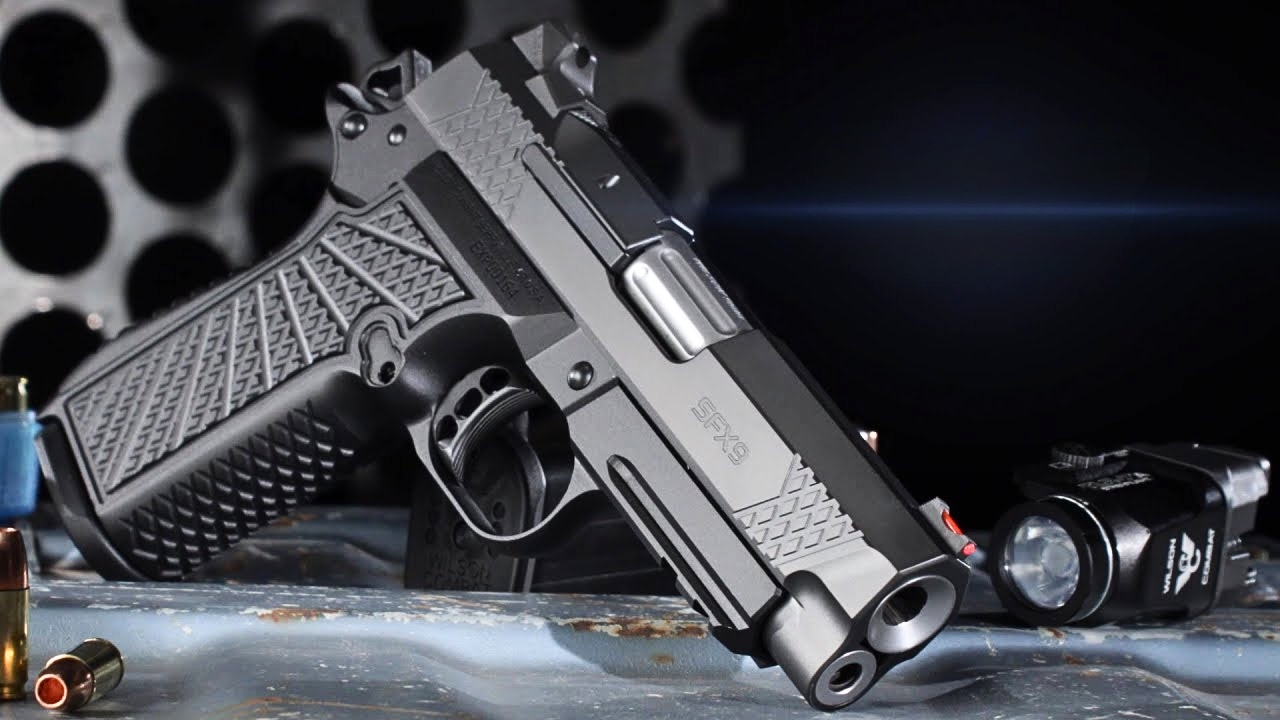
The Wilson Combat SFX9 is built with serious attention to detail, and it absolutely feels like a premium pistol. The trigger, machining, and fit make cheaper carry guns feel plain. It is the kind of handgun people buy when they want quality they can feel.
Still, the price changes how some shooters use it. A carry gun that costs that much can make you baby it, clean it constantly, and worry about wear that would not bother you on a cheaper pistol. A basic Hellcat Pro or Glock 48 may not have the same class, but it is easier to carry without treating every holster mark like damage.
Kimber Rapide

The Kimber Rapide looks fast, sharp, and expensive. It is easy to see why someone would want one after handling a basic 1911 or cheaper polymer pistol. The styling jumps out, and the trigger can make slow, careful shooting feel rewarding.
The trouble starts when expectations meet real range habits. Some shooters find they shoot their cheaper, less dramatic handgun just as well, or better, especially when speed and reliability matter more than looks. A plain Springfield Garrison, Tisas 1911, or even a striker-fired duty pistol may feel less flashy, but it can leave fewer doubts during long practice sessions.
CZ Shadow 2 Compact

The CZ Shadow 2 Compact has serious appeal because it brings Shadow 2 DNA into a smaller pistol. The weight, trigger, and control layout make it feel like a shooter’s gun, and it is easy to understand why people get excited about it.
But it is still heavy and expensive for what many people actually need. Some shooters buy it thinking it will replace a cheaper carry pistol, then realize their old P-01, Glock 19, or M&P Compact carries better and gives up less than expected. The Shadow 2 Compact shoots well, but daily usefulness can make the cheaper handgun look smarter.
Springfield Armory DS Prodigy

The Springfield Prodigy tempted a lot of shooters because it promised a 1911-style double-stack experience without full custom-shop pricing. It looked like a way to get into the 2011 world without spending Staccato money, and that made it hard to ignore.
Early reliability complaints made some owners miss simpler pistols fast. Even when tuned and running well, the Prodigy still asks more in magazines, maintenance, and setup than a basic striker-fired gun. A cheaper Glock 17, M&P, or CZ P-10 may not have the same trigger, but it often gives shooters fewer headaches and more confidence.
Beretta 92X Performance
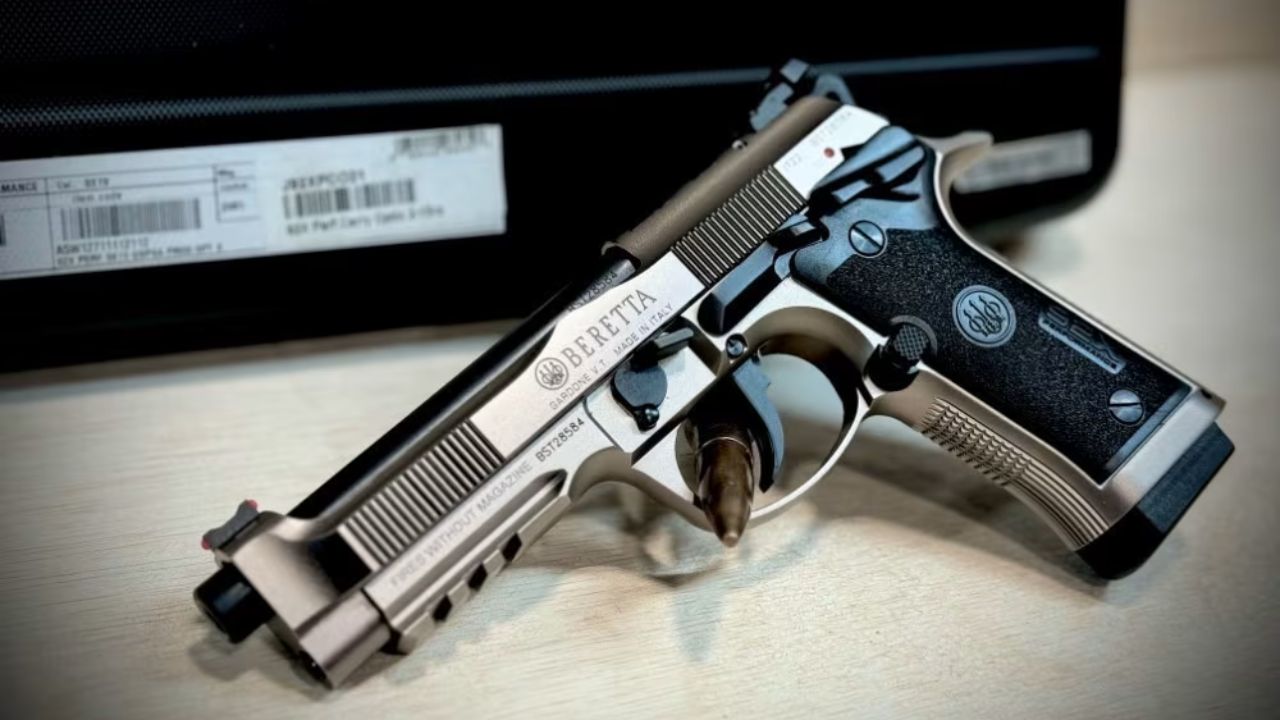
The Beretta 92X Performance is a heavy, slick, competition-minded pistol that feels impressive the moment you pick it up. It has weight, smoothness, and that big-frame Beretta personality that makes range shooting feel serious. It is easy to believe it will make everything easier.
Then some shooters realize it is a lot of pistol to manage outside its lane. The weight is great on a range bench but less fun anywhere else. A cheaper Beretta 92FS, CZ, or polymer 9mm may be easier to carry, easier to set up, and nearly as useful for normal practice. The expensive gun shines, but only if your use matches it.
Colt Lightweight Commander
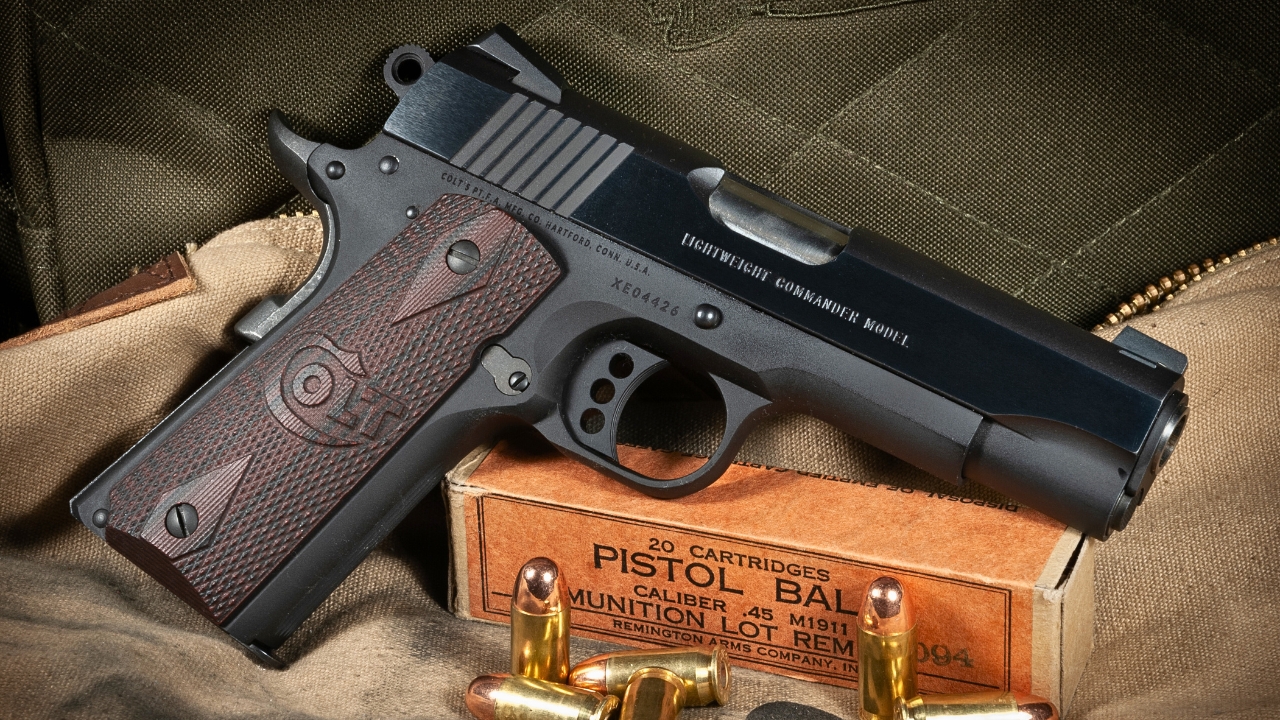
The Colt Lightweight Commander has name value, history, and carry appeal. It feels like a real upgrade if you grew up respecting Colt 1911s. The lighter frame and classic controls make it easy to picture as a refined everyday carry gun.
But the cheaper pistol may be the one you actually shoot better. Lightweight .45s can be snappy, magazines matter, and 1911 maintenance is less forgiving than most modern striker guns. After a few range sessions, a shooter may start missing a plain Glock 19, M&P 2.0, or budget 9mm that let them train longer with less fatigue.
Smith & Wesson CSX

The Smith & Wesson CSX looked like it should be a premium-feeling answer to modern micro-compacts. It had an aluminum frame, good capacity for its size, and a different feel from the usual polymer pocket 9mm. Plenty of shooters wanted it to be great.
The trigger feel and reset complaints hurt it with people who expected more. Once the newness wore off, some owners found themselves missing cheaper guns like the Shield Plus, Ruger Max-9, or Taurus GX4. Those pistols may feel less classy in the hand, but they often shoot more naturally for less money. That is a hard thing to ignore.
Like The Avid Outdoorsman’s content? Subscribe to our newsletter so you never miss an article.
Here’s more from us: