Photo credit: Kimber America/Youtube
Some pistols are expensive for good reasons. They shoot beautifully, hold value, carry history, or bring a level of refinement that owners can feel every time they pick them up. Those guns may cost a lot, but the money makes sense to the right buyer.
Others are different.
They look exciting in the case, promise big performance, or ride a wave of hype that makes the price feel easier to justify. Then the owner actually lives with the pistol. The trigger disappoints. The recoil is worse than expected. The resale value sinks. The gun is too large to carry, too expensive to shoot, too niche to love, or simply not better than cheaper options. These are the pistols that often never earn back the money people spent on them.
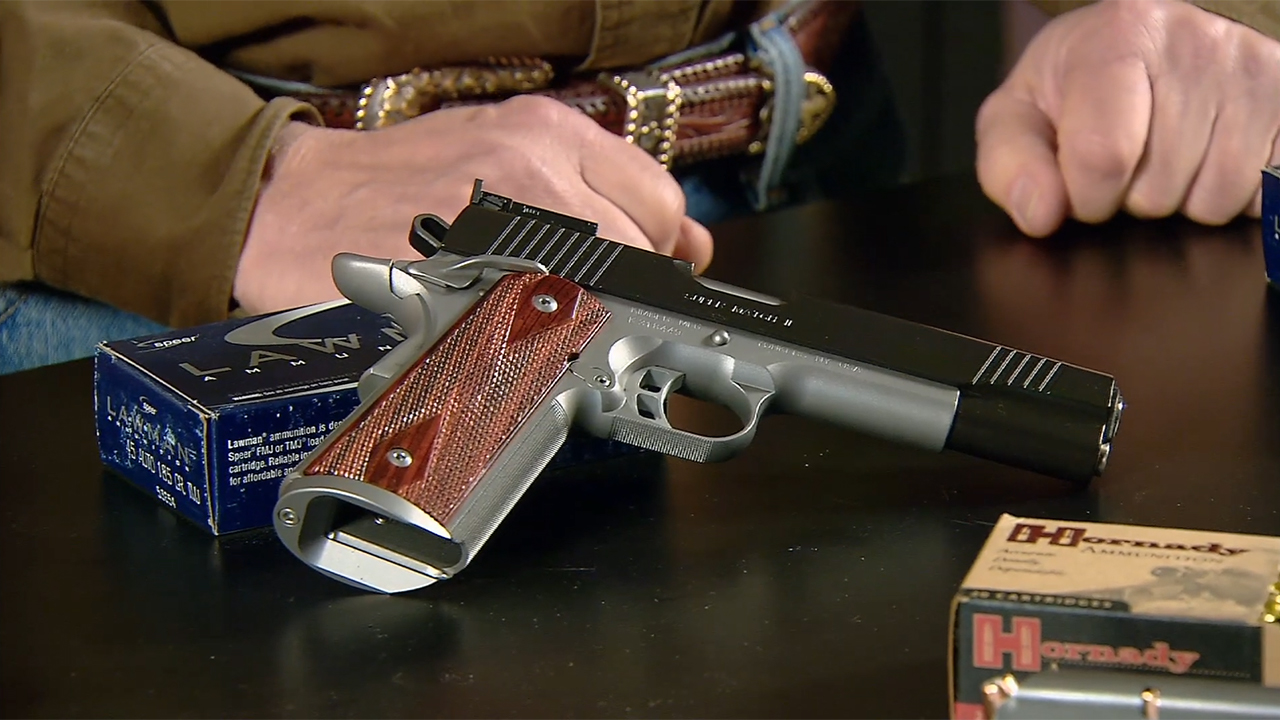
Kimber Custom Shop 1911s
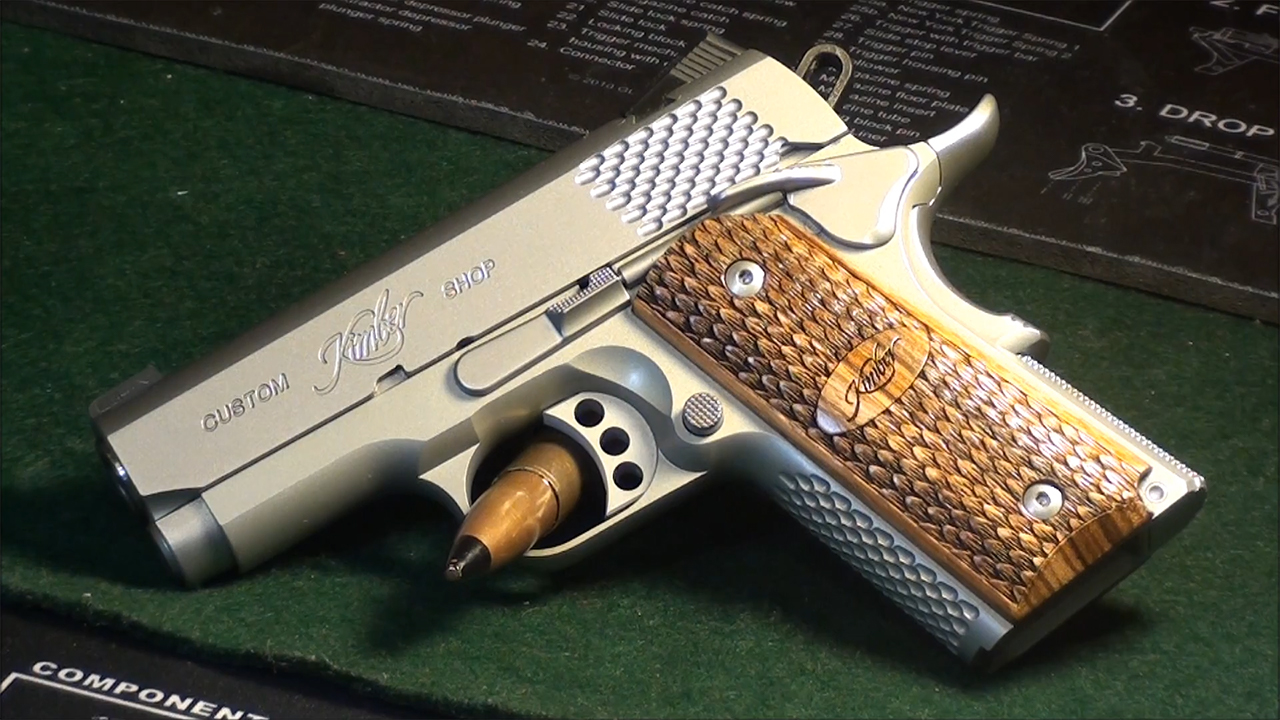
Kimber has made plenty of good-looking 1911s, and that is part of the problem. The company knows how to make a pistol look like it belongs in a glass case. Nice grips, clean slide cuts, attractive finishes, and upgraded-looking features can make a buyer feel like they are getting a semi-custom pistol without going all the way into true custom pricing.
The disappointment comes when the price creates expectations the pistol does not always meet. Some owners love theirs, but others run into finicky reliability, sharp edges, finish wear, or the need to test magazines and ammunition more carefully than expected. A 1911 already asks more from the owner than a basic polymer pistol. When a pricey Kimber still needs sorting, the buyer can start wondering why they did not either spend less on a simpler 1911 or save longer for a higher-end build with a stronger reputation.
SIG Sauer P320 AXG Legion
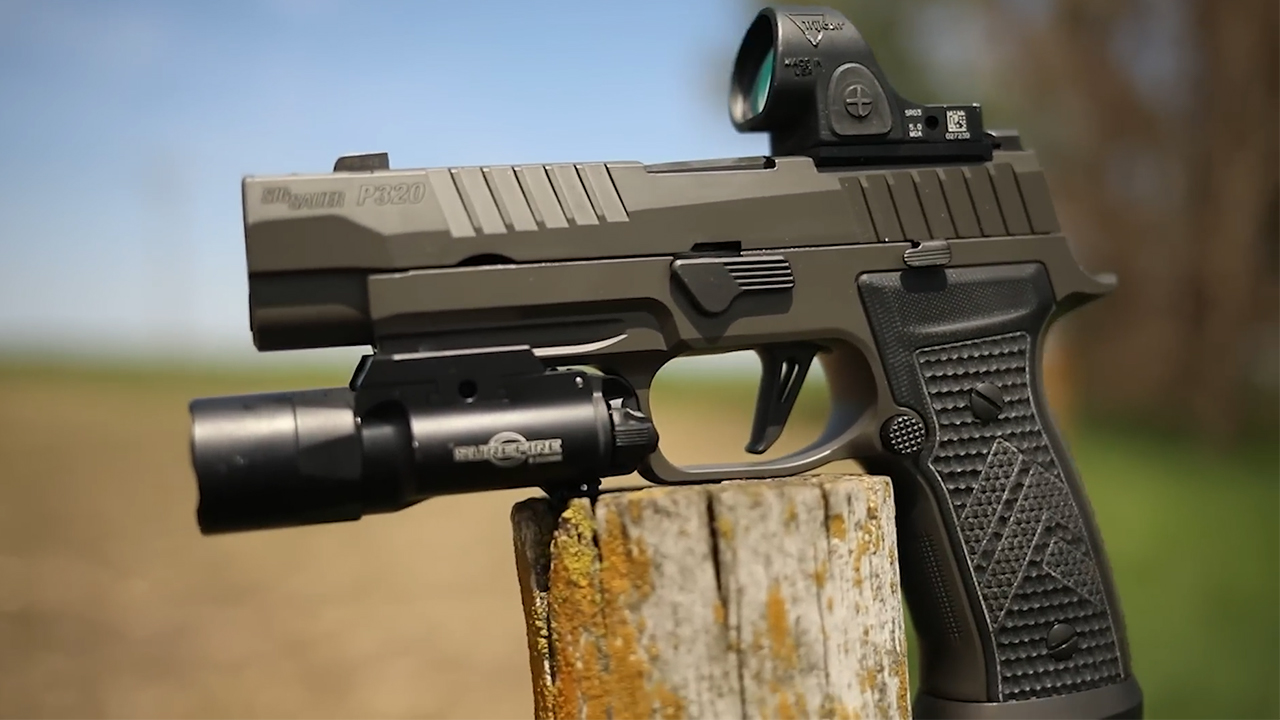
The SIG P320 AXG Legion looks like it should be the final form of the P320 idea. It has the metal grip module, upgraded features, good weight, and that Legion branding that makes the whole package feel serious. On paper, it sounds like a premium striker-fired pistol that should satisfy almost everyone.
But the cost is where the regret can creep in. The AXG Legion is expensive enough that owners naturally expect a major leap over more affordable P320 models or competing striker-fired pistols. For some shooters, the upgrades are noticeable but not transformative. It is still a P320 at its core, and people who do not love the trigger, grip feel, or recoil impulse may feel like they paid a lot for a pistol that does not dramatically outperform cheaper options. The gun is not bad. The problem is that the price asks it to feel special every time, and not every owner gets that feeling.
Springfield Armory 1911 DS Prodigy
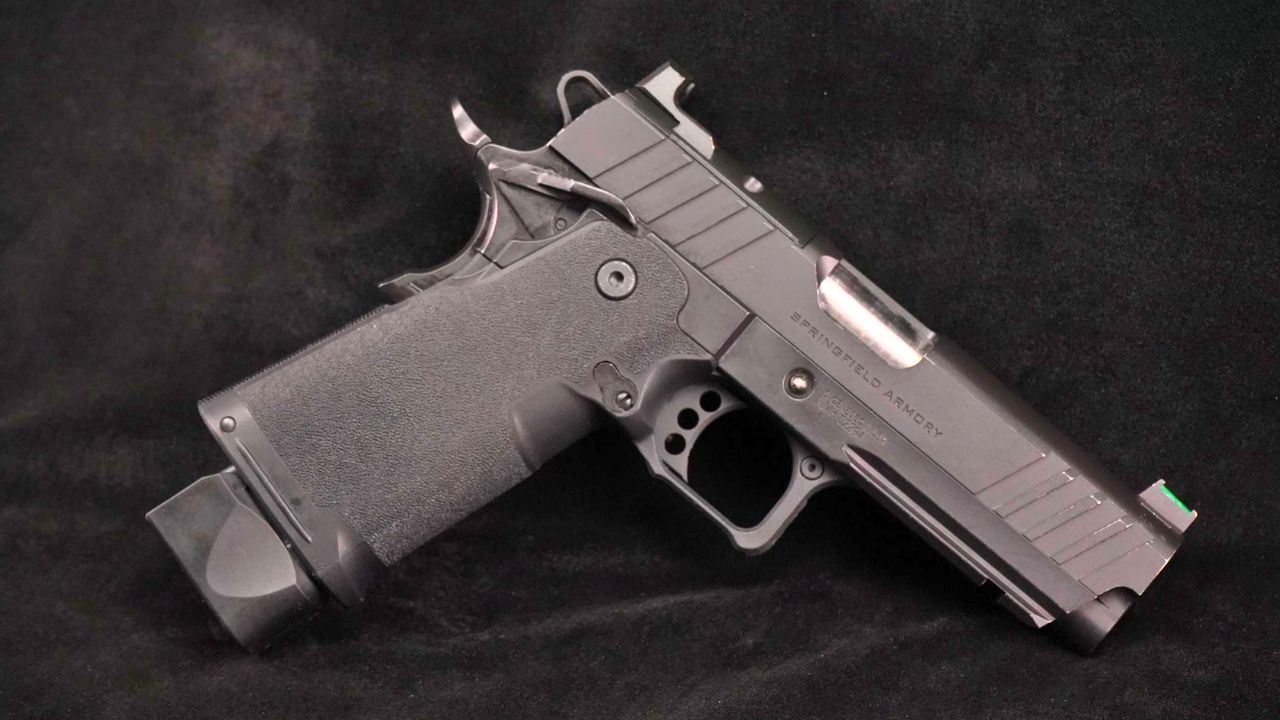
The Springfield Armory 1911 DS Prodigy got a lot of attention because it promised a double-stack 1911-style pistol at a price below many premium 2011-type guns. That combination sounded almost irresistible. Shooters wanted the capacity, trigger feel, and competition-style performance without paying true high-end 2011 money.
The issue is that “affordable 2011-style pistol” is still not exactly cheap. When owners spend that kind of money, they expect smooth function and confidence from the start. Early reports and owner experiences were mixed enough that some buyers felt like they were paying to troubleshoot a gun that was supposed to feel like an upgrade. Even when a Prodigy runs well, the buyer may still compare it to both cheaper striker-fired pistols and more expensive 2011s. That middle ground can be dangerous. It is costly enough to sting, but not always refined enough to make the sting disappear.
FN Five-seveN

The FN Five-seveN is one of those pistols people often want because it is different. The 5.7x28mm cartridge, lightweight feel, high capacity, and futuristic reputation make it stand out immediately. It is not another 9mm service pistol, and that alone gives it showroom appeal.
Then the owner starts paying for the experience. The pistol itself is expensive, ammunition is not as cheap or available as common handgun calibers, and the actual use case can feel narrower than the hype suggests. It is fun, flat-shooting, and interesting, but many owners eventually realize they spent a lot of money to own something unusual rather than something they use constantly. For collectors and 5.7 fans, it can be worth it. For the average buyer chasing novelty, it may never earn back the cost.
Desert Eagle .50 AE
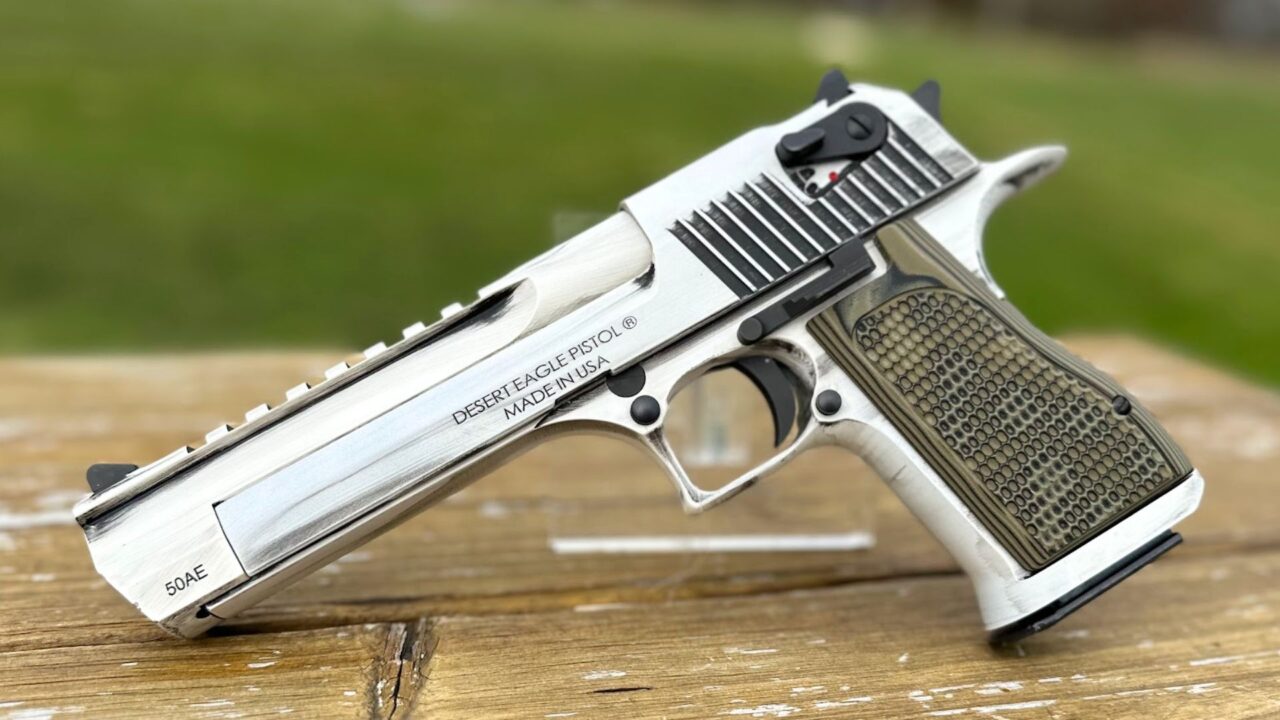
The Desert Eagle in .50 AE is one of the most famous “I want one” pistols ever made. It is huge, loud, dramatic, and instantly recognizable. Nobody buys one because it is practical. They buy it because it feels like owning a piece of movie-poster gun culture.
That is also why many owners eventually feel the money was hard to justify. The pistol is heavy, expensive to feed, and not especially pleasant for long range sessions. It is not a normal carry gun, not a practical home-defense choice for most people, and not something most shooters bring out every weekend. It becomes a novelty that impresses friends for a magazine or two, then goes back into the case. If the owner bought it for fun and knew that going in, fine. If they expected it to feel like a smart long-term purchase, the regret can arrive quickly.
Staccato CS

The Staccato CS has a huge fan base, and plenty of owners genuinely love it. It brings the 2011-style feel into a more carry-friendly package, with a good trigger, strong shootability, and premium branding. For someone who wants that exact experience, it can be a very satisfying pistol.
The problem is the price. Once a carry pistol costs that much, it has to clear a very high emotional bar. Some buyers realize they are less comfortable carrying such an expensive gun every day. Others find that cheaper pistols like a Glock 19, SIG P365 XMacro, Smith & Wesson Shield Plus, or Walther PDP Compact do enough of the real-world job for far less money. The Staccato CS may shoot beautifully, but if it spends most of its life protected in the safe because the owner is nervous about wear, evidence lockers, or damage, it may not earn back what was spent.
Walther Q5 Match Steel Frame

The Walther Q5 Match Steel Frame feels fantastic to many shooters. It is heavy, stable, accurate, and built with competition-style shooting in mind. It also has the kind of premium look and feel that makes it easy to justify in the gun shop when someone wants something nicer than another polymer pistol.
But it is not cheap, and its role is specific. It is too large and heavy for normal carry, more expensive than many excellent competition-ready polymer pistols, and not as dominant in the serious competition world as some buyers may expect for the money. The owner may love shooting it, but still find that it does not get used enough to justify the price. It is a great pistol for the right person. For the wrong buyer, it becomes an expensive range toy that never quite pays for itself in actual trigger time.
CZ Shadow 2

The CZ Shadow 2 is an excellent pistol, but even excellent pistols can fail to earn back their cost for the wrong owner. It is heavy, accurate, soft-shooting, and beloved by many competition shooters. In the hand, it feels like a serious piece of equipment.
The regret comes when someone buys it because the internet loves it, not because they actually need a heavy competition-style pistol. It is not a practical carry gun, and it may be more pistol than a casual range shooter really needs. If the owner is not competing or shooting high round counts, the Shadow 2 can become a very expensive way to punch paper occasionally. There are cheaper CZs and other full-size pistols that provide plenty of enjoyment for less money. The Shadow 2 earns its keep when used hard. Sitting in a safe, it becomes an expensive trophy.
Laugo Alien

The Laugo Alien is one of the most interesting pistols on the market. Its low bore axis, unusual operating system, and futuristic design make it feel like something from another planet. For shooters who appreciate engineering, it is fascinating.
But fascination is not the same as value for most buyers. The Alien is extremely expensive, specialized, and far outside what the average handgun owner needs. It may perform well, but the cost puts it in a category where every flaw, inconvenience, and limitation feels magnified. Parts, support, competition fit, and long-term ownership questions can make the purchase feel more like a collector experiment than a smart pistol buy. It is cool. No question. But cool does not always earn back the money.
Taurus Judge
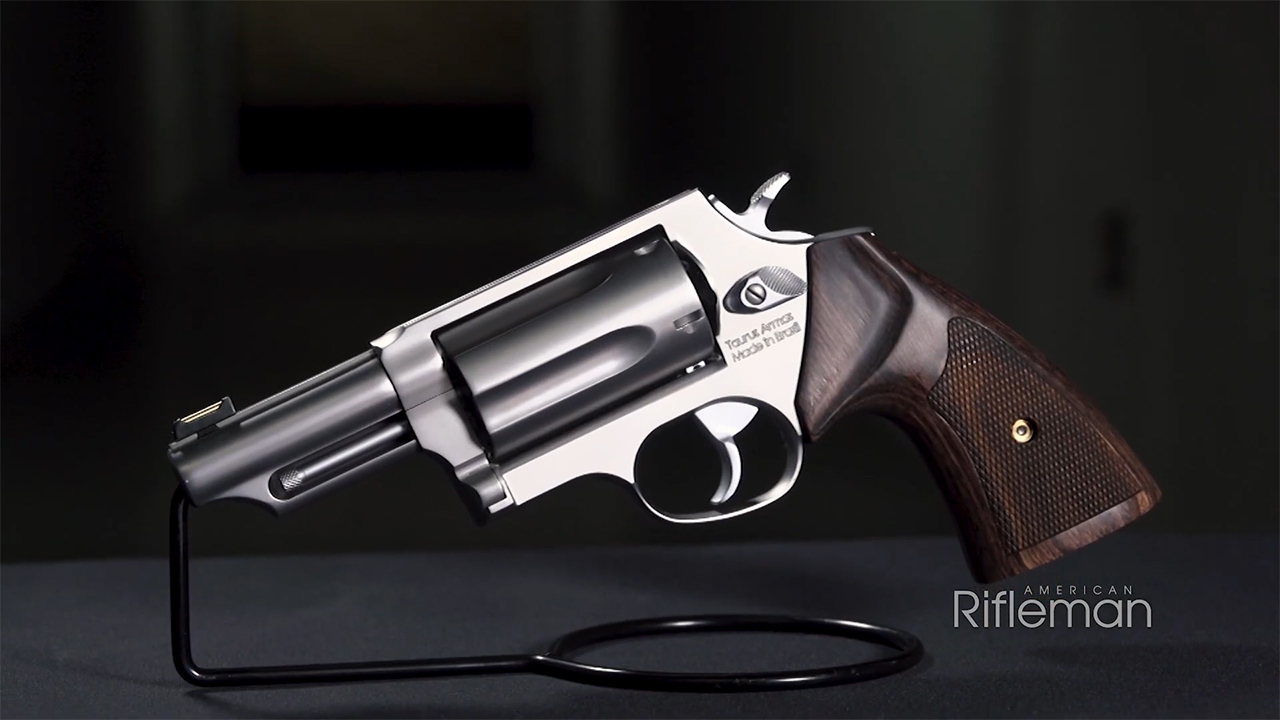
The Taurus Judge has sold because the idea is simple and dramatic: a revolver that fires .45 Colt and .410 shotshells. That sounds versatile, intimidating, and useful in a way that grabs attention fast. Gun counter conversations practically write themselves around it.
The reality can be less satisfying. The Judge is bulky, the defensive usefulness of .410 handgun loads is often debated, and .45 Colt from that platform is not always as pleasant or accurate as buyers imagine. It can be fun as a novelty and may have niche uses, but many owners realize later that it does not replace a good defensive handgun, a real shotgun, or a good field revolver. It tries to be several things at once, and that can make it feel like it never fully justifies the money.
Colt Delta Elite

The Colt Delta Elite has real appeal. It is a Colt 1911 chambered in 10mm, and that combination alone is enough to make many shooters interested. For fans of the cartridge and the platform, it can feel like a must-own pistol.
The trouble is that the Delta Elite can be expensive while still requiring the buyer to accept normal 1911 realities. Full-power 10mm can be hard on guns and shooters, recoil is sharper than standard .45 ACP, and not every owner actually needs what 10mm offers. Some people buy the Delta Elite because it sounds powerful and iconic, then discover they do not enjoy shooting it enough to justify the price. It is a cool pistol, but cool does not always equal useful. For many owners, a more modern 10mm or a less expensive 1911 would have made more sense.
Maxim 9
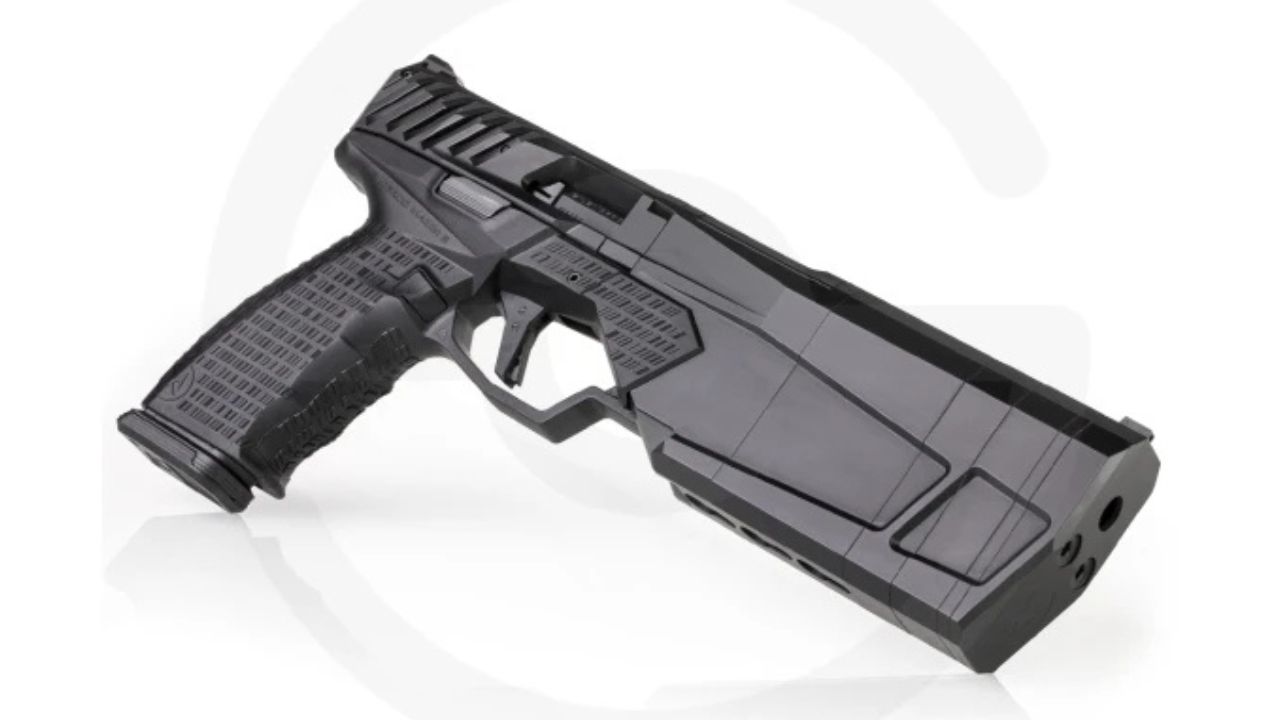
The SilencerCo Maxim 9 sounded like the future when people first saw it: an integrally suppressed 9mm pistol with sci-fi styling and one-tax-stamp simplicity. It looked like the kind of gun that would make every range trip more interesting.
Then reality narrowed the appeal. It is expensive, unusual, and not as simple to live with as a normal pistol plus a separate suppressor setup. The shape affects holster options, the platform is specialized, and buyers have to deal with the normal suppressor ownership process. For the right collector or suppressor enthusiast, it is fascinating. For the average shooter, it can become a costly novelty that does not get used as much as expected. The concept is brilliant. The ownership value is more complicated.
H&K Mark 23

The H&K Mark 23 is legendary, and that legend is exactly what gets people into trouble. It is big, tough, accurate, and tied to special-operations history. It feels like a serious pistol because it is one. Nobody can honestly call it cheaply made or unimpressive.
But it is enormous. For most owners, it is not a practical carry gun, not a convenient nightstand gun compared with simpler options, and not a range pistol they shoot cheaply. The cost of the pistol, magazines, threaded-barrel accessories, and .45 ACP adds up quickly. Many people buy the Mark 23 because they want the legend, then realize the legend is physically huge and financially demanding. It may hold value better than many pistols, but as a use-based purchase, it often never earns back the money.
Micro-Compact 1911s

Micro-compact 1911s are tempting because they promise 1911 feel in a tiny carry package. That sounds perfect to people who love the platform but want something easier to conceal. The problem is that shrinking the 1911 can create more compromises than buyers expect.
Short barrels, small grips, sharper recoil, lower capacity, and increased sensitivity to magazines and ammunition can make these pistols frustrating. Some examples run well, but others require patience that feels unreasonable for the price. When a buyer spends serious money on a tiny 1911 and then realizes a cheaper micro-compact 9mm carries easier, holds more, recoils less, and requires less attention, regret comes fast. A small 1911 sounds romantic. Living with one can be a very expensive lesson.
High-End Custom Glocks
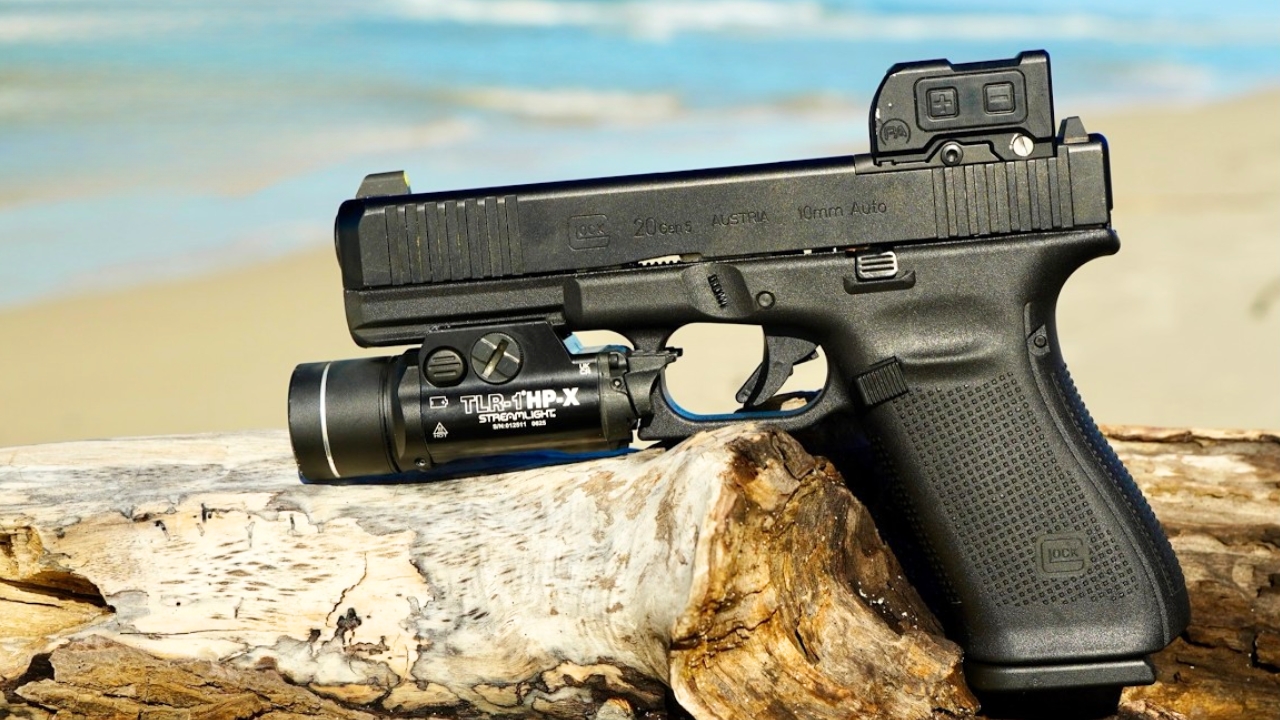
A custom Glock can look incredible online. Slide cuts, stippling, coatings, barrels, triggers, magwells, and optics can turn a plain pistol into something that looks built for serious performance. The owner may spend enough to buy two or three stock pistols by the time the project is finished.
The problem is that the finished gun rarely earns all that money back. A stock Glock already works well for most people. Once it is heavily modified, resale value becomes personal and unpredictable. The next buyer may not want the same stipple pattern, trigger feel, slide cuts, or color scheme. Worse, some modifications can affect reliability if done poorly. A thoughtful upgrade here and there can make sense. A full custom build can become a money pit that looks cool but never delivers enough improvement to justify the total cost.
Like The Avid Outdoorsman’s content? Be sure to follow us.
Here’s more from us: