Photo credit: Brownells, Inc./Youtube
A gun deal can look perfectly reasonable in the moment. Maybe the offer is fair. Maybe the buyer has cash in hand. Maybe the trade looks exciting because the other gun is newer, lighter, cooler, or easier to justify.
Then time does what time does.
The old gun becomes harder to find. The replacement does not feel the same. The owner realizes the gun they let go filled a role nothing else has filled since. These are the firearms that remind owners why some deals should never happen, even when they look tempting at first.
Winchester Model 70 Classic Stainless
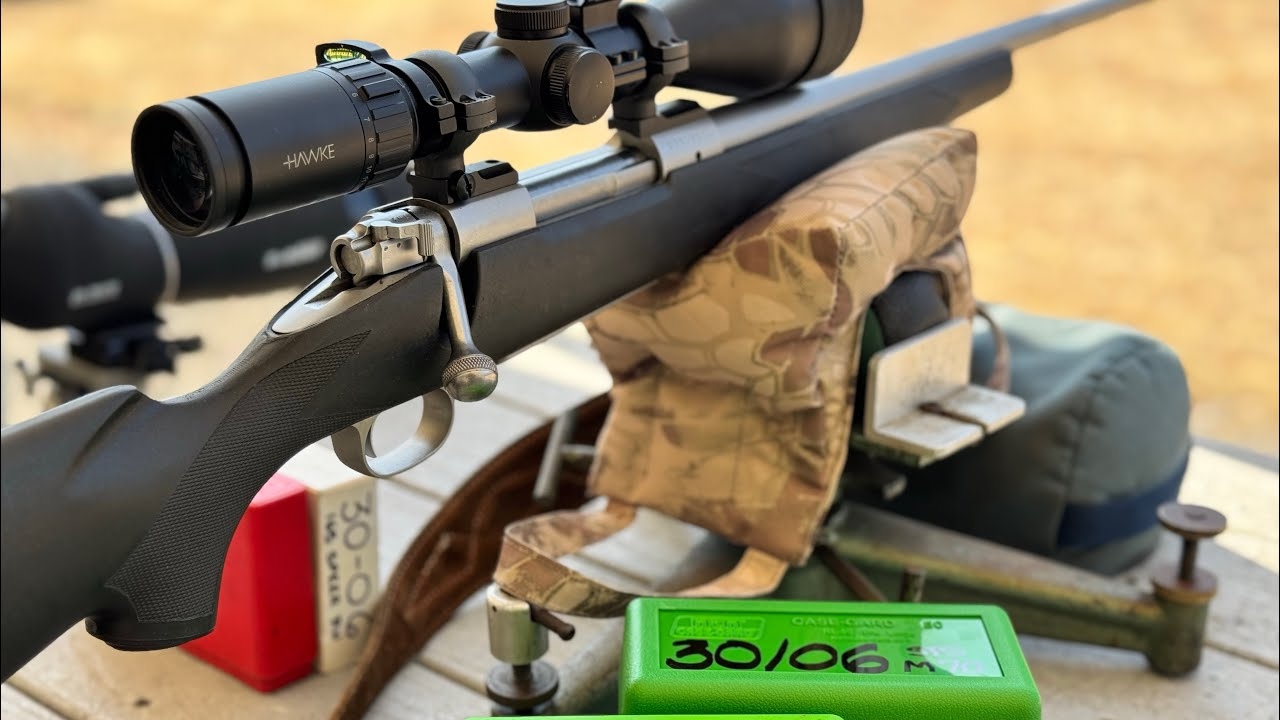
The Winchester Model 70 Classic Stainless is the kind of rifle a hunter may not fully appreciate until it is gone. It combined controlled-round-feed confidence with stainless practicality, giving owners a hunting rifle that felt traditional without being too precious for bad weather.
That is exactly why selling one can sting. A newer rifle may be lighter, cheaper, or more modern, but it may not have the same mix of old-school Model 70 feel and field-ready finish. The three-position safety, claw extractor, and classic handling all add up. A deal may have made sense when the rifle was sitting unused, but replacing that exact combination later can be frustrating. Some rifles are worth keeping simply because they already solved the problem.
Smith & Wesson Model 586
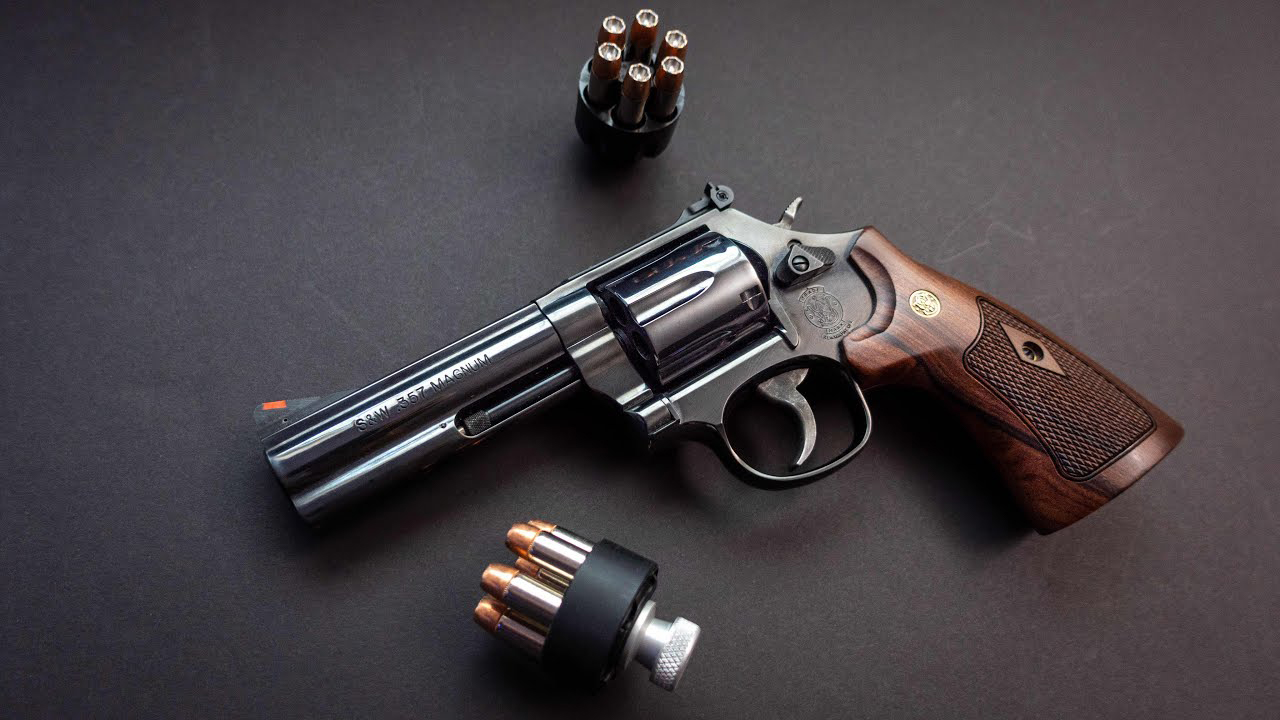
The Smith & Wesson Model 586 is one of those revolvers that proves a fair deal can still be the wrong deal. It is the blued L-frame .357 Magnum sibling to the stainless 686, and that deep blued finish gives it a classic beauty many owners miss after trading it away.
A 586 balances power and shootability extremely well. It has enough size to handle .357 Magnum better than smaller K-frames while still feeling manageable and refined. It is useful as a range gun, field revolver, or general-purpose wheelgun. The problem is that clean older Smith revolvers have only become more desirable. An owner who sold one for a “good price” may later realize the price was only good for the buyer.
Marlin 1894C
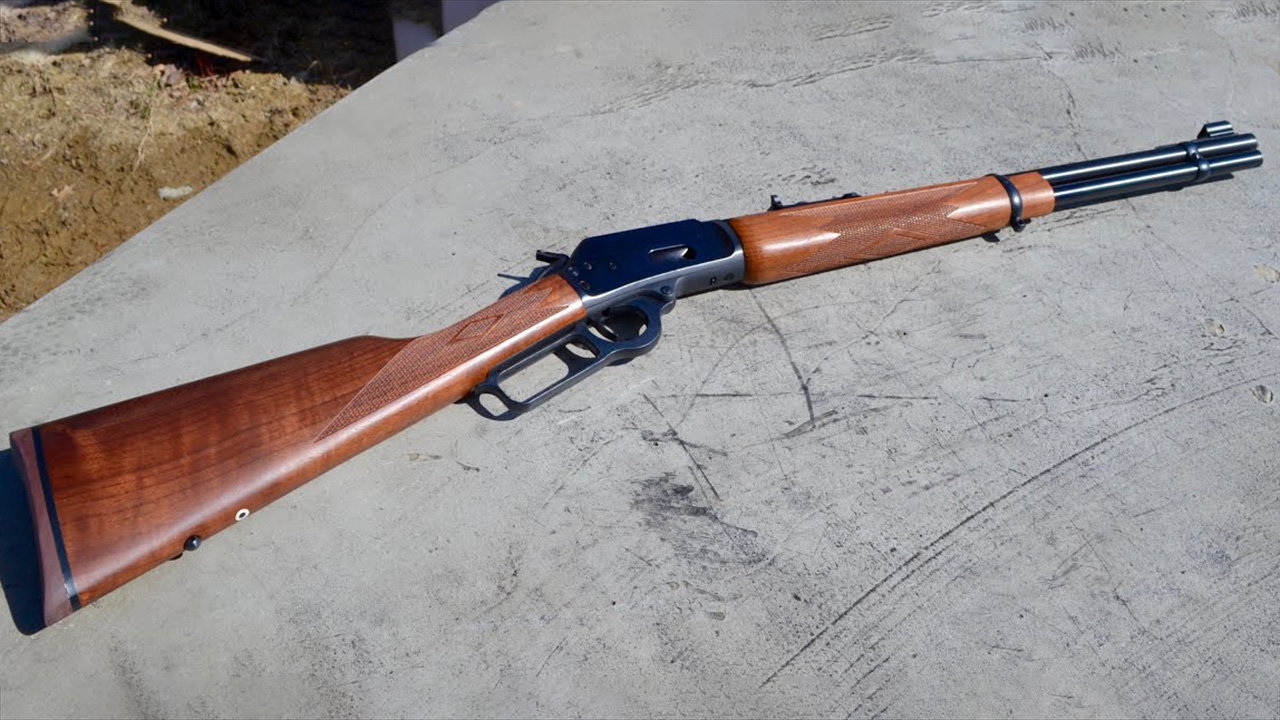
The Marlin 1894C in .357 Magnum is a rifle that makes former owners replay the deal in their heads. At the time, it may have seemed like a fun lever gun but not an essential one. Maybe it got traded toward a bolt-action hunting rifle, an AR, or a larger lever gun with more power.
Then the owner remembers how useful the .357 carbine was. It could shoot mild .38 Special for cheap, pleasant practice and .357 Magnum for more serious short-range field use where legal and appropriate. It was handy, low-recoil, and genuinely fun. Older Marlins became much more desirable, too. Letting one go can teach a hard lesson: the gun that gets used the most is not always the one that looks most important on paper.
Colt Series 70 Government Model
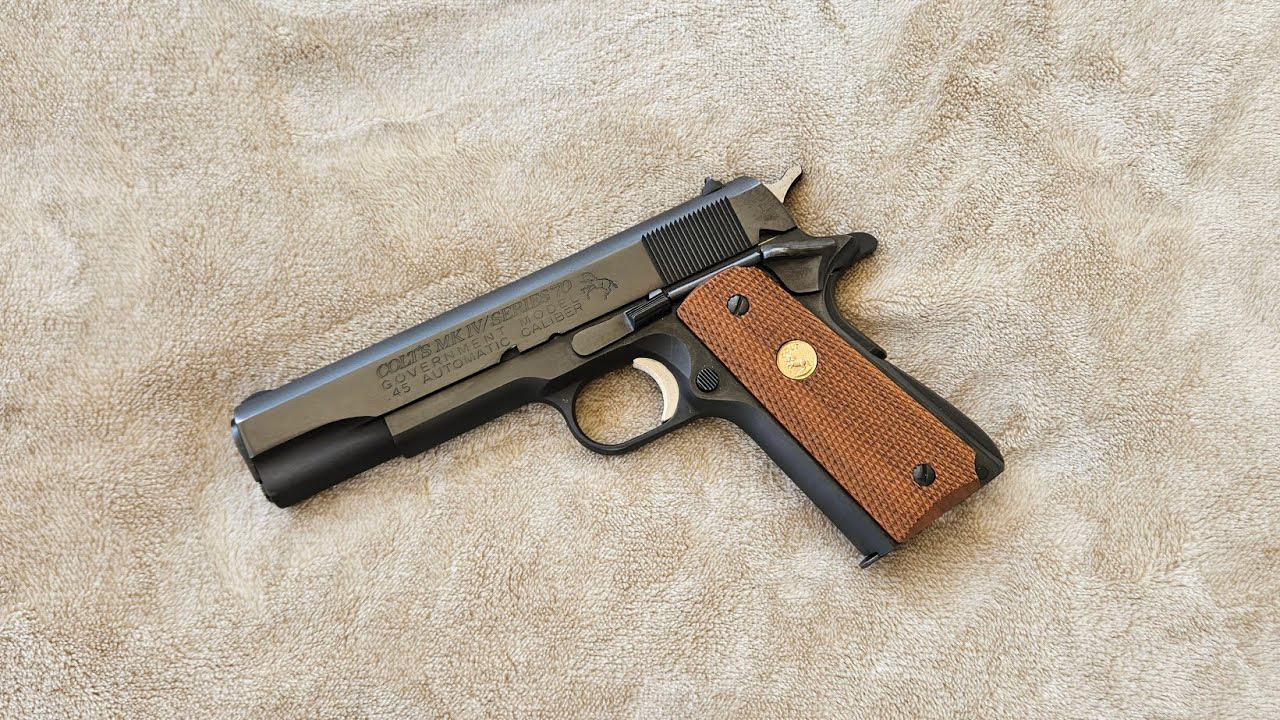
The Colt Series 70 Government Model is a pistol that can make a deal feel worse as the years go by. Plenty of owners traded older Colts toward newer 1911s with better sights, beavertails, checkering, rails, or match features. In the moment, the trade may have looked like an upgrade.
But a classic Colt has a pull that feature-heavy pistols do not always replace. The Series 70 name, clean lines, traditional configuration, and Colt rollmark all matter to 1911 people. It may not have every modern convenience, and reliability should always be proven with any individual pistol. Still, once it is gone, the owner may realize they traded history for accessories. Some deals should never happen because original charm is harder to buy back than upgraded parts.
Remington 541-T
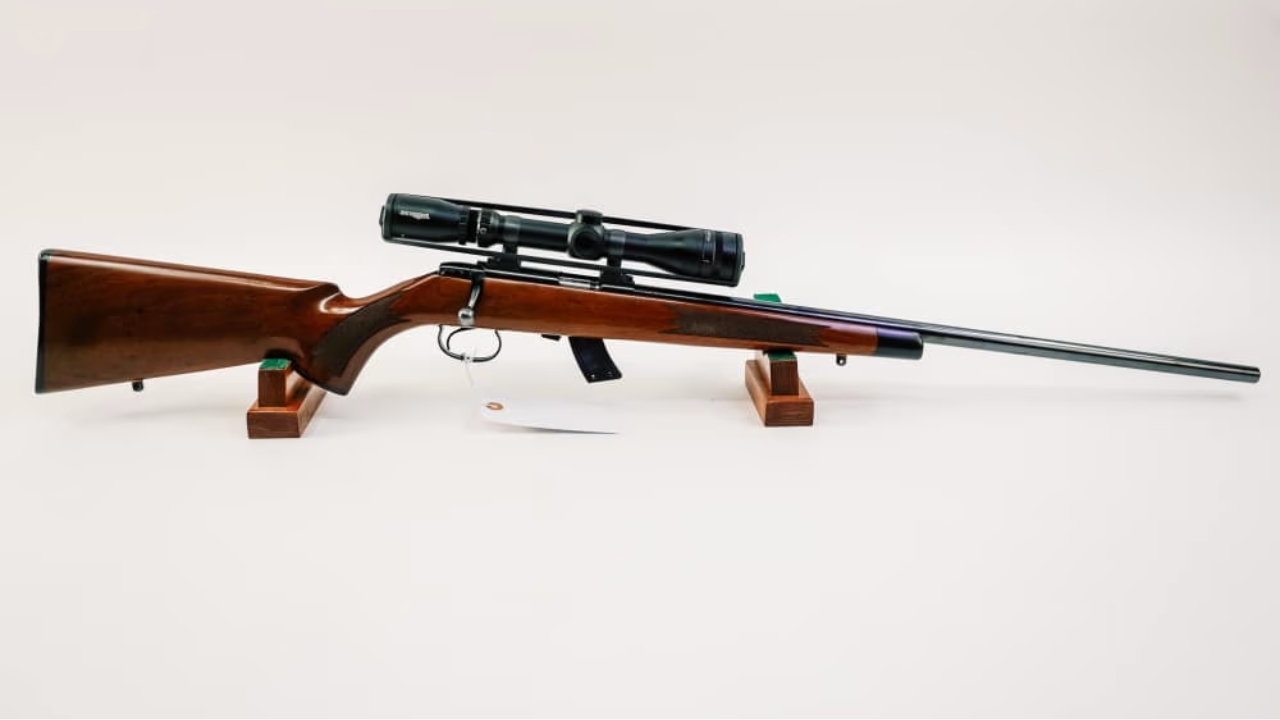
The Remington 541-T is a rimfire that many owners regret selling because it did not always look dramatic enough to protect. It was a quality bolt-action .22, but rimfires are easy to undervalue when centerfire rifles and handguns are calling for attention.
That is how bad deals happen. A good 541-T is accurate, well-made, and enjoyable in a way that cheap .22 rifles often are not. It can serve as a serious small-game rifle, target rifle, or precision practice rifle without feeling like a toy. Once owners start looking for another, they realize refined rimfire sporters and target-style .22s are not as common as they assumed. Selling a great .22 often feels harmless until the replacement search begins.
Browning Hi-Power
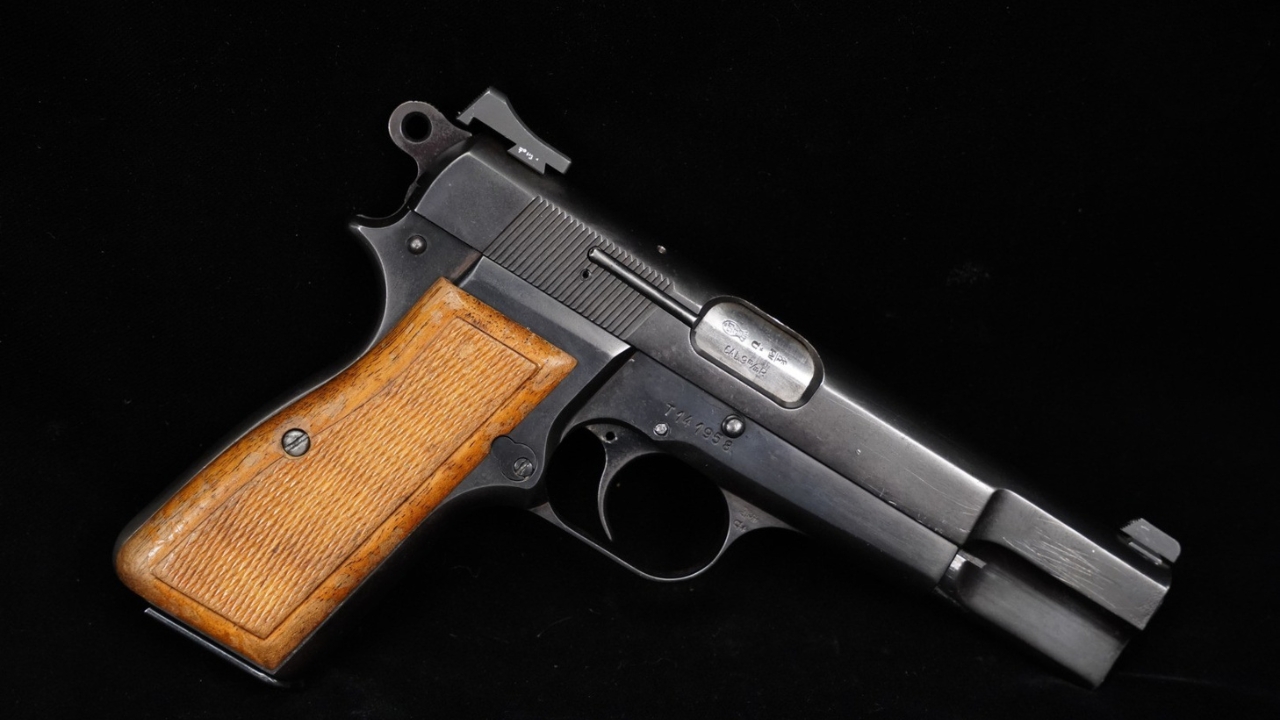
The Browning Hi-Power has been part of many deals that looked smart at the time. A shooter may have traded one toward a modern polymer 9mm with better sights, easier maintenance, more accessory support, or a better out-of-box trigger. On a spec sheet, that can make sense.
The regret comes from feel. The Hi-Power is slim for a double-stack, beautifully balanced, and historically important. It points naturally for many shooters and carries an elegance that modern pistols rarely duplicate. It may not be the most practical defensive pistol today, but practicality is not the only reason a gun matters. Owners who traded one sometimes discover they can replace the function easily, but not the feeling.
Ruger No. 1
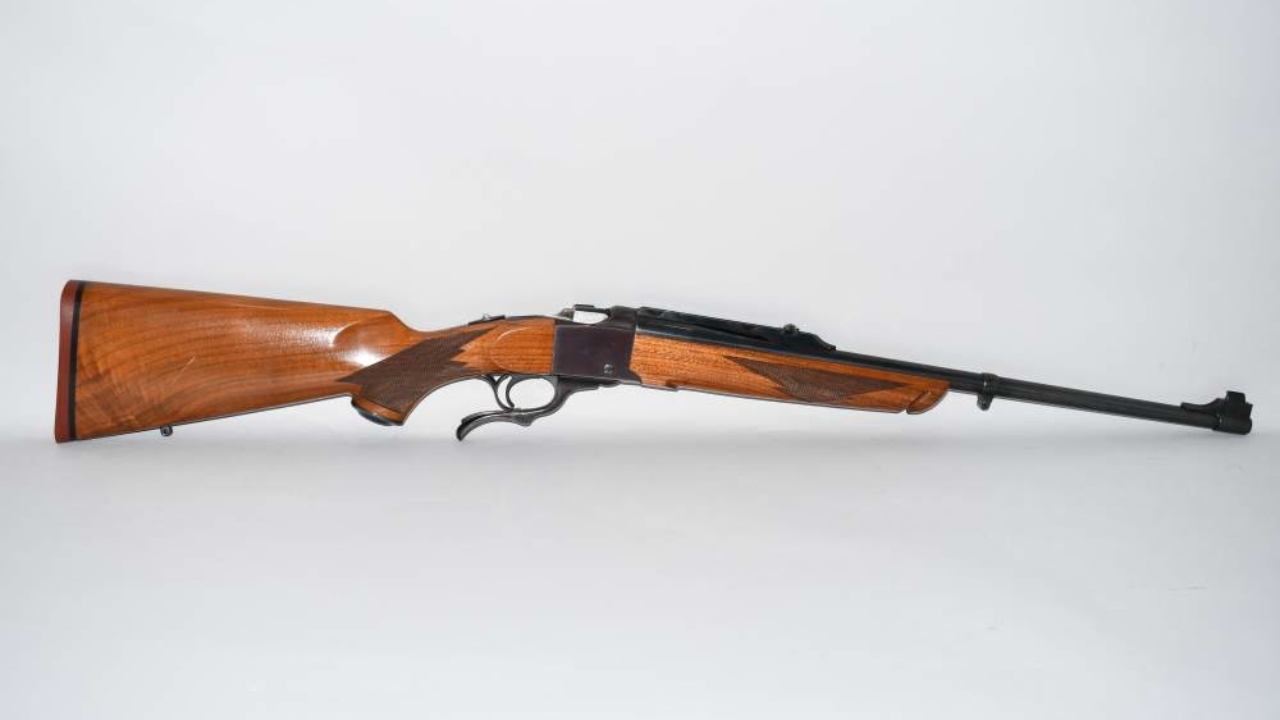
The Ruger No. 1 is a rifle that owners often regret selling because it usually leaves for practical reasons. A single-shot rifle can seem easy to move along when bolt-actions, semi-autos, and lever guns offer faster follow-up shots. Someone may trade it toward something more useful and feel perfectly logical.
Then they miss the experience. The No. 1 is elegant, compact for its barrel length, and available in chamberings that give each rifle its own personality. It encourages careful shooting and has a presence that ordinary repeaters do not. A deal may have looked good because the replacement was more practical. But the No. 1 was never about being the most practical rifle. It was about making one shot feel important.
SIG Sauer P239
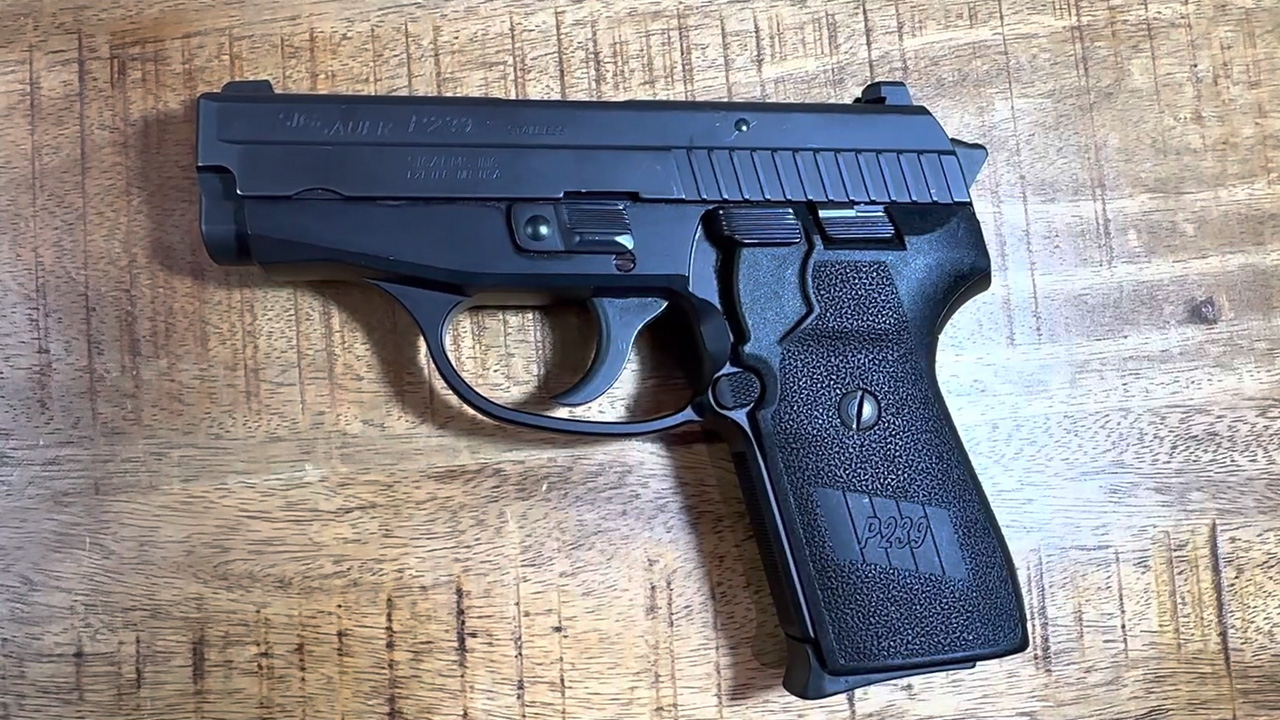
The SIG Sauer P239 is a pistol that can make owners regret a deal because modern carry trends changed so quickly. A single-stack DA/SA pistol can look heavy and low-capacity compared with newer micro-compacts. Trading it toward a smaller, lighter, higher-capacity pistol may seem obvious.
But the P239 shoots better than many tiny carry guns and has the steady, refined feel of an older SIG. It carries flat, handles well, and gives DA/SA fans a compact pistol that still feels serious. Newer options may beat it in capacity, but not always in confidence. Owners who let one go sometimes realize the new pistol is easier to carry but harder to love. That is not always a winning trade.
Ithaca Model 37

The Ithaca Model 37 is the kind of shotgun that can make a simple sale feel like a mistake for years. It may have been just an old pump in the safe, especially if the owner was chasing a new semi-auto or a camo turkey gun. A buyer with cash could make the decision feel easy.
Then bird season comes around. The Model 37’s light carry, slick action, and bottom-eject design give it a personality many modern pumps do not match. It is especially appreciated by left-handed shooters, but anyone can enjoy how gracefully it handles. If it was a Featherlight or a desirable gauge, the regret can get even worse. A shotgun that fits and carries well is worth more than a quick deal.
Ruger 77/44
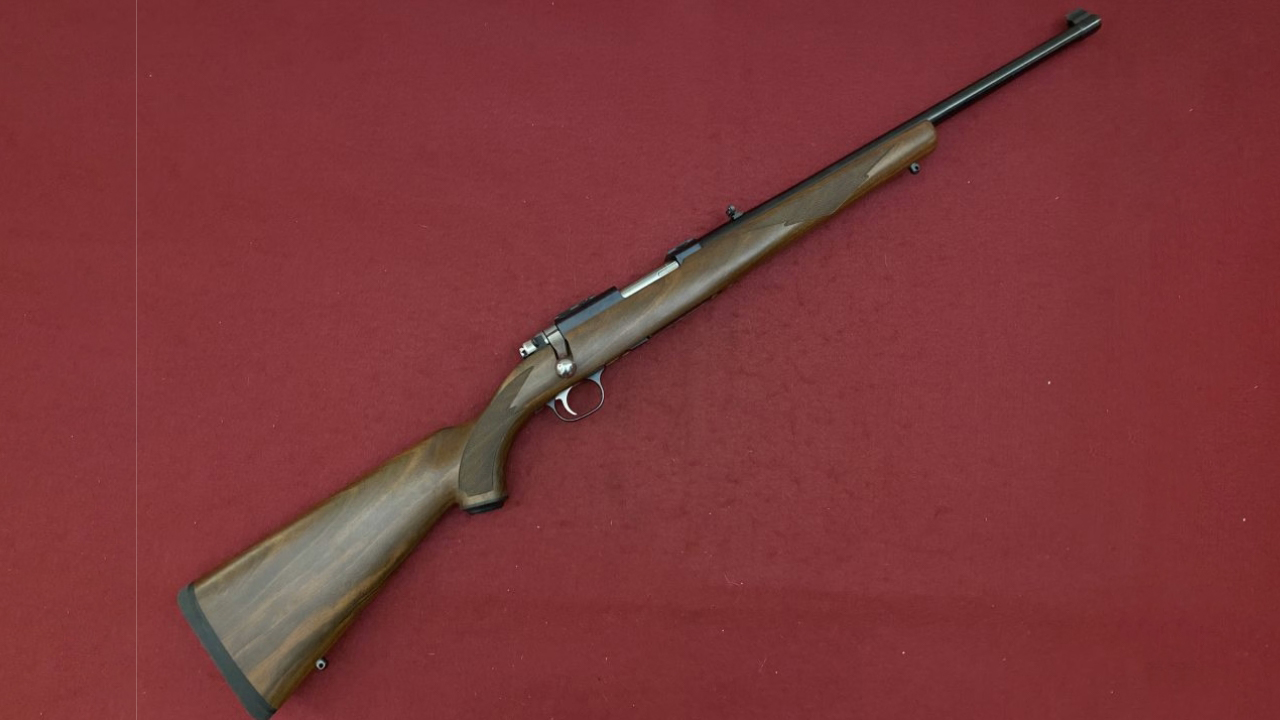
The Ruger 77/44 is a rifle people sometimes sell because they do not quite know where it fits. A bolt-action .44 Magnum is not a traditional deer rifle in the .30-30 or .308 sense, and it is not a lever gun either. That makes it easy to trade toward something more conventional.
Later, owners may realize that was exactly the mistake. The 77/44 is handy, compact, and useful for short-range hunting, hogs, and thick-cover work where legal and appropriate. It can also pair nicely with .44 Magnum revolvers for people who like shared ammunition. It is not meant to stretch distance. It is meant to be practical inside its lane. Once availability tightens, that odd little lane becomes much harder to re-enter.
Beretta 686 Silver Pigeon
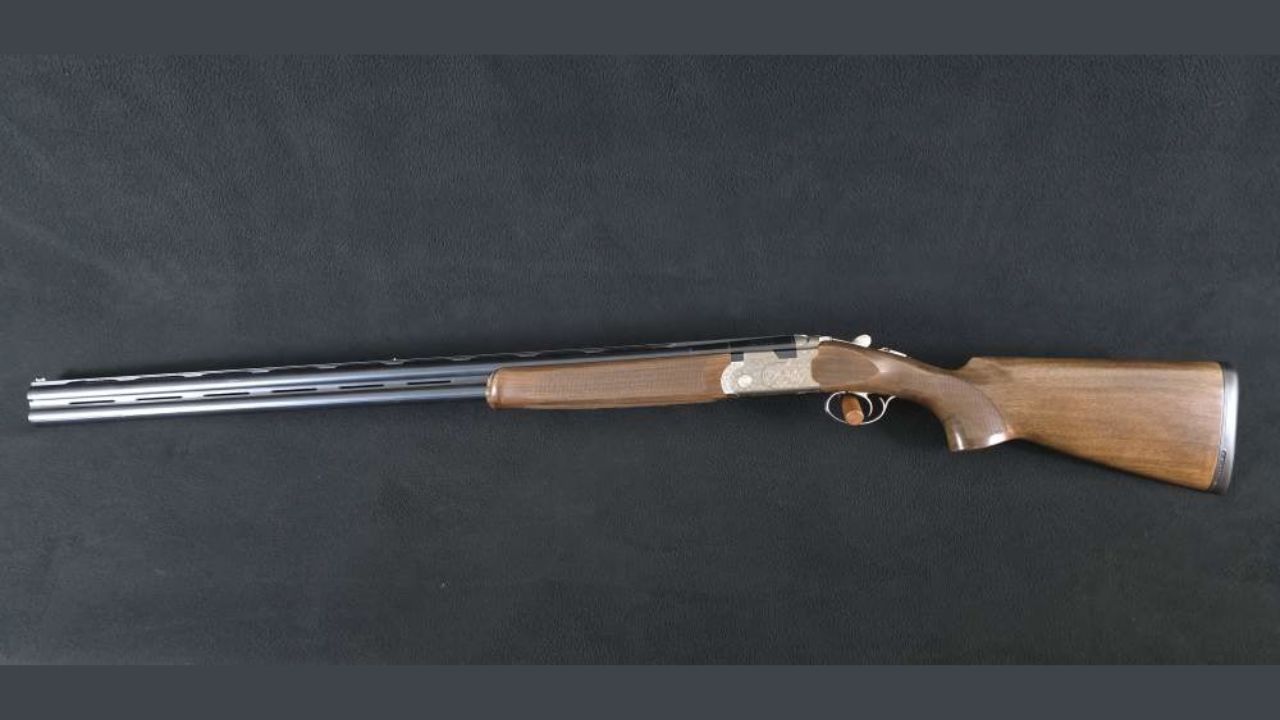
The Beretta 686 Silver Pigeon is a shotgun that should make owners very cautious about deals. It is not the rarest over-under in the world, but it has a reputation for reliability, balance, and long-term usefulness that makes it hard to replace casually.
A trade offer for a newer semi-auto, lighter field gun, or different over-under might seem reasonable. But if the 686 fits, swings well, and has already proven itself on birds or clays, selling it can be a mistake. Shotguns are not just spec sheets. A gun that comes to the shoulder naturally is worth keeping. Many owners who ignore the deal later realize they did not just keep a shotgun. They kept the one that already knew where to point.
Smith & Wesson Model 36
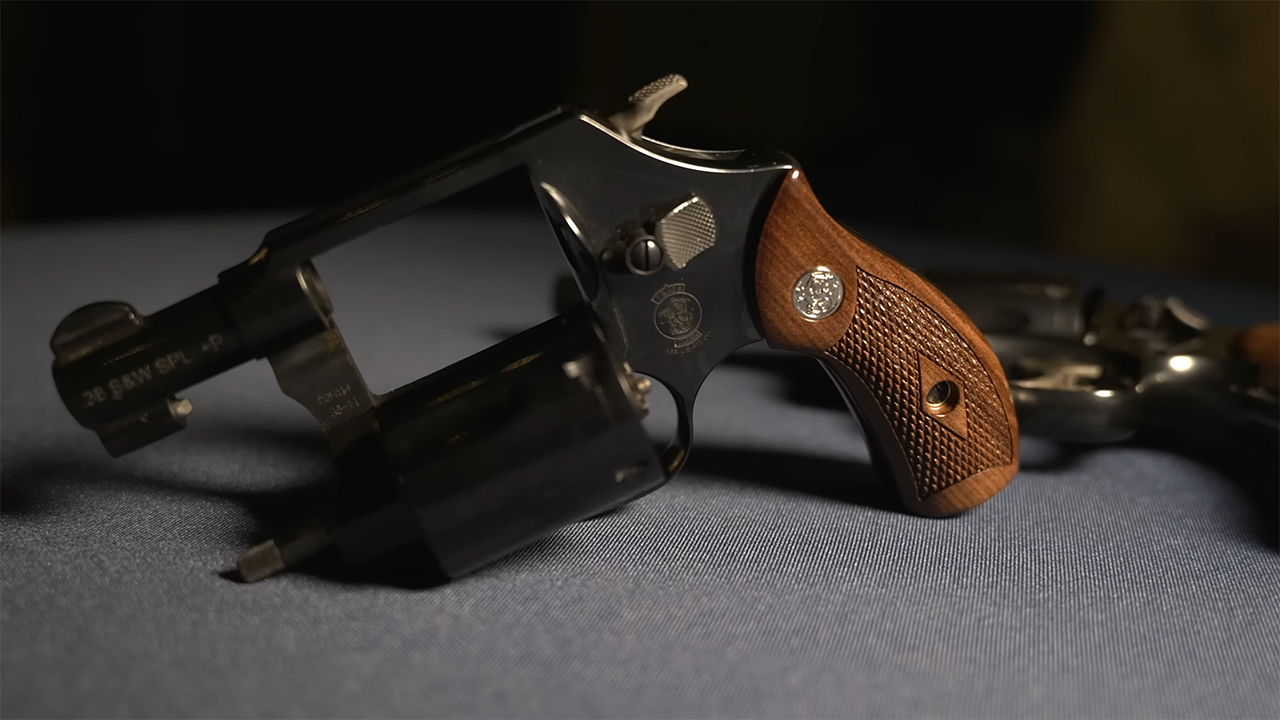
The Smith & Wesson Model 36 is a small revolver that people often sold casually when semi-auto carry guns became more appealing. A five-shot .38 Special J-frame can seem outdated beside a slim 9mm with more capacity and faster reloads. A deal may have looked sensible.
But the Model 36 has classic charm that modern carry pistols do not replace. It is compact, simple, and tied to decades of concealed-carry history. Older pinned examples, flat-latch guns, and clean revolvers with original grips can be especially desirable. Even ordinary Model 36s have a way of becoming personal. Owners who sold one may now understand that a small revolver can be worth keeping even if it is no longer the main carry gun.
Browning BLR
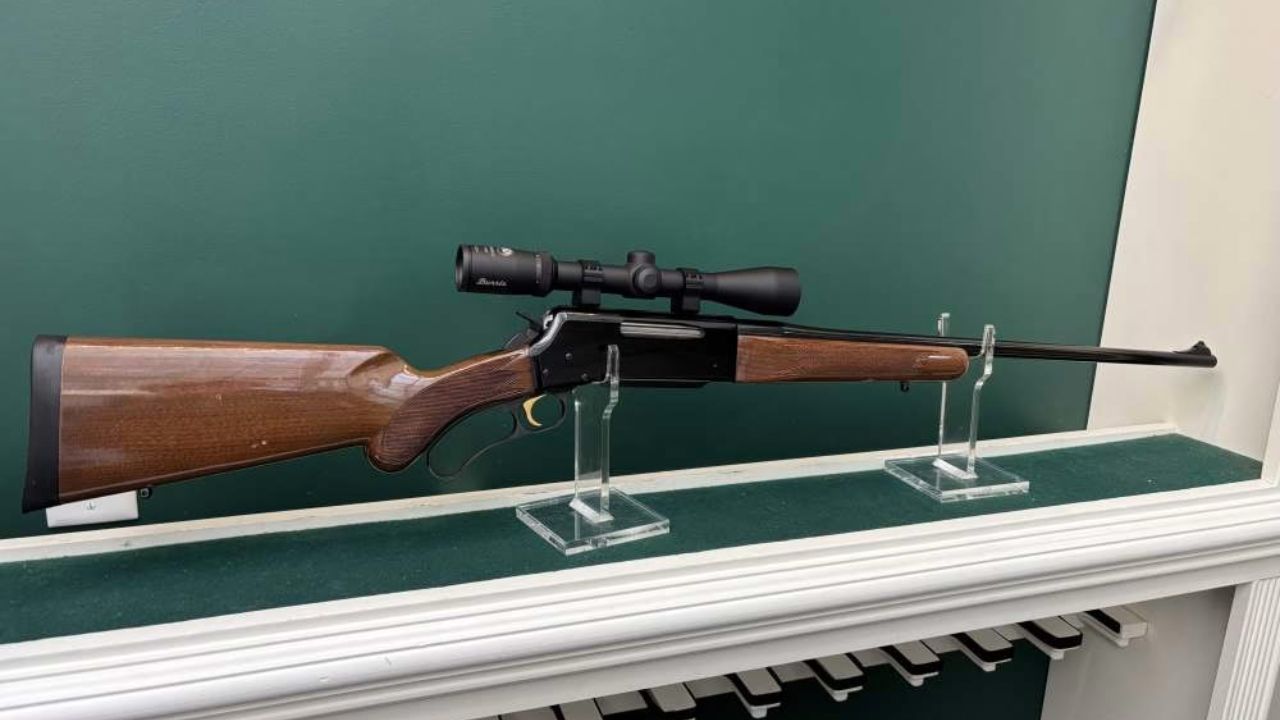
The Browning BLR is a rifle that can make a deal feel foolish because it fills such a specific role. It gives lever-action handling with modern rifle cartridges thanks to its detachable magazine and action design. That makes it different from traditional tube-fed lever guns and different from bolt-actions.
Some owners sell them because they are not as classic-looking as a Winchester or Marlin, or because a bolt-action seems simpler. Then they miss the combination. A BLR in .308 Winchester, .243 Winchester, .358 Winchester, .270 Winchester, .30-06 Springfield, or another useful chambering can be a serious hunting rifle with quick handling. It may not be everyone’s idea of a lever gun, but that uniqueness is exactly why a good one should not leave too easily.
HK USP
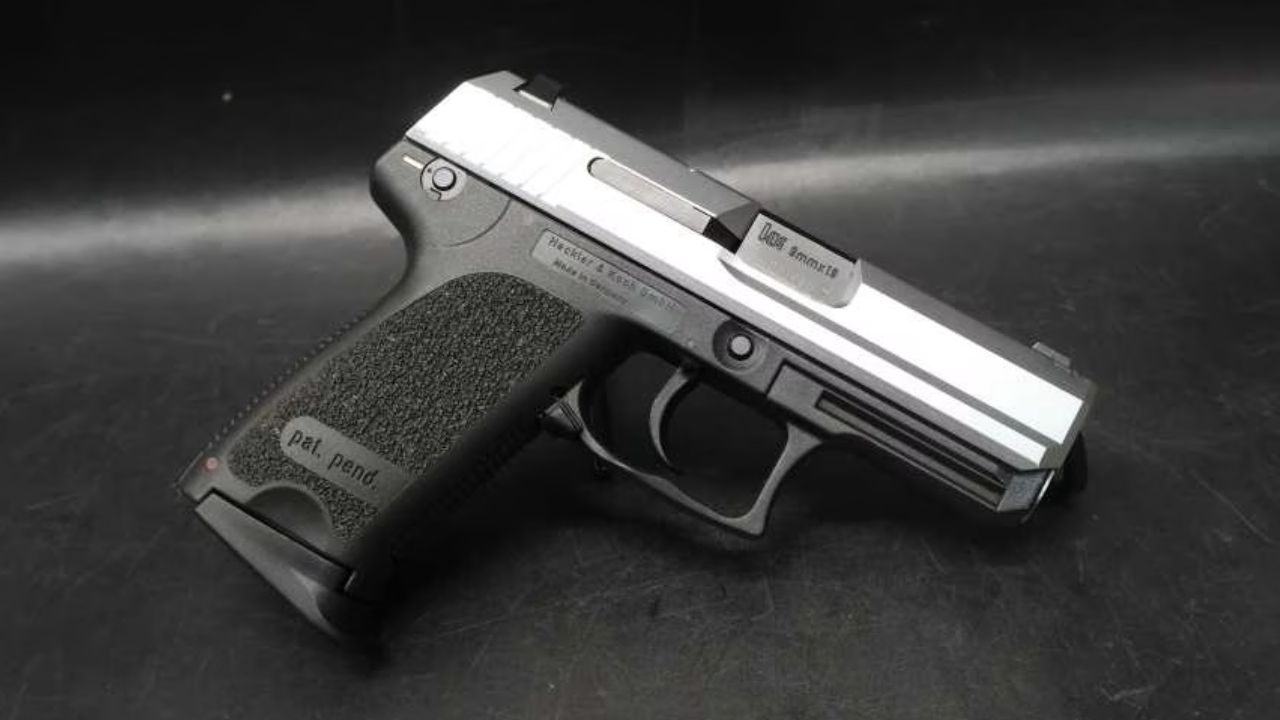
The HK USP is a pistol that reminds owners not every trade toward a newer handgun is an upgrade. It is bulky, overbuilt, and not especially modern by current standards. It lacks the slimness, optic-ready convenience, and lower price of many newer pistols. That makes trade offers tempting.
Then the owner remembers what the USP does well. It feels durable, reliable, and serious. It has a reputation for toughness, traditional control options, and long service life. It may not be the easiest pistol to carry, but as a range, home-defense, or duty-style handgun, it inspires confidence. A newer pistol may be more convenient. That does not mean it will feel as trustworthy. Some deals should not happen because confidence is hard to replace.
Winchester 9422
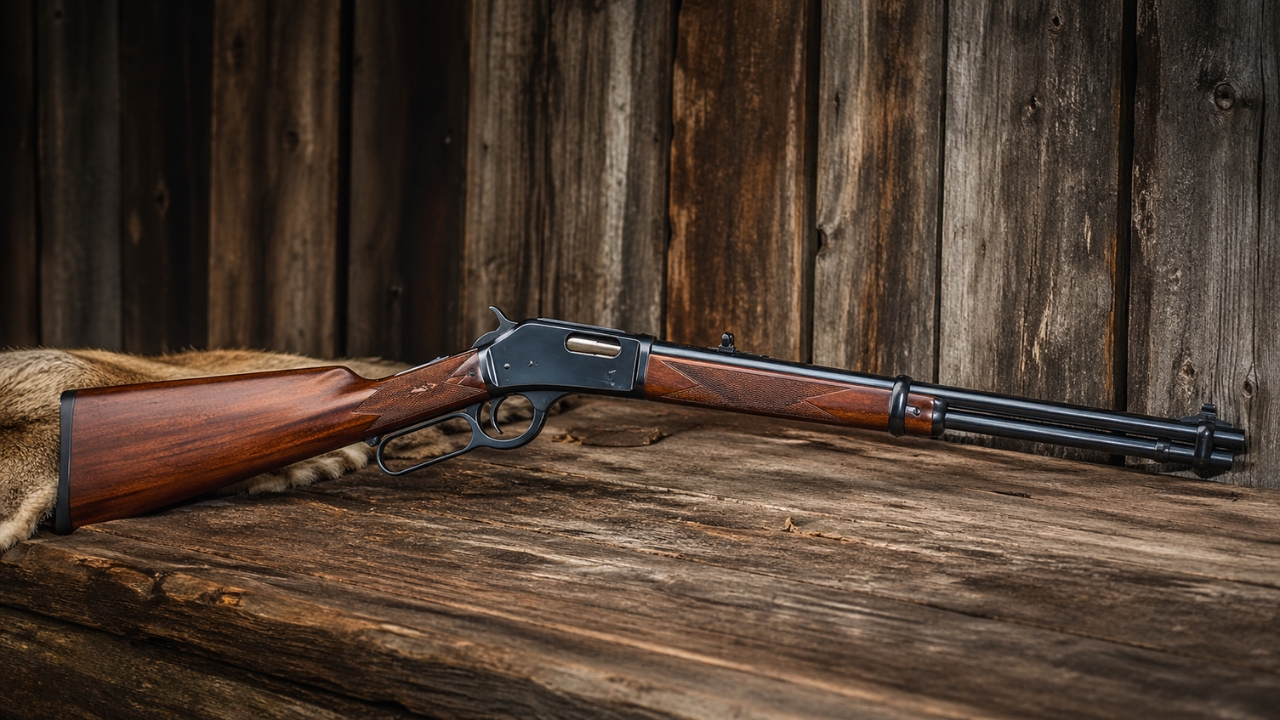
The Winchester 9422 is one of those rimfires that owners should almost never sell casually. A lever-action .22 may seem like a fun extra, especially if the safe already has other rimfire rifles. That is how people talk themselves into bad deals.
The problem is that the 9422 offers smoothness, quality, and classic Winchester feel in a package nearly everyone enjoys. It can teach kids, entertain adults, handle small-game use where legal, and become an heirloom without trying. Modern .22 rifles may be cheaper, more adjustable, or easier to scope, but they do not replace the 9422’s charm. When owners keep one instead of taking the deal, they usually end up thankful. Some guns are worth more as future memories than present cash.
Like The Avid Outdoorsman’s content? Be sure to follow us.
Here’s more from us: