Photo credit: Eastmans Hunting Journals/Youtube
New firearms get complained about before most people even shoot them. The grip looks wrong. The stock looks cheap. The company changed something fans liked. The price seems too high. The gun is “late to the market.” The internet can decide a firearm is disappointing before the first real range reports even settle in.
Sometimes the complaints are fair. Other times, the gun turns out better than the first wave of criticism suggested. It may not be perfect, but it works, shoots well, solves a real problem, or fills a role better than people expected. These newer firearms proved that first impressions are not always the final word.
Springfield Armory Echelon
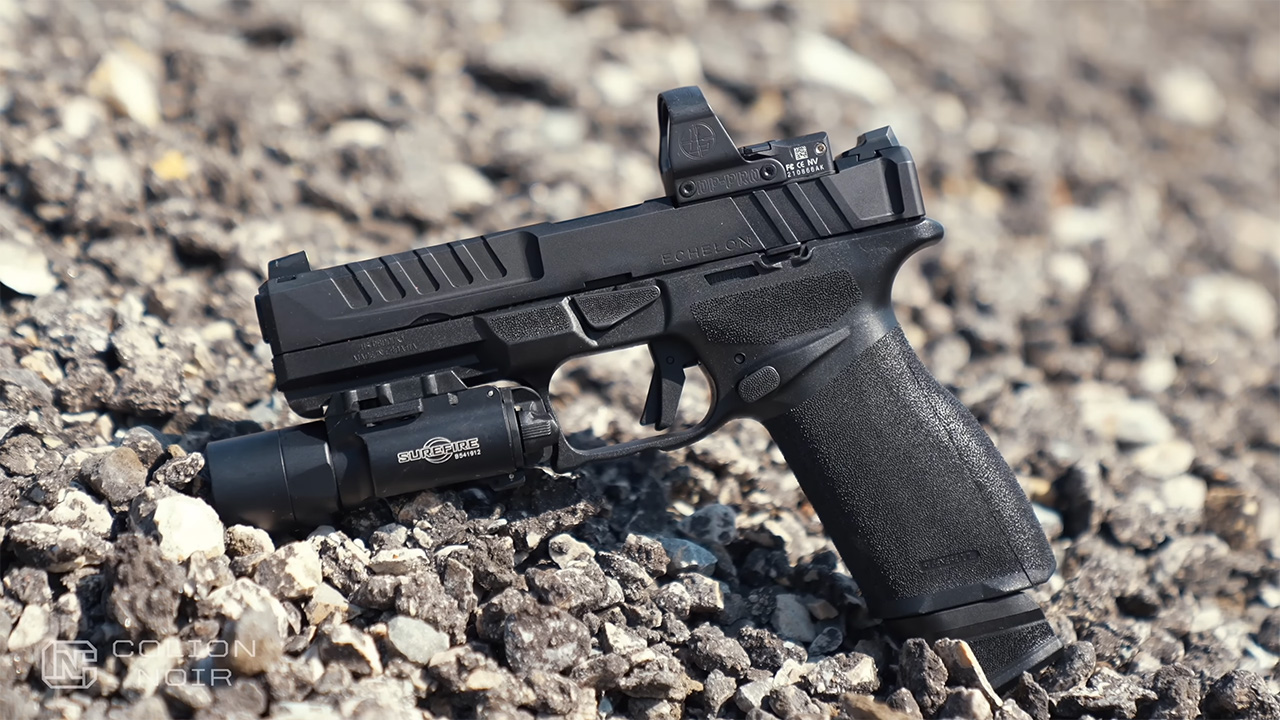
The Springfield Armory Echelon had to fight skepticism because the full-size striker-fired 9mm market is already packed. Glock, Smith & Wesson, SIG, Walther, CZ, and HK all have strong options, so another polymer duty pistol could have easily felt unnecessary. Some shooters assumed it was just Springfield trying to join a crowded party late.
The Echelon turned out better than that. The modular chassis system, strong optics mounting setup, good grip texture, and serious duty-size feel gave it more substance than critics expected. It doesn’t feel like a basic pistol with a few modern features tacked on. It feels like Springfield put real thought into making a current service-style handgun. Not everyone will prefer it over their favorite platform, but the Echelon proved it deserved more than a quick eye roll.
Ruger American Gen II
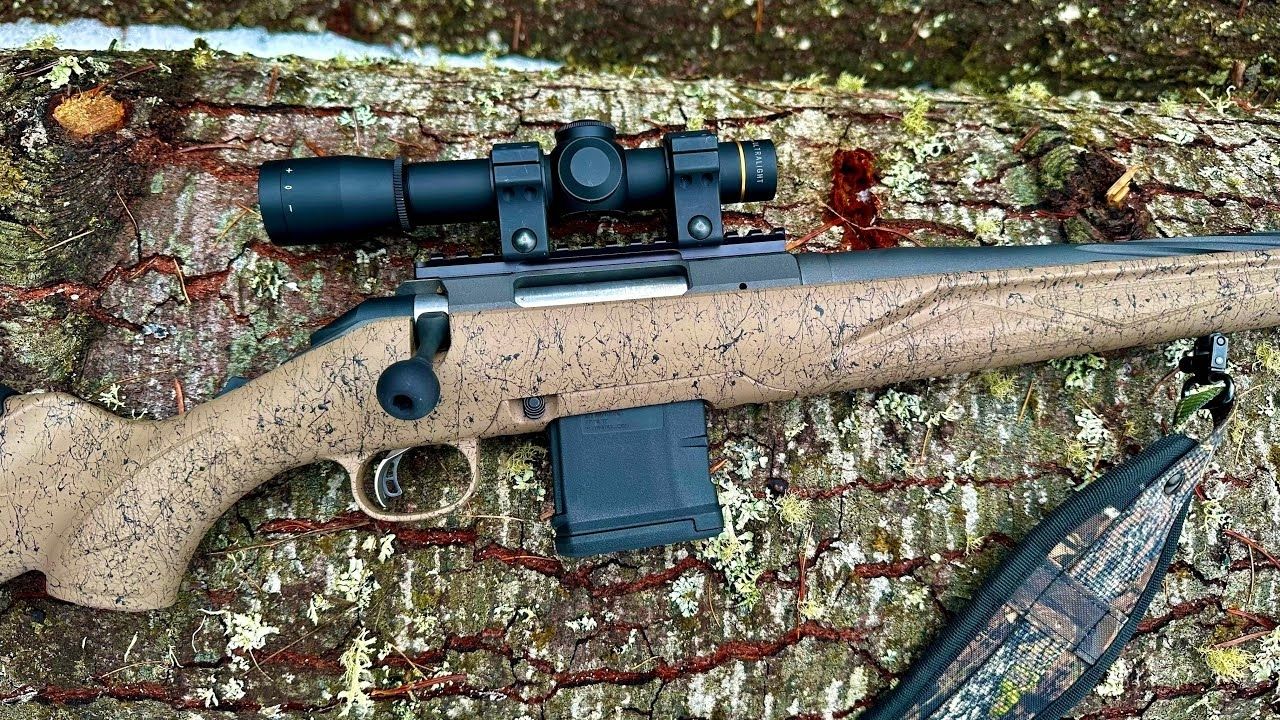
The Ruger American Gen II had a tough job because the original Ruger American already earned a reputation as a plain rifle that shot better than its price suggested. Changing a practical budget rifle can upset people fast, especially if they think the updates are mostly cosmetic.
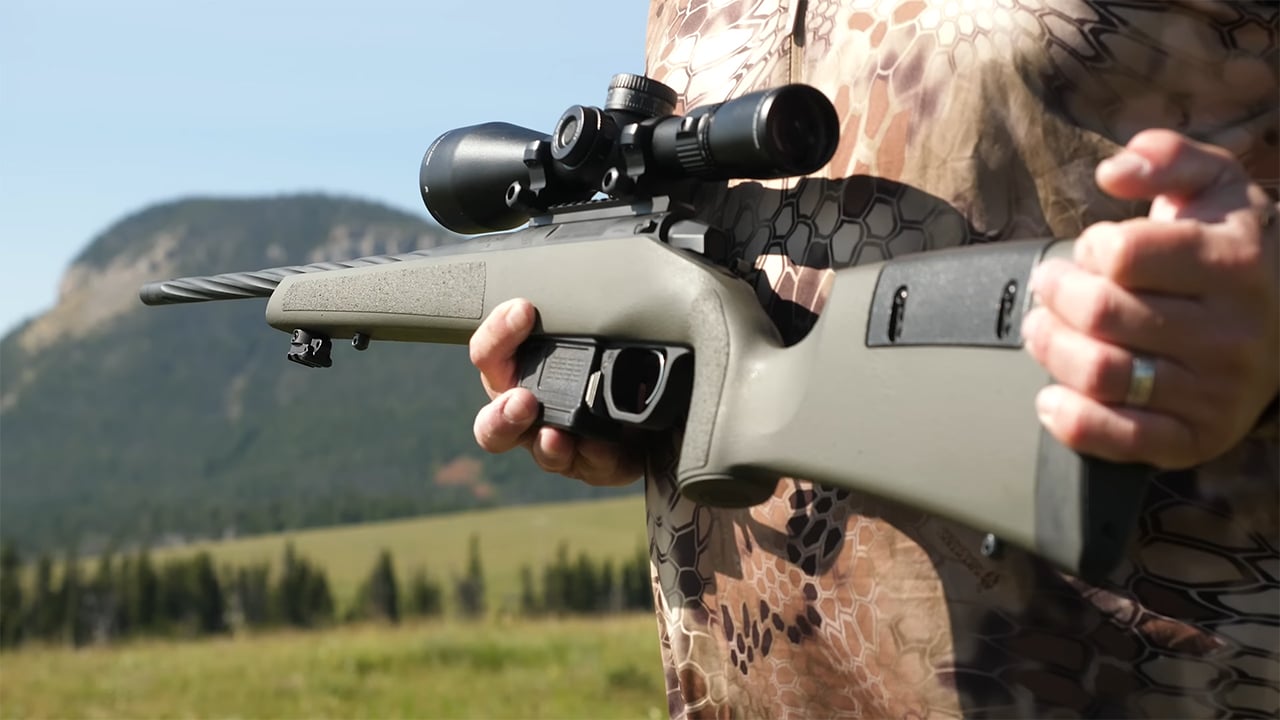
The Gen II made a stronger case once hunters handled it. The improved stock design, better feel, spiral-fluted barrel, and threaded muzzle on many models gave it a more finished personality without losing the affordability that made the line popular. It still isn’t a premium rifle, and nobody should pretend it is. But it feels less bare-bones than the original while keeping the practical accuracy appeal. The complaints made sense at first. The rifle still turned out to be a useful step forward.
Smith & Wesson Bodyguard 2.0
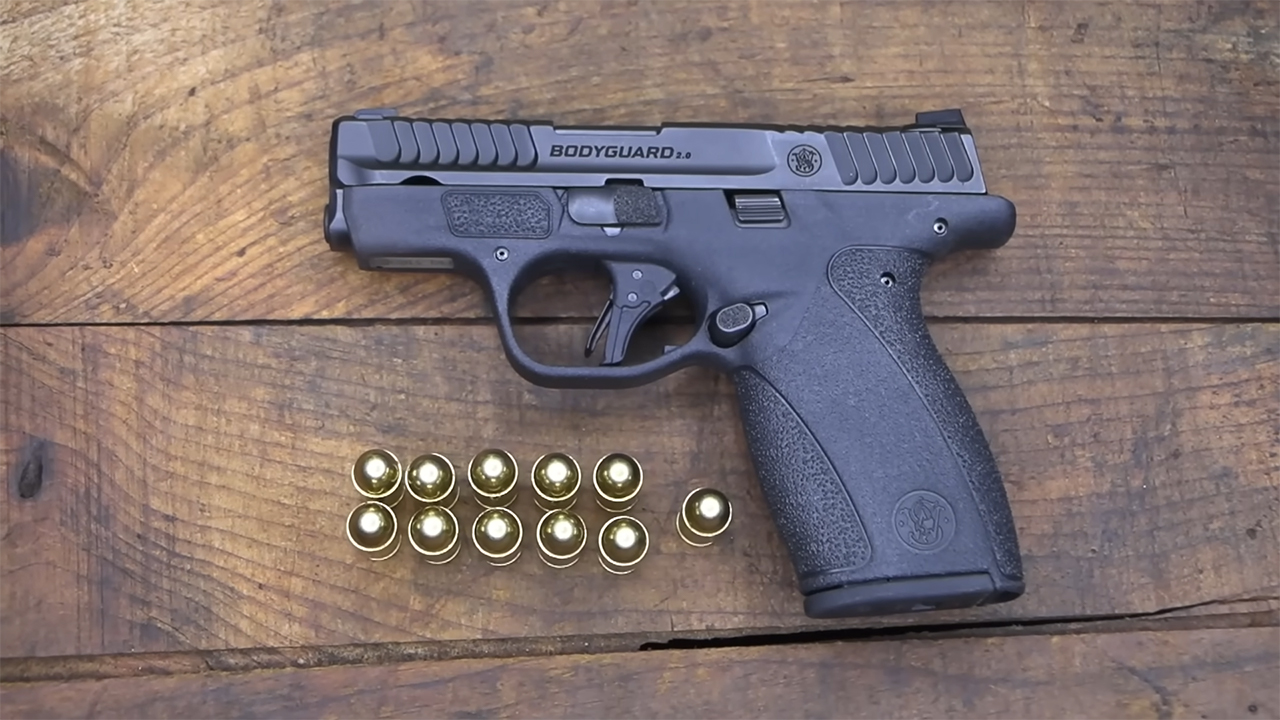
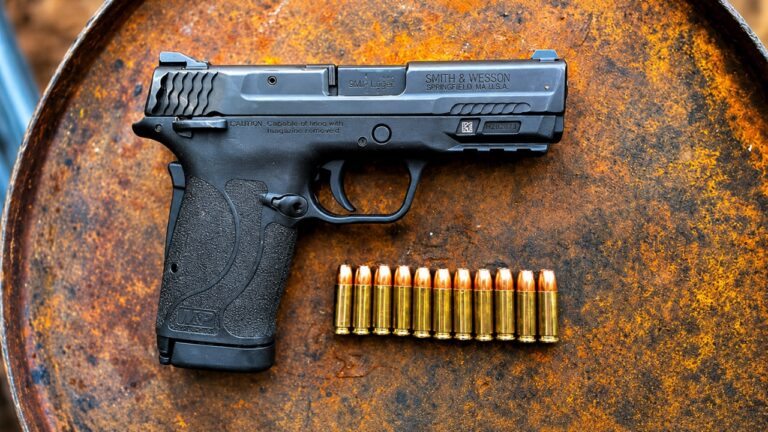
The Smith & Wesson Bodyguard 2.0 had plenty to overcome because the original Bodyguard .380 was not universally loved. Small .380 pistols are already hard to shoot well, and the old model’s trigger and handling left many shooters wanting something better. So when a new version arrived, skepticism was natural.
The Bodyguard 2.0 surprised people by feeling like a real improvement instead of a lazy refresh. It brought better ergonomics, better shootability, and a more modern feel while staying extremely compact. It still has the limitations of a tiny .380, and it will never shoot like a full-size pistol. But for deep concealment and pocket-carry roles, it gives shooters a much more usable option than many expected. The complaints around the old gun did not define the new one.
Mossberg 940 Pro
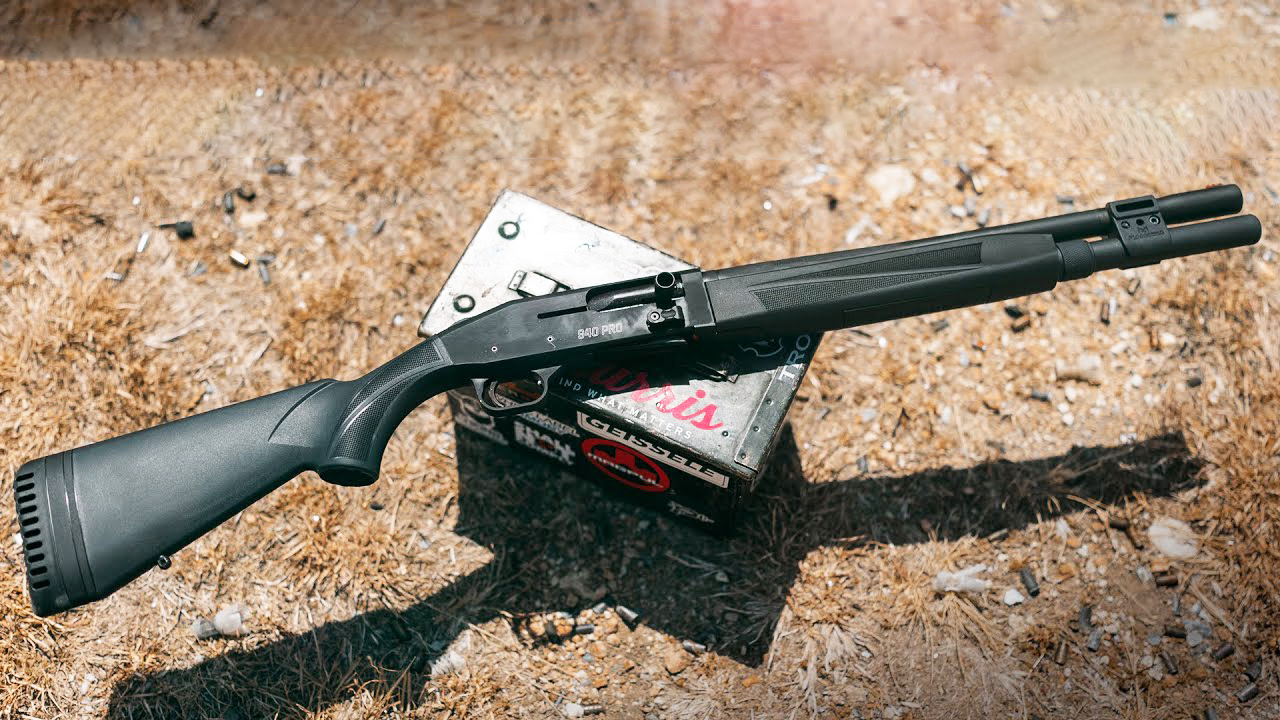
The Mossberg 940 Pro had to deal with memories of the older 930. Some shooters liked the 930, but others had complaints about maintenance, reliability, and refinement compared with more expensive semi-autos. That history made people cautious when Mossberg pushed the 940 line.
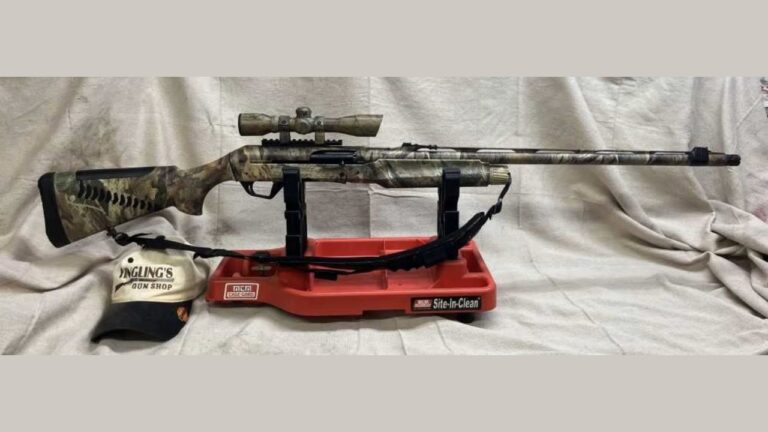
The 940 Pro turned out better because it addressed the right things. The gas system, loading port, controls, and maintenance details all felt more practical. Depending on the version, it became useful for hunting, competition-style shooting, or defensive setups. It is not the cheapest semi-auto, and it does not carry the same prestige as premium Italian shotguns. But it gives shooters a lot of function for the money. Mossberg proved it could improve the concept instead of simply rebranding it.
SIG Sauer P365 XMacro

The SIG P365 XMacro drew complaints because some shooters thought the P365 line was drifting too far from its original purpose. The original appeal was tiny size with strong capacity. Stretching it into the XMacro made critics wonder whether SIG had simply turned a micro-compact into a normal compact with extra marketing.
Then people started carrying and shooting it. The XMacro gives shooters more grip, more capacity, better control, and a slim profile that still carries easier than many traditional compacts. It is not the smallest P365, and that is exactly why many owners like it. The gun turned out better than the complaints suggested because it solved the real problem of tiny carry pistols: they can be harder to shoot well. The XMacro made the platform more livable.
Beretta 80X Cheetah

The Beretta 80X Cheetah drew criticism because it is a .380 ACP pistol that is not especially tiny. In a world full of compact 9mms and high-capacity micro-compacts, some shooters immediately called it inefficient. On raw size-to-power math, that complaint is understandable.
But the 80X was never trying to be the smallest defensive gun possible. It turned out better because it is comfortable, smooth, attractive, and far easier to shoot than many tiny .380s. The improved sights, controls, and updated feel made the classic Cheetah idea more practical. It may not be the best choice for someone who only wants maximum power in minimum size. But for recoil-sensitive shooters, Beretta fans, and people who value shootability, the 80X makes a stronger argument than the critics allowed.
Henry Homesteader
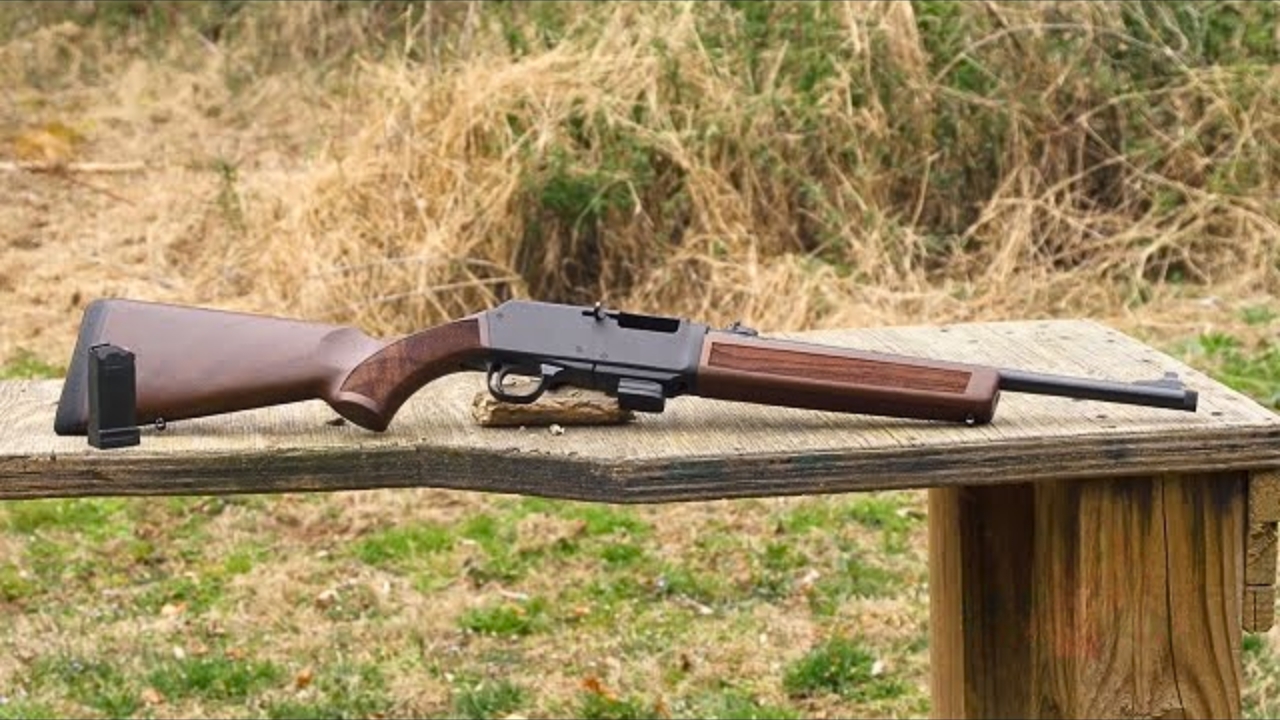
The Henry Homesteader confused some people when it arrived. Henry is strongly associated with lever-actions, rimfires, and traditional American-style rifles. A 9mm semi-auto carbine with magazine compatibility options sounded like a strange turn, and some shooters wondered if it would feel out of place.
The Homesteader worked better than expected because it did not try to be an AR-9. It gave shooters a mild, practical pistol-caliber carbine with classic styling, simple controls, and useful magazine options. It fits range use, home-defense setups where appropriate, and lower-recoil training for people who want something friendlier than a rifle-caliber carbine. It may not appeal to tactical PCC fans, but it was never built only for them. The idea looked odd until the role made sense.
CZ 600 Alpha

The CZ 600 Alpha had to win over people who loved CZ’s older rifle personality. Models like the 527 and 550 had old-world charm, and the 600 Alpha looked far more modern and utilitarian. Some longtime CZ fans saw the synthetic stock and new design direction and immediately felt disappointed.
The rifle turned out better when judged as a working gun rather than a nostalgia piece. It has a practical stock, adjustable trigger, solid action feel, and chamberings that make sense for hunters. It does not replace the charm of the older CZ rifles, and it should not be judged as if it does. The Alpha is a modern field rifle, and in that role, it is more useful than the complaints suggested. Not every good rifle has to look like the last generation.
Taurus GX4 Carry
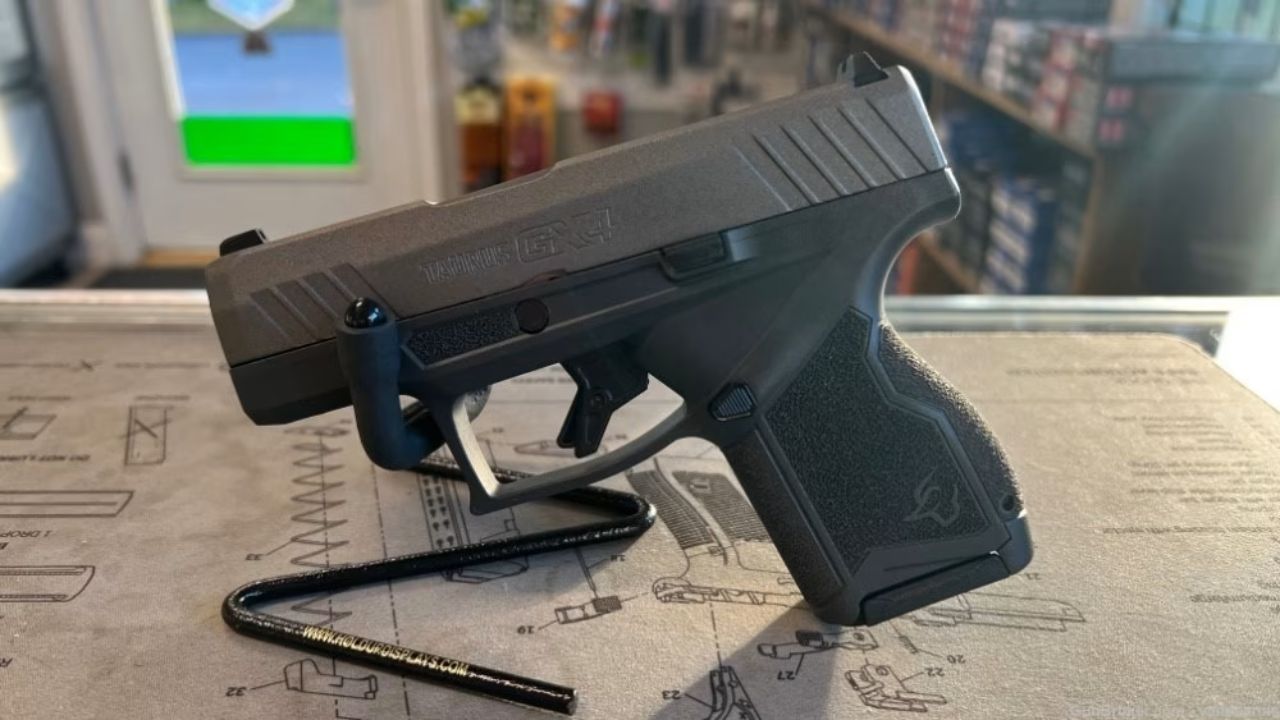
The Taurus GX4 Carry drew skepticism because Taurus still has brand baggage, and small carry pistols leave very little room for trust issues. Some shooters were also unsure whether stretching the GX4 concept would make it better or just larger without enough benefit.
The Carry version made a solid case because the extra grip and size helped shootability. It gave owners more control, useful capacity, and a more practical range experience than many tiny micro-compacts. Any defensive pistol needs thorough testing, and that is especially true when buyers are cautious about a brand’s history. But a good GX4 Carry can be a lot of gun for the money. It turned out better than the complaints suggested because the added size actually improved the pistol’s purpose.
Weatherby 307
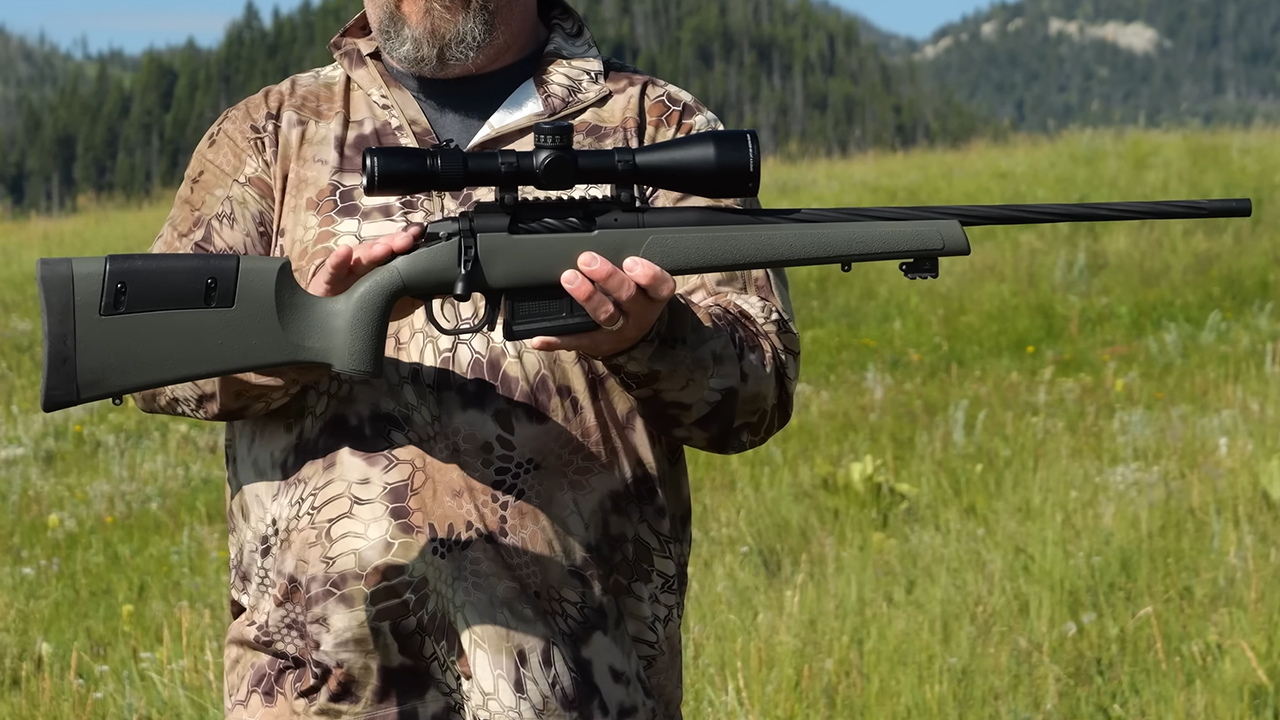
The Weatherby 307 raised eyebrows because Weatherby already had two clear rifle identities: the premium Mark V and the practical Vanguard. A new rifle built around a more customizable footprint made some people wonder whether Weatherby was muddying its own lineup.
The 307 turned out to be more interesting once shooters understood the strategy. It gave Weatherby a rifle that could live in the massive Remington 700-style ecosystem while still carrying Weatherby’s own design direction. For hunters and shooters who like aftermarket support, that matters. It is not meant to replace the Mark V’s prestige or the Vanguard’s value lane. It creates a more flexible middle. The complaints assumed it was redundant. The rifle proved it had a clear reason to exist.
Ruger Max-9
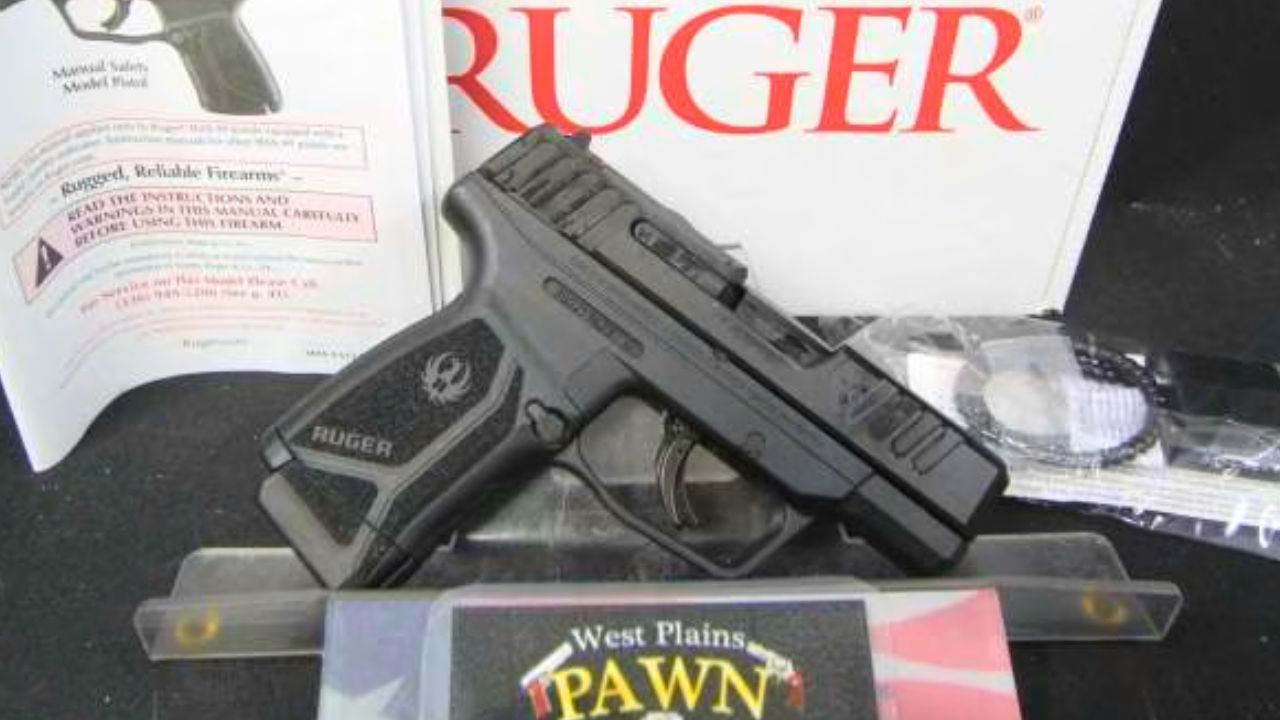
The Ruger Max-9 arrived in a crowded micro-compact market, which made the complaints predictable. By then, shooters already had the SIG P365, Springfield Hellcat, Glock 43X, Shield Plus, and plenty of other small carry pistols to compare against. Some people assumed Ruger was simply late.
The Max-9 turned out better than that because it gave buyers a practical, modern carry pistol at a Ruger-friendly price. It offered useful capacity, optic-ready versions, compact size, and a familiar enough feel for people who wanted an affordable micro-compact without chasing premium pricing. It is still a small 9mm, so recoil and grip control matter. But it made sense for budget-conscious carry buyers. Late to the market does not always mean wrong for the market.
Savage 110 Ultralite

The Savage 110 Ultralite drew complaints from shooters who were skeptical about lightweight rifles, Proof Research carbon-wrapped barrels, and whether the package justified the price. Savage has long been known for practical accuracy, but this rifle stepped into a more premium lightweight hunting lane.
It turned out better than some expected because it brought genuine weight savings, useful accuracy potential, and Savage’s adjustable AccuFit and AccuTrigger strengths into a mountain-style package. It is not cheap, and lightweight rifles always demand better shooting form. But for hunters who need to carry a rifle over real distance, it offered a serious factory option. The complaints focused on whether Savage belonged in that lane. The rifle proved it could compete there.
Canik Mete MC9
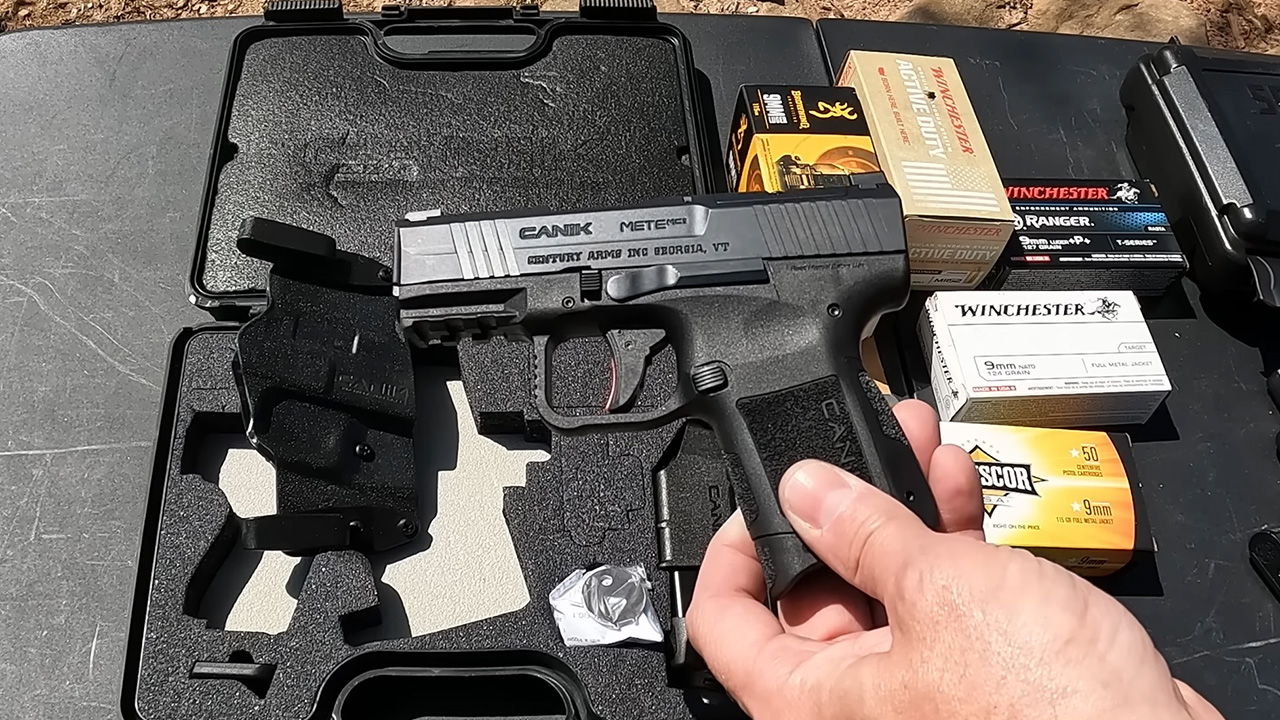
The Canik Mete MC9 faced complaints early because micro-compacts are unforgiving, and some early reliability discussions made cautious shooters pause. Canik had built a strong reputation for triggers and value in larger pistols, but shrinking that formula into a small carry gun was not guaranteed to work.
When an MC9 runs well, the appeal is easy to understand. It offers a good trigger for the class, compact carry size, useful capacity, and Canik’s value-driven feature set. No one should trust any carry gun without testing it thoroughly, and early concerns mean buyers should be honest about vetting their own pistol. But the MC9 turned out better than the broad dismissals suggested. It gave Canik fans a small pistol that still felt like part of the brand.
Browning X-Bolt 2
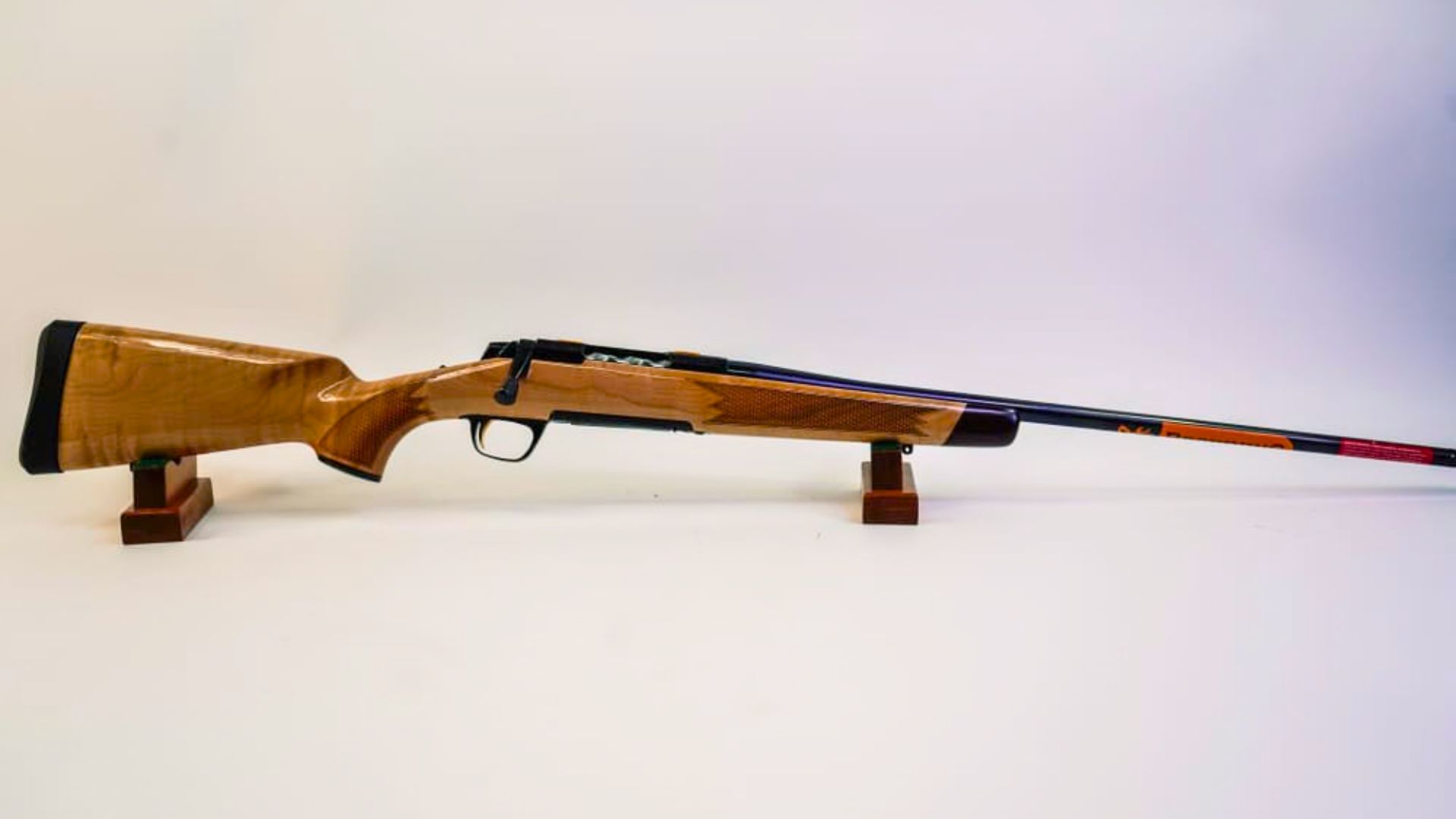
The Browning X-Bolt 2 drew the usual complaints that come whenever a respected rifle line gets updated. Some hunters liked the original X-Bolt and did not see why Browning needed to change it. Others worried the updates were cosmetic or that the new stock design would not feel as classic.
The X-Bolt 2 made more sense once hunters saw the practical improvements. Better adjustability, updated ergonomics, and continued X-Bolt smoothness gave it a more modern hunting-rifle feel without abandoning the platform’s strengths. It may not please every traditionalist, and some shooters will still prefer older models. But it turned out better than the early grumbling suggested because the updates addressed real fit and handling concerns. Sometimes change is annoying and useful at the same time.
Smith & Wesson Response
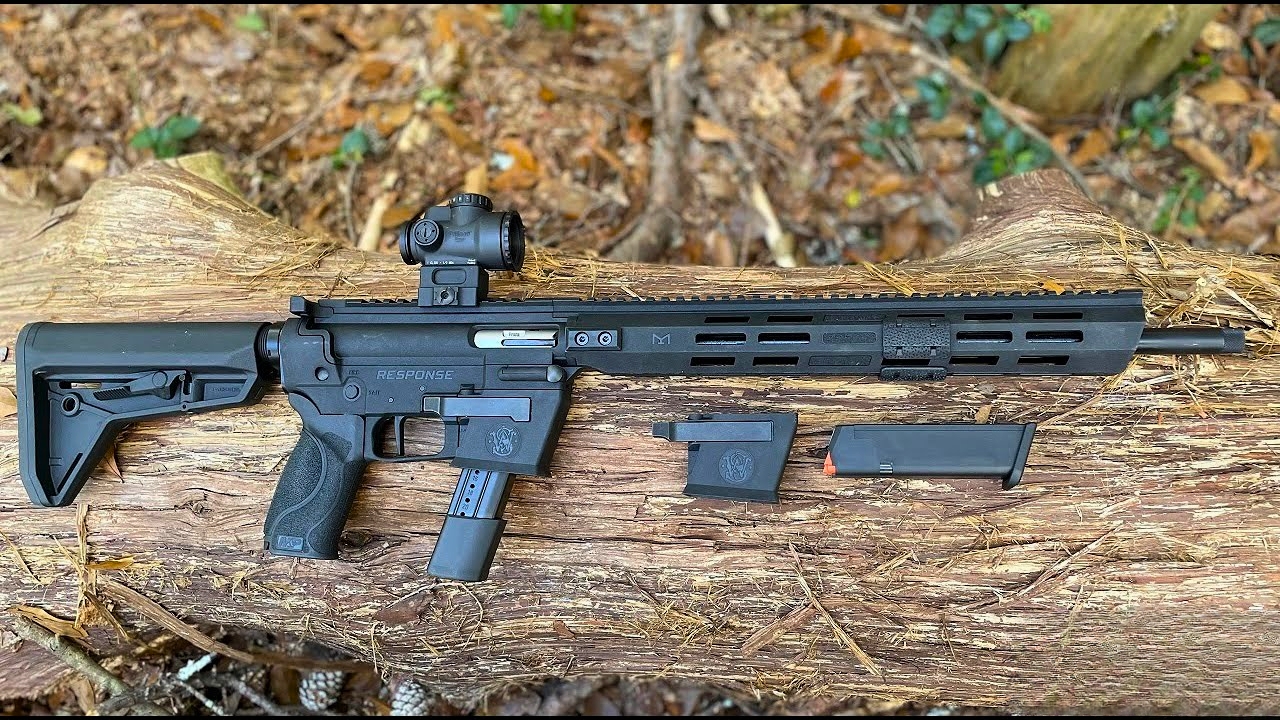
The Smith & Wesson Response got skepticism because pistol-caliber carbines are everywhere now. Some are AR-style, some are takedown designs, some are budget guns, and some are high-end competition platforms. A new 9mm carbine has to do more than merely exist.
The Response turned out interesting because it leaned into flexibility. Magazine compatibility through interchangeable wells gave it practical appeal for shooters who already own common pistol magazines. The familiar carbine layout made it approachable, and the 9mm chambering kept recoil mild and range costs manageable. It is not the flashiest PCC, and it will not replace every specialized option. But it did enough useful things to be taken seriously. The complaints underestimated how much magazine compatibility can matter.
Like The Avid Outdoorsman’s content? Be sure to follow us.
Here’s more from us: