Photo credit: Theavidoutdoorsman.com
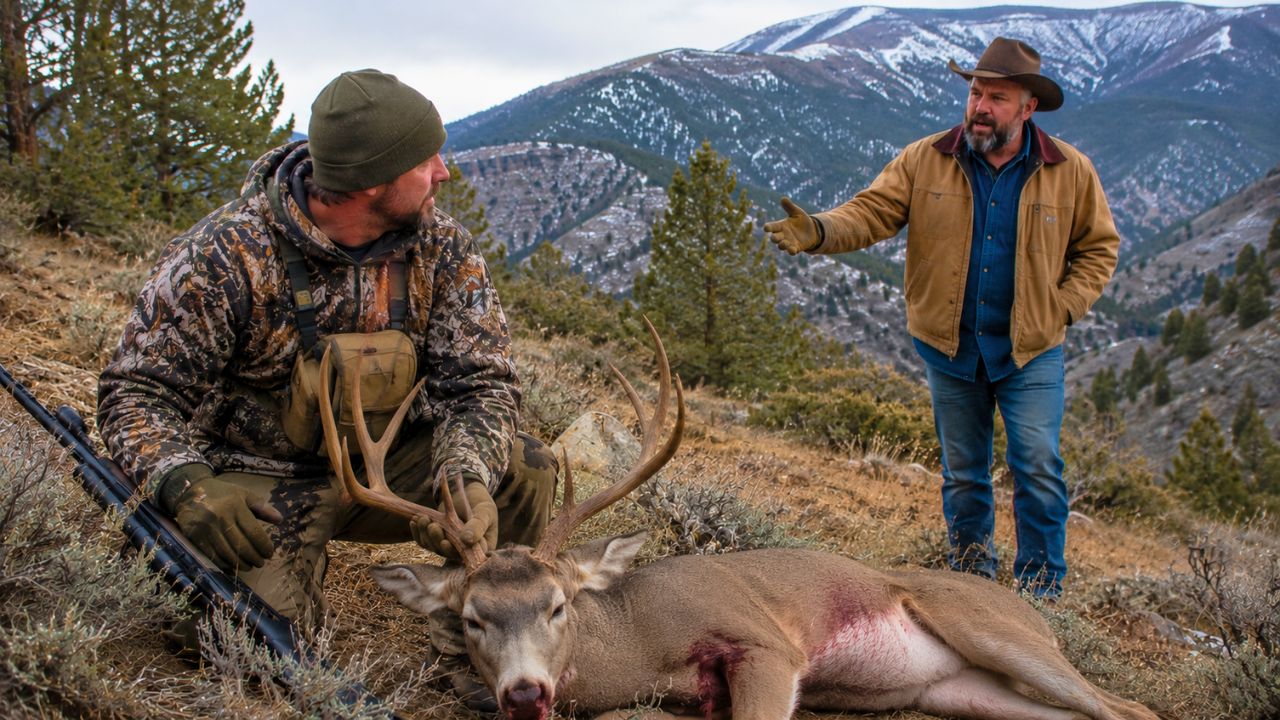
The buck was down in the shadow of a rimrock point, neck thick, forks tall, and that heavy muley frame that makes you stop and stare even when you’ve got work to do. The hunter had done it the hard way—days of glassing, a long loop to stay in the wind, and a clean shot on ground anybody can hunt. He tagged it, snapped a couple quick photos, and started the slow, careful work of getting meat cooled.
That’s when the day took a turn. A side-by-side rolled up from the direction of a two-track, and the man driving it wasn’t there to shake hands.
The public-land pack-out turned into a boundary argument
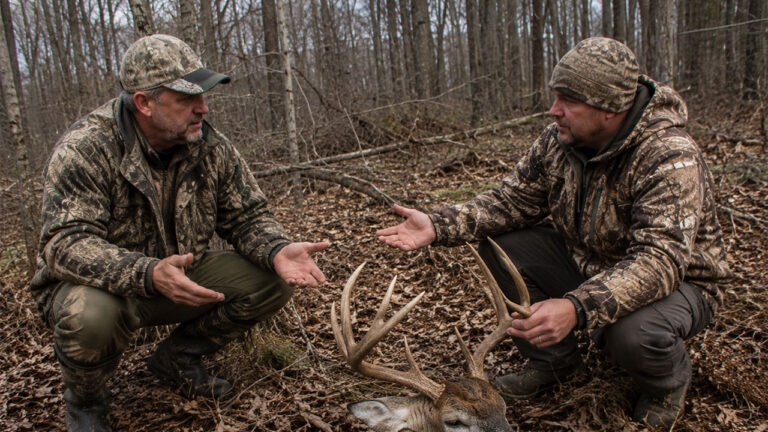
The hunter was quartering the deer when the outfitter stepped out and started in on the claim: that buck had been “living” on his private lease, and the hunter had no business taking it. Not “you crossed my fence” or “you were on my place,” but the kind of argument you hear more and more lately—like a big deer is a piece of equipment that belongs to whoever has a trail camera picture of it.
The hunter didn’t take the bait. He pointed to his map app and the physical signposts he’d walked past that morning. He’d been well inside the public boundary when he shot, and the deer fell within sight of the same line. The outfitter didn’t care. In his mind, that deer was part of his “program,” and that meant it should’ve been off limits to anyone without a contract and a deposit.
“It’s my lease” doesn’t mean what people think it means
A private lease can mean a lot of things, and it can mean almost nothing depending on where you are. Some leases are strictly between the landowner and the outfitter, giving the outfitter access and the right to guide clients. That doesn’t magically extend control over animals when those animals step onto public ground.
Wild game is held in trust by the state, and the rules that matter most in the moment are simple: where were you standing when you shot, where did the animal fall, and did you have a valid tag and legal weapon for that season? “That deer has been on my cameras” is not a legal standard, and neither is “my client was hoping for him.”
Outfitters do provide a service, and plenty of them do it the right way. But the ones who act like they own every mature buck that touches their fence line are going to keep creating these blowups, especially in units where public and private checkerboard together like a barbed-wire quilt.
The situation escalated when the outfitter tried to control the evidence
The tension went up a notch when the outfitter demanded the hunter’s license and tag “to take pictures.” That’s a red flag. You can show your documents to a warden, and you can choose to show them to a landowner if you’re on their place and trying to clear up a misunderstanding. But when a stranger rolls up on public ground and starts asking to photograph your personal info, you’re under no obligation to play along.
Then came the next move: the outfitter started taking photos of the truck parked at the trailhead and the hunter’s plates. That’s not illegal in itself, but it’s a pressure tactic. It’s meant to make a guy feel like he’s already in trouble, even when he’s done everything by the book.
The smartest thing the hunter did was keep his voice calm and his hands busy with the pack-out. No chest-thumping, no stepping toward the side-by-side, no “say it again” nonsense. A loaded rifle leaning on a pack and a heated argument is how small problems become big ones.
Why access disputes hit mule deer hunters so hard
Mule deer seasons are short, bucks are spread out, and a true trophy on open ground is never a sure thing. When someone finally connects on a mature deer, emotions run hot—especially if that deer has been the center of somebody else’s plans. Outfitters run trail cameras, glass from private knobs, and keep tabs on individual bucks for months. I get it.
But the reason public-land hunting matters is because it’s supposed to be equal. If a buck spends September on private alfalfa and October on public breaks, the moment he steps onto public he’s fair game for anyone who draws the tag and hunts within the law. That’s not “stealing.” That’s literally how North American wildlife management works.
The other reality is that boundary lines aren’t always obvious in the field. Fences don’t always follow property lines. Some corners are unmarked. Some units have private inholdings that can trap a hunter who isn’t watching his GPS. That’s why the best mule deer hunters are also obsessive about maps.
Commenters focused on maps, wardens, and keeping your cool
Whenever these disputes pop up, the same themes come up from other hunters: document everything, don’t argue with someone who’s looking for a reaction, and call a game warden sooner rather than later. Not because you’re trying to “get someone in trouble,” but because a uniformed voice can reset a situation fast.
Plenty of folks also hammered on the basics: screenshot your offline maps, mark the shot location, take a quick photo with a recognizable landmark, and keep your tag tight and visible once you notch it. If you do end up in a dispute, you want your story to match the facts and your facts to be easy to verify.
Others pointed out something that gets overlooked: if someone is running clients, they may be protective for a reason. Not always legitimate, but sometimes. There are hunters who trespass, shoot onto private, and drag animals across lines like it’s no big deal. Those guys poison the well for everyone, and they make confrontations more likely even when the next hunter is clean.
What a hunter can actually do in the moment
On the mountain, you don’t get to file paperwork first. You have to make decisions with a knife in your hand and a stranger in your space. The right play is usually boring: keep distance, keep your firearm slung or secured, and don’t trade insults. If you feel threatened, leave the area and get help. No deer is worth a fight.
If you’re confident you’re legal, stick to simple statements: you were on public, you have a valid tag, and you’re happy to speak with a warden. Let the outfitter rant if he wants to. The second you start making your own threats or getting physical, you give him what he came for—something he can use to muddy the water.
And if you’re not 100% sure you’re on the right side of the line, don’t gamble. Stop where you are, verify the boundary, and if there’s any chance the animal crossed onto private after the shot, get the proper permission before you step over. That’s where honest mistakes turn into tickets, and it’s also where hard feelings between neighbors get cemented for years.
In the end, this kind of conflict is exactly why hunters need to be students of land ownership, not just students of wind and rut timing. Big deer don’t recognize fence lines, and some people act like they do. If you want to keep your hunt from turning into a roadside argument, carry good maps, mark your locations, and let the wardens handle the “my lease, my buck” crowd when they show up looking for a fight.
Like The Avid Outdoorsman’s content? Be sure to follow us.
Here’s more from us: