Photo credit: Henry Repeating Arms/Youtube
The Henry X Model landed right when lever guns were having a strange little identity crisis. Traditional lever-action fans still loved walnut, blued steel, brass, saddle scabbards, and old deer-camp styling. Meanwhile, a different crowd wanted lever guns with threaded barrels, lights, optics, synthetic stocks, and enough modern furniture to make the rifle more useful after dark, in bad weather, or around the property.
The X Model gave both sides something to argue about, which usually means a gun is doing something interesting. Henry built the line around modern features like synthetic furniture, fiber-optic sights, side loading gates, threaded muzzles, optics-ready receivers, and accessory-friendly forends with M-LOK and Picatinny sections, depending on the exact chambering and model. The Big Boy X Model, for example, uses a side loading gate with a removable tube magazine, a threaded barrel, fiber-optic sights, synthetic stock, M-LOK, and a Picatinny rail. That mix is exactly why the rifle took off so fast.
1. It Made Lever Guns Feel Modern Without Killing the Soul
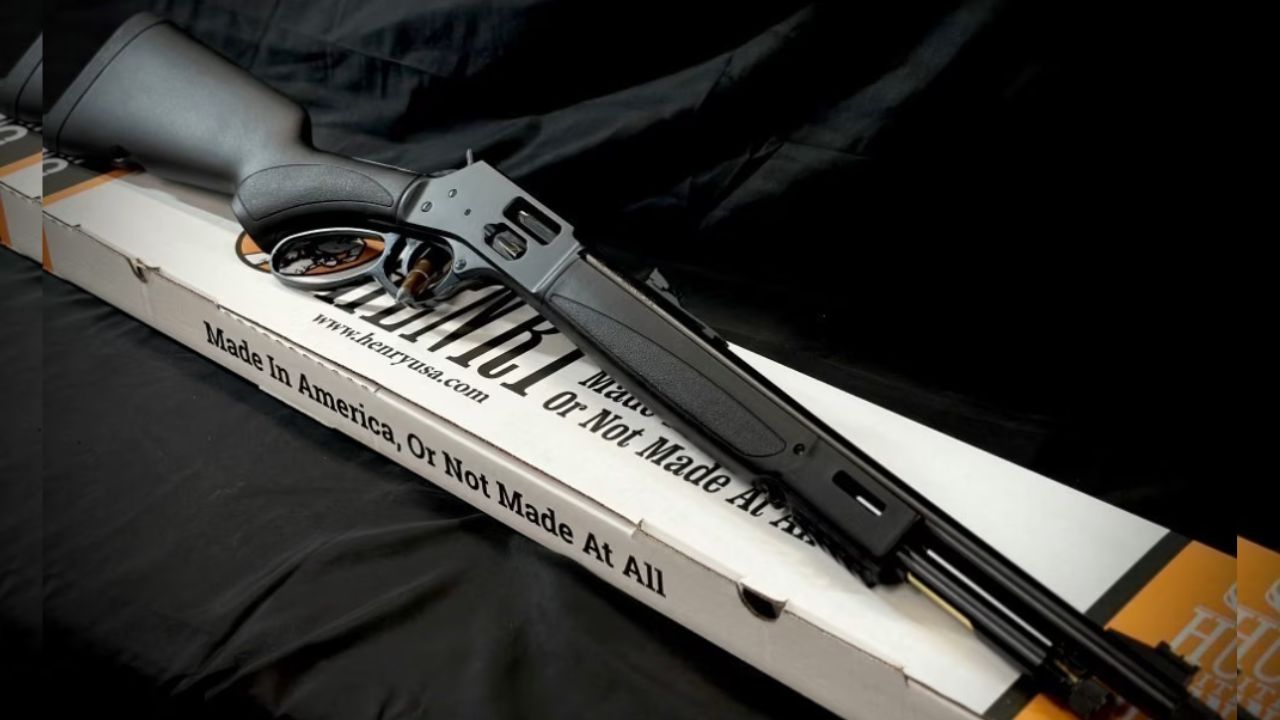
The X Model worked because it did not throw away what people like about lever actions. It still runs with a lever. It still has that fast, handy feel. It still gives shooters the same basic mechanical satisfaction that made lever guns stick around long after bolt guns and semi-autos took over most of the market.
What changed was the furniture around that old idea. Synthetic stocks, rails, fiber-optic sights, threaded barrels, and accessory mounting gave the rifle a modern edge. It did not become an AR. It became a lever gun that finally admitted people might want a light, optic, sling, suppressor, or weather-resistant setup without pretending it was 1895.
2. The Side Loading Gate Fixed a Big Complaint
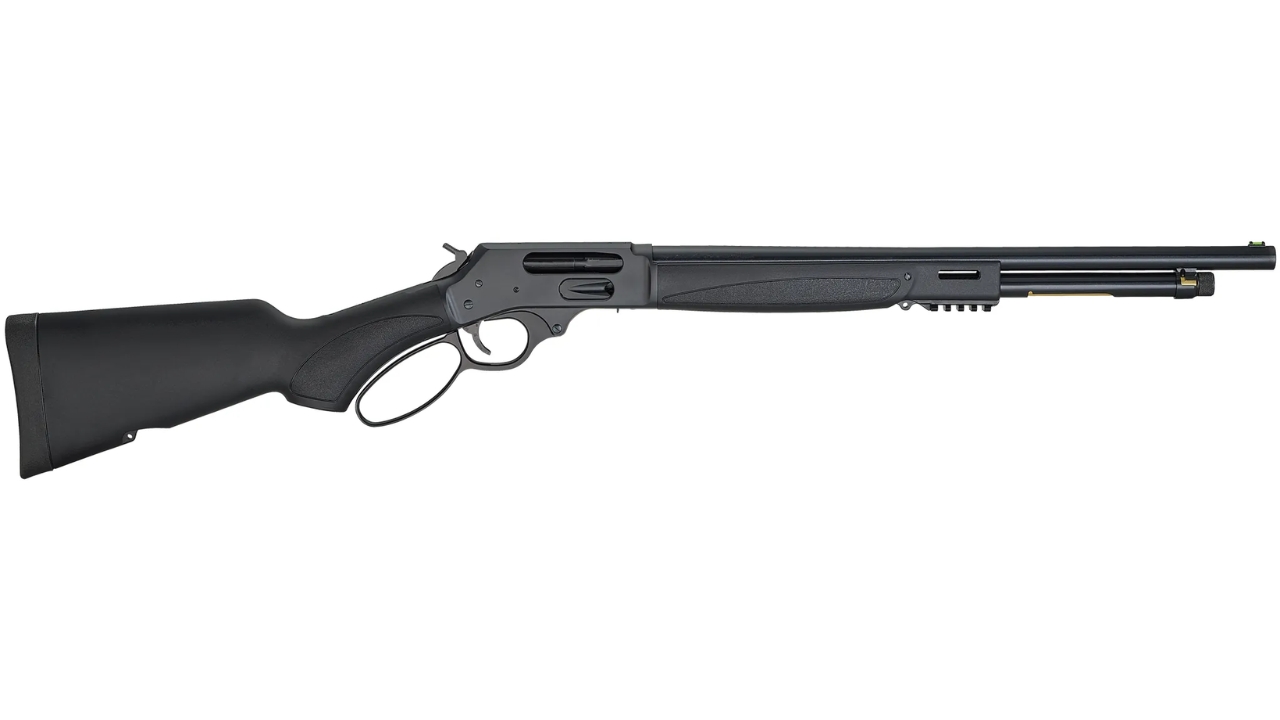
Henry rifles always had fans, but the lack of a side loading gate bothered a lot of lever-action shooters for years. The X Model helped answer that criticism. Henry kept the removable tube magazine for convenient unloading but added a side gate so shooters could top off the gun through the receiver. That is a big deal on a working lever gun.
That feature matters even more when a threaded barrel enters the picture. If you are running a muzzle device or suppressor, constantly removing a tube from the front end gets old fast. The side gate made the X Model feel more serious and more practical. It gave shooters one of the classic lever-gun features they had been asking Henry to build in.
3. The Threaded Barrel Got People’s Attention

A threaded barrel on a lever gun used to feel like a custom-shop thing. The X Model brought that idea straight from the factory. Henry lists threaded muzzles on X Model variants, including 5/8×24 threading on models like the Big Boy X and .45-70 X, meant for suppressors or other muzzle devices.
That opened the door for shooters who wanted a suppressed lever gun without sending a barrel off for work. In pistol calibers especially, that makes a lot of sense. A suppressed .357 lever gun with the right loads can be ridiculously fun and practical. The threaded barrel gave the X Model instant appeal to a crowd that already loved tinkering with quiet, useful rifles.
4. It Gave Shooters a Real Light-Mounting Option

A lever gun used around the house, truck, barn, or hunting camp needs a light if it is going to be useful after dark. Older lever guns make that awkward. You can clamp things on, rig up odd mounts, or avoid the issue altogether, but none of that feels clean.
The X Model changed that by giving shooters modern attachment points. The forend setup includes M-LOK and Picatinny rail sections on models in the line, which makes mounting a light or sling much easier. Guns.com described the Model X forend with M-LOK slots, Picatinny rail, a sling mount, fiber-optic front sight, and threaded muzzle. That kind of setup made the rifle far more useful as a practical tool instead of only a nostalgic range piece.
5. It Looked Different Enough to Stand Out
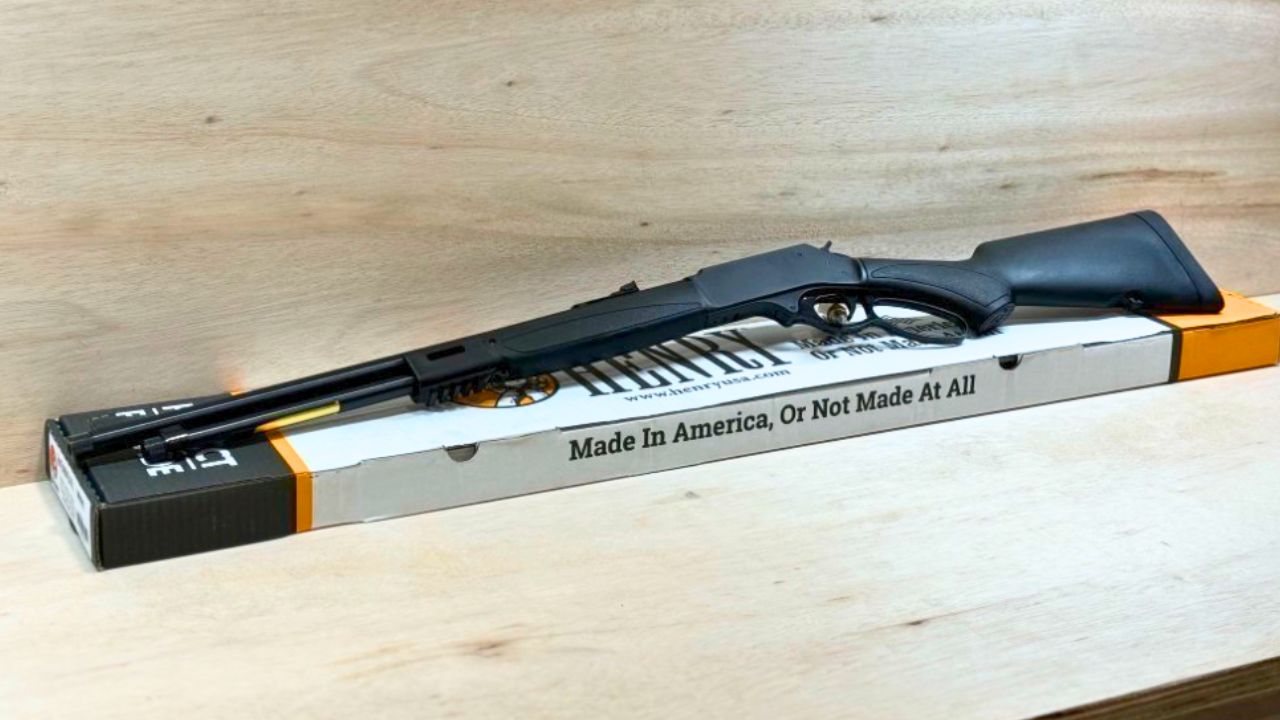
The X Model did not blend into the rack. Black synthetic furniture on a lever gun gets noticed, especially when it is sitting beside walnut-stocked rifles. Some traditionalists hated the look. A lot of newer shooters loved it. Either way, people talked about it.
That visual break helped the rifle take off. It looked like something different without requiring a new manual of arms. The X Model had enough old-school function to keep lever-gun people interested and enough modern style to pull in shooters who normally walked straight past lever actions. That is a rare crossover.
6. It Fit the Truck-Gun Conversation

The phrase “truck gun” gets tossed around too much, but the X Model fits that discussion better than many rifles. It is compact enough to handle easily, chambered in useful rounds, and simple enough to understand. Henry itself describes the Big Boy X Model as capable of roles like bedside protector, truck gun, deer rifle, or range rifle.
That versatility matters for rural shooters. A rifle that can ride around the property, handle pests, sit near the back door, or go to the range has a real purpose. The X Model leaned into that practical, rough-use identity better than a polished walnut rifle most people would worry about scratching.
7. The Synthetic Stock Made Sense

Some lever-action fans will always prefer wood, and that is fine. But synthetic furniture has a place, especially on a rifle meant to be used in rain, mud, brush, trucks, blinds, and barns. The X Model’s black synthetic stock made the rifle feel less delicate and more work-ready.
That helped bring in buyers who wanted a lever gun they did not have to baby. Scratches and weather matter less when the rifle is not wearing pretty walnut. It may not have the same classic look, but it fits the role. The X Model became popular because people could picture actually using it instead of treating it like a safe queen.
8. It Worked Well With Red Dots and Low-Power Optics

Lever guns and optics have always had a little tension. Traditional rifles can look odd with glass, and not every setup gives a clean cheek weld or easy mounting. The X Model made optics feel like part of the plan instead of an afterthought. Henry notes that X Model receivers are drilled and tapped for optics, and the line leans into modularity.
That matters because red dots and low-power optics make a lot of sense on a modern lever gun. A red dot can be fast around property distances. A low-power scope can stretch a .30-30 or .45-70 farther for hunting. The X Model gave shooters permission to stop acting like lever guns have to stay bare to be legitimate.
9. It Came in Useful Chamberings
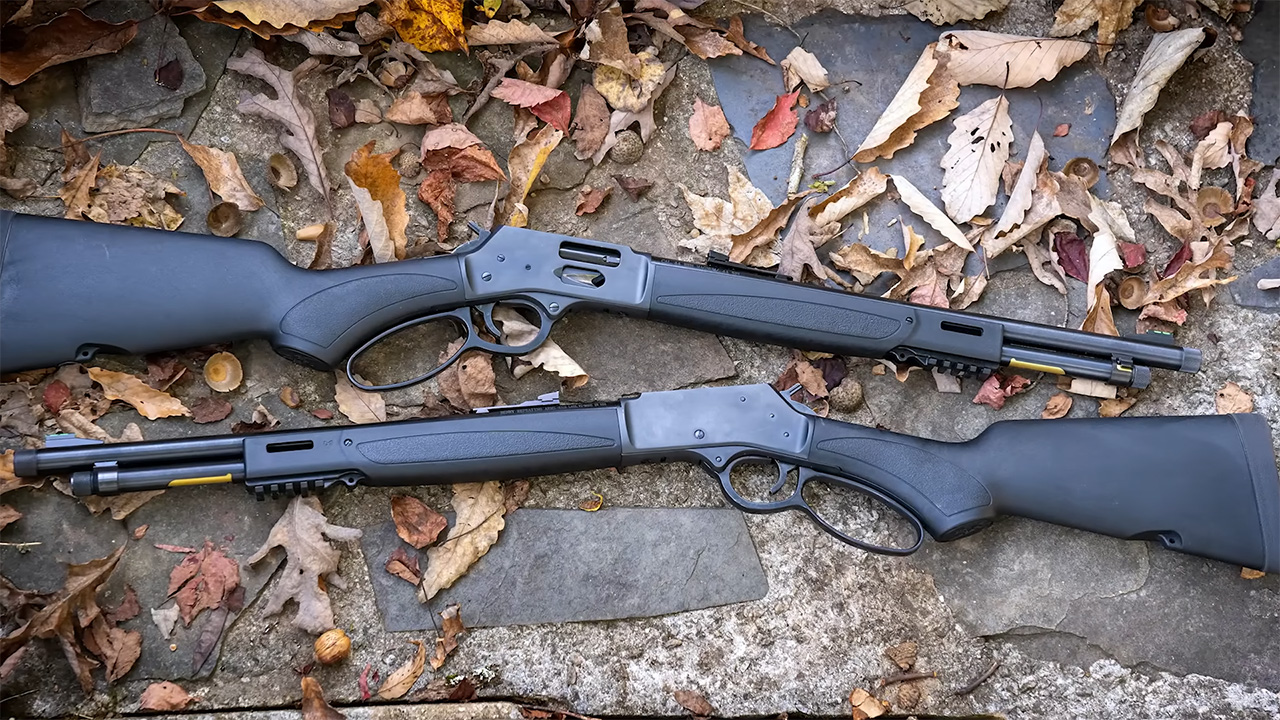
The X Model line did not succeed on looks alone. It came in chamberings that people could actually use, including pistol-caliber options like .357 Magnum/.38 Special, .44 Magnum/.44 Special, and .45 Colt, along with bigger rifle options like .30-30 and .45-70 depending on the model. Guns.com noted the Model X lineup included .45 Colt, .357/.38, .44 Mag/.44 Spl, .45-70, and even a .410 shotgun version at launch.
That spread gave different shooters different reasons to care. Pistol-caliber buyers liked the suppressor-friendly, low-recoil, high-fun side of the rifle. Hunters looked harder at .30-30 and .45-70. The platform did not depend on one niche. It gave lever-gun fans options.
10. It Hit Right as Tactical Lever Guns Got Popular
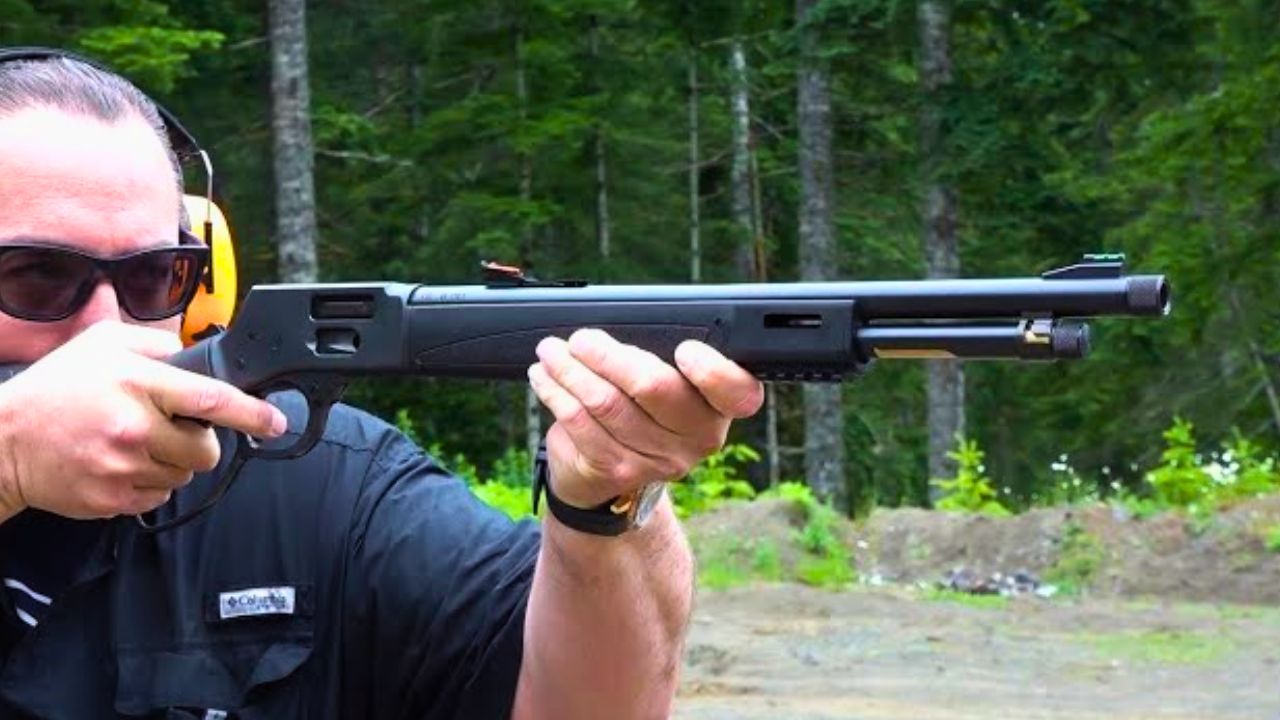
The X Model caught a wave. Tactical lever guns started showing up more often online, at ranges, and in custom shops. People were adding rails, lights, suppressors, modern stocks, and optics to old designs. Henry saw that demand and gave buyers a factory version that already leaned that direction.
That timing mattered. A few years earlier, the X Model might have looked too odd to too many people. By the time it arrived, plenty of shooters were already curious. The rifle showed up at the exact moment when the market was ready to ask, “What if a lever gun could do modern work without turning into something else?”
11. It Made Suppressed Lever Guns Easier
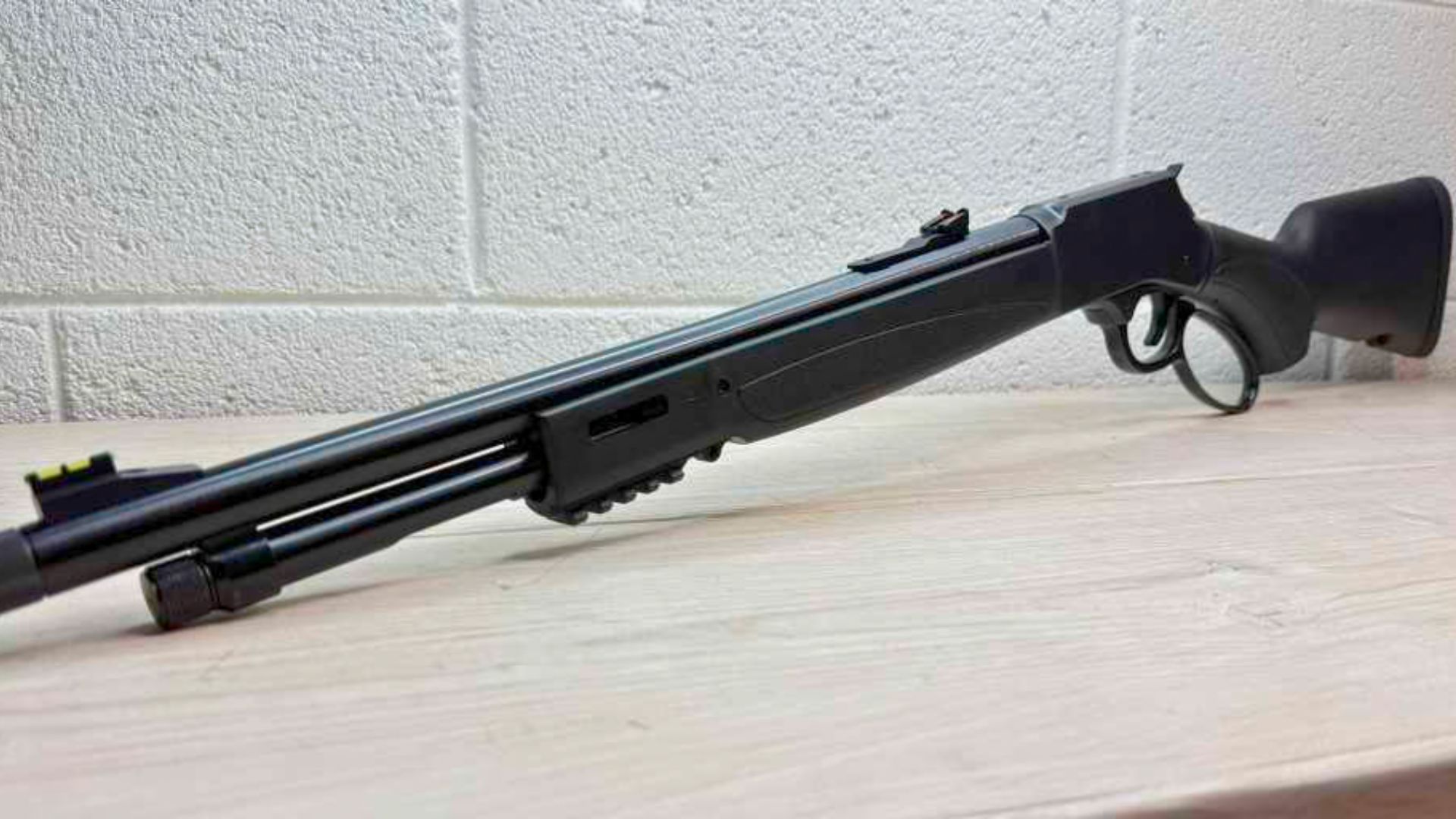
Suppressing a lever action has always had a certain appeal. No action noise like a semi-auto. Handy size. Pistol-caliber options. Big, slow bullets in certain chamberings. The X Model made that easier because the threaded muzzle and side loading gate worked together instead of fighting each other.
That combination is important. A threaded muzzle alone is not as useful if the magazine system makes loading annoying with a suppressor attached. The X Model’s side gate allows topping off without removing the tube or dealing with the muzzle end, which is a major practical win. For shooters chasing a quiet, handy lever gun, that was a big reason to buy.
12. It Had Enough Personality to Pull in New Shooters
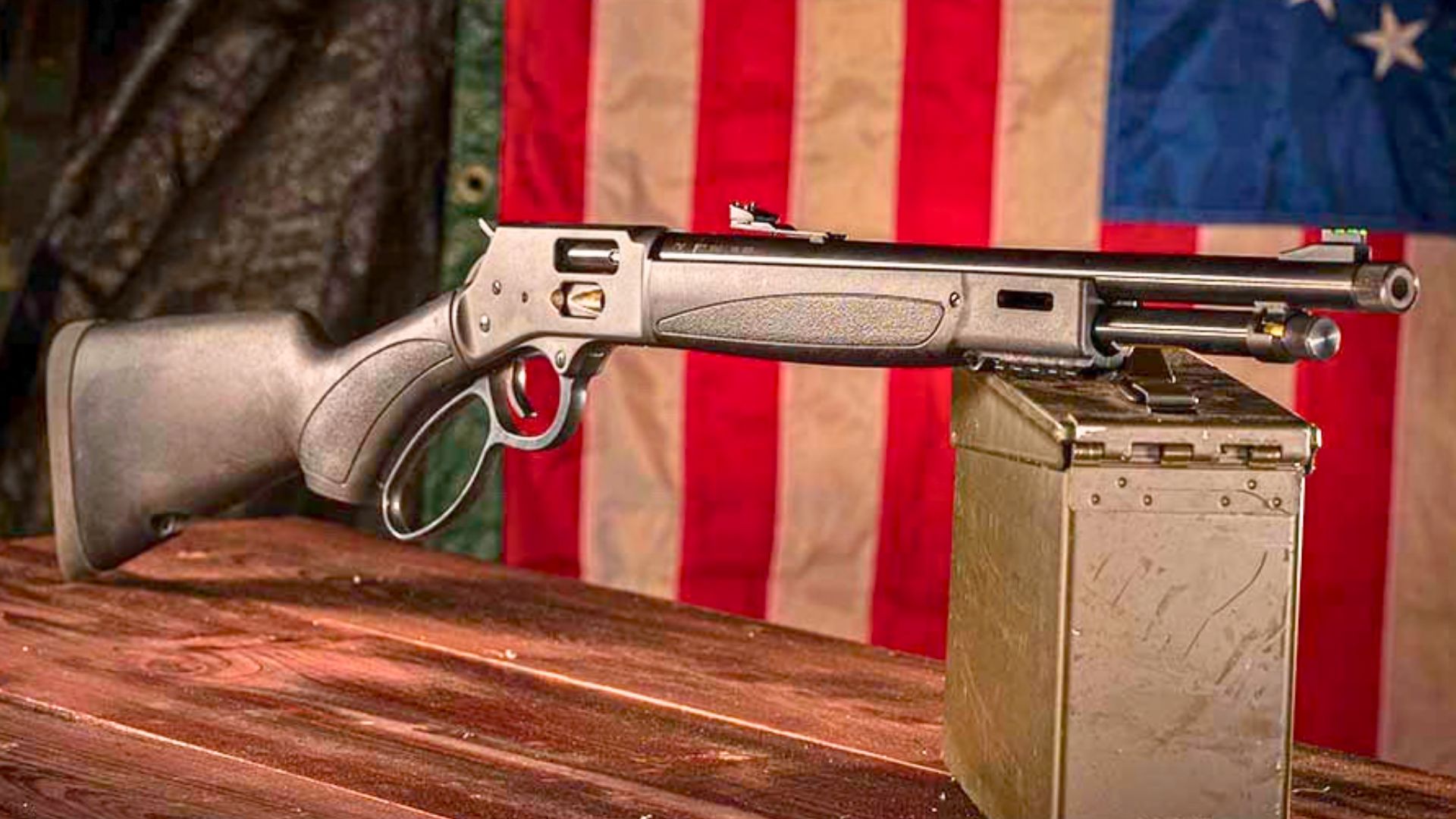
A lot of modern rifles feel useful but boring. The X Model had personality. It looked different, ran differently than the ARs everybody already owned, and still felt practical enough to justify. That made it appealing to shooters who wanted something fun without buying a toy.
Lever actions have a feel that semi-autos do not. Working the lever, topping off rounds, running steel, or carrying one around the property all scratch a different itch. The X Model took that feeling and added modern features. That made it easy for newer shooters to understand why old lever guns were loved in the first place.
13. It Was Tougher to Worry About

A traditional Henry can be beautiful, and that is part of the appeal. But beauty can make people careful. The X Model went the other direction. Black synthetic furniture, modern rails, and practical finishes made it feel like a rifle meant to get handled.
That is a big part of why it took off. Shooters wanted a lever gun they could drag into the woods, lean in a blind, put in the truck, or run in a class without feeling guilty. The X Model felt less like granddad’s wall hanger and more like a working rifle. That opened the door to people who wanted function first.
14. It Bridged Hunting and Defense Better Than Most Lever Guns

Lever guns have always lived between hunting, defense, ranch use, and recreation. The X Model made that overlap more obvious. A .357 or .44 version can be handy around the house or property. A .30-30 or .45-70 version can hunt. Add a light, sling, optic, or suppressor, and the rifle starts fitting several jobs without needing a complete rebuild.
That does not mean it replaces every rifle. It does not. But it gives shooters a lot of practical use in one package. The Henry X Model became popular because it made the lever gun feel relevant in the same conversations where people usually only talked about ARs, bolt guns, and shotguns.
15. It Proved Lever Guns Still Had Room to Evolve
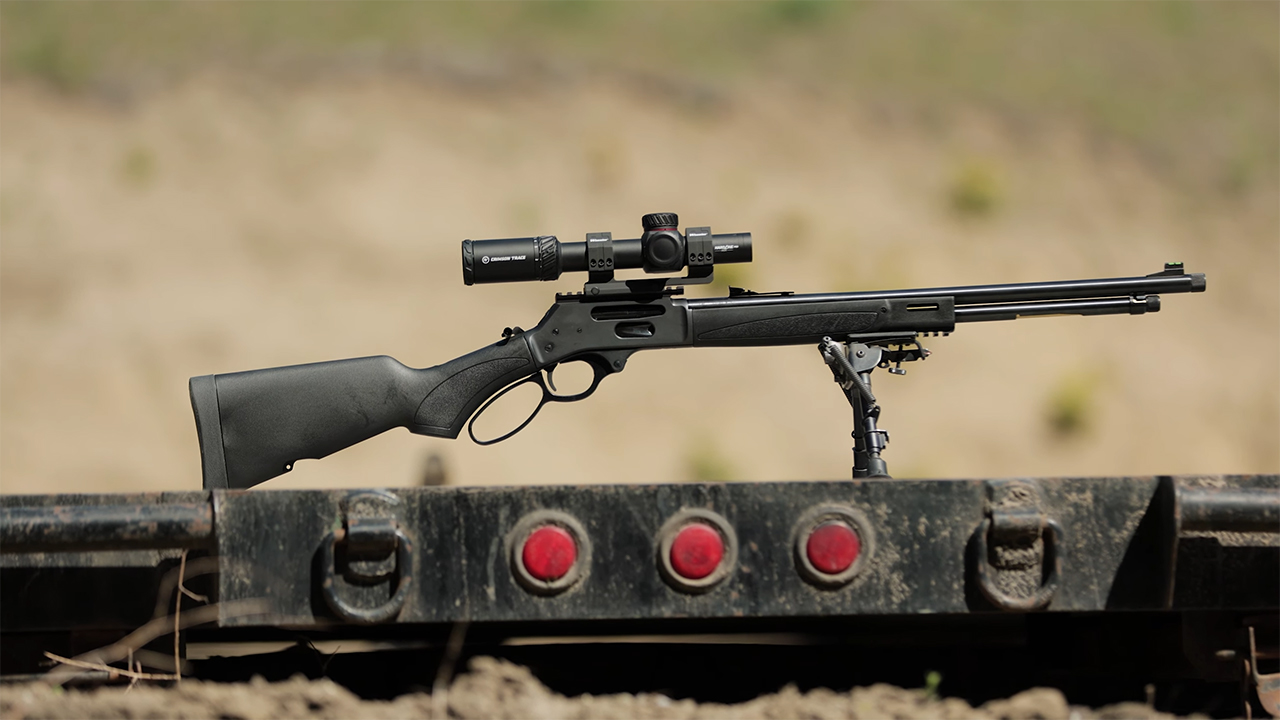
The biggest reason the X Model took off is that it showed lever guns were not frozen in the past. The basic design still had room to grow. You could keep the lever, tube magazine, handy balance, and familiar feel while adding features modern shooters actually use.
That is what made the rifle matter. It did not ask lever-gun people to abandon tradition completely, and it did not ask modern shooters to pretend wood and nostalgia were enough. The X Model gave the market a practical, modern lever gun at the exact time shooters were ready for one. That is why it took off so fast.
Like The Avid Outdoorsman’s content? Subscribe to our newsletter so you never miss an article.
Here’s more from us: