Photo credit: BuffaloGapOutfitters/GunBroker
The Marlin 1895 is not the kind of rifle most people buy by accident. It is a big-bore lever gun, usually tied hard to .45-70 Government, and it carries a very different kind of personality than a light .30-30 deer rifle or a pistol-caliber plinker. You buy an 1895 because you want a rifle with authority.
That is why people tend to hang onto them. The 1895 has power, history, woods-rifle usefulness, and enough modern updates to stay relevant. Ruger-built Marlins have also brought fresh confidence back to the line, with current 1895 models using features like cold hammer-forged barrels, threaded muzzles, laminate or walnut stocks, modern sights, and CNC-machined receivers depending on the exact version. The current 1895 SBL, for example, is a stainless .45-70 with a 19.1-inch cold hammer-forged barrel, Picatinny rail, adjustable ghost ring rear sight, fiber-optic front sight with tritium ring, and 6-round capacity.
1. The .45-70 Gives It Real Authority
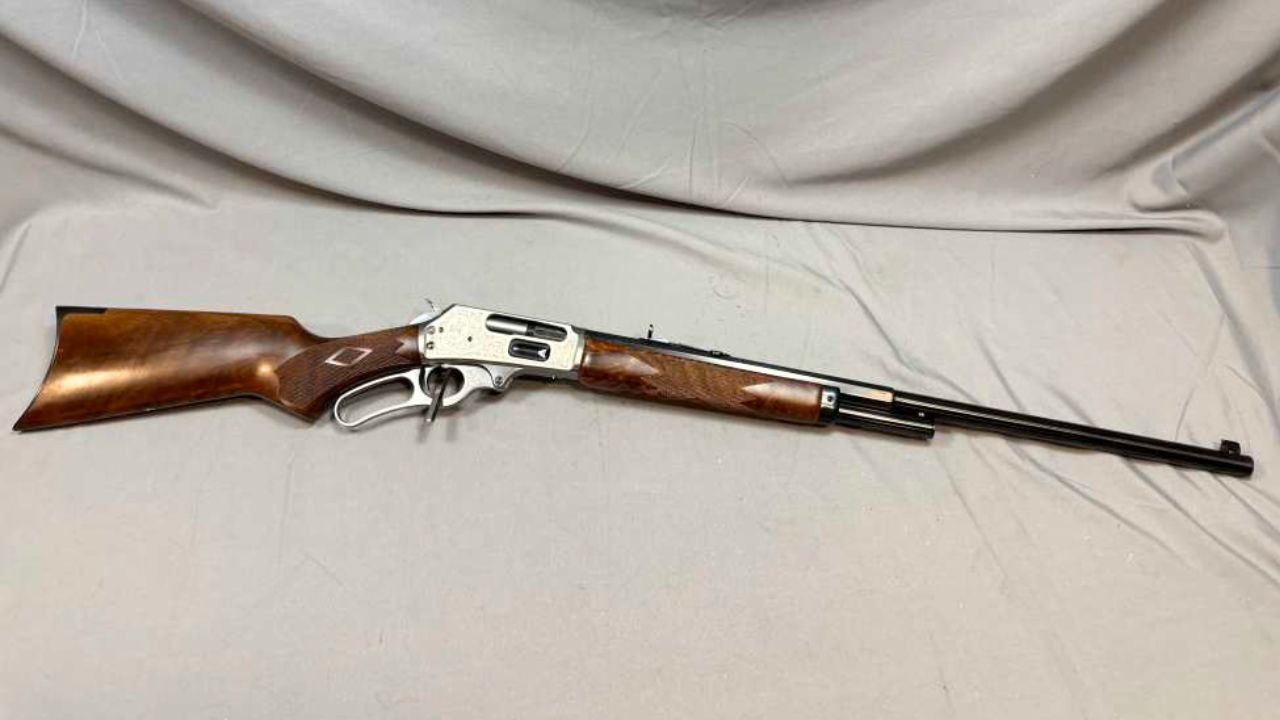
The Marlin 1895’s identity starts with .45-70 Government. This is not a mild little cartridge pretending to be tough. It throws big bullets, hits hard at practical woods distances, and has been trusted for heavy game, big hogs, black bear, and close-range thumping power for a long time.
That is the whole appeal for many buyers. A .45-70 lever gun feels serious in a way smaller rifles do not. It is not the flattest-shooting option, and it is not cheap to feed, but it brings a kind of confidence that makes sense in thick cover. When people say they want a big-bore lever gun, the 1895 is usually near the top of the list.
2. It Fits Thick Woods Better Than Long-Range Rifles
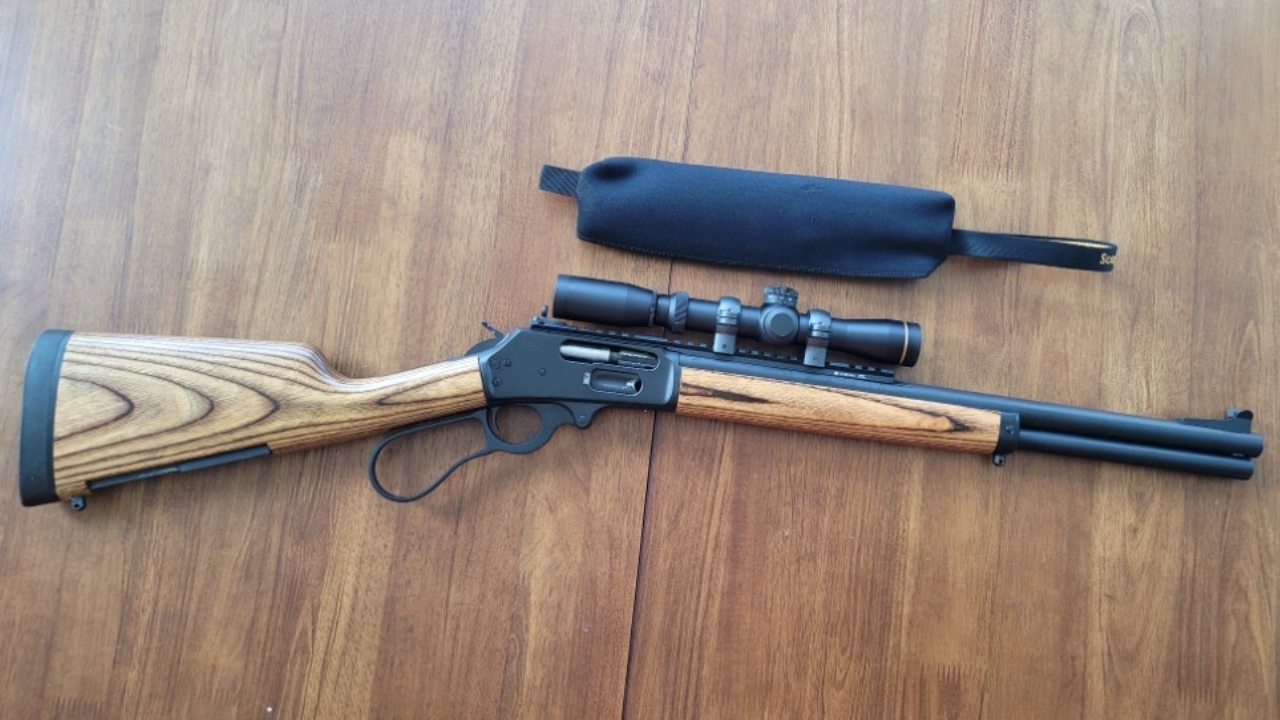
The 1895 is not trying to be a bean-field rifle. It shines in timber, brush, river bottoms, bear country, hog country, and anywhere shots are more likely to be fast and close than slow and far. That is where a short, hard-hitting lever gun makes sense.
A scoped magnum bolt gun may beat it across open country, but that is not the 1895’s lane. The Marlin’s strength is how it carries and handles when things are tight. It comes up fast, points naturally, and delivers a heavy bullet where it needs to go. That kind of practical woods usefulness is why people do not rush to sell them.
3. The Ruger-Built Versions Restored Confidence

Marlin went through some rough years, and shooters noticed. Quality concerns under prior ownership hurt confidence in new Marlins for a while. When Ruger took over and brought Marlin production back, people watched closely to see if the 1895 would come back right.
The newer Ruger-built rifles helped rebuild that trust. Current Marlin 1895 models list CNC-machined stainless or alloy-steel receivers, cold hammer-forged barrels, improved finishes, threaded muzzles, and model-specific modern sights. Those details matter because buyers wanted more than nostalgia. They wanted a new-production rifle that felt properly made again.
4. The SBL Became the Modern Icon

The 1895 SBL may be the model that pulled the modern Marlin lever gun into the spotlight hardest. Stainless steel, gray laminate stock, big-loop lever, Picatinny rail, ghost ring sights, threaded muzzle, and .45-70 chambering make it look and feel like the current definition of a serious big-bore lever gun.
That mix works because it respects the old rifle while making it more useful today. The rail makes optics easy. The ghost ring sights are fast. The laminate stock handles rough weather better than pretty walnut. The stainless construction adds practical corrosion resistance. The SBL is not only a traditional lever gun. It is a working rifle with modern field sense.
5. The Guide Gun Still Makes Perfect Sense

The 1895 Guide Gun is one of those configurations that feels exactly right for the cartridge. The current Guide Gun is a .45-70 with a 19.10-inch cold hammer-forged alloy-steel barrel, 6-round capacity, brown laminate stock, satin or matte blued finish depending on listing, and 7.4-pound weight.
That size is practical. It is short enough to carry in thick country but not so short that it becomes miserable to shoot. The Guide Gun concept fits hunters who want a hard-hitting lever action for close work without turning the rifle into a novelty. It is a serious field configuration, and that is why the name still means something.
6. The Trapper Is Compact Without Feeling Weak
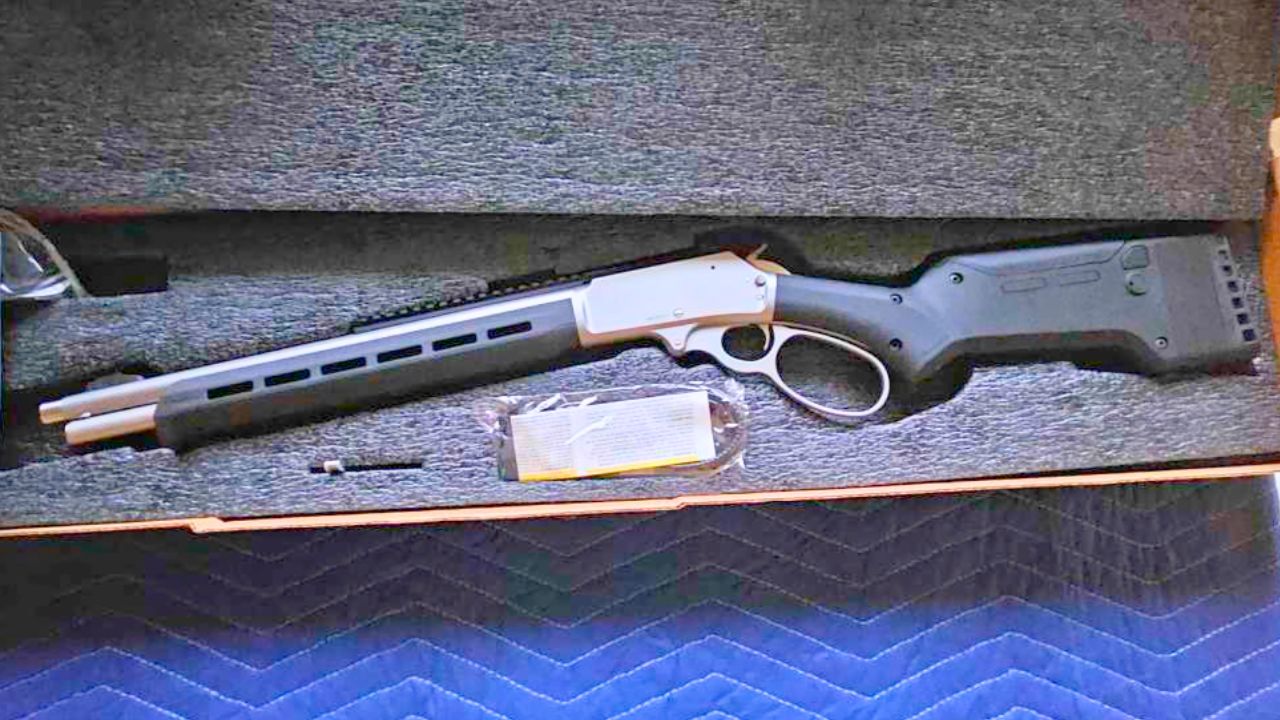
The 1895 Trapper takes the same big-bore idea and makes it handier. Current Trapper specs list a 16.17-inch cold hammer-forged stainless barrel, 5-round capacity, 34.25-inch overall length, 7.1-pound weight, black laminate stock, Skinner adjustable rear sight, Skinner blade front sight, and 11/16″-24 threaded muzzle.
That makes it a true close-cover rifle. It is compact enough for brush, boats, trucks, cabins, and trail carry where legal and appropriate. It will still recoil, because .45-70 does not care how cool the rifle looks. But the Trapper has the kind of handiness that makes people understand why short big-bore lever guns have such loyal fans.
7. Threaded Barrels Make the New Rifles More Useful
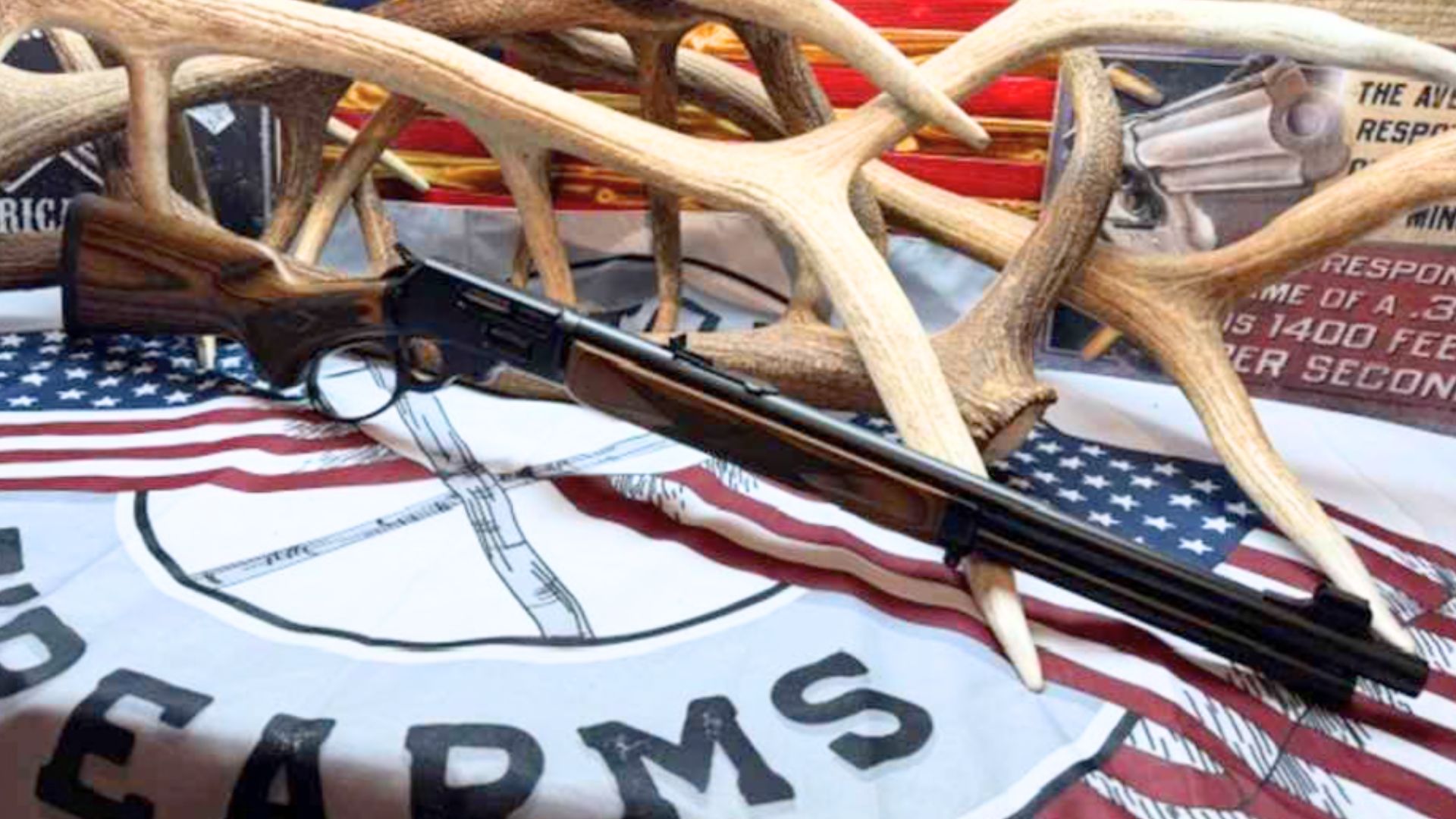
Modern 1895 models commonly include threaded muzzles. The SBL, Guide Gun, and Trapper listings all show 11/16″-24 threading with a factory-installed thread protector. That gives owners room for a muzzle brake, suppressor, or other barrel accessory where legal and appropriate.
That matters on a .45-70. A brake can help tame recoil, though it adds blast. A suppressor can make the rifle more pleasant in certain setups, though the gun gets longer and heavier up front. The threaded barrel gives the owner choices. On an expensive big-bore lever gun, that flexibility is worth having from the factory.
8. The Sights Are Actually Useful
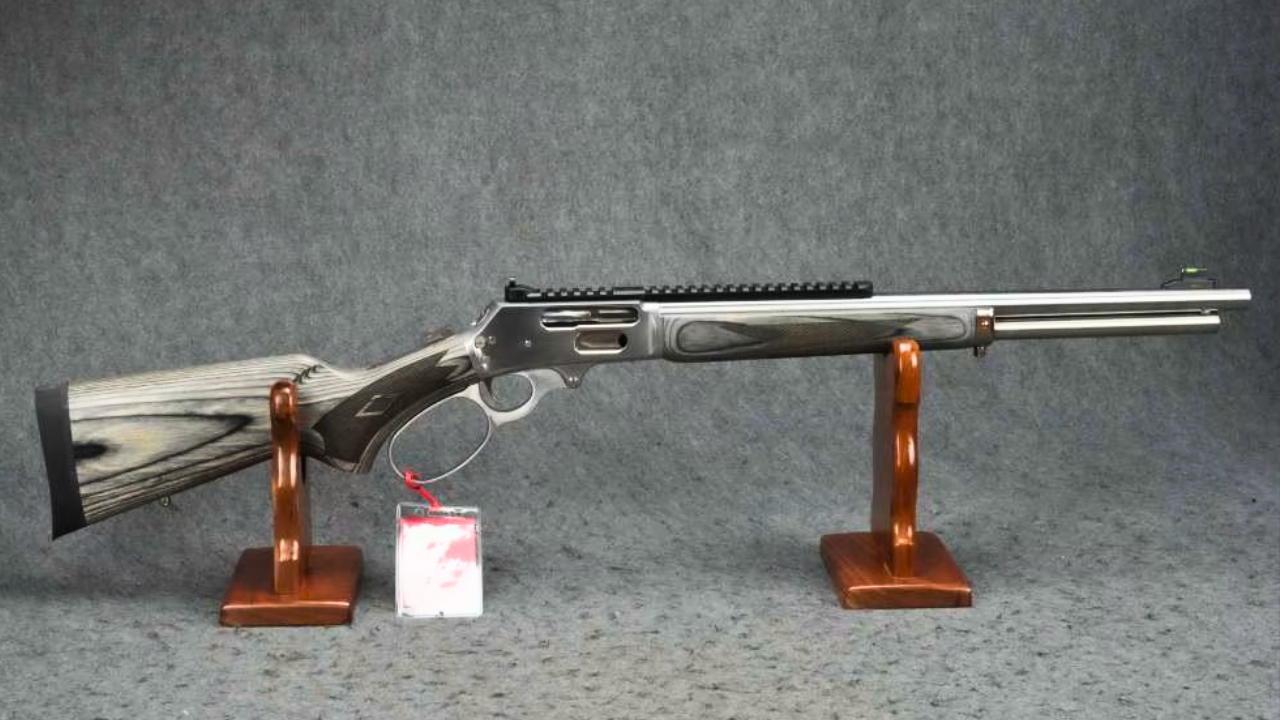
One nice thing about the current 1895 lineup is that the sight setups are not an afterthought. The SBL uses an adjustable ghost ring rear sight and fiber-optic front sight with a tritium ring. The Trapper uses Skinner Sights blade and adjustable rear sights. The Guide Gun uses a brass bead front sight with hood and adjustable semi-buckhorn rear sight.
That gives buyers different personalities. Ghost rings are fast and practical for close woods. Skinner sights fit the compact Trapper nicely. Semi-buckhorn sights keep the Guide Gun more traditional. A .45-70 lever gun needs sights that are visible and strong enough for the field, and Marlin gives shooters decent options.
9. Optics Mounting Is Easier Than Old-School Lever Guns

The 1895 SBL comes with a Picatinny rail, giving shooters a stable mounting surface for scopes, red dots, and other modern optics. That is a big advantage for anyone who wants glass without fighting the rifle.
This matters because lever guns are no longer iron-sight-only rifles. A low-power scope, scout-style optic, or red dot can make a .45-70 easier to use in low light and more precise at the cartridge’s practical distances. The 1895 still looks like a lever gun, but the modern versions are easier to set up for the way hunters actually use rifles now.
10. It Hits Hard Without Needing Magnum Speed

The .45-70 does not win by screaming across the field. It wins with bullet weight, diameter, and close-range authority. That is part of the charm. You are not buying an 1895 because you want the flattest possible trajectory. You are buying it because inside reasonable range, it delivers a heavy hit.
That kind of performance appeals to hunters who work in thick country. Big hogs, black bear, and woods-distance deer do not require a laser-flat cartridge if the shot is close and the bullet is placed well. The 1895 gives you a big, straightforward answer to that kind of hunting.
11. Recoil Is Real, and That’s Part of the Deal

Anyone buying an 1895 should understand recoil before falling in love with the rifle. A 7.1- to 7.4-pound .45-70 lever gun can get your attention fast, especially with full-power hunting loads. The Trapper is handy, but that shorter package does not make the cartridge gentle.
That does not mean the rifle is unpleasant for everyone. A good recoil pad, proper stance, and sensible loads make a big difference. Mild .45-70 loads can be enjoyable, while heavy hunting loads should be treated with respect. People keep 1895s because they like what the rifle does, but smart owners do not pretend recoil is imaginary.
12. Laminate and Stainless Make Sense on a Working Lever Gun
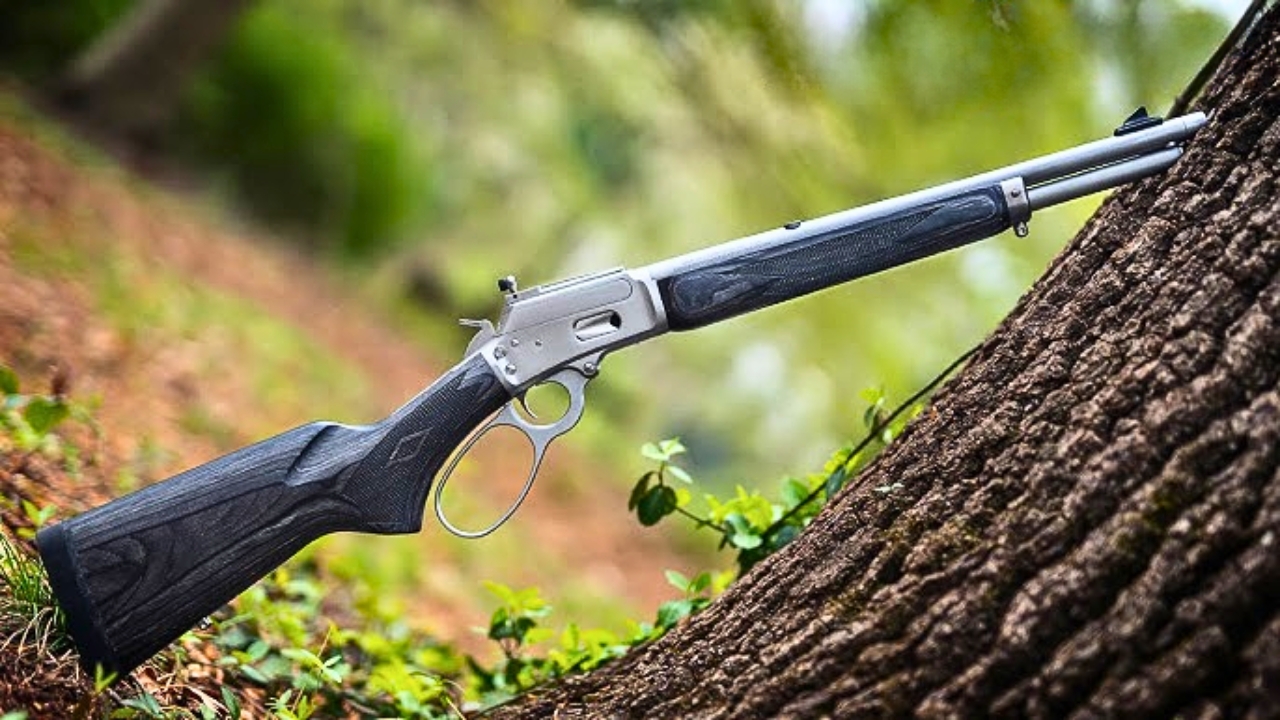
Traditional walnut and blued steel look great, but laminate and stainless make a lot of sense on a rifle that may see rain, snow, mud, sweat, and rough country. The SBL and Trapper models use stainless steel and laminate stocks, while the Guide Gun uses a laminate stock with alloy steel construction.
That is one reason these rifles feel worth keeping. They are not too delicate to use. A big-bore lever gun that can handle bad weather and still look good after hard seasons is the kind of rifle people hang onto. The 1895 is not only a nice object. It is built to work.
13. It Has Enough Model Variety to Fit Different Buyers
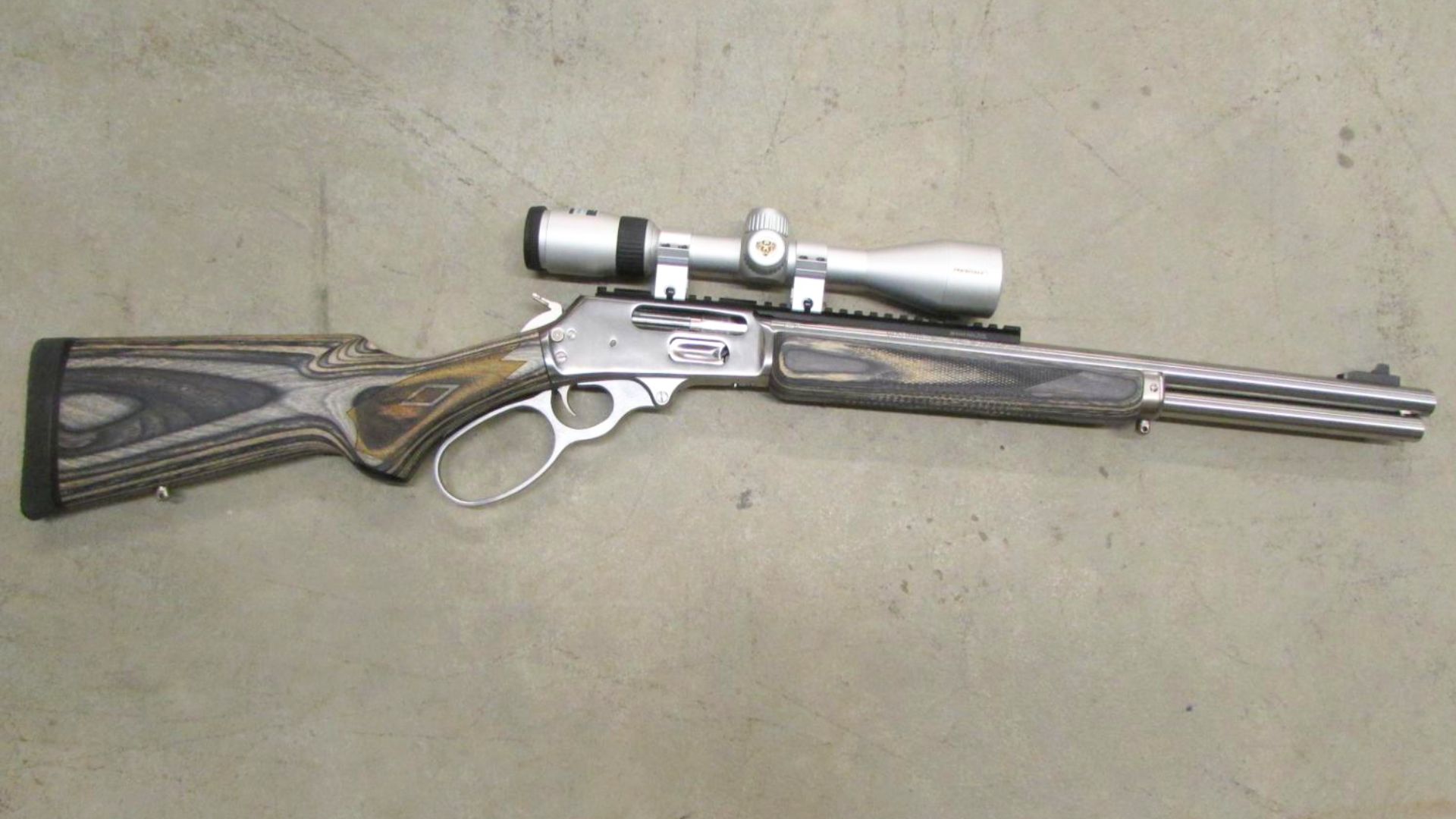
The 1895 family gives buyers several ways into the same basic .45-70 idea. The SBL leans modern and optic-ready. The Guide Gun feels more traditional and field-focused. The Trapper is shorter and handier. The Magpul ELG-equipped Trapper adds an adjustable length of pull and modern stock setup, with Marlin listing a 12.38- to 13.88-inch LOP on that model.
That variety matters because not every .45-70 buyer wants the same rifle. Some want classic. Some want compact. Some want stainless. Some want rails. Some want modern furniture. The 1895 line keeps people interested because it does not force one setup on every big-bore lever-gun fan.
14. It Has the Kind of Presence Few Rifles Match

Some guns are useful but forgettable. The Marlin 1895 is not one of them. It has presence. The big cartridge, lever action, short barrel options, large loop, laminate stock, heavy muzzle, and unmistakable Marlin receiver all give it personality.
That matters because shooters keep rifles they enjoy owning. The 1895 is practical, but it also feels special. It is the kind of rifle people take out of the safe even when they are not hunting, just to work the lever and remember why they bought it. That kind of attachment is exactly why these rifles do not get sold easily.
15. It’s a Big-Bore Lever Gun That Still Makes Sense
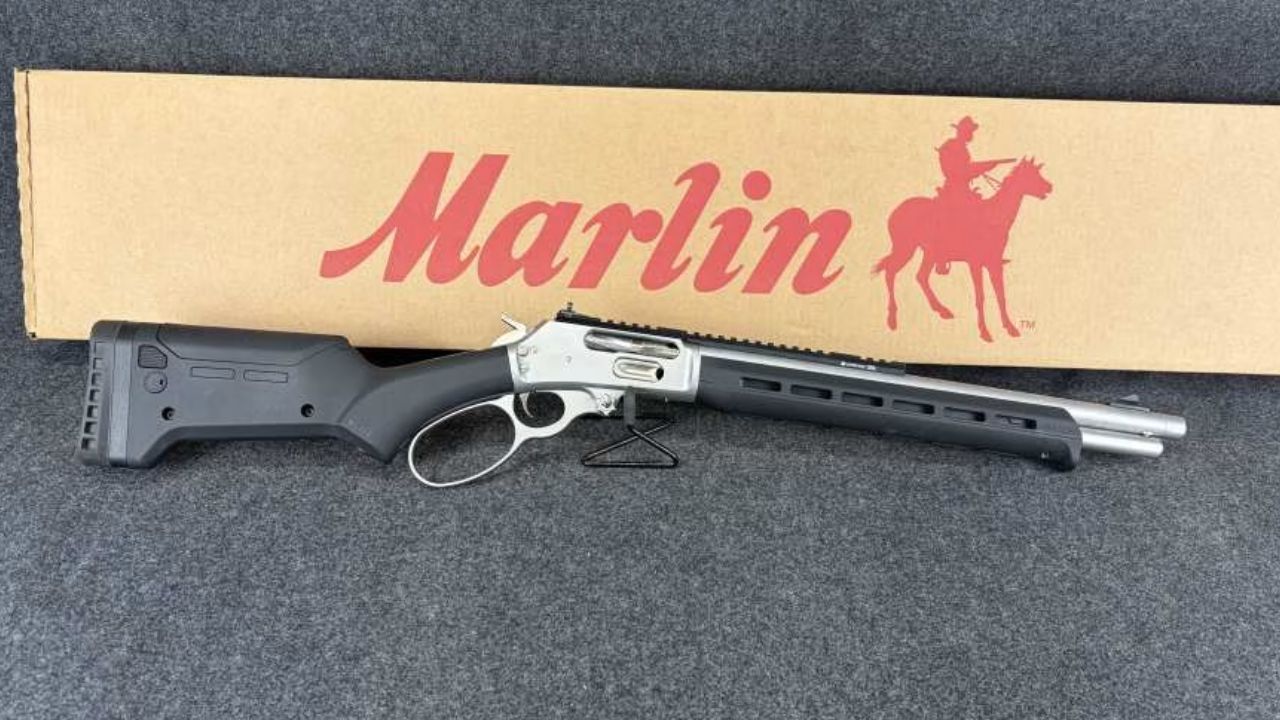
The Marlin 1895 keeps winning over big-bore lever-gun fans because it has not lost the point. It is still a hard-hitting, fast-handling, close-to-midrange woods rifle. The newer models simply add better materials, better sights, threaded barrels, optic support, and renewed manufacturing confidence.
That is why people keep them. A .45-70 Marlin is not the cheapest rifle to feed, not the softest rifle to shoot, and not the best choice for long-range hunting. But for hunters and shooters who want real power in a compact lever gun with history and modern practicality, the 1895 still feels like one of the few rifles that actually deserves the loyalty it gets.
Like The Avid Outdoorsman’s content? Be sure to follow us.
Here’s more from us: