Photo credit: HEBI RAIDEN/YouTube
Revolvers don’t hold value because they’re trendy. They hold value because the good ones keep doing the job long after the new-gun smell is gone. A revolver that stays tight, times correctly, and shrugs off years of carry and range work becomes a known quantity. When buyers trust what they’re getting, the price stays strong.
Part of it is design—strong frames, proven lockwork, and parts that don’t beat themselves up. Part of it is reputation built over decades of duty use, hunting seasons, and hard practice. If you’ve ever bought a used revolver that still felt smooth and bank-vault solid, you know why these models keep their footing on the resale market. They’re not magic. They’re just the revolvers people keep, which is exactly why they’re the revolvers people will still pay for.
Smith & Wesson Model 686

The 686 has a long track record of staying tight while living a real life. The L-frame was built to handle steady .357 Magnum use without beating itself loose, and you feel that when you run the gun hard. The balance is friendly, the sights are useful, and the trigger quality is usually the kind you can learn on and still appreciate years later.
Value sticks because buyers know what they’re getting. A clean 686 with honest wear still sells because it’s a practical revolver that can do range duty, home defense, and even hunting in a pinch. It’s also supported by holsters, grips, and parts, so owners keep them running instead of moving on. Reliability plus familiarity keeps the price floor high.
Smith & Wesson Model 642

The 642 earns its place because it gets carried, sweated on, and bounced around—and it still works when you actually press the trigger. The enclosed hammer keeps lint and fabric from becoming a problem, and the aluminum frame makes it easy to live with day after day. It’s the kind of gun that disappears in a pocket holster and shows up ready when you need it.
That constant carry is exactly why it holds value. People don’t buy a 642 to impress anyone. They buy it because it’s dependable and predictable. Used ones move fast because buyers trust the model, and because a good J-frame doesn’t go out of style. When a revolver becomes a default answer for concealed carry, resale stays strong.
Smith & Wesson Model 19

The Model 19 holds value because it’s one of the classic carry-size .357s that still makes sense today. It points naturally, carries well, and has a trigger feel that keeps people loyal. It’s also tied to decades of law enforcement history, which adds demand from both shooters and collectors.
What keeps it respected is that it’s still a very usable revolver when treated like it was intended. Run mostly .38 Special and occasional .357, keep it clean, and it will keep chugging. Buyers know that, and they pay accordingly. A good Model 19 doesn’t hang around long on the used rack, because it scratches both the “shoot it” itch and the “own a piece of history” itch.
Ruger GP100

The GP100 has a reputation for being tough in a way you don’t have to tiptoe around. It’s built like it expects to be shot a lot, and it tends to stay tight even when you feed it a steady diet of .357 Magnum. The lockup is strong, the frame is beefy, and the whole gun feels like it was designed for long-term use, not a short honeymoon.
That matters for resale because buyers want a revolver they can run without worry. A used GP100 is still a GP100—solid, reliable, and easy to live with. It’s also a favorite for people who want one revolver to cover range work, home defense, and woods carry. When a gun’s identity is durability, it keeps value because people trust it used.
Ruger SP101

The SP101 holds value because it fills a specific role better than most. It’s small enough to carry, but built stout enough that it doesn’t feel fragile. In .357 Magnum it can be snappy, but it’ll take the abuse without shaking loose, and in .38 Special it’s downright manageable. That mix makes it a long-term keeper for a lot of shooters.
Resale stays strong because demand stays steady. People who want a durable small-frame revolver know the SP101 is a safe buy, even secondhand. It also has that Ruger reputation for lasting through neglect, which is a real factor in the used market. When buyers believe the gun will still be in time and still lock up right, they pay for that confidence.
Ruger Blackhawk
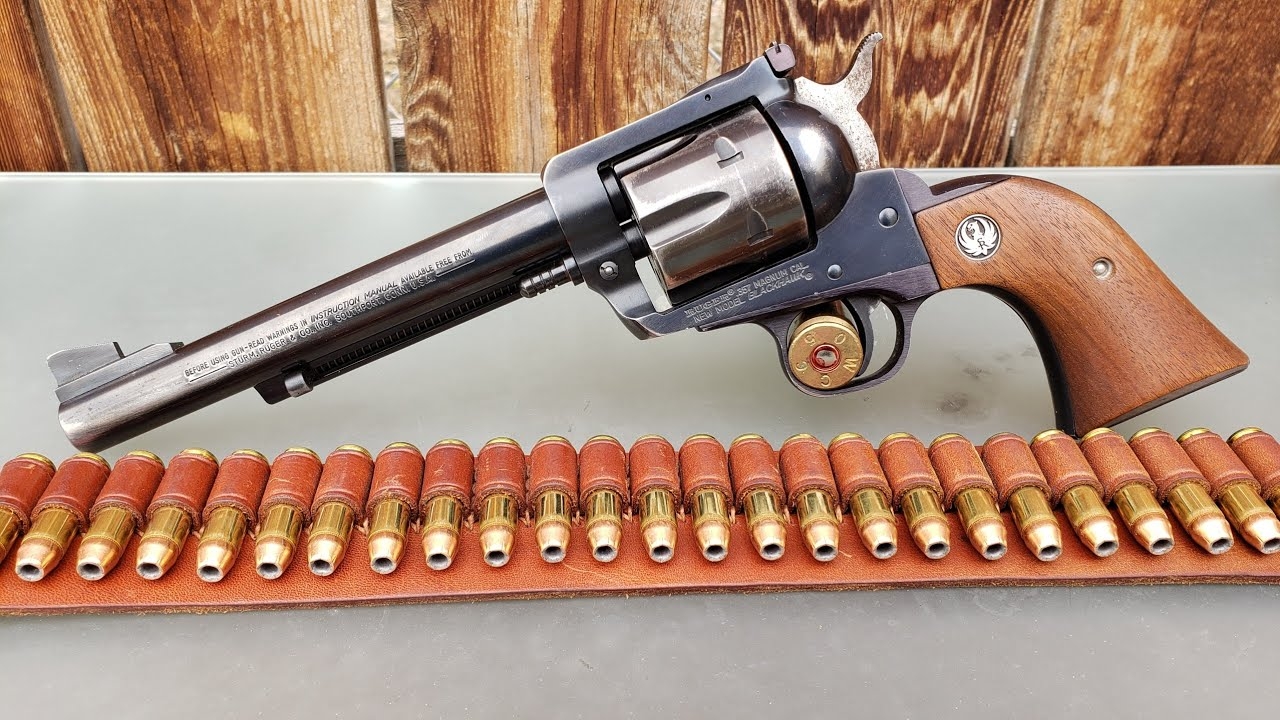
The Blackhawk holds value because it’s built to digest heavy use in a way that makes people relax. Single-action revolvers have fewer moving parts in the firing cycle than double-actions, and Ruger’s design is known for strength. In the hunting world, that matters. You can run stout loads, carry it through ugly weather, and not feel like you’re babying a collector piece.
It also holds value because it has a loyal audience. Hunters, handloaders, and backcountry shooters keep coming back to the Blackhawk, and that keeps used prices firm. These aren’t revolvers people buy and flip quickly. They’re revolvers people build loads for and keep in the rotation. Long-term ownership creates short supply, and short supply keeps values up.
Colt Python

The Python holds value because the demand never really went away. Even people who don’t care about collecting know the name, and the revolver’s smooth action and refined finish keep it at the top of a lot of wish lists. It’s also one of those guns that tends to get treated well by owners, which means the used market is full of buyers hunting for clean examples.
Reliability is part of it, but so is the reality that a Python is rarely an impulse buy. When someone pays Python money, they usually keep it. That behavior supports resale. Whether you’re talking about older examples or current production, the market stays strong because interest stays strong. It’s a revolver people want, and wanting drives value.
Colt Detective Special
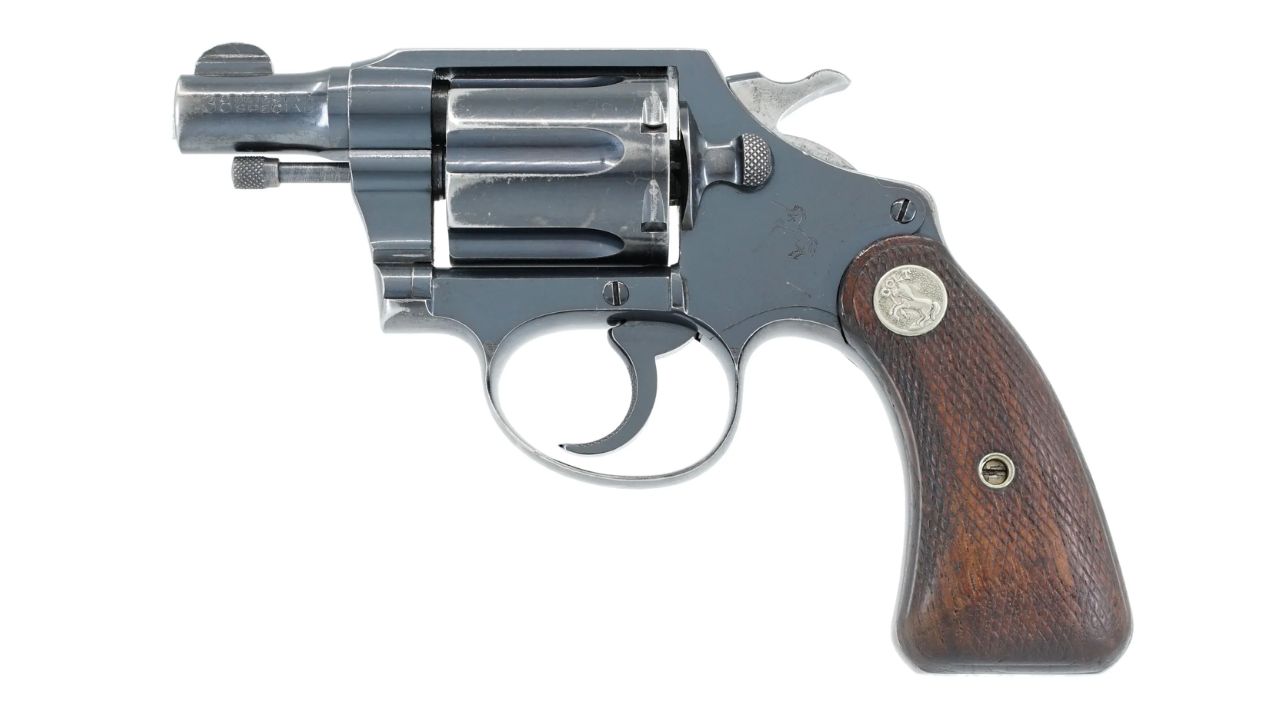
The Detective Special earned its reputation the hard way—by being carried a lot and trusted in ugly moments. It’s compact, practical, and chambered in .38 Special, which is still one of the easiest revolver cartridges to live with. The design gives you real shootability in a small package, and that’s why it stayed relevant for so long.
Value remains high because the supply isn’t endless and the demand doesn’t fade. People who appreciate classic carry guns look for them, and shooters who want a proven snub with a little more capacity than a five-shot J-frame keep them on their radar. When a revolver has both history and real-world usefulness, the used market stays lively and prices stay firm.
Smith & Wesson Model 10
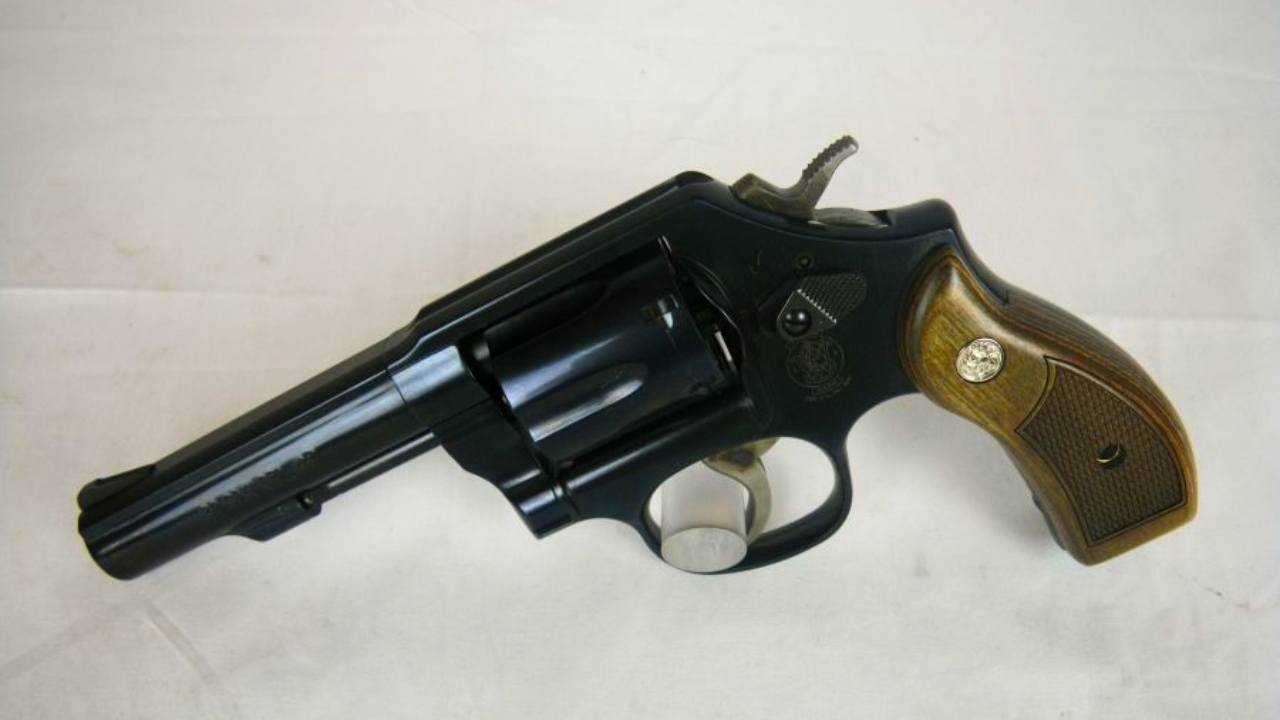
The Model 10 is the definition of a revolver that earned trust through repetition. It rode in duty holsters for decades, trained generations of shooters, and kept working with minimal drama. It’s not flashy, but it’s usually accurate, easy to maintain, and very forgiving with .38 Special—exactly what keeps a revolver running for the long haul.
It holds value because it’s still one of the best “buy once, shoot forever” revolvers on the used market. Clean examples sell fast, but even honest-duty guns move because buyers know they’re getting a proven design. The Model 10 also has a wide parts and holster ecosystem, so owners keep them alive. When a revolver becomes a benchmark, it stays desirable.
Smith & Wesson Model 27

The Model 27 holds value because it represents the .357 Magnum done the old-school way—big frame, smooth action, and a reputation for strength. It’s a revolver that feels substantial in the hands and tends to stay that way over time. With proper care, it remains tight and consistent, and the shooting experience still feels special without being delicate.
Demand is steady because it appeals to two crowds at once. Shooters want it because it’s a serious revolver with real capability. Collectors want it because it carries history and craftsmanship. That combination keeps prices up and listings short-lived. When a revolver sits at the intersection of performance and legacy, it doesn’t need a trend cycle to hold value.
Smith & Wesson Model 29

The Model 29 holds value because it’s one of the revolvers people graduate to—and then keep. In .44 Magnum it’s a real hunting and backcountry tool, and in .44 Special it’s surprisingly pleasant. It has enough weight and frame to handle serious use, and it’s one of the most recognizable revolvers ever made, which keeps demand high.
It also benefits from a strong owner culture. People who buy a 29 tend to shoot it, tune their loads, and hang onto it. That lowers the supply of clean used guns, especially the ones with good triggers and minimal wear. Whether you’re looking at it as a hunting revolver or as a piece of American handgun history, buyers keep lining up.
Ruger Redhawk

The Redhawk holds value because it’s the revolver people choose when they want strength first. It’s known for handling heavy loads in big-bore chamberings without feeling like it’s living on the edge. The frame and lockwork have a reputation for durability, and that matters when the gun’s job is protection in the woods or serious hunting.
On the used market, that reputation translates directly to price. Buyers aren’t scared of a used Redhawk because they believe it still has plenty of life left. It’s also a revolver that owners tend to keep once they’ve set it up with the grips and sights they like. When a gun becomes a trusted backcountry tool, it doesn’t get traded lightly, and that scarcity keeps values steady.
Ruger Super Blackhawk
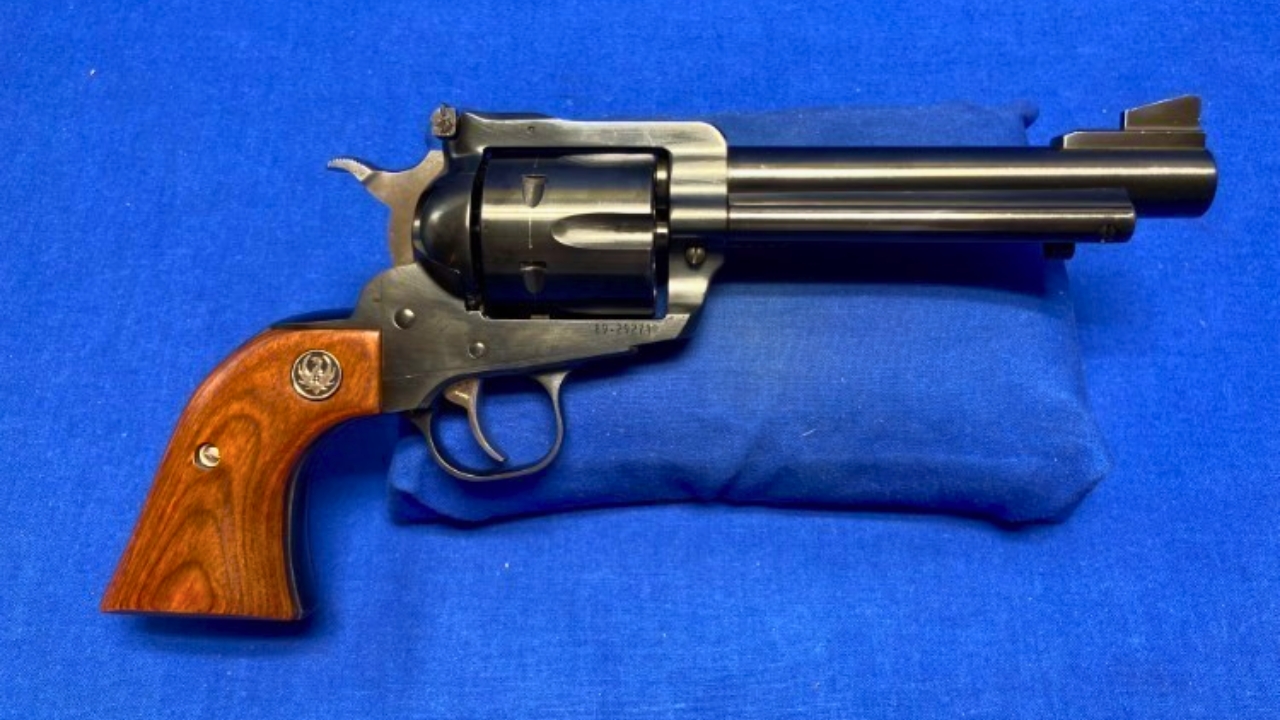
The Super Blackhawk holds value because it’s a workhorse that appeals to people who actually shoot. It’s built to handle .44 Magnum without feeling fragile, and the single-action layout encourages deliberate shooting. Hunters like the way it carries and points, and handloaders like how much performance margin the platform offers.
Resale stays strong because it’s a known quantity. A used Super Blackhawk rarely scares buyers, even if it has honest wear, because the design has a long history of staying functional. These guns also tend to live in the hands of people who maintain them, which helps the used market. When a revolver becomes a go-to for hunting season after hunting season, value follows.
Smith & Wesson Model 60

The Model 60 holds value because it’s a stainless J-frame that ages well. It’s small enough to carry without changing your whole wardrobe, and stainless construction makes it more forgiving of sweat, rain, and daily handling. In .38 Special it’s easy to live with, and in .357 (for the versions chambered that way) it offers extra capability without jumping to a larger frame.
It also holds value because it hits a sweet spot: carry-friendly, shootable enough, and built to last. People buy them, learn them, and keep them. Used ones sell because buyers know they’re getting a durable small revolver with a long track record. When a revolver spends its life being carried instead of sitting, stainless and reliability do a lot of work for resale.
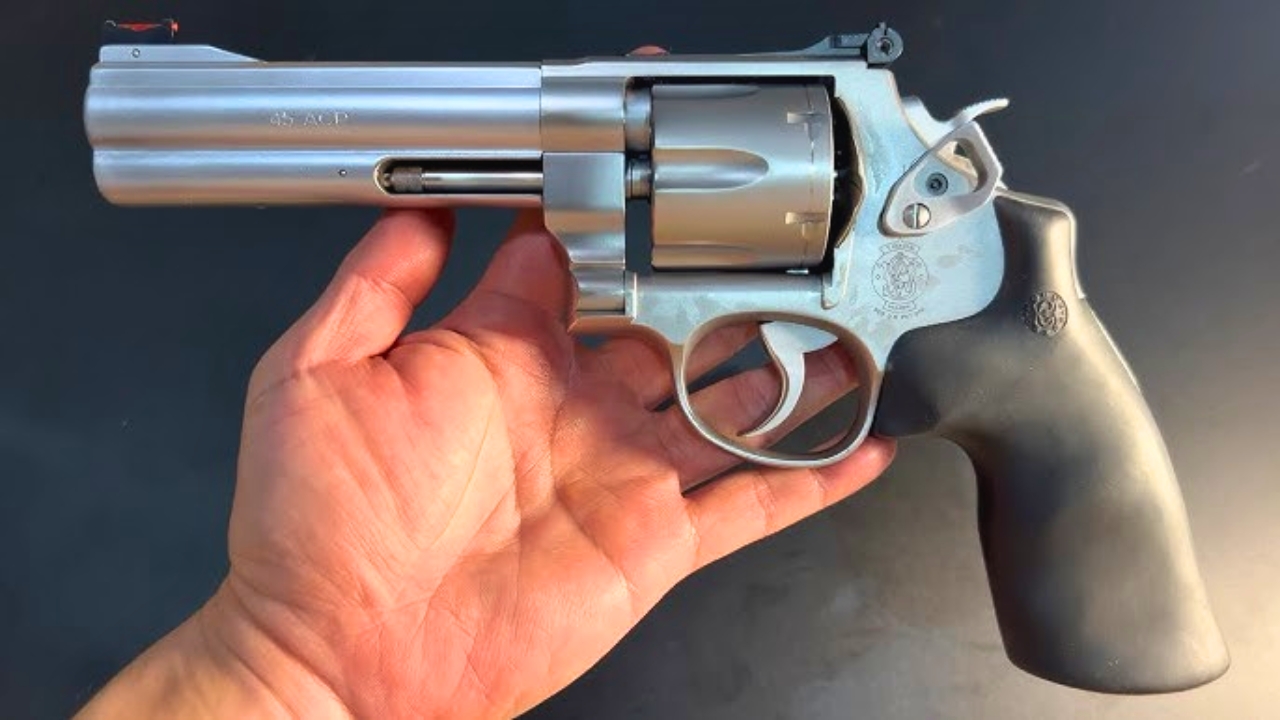
Smith & Wesson Model 625

The 625 holds value because it’s a revolver built for heavy use and fast reloads without getting finicky. Chambered in .45 ACP and commonly run with moon clips, it became a favorite in competition circles and among shooters who like a big-bore revolver that doesn’t require boutique ammo. The N-frame size also helps it shoot softly for its caliber.
That practical niche keeps demand steady. The 625 isn’t a novelty gun—it’s a revolver people buy for a purpose, and purposeful guns keep value. The platform is also durable and supported, so used examples are still attractive. When a revolver has a loyal following that actually shoots, trains, and competes with it, the used market stays healthy and prices stay firm.
Like The Avid Outdoorsman’s content? Subscribe to our newsletter so you never miss an article.
Here’s more from us: