Photo credit: Mountains, Mullets, Merica!/Youtube
A good truck gun should be practical before anything else. It should be reliable, reasonably durable, easy to secure, simple to use, and suited to the actual job the owner has in mind. Around farms, ranches, rural property, and back roads, that may mean pests, varmints, predators, emergency use, or simply having a capable rifle nearby where legal and appropriate.
But not every rifle belongs in that role.
Some are too expensive to leave exposed to temperature swings, dust, bumps, and theft risk. Some are too long and awkward inside a vehicle. Some are chambered in cartridges that are too loud, too specialized, too weak, or too expensive for regular use. Others sound cool until the owner realizes a truck gun is supposed to be boringly useful, not dramatic. These are the rifles that do not belong in a truck gun role.
Expensive Custom Bolt-Action Rifles
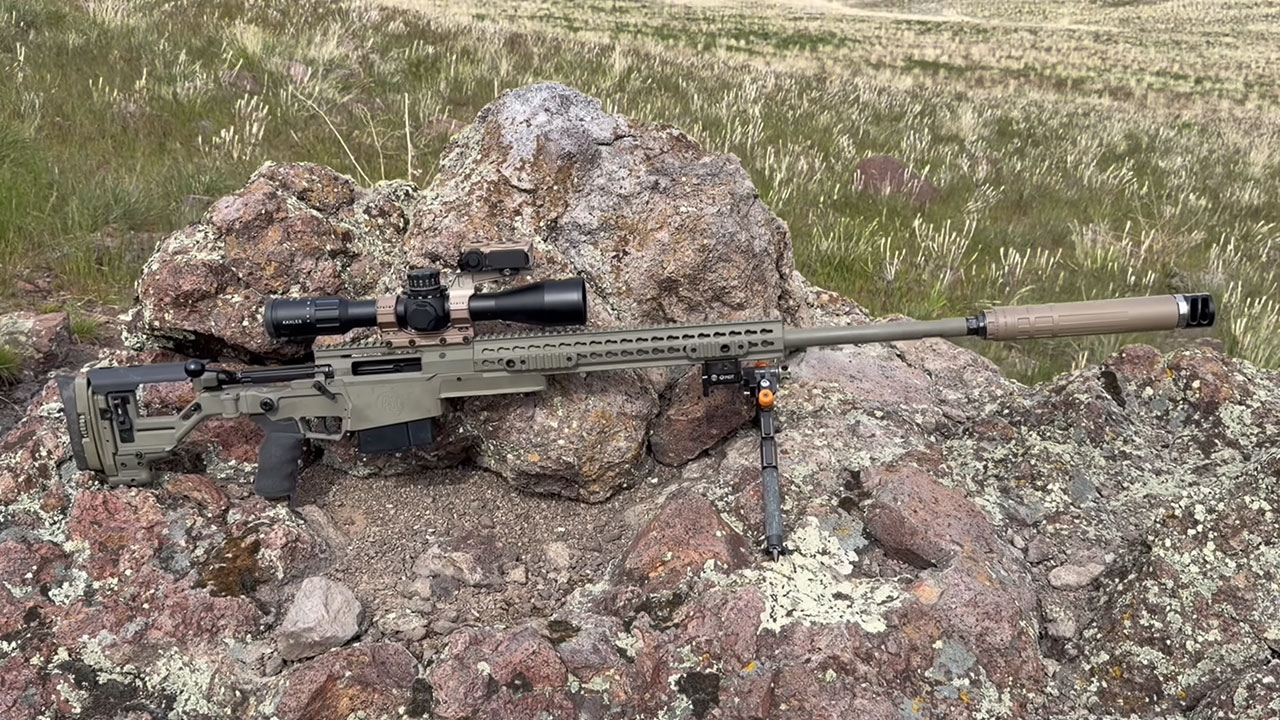
A custom bolt-action rifle may be accurate, beautiful, and built exactly the way the owner wants. That is precisely why it usually does not belong as a truck gun. A rifle with a premium barrel, custom stock, expensive optic, and carefully tuned action is too valuable to live behind a seat or bounce around in a vehicle.
Truck guns take abuse. They deal with dust, heat, cold, vibration, scratches, and the constant need for secure storage. A custom rifle can handle normal field use, but leaving it in a rough utility role is asking for heartache. The owner may also hesitate to use it hard because of what it cost. A truck gun should be something the owner trusts without babying. A high-dollar custom rifle is usually better kept for hunts where its accuracy and refinement actually matter.
Heirloom Lever Actions
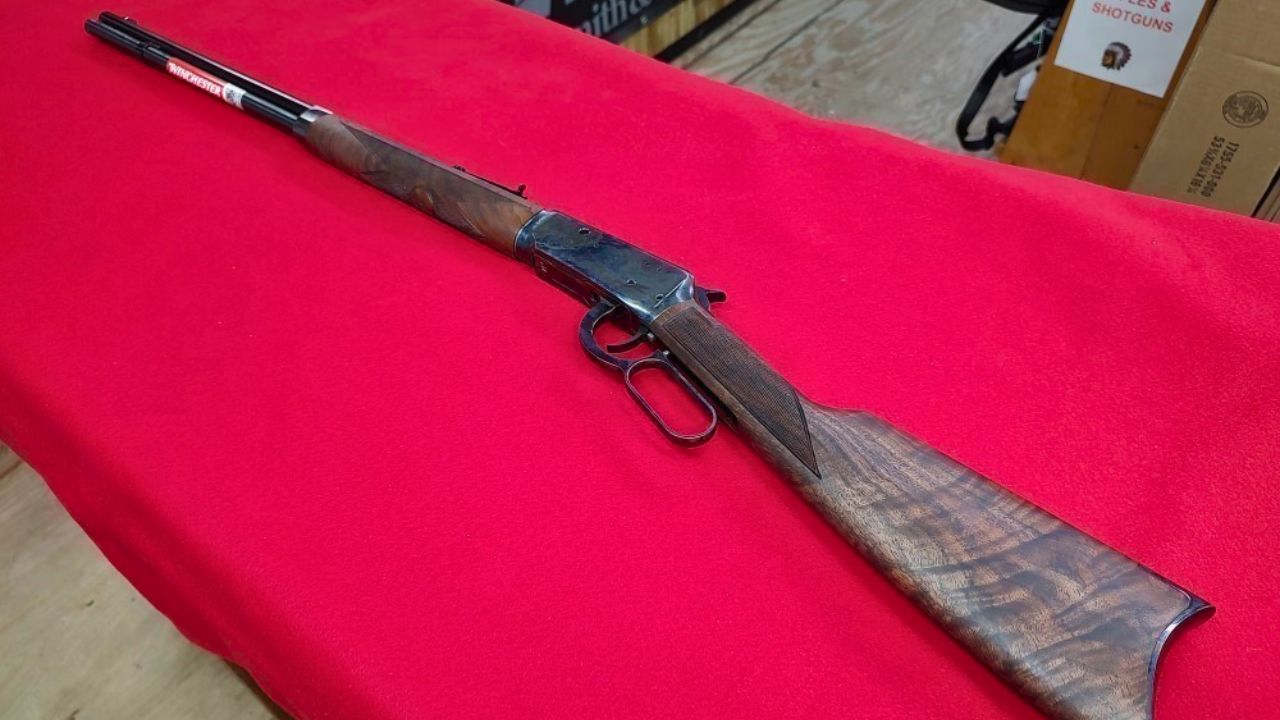
An old Winchester 94, Marlin 336, Savage 99, or similar family rifle may seem like the perfect rural truck gun because it is handy, familiar, and already tied to practical use. That is exactly how many of those rifles were treated decades ago.
But an heirloom rifle has a different responsibility now. If it belonged to a parent, grandparent, or another family member, it should not be left vulnerable to theft, weather, or unnecessary damage. Even if it still works beautifully, the sentimental value may be impossible to replace. A modern, practical lever gun or budget bolt-action can fill the same general role without risking a family piece. The old rifle may have lived in trucks once. That does not mean it should keep doing that forever.
Precision Chassis Rifles
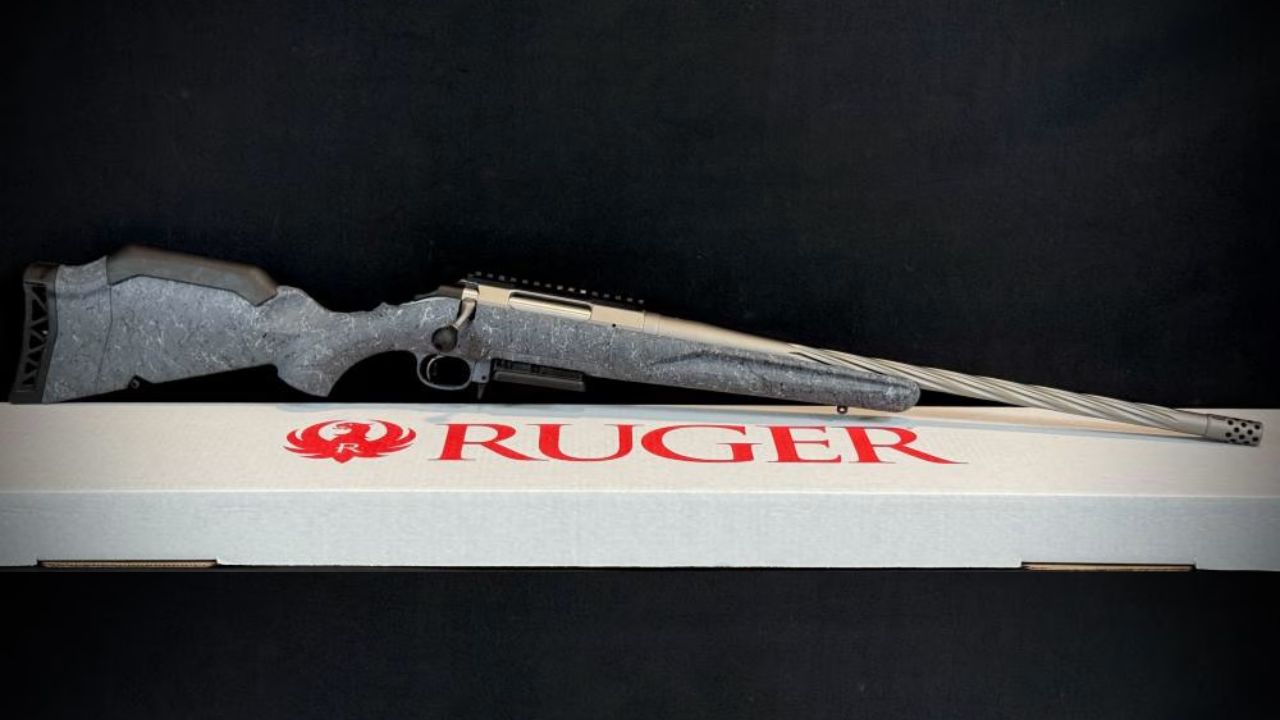
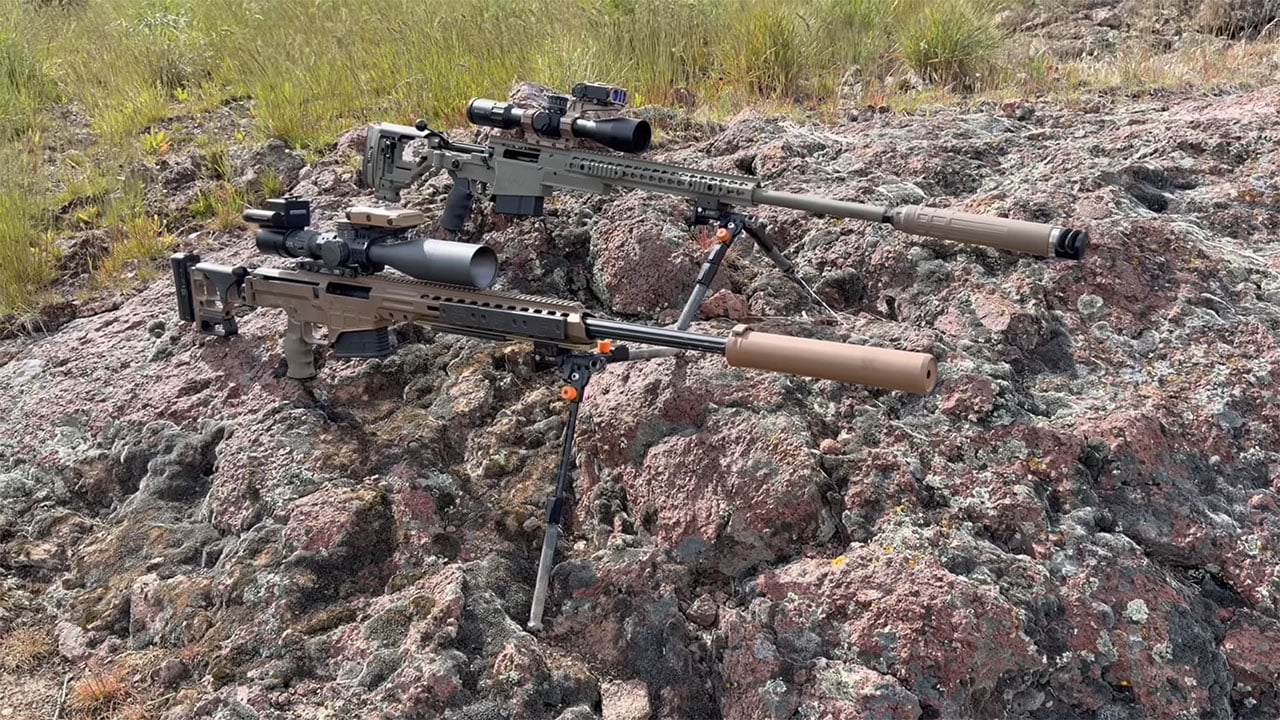
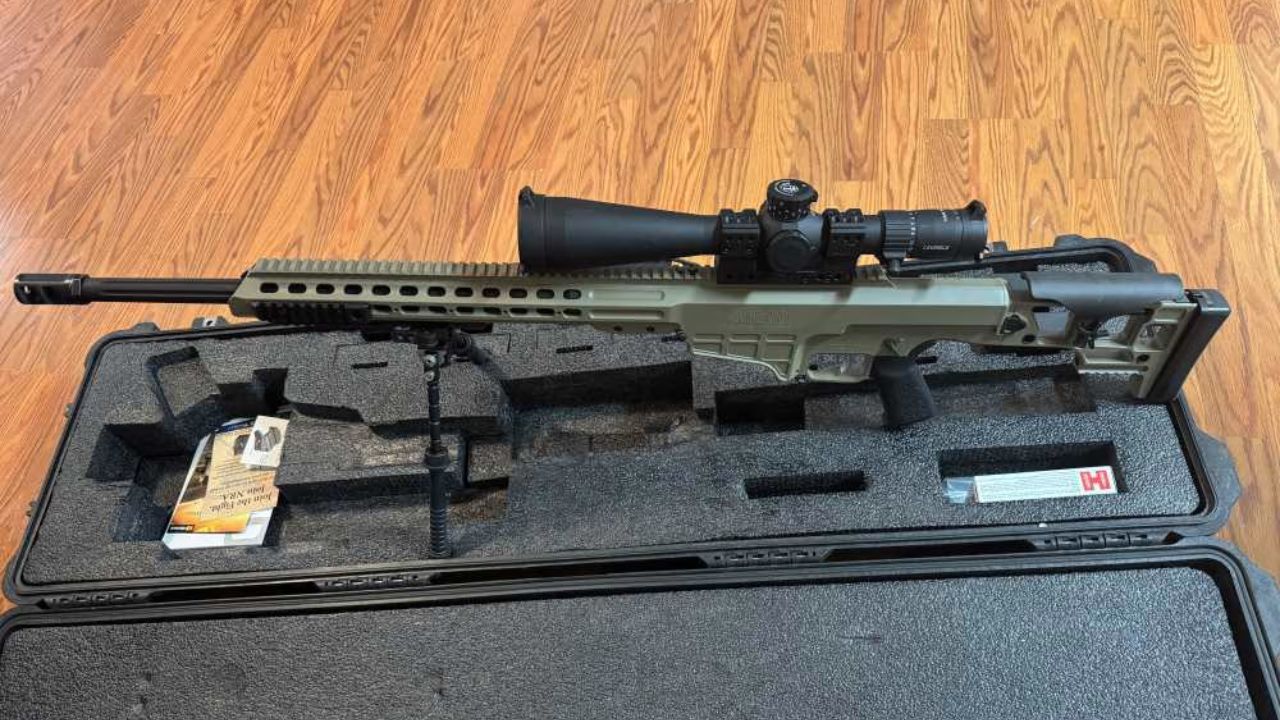
Precision chassis rifles are impressive on the range. They offer adjustable stocks, heavy barrels, detachable magazines, rails, bipods, and the kind of setup that makes long-range shooting easier. That does not make them good truck guns.
Most are too heavy, too bulky, and too awkward for quick practical use in and around a vehicle. They are also usually expensive, especially once the optic is included. A truck gun needs to be handy and simple. A chassis rifle tends to be the opposite: long, heavy, and built around careful shooting from supported positions. It may be excellent for steel targets or long-range hunting, but it is not the rifle most people want wedged behind a seat or dragged out for a quick shot at a coyote.
.338 Lapua Magnum Rifles

A .338 Lapua Magnum rifle sounds powerful enough to solve almost anything, and that is the trap. It is a serious long-range cartridge designed for specialized work. As a truck gun, it is wildly excessive for nearly everyone.
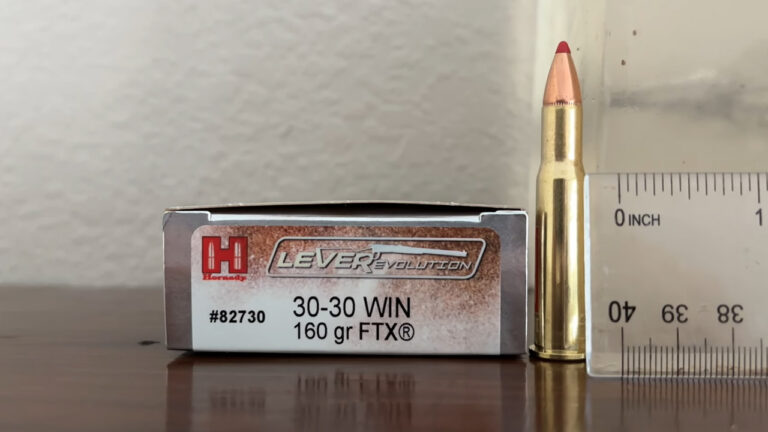
The rifles are usually large and heavy. Ammunition is expensive. Recoil and muzzle blast are significant. The cartridge’s strengths show up at distances and in situations far beyond normal truck-gun use. Most rural property problems do not require a cartridge designed for extreme range. A .223, .243, .308, .30-30, or similar practical cartridge will usually make far more sense. The .338 Lapua belongs in a deliberate long-range role, not rattling around as a “just in case” rifle.
Bullpup Rifles With Awkward Controls
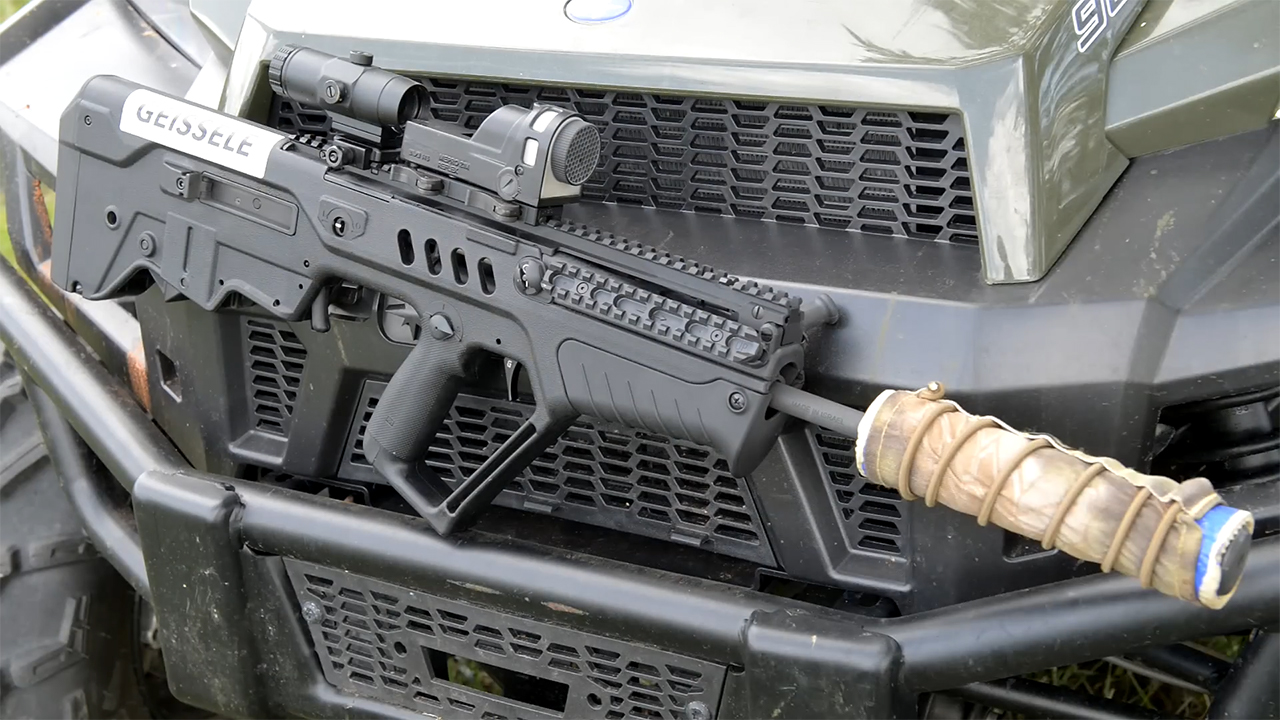
Bullpup rifles can look like ideal truck guns because they offer short overall length while keeping a longer barrel. That compactness is attractive inside vehicles. The problem is that many bullpups come with awkward controls, unusual reloads, heavy triggers, or balance that takes real practice.
A truck gun should be simple under stress. If the owner has to think through the safety, magazine change, charging handle location, or malfunction clearance because the layout is unusual, that is not ideal. Some bullpups are excellent in trained hands, but they are not automatically better just because they are short. A rifle that is compact but confusing may be worse than a slightly longer rifle with controls the owner can run without thinking.
AR Pistols With Questionable Builds

A well-built AR pistol can be compact and useful, especially where legal and properly configured. The problem is the cheap or poorly tuned AR pistol that looks like a tactical truck gun but has not been proven. Short gas systems, buffer weights, braces or stocks depending on legal configuration, muzzle devices, and parts quality all matter.
A truck gun needs reliability more than looks. A budget AR pistol that is overgassed, undergassed, ammunition-sensitive, or built from unknown parts can become a liability. The blast from short barrels can also be brutal, especially inside or near vehicles. Before a short AR earns a practical role, it needs hard testing with the exact ammunition and magazines the owner plans to use. If it has only been assembled, photographed, and fired for one magazine, it does not belong in the truck.
Heavy Barrel Varmint Rifles
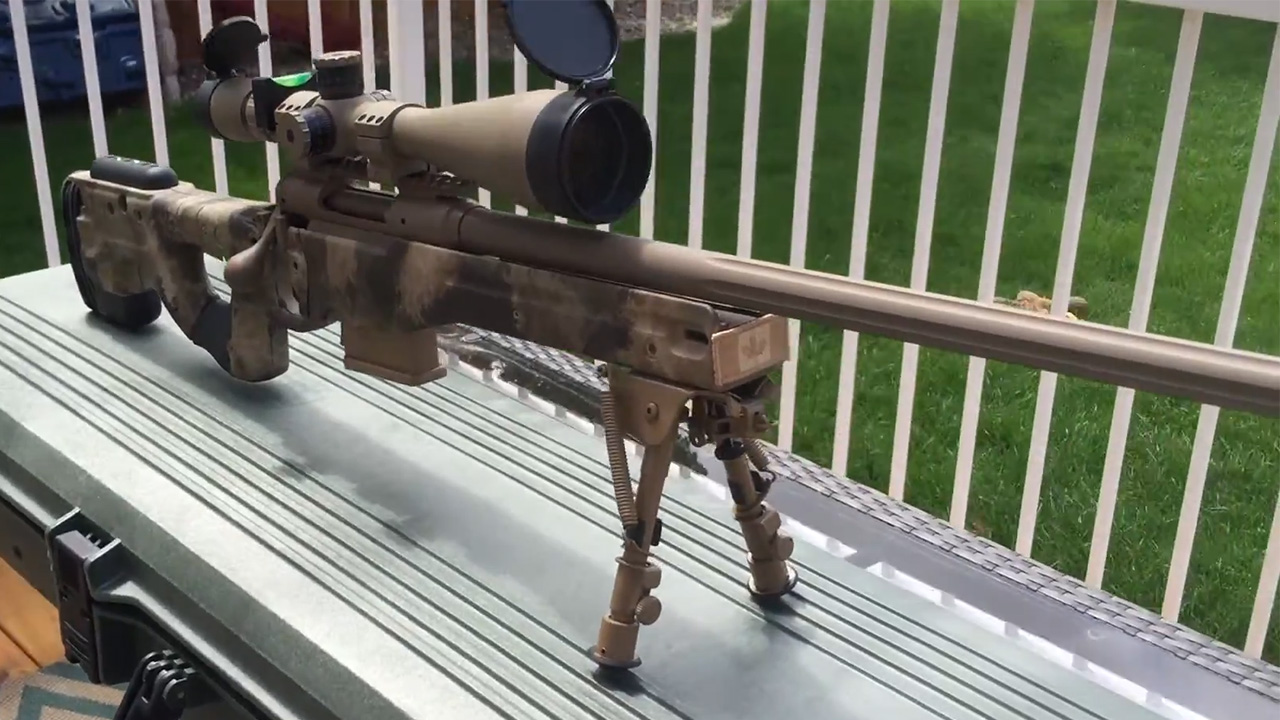
A heavy barrel varmint rifle can shoot beautifully from a bench, rest, or field position. For prairie dogs, coyotes, and careful predator work, it can be excellent. That accuracy makes some owners think it would be a perfect truck gun.
Then they actually try to maneuver it. Heavy barrel rifles can be long, front-heavy, and awkward in a cab. They are not quick to bring into action, and they can be annoying to carry if the owner has to walk away from the vehicle. They also often wear large optics that make storage and security more complicated. A truck gun should be handy first. If the rifle feels like a benchrest setup with a sling, it probably belongs in a varmint stand, not behind the seat.
Rimfire Rifles as the Only Truck Gun
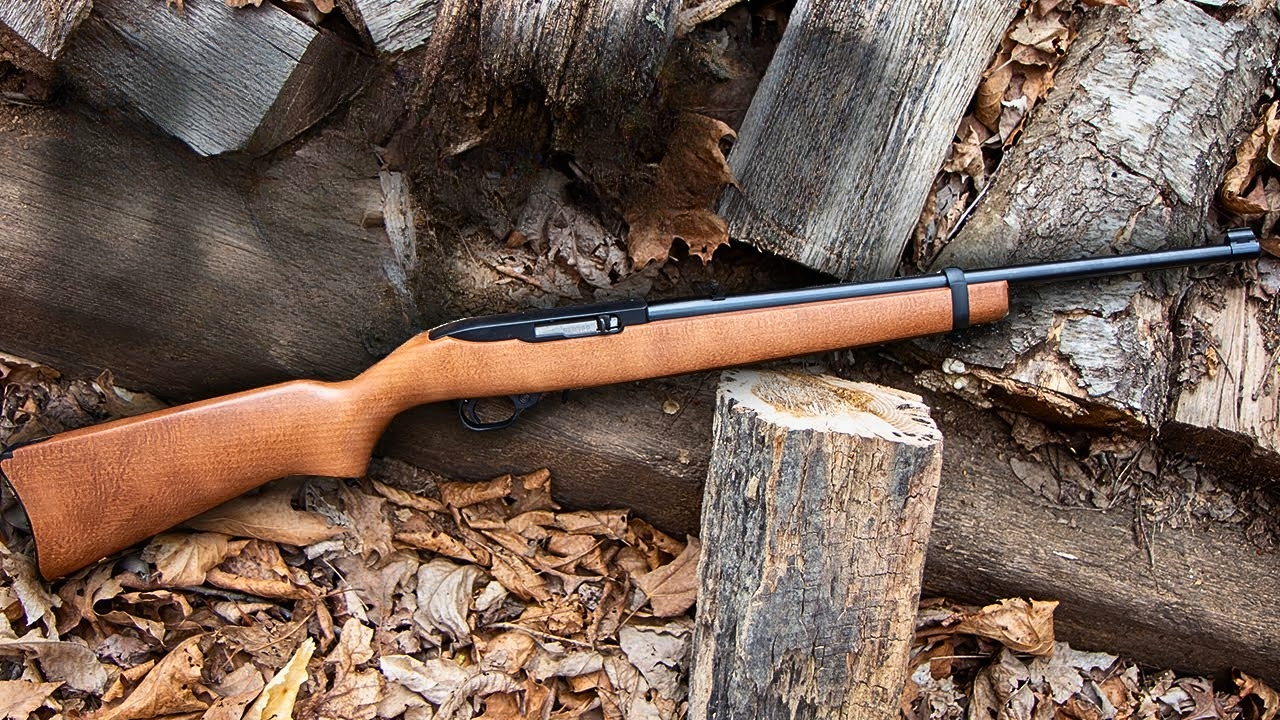
A .22 LR rifle is one of the most useful firearms a person can own. It is quiet, affordable, accurate, and perfect for small pests, small game, and practice. In some rural roles, it can be a handy truck companion where legal and safely stored.
The issue is relying on it as the only truck gun when the job may call for more. A .22 LR is limited in power, range, and terminal effect. It may be perfect for squirrels or small pests, but it is not ideal for coyotes at distance, larger varmints, or defensive emergencies. A rimfire can belong in a truck as a small-game or utility rifle, but not as the one rifle expected to cover every possible need. Truck-gun practicality starts with being honest about likely use.
Rare Collectible Military Surplus Rifles

Old military rifles are rugged by design, which tempts some owners to treat them like perfect truck guns. A Mauser, Lee-Enfield, SKS, M1 Carbine, or surplus bolt-action may seem tough enough for rough use. Some absolutely are.
The problem is collector value and parts reality. Many surplus rifles are no longer cheap, and clean examples with original condition deserve better than constant vehicle abuse. Ammunition may be corrosive, expensive, or inconsistent depending on the rifle. Sights, safeties, and triggers may also be less practical than modern options. A rough already-sporterized surplus rifle might make sense for some rural users. A collectible example does not. Once history and value enter the picture, it is no longer just a beater.
Long-Barreled Hunting Rifles

A 26-inch-barreled hunting rifle may be excellent in open country. It can make the most of magnum cartridges, balance well from shooting sticks, and perform beautifully on deliberate shots. Inside a truck, that same length becomes annoying.
Long rifles are harder to store securely, harder to maneuver safely, and slower to bring into action in tight spaces. Add a large scope and a sling, and the rifle becomes even more awkward. A truck gun does not need to be tiny, but it should be manageable. A long-barreled magnum may be a great elk or beanfield rifle. It is usually a poor choice for a general-purpose vehicle gun where handiness matters more than squeezing every foot per second from the cartridge.
Single-Shot Rifles in Narrow Cartridges
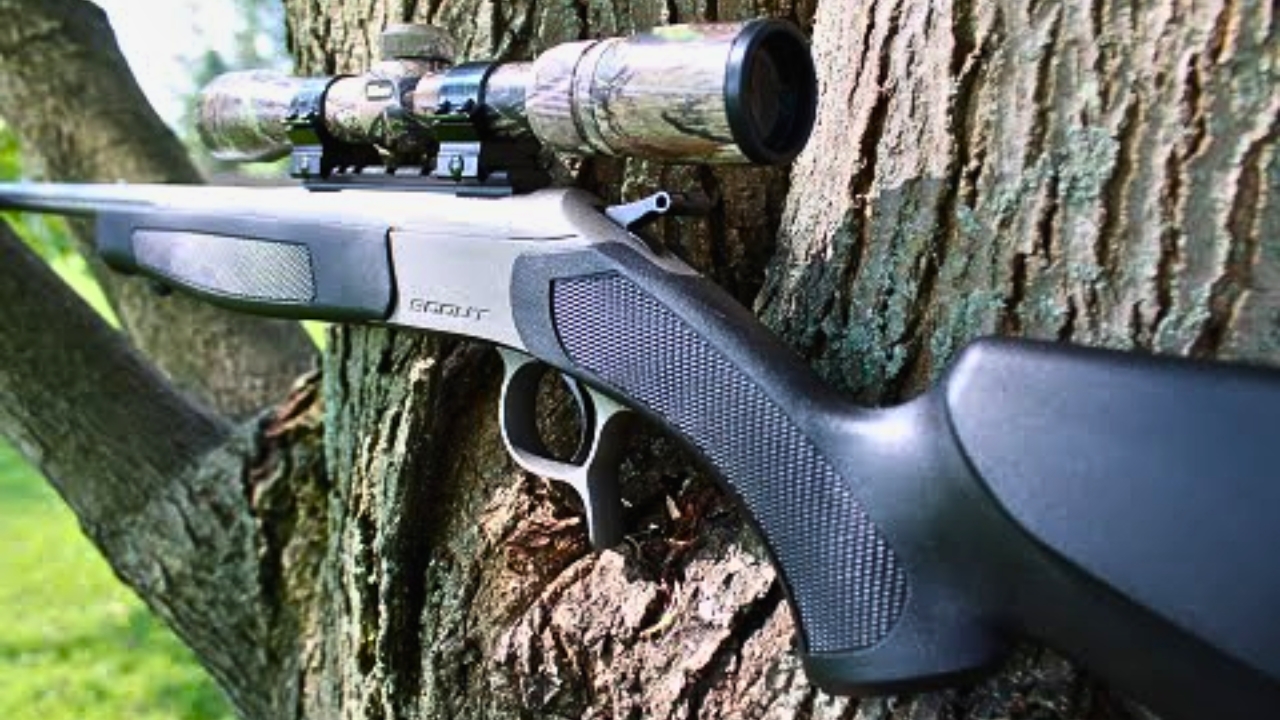
Single-shot rifles can be accurate, simple, and elegant. A good break-action or falling-block rifle has plenty of appeal. For a truck gun, though, a single-shot in a narrow-use cartridge may be too limiting.
The issue is follow-up capability and flexibility. If the rifle is chambered in something like .45-70, .223, .300 Blackout, or a rimfire, it may handle one specific role well but struggle outside it. A single-shot also requires careful reloading if a quick second shot is needed. That may be fine for controlled hunting, but a truck gun is often chosen for unpredictable utility. A single-shot can work for a disciplined owner in a defined role. As a broad-purpose truck rifle, it often gives up too much.
Expensive AR-15 Builds With Premium Optics
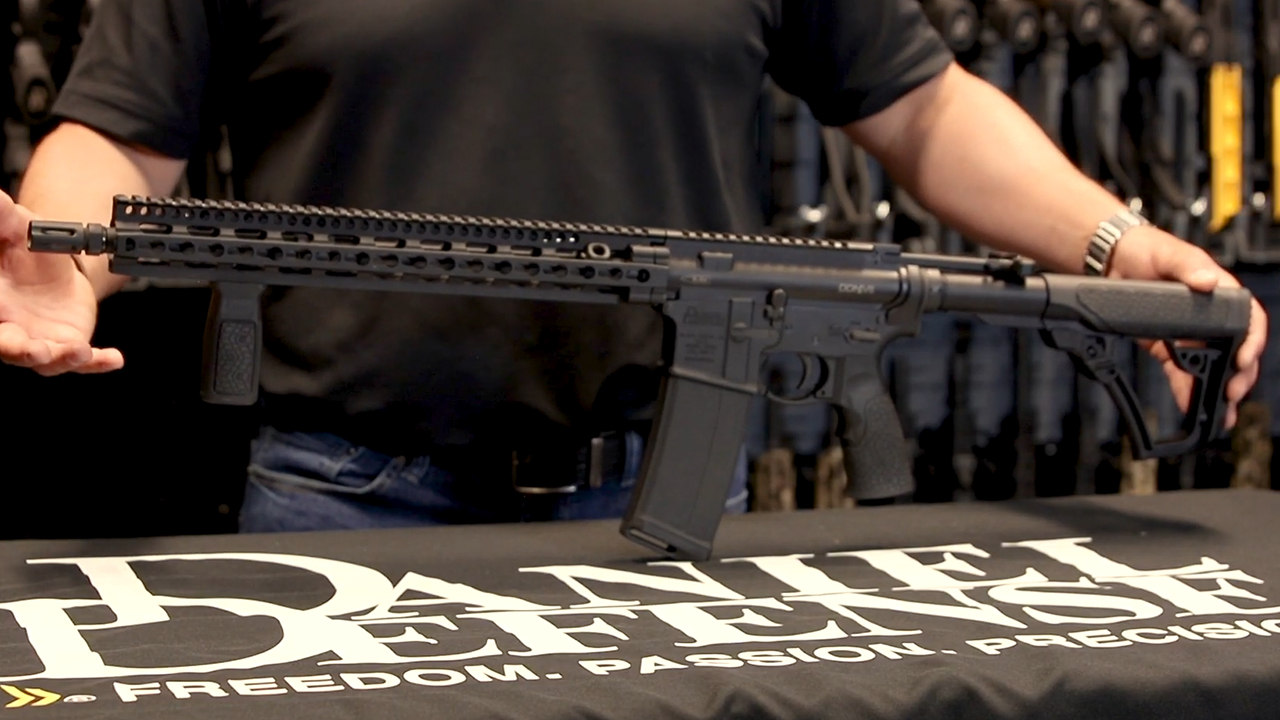
An AR-15 can be one of the best truck-gun platforms when built simply and reliably. The trouble starts when the owner turns it into a high-dollar project. A premium barrel, match trigger, suppressor, expensive light, top-tier optic, backup sights, upgraded furniture, and specialty parts can turn a practical rifle into a very expensive theft target.
A truck gun is exposed to risk. Vehicles get broken into. Rifles get scratched. Optics get bumped. Temperature changes and dust do not care what the build cost. If the rifle is so expensive that the owner would be sick if it disappeared or got damaged, it probably does not belong in that role. A simple, proven AR with a practical optic makes sense. A boutique build with a mortgage-payment glass setup probably belongs somewhere safer.
Lever Guns in Huge Recoiling Cartridges

Big-bore lever guns are fun, powerful, and useful in the right setting. A .45-70, .450 Marlin, or similar rifle can be excellent for certain hunting and woods roles. But as a general truck gun, a hard-kicking big-bore lever action is often more drama than utility.
A truck gun may need to handle pests, predators, quick shots, or general rural tasks. Most of those jobs do not require heavy recoil, expensive ammunition, and a curved trajectory. The rifle may also be slower to practice with because the owner does not want to burn costly ammo or deal with the kick. A .357 Magnum, .44 Magnum, .30-30, .223, or .308 often makes more sense depending on the role. Bigger is not always more practical.
Tactical Shotgun-Style Rifles With Poor Accuracy

Some rifles are marketed with tactical styling that makes them look perfect for rough use. Rails, muzzle devices, pistol grips, folding stocks, and aggressive furniture can make a gun seem like it belongs behind a truck seat. The problem is that looks do not make a rifle useful.
If the rifle has poor accuracy, unreliable magazines, awkward controls, or an uncomfortable stock, it is a bad truck gun no matter how rugged it looks. A truck gun should be easy to shoot well under realistic conditions. If it cannot hold practical groups, maintain zero, or run reliably with common ammunition, the styling is just decoration. Rural utility rewards boring performance, not catalog toughness.
Rifles the Owner Cannot Secure Properly
The rifle that least belongs in a truck gun role is any rifle the owner cannot secure properly. This has nothing to do with caliber, brand, or action type. A vehicle is not a safe, and theft risk is real. A gun left unsecured can quickly become someone else’s weapon.
A responsible truck-gun setup requires legal compliance, safe storage, and serious thought about when and why the rifle is in the vehicle. If the owner cannot lock it, conceal it from view, control access to it, and remove it when it does not need to be there, the rifle does not belong in the truck. A cheap rifle stolen from a vehicle is still a serious failure. Practicality starts with security. Without that, the whole truck-gun idea falls apart.
Like The Avid Outdoorsman’s content? Be sure to follow us.
Here’s more from us: