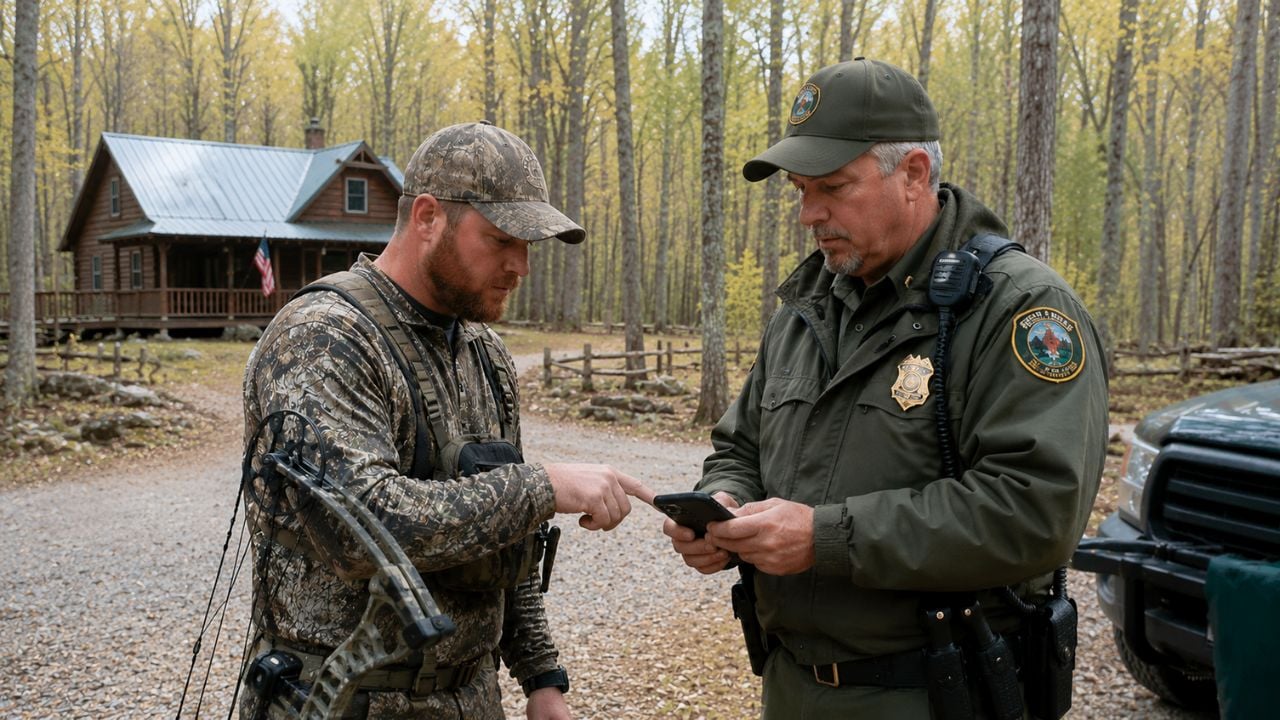
Photo credit: Theavidoutdoorsman.com
Two buddies can hunt together for a decade and still get sideways in one morning if they aren’t crystal clear on tags, targets, and who’s pulling the trigger. That’s especially true in places where a shared tag is legal, or where a landowner-issued permit is tied to a specific animal class. One wrong decision at first light can turn a good camp into a mess that follows you right into the field dressing station.
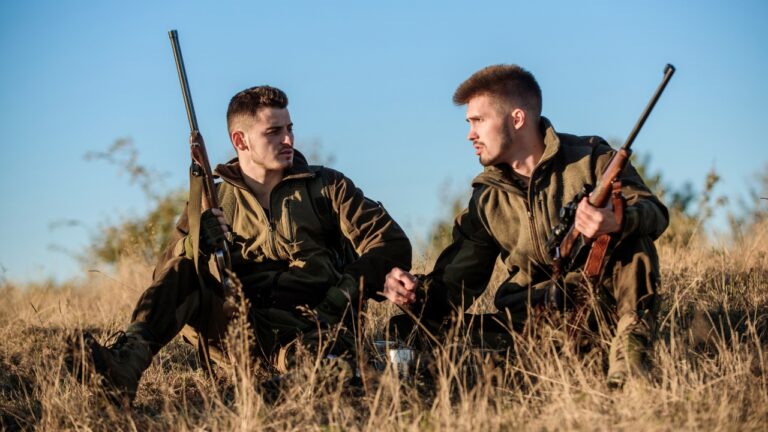
That’s what played out on a cold midweek sit when two hunting partners were working a familiar piece of ground and counting on a shared deer tag arrangement to fill the freezer. They’d talked the night before about waiting on a mature buck, but pressure and impatience have a way of changing plans when a deer finally steps out.
The shared-tag plan sounded simple until the shot happened
The two hunters had been running cameras on a small pinch between cutover and hardwoods. The routine was the same: one man watched the main trail from a ladder stand while the other sat on the downwind side over a scrape line. They’d agreed that any buck meeting their “good enough” standard was fair game, and the tag—whether a party tag or a permit they were treating like one—would get notched when the deer hit the ground.
Right after legal light, movement came fast. A deer slipped out of the cutover and paused in a thin strip of brush. From one angle it looked like a buck in the shadows; from the other angle it was clearly a doe. The partner who had the rifle didn’t take the extra seconds to confirm what he was seeing.
The shot was clean. The problem was what they walked up on.
“Wrong deer” isn’t just an honest mistake when you know the rules
When they got hands on the animal, it was obvious it didn’t match what they’d been talking about—wrong sex for the tag they were planning to use, or at minimum the wrong class for how their paperwork was set up. In a lot of states, a party tag doesn’t mean “any deer, any time.” It’s still tied to specific seasons, weapon types, and whether you’re allowed to take antlerless game.
That’s where the morning went from “dang it” to “we’ve got a problem.” The right move in that moment is boring but important: stop, confirm the regs, and call the number you’re supposed to call if you’ve made a tagging mistake or a mistaken harvest. Wardens don’t love it, but they respect honesty a whole lot more than a cover story.
Instead, the shooter started trying to force the situation back into the plan they’d had in their head. That’s when bad judgment piled on top of a bad decision.
The cover-up started small, then snowballed at the dressing pole
At first it was just talk—trying to decide whose tag could “work,” and whether anyone would even notice if they registered it a certain way. Then it moved into actions meant to disguise what happened. Anyone who’s cleaned enough deer knows there are details that tell the story: entry angle, where the deer was hit, and signs that the animal was handled or moved in a hurry.
The shooter wanted the deer hung fast, cleaned fast, and out of sight. He didn’t want it visible when other hunters came in. He also didn’t want his partner talking to anyone at the check station or near the public cleaning racks, where conversations happen whether you like it or not.
That’s the thing about a field dressing station: it’s where stories unravel. You’re in the open. People walk up, look at deer, ask what you’re seeing. And if a warden swings through, it’s the easiest place in the world to check tags and compare them to what’s hanging on the gambrel.
A warden doesn’t have to “trap” you when the basics don’t add up
Wardens don’t need a detective novel to find a tagging problem. They look at the animal, then look at the paperwork, then ask simple questions. Who shot it? Where was it recovered? What time? Which tag is assigned? If it’s a shared tag situation, they’ll want to know where the tag holder is and whether the rules were followed for immediate tagging and reporting.
In this case, the partners were already rattled, and that showed. When a person starts volunteering extra details, changing the timeline, or getting cagey about where a deer came from, it puts a spotlight on the whole deal. A calm hunter with a straightforward answer is one thing. A nervous hunter trying to steer the conversation is another.
Once the warden started looking closer, the attempt to “smooth it over” turned into a bigger issue than the wrong deer. That’s the part a lot of folks don’t understand: the original mistake might be a citation. The cover-up can turn it into something that costs you your season.
What other hunters zeroed in on: party tags, honesty, and picking better partners
When hunters talk about situations like this, the same points come up every time. First, party tags and shared-tag setups don’t erase personal responsibility. If you pull the trigger, you own the shot, and you’d better know what’s legal for the season you’re in—antler restrictions, weapon restrictions, and whether the tag is even valid for that animal.
Second, folks have very little patience for lying to a warden. Most hunters understand misidentification can happen in brushy cover or in low light. But trying to hide it is where the sympathy dries up. It’s hard enough to keep hunting access, keep landowners happy, and keep seasons from getting cut back without giving ammo to the people who already think hunters can’t police themselves.
Third, a lot of guys brought up the uncomfortable truth: your hunting partner’s character matters as much as his marksmanship. A person who’s willing to bend the rules when it’s convenient will eventually bend them when you’re standing next to him. And then you’re tangled up in it whether you shot the deer or not.
The practical lessons: tag clarity, shot discipline, and what to do when it goes wrong
If you hunt under any kind of shared-tag arrangement, treat it like a pre-hunt checklist. Decide who is the authorized shooter, what animals are legal, and how tagging and reporting will happen the second the animal is recovered. Don’t wait until you’re standing over a deer to figure out which tag applies.
On the shooting side, this is another reminder that “brown is down” is a losing mindset. Low light, brush, and adrenaline are a bad mix. If you can’t clearly identify what you’re shooting and whether it’s legal, you don’t shoot. That’s not just about avoiding tickets—it’s about keeping the ethical line bright and easy to see.
And if you do make an honest mistake, the best damage control is honesty and speed. Secure the firearm, keep the animal as-is, and contact the proper authority through the legal reporting method for your state. You might still get cited, but you’re far more likely to walk away with your integrity intact and your hunting privileges not hanging by a thread.
Hunting camps fall apart over smaller things than a deer, but they usually don’t fall apart over the deer itself. They fall apart over the decisions made afterward. If you’re going to share a tag, share the responsibility too—and if the guy next to you wants to turn a mistake into a scheme, it might be time to find a different partner before the next season rolls around.