Photo credit: Roberts Bushcraft/YouTube
This is the kind of problem that wastes range days. You get a rifle “dialed,” it shoots fine, you feel good, then the next trip it’s off just enough to make you start spinning turrets. You blame ammo, you blame the wind, you blame your eyes, you blame the scope… and the whole time it’s usually something simple: a platform that doesn’t return to the same lockup, hardware that loosens under recoil, a forend that flexes and changes pressure, or a mount system that isn’t truly rigid. These specific guns are common offenders because of their design, how people tend to mount optics on them, or how sensitive they can be to support pressure and heat.
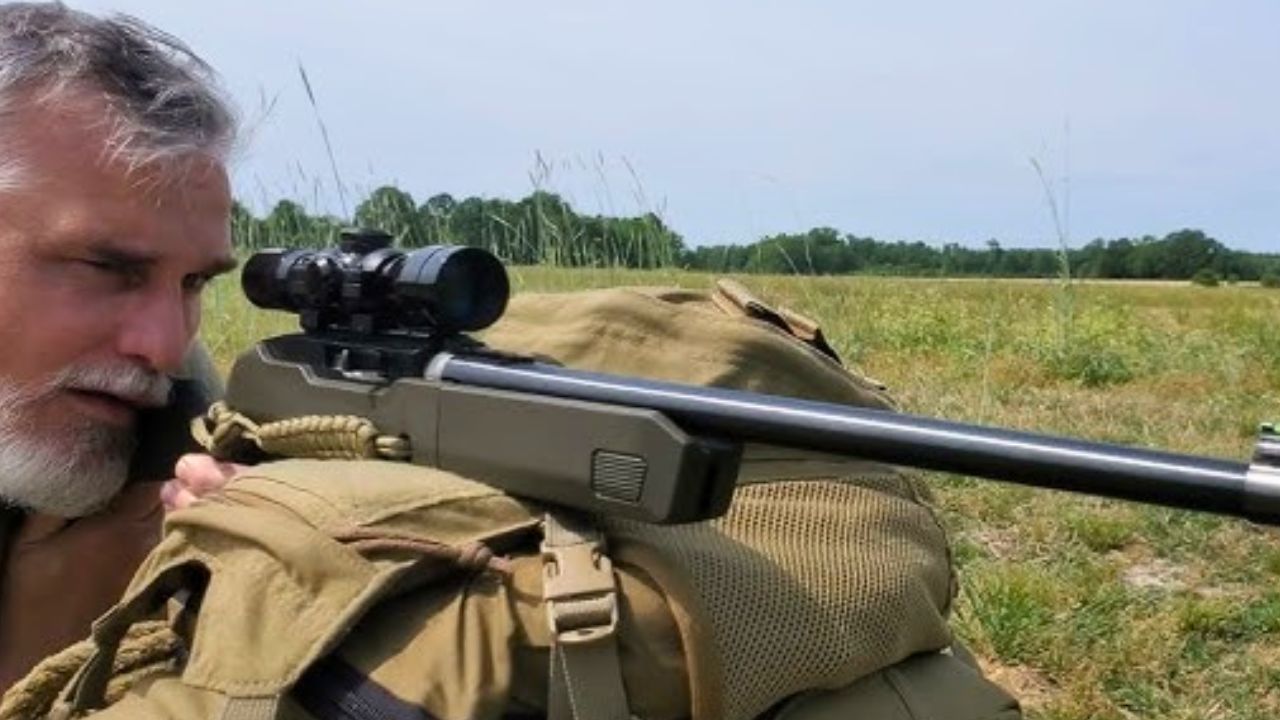
Ruger 10/22 Takedown

The 10/22 Takedown is convenient, but convenience comes with a real tradeoff: you’re relying on a repeatable lockup every time you assemble it. If the barrel/receiver interface isn’t returning to the exact same tension and seat, point of impact can shift enough to make you think your optic moved. A lot of guys also mount optics and then assume it behaves like a fixed-barrel rimfire that never changes. Add the fact that rimfire ammo can vary and you’ve got the perfect recipe for “my zero is wandering.” The answer isn’t always “this gun is bad.” The answer is usually “stop treating it like a fixed rifle.” If you take it down often, confirm more often. Keep the adjustment collar consistent, keep the interface clean, and don’t build your confidence off one range trip.
Ruger PC Carbine

The PC Carbine can be very accurate, but the takedown system and the way people accessorize it can turn it into a shifting puzzle. A ton of owners mount optics, lights, and big handguards, then start bracing the gun hard on barriers or loading it on bags in different ways. If your takedown tension isn’t consistent, that support pressure changes what the gun is doing. When the gun warms up and you’re shooting faster strings, you can also see small shifts that look like “zero drift” when it’s really a system that’s sensitive to how it’s assembled and how it’s being supported. If you want it to stop messing with you, treat the takedown interface like a maintenance item, and stop changing your support style every time you shoot a group.
Kel-Tec SUB-2000

The SUB-2000 is a classic “why is this different today?” gun once you start putting optics on it. It folds, it flexes, and many setups require mounts that add variables to a platform that already has some movement in it. People also tend to crank things down, reconfigure, fold/unfold constantly, and then expect the optic to hold like it’s on a rigid rifle receiver. That’s not what this gun is. Even if it groups fine, the way the gun is used encourages little shifts over time. The tail-chasing happens because the shift isn’t always dramatic. It’s just enough to make you start dialing. If you want a boring zero, the SUB-2000 is not the rifle to build a “set it and forget it” optic setup around. Keep it simple, keep it tight, and accept you’ll confirm more often.
SKS (Norinco / Russian pattern) with common cover/rail setups

With SKS rifles, the zero-chase most people experience isn’t the barrel. It’s the way optics get mounted on them. The popular receiver-cover mount style can feel solid and still move under recoil and vibration, and it can reseat slightly differently after cleaning. The result is a scope that looks “fine” but doesn’t hold a true relationship to the bore. That’s where people waste ammo: they dial, it shifts, they dial again, then it shifts again. The SKS itself can be consistent with irons because irons are mounted to the gun in a stable way. The moment you introduce a mount system that isn’t truly rigid, you’ve built drift into the setup. If you’re going to run glass on an SKS, you need a mounting solution that’s actually tied into the rifle properly, not one that’s basically a removable cover pretending to be a receiver.
WASR-10 (AK pattern) with budget side mounts

A decent AK can hold zero just fine, but the AK world has a lot of “good enough” mounts that aren’t actually good enough. With a WASR-10, the side rail can vary, mounts vary, and the clamp tension can change if you remove and reinstall the mount or if you bump it around. A small amount of movement at the mount equals noticeable shift downrange. The tail-chase happens because the rifle will still run and still shoot “okay,” but your groups won’t stay in the same place, and you’ll keep thinking it’s ammo or your technique. If you want to stop the nonsense, use a mount that’s known to return to zero, torque/lock it properly, and stop treating the optic like it’s welded to the gun. AKs aren’t magical; they just punish sloppy mounting harder than ARs.
Ruger Mini-14

The Mini-14 has a long history of making shooters question their optic because the barrel can heat and start changing behavior in longer strings. Cold, it might print fine. Warm, you’ll see groups open and sometimes drift. If you dial based on a hot barrel group, you’ll show up next trip cold and wonder why you’re off again. That’s the tail-chase: you’re chasing temperature behavior, not true zero. The Mini can be a great ranch/hunting rifle, but if you try to shoot it like a high-volume training rifle, you’ll start blaming the scope for what is often barrel heat and how the gun responds to sustained fire. Confirm your cold zero, learn what it does as it heats, and don’t touch the turrets every time the gun behaves differently after ten quick rounds.
Marlin 336

A 336 can be dead reliable, but barrel bands and magazine tube tension can absolutely shift point of impact depending on screw tension and how the rifle is supported. If you rest it on the forend one day and rest it on the magazine tube area the next, or if you tighten/loosen hardware without consistency, the rifle can “move” on paper. Then you start dialing like the scope is drifting, when it’s really pressure and harmonics changing. This is especially true if you’ve added an optic and now you’re trying to wring more precision out of a setup that was built for practical hunting accuracy. A lever gun can be consistent, but you have to stop changing variables. Keep hardware torque consistent, support it the same way when confirming, and don’t chase a lever gun like it’s a free-floated bolt rifle.
Winchester Model 94

Same family of issues as other classic lever guns: barrel bands, tube tension, and support pressure can change what you see on target. A 94 is a fantastic woods rifle, but it’s not the platform to constantly “tune” with screws and accessories while expecting point of impact to stay nailed. The tail-chase usually starts when someone adds a scope or a rail system and then changes how they rest it, how tight they run screws, or how hard they sling the gun. You’ll get “random” shifts that aren’t random at all—they’re the rifle responding to pressure changes. If you want repeatable accuracy, keep the setup simple, keep the support consistent, and confirm with the same ammo and same method. The 94 will do its job; it just doesn’t like being treated like a benchrest gun.
Savage Axis II
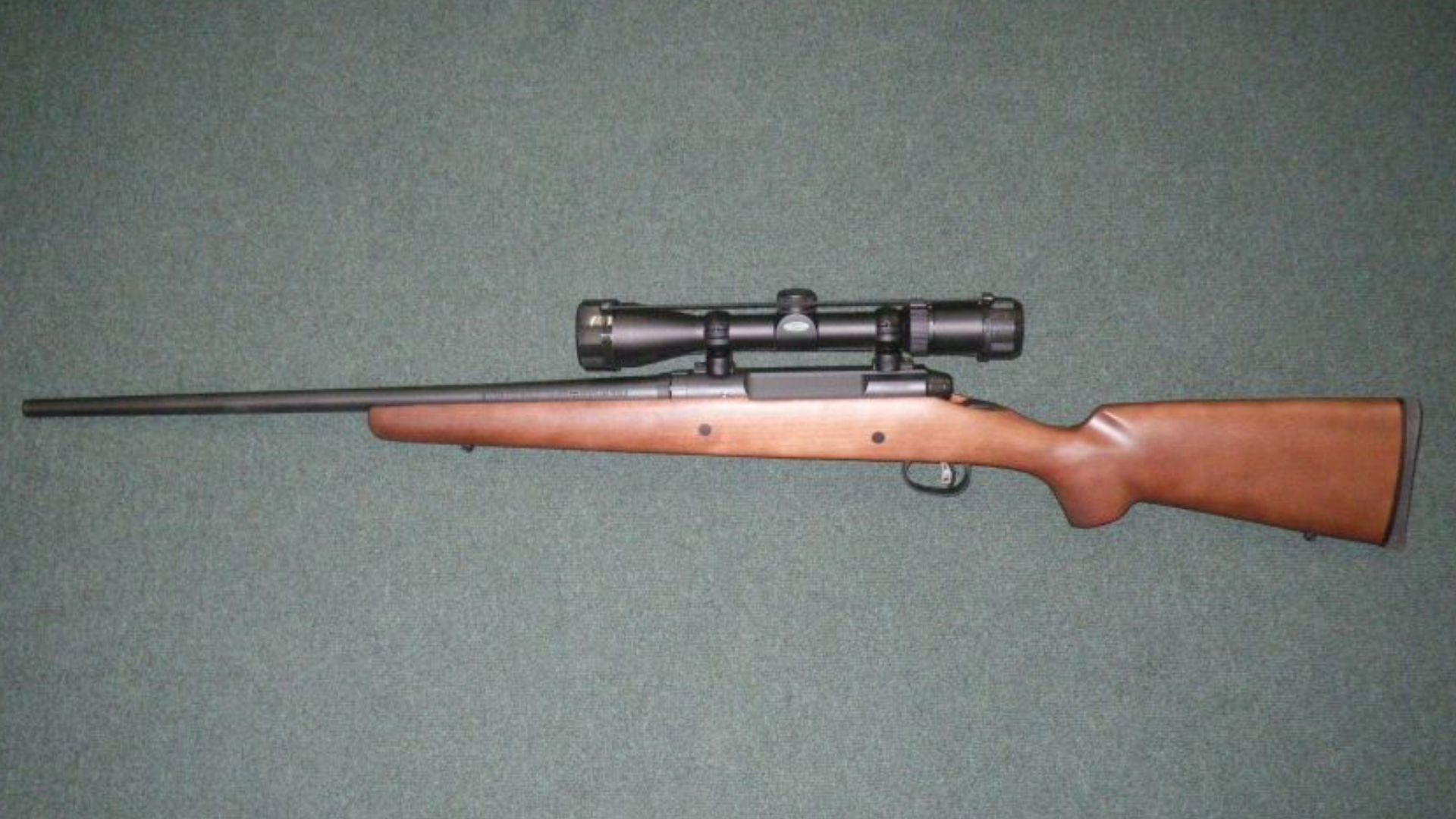
Axis rifles can shoot surprisingly well, but the factory stock and the way the action sits can make them sensitive to torque and support. You’ll zero it off bags, then later shoot off a bipod or a different rest and the point of impact shifts. That leads to scope dialing when the real issue is forend flex and changing pressure points. Another common tail-chase with Axis rifles is action screw consistency—people don’t torque them the same after cleaning or after messing with the stock, and the rifle “moves.” None of that means you can’t hunt with it. It means you can waste a lot of time if you keep changing how you support it and keep adjusting your optic instead of stabilizing the platform. If you want it to behave, torque it consistently and consider a stiffer stock if you’re trying to shoot it like a range rifle.
Remington 700 SPS (factory tupperware stock)

RSShootingSports/GunBroker
A 700 SPS action is solid, but the factory stock can be the source of the headache. The forend can flex, contact can change under bipod load, and that changes point of impact. The shooter experiences that as “my zero is wandering,” so they dial. Then they shoot off bags and it’s different again, so they dial again. That’s tail-chasing in its purest form. The rifle isn’t unstable; the platform under it is. The 700 SPS is one of those rifles that becomes boring and consistent the moment you put it in a stiffer stock or chassis and torque it correctly. If you keep it factory and keep changing your rest method, you’ll keep seeing shifts. If you want it to stop messing with you, you have to remove flex from the equation.
Mossberg Patriot

Patriots can be good hunting rifles, but they’re another model where stock stiffness and hardware consistency can make or break your “does this hold zero” experience. If you’re loading a bipod or resting the rifle in different places, you can see point-of-impact changes that make you suspect the optic. Add in that some owners mount scopes with bargain rings and skip proper torque practices, and you get a rifle that feels “possessed.” The tail-chase isn’t always the gun’s fault. It’s often a stack of small issues: flex, inconsistent torque, and inconsistent support. The Patriot will do fine for hunting if you keep it simple. If you want repeatable paper-punching accuracy, the platform needs to be made more rigid and the mounting needs to be done correctly.
Thompson/Center Encore

The Encore is a legit hunting system, but it’s also a break-open platform where lockup consistency matters. If the hinge and lockup don’t return exactly the same way each time, you can see small shifts that become noticeable at distance. The tail-chase happens because it’ll shoot great one day, then you clean it, swap barrels, or change how it locks up, and now it’s off just enough to make you start adjusting. If you run an Encore, you’ve got to be disciplined about how you assemble, how you torque, and how you confirm. It’s not a bolt gun that you torque once and forget. It’s a system gun. If you treat it like a system and confirm accordingly, it’s solid. If you treat it like a fixed, rigid platform and expect it to behave that way forever, you’ll keep wondering why it doesn’t.
CVA Optima V2

Muzzleloaders are famous for shaking hardware loose, and the Optima V2 is no exception if your mounting job isn’t locked down correctly. People shoot a handful of shots to confirm, put it away for weeks, then come back and their zero is off. That turns into turret spinning when the real issue is usually screws relaxing or a mount shifting slightly under the recoil impulse muzzleloaders generate. Another issue is inconsistent seating pressure on the load. If your load isn’t seated the same every time, point of impact moves and you think your optic moved. The Optima can be very accurate, but it demands consistency in both hardware and loading routine. If you don’t want to chase your tail, you torque properly, witness mark your screws, and keep your loading practice consistent.
Henry AR-7 Survival Rifle

The AR-7 is a cool concept gun, but it’s not built to be a “holds zero like a target rifle” platform. Light barrel, lightweight construction, and the way it’s intended to be stored and handled means it can be more sensitive to how it’s supported and how it’s treated. Owners often expect more consistency than the design is trying to deliver. The tail-chase shows up when you see a shift, adjust, then the next session it’s different again because you changed ammo, changed hold, or simply because the gun isn’t a rigid precision platform. It’s a survival/truck niche rifle. If you want it to stop irritating you, keep expectations realistic and stop trying to force it into a precision role it wasn’t built for.
Browning BAR (semi-auto hunting rifle)

Semi-auto hunting rifles can be very accurate, but they can also introduce variables that bolt guns don’t. If your BAR is sensitive to how it’s rested, if the fore-end pressure is inconsistent, or if your optic mounting isn’t perfect, you can end up with a “why did this move?” situation that becomes a tail-chase. A lot of guys also run these with lighter rings or mounts than they should because it’s “just a hunting gun,” and then recoil/vibration slowly works something loose. The BAR isn’t the problem most of the time. The stack-up of variables is. If you want a BAR to be boring, you mount it like you mean it, torque correctly, don’t constantly change how you rest it, and you confirm at the start of each season instead of assuming nothing could have shifted.
Glock 43X MOS (optic plate setup)

When pistol dots “lose zero,” the first thing I suspect is movement in the mounting system, not the dot itself. The 43X MOS has a common setup path where people use a plate and screws that may not be ideal, and then they shoot a lot and the system starts to move slightly. That looks like a drifting zero, so they dial. But dialing won’t fix hardware movement; it just hides it until it shifts again. If you’re chasing a wandering dot on a 43X MOS, you check screw length, torque, thread locker, plate fit, and whether the optic is fully seated. Also, you mark it so you can see movement. A lot of “mystery zero” problems disappear when the optic setup becomes mechanically correct and repeatable, not when you keep clicking the turrets.
Like The Avid Outdoorsman’s content? Be sure to follow us.
Here’s more from us: