Photo credit: James Pugh/YouTube
Some rifles get pushed aside because the market moves on. Suddenly everyone wants carbon stocks, threaded barrels, detachable box magazines, chassis systems, Cerakote finishes, and long-range features. A rifle with walnut, blued steel, iron sights, or an old action type starts looking like something from another generation.
Then hunters spend enough time in the field and remember why those older designs stuck around. A rifle does not have to look modern to carry well, point naturally, feed cleanly, and put meat in the freezer. In fact, some of the rifles people once called outdated are the same ones hunters are starting to appreciate again.
Remington Model 760
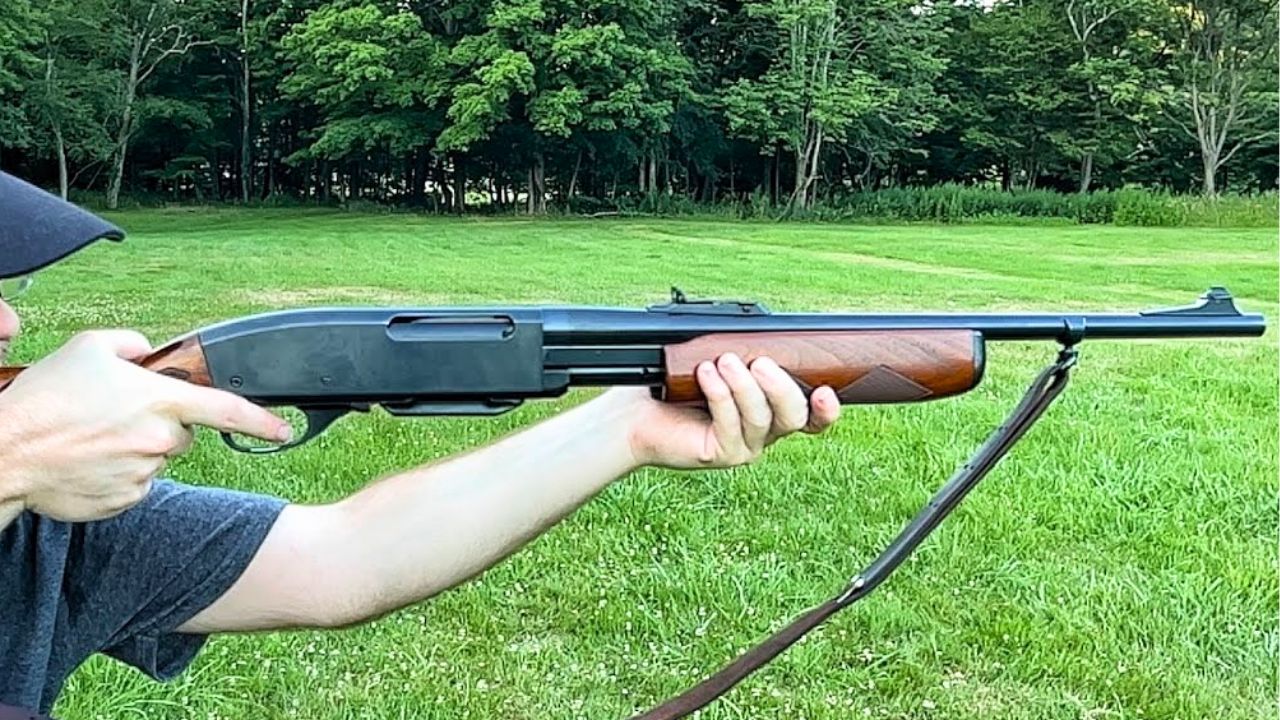
The Remington Model 760 looked old-fashioned once bolt guns and semi-autos took over most deer camps. A pump-action centerfire rifle seemed like something tied to another era, especially if you hunted outside the thick woods where they were most popular.
But hunters are coming back to the idea because the 760 is fast, handy, and familiar to anyone raised on pump shotguns. In close timber, that matters. A good one in .30-06, .270, or .308 still gives you real deer-rifle power with quick follow-up shots. It was never outdated in the woods where speed matters.
Winchester Model 64

The Winchester Model 64 spent years living in the shadow of more famous lever guns. It looked like an old sporting rifle from another time, and many hunters moved toward scoped bolt actions without giving it much thought.
Now the Model 64 makes more sense to people who appreciate rifles that carry and shoulder well. Its half-magazine profile, clean lines, and traditional chamberings give it a smoother field feel than many bulkier lever guns. It is not a long-range rifle, but it was never supposed to be. For deer woods and relaxed hunting, it aged beautifully.
Ruger M77 RSI International
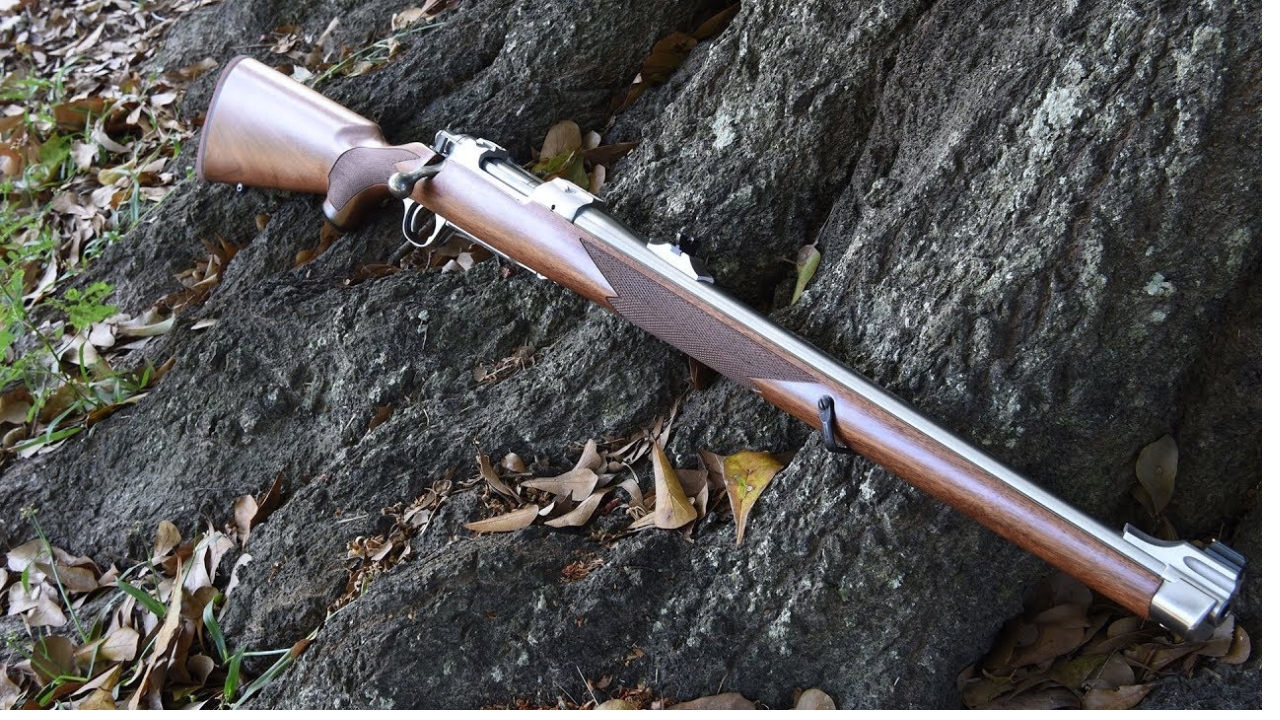
The Ruger M77 RSI International looked a little unusual even when it was new. That full-length Mannlicher-style stock made it seem more like a European throwback than a practical American hunting rifle.
Hunters are starting to appreciate that compact, balanced feel again. The RSI carries easily, handles quickly, and has a look that stands apart from the sea of black synthetic rifles. It is not the rifle you buy for extreme long-range work. It is the rifle you carry in timber, over rolling ground, or anywhere a short, classy bolt gun feels right.
Mannlicher-Schönauer Carbine
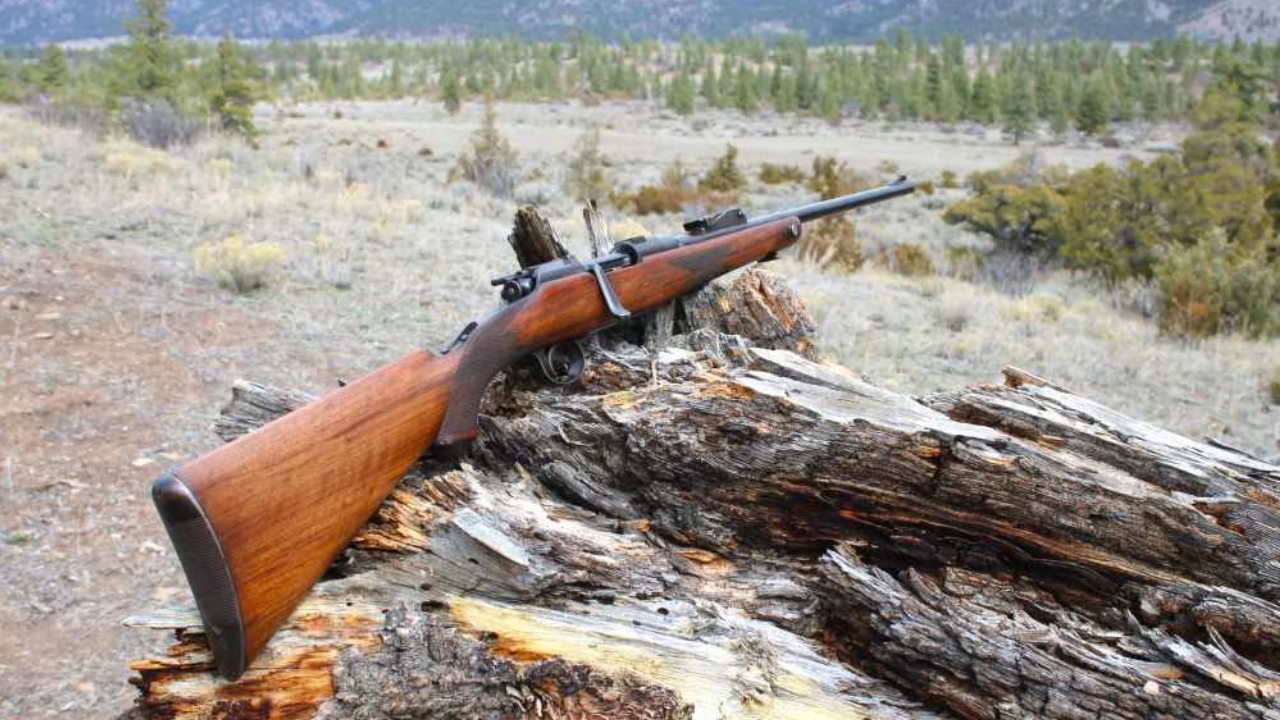
The Mannlicher-Schönauer Carbine looked outdated to generations of hunters who wanted lighter, cheaper, and easier-to-scope rifles. Its rotary magazine, butter-knife bolt handle, and old-world stock design felt far removed from modern hunting racks.
That is exactly why serious rifle people still respect it. The action is smooth, the balance is excellent, and the rifle has a level of craftsmanship that is hard to duplicate today. It may require more care than a synthetic-stocked workhorse, but hunters who value handling understand why these carbines never really lost their appeal.
Savage Model 340
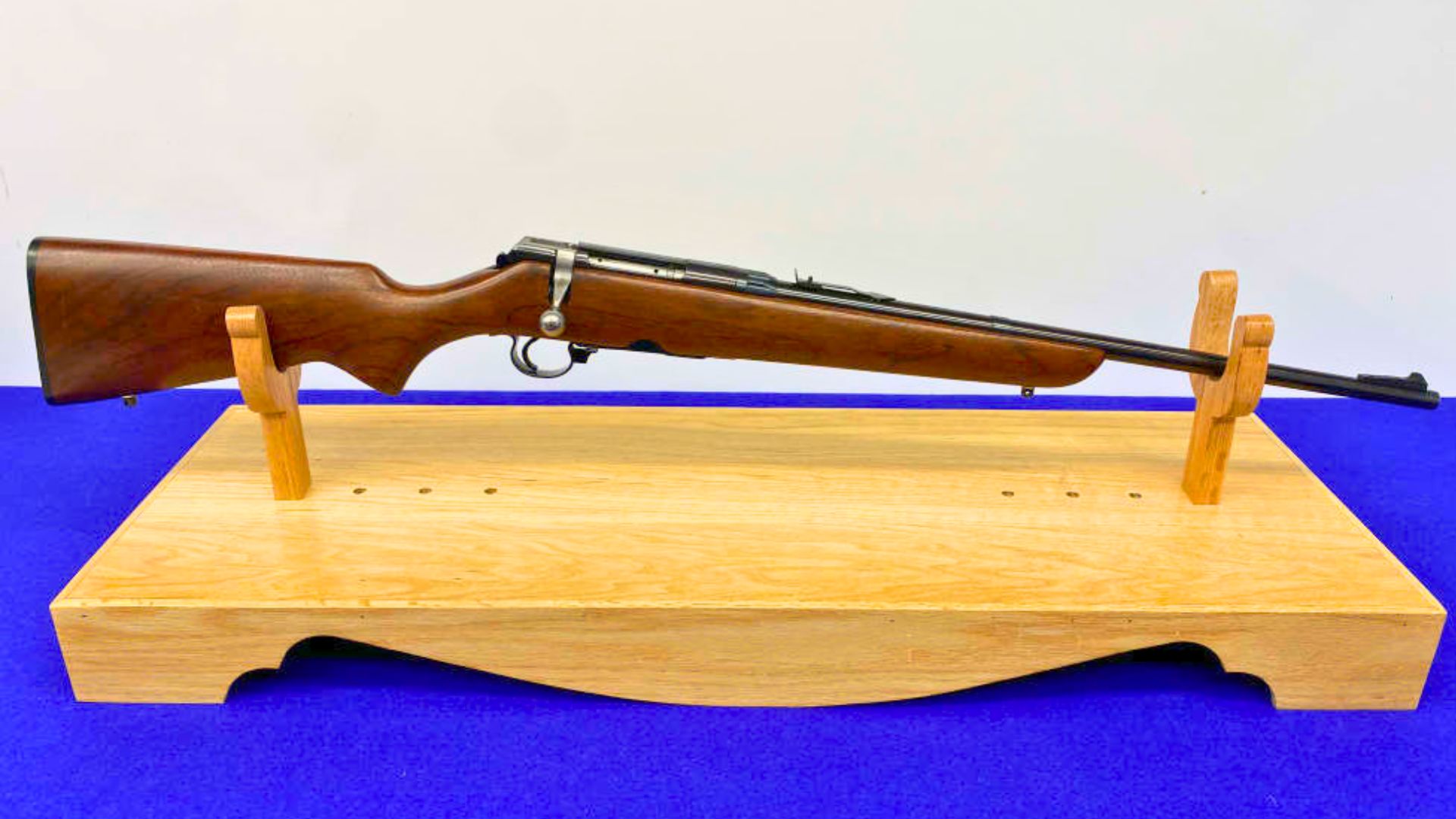
The Savage Model 340 was never glamorous. It was a plain, budget bolt-action rifle with a detachable magazine and a working-class feel. For years, plenty of hunters looked past it because it did not carry the status of better-known rifles.
Now some hunters are giving it more credit. A 340 in .30-30 or .222 Remington has a kind of practical charm that modern rifles rarely offer. It is light, simple, and honest. You do not buy one to impress anyone at camp. You buy one because it still handles real hunting and reminds you that plain rifles can work just fine.
Winchester Model 54
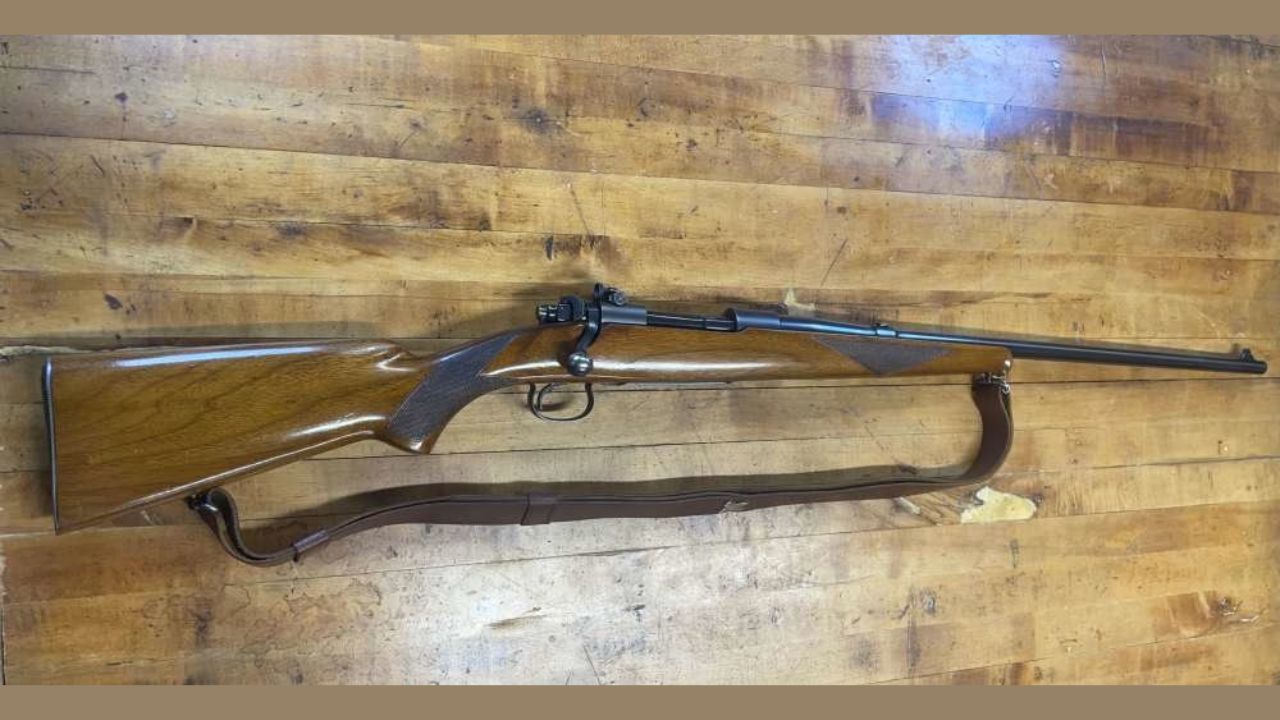
The Winchester Model 54 looked dated after the Model 70 became the legend everyone talked about. The 54 had older safety features, older styling, and less polish in some areas, so buyers often passed it over.
Hunters are coming back to it because it represents the roots of the American bolt-action sporting rifle. A good Model 54 still has controlled-round-feed character, classic chamberings, and genuine pre-war appeal. It is not as refined as the Model 70, but that does not make it unworthy. It is a serious hunting rifle from a time when rifles were built with permanence in mind.
Remington Model 14
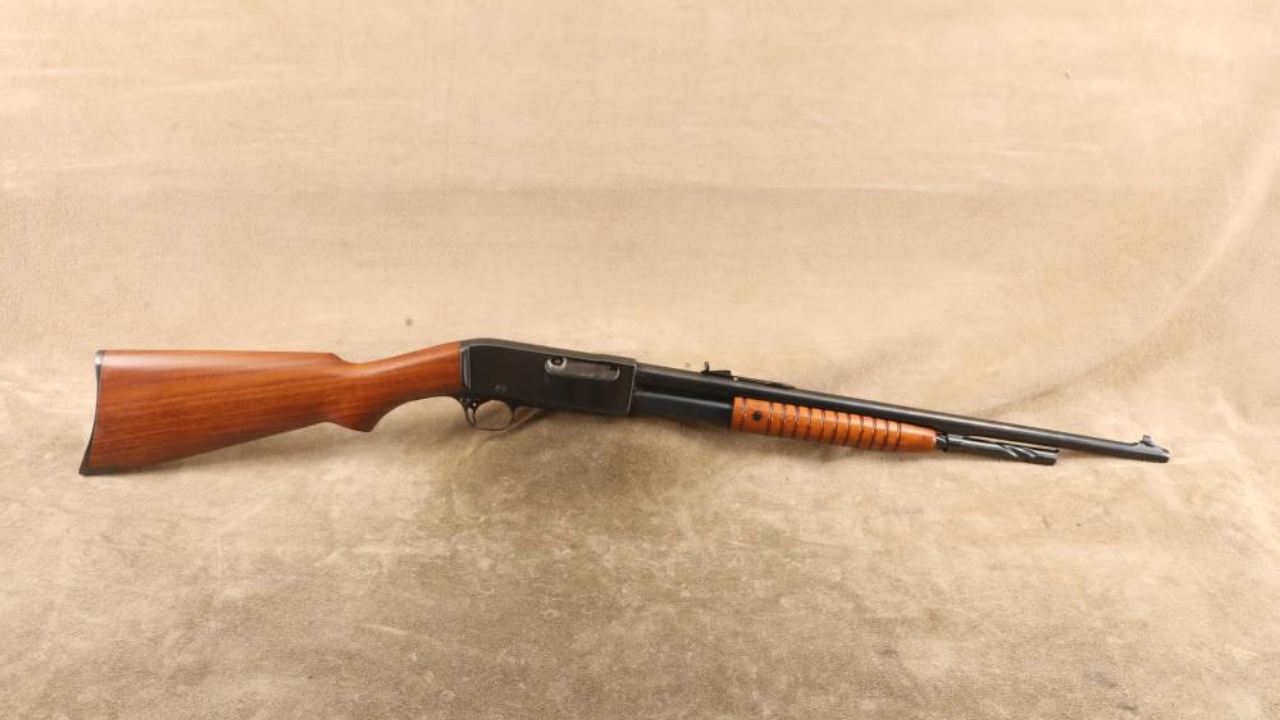
The Remington Model 14 looked like a strange old pump rifle to many modern hunters. Its spiral magazine tube, early-1900s profile, and old chamberings made it easy to dismiss as more collectible than useful.
But hunters who enjoy close-range woods rifles are starting to see the appeal again. The Model 14 is slim, fast, and full of character. In cartridges like .35 Remington, it still makes sense for deer and black bear in thick cover. It may not fit today’s long-range image, but for the hunting it was built around, it remains a smart design.
Sako L579 Forester
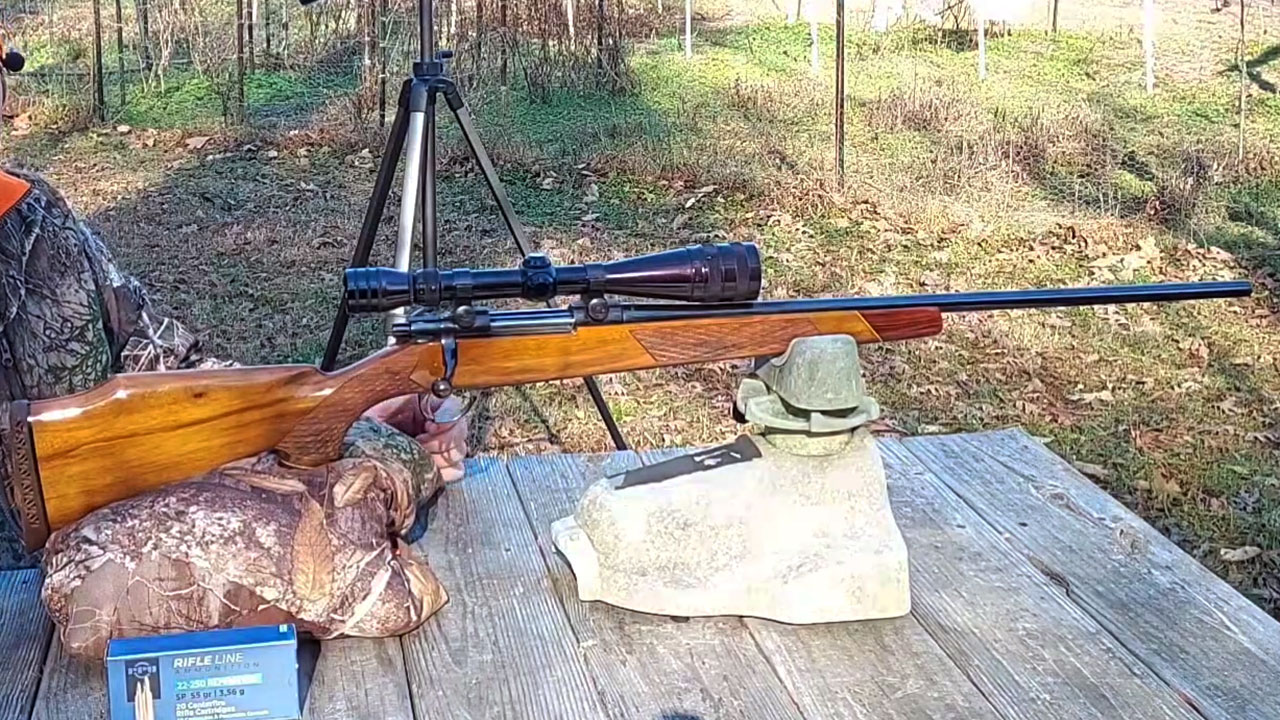
The Sako L579 Forester looked plain compared with newer rifles covered in tactical features and weatherproof finishes. For years, some hunters saw it as just another older bolt gun with nice machining.
Now those same qualities are exactly what make it desirable. The L579 has a smooth action, excellent proportions, and a level of fit and finish that many newer rifles struggle to match. It carries well, shoots well, and feels like a rifle built by people who cared about small details. Hunters are realizing that “old” and “better made” sometimes overlap.
Browning Safari Grade
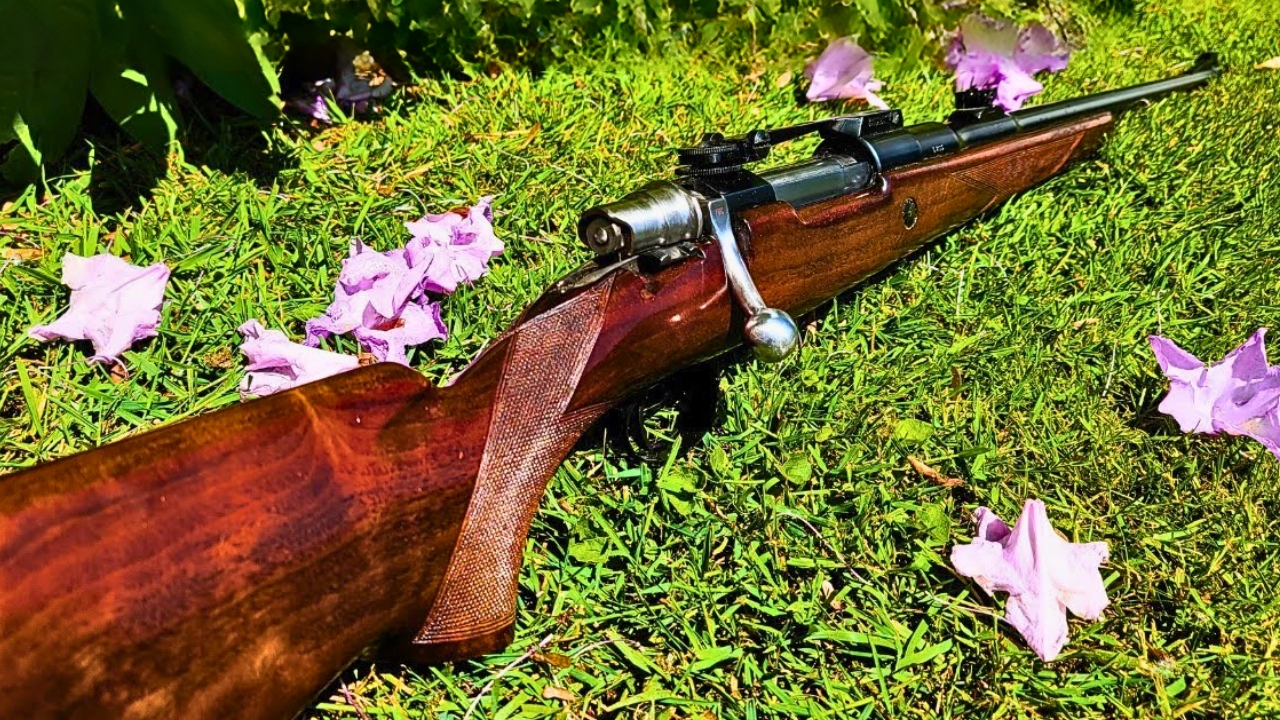
The Browning Safari Grade bolt rifles looked too fancy or too traditional once synthetic stocks became normal hunting gear. Gloss wood and deep blue finish started to feel risky for hunters who wanted something they could drag through rain and brush.
But not every rifle needs to be treated like a fence post. The Safari Grade rifles had strong actions, handsome stocks, and serious hunting chamberings. They remind hunters that a field rifle can be both beautiful and useful. A few scratches from honest hunts do not ruin a rifle like this. They make it part of the story.
Husqvarna 1640
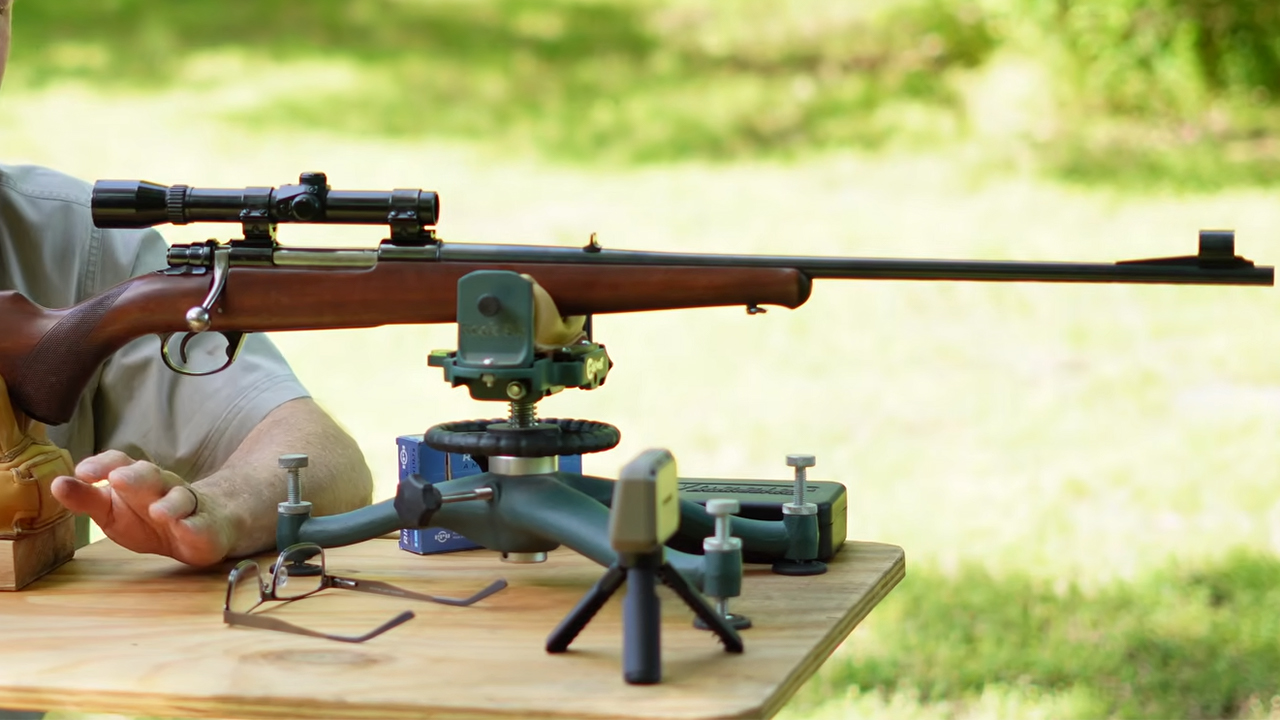
The Husqvarna 1640 spent years being overlooked by hunters who did not recognize what they were seeing. It was often found as an older European bolt rifle with simple styling and unfamiliar markings.
Now more hunters appreciate it as a light, well-made Mauser-style hunting rifle. The action is trim, the handling is lively, and many examples were chambered in practical big-game rounds. It does not have modern marketing behind it, but it has the kind of field feel that wins people over quickly. For hunters tired of bulky rifles, the 1640 looks smarter than ever.
Marlin Model 336A
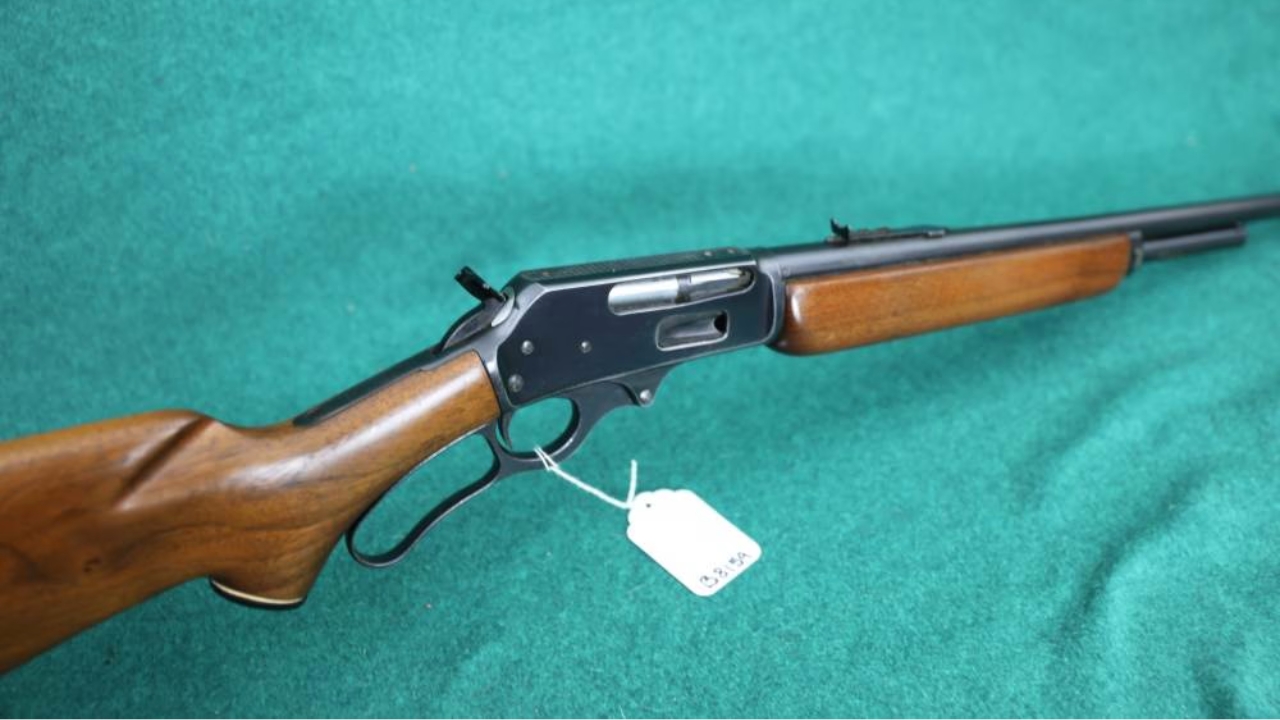
The Marlin 336A looked outdated when shorter carbines and modern lever guns got all the attention. Its longer barrel and traditional profile made it seem less handy than the compact .30-30s most hunters picture.
But that longer barrel gives the rifle a steady swing and a classic hunting feel. Hunters coming back to lever guns are realizing not every 336 needs to be short and tactical-looking. The 336A is still a strong deer rifle for woods, fields, and mixed country. It carries old-school confidence without pretending to be something else.
Remington Model 721

The Remington Model 721 was the affordable predecessor to the Model 700, and that reputation made some hunters treat it like a rough draft. It was plain, utilitarian, and not especially graceful.
That does not mean it was a bad rifle. In fact, many 721s shoot extremely well and have strong, simple actions. Hunters are starting to appreciate them as honest post-war sporting rifles that did real work without much fuss. A clean one in .30-06 or .270 is not outdated. It is a reminder that a dependable hunting rifle does not need much decoration.
Steyr Mannlicher Model M
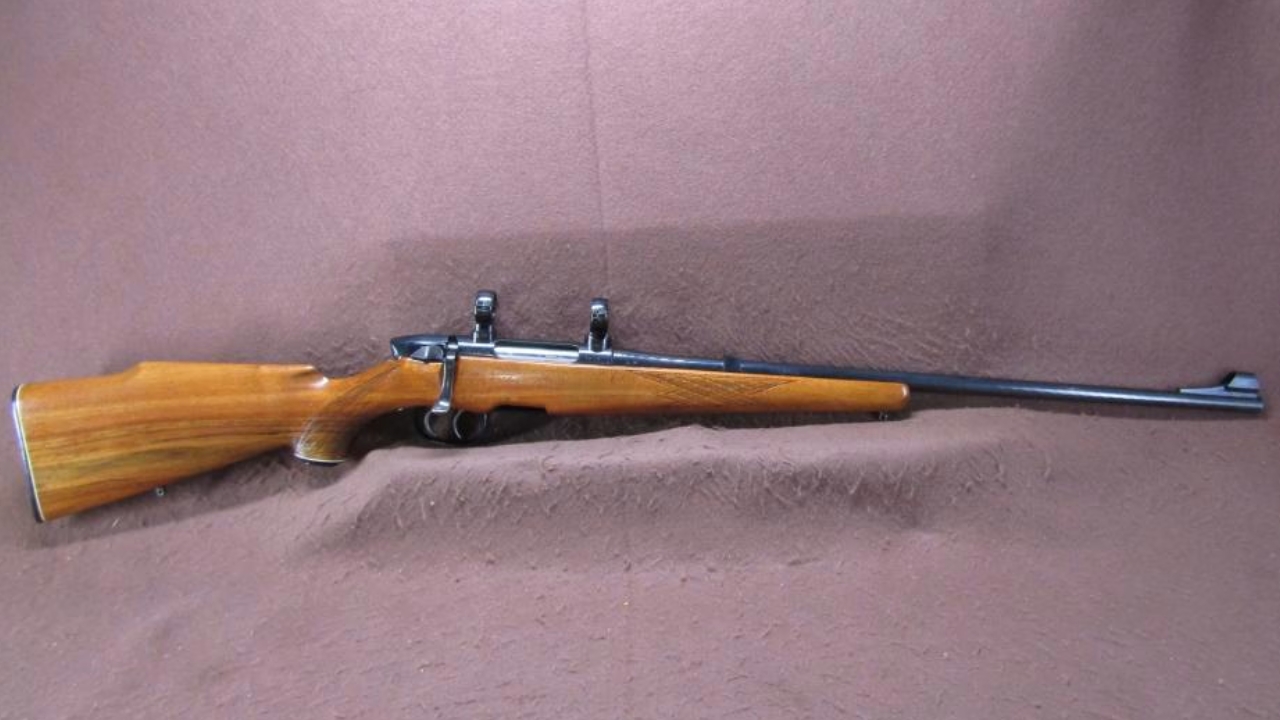
The Steyr Mannlicher Model M looked a little unusual to American hunters used to Remingtons, Winchesters, and Rugers. Its European styling, rotary magazine, and different safety system made it feel unfamiliar.
That unfamiliarity kept some hunters away, but it also helped the rifle age well. The Model M is smooth, accurate, and built with a level of refinement that becomes more obvious the longer you handle it. Hunters who once dismissed it as odd are starting to understand that different does not mean wrong. Sometimes it means thoughtfully made.
Winchester Model 1895
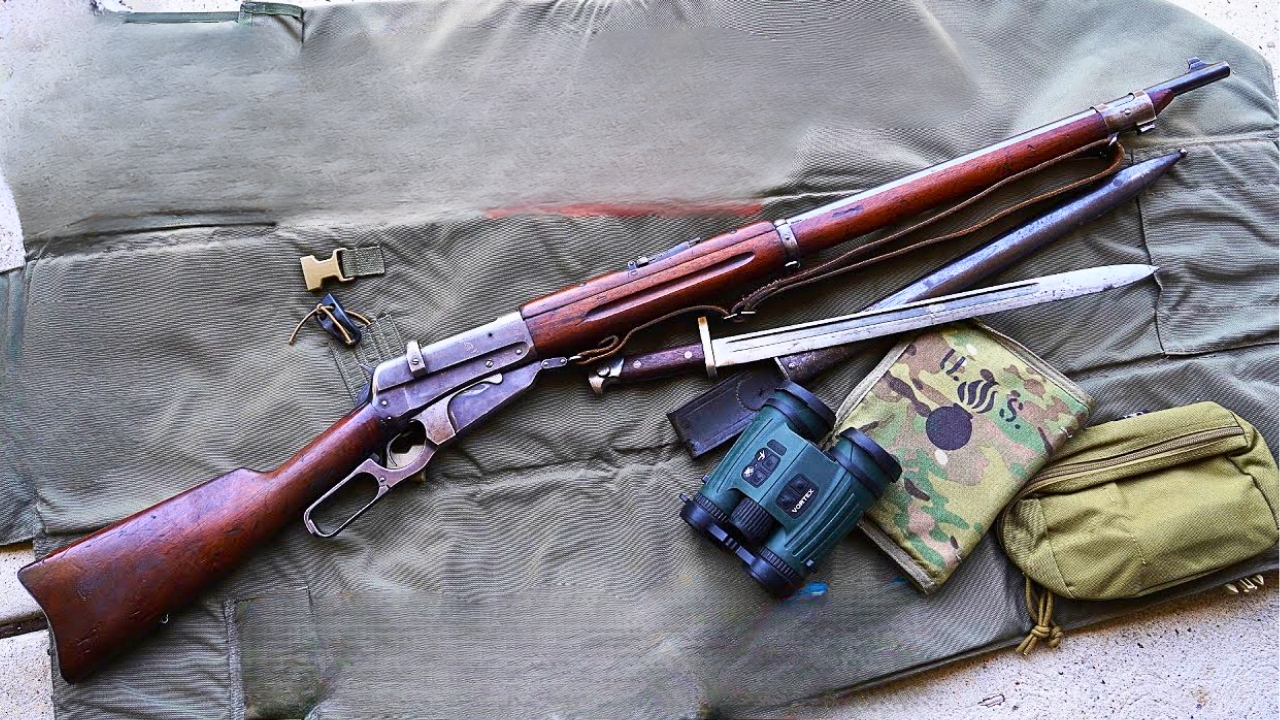
The Winchester Model 1895 never fit the usual lever-gun image. It lacked the tubular magazine most people associate with lever actions, and its box-magazine design looked strange beside the Model 94 and other classics.
Today, that same design is exactly why hunters respect it. The 1895 could handle powerful pointed-bullet cartridges that traditional lever guns could not. In chamberings like .30-40 Krag, .30-06, and .405 Winchester, it offered real big-game capability with lever-action handling. It looked outdated for a while, but its purpose was always smarter than people gave it credit for.
Ruger 77/44

The Ruger 77/44 looked like a niche rifle when flat-shooting centerfires and long-range setups were getting all the attention. A bolt-action .44 Magnum did not seem exciting to hunters who wanted speed, distance, or big numbers on paper.
Now more hunters understand where it fits. In thick woods, straight-wall states, and short-range deer setups, the 77/44 is light, handy, and easy to suppress if threaded. It is not trying to be a beanfield rifle. It is a compact hunting tool for realistic distances, and hunters are coming back to that kind of practicality.
Like The Avid Outdoorsman’s content? Subscribe to our newsletter so you never miss an article.
Here’s more from us: