Photo credit: The Avid Outdoorsman
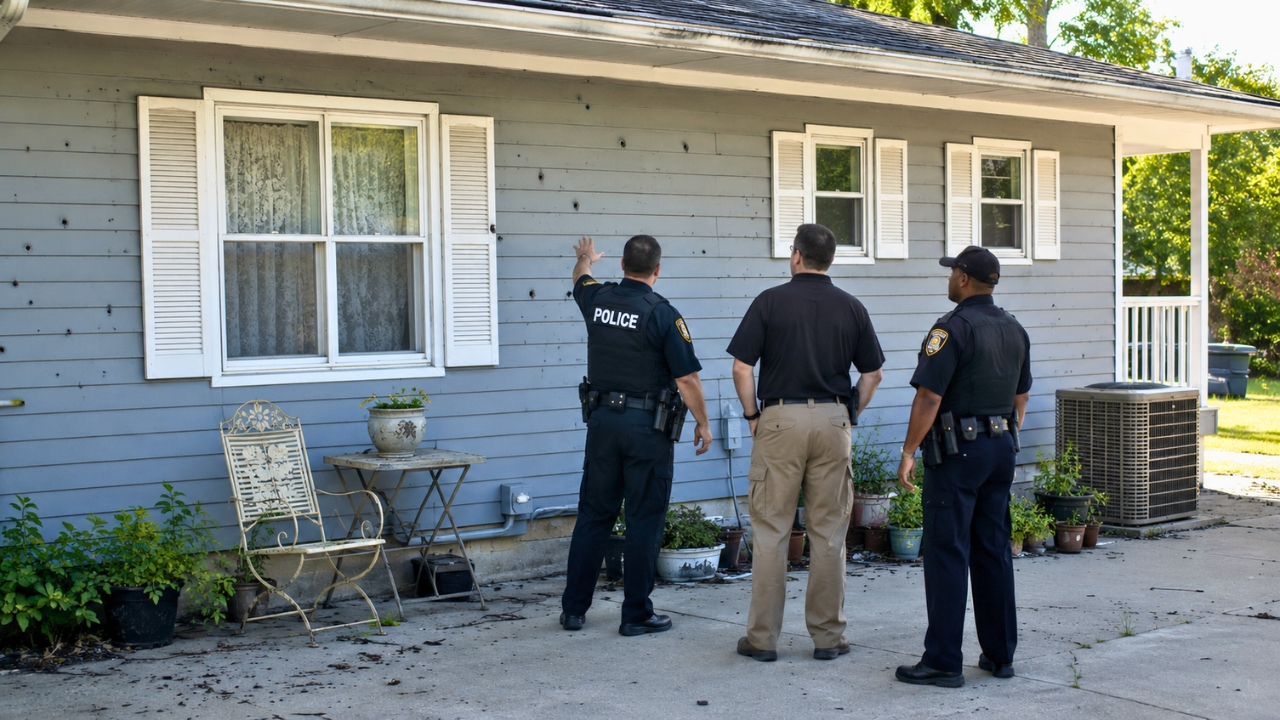
A son said his mother was dealing with a frightening rural neighbor problem: bullets were allegedly hitting her house, but the shooter was doing it from his own land.
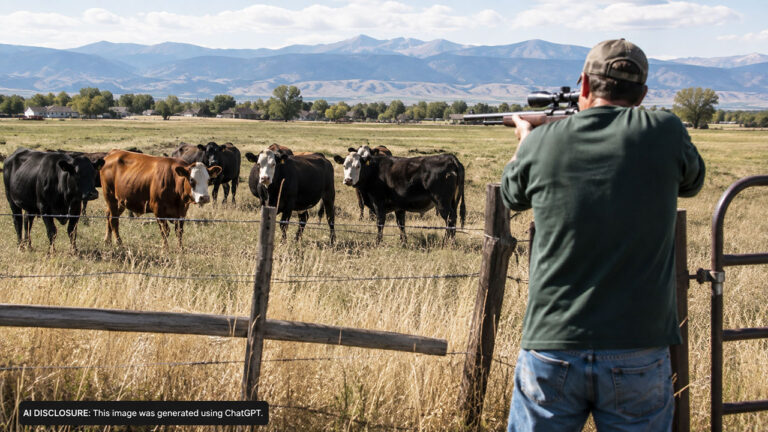
According to the Reddit post, the neighbor liked to shoot guns on his property. That alone may not be unusual in a rural area. The problem, the poster said, was that bullets were reaching his mother’s home.
The family had apparently contacted police, but the response left them frustrated. The poster said police told them the neighbor was shooting on his own property, which made them wonder what else they could do.
He explained the situation in a Reddit thread and asked for advice: https://www.reddit.com/r/legaladvice/comments/fvnm0g/neighbor_likes_to_shoot_guns_bullets_are_hitting/
Shooting on your own land does not make every shot safe
A lot of rural gun disputes start with the same argument.
One person says, “I’m on my own property.” The neighbor says, “Your bullets are coming onto mine.”
Those are two very different things.
Shooting on private land may be legal in some areas, but that does not mean a shooter can let rounds leave the property and strike someone else’s home. A bullet crossing a property line is not just noise. It is a safety issue.
That was the core of the poster’s concern. His mother was not simply annoyed by target practice. She was allegedly dealing with actual bullet impacts.
The police response made the family feel stuck
The most frustrating part was the alleged response from police.
The poster said police told them the neighbor was shooting from his own property. To the family, that probably felt like the wrong focus.
The question was not only where the shooter was standing. The question was where the bullets were going.
If rounds were hitting the mother’s house, then the location of the shooter’s feet should not be the end of the discussion. The family wanted to know how to make the shooting stop before someone inside or outside the house got hurt.
That is what made the thread so relatable to other landowners. Rural laws may allow shooting, but nobody wants to be told to tolerate bullets hitting their home.
Commenters focused on evidence
A lot of commenters pushed the poster toward documentation.
That means photographing bullet holes, damaged siding, broken windows, struck trees, impact marks, recovered bullets, and any other evidence showing rounds were reaching the house.
The family would also need dates and times. If the neighbor shoots often, a log could help show when the impacts happen and how often the problem occurs.
That kind of record matters because “my neighbor is shooting toward us” may sound like a general fear. “Here are photos of bullet impacts on the house from these dates” is much harder to dismiss.
The mother needed proof that the shots were not just loud, but actually crossing onto her property.
A safe backstop was the big question
Responsible shooting depends on a safe backstop.
If the neighbor was shooting into a proper berm or hillside, the family would need to understand why bullets were still reaching the home. If he was shooting without a reliable backstop, that would be a major problem.
Commenters would naturally want to know the layout.
Was the neighbor shooting toward the mother’s house? Was he shooting across a field? Was there a hill behind the target? Were rounds ricocheting? Were they coming from a rifle, handgun, or shotgun?
Those details matter because they help explain whether the shooter was careless, whether the setup was unsafe, and whether law enforcement should treat it as reckless discharge.
The sheriff or state police may need another call
If the first police response was not useful, commenters often suggest escalating carefully.
That could mean calling again when the shooting is active, asking for a supervisor, contacting the sheriff’s office instead of a local department, or reaching out to state police depending on the area.
The family could also ask specifically what law applies when bullets leave one property and strike another occupied home.
That kind of question may get a different response than a general complaint about a neighbor shooting guns.
The goal is to make the issue impossible to frame as normal target practice. The issue is bullets hitting a house.
A lawyer may be necessary if nothing changes
If bullets are striking a home and law enforcement will not act, commenters often bring up speaking with a local attorney.
A lawyer could help the family send a formal demand letter, pursue a civil claim for damage, or seek an injunction if the shooting creates an ongoing danger.
That may sound like a big step, but bullets hitting a house is not a small neighbor annoyance.
A civil route may also help if police keep treating the issue as “he is on his own property.” A court can look at whether the neighbor’s activity is creating a nuisance, damaging property, or putting others at risk.
The family should not have to wait until someone is hit.
Insurance could document the damage too
If the house had visible damage, the mother’s homeowner’s insurance might need to be notified.
That does not mean insurance is the final answer. Nobody wants to keep filing claims because a neighbor is shooting recklessly. But an insurance inspection could create another record of damage and may help identify the type or direction of impacts.
Insurance companies also do not like paying for damage caused by someone else. If they believe a neighbor is responsible, they may pursue recovery.
Still, the first priority is safety. The family needed the shooting stopped, not just the siding repaired.
The family should avoid confronting the shooter during gunfire
It would be tempting to walk over and demand that the neighbor stop.
That is not a good idea while someone is actively shooting.
Even if the shooter is not trying to threaten anyone, a heated confrontation around firearms can escalate quickly. The safer route is to stay inside, avoid the side of the house facing the shooting, call authorities, and document what happens from a safe place.
If there is any conversation with the neighbor, it should be calm, documented, and done when nobody is shooting.
But if bullets are already hitting the house, the family may be past the point where a friendly talk is enough.
Other neighbors could help confirm the pattern
If the mother’s house was being hit, it is possible other homes or properties nearby were affected too.
Commenters often suggest talking with other neighbors to see whether they have noticed bullets, impacts, or unsafe shooting. Multiple households reporting the same concern can make the issue harder to dismiss.
That does not mean forming a mob or harassing the shooter. It means gathering independent reports from people who are also affected.
If several neighbors can show impacts, noise patterns, or unsafe directions of fire, law enforcement may take a second look.
The real issue was not anti-gun sentiment
The poster’s complaint was not that the neighbor owned guns or enjoyed shooting.
The complaint was that bullets were allegedly hitting his mother’s house.
That distinction matters. Most responsible gun owners would agree that a person has to know where every round is going. A private property line is not a backstop. A house is definitely not a backstop.
For this family, the practical path was to document every impact, call police during active shooting, ask for supervisors if needed, check local firearm discharge rules, consider a lawyer if nothing changes, and keep the focus on the one fact that matters most: rounds were allegedly leaving the shooter’s land and reaching an occupied home.
Because rural shooting may be normal. Bullets hitting your mother’s house is not.
Check out more from The Avid Outdoorsman here.