Photo credit: The VSO Gun Channel/YouTube
A firearm does not need polished walnut, hand-cut checkering, or a deep blued finish to justify its price. Modern manufacturing has made polymer frames, molded stocks, aluminum receivers, and stamped components completely acceptable when they are used intelligently.
The problem begins when a manufacturer charges premium money while leaving the buyer with flimsy furniture, rough machining, bargain-bin controls, or parts that immediately need replacing. Some guns perform well despite those shortcuts. That still does not make them good values. These 20 firearms feel like they should cost considerably less once you examine what is actually included.
FN 509 CC Edge
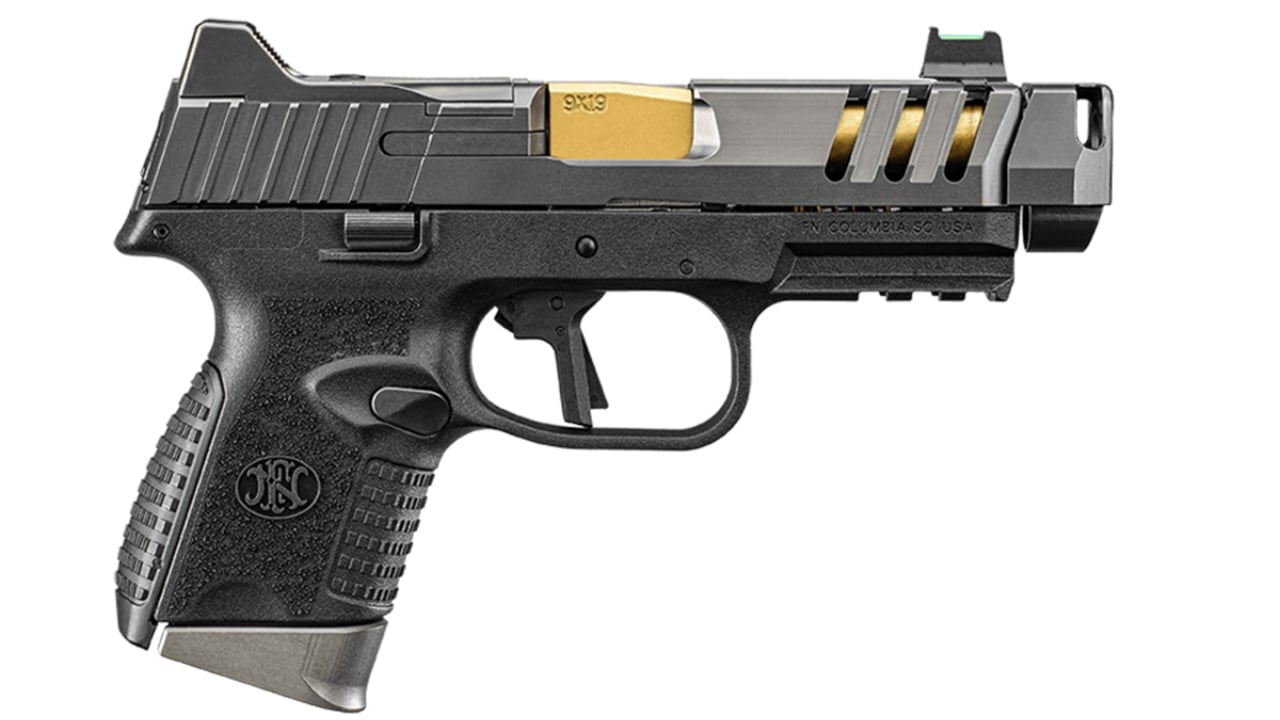
The FN 509 CC Edge includes a quick-detach compensator, optics mounting system, upgraded trigger components, fiber-optic sight, coated barrel, and aluminum magazine baseplates. There is real engineering behind the pistol, and it shoots flatter than the standard compact 509. FN clearly positions it as a premium performance model.
The problem is that the foundation still feels like an ordinary polymer service pistol. The frame, controls, and general fit do not provide the same premium experience buyers receive from similarly priced metal-framed pistols or well-built double-stack 1911s. The compensator and accessories add value, but the package can still feel like an expensive collection of upgrades attached to a fairly basic striker-fired handgun.
Henry Homesteader 9mm
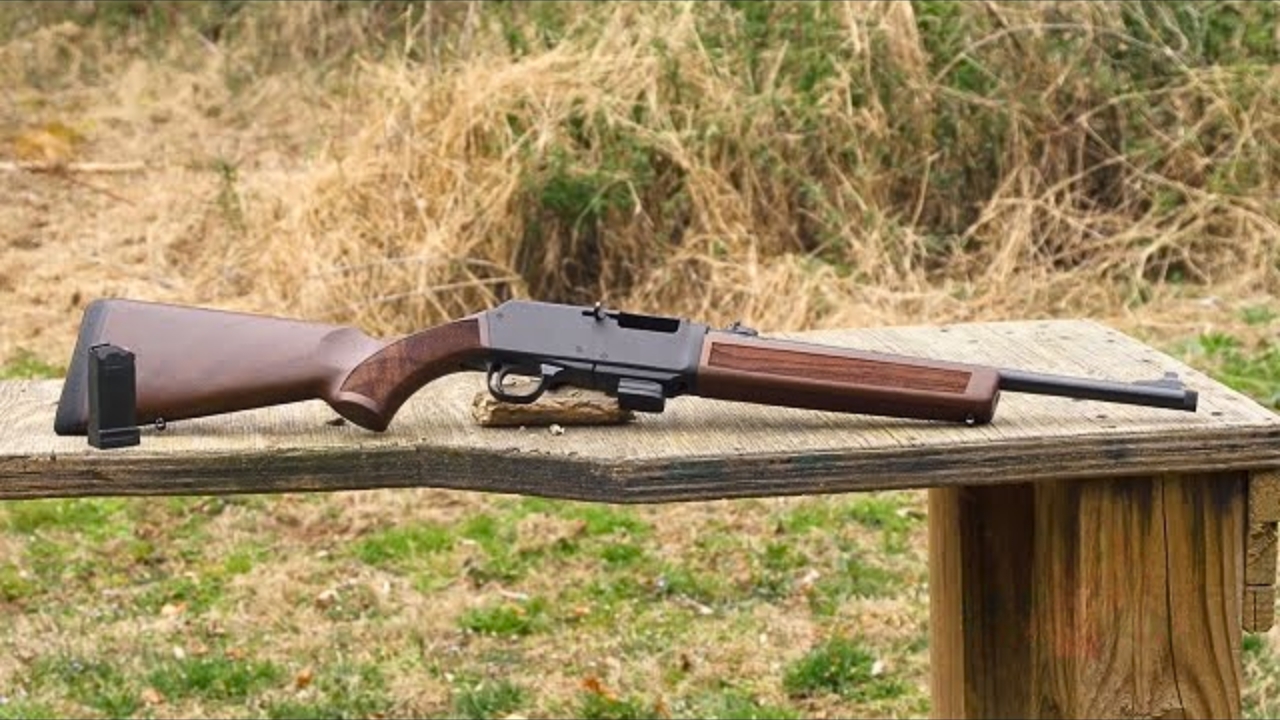
The Homesteader looks more substantial than most pistol-caliber carbines because Henry gave it American walnut furniture, traditional lines, adjustable sights, and a blued-steel barrel. The current versions also offer interchangeable magazine wells for several common pistol-magazine patterns.
Underneath the wood, however, the Homesteader is still a basic blowback-operated 9mm carbine with an aluminum receiver. Henry lists current suggested prices of $928 for the standard version and $959 for packages with an additional magazine adapter. At that level, buyers can reasonably expect a more refined trigger, smoother controls, and greater mechanical sophistication than the Homesteader delivers.
Kimber Micro 9 Rapide

The Micro 9 Rapide looks expensive. Kimber gives it aggressive slide cuts, contrasting finishes, textured grips, upgraded sights, and enough cosmetic detail to separate it from an ordinary pocket pistol.
Once the visual impact wears off, the buyer is still holding a tiny alloy-framed, single-stack 9mm with limited capacity and a basic operating system. The controls are small, the trigger can vary between examples, and the pistol does not feel as substantial as its price suggests. Much of the cost appears tied to machining patterns and finish work rather than a meaningful improvement in shootability. It is attractive, but attractive is not the same as well built for the money.
Colt King Cobra Target
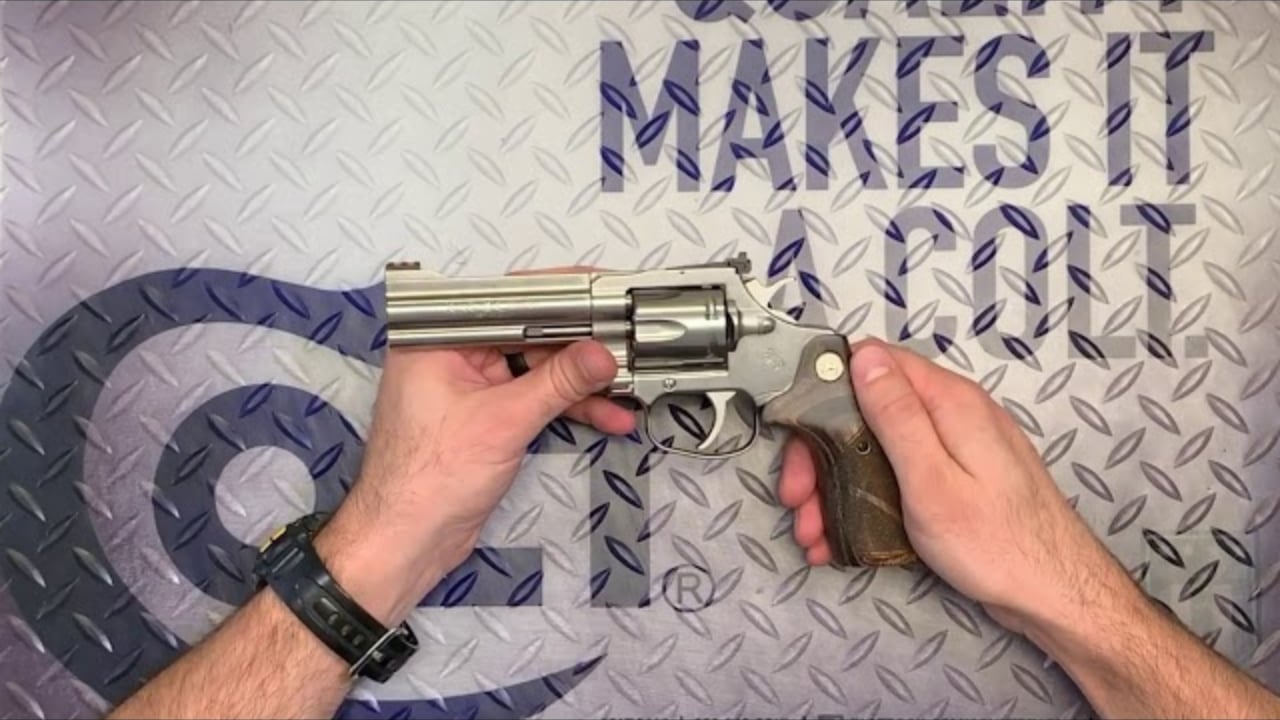
The King Cobra Target has the Colt name, stainless construction, adjustable sights, and a six-round cylinder. It is a capable medium-frame revolver, and the modern King Cobra line is considerably stronger than many of the small revolvers Colt produced during earlier periods. Colt describes the platform as using American stainless-steel construction and a heavy-duty frame.
The finish and small details do not always feel equal to the premium attached to the Colt name. Edges can look more machine-finished than carefully polished, grips feel ordinary, and the action may not be as smooth as buyers expect at this price. The revolver is not bad. It simply asks buyers to pay partly for the pony stamped into the frame.
Taurus Judge Executive Grade
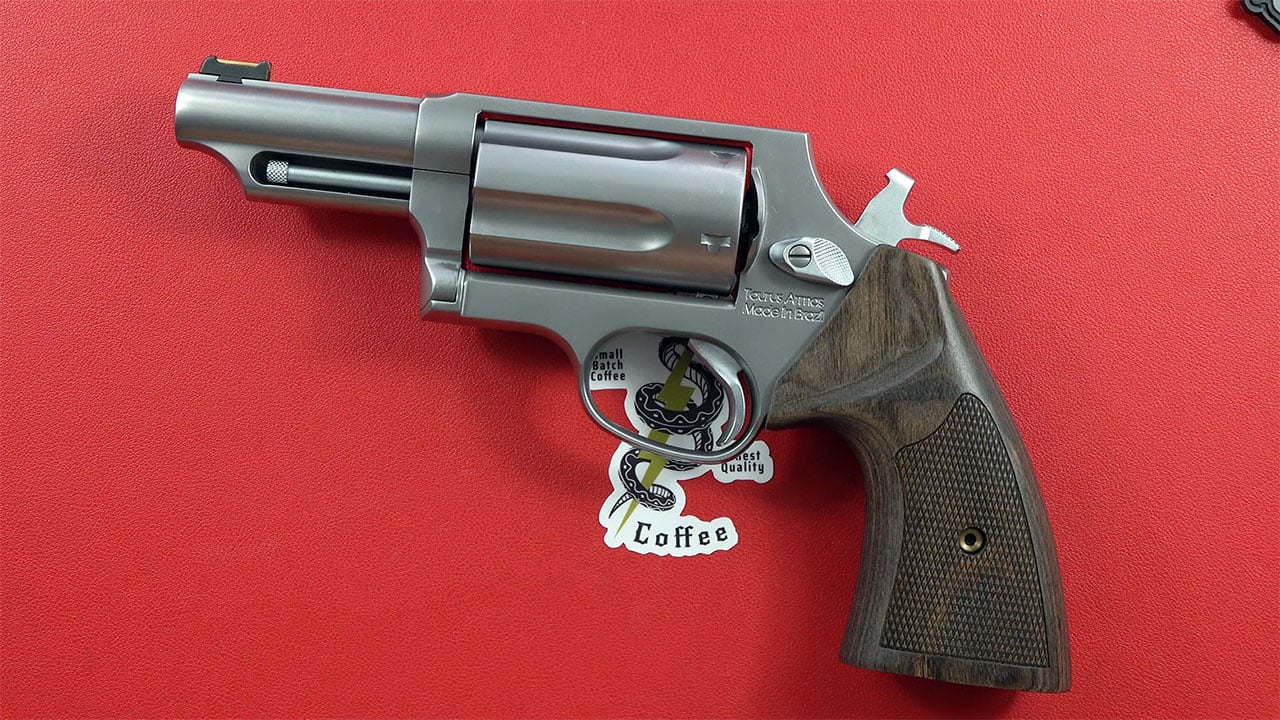
The Executive Grade Judge attempts to turn Taurus’s oversized .45 Colt and .410 revolver into a premium defensive handgun. It receives additional attention, upgraded grips, improved finish work, and a more refined presentation than the standard Judge.
The underlying revolver still suffers from the same compromises. The long cylinder makes the gun bulky, .410 performance from a short rifled barrel is inconsistent, and the revolver is awkward to carry. Buyers are paying more for upgraded cosmetics on a platform that remains mechanically crude compared with a conventional defensive revolver. It feels less like a true premium handgun and more like an expensive version of a novelty gun.
Century Arms VSKA
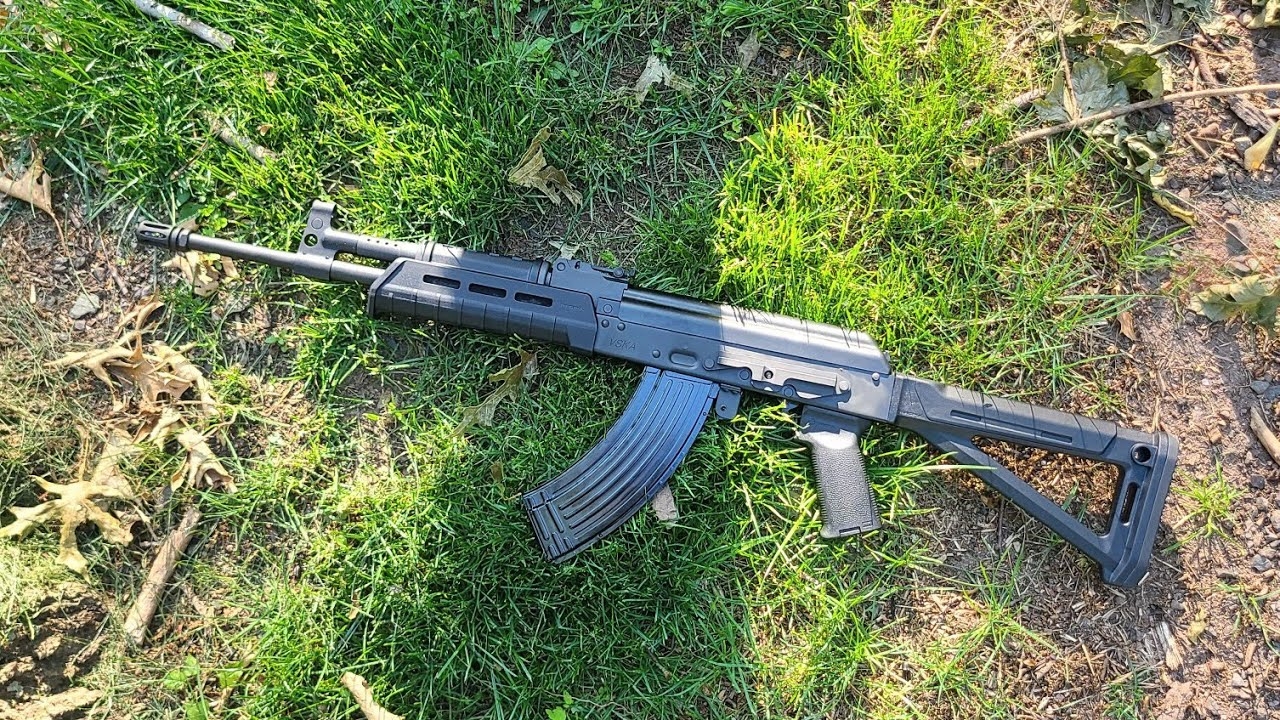
The VSKA was intended to give American buyers a domestically manufactured AK-style rifle without imported-rifle pricing. It has a familiar layout, accepts common magazines, and looks close enough to a traditional AKM to attract first-time buyers.
The value becomes harder to defend once the buyer handles the furniture, finish, trigger components, and small controls. The rifle often feels assembled to meet a price point rather than built to compete with stronger imported AKs. That would be understandable if the VSKA were still one of the least expensive rifles in the category. Once pricing approaches better-established options, its basic materials and uneven reputation become difficult to overlook.
KelTec SUB2000 Gen3
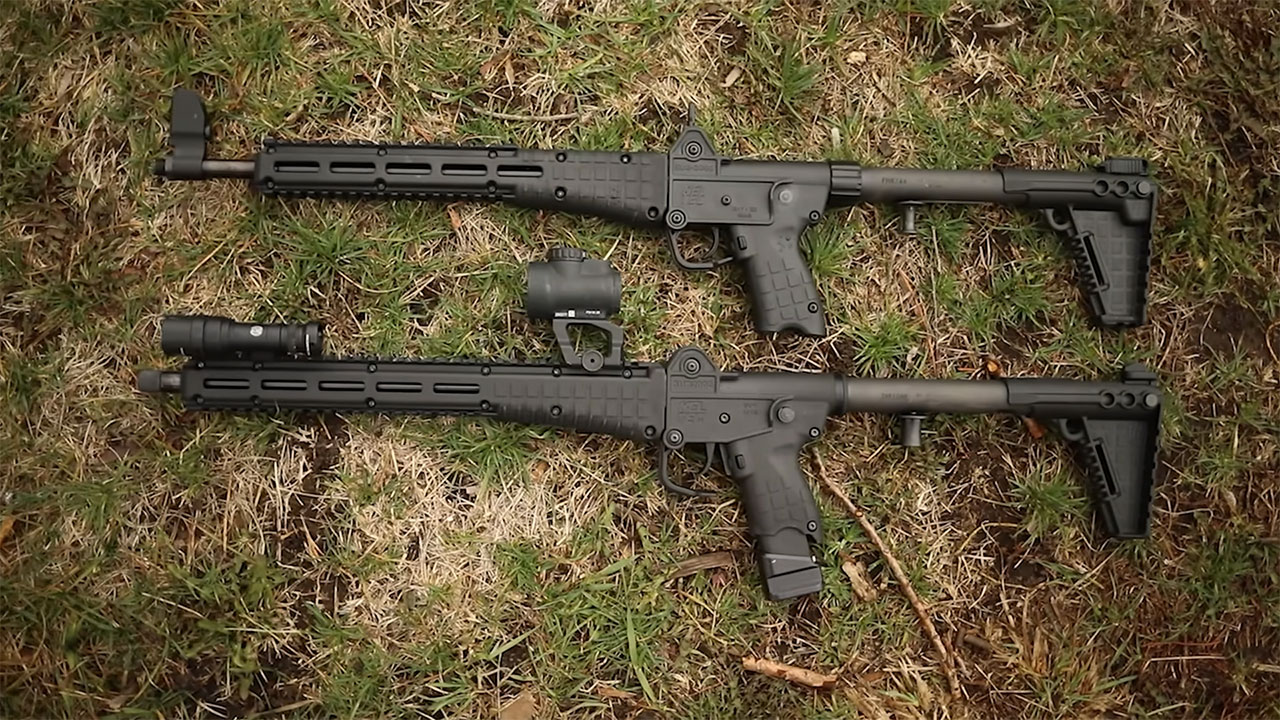
The third-generation SUB2000 fixed one of the platform’s biggest problems by allowing the fore-end to rotate so the rifle can fold without forcing the optic to be removed. It remains remarkably compact, light, and compatible with common pistol magazines. KelTec’s current catalog lists the Gen3 as a 4.2-pound folding carbine.
It still feels inexpensive. The polymer receiver halves, exposed screws, narrow controls, stiff charging handle, and crude stock remind the shooter that the SUB2000 began as a budget utility carbine. The folding system is genuinely useful, but the rest of the gun has not caught up with the price increases. Buyers are paying for compact storage rather than materials or refinement.
Chiappa Little Badger
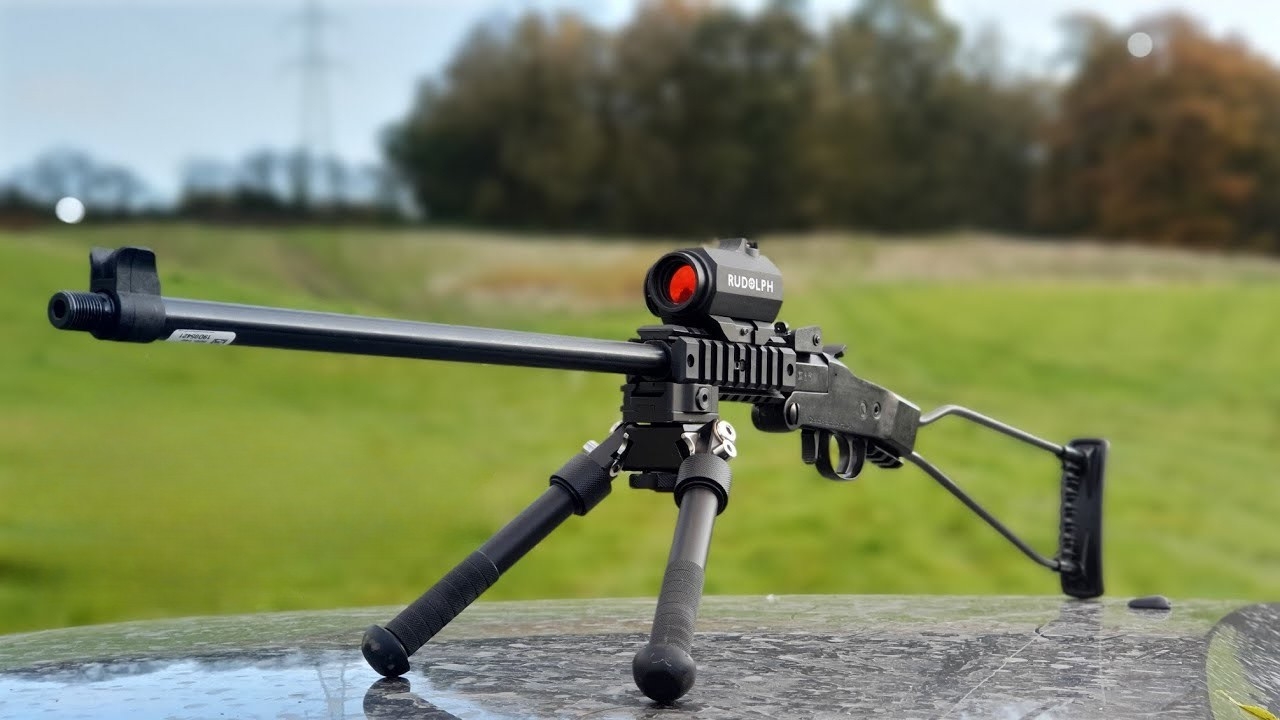
The Little Badger is about as stripped down as a firearm can be. It is a folding single-shot rifle with a wire-frame stock, minimal fore-end, basic sights, and almost nothing resembling conventional furniture.
That simplicity is the entire point, but it also makes the price difficult to justify. Manufacturing a break-action rimfire with one chamber, one barrel, and almost no stock should not require much complexity. The Little Badger is handy in a pack and entertaining with a suppressor, yet it often feels closer to a survival tool assembled from tubing than a finished rifle. Buyers are paying heavily for the folding concept.
Savage Axis II Precision

Savage took the inexpensive Axis action and placed it into a chassis-style stock to create the Axis II Precision. The rifle looks much more serious than the standard hunting version and can deliver respectable accuracy with ammunition it likes.
The problem is that the budget action never completely disappears. Bolt lift can feel rough, the bolt body looks unfinished beside more expensive precision rifles, and the magazine system lacks the quality expected from a chassis gun. The aluminum chassis raises the price and improves adjustability, but it cannot fully disguise the inexpensive rifle at the center of the package.
Christensen Arms Modern Precision Rifle
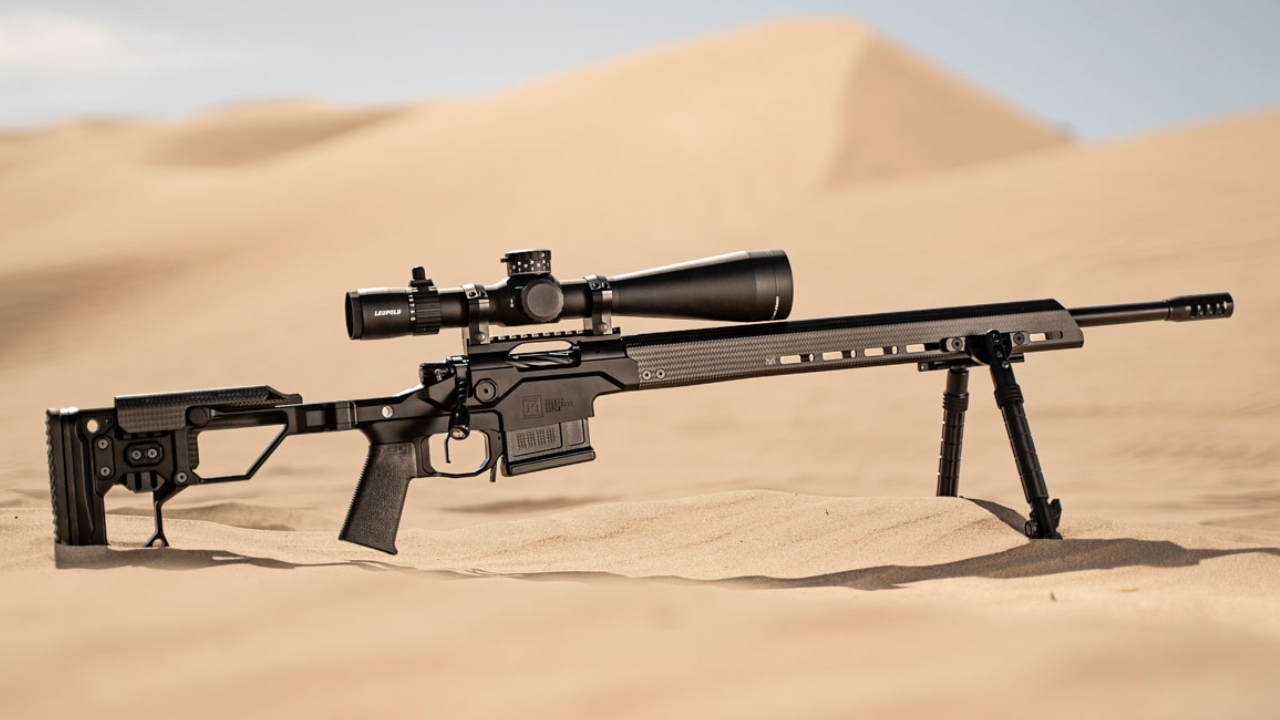
The Modern Precision Rifle combines a carbon-fiber barrel, folding chassis, adjustable stock, detachable magazine, and lightweight construction. On paper, it offers nearly everything a backcountry or long-range shooter could request.
At its price, however, buyers should not have to inspect basic assembly quality so closely. Owner reports have included uneven handguard alignment, rough fasteners, inconsistent finishing, and rifles that did not perform as expected without warranty attention. Those reports do not mean every MPR is defective, but premium pricing leaves very little room for visible shortcuts. A rifle this expensive should feel carefully finished in every area, not merely impressive on a specification sheet.
Ruger LC Carbine
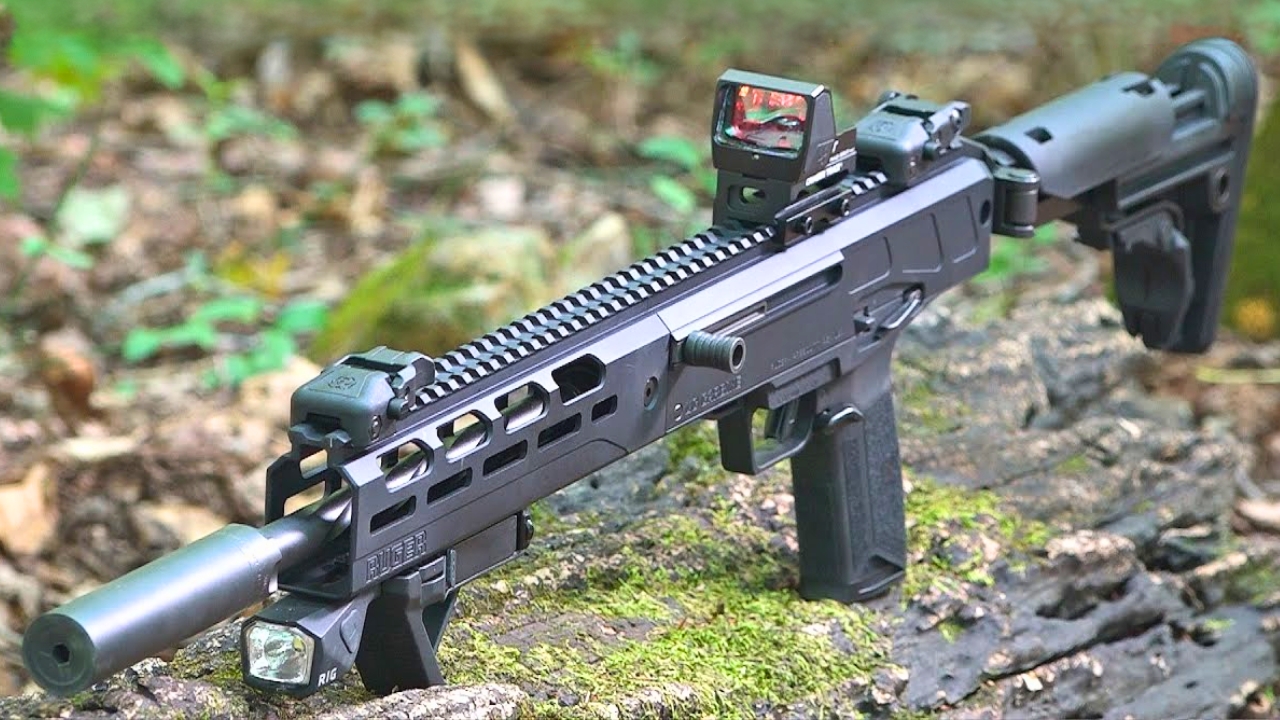
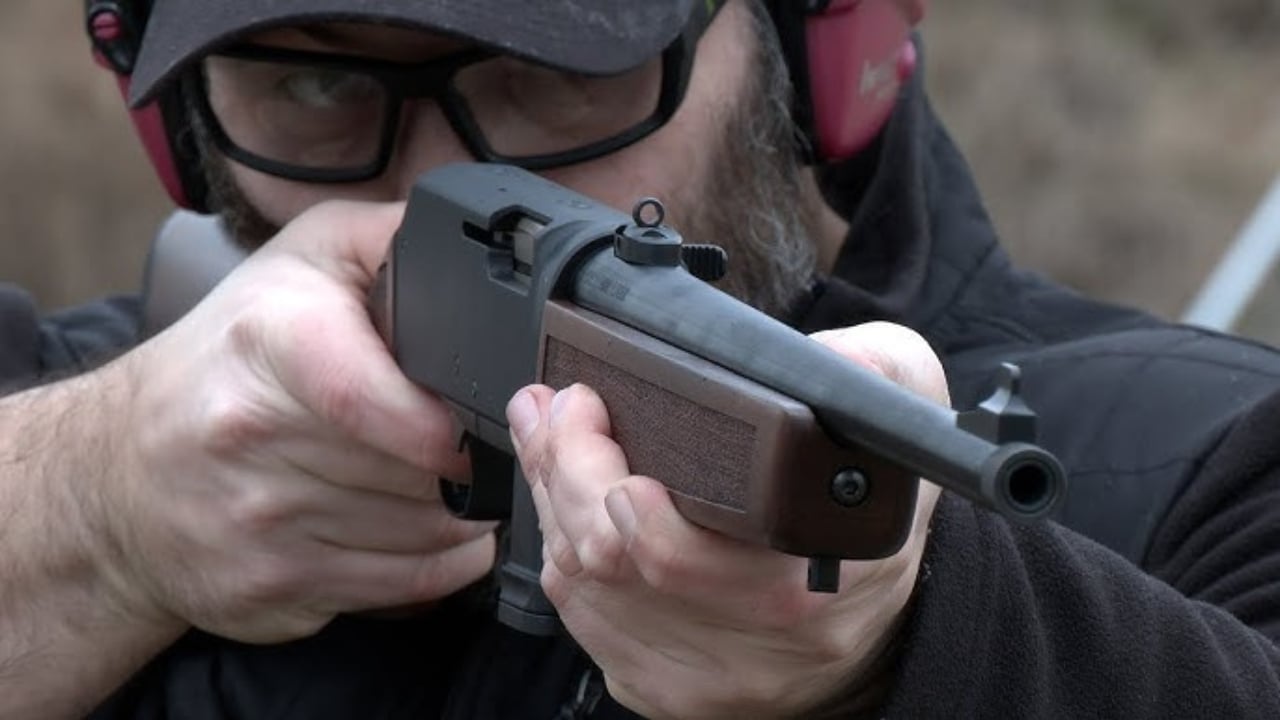
The LC Carbine is light, compact, threaded, and designed around Ruger’s high-capacity pistol magazines. Its layout provides more mounting space and better ergonomics than a large-format pistol chambered for the same cartridge.
The construction still feels closer to a practical utility gun than a premium carbine. The polymer grip components, plain stock, basic controls, and simple blowback-style operation do not make the rifle feel particularly costly to manufacture. Buyers are also stepping into a chambering that remains more expensive and less common than 9mm. The LC Carbine works, but its asking price depends heavily on novelty and magazine capacity.
Smith & Wesson FPC
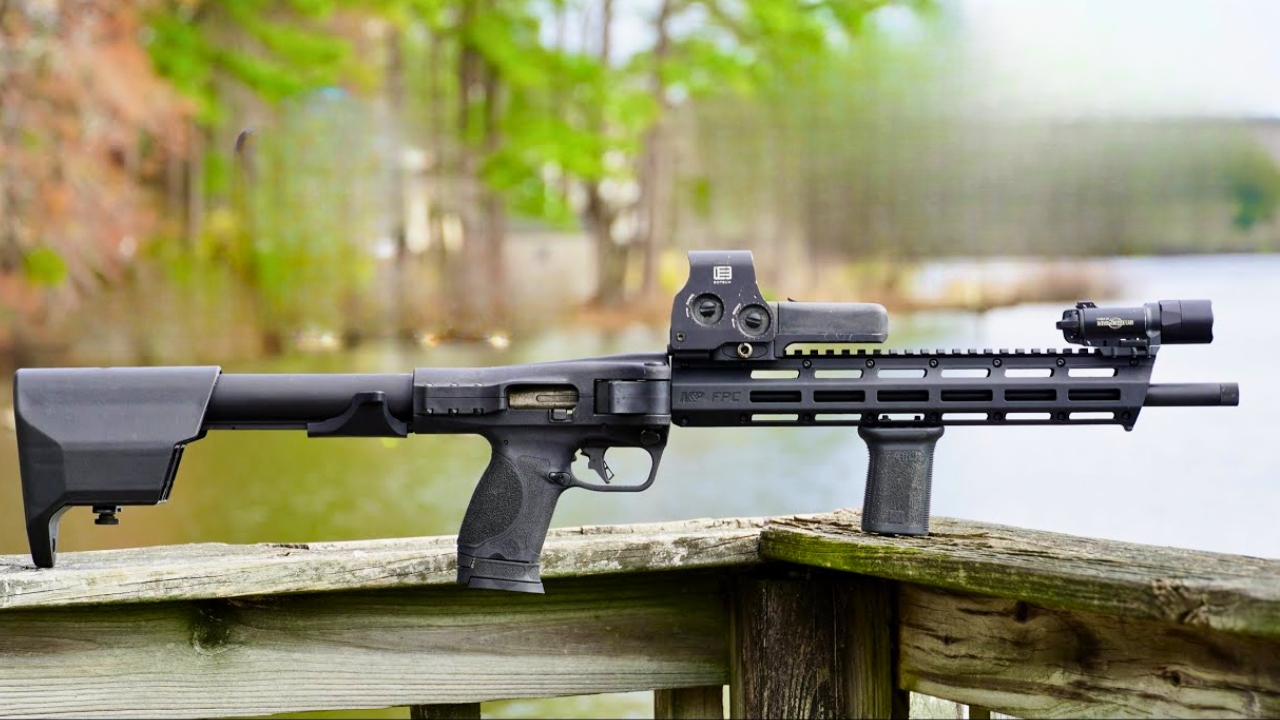
The FPC folds sideways for storage while allowing an optic to remain mounted. It uses M&P magazines, includes storage space for spare magazines in the stock, and arrives in a compact carrying case.
Those useful features are wrapped around a carbine that feels distinctly inexpensive. The fore-end, stock, grip, charging handle, and folding joint all emphasize function over refinement. That approach would be easier to accept at a lower price. Once the FPC moves into the same territory as more solid-feeling pistol-caliber carbines, the amount of molded polymer becomes difficult to ignore. It is a clever design that does not feel as costly as it is.
Springfield Armory SA-35
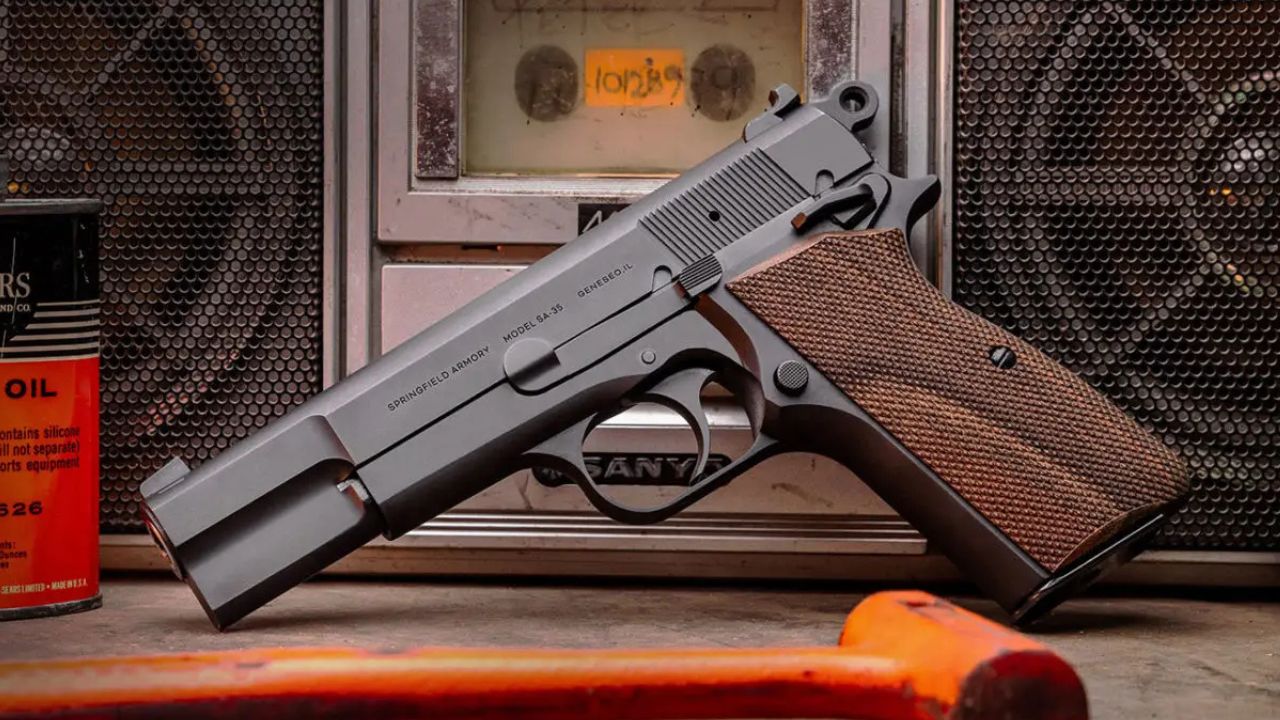
The SA-35 revived the Browning Hi-Power concept with a 15-round magazine, improved sights, no magazine disconnect, and a factory trigger that is generally better than those found on many older Hi-Powers.
Early production problems damaged the value argument. Buyers reported extraction issues, inconsistent finishing, and pistols that needed factory attention. Later examples appear improved, but the SA-35 still feels plain for a pistol positioned as an American-made revival of a classic. The grips, finish, safety, and small controls do not provide the polished experience many buyers expect. It can be a good shooter, but it does not always feel special.
Remington Model 700 SPS
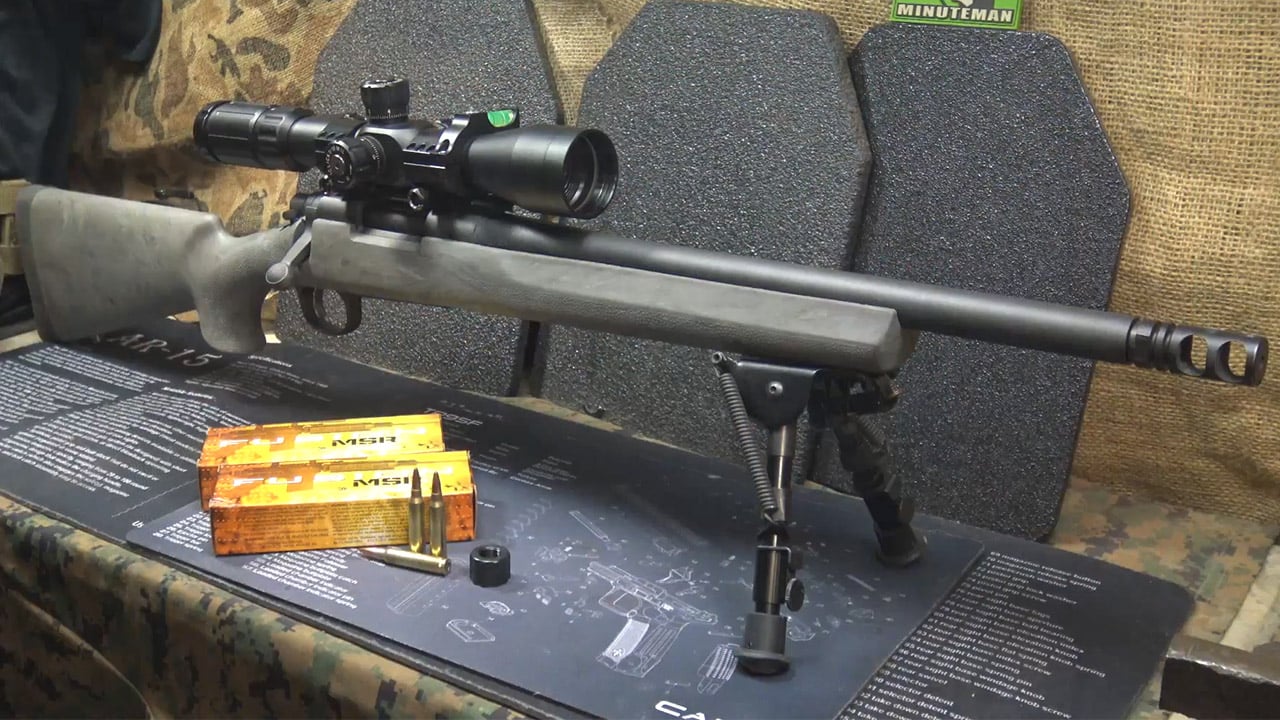
The Model 700 SPS uses one of the best-known bolt-action designs in American firearms history. The action has enormous aftermarket support, replacement triggers and stocks are easy to find, and the rifle can become an excellent platform for a custom build.
The factory rifle often feels like it expects the owner to begin replacing parts immediately. The injection-molded stock is flexible, the finish is basic, and the trigger guard and bottom components lack the substantial feel older Model 700 rifles provided. The barreled action may be perfectly usable, but the rest of the package feels built to meet the lowest acceptable standard while still benefiting from the Model 700 name.
Mossberg Patriot LR Tactical
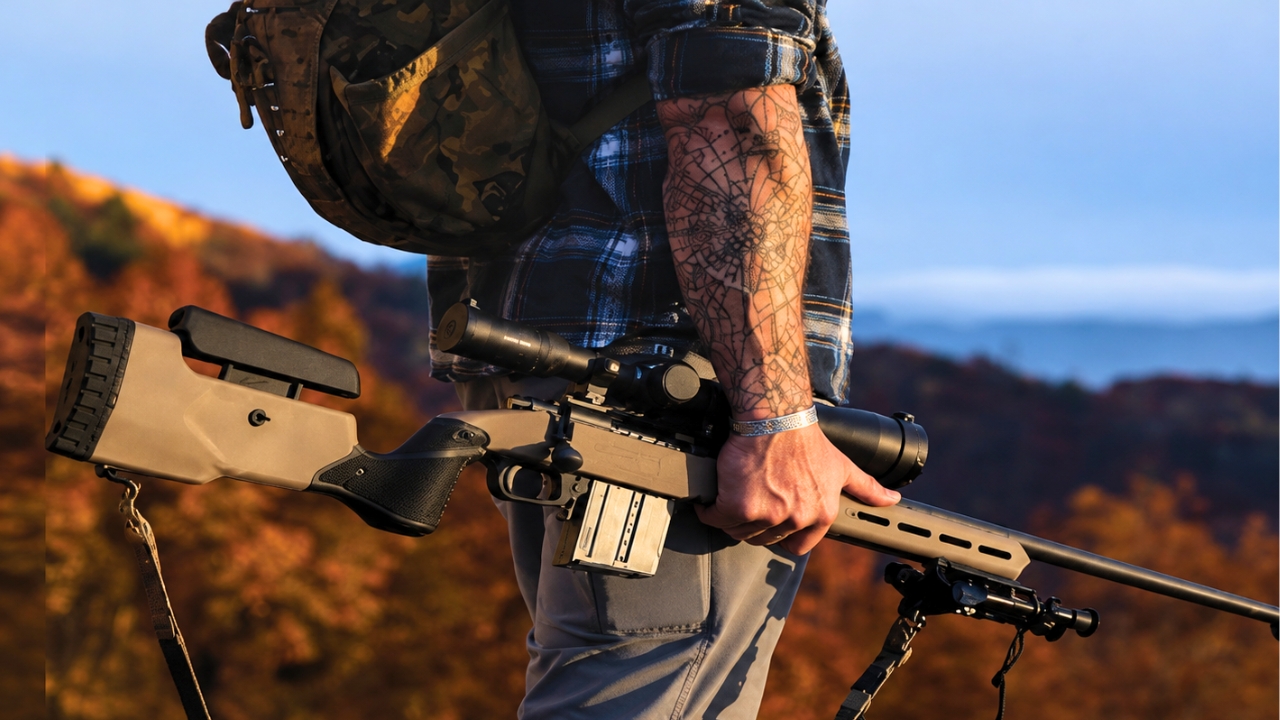
The Patriot LR Tactical combines Mossberg’s budget bolt action with an adjustable stock, detachable magazine, threaded barrel, and tactical styling. It looks ready for long-range shooting without requiring custom-rifle money.
The basic action remains difficult to hide. Bolt movement can feel rough, magazines are not especially refined, and the small controls do not inspire much confidence. The stock adds adjustability but also increases the price without transforming the rifle underneath it. Buyers expecting the solid feel of a serious precision rifle may discover that the Patriot still behaves like an inexpensive hunting rifle wearing tactical furniture.
Winchester SXP Defender

The SXP Defender is light, fast to cycle, and generally affordable compared with American-made defensive pump shotguns. Its rotating bolt and slick action help it feel quick when operated aggressively.
The shotgun’s Turkish production and extensive use of basic furniture are noticeable. The fore-end, stock, finish, and small internal parts do not provide the same heavy-duty impression as a Mossberg 590A1 or older Remington 870 Police. The SXP can function perfectly well, but the price has become harder to defend as it moves away from the budget territory that originally made its compromises acceptable.
Stoeger M3000 Freedom Series
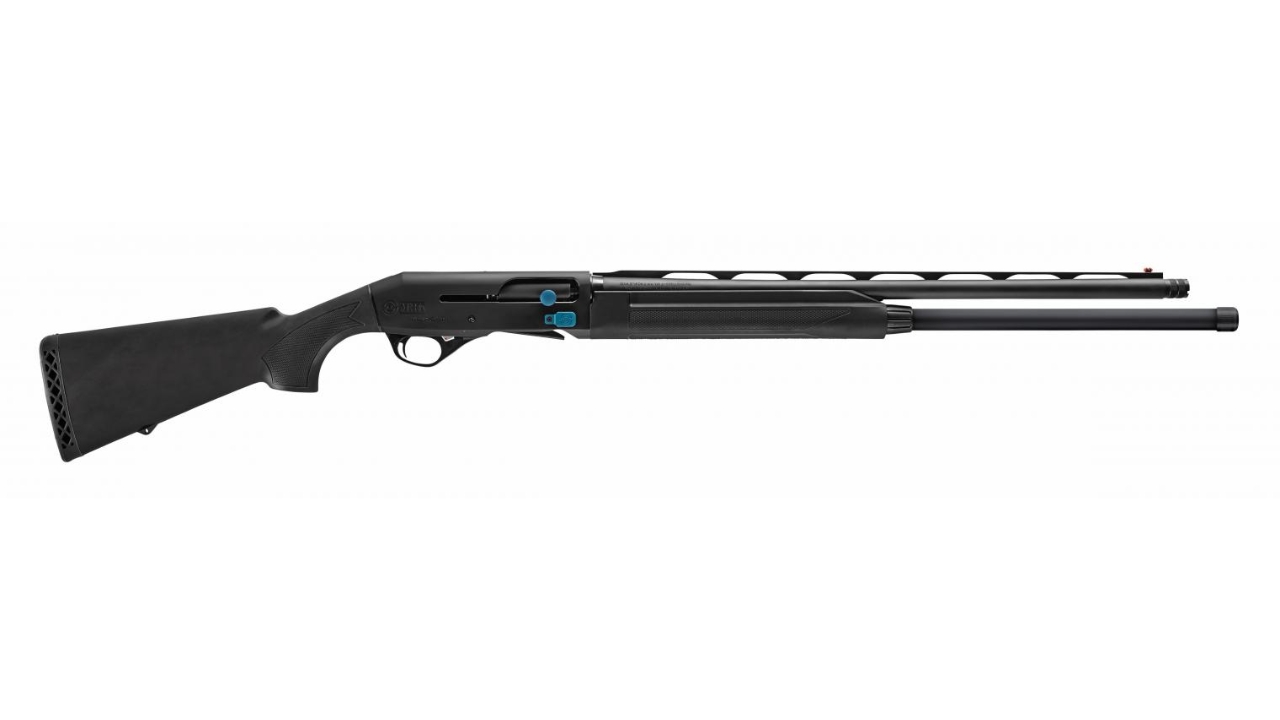
The M3000 Freedom Series gives buyers an inertia-operated semiautomatic shotgun with an extended magazine, oversized controls, and defensive styling. It provides many of the visual features associated with far more expensive competition and tactical shotguns.
The fit and finish reveal where money was saved. The controls can feel coarse, the stock and fore-end are basic, and internal surfaces may look rough compared with a Benelli. The inertia system also needs an appropriate break-in and solid shooting technique. The M3000 makes sense as a budget alternative, but upgraded Freedom Series pricing can push it uncomfortably close to shotguns with better refinement.
Rossi R92 Triple Black
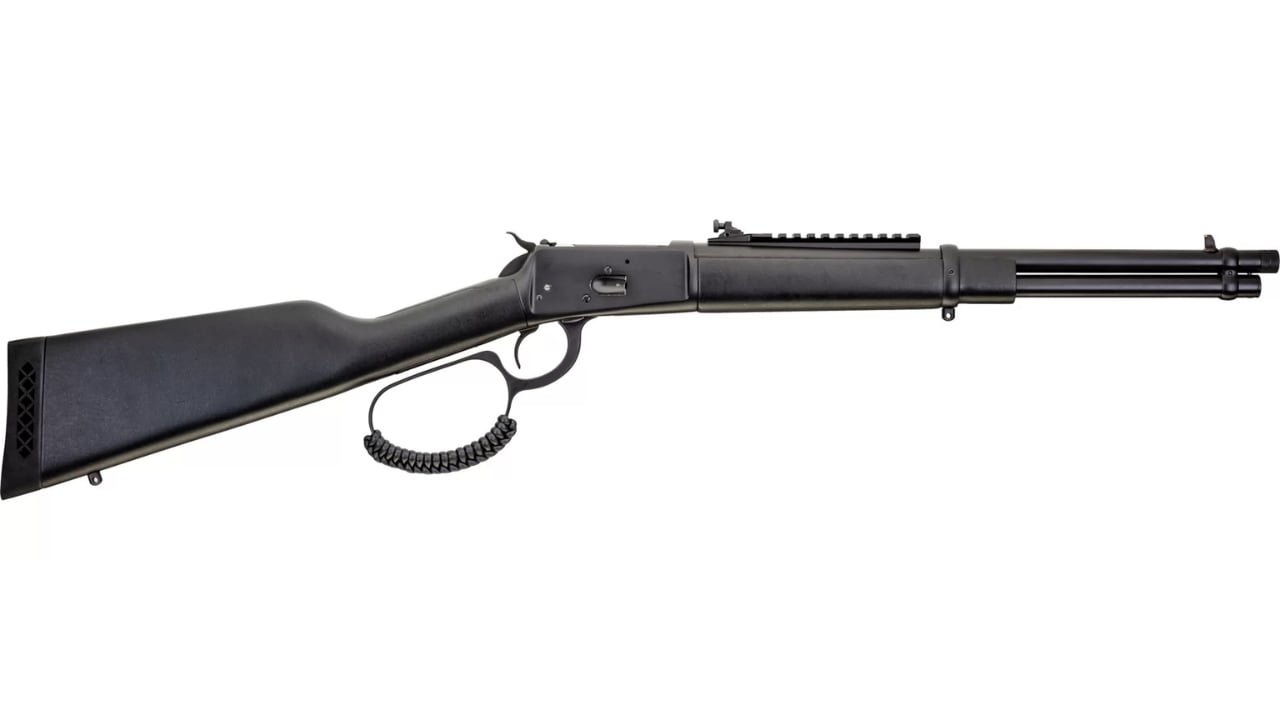
The R92 Triple Black combines a traditional lever-action mechanism with a threaded barrel, black finish, large loop, and modernized sights. It is designed for buyers who want a compact lever gun without the polished cowboy-rifle appearance.
The underlying R92 can still show rough internal machining, stiff loading gates, sharp edges, and an action that needs considerable cycling before it smooths out. The black finish and threaded barrel raise the price without necessarily improving the basic fit of the rifle. It looks modern and aggressive, but buyers may still receive the same rough action associated with less expensive Rossi lever guns.
Springfield Armory Saint Victor

The Saint Victor comes with useful upgrades over a completely basic AR-15, including improved furniture, a free-float handguard, enhanced trigger components, and a muzzle device better than a plain A2 flash hider.
It still occupies an awkward price range. The receiver set, controls, charging handle, bolt carrier, and general assembly feel closer to a mass-produced midlevel rifle than a premium AR. Nothing is necessarily wrong with that, but buyers can often build or purchase a rifle with more carefully selected components for similar money. The Saint Victor sells convenience and branding more than exceptional construction.
Glock 19X MOS
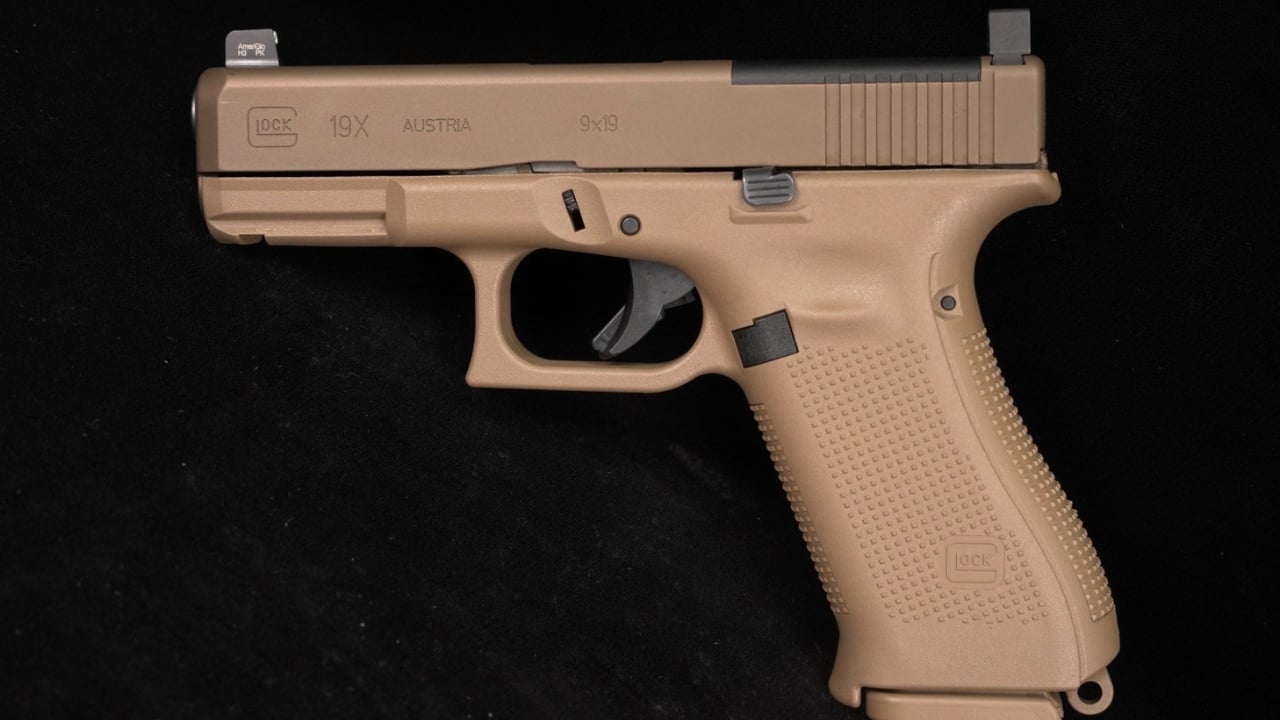
The Glock 19X MOS combines the full-size Glock 17 grip with the compact Glock 19 slide, adds an optics-ready cut, threaded barrel on certain packages, and Glock’s familiar duty-pistol reliability. It is practical, proven, and supported by one of the largest accessory markets in the firearm industry.
It is also fundamentally a molded polymer pistol with a basic trigger, simple controls, and few costly manufacturing details. Glock’s durability is real, but newer versions and special packages increasingly ask premium prices without changing the inexpensive feel of the core gun. The 19X MOS works well. It simply does not feel like a firearm that should cost dramatically more than an ordinary Glock 19.
Like The Avid Outdoorsman’s content? Be sure to follow us.
Here’s more from us: