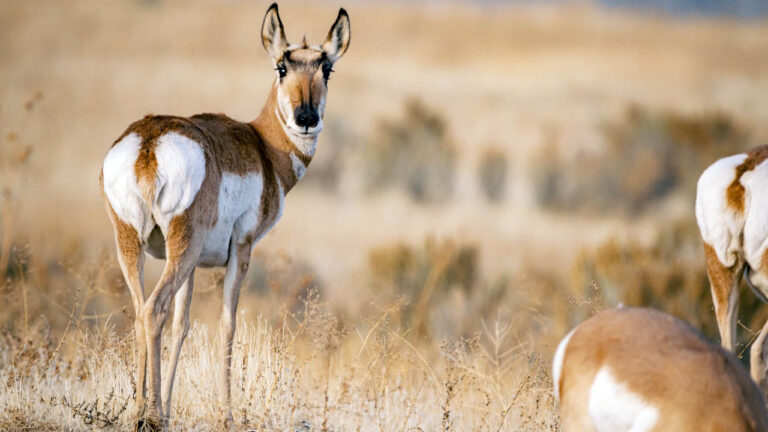
Photo credit: Pixabay/Pixabay
Mountain lions (cougars) have always lived in big chunks of the West, but what’s making people feel like they’re “suddenly everywhere” is the overlap: towns expanding into lion habitat, deer living comfortably on the edges of neighborhoods, and lions using the same creek bottoms, brushy draws, and ridgelines that run right behind subdivisions. Oregon’s wildlife agency puts it bluntly—cougars occupy most available habitat and are expanding into lower-quality areas that include human habitation, at the same time development pushes outward.
A quick reality check: a lion sighting near town doesn’t automatically mean there’s a resident breeding population right there. In a lot of places (especially the Midwest), agencies confirm individual dispersing cats moving through, not established populations. Illinois, for example, notes confirmed individual lions but says there’s no evidence of a resident breeding population in the state. With that framing, here are 15 states where lions are either well-established on the landscape or are showing up often enough (confirmed or credibly reported) that “closer to town” sightings keep happening.
1) Colorado
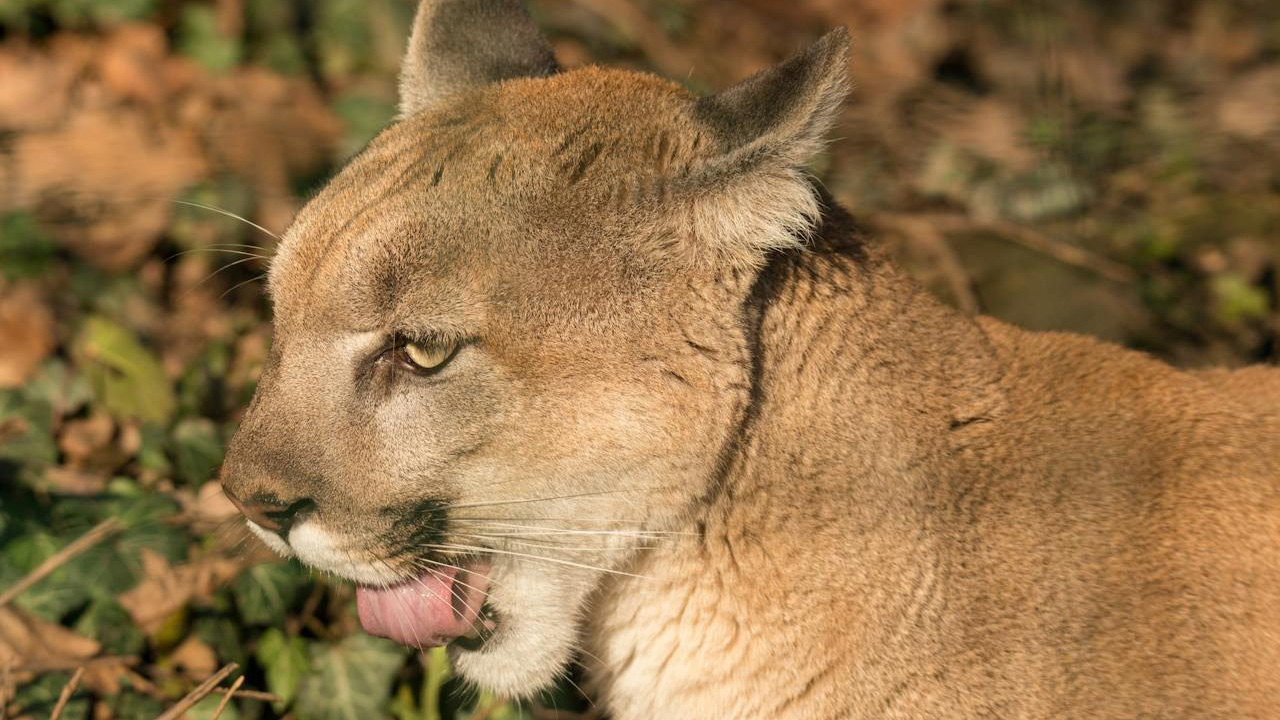
Colorado has a healthy, managed mountain lion population, and CPW estimates about 3,800–4,400 independent lions statewide (not counting kittens), with populations having grown since the species was classified and managed as big game. That matters because Colorado also has tons of small towns and suburbs that butt right up against foothills, drainages, and open space. When deer and elk winter near people, lions follow food, and the “near town” sightings tend to spike around those edge corridors. The smart move isn’t panic—it’s routine changes: don’t let pets free-roam at dawn/dusk, keep attractants down, and if you see a lion that won’t leave or acts bold, treat it like a public-safety situation and report it.
2) California

California lions are famous for showing up in the wildlife-urban interface—canyons, foothills, and brush country that runs right into neighborhoods. CDFW explicitly notes lions use diverse habitats including “wildlife-urban interfaces,” and they’re generally reclusive but still live in the same landscapes people build into. That’s why sightings near smaller mountain towns, foothill communities, and even big-city edges keep making news: the habitat is continuous, and deer are often thick near landscaping and greenbelts. “Closer to town” usually means the cat is moving through travel corridors—creeks, powerline cuts, ridges—not setting up shop on Main Street. Your best prevention is boring but effective: keep deer from bedding right next to the house, don’t leave pet food out, and keep small pets inside after dark.
3) Arizona
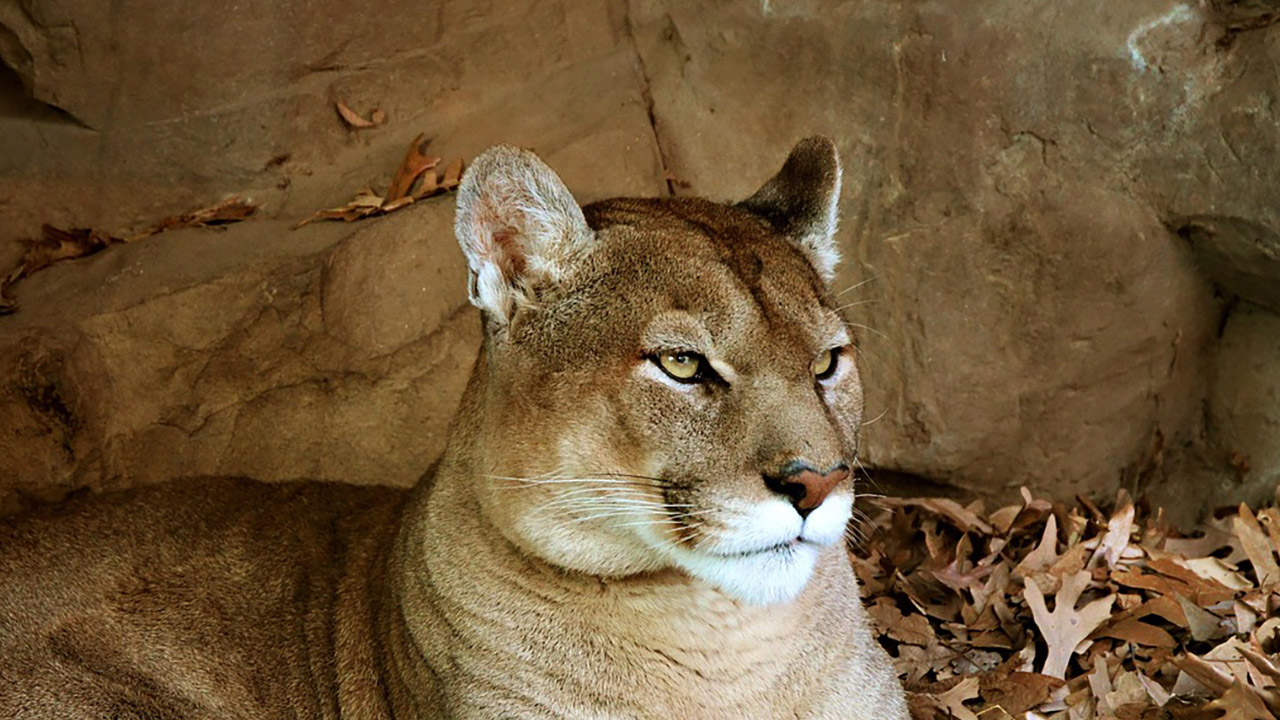
Arizona Game & Fish flat-out says mountain lions are common in the state, estimates around 3,000, and notes they’re widely distributed and have expanded into previously unoccupied or transient areas. That’s a recipe for sightings near small towns that sit against desert mountains, foothills, and washes—especially where development creates edge habitat and concentrates prey like deer and javelina. AZGFD’s guidance also stresses that repeated sightings in one area can signal a public-safety risk and that working with neighbors matters, because one yard doing the wrong thing (pet food, unmanaged attractants) can keep a lion circling a whole block. If your town has a lot of trail access right off the neighborhood, assume lions use that same seam at night.
4) New Mexico
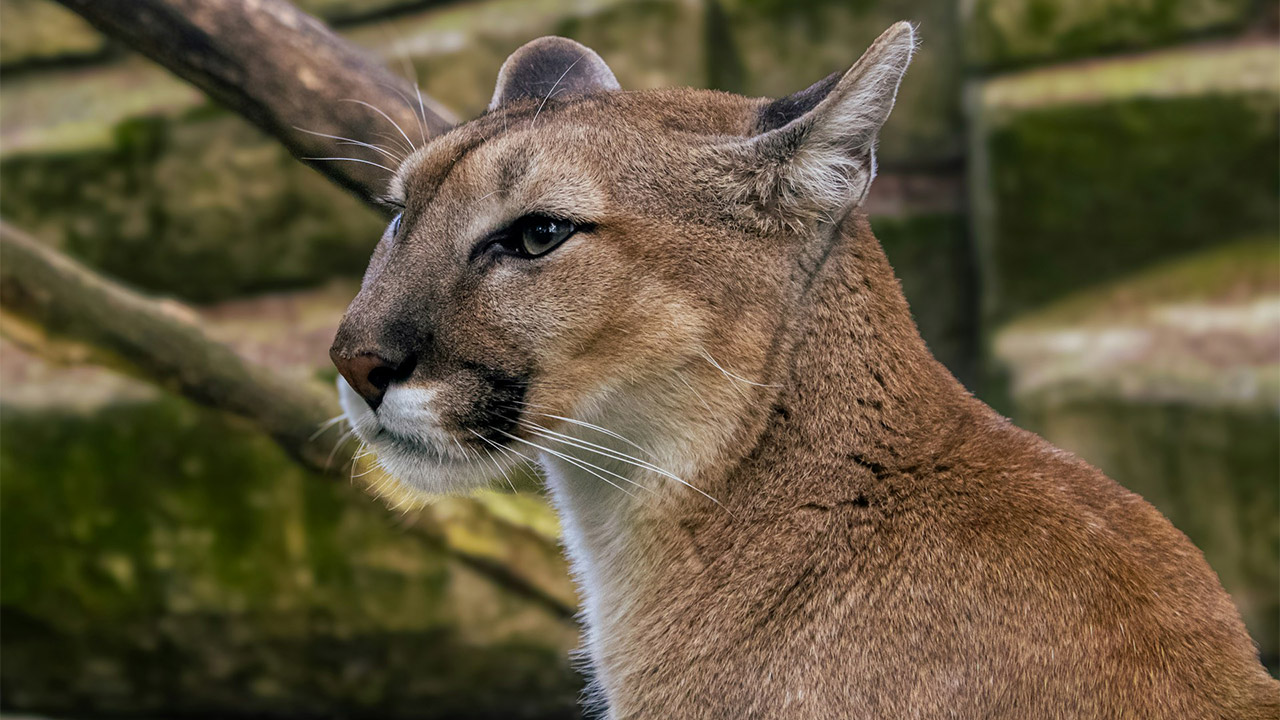
New Mexico is classic lion country: big basins and ranges, thick pinon-juniper, and plenty of mule deer—plus small towns scattered through it all. The reason lions get “closer to town” here is usually the same pattern: drought or weather shifts prey movement, deer get comfortable on the outskirts, and lions use arroyos and ridgelines as travel routes that run right behind homes. Even when people don’t see lions often, a single confirmed sighting can light up a town because it’s a reminder that the habitat never stopped at the city limit sign. If you live on the edge, treat dusk and early morning like “lion hours,” keep kids close on walks, and don’t jog with earbuds on dark greenbelt paths.
5) Utah
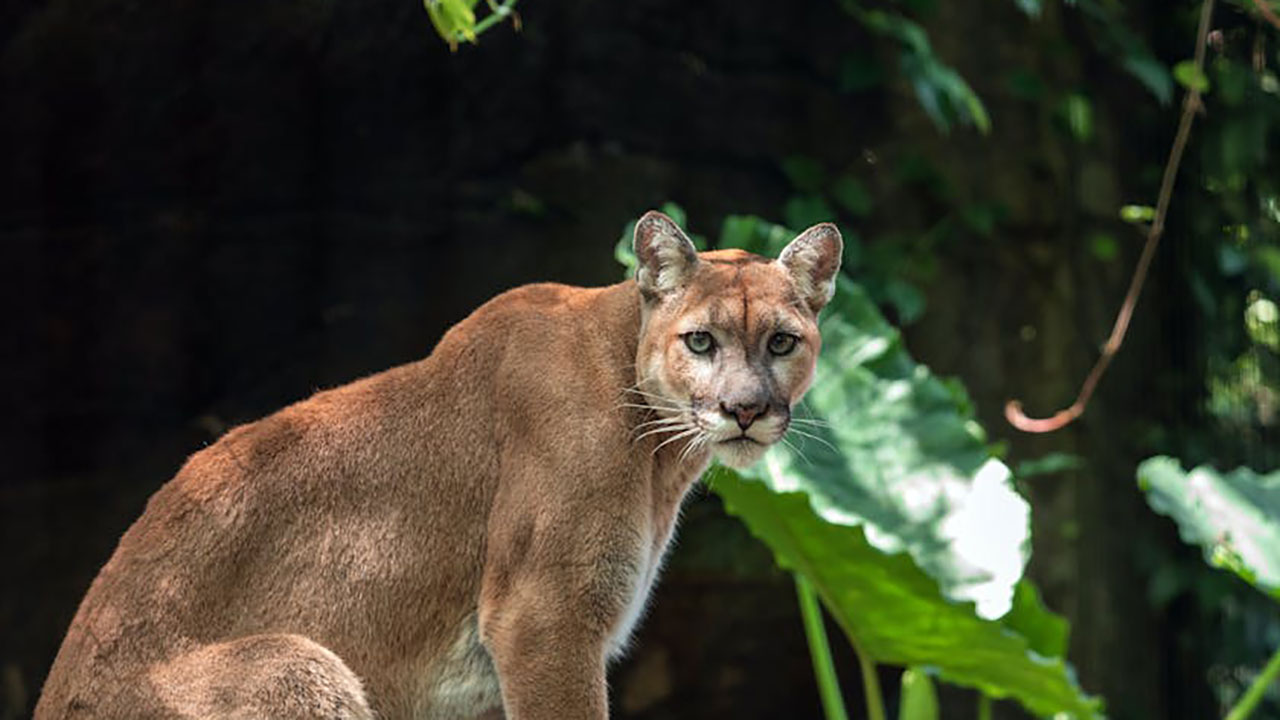
Utah has a ton of lion habitat packed tight against towns—think canyon mouths, foothill benches, and subdivision edges that back into public land. “Closer to town” sightings often pop when winter pushes deer lower, or when drought tightens water and funnels wildlife through a few drainages. The big mistake in lion country is assuming you’re safe because you’re in a small town and not “deep in the mountains.” Lions don’t need deep wilderness—they need cover and prey. If you’re in a place with deer in the yard and brushy escape routes nearby, you’re in the mix. Pet safety is the first real-world issue: small dogs on short leashes, cats indoors, and no feeding animals outside.
6) Nevada

Nevada towns and small cities are often built right into rugged terrain—ridges, washes, and desert mountain fronts—so the “edge” is basically everywhere. Lions use cover you might not notice (drainages, rock piles, thick landscaping), and they can move through a developed area quickly without being seen. The sightings that get attention are usually the ones in daylight, but a lot of lion movement near town happens at night and goes unnoticed. If your neighborhood sits near a wash or a greenbelt that connects to open desert or hills, that’s a natural travel lane. The practical play is reducing easy prey around homes: keep deer from congregating, secure trash, and keep pets from becoming the easiest meal in the neighborhood.
7) Idaho

Idaho has huge lion habitat and a lot of small towns that sit near timber, river bottoms, and canyon country. “Closer to town” sightings aren’t surprising when you’ve got dense deer populations, long winters pushing prey down, and towns that are basically surrounded by huntable ground. The other factor is human behavior: people stack attractants without meaning to—bird feeders that spill seed, backyard compost that draws rodents, outdoor pet food—and that builds a prey chain that can pull predators right to the edge. If you’re seeing lions near a town, treat it like a neighborhood-level issue, not just a one-off animal: a few households fixing attractants can change the whole pattern.
8) Montana

Montana lions have room, prey, and cover—and many communities sit right where the mountains start. When deer winter near town, lions aren’t far behind, especially along creek bottoms and timber fingers that run toward neighborhoods. The sightings that feel “new” are often just lions using old routes while towns grow into them. If you live in a place where kids walk to the bus stop in the dark during winter, or you’ve got dogs that go out early, build your routine around that risk window. Don’t let a pet slip out alone, keep outside lighting useful (motion lights help), and give a lion an escape route if you ever see one—cornering a big cat is how situations escalate.
9) Wyoming

Wyoming is loaded with lion habitat, but people underestimate how often lions can be near human activity because the state feels so wide open. The “closer to small towns” pattern shows up where town edges meet draws, coulees, river corridors, and wintering areas for deer. You’ll hear about lions in places that don’t look like “cat habitat” because they’re using the only cover available—cottonwood strips, creek bottoms, shelterbelts. If you’re outside town and you’ve got deer in the hay meadow or along the fence line, you’re basically ringing a dinner bell. The response isn’t fear; it’s respect and good habits: keep pets close, don’t let children play in brushy edges alone, and report repeated sightings.
10) Washington
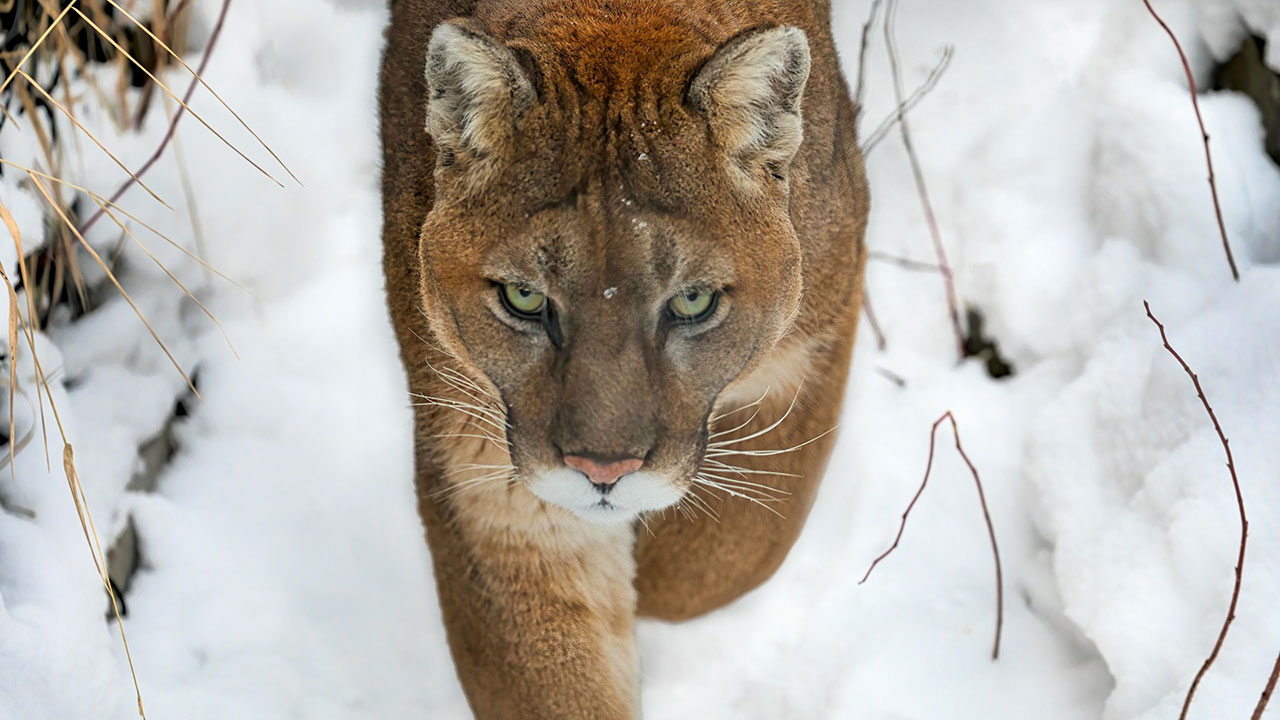
Washington’s wildlife agency notes cougar behavior and sign (like dragging kills to cover and caching them), which is a good reminder that these cats can live close without being obvious. In Washington, “near town” sightings are common in places where forest, ravines, and greenbelts stitch right into residential areas—especially on the west side where cover is thick. The highest-risk setup is the neighborhood that backs up to a wooded park or creek corridor with lots of deer. If your town has that, assume cougars use it. Practical steps: keep pets in at night, don’t walk dogs on long retractable leads at dusk, and teach kids what to do if they ever see a cougar—stay big, stay together, back away slowly.
11) Oregon

Oregon straight-up says cougars are expanding into habitats that include human habitation while urban areas expand into cougar habitat. That’s exactly the “why” behind more edge sightings near small towns, especially where towns sit tight against timber and foothills. Oregon’s public-safety guidance also emphasizes that simply seeing a cougar isn’t automatic cause for alarm if it leaves, and that cougars often retreat if given the opportunity—so don’t chase it and don’t block its exit. The pattern you’ll see in many Oregon towns is a handful of sightings in the same corridor (a creek, a greenbelt trail, a ridge behind houses). That’s a travel route; treat it like one.
12) Texas

Texas doesn’t have the same statewide “resident everywhere” situation as much of the Rockies, but it does have lions in West Texas and confirmed cases that make headlines when they show up near people. TPWD keeps records and solicits reports to document cougar distribution. And you’ll occasionally get very specific small-town incidents—like a mountain lion reported wandering in Presidio, according to local law enforcement. North Texas has also had confirmed footage cases that grabbed attention, including a TPWD-confirmed sighting near Lake Lewisville reported by the City of The Colony. The takeaway: when Texas lions show up “close to town,” people notice because it’s less routine for many residents. That’s when you lock down pets and stop doing anything that keeps deer and feral hog prey hanging around the neighborhood edges.
13) Florida

Florida is a special case because people often say “mountain lion” when they mean Florida panther (a cougar subspecies). Either way, big cats near developed areas get attention fast because Florida has dense human development and lots of edge habitat—swamps, pine flatwoods, and canal corridors that run right behind homes. In the parts of the state where panthers/cougars are present, the same rules apply: don’t let pets roam, especially at night; reduce attractants; and take sightings seriously if the animal acts bold. The big misconception is that big cats “don’t come near people in Florida.” They avoid people when they can, but they still move through connected habitat, and Florida has plenty of connected habitat in sneaky places.
14) South Dakota

South Dakota is one of the Midwest’s most important source areas for dispersing lions, especially around the Black Hills region. That matters because dispersing males can cover huge distances and end up near small towns far from where people expect them. Illinois, for example, explicitly points to dispersal from places like South Dakota and Nebraska as a reason lions can move through the state even without a breeding population there. In South Dakota itself, “closer to town” sightings often happen where the Hills meet ranchland and small communities—because that’s where prey concentrates and where the habitat edge is sharp. If you’re in that zone, your best defense is awareness and routine: don’t run alone at dawn/dusk on brushy edges, and keep pets supervised outside.
15) Nebraska
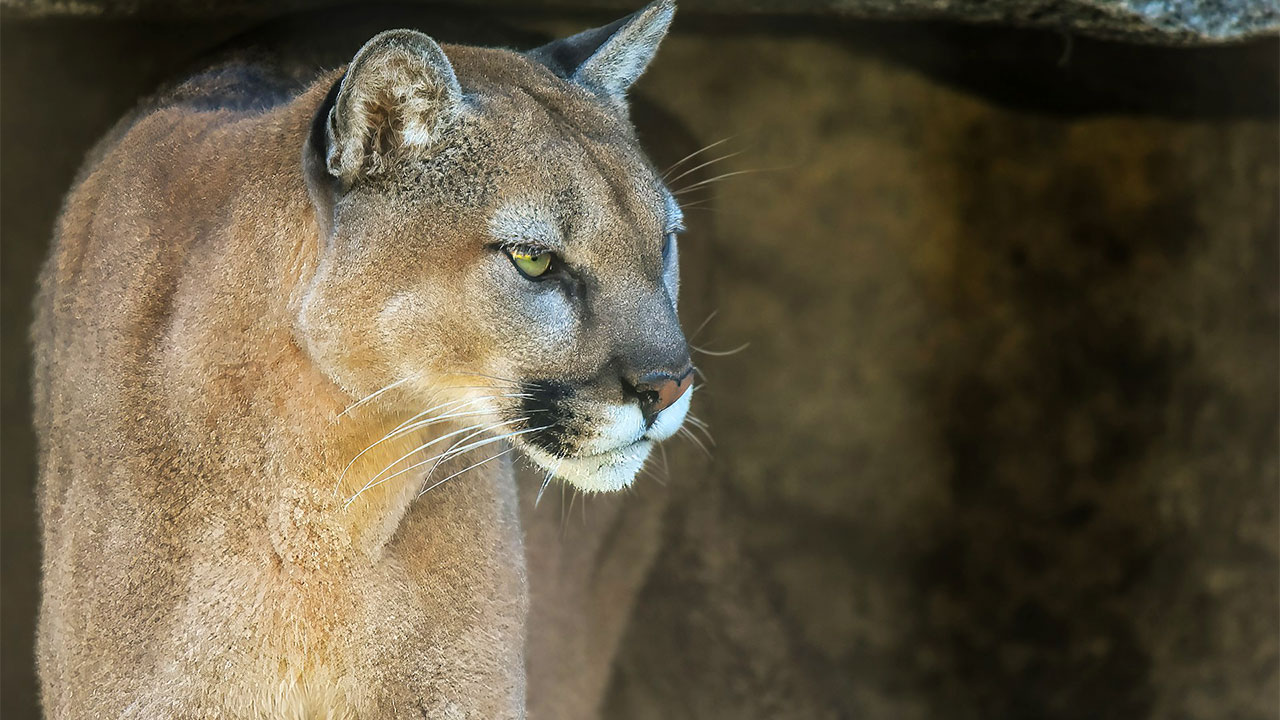
Nebraska is another big name in the “dispersing lion” story in the Midwest. Iowa’s DNR review notes that the oldest male mountain lion killed in Iowa came from Nebraska, and that many Midwest lions are dispersing males tied to populations in places like South Dakota/Nebraska. That’s why Nebraska can see lions show up unexpectedly near smaller towns: river corridors, shelterbelts, and big deer numbers create travel lanes and hunting opportunities for a transient cat. These aren’t always “resident neighborhood lions.” Often it’s one animal passing through, and that still matters—because one cat is plenty to create risk for pets. If your town has creek bottoms and deer everywhere, take sightings seriously and adjust routines until the animal moves on.
Like The Avid Outdoorsman’s content? Subscribe to our newsletter so you never miss an article.
Here’s more from us: