Photo credit: SnottyBoggins/Pixabay.com
A lot of people fall in love with a dog breed based on looks, reputation, or one good video online. That is usually fine right up until the dog comes home and starts acting like what it actually is. Some breeds are not hard because they are bad dogs. They are hard because they were built for serious work, strong independence, high pressure, or a level of confidence that most casual owners are not ready to handle. Those traits can be impressive in the right hands and a full-blown disaster in the wrong ones.
The truth is that some dogs need more than affection, a fenced yard, and a few toys. They need structure, leadership, training, space, and owners who understand what the breed was made to do. Without that, these dogs can become destructive, pushy, reactive, impossible to manage, or flat-out dangerous. These are 20 breeds that are often too much dog for most owners, even when people mean well.
Belgian Malinois
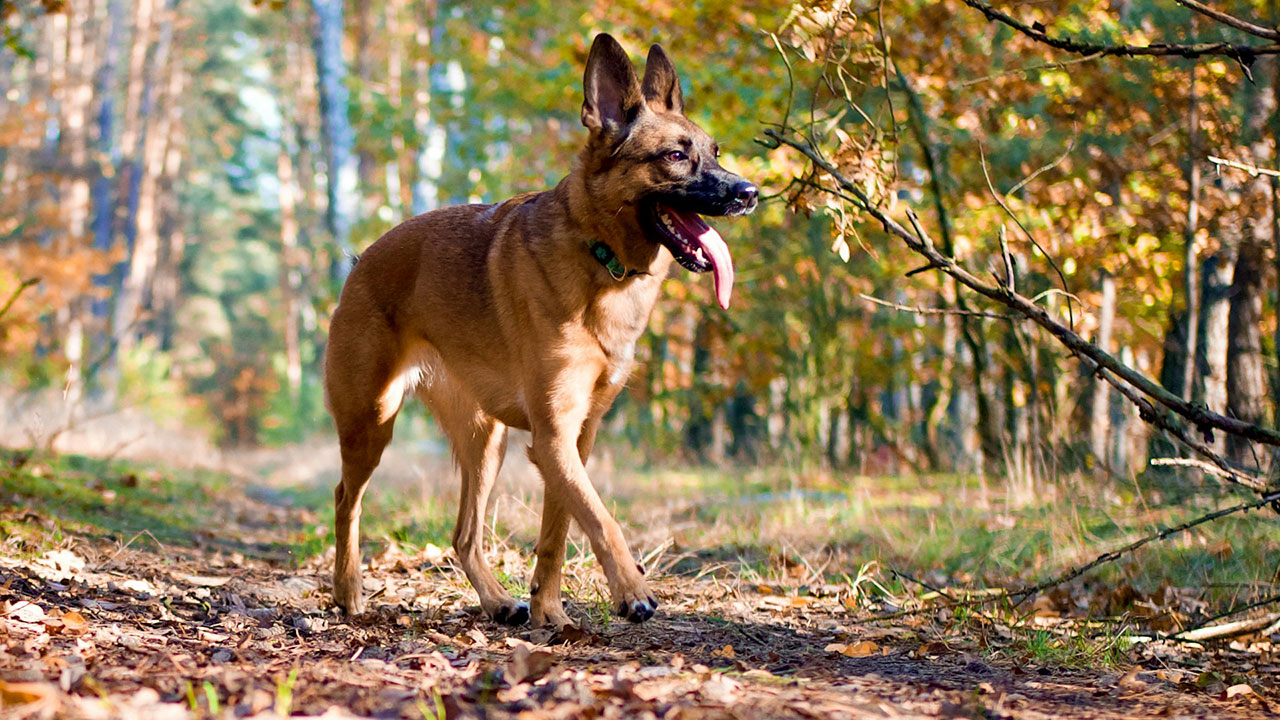
The Belgian Malinois might be the best example of a breed people admire from a distance and regret up close. This dog is sharp, fast, intense, and always looking for work. That sounds great until you realize most owners do not actually have enough work to satisfy one. A Malinois without structure does not settle into couch life. It turns into a dog that is constantly inventing jobs, testing limits, and staying wound tight all day.
What makes the breed too much for most people is not just energy. It is intensity. A lot of energetic dogs still switch off eventually. A Malinois often does not unless it has been taught how. That means you are dealing with speed, drive, problem-solving, and a dog that notices everything. In experienced hands, that is impressive. In average hands, it can be chaos with teeth.
Cane Corso

The Cane Corso is one of those breeds people get because they want protection, but a lot of them are not ready for what real protective instinct actually looks like. This is a serious, territorial, physically powerful dog that does not make room for sloppy ownership. If you are inconsistent, passive, or late to correct bad habits, the dog notices fast and starts filling that leadership gap on its own.
That is where people get in trouble. A Corso that does not trust its owner’s judgment enough may start making its own decisions about guests, strangers, and pressure. That is a lot of dog to mismanage. In the right home, the breed can be steady and reliable. In the wrong one, it becomes exactly the kind of big, dominant dog that people should never have tried to fake their way through.
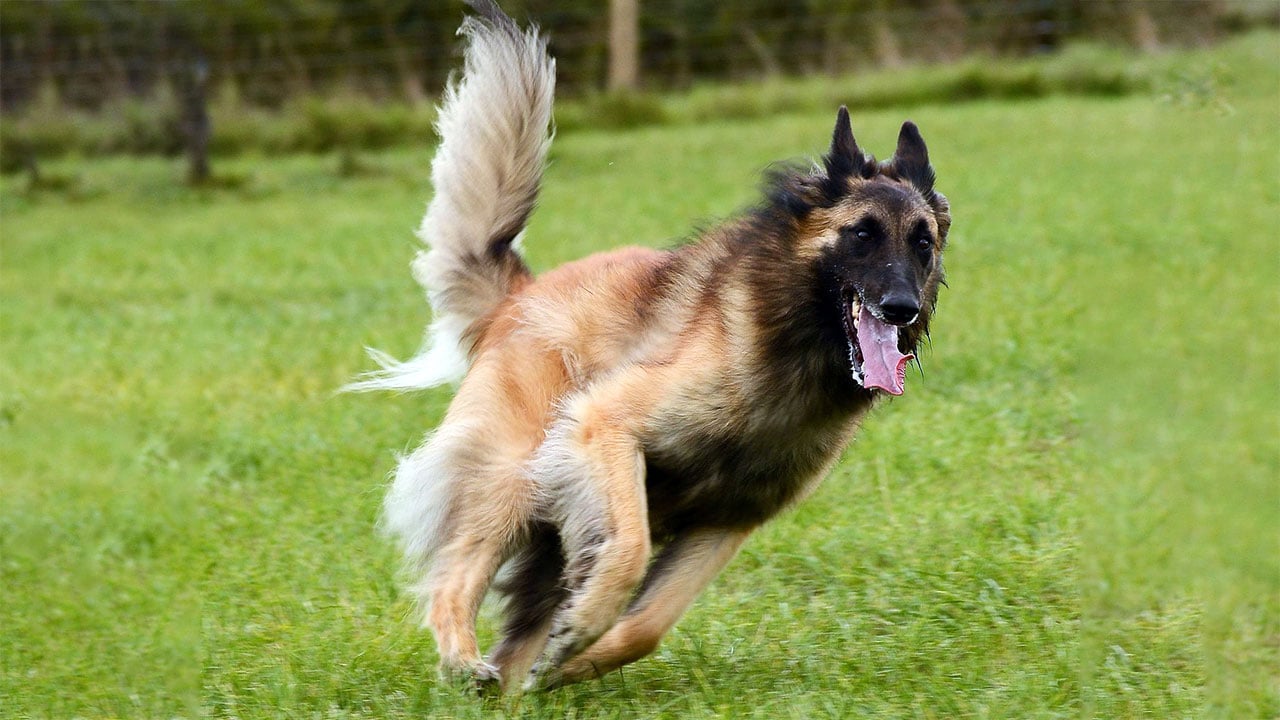
Belgian Tervuren

The Belgian Tervuren gets less attention than the Malinois, but it can still be way too much dog for the average owner. It has a lot of the same intensity and sensitivity that make the Belgian breeds both impressive and difficult. This is not the kind of dog that tolerates lazy ownership well. If its mind is not engaged, it finds things to do, and owners usually do not like what those things turn into.
A Tervuren is often more emotional than people expect too. That means it is not just high-drive. It is high-drive and highly reactive to handling, inconsistency, and environmental pressure. That combination can be tough for people who thought they were getting a fancy-looking active dog and instead ended up with a hard-working breed that expects to be taken seriously every single day.
Dutch Shepherd

Dutch Shepherds are smart, physical, and highly engaged with the world around them, which is exactly why they overwhelm so many casual owners. They are not usually content to live as decorative pets with occasional play sessions. They want purpose. They want clarity. They want an owner who means what they say and says it early enough to matter.
When people get a Dutch Shepherd without understanding that, the dog usually starts running the household in its own way. That may show up as obsession, pushiness, destructive behavior, or escalating reactivity. They are often excellent dogs for the right person, but that “right person” is not somebody hoping the dog will mostly entertain itself between family movie nights.
Anatolian Shepherd

Anatolian Shepherds are too much dog for most owners because they were bred to think for themselves and take territory seriously. That sounds noble, and it is, but it does not blend well with owners who want a dog that checks in constantly and follows directions like a golden retriever. An Anatolian often decides things on its own, and not always in ways first-time or suburban owners appreciate.
That independence becomes a real issue when people misread it as stubbornness they can just out-love or casually train away. You cannot soften a dog out of instincts that deep. If the setup does not fit the breed, the dog starts looking difficult, aloof, overly suspicious, or impossible to control. In truth, it is often just acting exactly like the dog it was bred to be.
Kangal

The Kangal is one of the most serious guardian breeds in the world, and that alone makes it too much for the average owner. This is not a breed that should be owned for image, internet points, or the vague idea of wanting a “strong dog.” It is big, independent, deeply territorial, and built to confront real threats. That kind of dog needs space, clear handling, and owners who understand boundaries before the dog decides where those boundaries are.
A lot of people are drawn to the Kangal because of its reputation, but reputation cuts both ways. A breed known for serious guarding work is not going to be casual to manage when that instinct matures. If somebody does not have the land, experience, or reason to own a dog like this, the Kangal can become far more dog than they can confidently control.
Caucasian Shepherd

The Caucasian Shepherd is absolutely too much dog for most people, and honestly, that should not even be controversial. This breed is massive, territorial, hard-headed, and bred to take threats seriously. It was not built to charm strangers or make life easy for inexperienced owners. It was built to hold ground and distrust what does not belong there.
That is exactly why it becomes such a bad idea in average homes. A dog with that much size, confidence, and natural suspicion needs excellent management from the start. Without that, you do not just get a “challenging dog.” You get a dog capable of making very big mistakes that the owner is not equipped to stop. There are breeds people grow into. This is usually not one of them.
Tibetan Mastiff

The Tibetan Mastiff is another breed people romanticize because it looks ancient, powerful, and impressive. All of that is true, but so is the fact that it is deeply territorial, highly independent, and often not very interested in doing what an average pet owner wants. This is not a dog that exists to please you. It exists to evaluate what is happening and decide what it thinks about it.
That attitude is where the trouble starts. A lot of owners assume they can handle stubbornness until it shows up in a giant guardian breed with strong opinions about property and strangers. Then they realize they did not actually want a real working guardian. They wanted the look of one. The Tibetan Mastiff is often more than they bargained for.
Great Pyrenees

People underestimate the Great Pyrenees because it is fluffy, often calm, and usually not frantic in the way high-drive working dogs can be. But this breed is still too much dog for plenty of owners because it was built to guard livestock independently. That means it patrols, barks, decides, and watches without waiting for your input every five minutes.
A lot of casual owners bring one home and then act shocked when it does exactly that. The nighttime barking, roaming instinct, stubborn streak, and territorial awareness all feel like “problems” if you expected a big sweet house pet that happens to look majestic. In the right rural setup, those traits make sense. In the wrong one, they quickly become more dog than the owner wanted to manage.
Akita

Akitas are powerful, serious dogs with a lot more edge than many people realize. They are often quiet, which fools people into thinking they are easy. They are not. A breed does not need to be loud or hyper to be difficult. Akitas tend to be strong-willed, reserved, and naturally suspicious, and they are not usually the kind of dog that tolerates weak handling or chaotic homes well.
What makes them too much for many owners is how little margin for error they give. You cannot be sloppy about socialization, structure, or reading the dog’s mood. If you are, you may end up with a powerful animal that has no interest in making life easier for you. A good Akita can be impressive. A poorly handled one can be a nightmare in a very quiet package.
Rottweiler

Rottweilers are often suggested as manageable “family protection” dogs, and in the right home they can be. But they are still too much dog for a lot of people because they are powerful, confident, and very aware of weakness in ownership. A lazy owner can coast with a soft breed for years. A lazy owner with a Rottweiler usually gets exposed fast.
That is because the breed tends to do best with structure, clarity, and leadership that feels steady, not panicked or inconsistent. When those things are missing, a Rottweiler can become pushy, overprotective, or difficult to control physically. It is not that the breed is bad. It is that people underestimate how much dog they are actually bringing into the house when they get one.
Doberman Pinscher

The Doberman is sleek enough that some people forget how serious it can be. This breed is fast, highly aware, and naturally protective. That combination can be excellent in the right home and a huge mess in the wrong one. A Doberman without enough guidance can become anxious, reactive, or overcommitted to its own judgment about what counts as a threat.
That emotional intensity is a big part of why the breed overwhelms so many owners. A Doberman is not usually a breed you can casually ignore and hope will sort itself out. It notices tension, routine changes, visitors, and your own uncertainty. If the owner is not solid, the dog often stops being easy very quickly.
Dogo Argentino

The Dogo Argentino is too much dog for most people because it combines physical power, courage, and determination in a package that needs real handling. This is not a breed for people who want to sound tough or look tough. It is a breed for people who actually know how to manage a serious working dog with strong prey drive and strong opinions.
Without that, problems build quickly. A Dogo that does not get structure and clear boundaries can become overbearing, hard to redirect, and difficult around other animals or pressure situations. People often fall for the confidence of the breed without realizing confidence becomes a burden when the owner does not have enough of it themselves.
Boerboel

Boerboels are heavily built, confident, and naturally inclined to take home ground seriously. That makes them a very bad fit for passive owners who think love and good intentions will cover everything else. This breed needs control, not just affection. A dog this strong cannot be allowed to mature into adulthood without clear rules and an owner capable of backing them up.
The reason Boerboels become too much dog is simple: they are not forgiving of uncertainty. If the household is loose, inconsistent, or unable to manage visitors, boundaries, and behavior early, the dog grows into that confusion. And once a Boerboel is grown, you are dealing with a lot of body and a lot of presence. That is not the time to start figuring things out.
Catahoula Leopard Dog

Catahoulas are often sold as rugged, versatile, all-American working dogs, which is true, but people hear that and somehow imagine “easy.” They are not easy. They are intense, independent, driven, and often sharper than casual owners want to admit. This is a breed that does best with purpose, strong handling, and space to work through its instincts in a useful way.
Without that, Catahoulas can become destructive, suspicious, or impossible to wear out. They are not a breed you stick in a suburban backyard and hope will become mellow with age. Most do not. They become bored, creative, and harder to live with. For someone who understands working dogs, that may still be worth it. For most owners, it is too much.
Australian Cattle Dog

People constantly underestimate the Australian Cattle Dog because it is not giant and does not always look dramatic. But pound for pound, this is one of the most intense, hardest little dogs most people could bring home. It is smart, stubborn, suspicious, and wired to control movement. That often turns into bossy, nippy, obsessive behavior in homes that are not giving the dog enough to do.
A cattle dog without a job tends to create one, and families usually do not enjoy being the project. These dogs can herd children, patrol windows, bark at patterns, and stay mentally switched on long after their owners are worn out. They are incredible in the right hands and deeply irritating in the wrong ones. That is exactly what too much dog looks like.
Border Collie

Border Collies are wonderful dogs, but that does not mean they are right for most people. They are too much dog for a lot of owners because their minds never really stop. A dog bred to read stock, adjust constantly, and respond at a high level to pressure is not always going to handle boring pet life well. In fact, many of them handle it badly.
That bad handling usually shows up as obsession, anxiety, neurotic behavior, reactivity, or destructive habits. People see athleticism and intelligence and assume that makes the breed “easy to train.” Sometimes it does. But intelligence also means the dog notices every inconsistency you have, every routine, every loophole, and every chance to outwork your expectations. That is a lot more dog than many families want.
German Shorthaired Pointer

German Shorthaired Pointers are often sold as friendly family dogs with energy, which is technically true, but that description leaves out how relentless they can be. A GSP with too little exercise and too little structure is an absolute headache. This breed is athletic, restless, and often incapable of settling naturally unless its needs are being met in a real way.
That is where average owners get blindsided. They think long walks and a little fetch will do it. For a lot of GSPs, it will not. Then the dog starts pacing, whining, chewing, counter-surfing, escaping, or generally acting like a dog living far below the level of activity it was built for. That does not make it a bad breed. It just makes it too much breed for most normal households.
Siberian Husky

Huskies are famous for being beautiful, dramatic, and difficult, and most of that reputation is deserved. They are too much dog for many owners because they are independent, high-energy, vocal, and excellent escape artists. They do not naturally care what you want in the same way a more biddable breed might, and that alone catches a lot of people off guard.
A Husky in the wrong home becomes a full-time management project. It climbs, digs, runs, argues, and tests boundaries in ways owners find funny for about a week and exhausting after that. People keep getting them because they love the look and personality. Then they realize the personality does not come with an off switch and the look did not help patch the fence.
Jack Russell Terrier
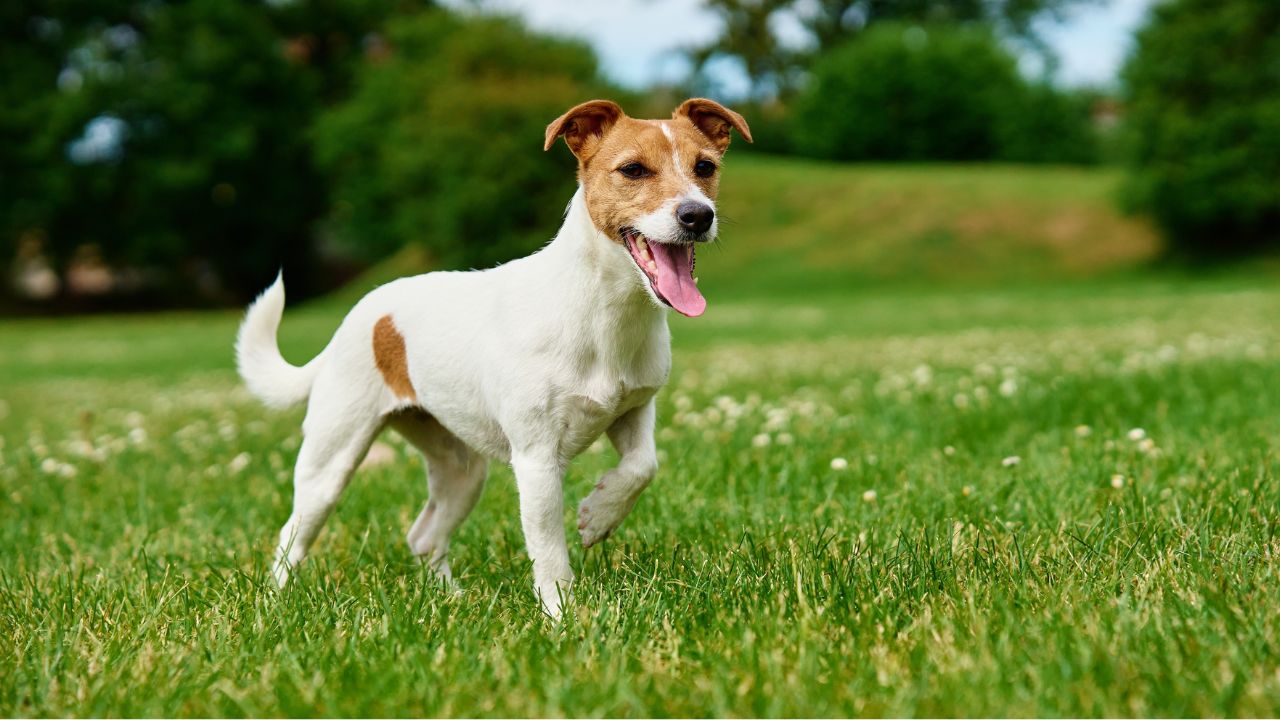
Jack Russells may be small, but that does not save people from the fact that they are still too much dog for a lot of homes. These little dogs are intense, driven, bossy, and often way more relentless than owners expect. Their size tricks people into thinking they will be easy to physically manage even if the behavior is a little wild. That is not really how it works.
A Jack Russell can turn a household upside down with barking, digging, chasing, and constant agitation if it is not given enough direction and activity. Small does not mean simple. In fact, a hard little terrier can be much more exhausting than a bigger dog because people let things slide that they would address quickly in a larger breed. That only makes the problem worse.
Like The Avid Outdoorsman’s content? Subscribe to our newsletter so you never miss an article.
Here’s more from us: