Photo credit: Mladenbalinovac/istock.com
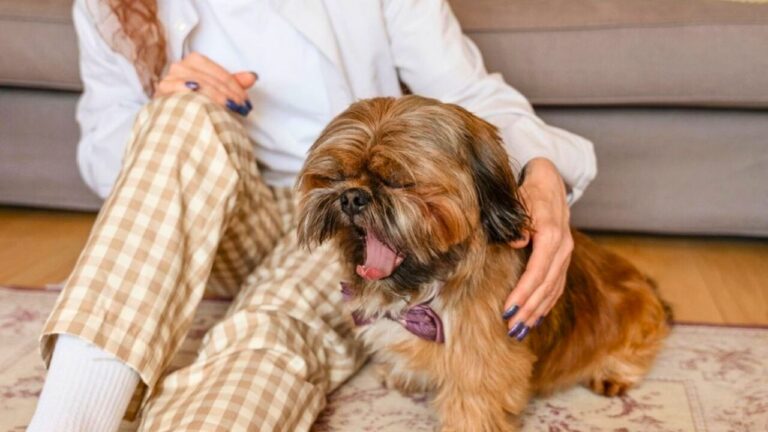
Dogs can absolutely look like they’re smiling. You’ll see that open mouth, relaxed lips, maybe a little tongue, and it feels like they’re grinning right at you. Sometimes they are. But here’s the tricky part: a dog’s “smile” isn’t a single expression with one meaning. Dogs use their mouths for breathing, cooling off, communication, and stress relief, so a toothy face can mean contentment… or it can mean “I’m uncomfortable and trying to handle this politely.” The difference matters, because misreading it is how people end up pushing a dog past their comfort level without realizing it.
The good news is you don’t have to guess. Dogs give you a whole-body message. Once you learn what to look for, it gets easier to tell the difference between a genuinely relaxed “happy face” and a tension face that just happens to look like a grin.
What a real relaxed “smile” usually looks like
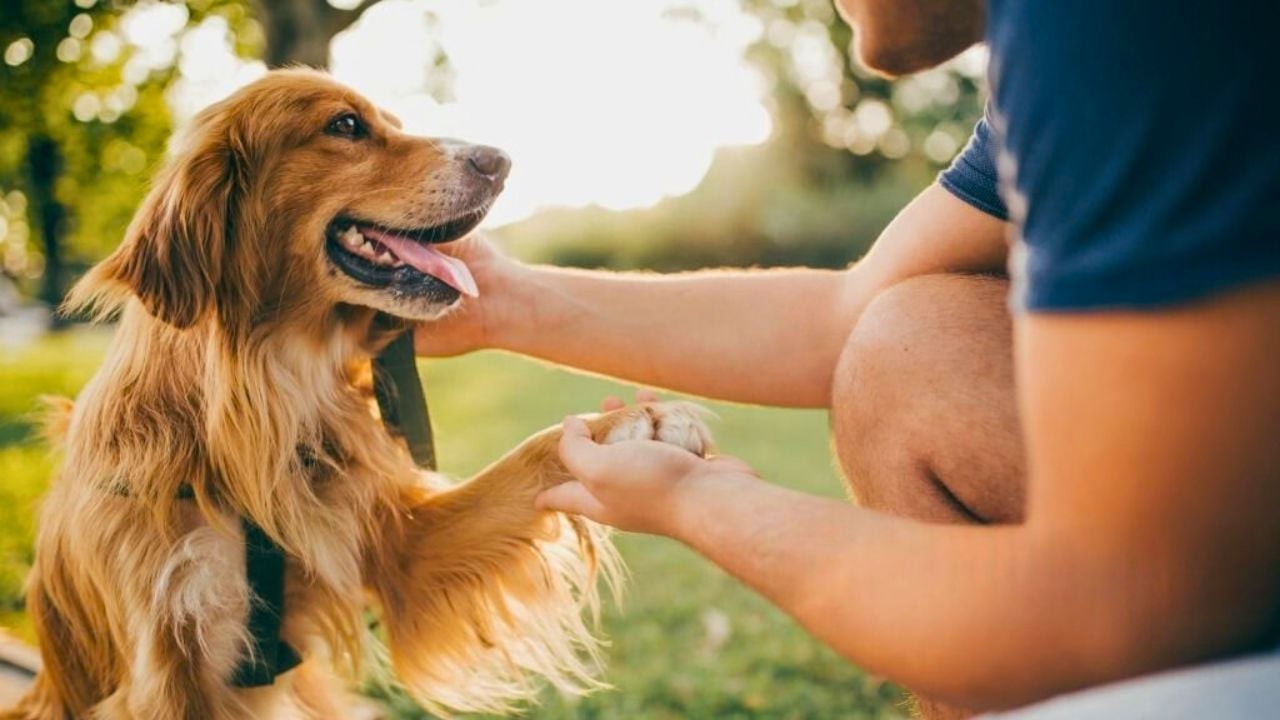
A true relaxed dog “smile” is more of a soft, open-mouth expression than a big tooth display. The lips look loose, not pulled tight. The eyes look soft. The ears sit naturally, not pinned back. The body looks wiggly or at least easy and loose. You might see a gentle tail wag that matches the mood. Breathing is steady and normal, not frantic panting out of nowhere.
This kind of expression often shows up during play, greetings, walks, or when your dog is lounging and feeling good. It’s common right after you come home, when you grab the leash, or when your dog is getting a belly rub and fully relaxed. In those moments, the “smile” is just part of an overall calm, happy state. It’s not the mouth alone that tells you; it’s the entire dog.
Some dogs also have what people call a “submissive grin,” where they show teeth briefly during excitement. That can still be friendly, but it’s usually paired with a loose body, lowered posture, and wiggly movement. It’s not a threat. It’s an awkward, overexcited social behavior that some dogs do more than others.
When a “smile” can actually be stress or appeasement
A dog can show teeth because they’re uncomfortable and trying to keep the situation from escalating. This is where it gets confusing, because the face can look like a grin to humans, especially in photos. A stressed “smile” usually includes tighter mouth corners and tension in the lips. The dog may pull the lips back farther than normal. The teeth might show more clearly. The eyes often look wide, and you might see the whites of the eyes (sometimes called “whale eye”). The ears may pin back. The body might stiffen or lean away. The dog may hold still in a way that looks calm, but it’s more like freezing.
This type of expression often shows up when a dog is being hugged, crowded, stared at, or forced into interaction they don’t want. A lot of dogs tolerate uncomfortable handling because they’re trying to be polite. They’ll “smile,” lick their lips, yawn, turn their head away, or blink slowly. Those are calming signals. They’re your dog’s way of saying, “I’m not trying to cause a problem. Please ease up.”
This is also why “my dog loves hugs” can be misleading. Some dogs truly do enjoy closeness, but many are simply tolerating it. If the “smile” shows up during hugs or intense face-to-face contact, don’t assume it’s happiness without checking the rest of the body language.
The easiest way to tell: look for tension vs. looseness
If you want a simple rule: a happy dog looks loose; a stressed dog looks tight. Loose means wiggly posture, soft face, normal ears, smooth movement, and the ability to walk away and come back. Tight means stiff body, head pulled back slightly, ears pinned, mouth corners drawn tight, fast panting, or stillness that feels “stuck.”
Also pay attention to what happens next. A relaxed dog will stay engaged and comfortable. A stressed dog may avoid, back away, hide behind you, or suddenly snap if they feel trapped. Dogs don’t go from “fine” to biting in one second without warning. The warnings are often just subtle, and a “smile” can be one of them.
Why dogs “smile” when they’re excited
Some dogs show a goofy toothy face during high excitement. It can happen when you walk in the door, when they’re about to go outside, or when they’re greeting a favorite person. In those cases, it’s often paired with fast movement, happy body language, and eagerness. It’s not fear. It’s overstimulation mixed with social signaling. Think of it as a dog version of “I’m so excited I don’t know what to do with my face.”
If your dog does this and stays friendly, it’s usually harmless. The best way to support it is to keep greetings calm so excitement doesn’t turn into jumping or mouthing. Reward four paws on the floor, use a calm voice, and give them something to do like grabbing a toy.
Why “smiles” are so easy to misread in pictures
A still photo freezes one moment without context. A dog can look like they’re smiling in a photo even if they were stressed in that moment. That’s why videos and real-time observation are better. You can see the dog’s posture, movement, and the sequence of signals. If you’re unsure, think about what was happening when you saw the expression. Was your dog relaxed on the couch? Or were they being held still for a photo, crowded by kids, or hugged tightly? Context changes everything.
What to do if you realize it’s stress, not happiness
If your dog’s “smile” seems tied to uncomfortable situations, the goal is to lower the pressure. Give them space. Don’t force interaction. Teach kids to avoid hugging and face-to-face contact. Let your dog approach on their own terms. Reward calm, voluntary engagement rather than compliance.
If you want a simple test, try this: stop what you’re doing and see what your dog chooses. If they stay close, lean in, and relax, you’re probably fine. If they move away, shake off, lick lips, or avoid eye contact, they were likely tolerating the situation.
A dog “smile” can be happiness, but it can also be politeness under pressure. Once you learn to read the difference, you’ll have a safer, more respectful relationship with your dog—and you’ll stop accidentally praising discomfort as if it’s joy.
Like The Avid Outdoorsman’s content? Subscribe to our newsletter so you never miss an article.
Here’s more from us: