
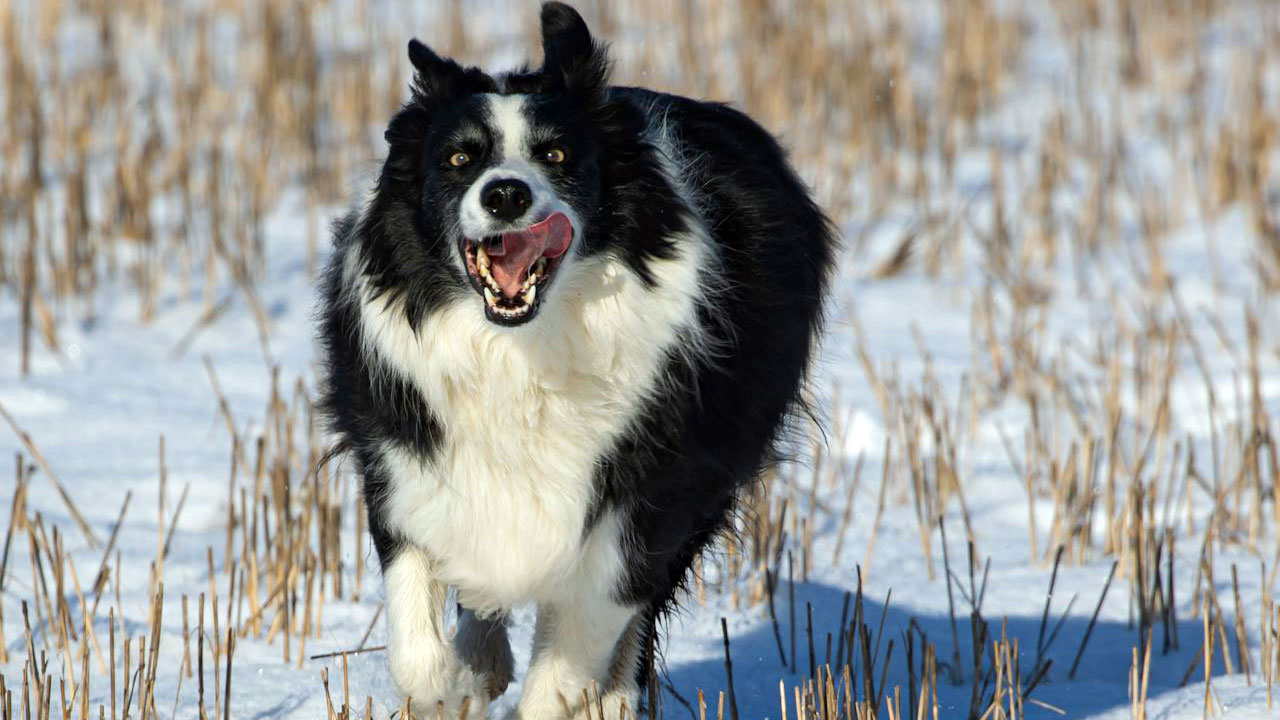
Photo credit: TheOther Kev/Pexels.com
A lot of people hear “high-energy breed” and picture a dog that just needs a few extra laps around the yard. That is not really how this works. Some breeds were built to herd, hunt, pull, track, retrieve, or stay mentally engaged for long stretches, and when they do not get that outlet, they usually find one of their own. Bored dogs often make their own fun by chewing furniture and shoes, shredding pillows, or tearing into whatever is available, and it points out that a lack of physical exercise and mental stimulation can lead to anxiety, frustration, and destructive behavior.
That does not make these bad dogs. Most of them are terrific in the right home. The problem is usually mismatch. A dog bred for hard daily work tends to go sideways when life turns into short walks, a fenced yard, and not much else. Some breeds get loud, some get neurotic, and some start redecorating your house one cushion at a time. These are 15 breeds that are especially likely to get destructive when they are under-exercised or under-stimulated.
Border Collie
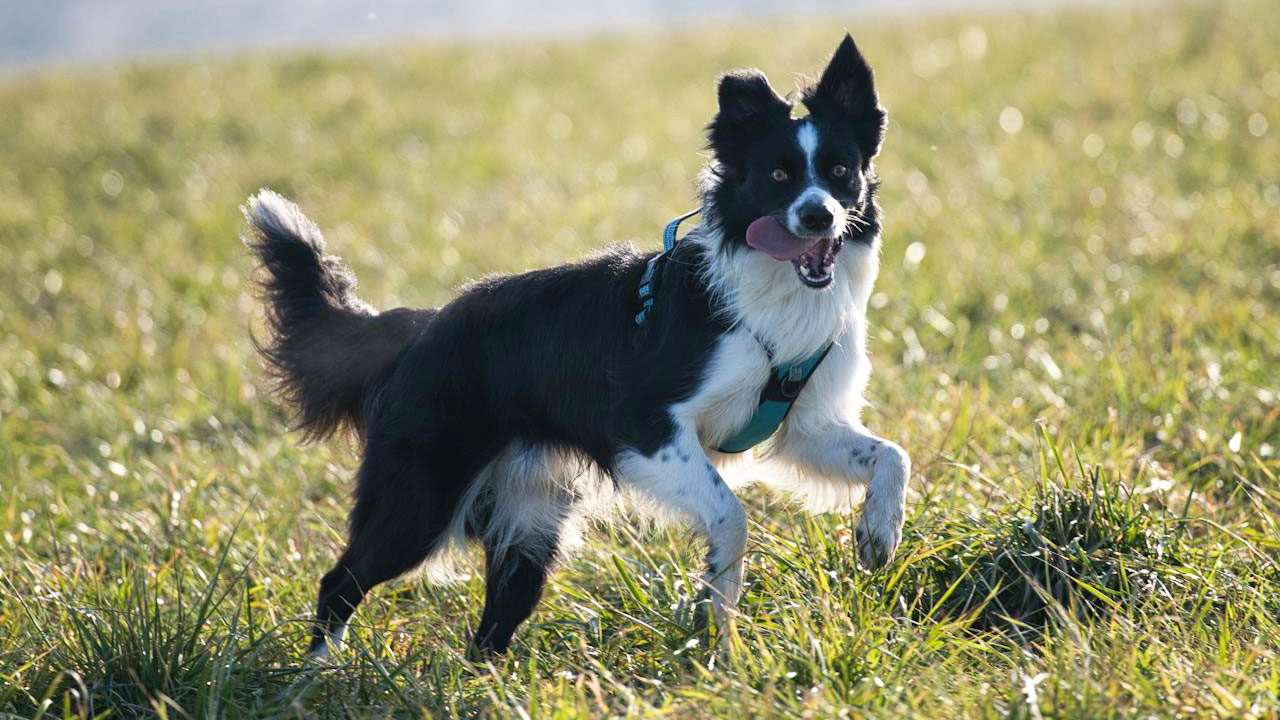
The Border Collie is one of the easiest breeds to put at the top of a list like this because AKC describes the breed as extremely energetic and says it requires daily exercise beyond a walk around the block. AKC also notes that keeping a Border Collie active helps it stay on its best behavior.
That lines up with what people already know about them. A Border Collie without enough work usually does not just get a little restless. It starts inventing jobs. That can mean obsessive pacing, chewing, barking, tearing things up, or trying to herd anything that moves. If a family wants one because they are brilliant and beautiful, they need to want the workload too.
Australian Shepherd

Australian Shepherds are smart, energetic, and loaded with work drive. Aussies have incredibly high energy levels and need both brain work and body work.
That is why under-exercised Aussies can become chaos in a nice coat. They are not usually being “bad” for the sake of it. They are trying to burn off drive that has nowhere to go. In a home that gives them training, movement, and a real outlet, they can be outstanding. In a home that treats them like decorative pets, they often start finding weak points in both the routine and the furniture.
Siberian Husky
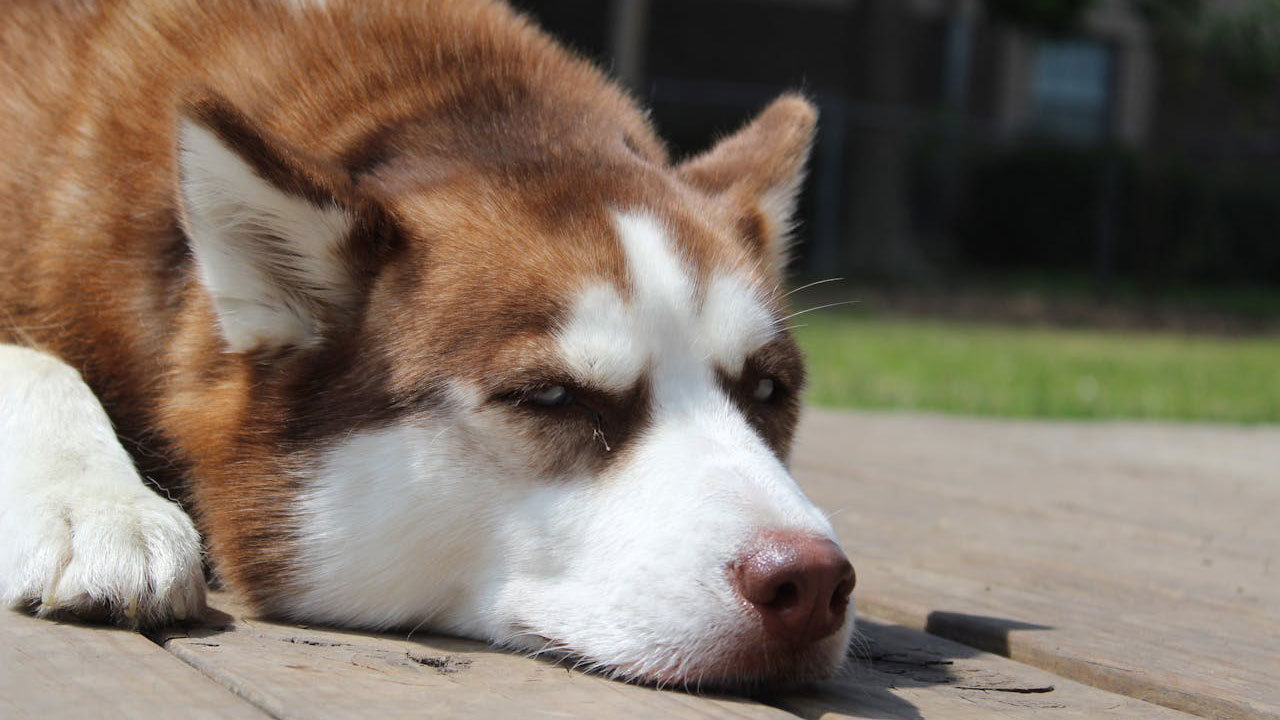
The Siberian Husky is a high-energy breed and also notes that Huskies are high-energy, independent thinkers with a knack for escaping and a love of running.
That escape-artist piece matters because a bored Husky often does not stop at chewing. A lot of them dig, climb, roam, or test every boundary you have. They were bred for endurance, and if that engine is sitting still too much, it starts looking for a release valve. Huskies can be excellent companions, but they are a terrible choice for someone who thinks a little backyard time is going to meet serious exercise needs.
Russell Terrier
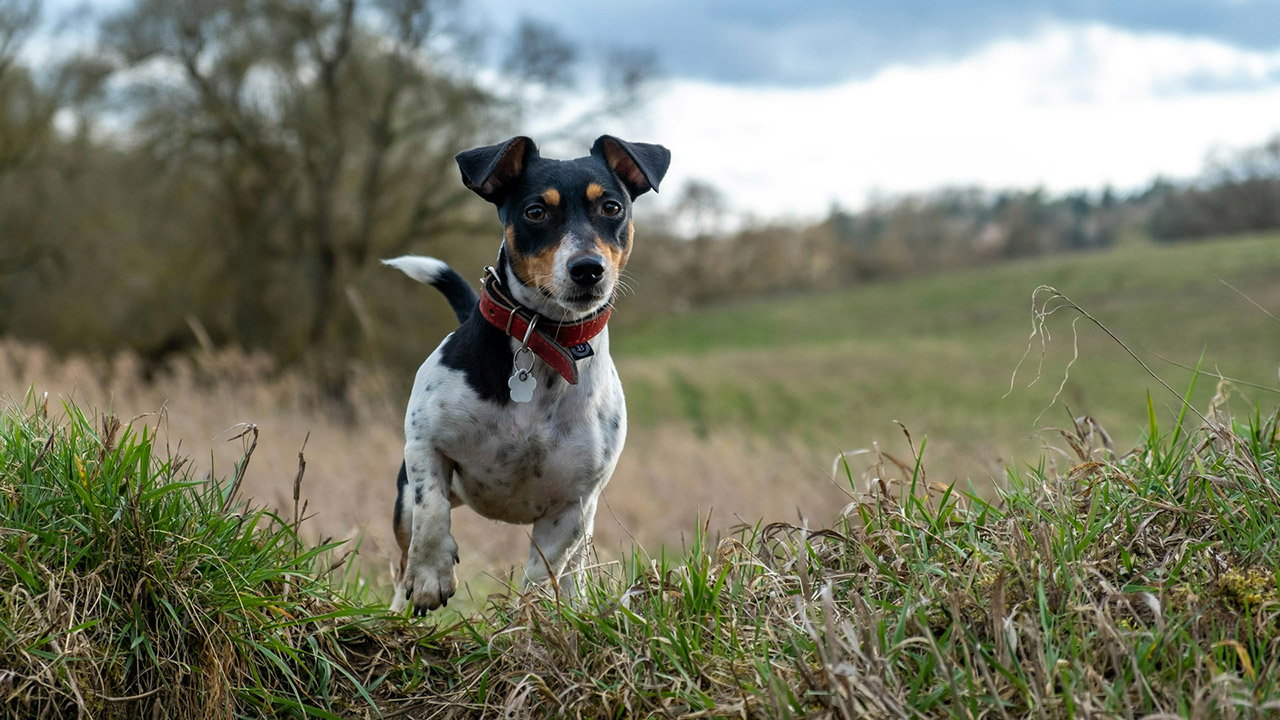
The Russell Terrier is a high-energy breed that does best with lots of hikes, bike rides, and long daily activity. On the closely related Parson Russell side, terriers can get restless and destructive if they are not kept occupied and exercised.
This is the kind of dog that can be funny, bold, and full of personality right up until it decides your house is a job site. Russell types are small, but the engine is not. If they are bored, they dig, shred, chase, and stay busy in ways you will not enjoy. A lot of people underestimate them because of size, and that is usually where the trouble starts.
Australian Cattle Dog

The Australian Cattle Dog is a high-energy breed, which should surprise nobody who has ever been around one. These dogs were built to work hard, think fast, and stay engaged.
When they do not get that outlet, they tend to get pushy, mouthy, and destructive in a hurry. This is one of those breeds that usually wants more than exercise alone too. They want engagement. They want a reason to use their head. If they do not get it, they often start controlling the home environment the same way they would try to control livestock, and that can get rough on both belongings and family sanity.
German Shorthaired Pointer
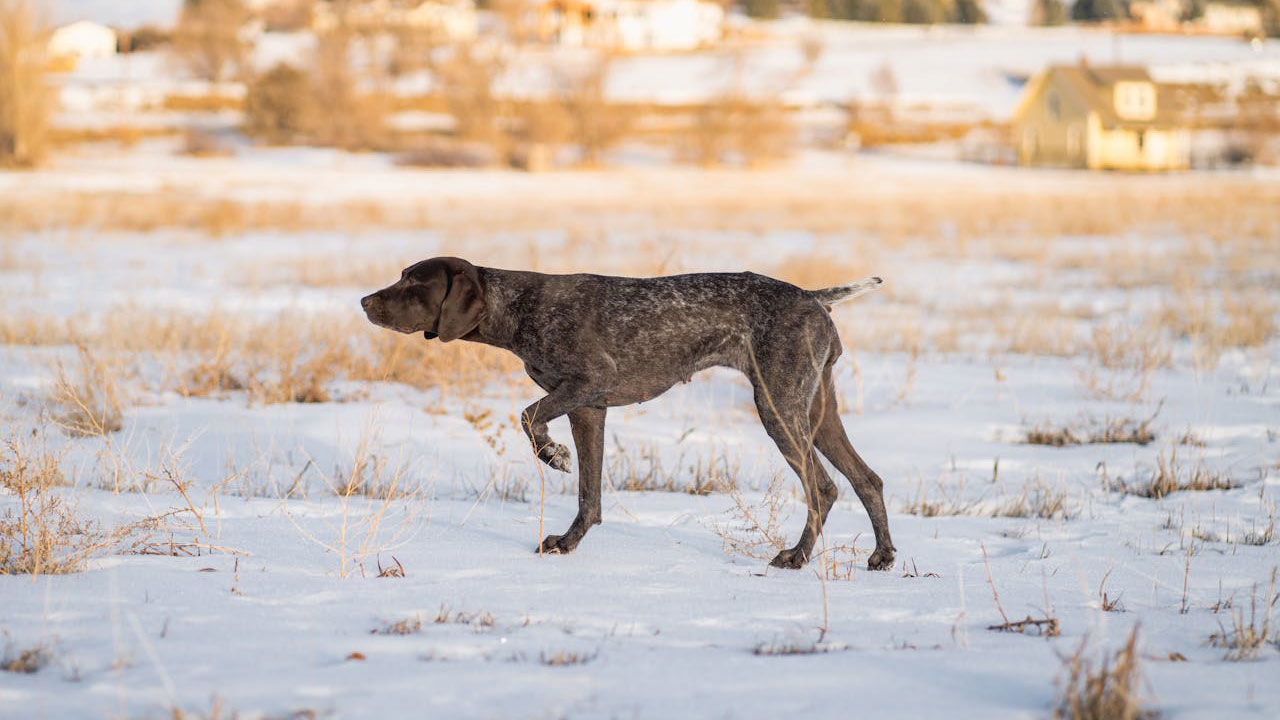
The German Shorthaired Pointer has a very high energy level, a strong prey drive, and needs an active owner to guide that exuberance and intensity. AKC’s breed-fit coverage also says GSPs require a lot of mental and physical stimulation.
That is exactly why bored GSPs can be such a handful. They are athletic, intense, and usually more than willing to stay busy all day. Without enough movement and engagement, that energy tends to spill into chewing, frantic behavior, or relentless indoor restlessness. They are fantastic dogs for the right person, but “right person” usually means somebody who truly wants a hard-charging sporting dog, not just a handsome one.
Vizsla

The Vizsla is a high-energy breed, and the breed standard itself describes the Vizsla as agile and energetic, with power, drive, and endurance in the field.
That energy is part of the appeal, but it is also exactly why they can go off the rails when under-exercised. Vizslas are affectionate and velcro-like with their people, which means boredom often shows up as clingy, anxious, destructive behavior rather than just random rowdiness. If they are not getting enough running, training, and meaningful activity, they can turn into dogs that seem emotionally and physically pent up all at once.
Weimaraner
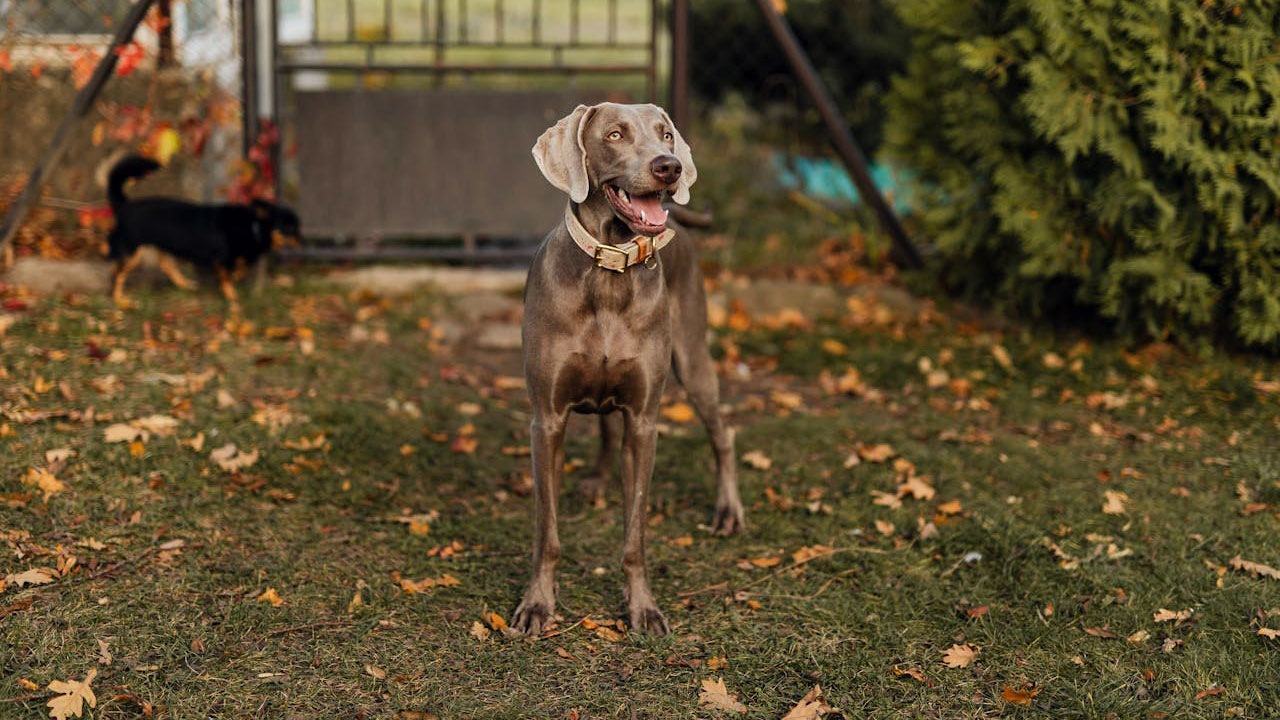
Weimaraners have high exercise requirements and need consistent exercise for their physical and mental well-being. Weimaraners are high-energy dogs that need a job and can get stir crazy without daily activity.
That “stir crazy” part is exactly right. A bored Weimaraner tends to feel like a dog under pressure. They are strong, smart, social, and not especially built for being ignored. If their needs are not met, the result can be rough on a home fast. Chewing, pacing, grabbing things, and general house-wrecking energy are all very believable outcomes with a breed like this.
Labrador Retriever
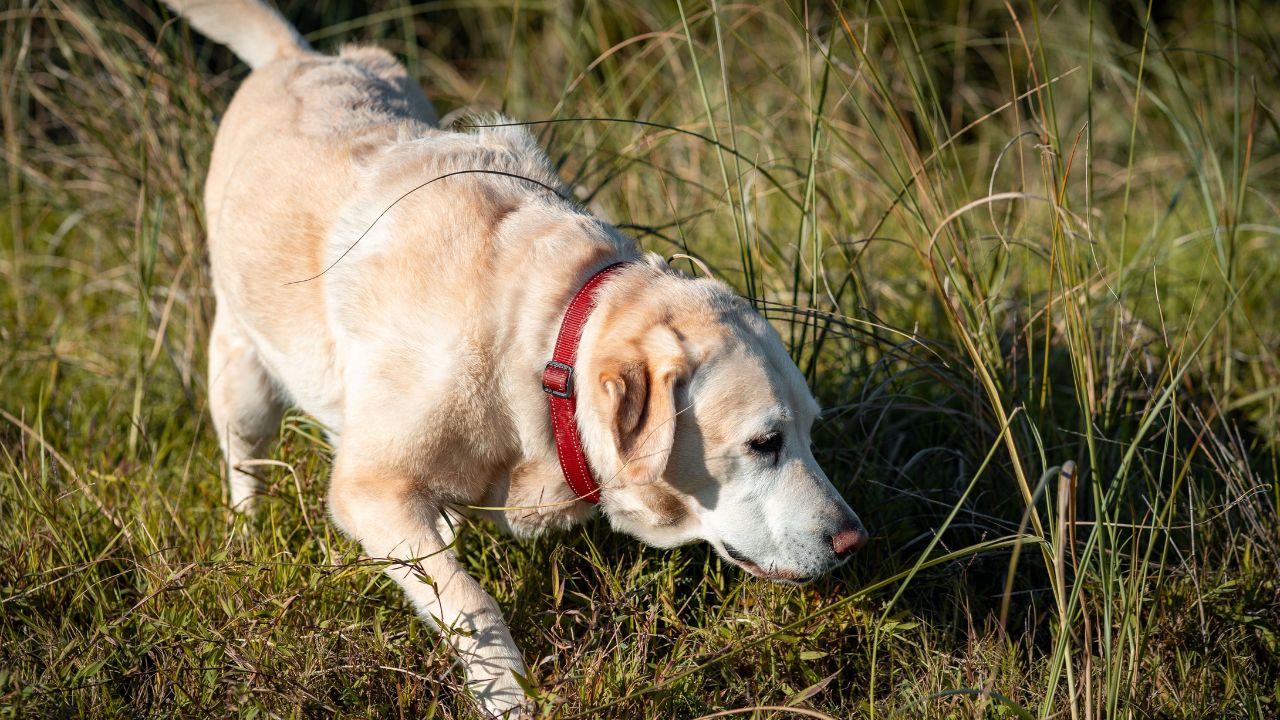
People sometimes forget how much dog there is in a Lab because they are so common and so family-friendly. But AKC says the Labrador Retriever is a very energetic breed that needs lots of exercise every day, and specifically warns that a Lab without enough exercise is likely to engage in hyperactive and destructive behavior.
That makes Labs one of the more important breeds to include here because they are so often placed in average homes. A young under-exercised Lab can be a wrecking ball with good intentions. They are strong, mouthy, enthusiastic, and very willing to chew, carry, drag, or destroy things if life gets too boring. People think “easy family dog” and forget they are also getting a real working retriever.
Belgian Malinois

AKC’s working-breed guidance says powerful working dogs can become bored and develop bad behaviors when they do not get training outlets, and breed-group guidance consistently treats herding breeds like the Malinois as high-energy dogs with major drive.
This is one of those breeds that does not merely “need exercise.” It needs serious structure, training, and purpose. If a Malinois is bored, the fallout can be intense. Chewing, frantic behavior, biting at objects, and nonstop agitation are all on the table. This is not a breed for someone who wants to casually tire a dog out after work and call it good. A Mal with no outlet is often a problem looking for a direction.
Dalmatian
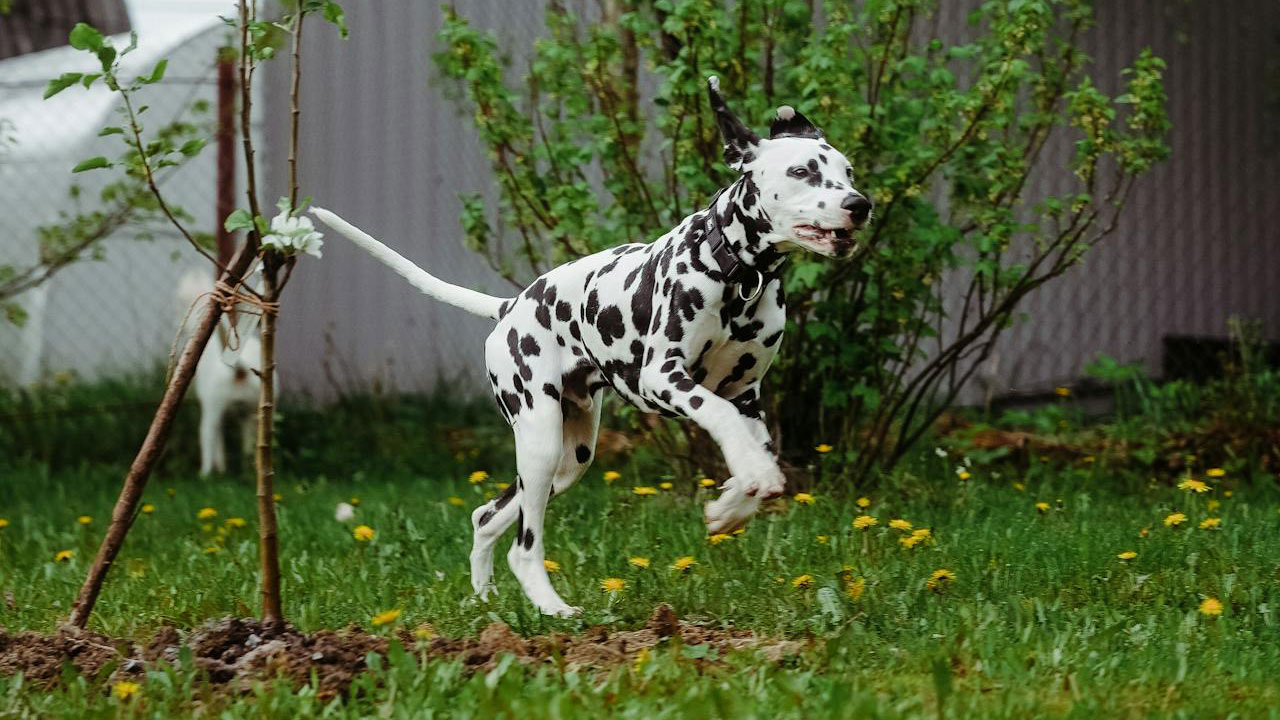
The Dalmatian in the high-energy camp, and the breed’s history as a carriage dog makes that pretty easy to understand. They were built for endurance and motion, not loafing around all day.
A Dalmatian that is not getting enough exercise can become loud, wild, and destructive in a hurry. They are athletic and often more intense than first-time owners expect. A lot of their bad reputation really comes from homes not matching the dog. When they are exercised and engaged, they can be excellent. When they are bored, they often start doing their own version of problem-solving, and that rarely helps your house.
Beagle
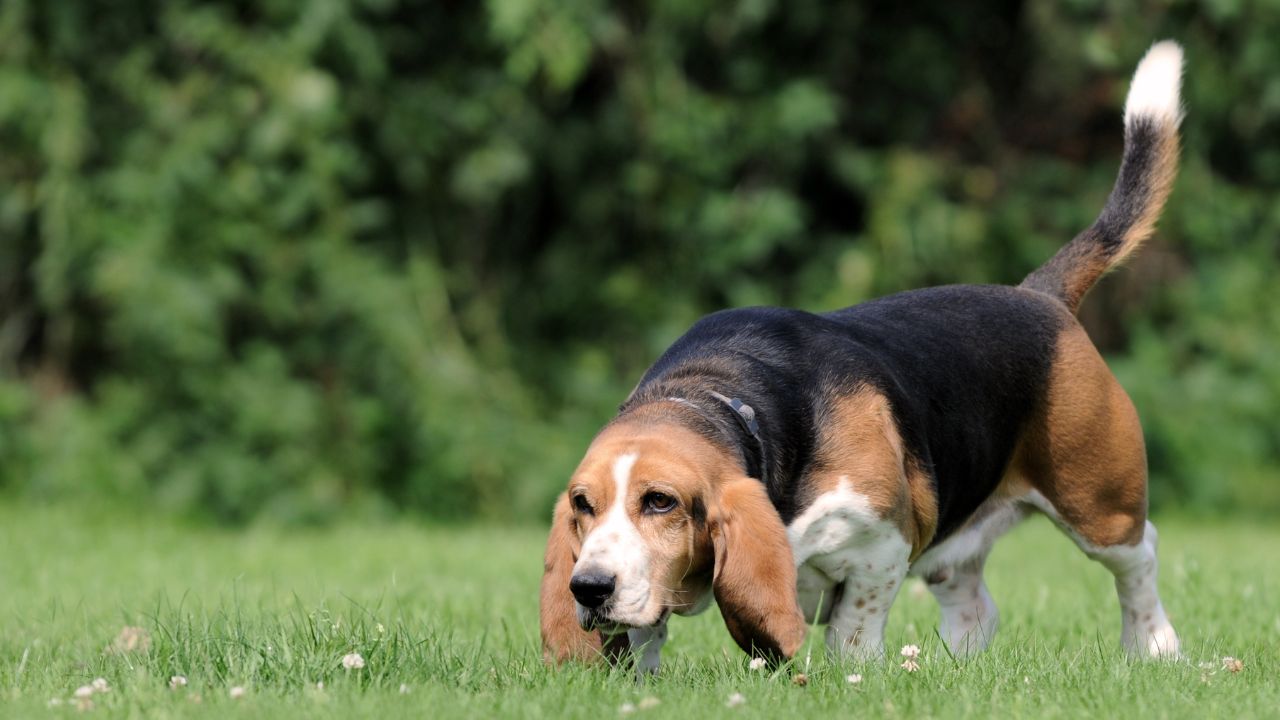
Beagles are not always thought of first in this category, but that is a mistake. AKC treats them as active scent hounds with a lot of curiosity and drive, and hound-type boredom often shows up in very physical ways.
A Beagle that is under-exercised and under-stimulated does not necessarily melt down like a herding breed, but it can still become destructive fast. Digging, chewing, getting into food, following scents into trouble, and making a general mess are all part of the package if it is bored enough. People often expect them to be easy because they are friendly and medium-sized, but they still need more engagement than many homes give them.
Brittany

The Brittany is another sporting dog that can get wild indoors if the exercise plan is weak. AKC consistently places these pointing breeds in the active, eager, high-output lane, and that is exactly where the warning signs come from.
A bored Brittany usually does not settle into polite disappointment. It starts bouncing, chewing, pestering, and making itself everybody’s problem. These dogs tend to thrive when they have movement, training, and time with their people. Without that, they can become one of those breeds owners describe as “a lot” in a tone that usually means the couch lost a fight.
Boxer

The Boxer is a bright, fun-loving, active breed, and that active piece matters more than some people expect because Boxers can look like chunky clown dogs to the untrained eye.
Under-exercised Boxers often get destructive through pure pent-up energy. They jump, crash, chew, and turn the house into a wrestling ring. They are usually doing it out of frustration and excitement, not because they are mean or unstable. A good Boxer with enough exercise is a blast. One without enough is often a loud reminder that muscular, playful dogs still need a real outlet.
German Shepherd Dog

The German Shepherd is an athletic, energetic breed with major working ability, and that combination can go bad in the house if the dog is not getting enough structure and exercise.
A bored Shepherd often becomes destructive in a more tense, driven way than a goofy sporting breed. You may see chewing, pacing, barking, digging, or obsessive behavior. The breed usually wants a job and wants to feel engaged with its environment. If that does not happen, it tends to create its own job, and owners usually do not enjoy what it picks.
Like The Avid Outdoorsman’s content? Subscribe to our newsletter so you never miss an article.
Here’s more from us:


